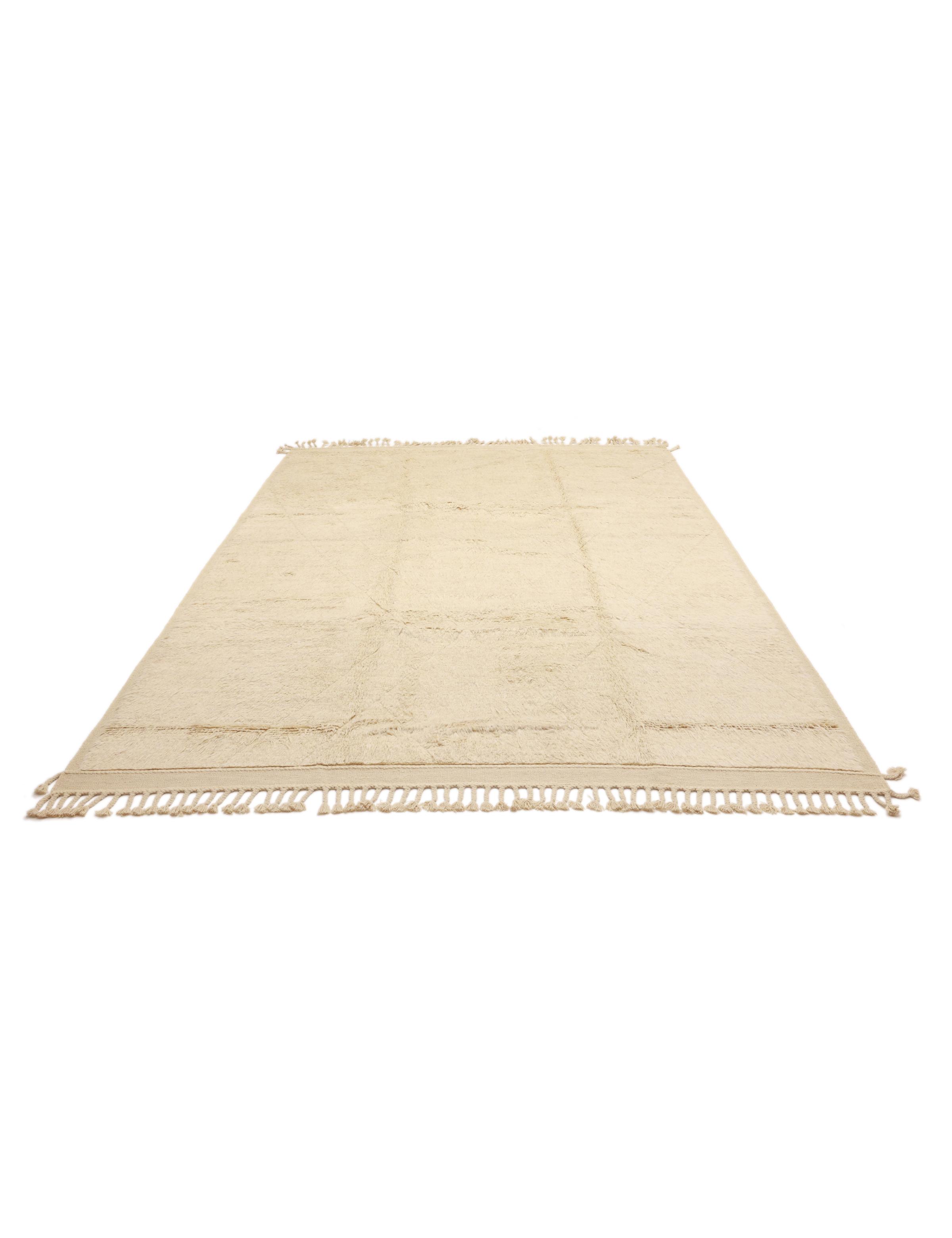
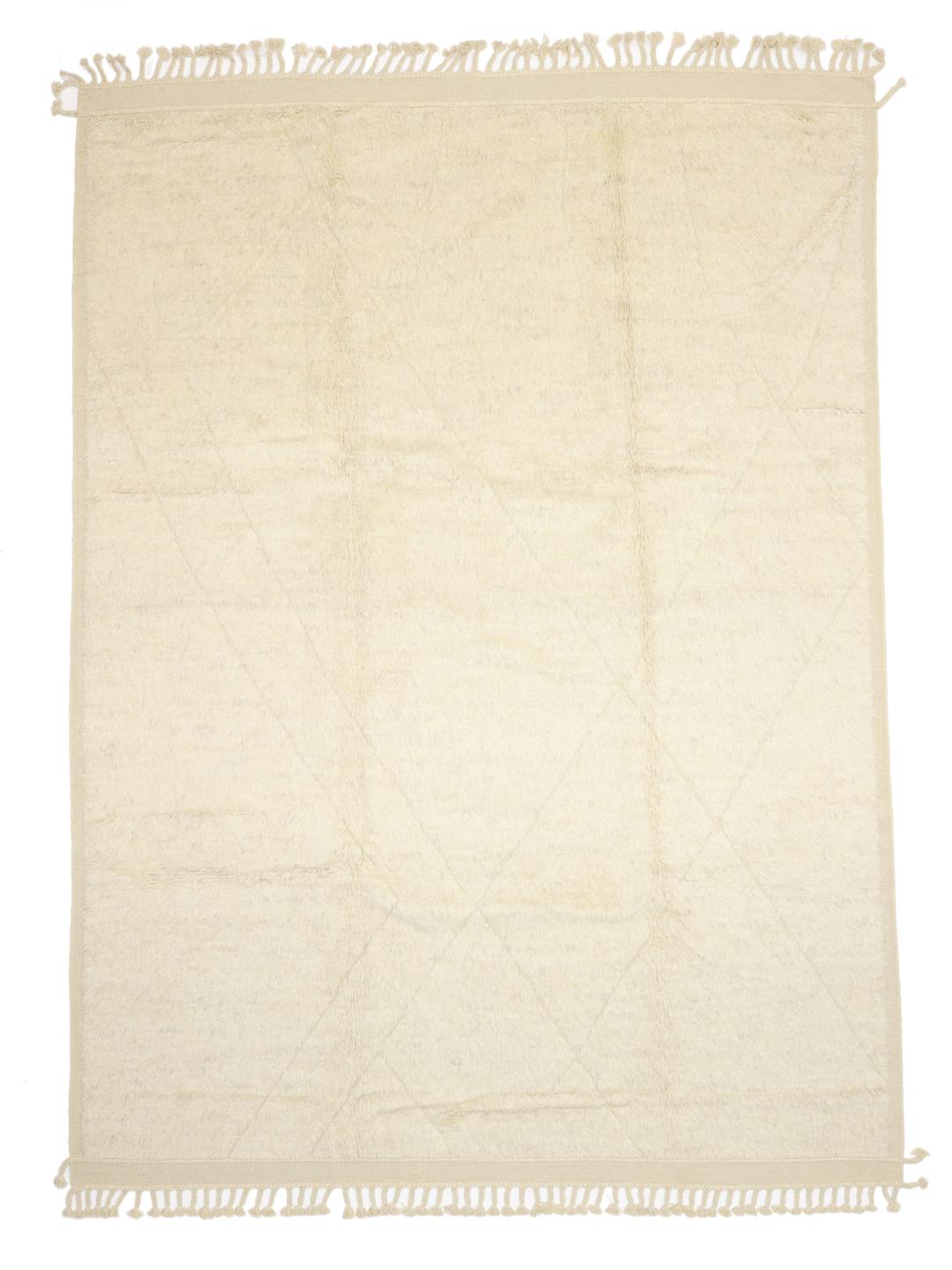
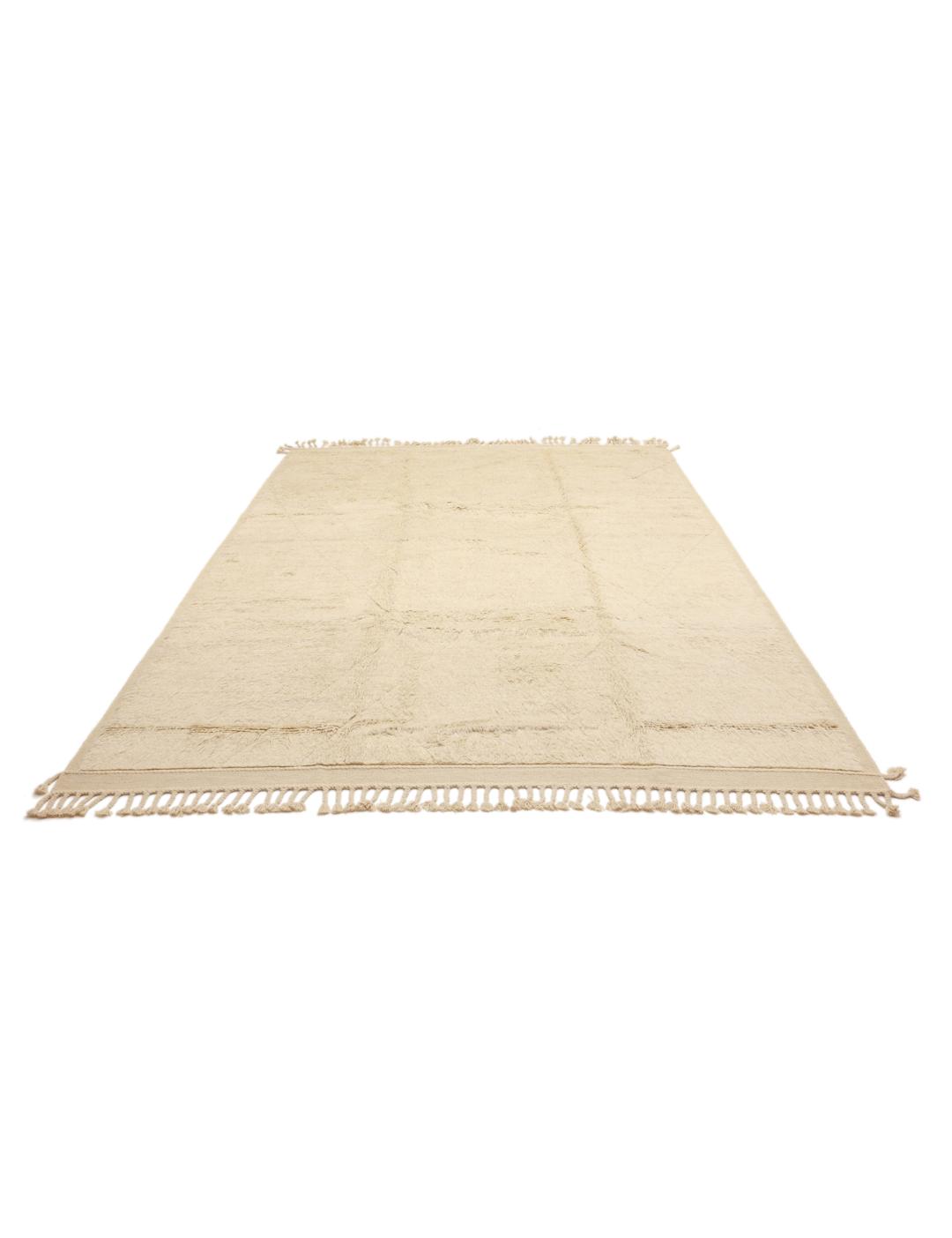
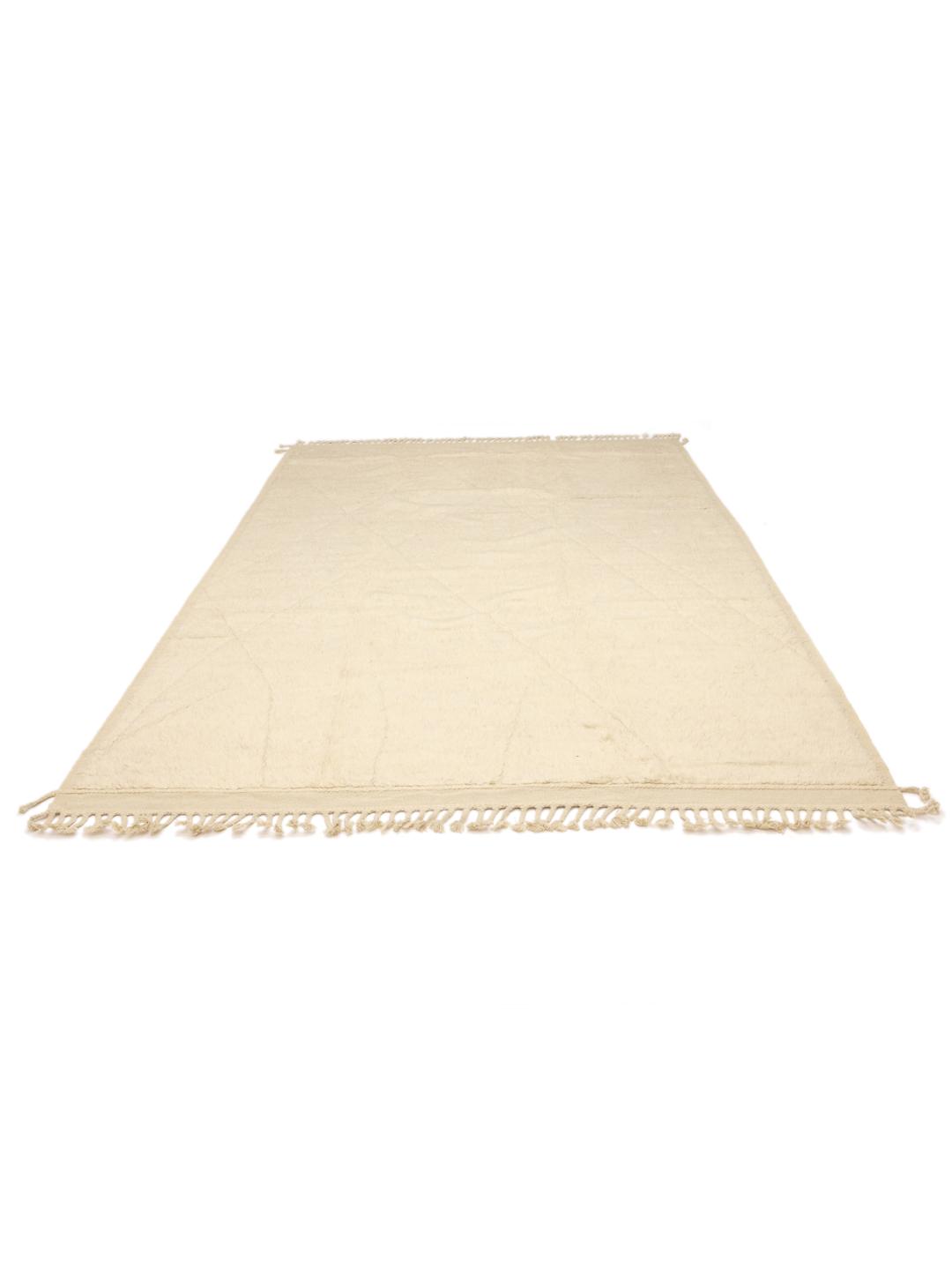
Berber-style rugs find their roots in the ancient weaving traditions of North African nomadic tribes, where they were originally created as functional textiles for protection against the cold. Over time, these designs have travelled across borders, inspiring weavers in regions like Afghanistan to adapt these minimalist, textured aesthetics into their own local traditions.
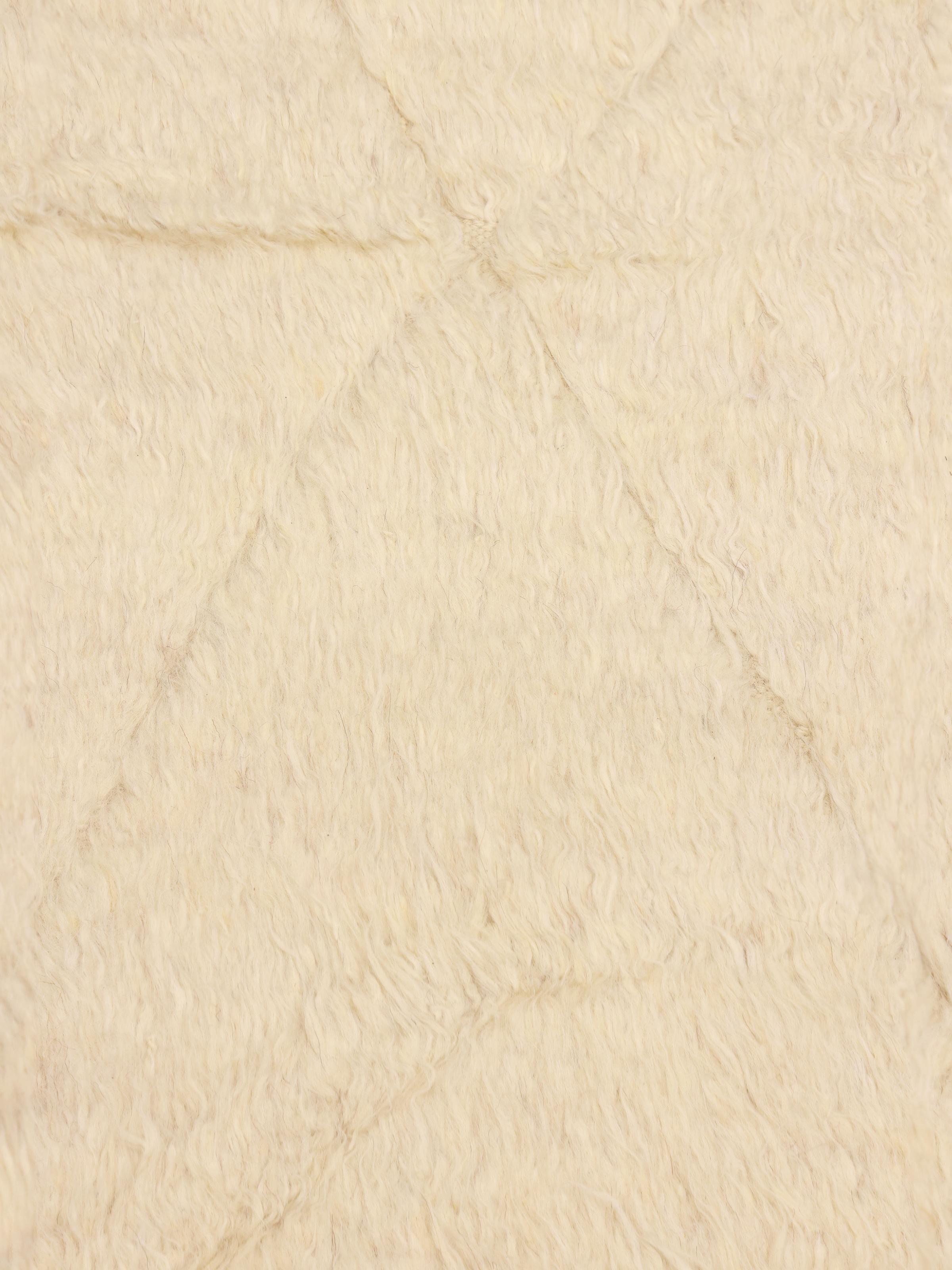
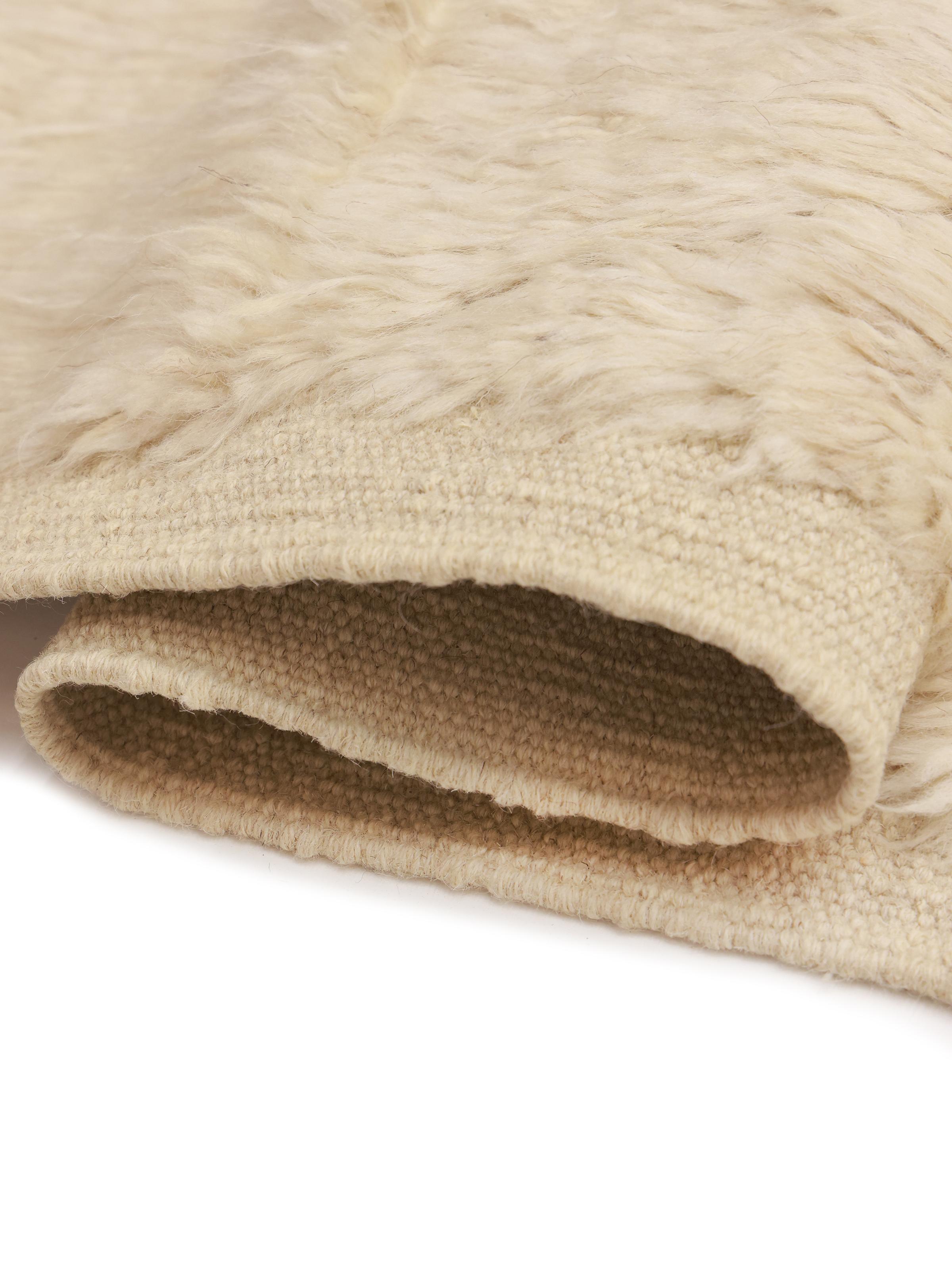
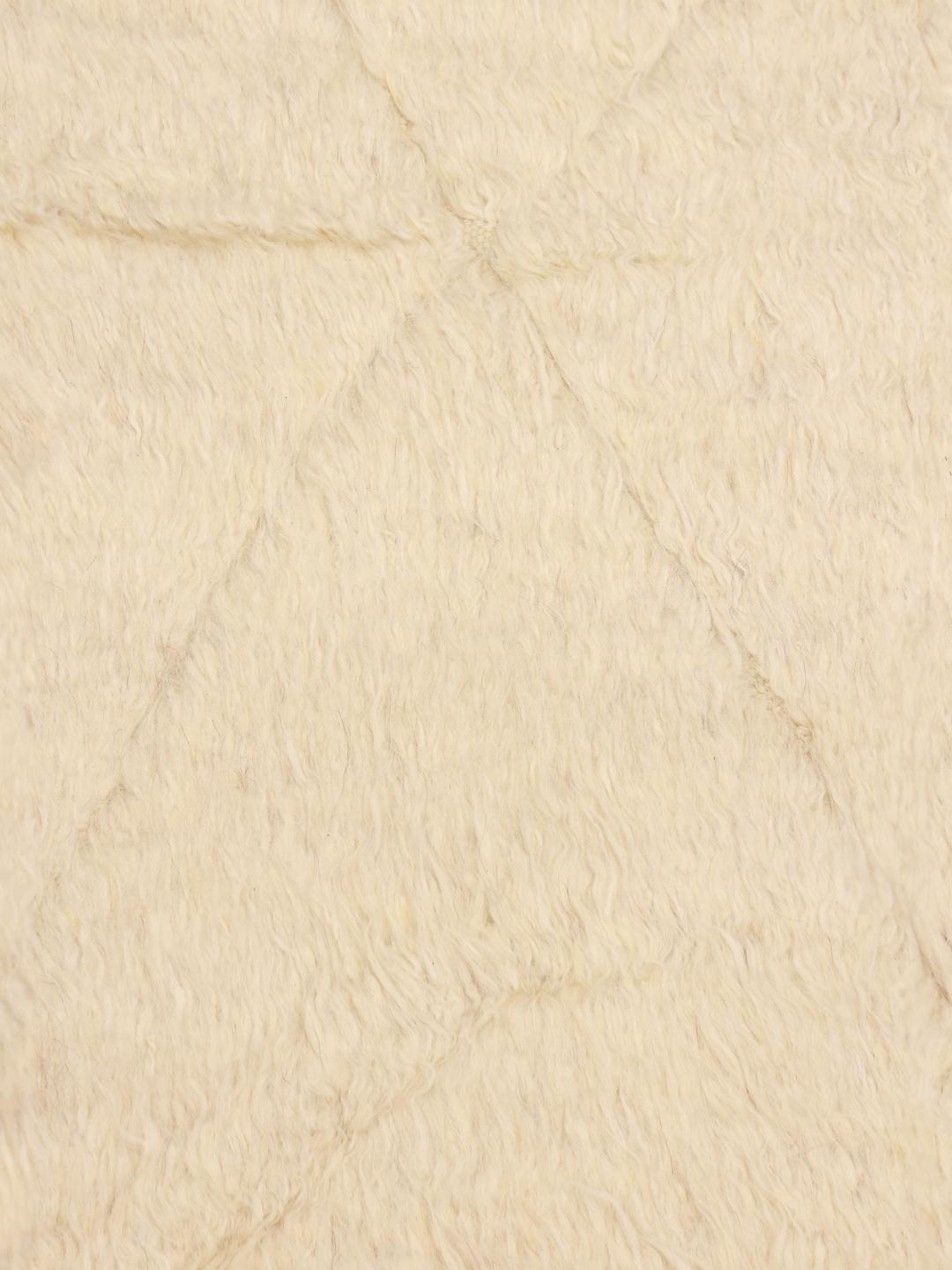
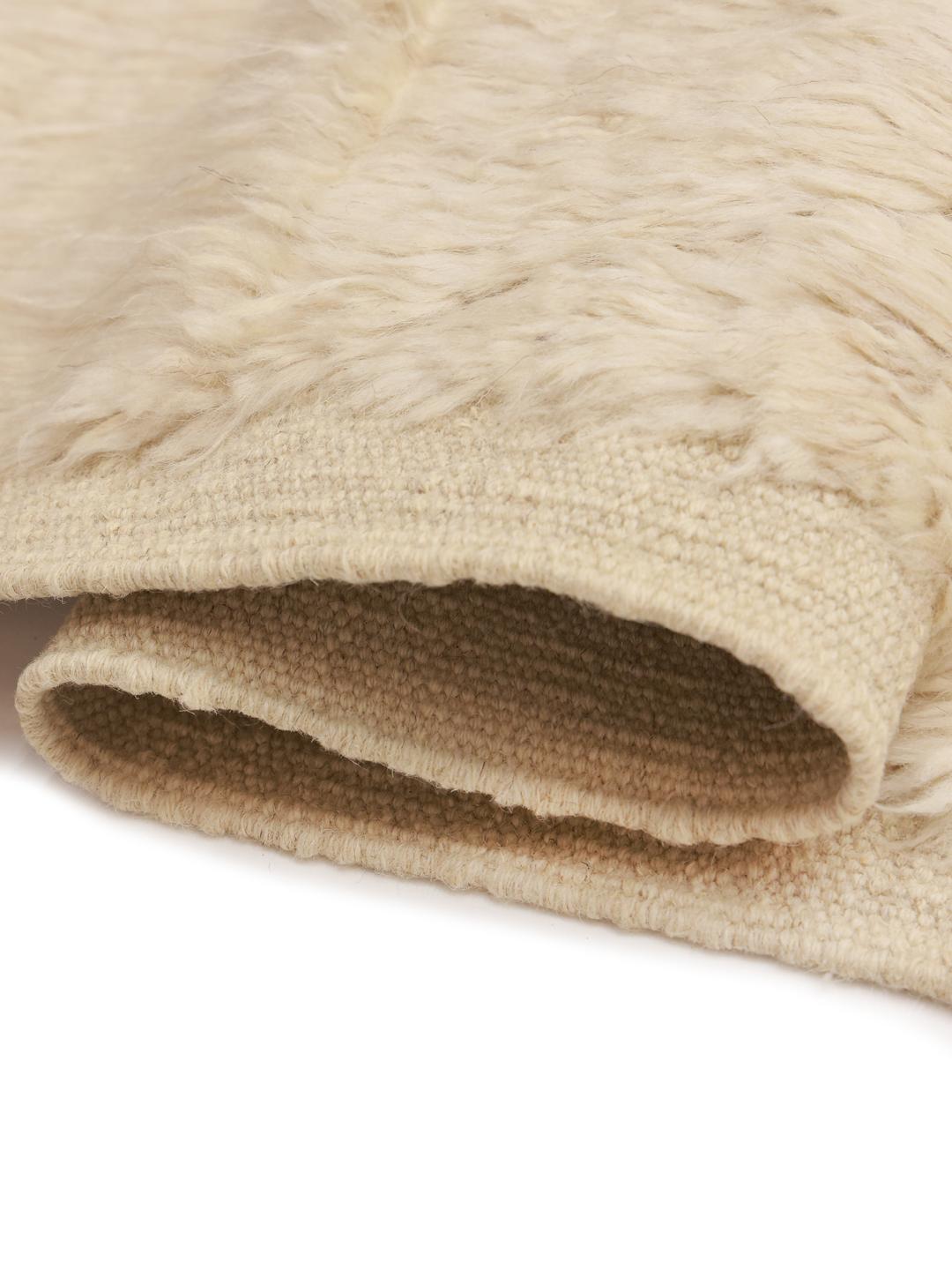
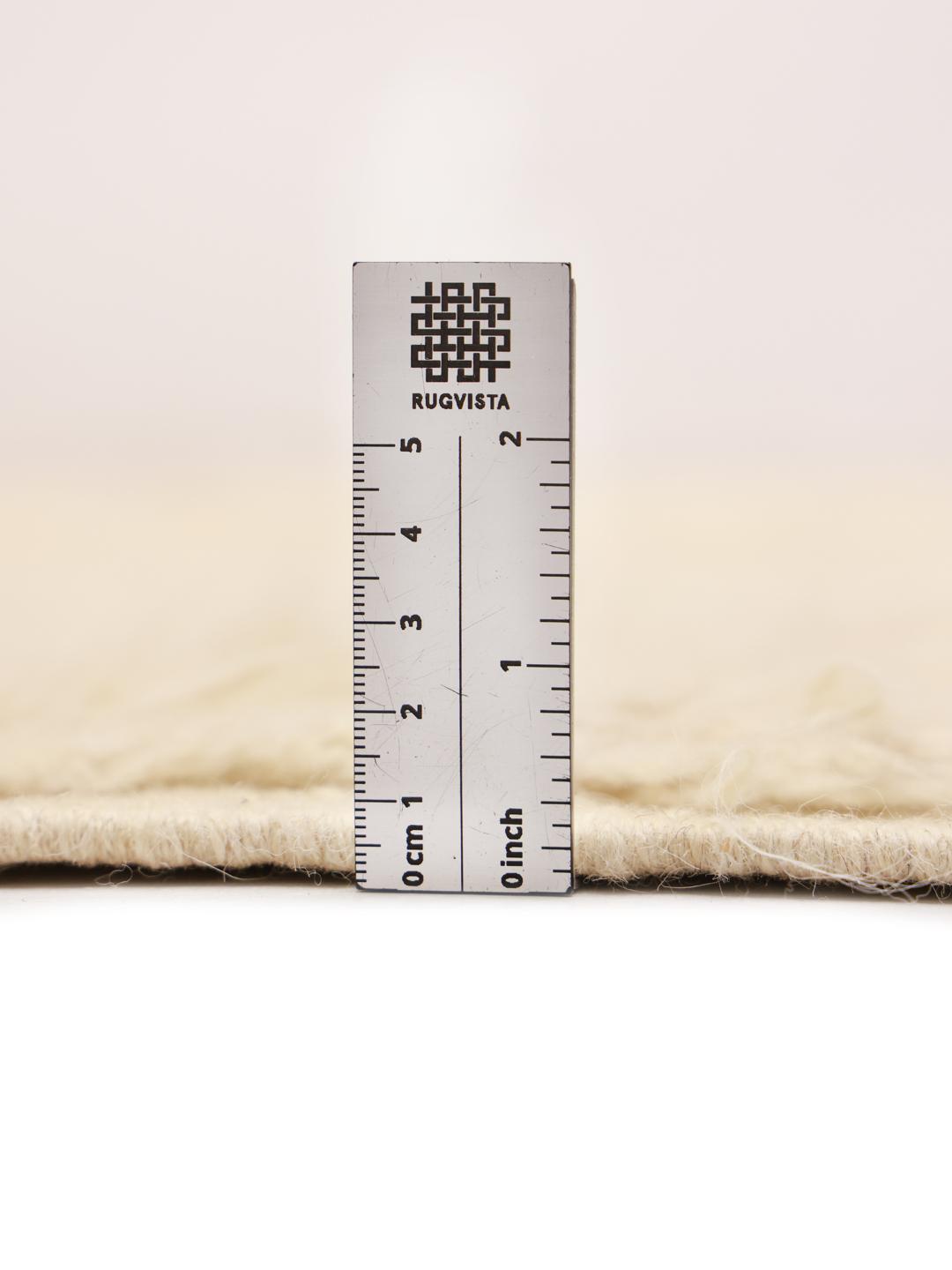
The term Berber refers to a specific design language characterised by simplicity, natural materials, and high-pile comfort. In this context, the craft involves using Wool to create a thick, plush surface that is both insulating and soft. This focus on material quality ensures that the finished piece is as functional as it is beautiful.
Visually, these rugs are defined by their restrained colour palettes and subtle, often geometric, motifs that rely on the natural variation of the Wool itself. Unlike more intricate or densely patterned carpets, the charm of this style lies in its quiet clarity, allowing the texture and the quality of the weave to take centre stage.
Owning a piece from this tradition is an investment in cultural heritage and skilled labour. These rugs are highly valued by collectors for their ability to bring a sense of history and human connection into a modern home, bridging the gap between ancient craft techniques and contemporary interior design.