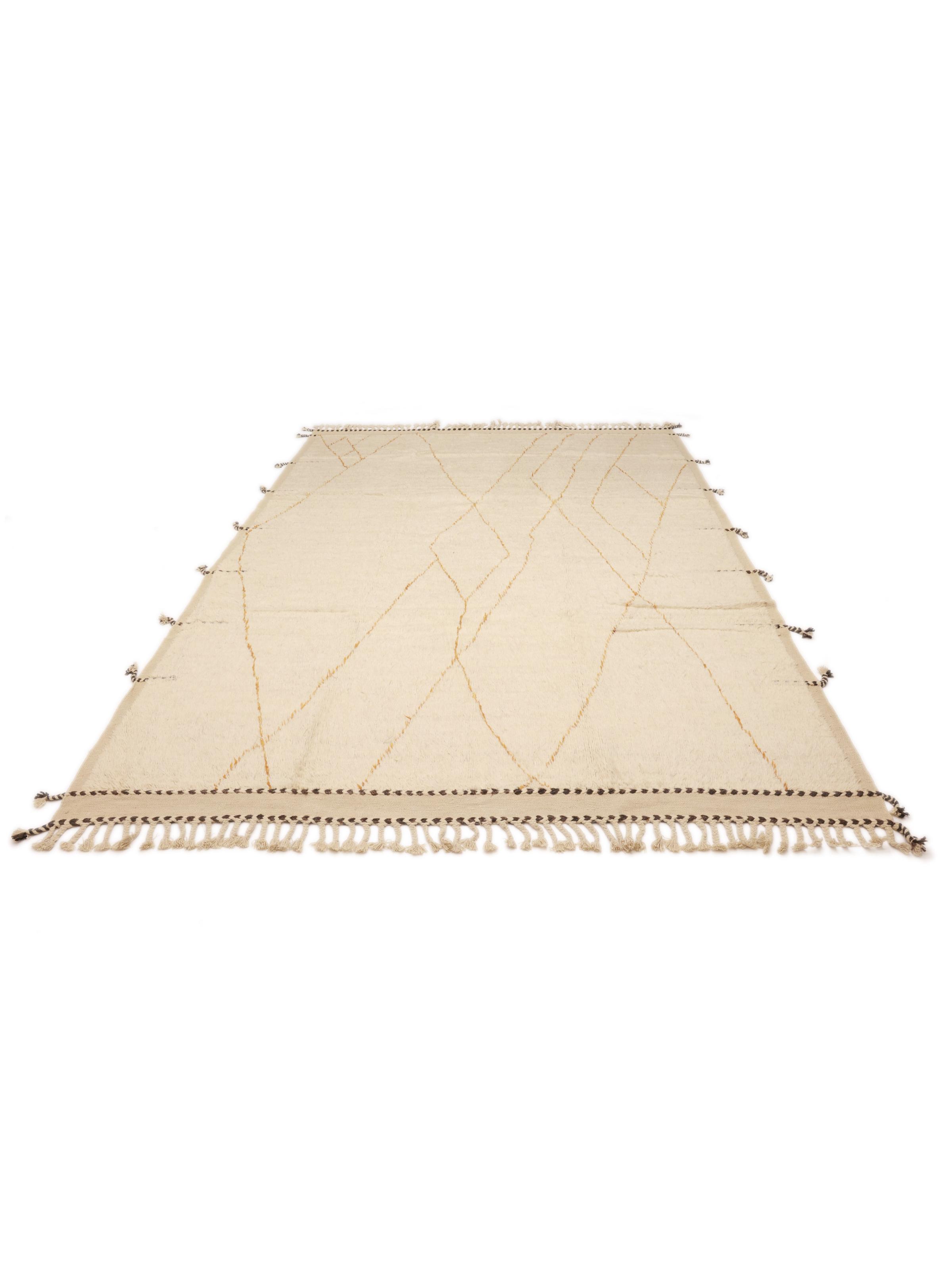
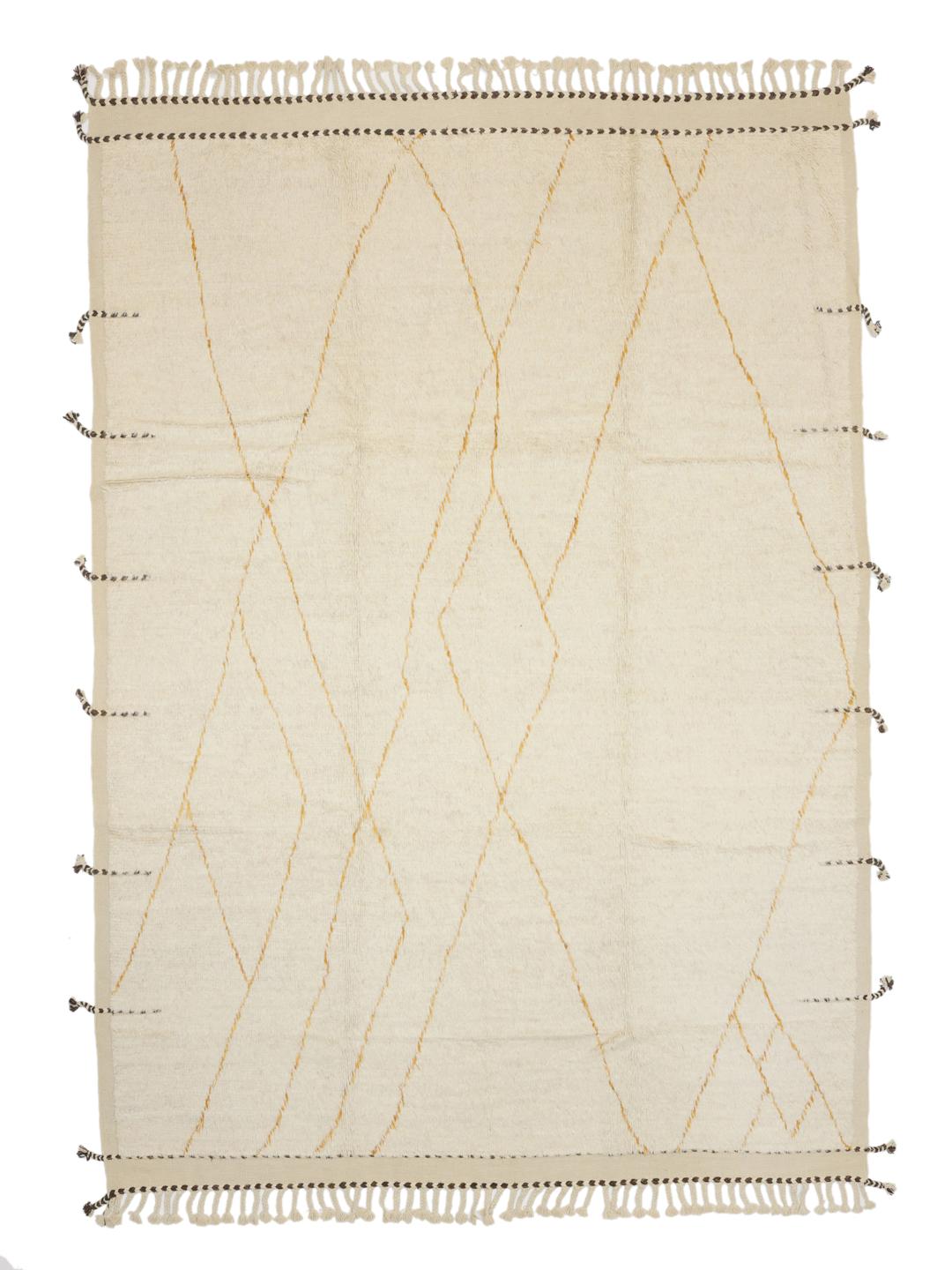
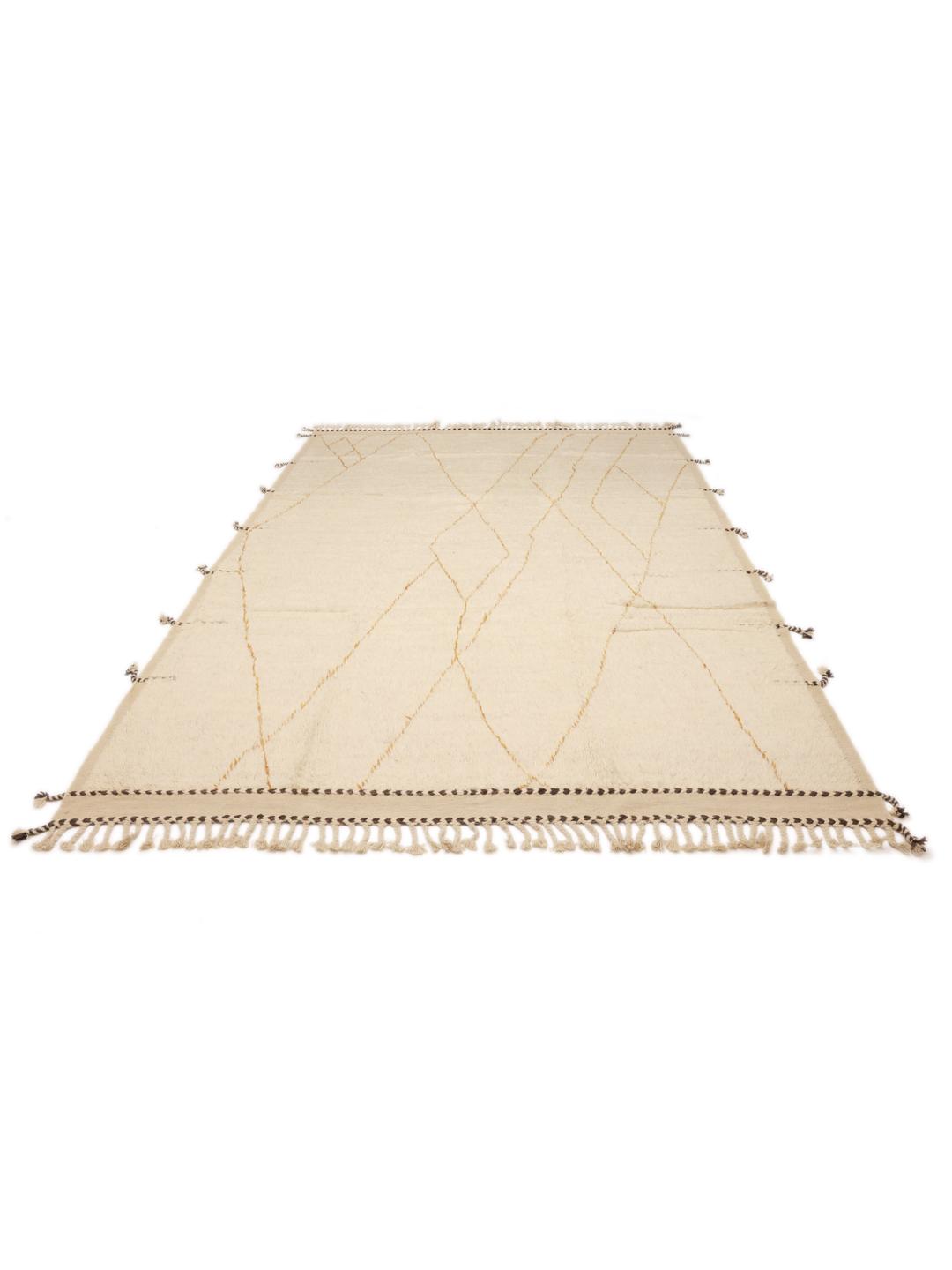
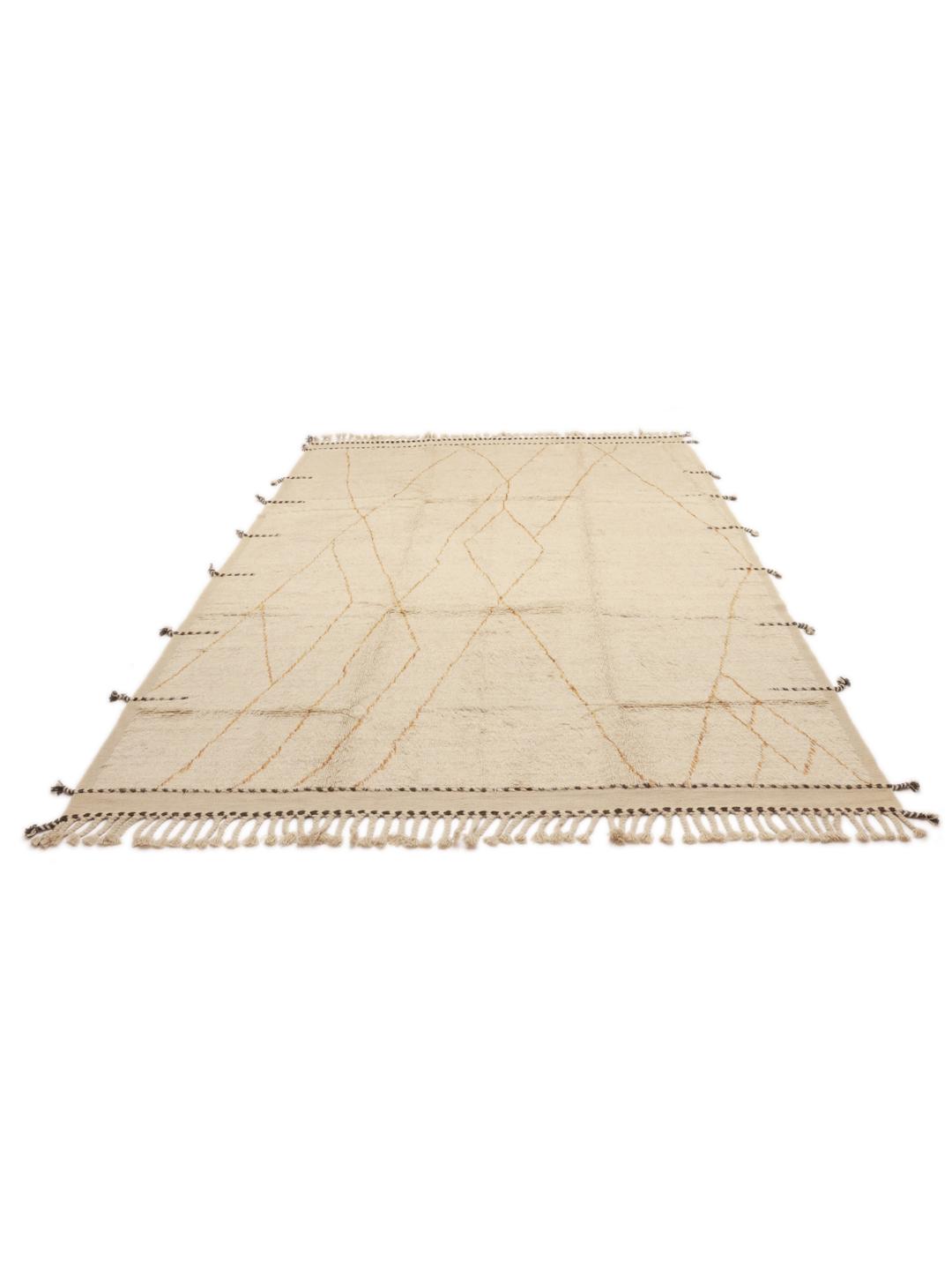
The Berber style, while historically associated with the nomadic tribes of North Africa, has evolved into a global design language celebrated for its minimalist aesthetic and organic warmth. Today, this tradition is expertly interpreted by weavers in Afghanistan, who bring their own regional expertise and high-quality wool to these iconic designs. This migration of style highlights how traditional motifs can travel across borders, gaining new life through the hands of skilled craftspeople in different cultural contexts.
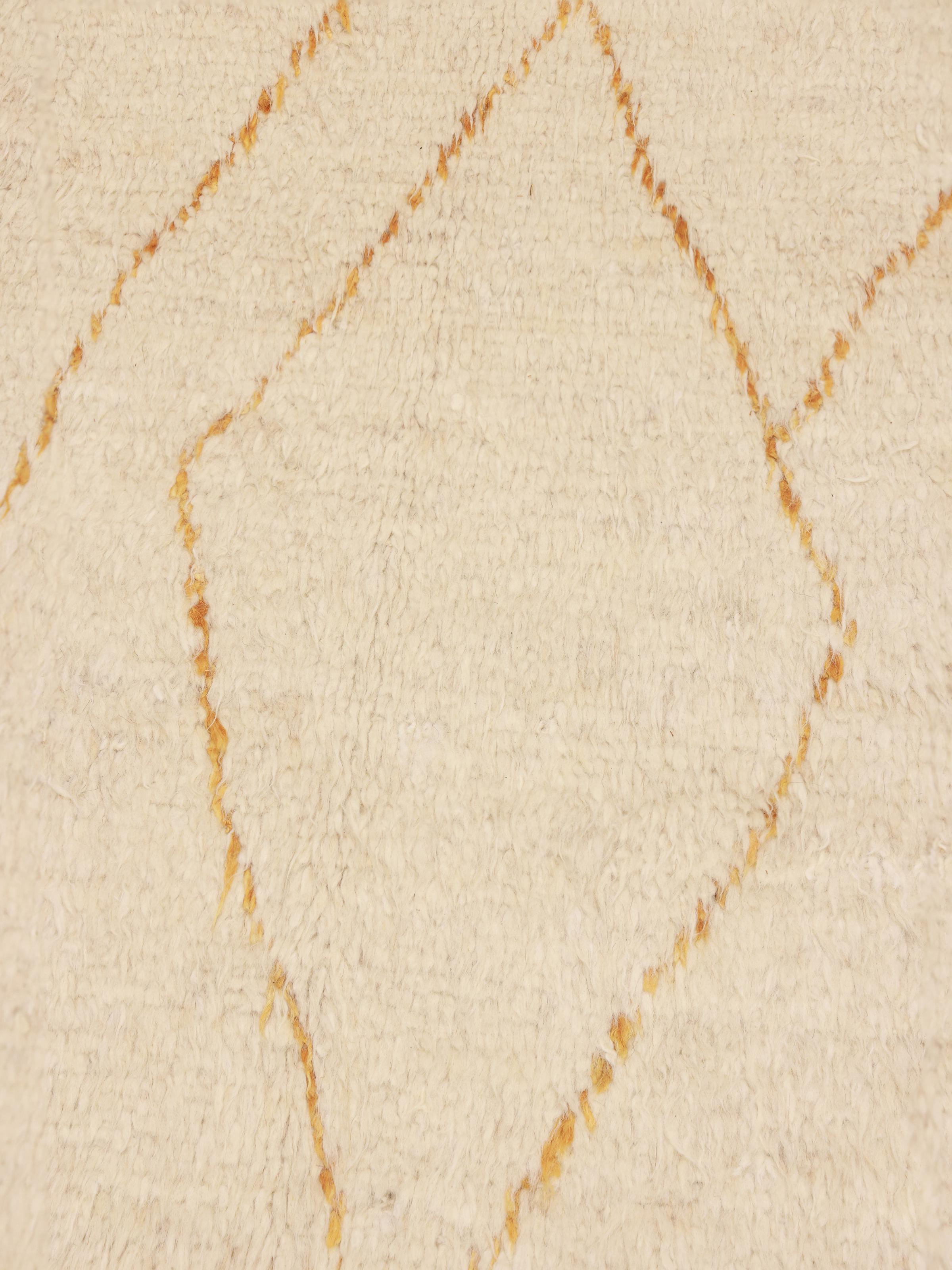
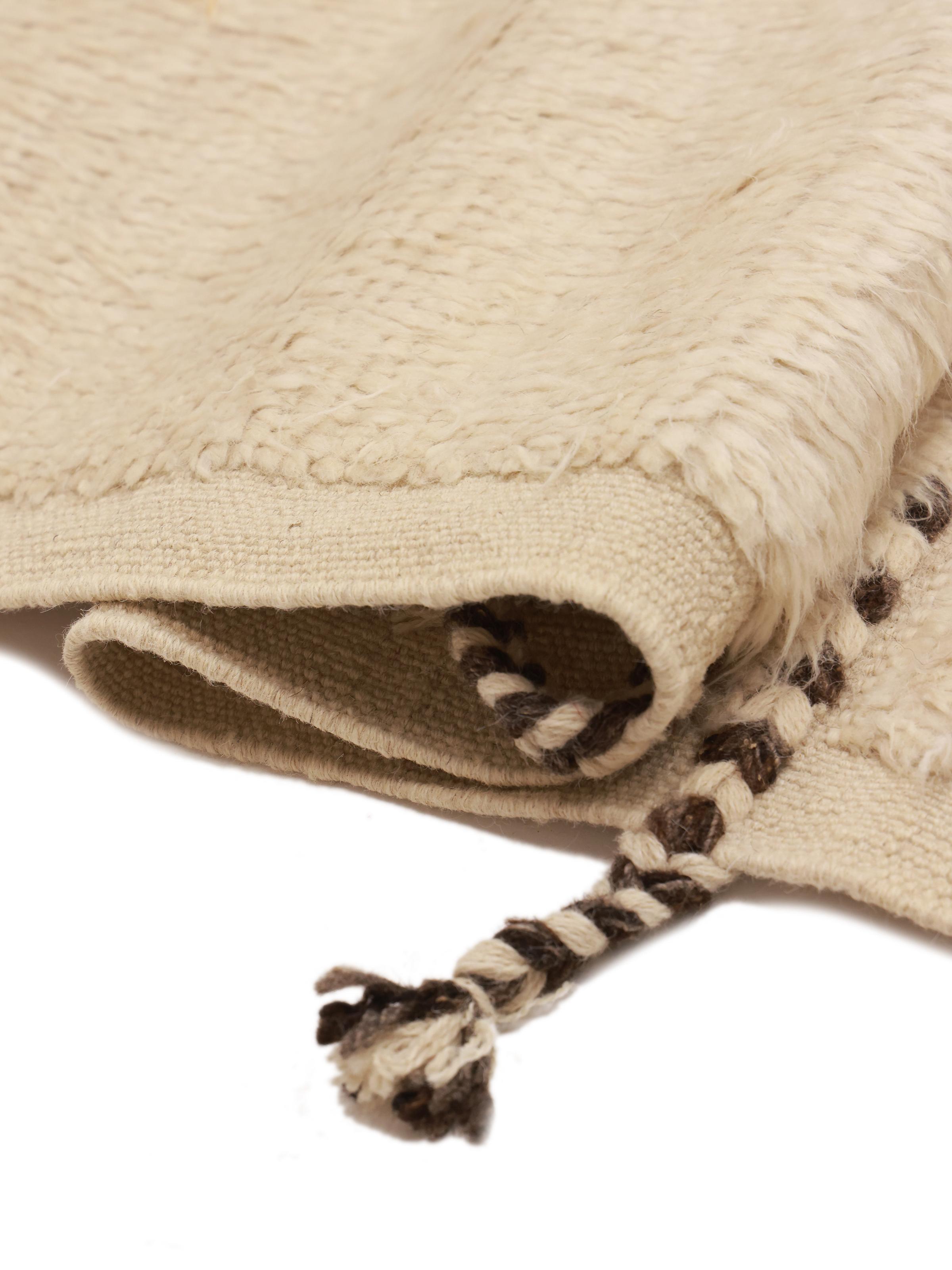
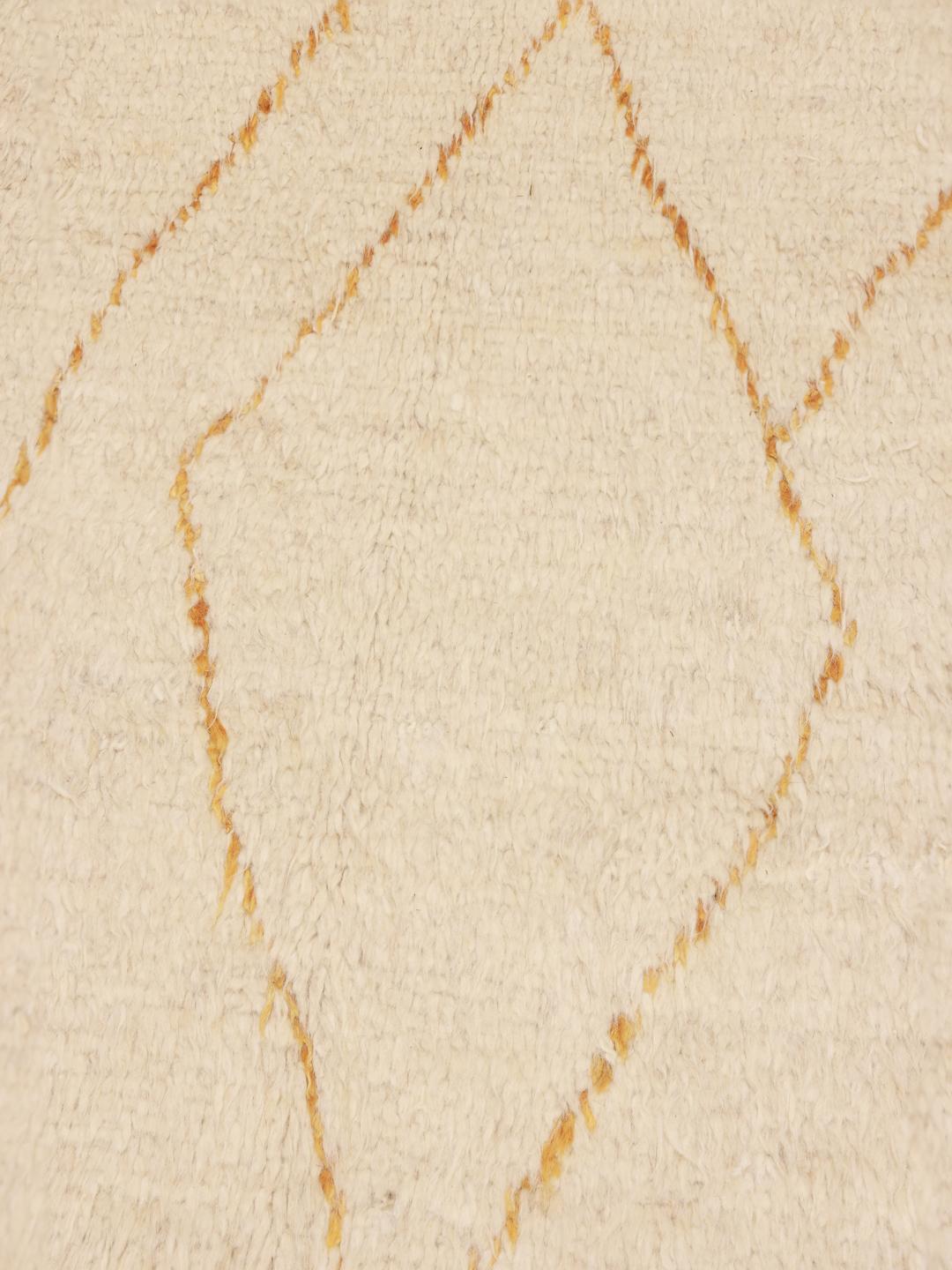
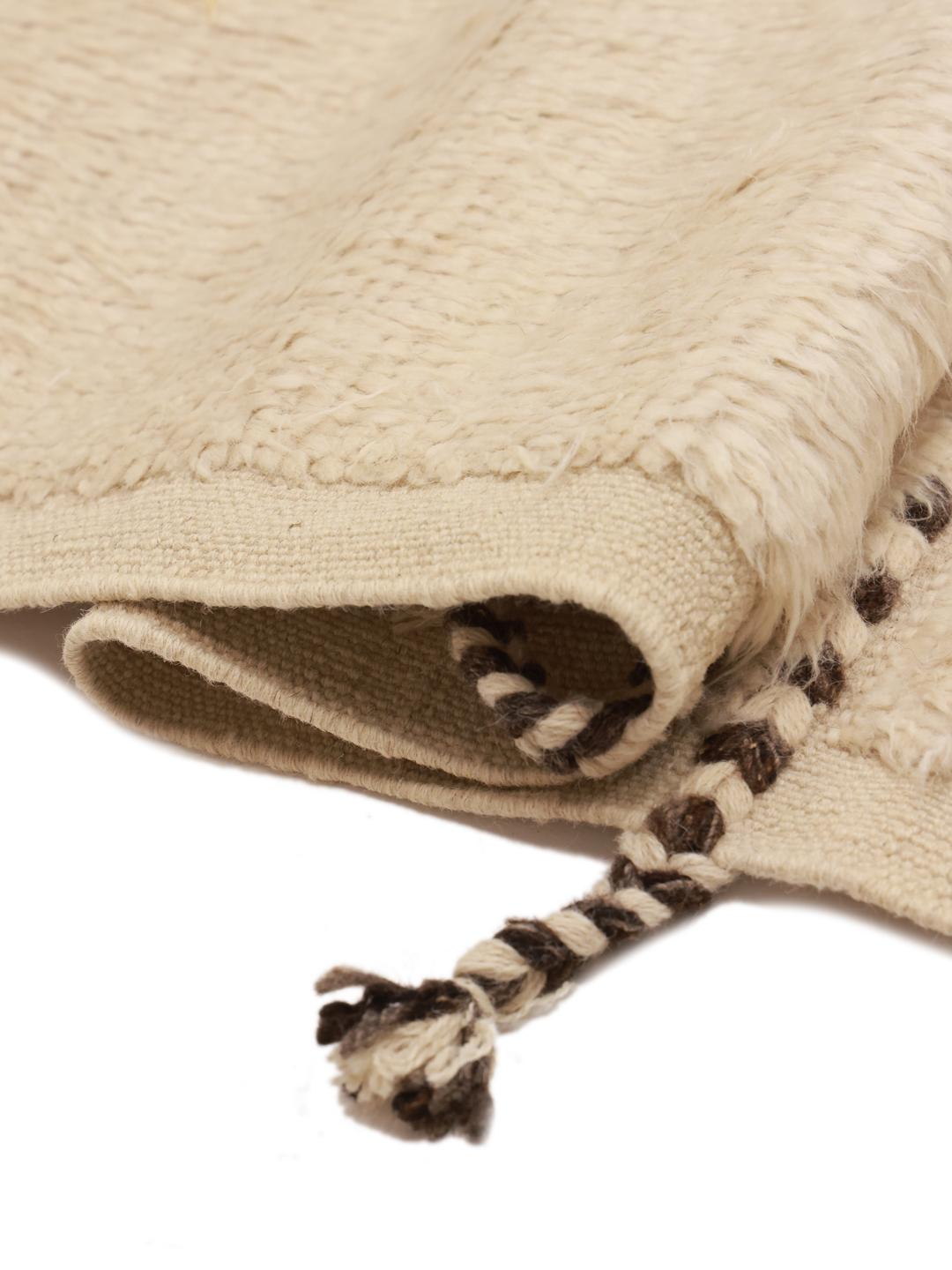
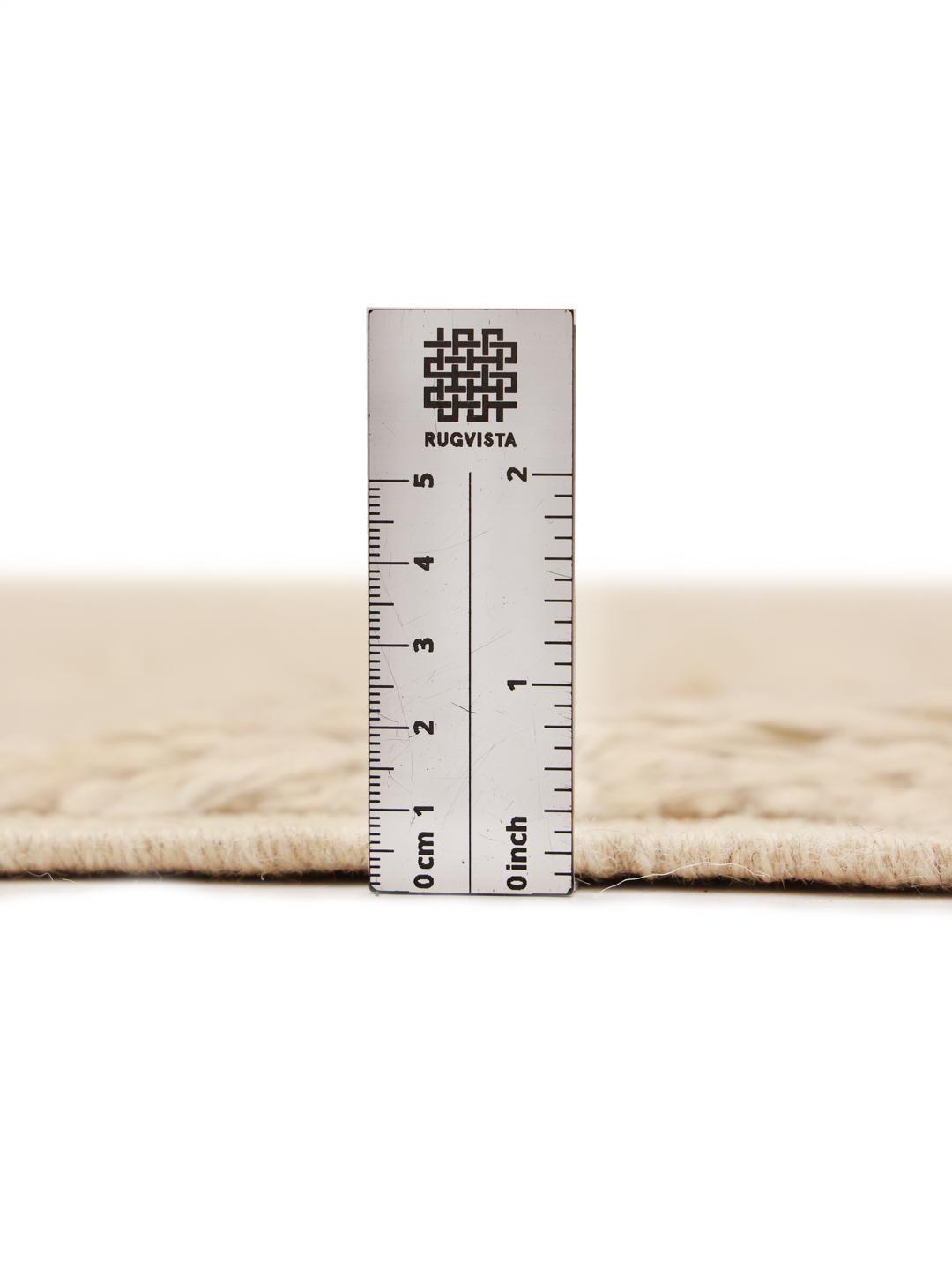
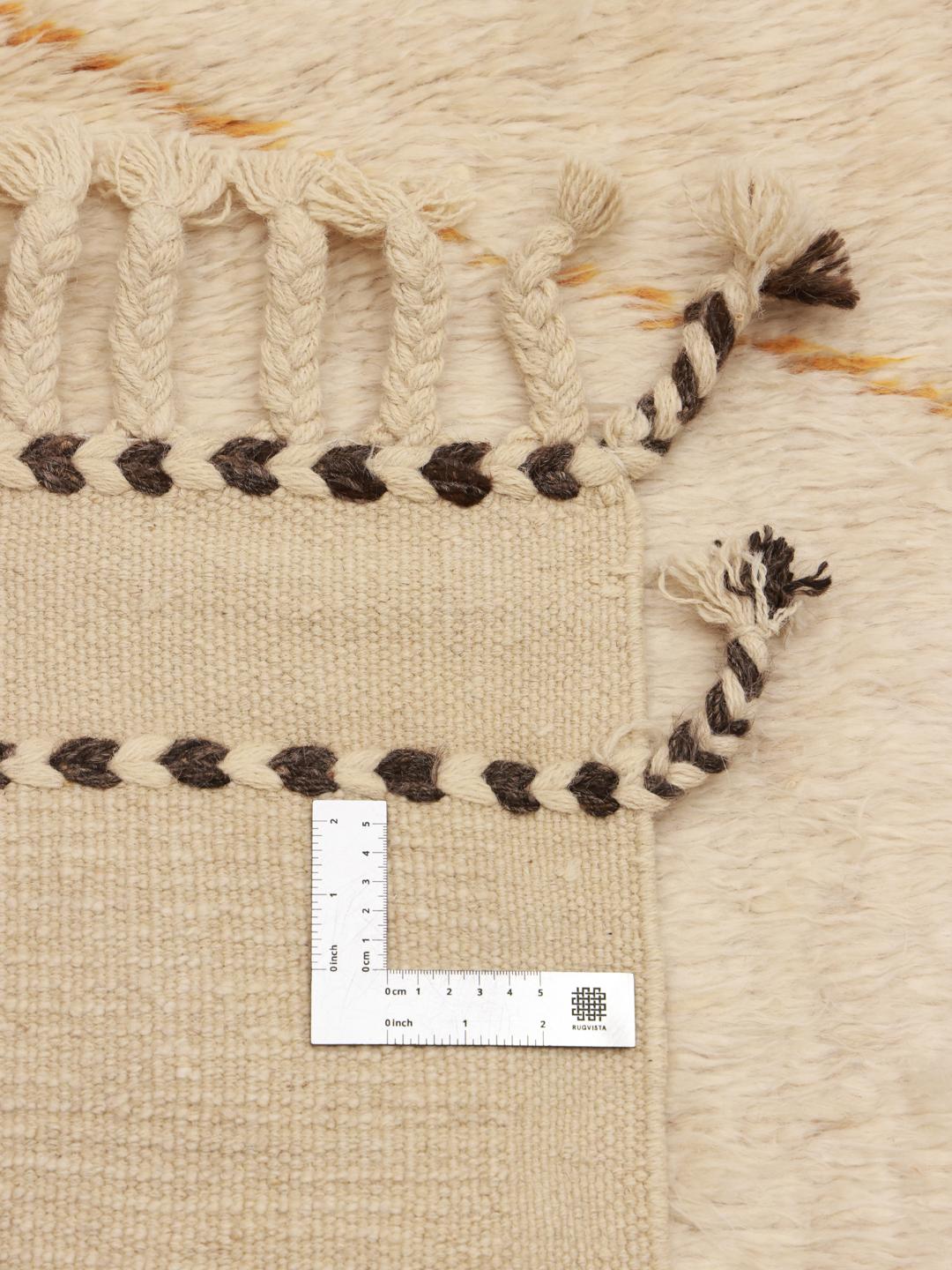
Central to the quality of these rugs is the use of hand-spun wool, a material chosen for its resilience and ability to retain its natural lustre over decades. When we speak of the quality of these pieces, we are referring to the intentional way the wool is prepared and knotted, creating a pile that feels both soft and substantial. This is not just about aesthetics, but about the functional longevity that comes from using natural materials in their most authentic form.
The visual language of this style is defined by its restrained, often geometric patterns. Rather than complex, crowded designs, these rugs feature simple, open fields accented by sparse, hand-drawn lines or diamond motifs. This minimalist approach is a signature of the tradition, allowing the natural texture of the wool to take centre stage. When you see an unusual colour pairing or a specific variation in the lines, it is often a reflection of the weaver's personal interpretation of these classic, ancestral symbols.
Owning a hand-knotted rug from this tradition is an act of preserving a heritage of skill and patience. Collectors value these pieces not only for their visual appeal but for the human story embedded in every knot. They represent a connection to a slower, more deliberate way of creating, standing in stark contrast to the rapid pace of modern manufacturing. By bringing one into your home, you are continuing a long history of appreciation for objects that are crafted to endure and to be cherished.