Berber style rugs find their historical roots in the mountainous regions of North Africa, where nomadic tribes traditionally wove them for warmth and utility. Over time, these weaving techniques migrated along ancient trade routes, finding a new and vibrant home in the craft centres of Afghanistan. Today, Afghan artisans have embraced this aesthetic, infusing it with their own regional expertise and high-quality materials.
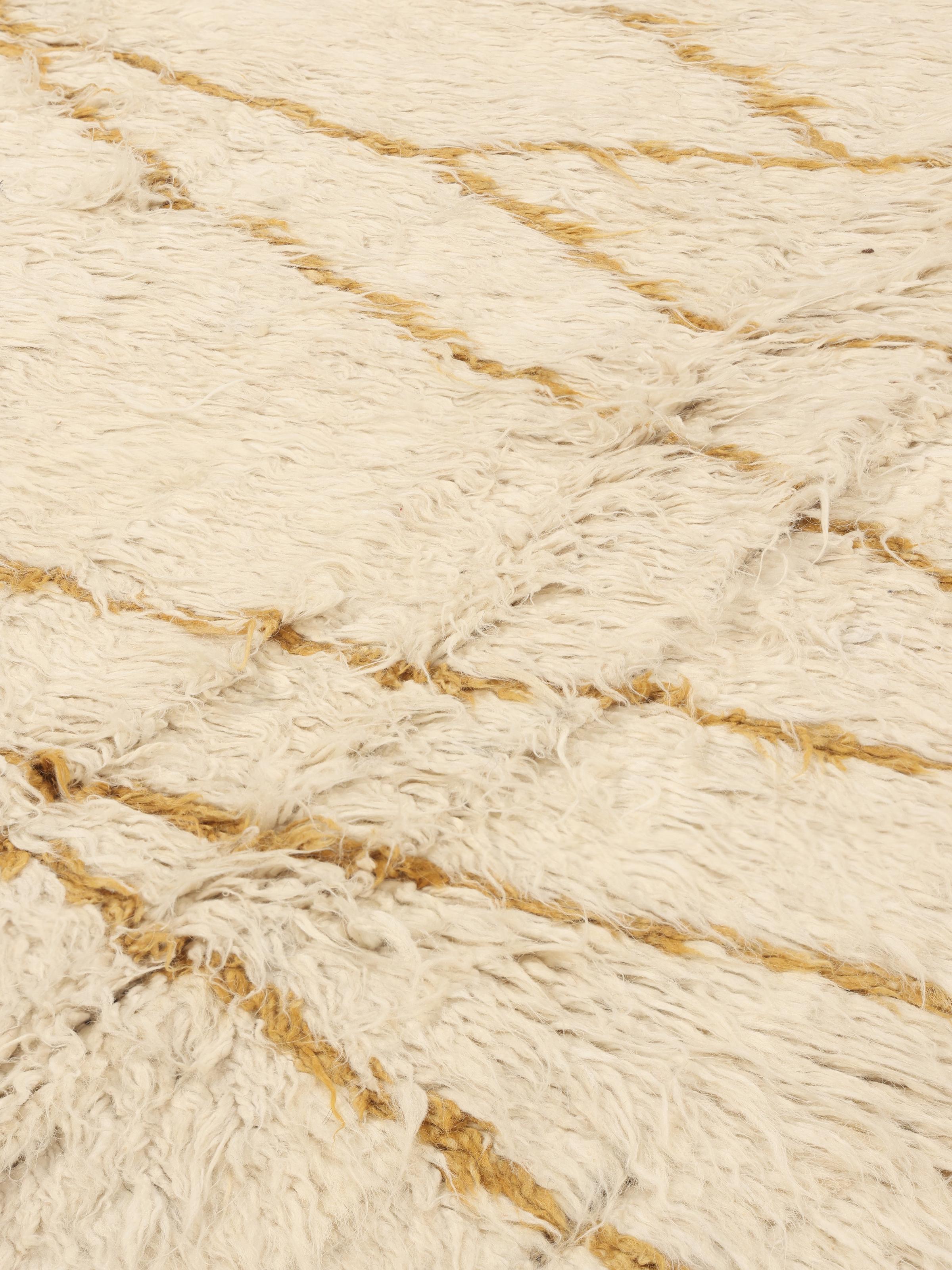
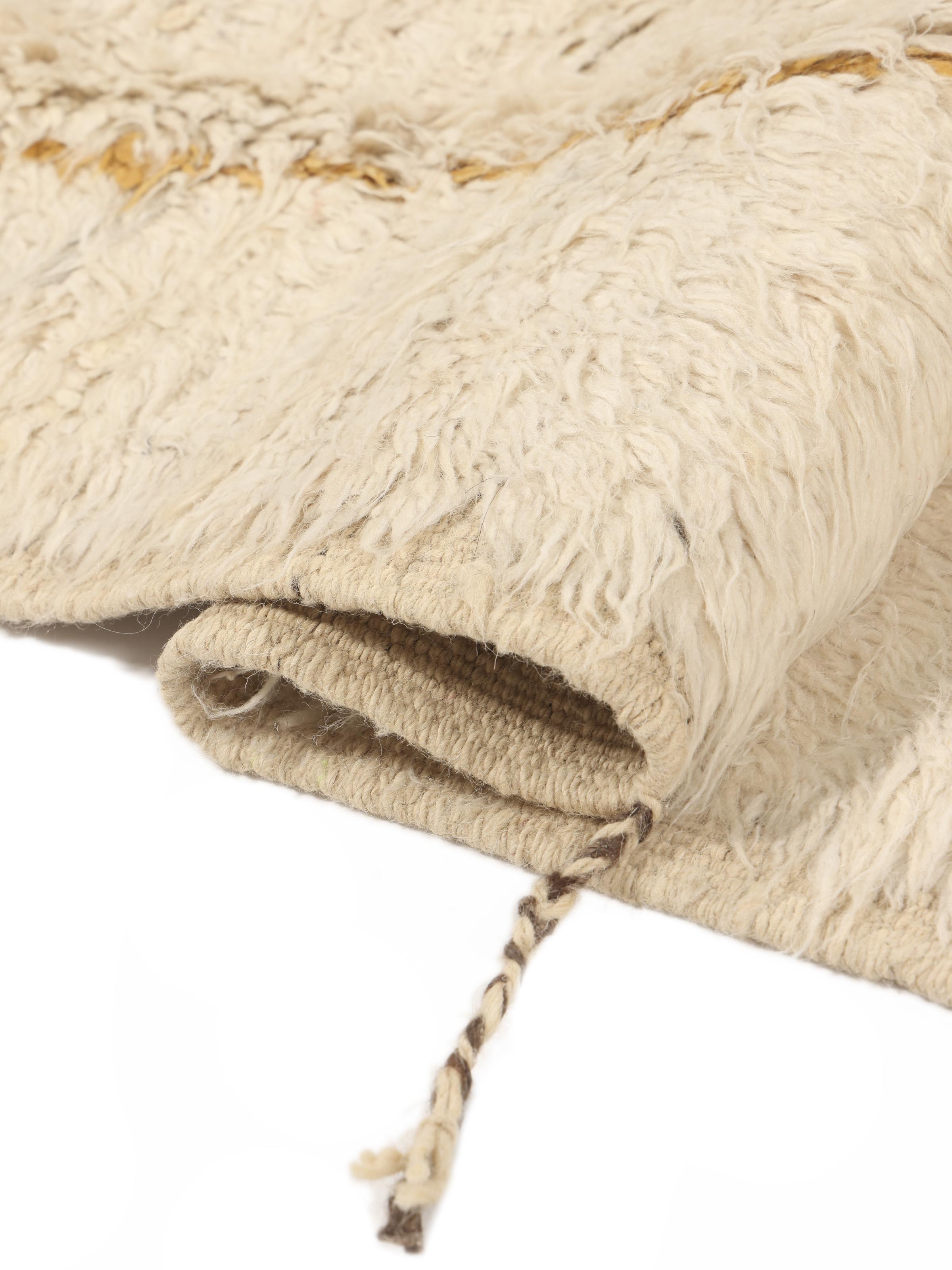
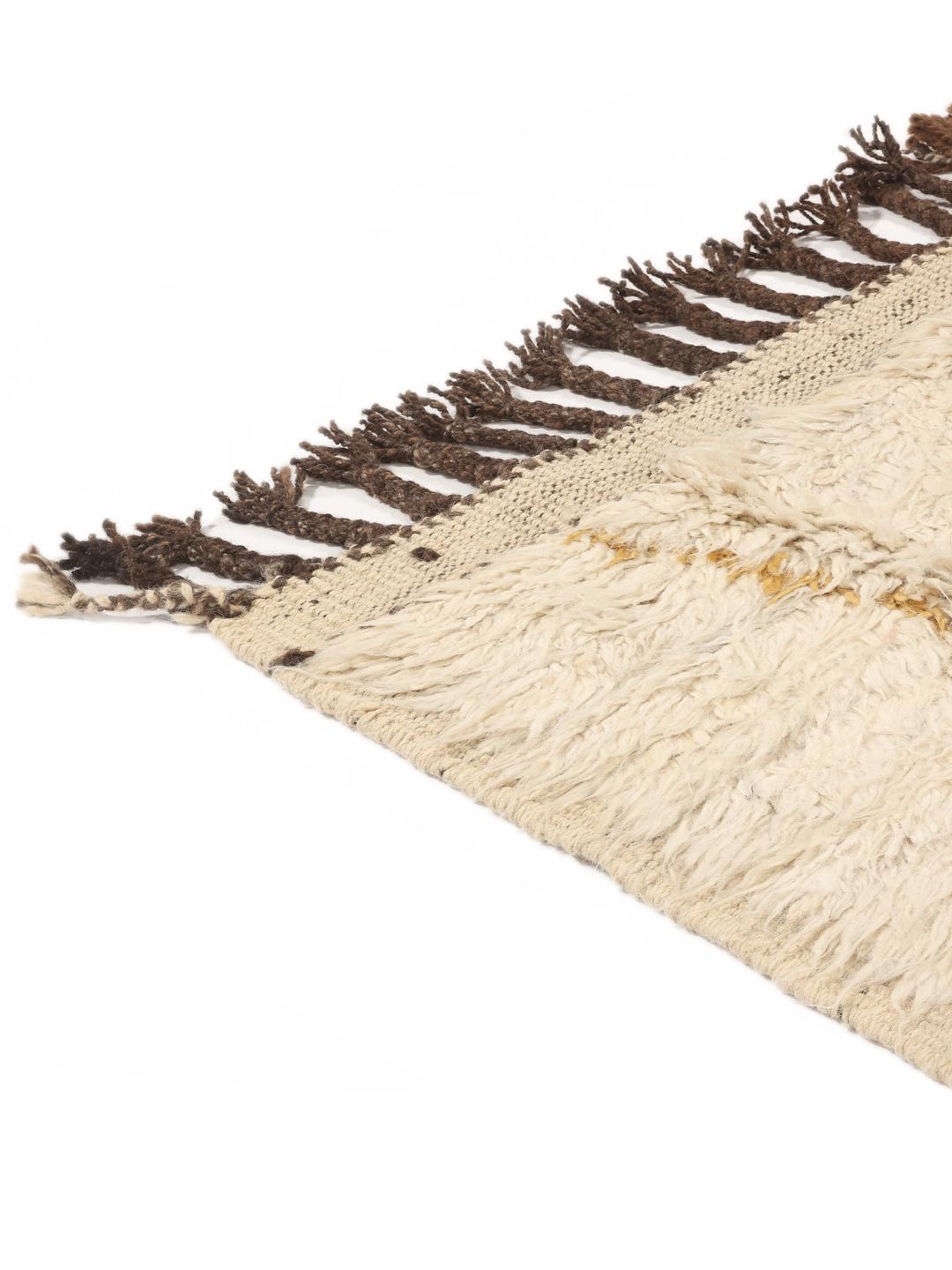
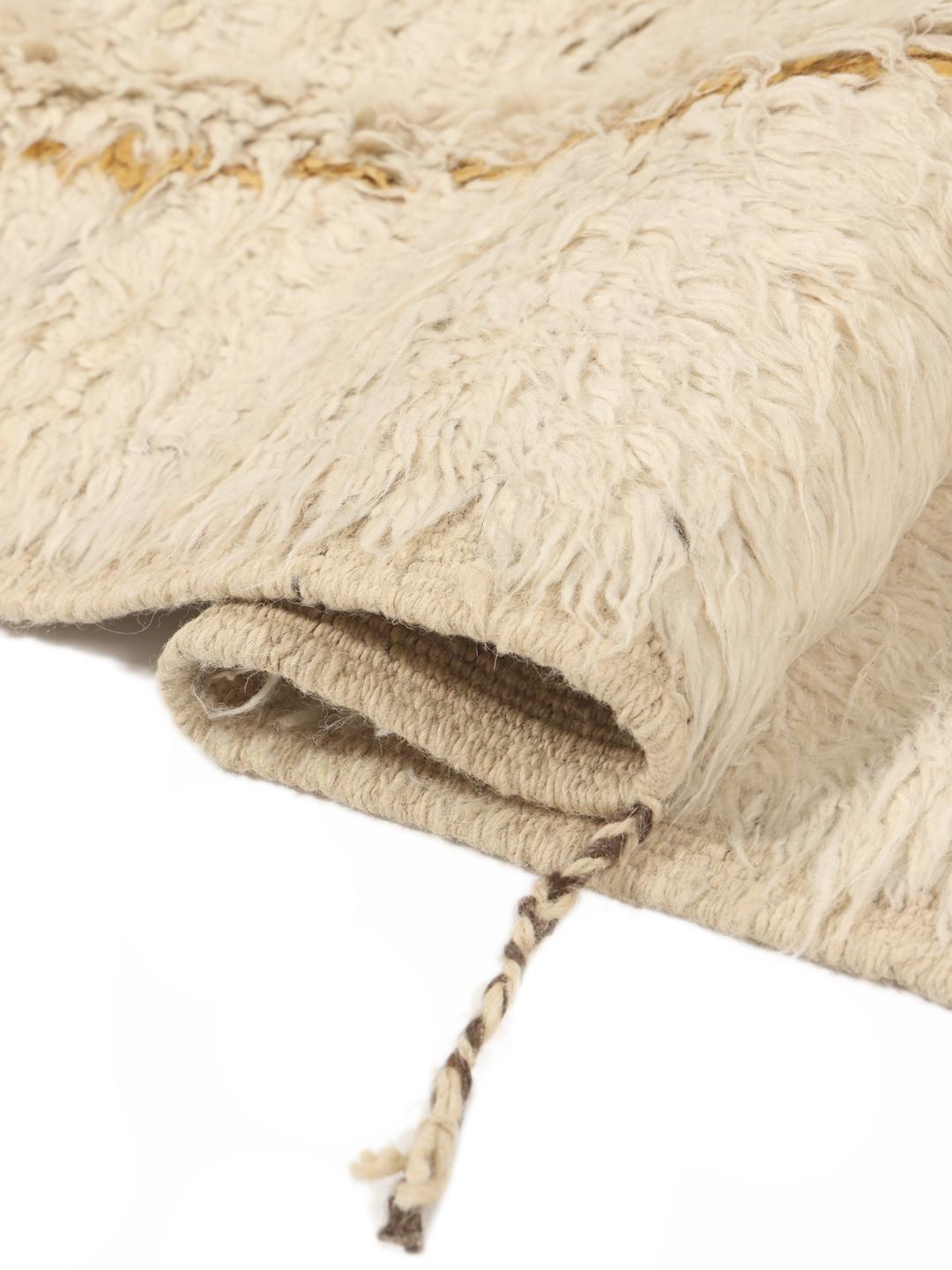
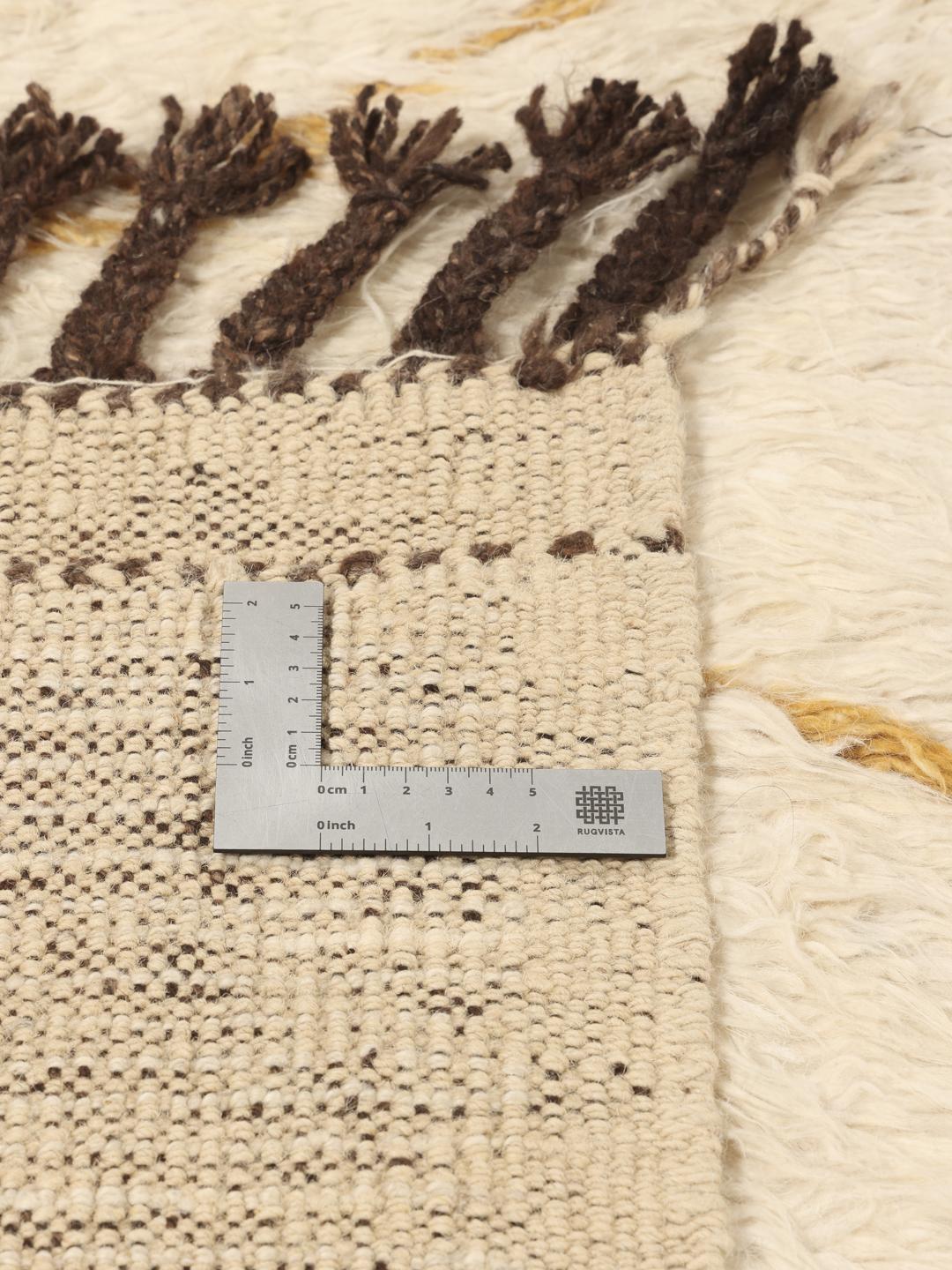
The term hand-knotted refers to the traditional method of looping yarn around individual warp threads to create the pile. This labour-intensive technique is the hallmark of high-quality rug making, as it allows for a much denser and more resilient pile than tufted or machine-made alternatives. It ensures that the rug remains plush and structurally sound for years to come.
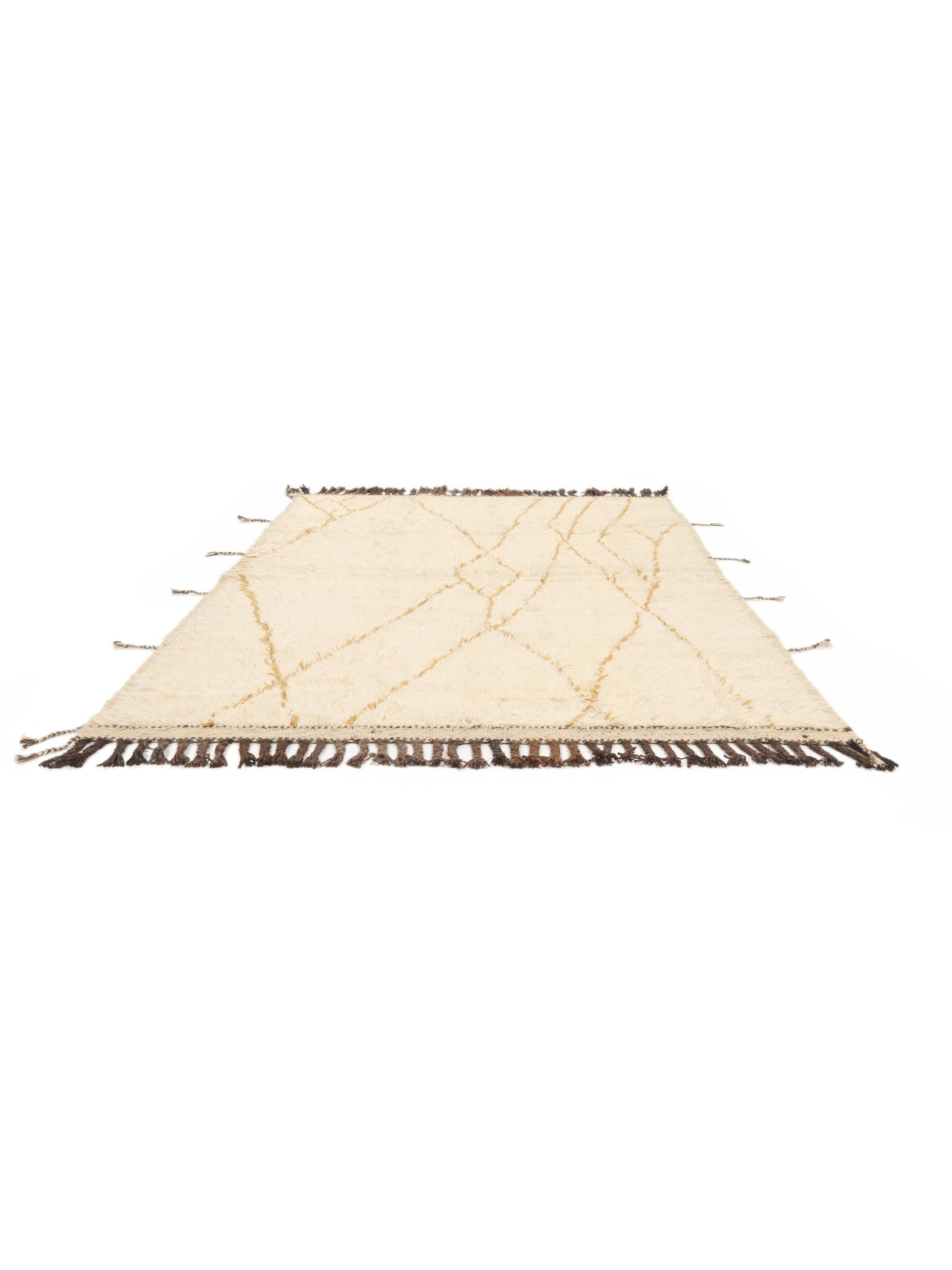
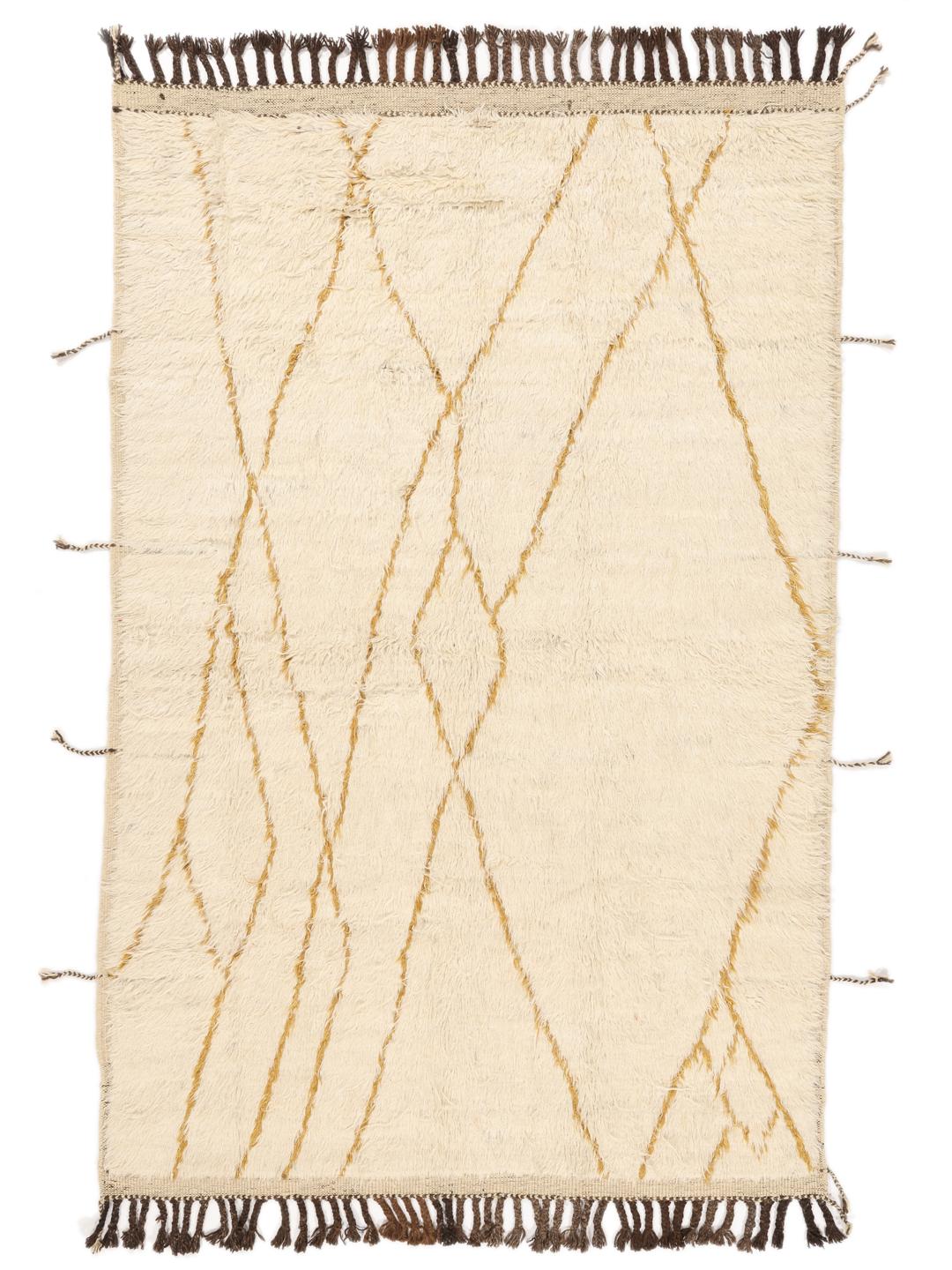
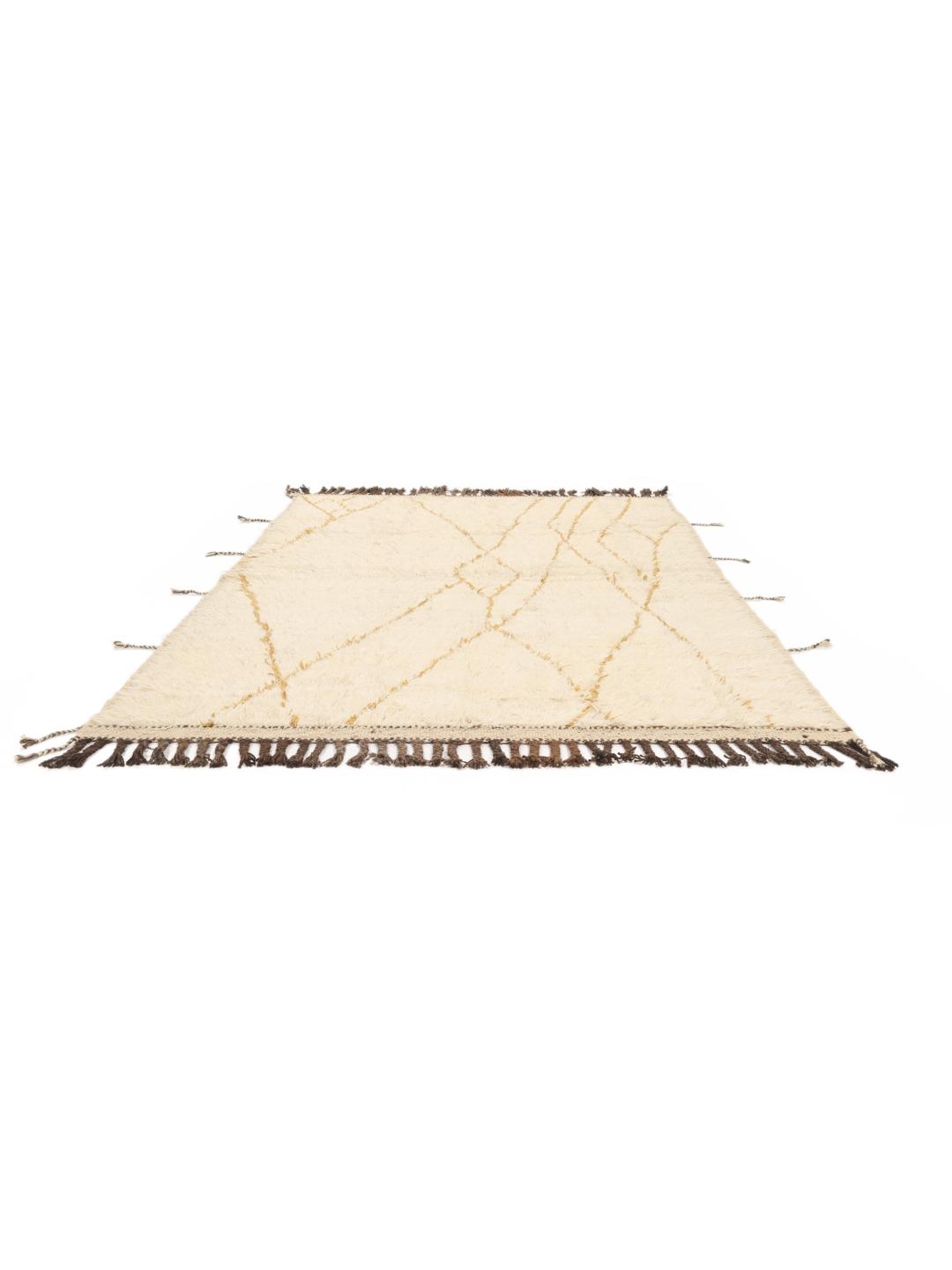
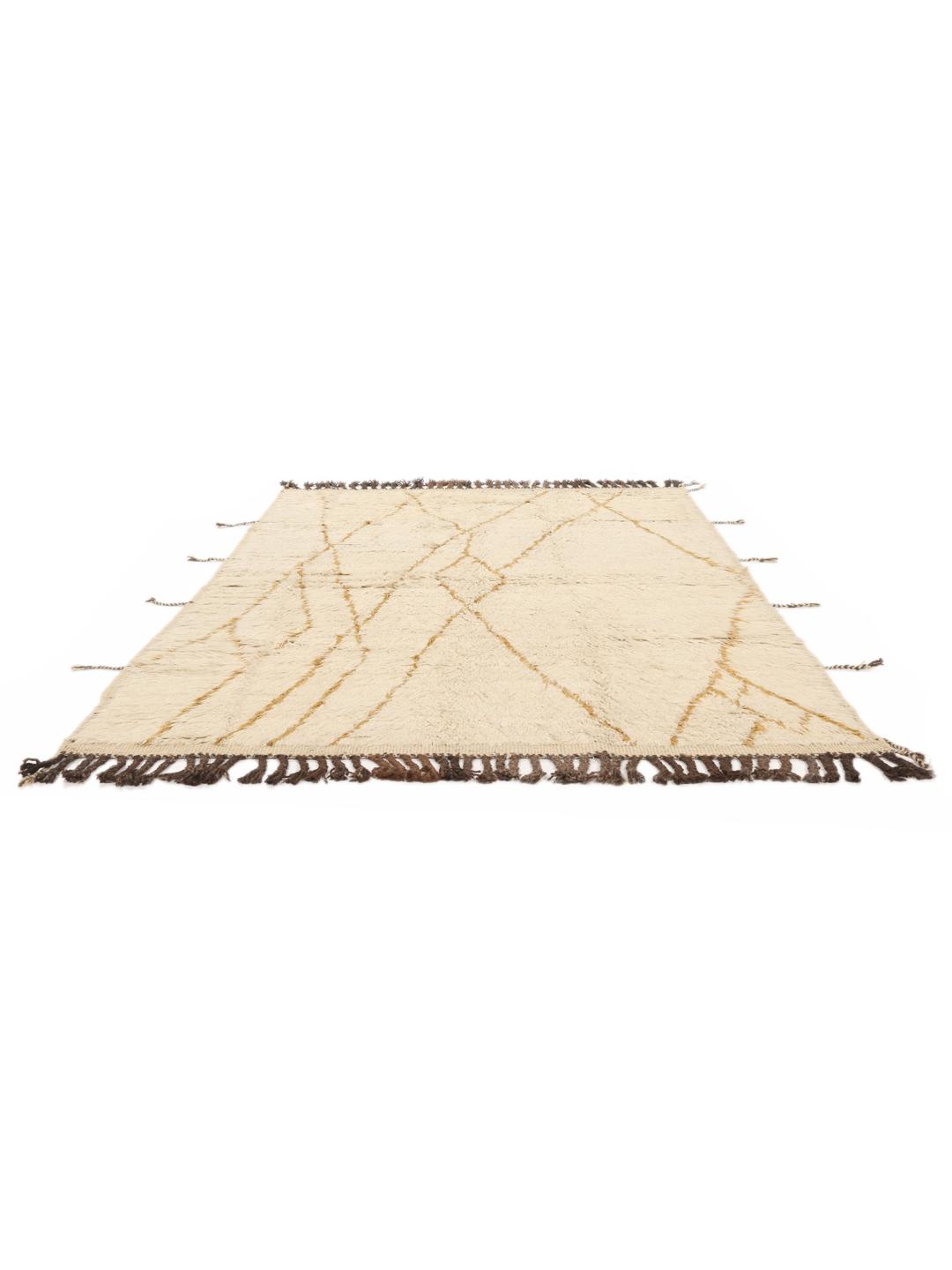
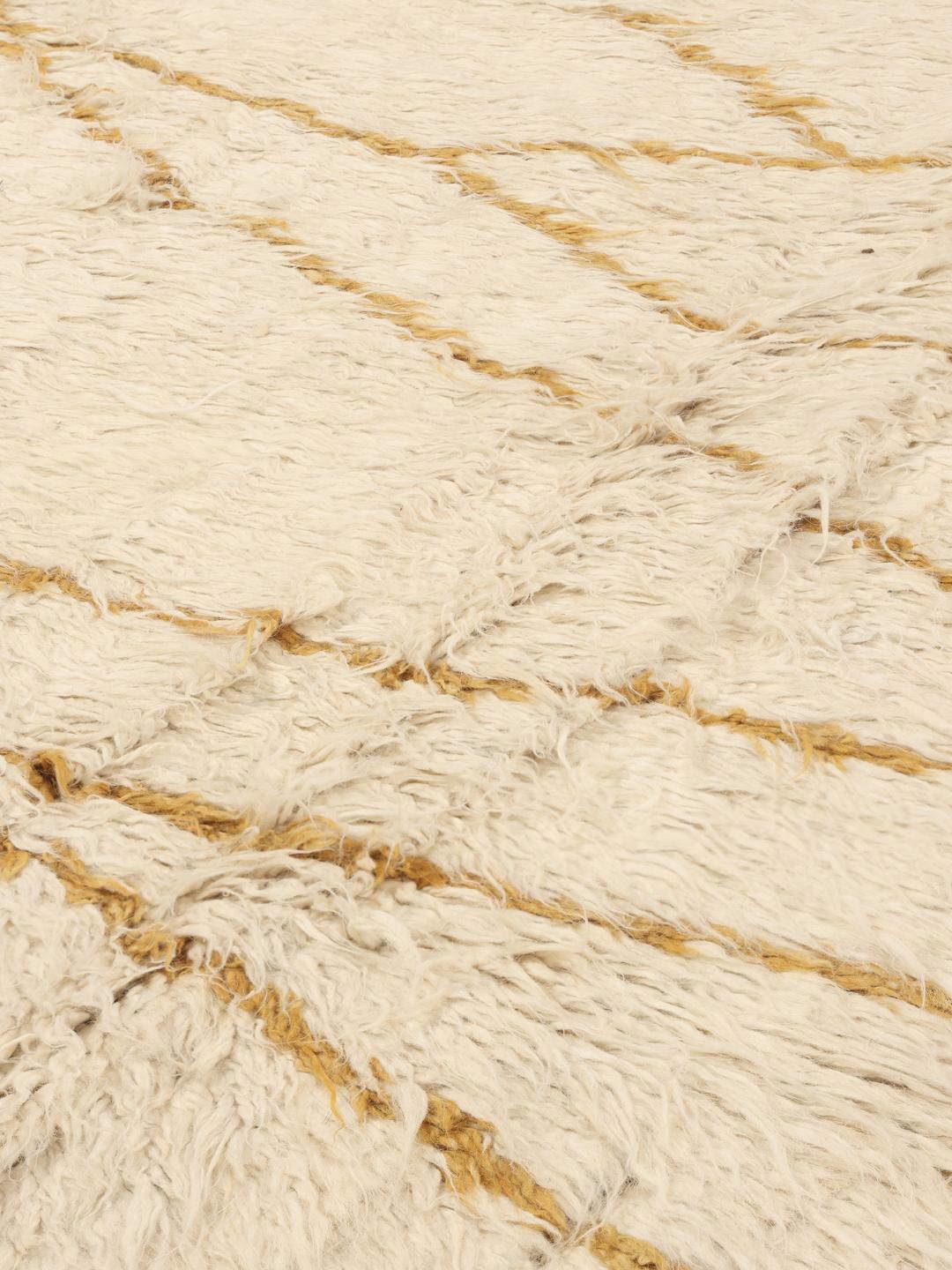
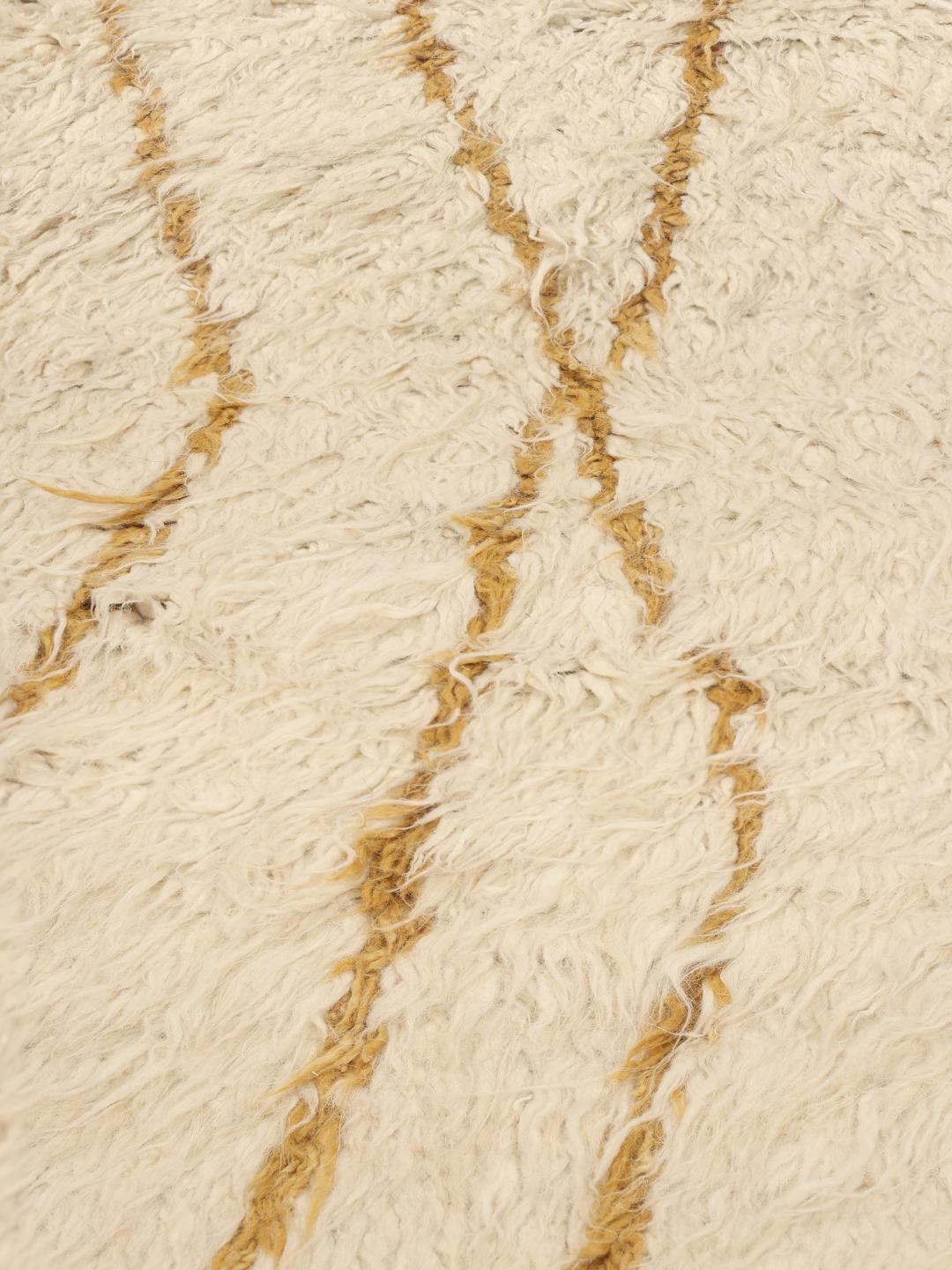
Visually, these rugs are defined by their minimalist, organic approach to pattern. Often featuring simple geometric lines or subtle diamond motifs, they lean into a neutral palette that highlights the natural texture of the wool. This specific rug showcases a clean, linear design that feels both modern and deeply connected to its ancient, tribal origins.
Collectors value these pieces for their authenticity and the story they tell. By owning a hand-knotted rug, you are preserving a cultural heritage that has been passed down through generations. It is more than just a floor covering; it is a piece of art that carries the weight of history and the skill of the artisan who brought it to life.