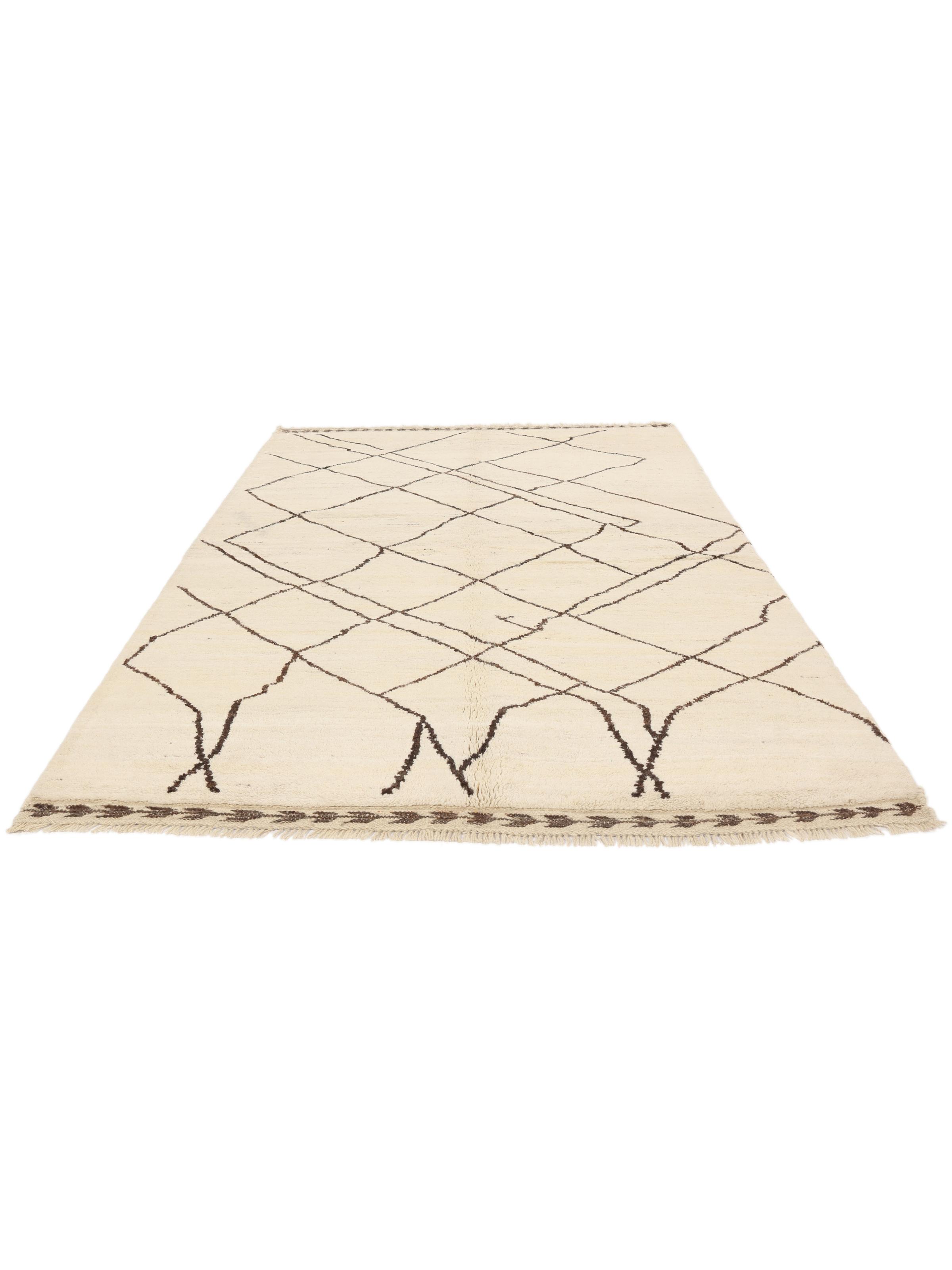
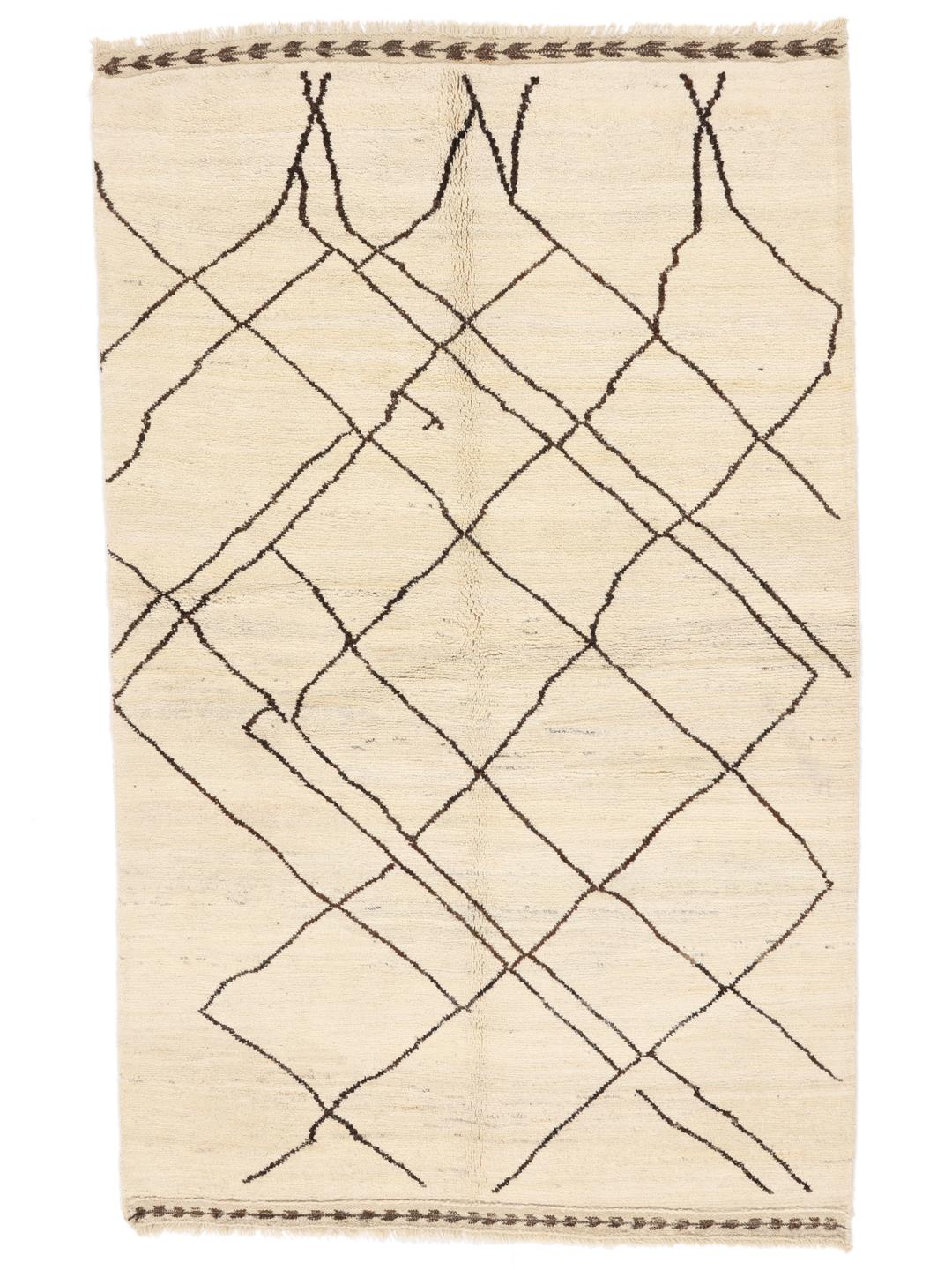
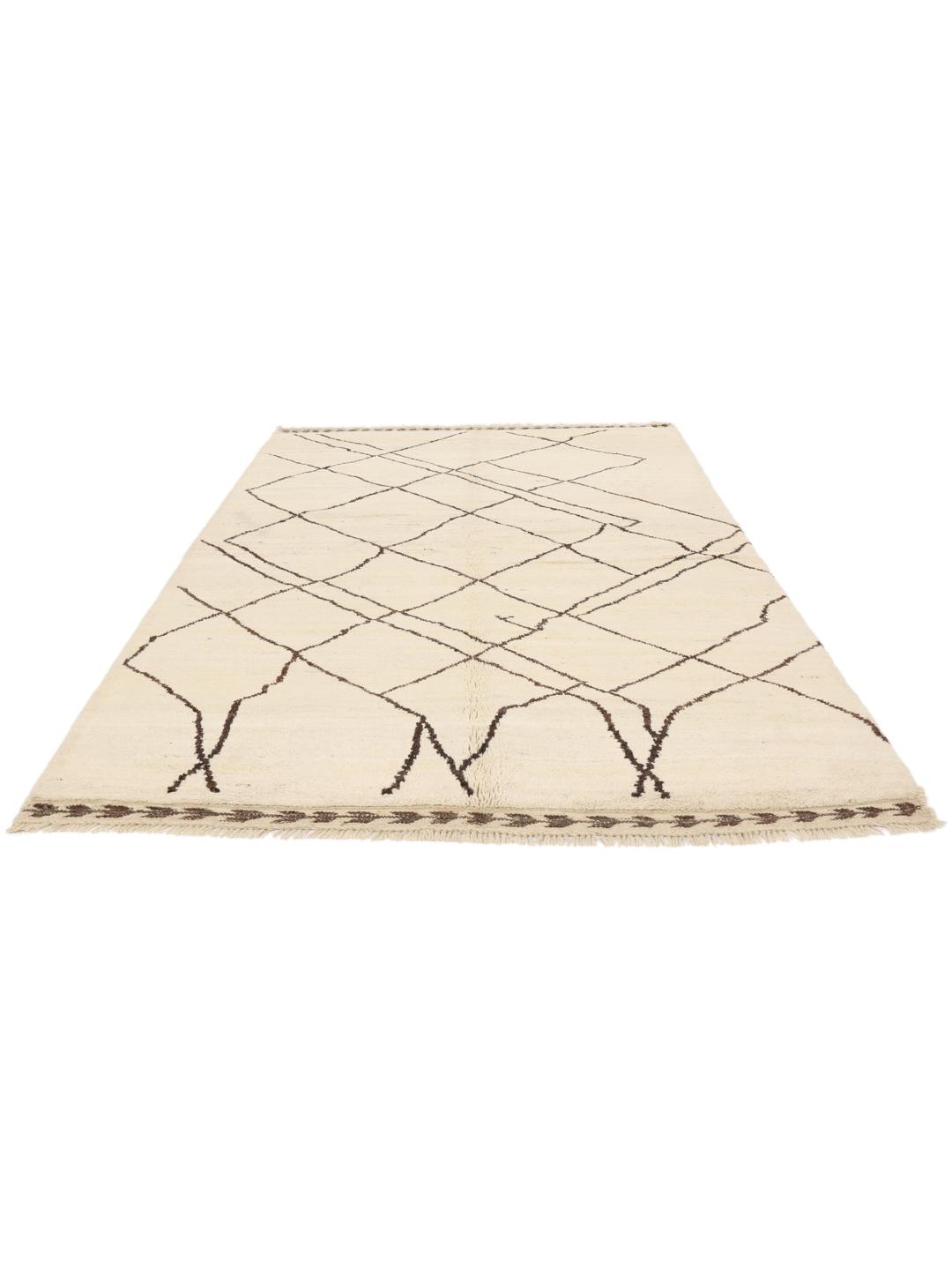
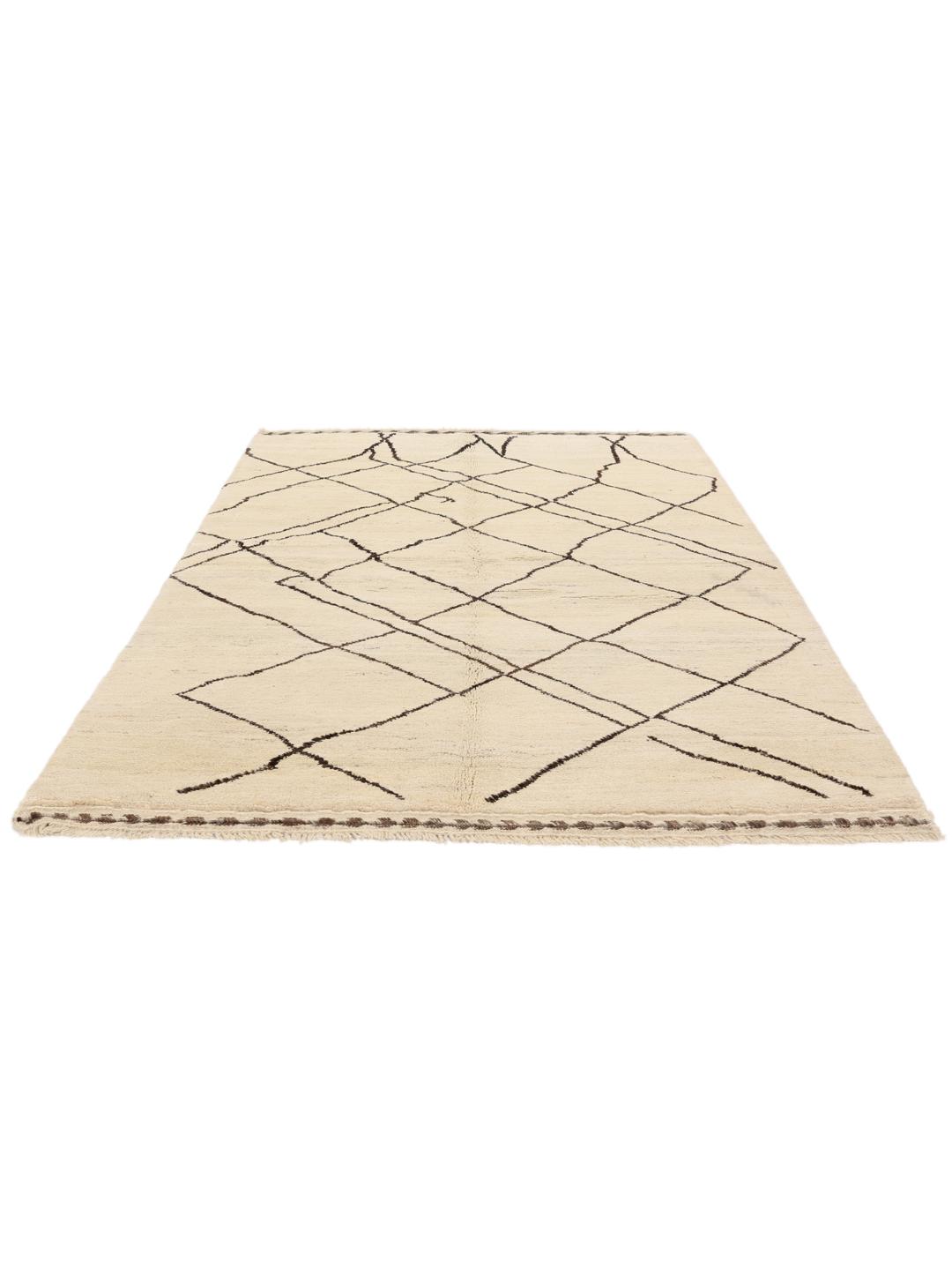
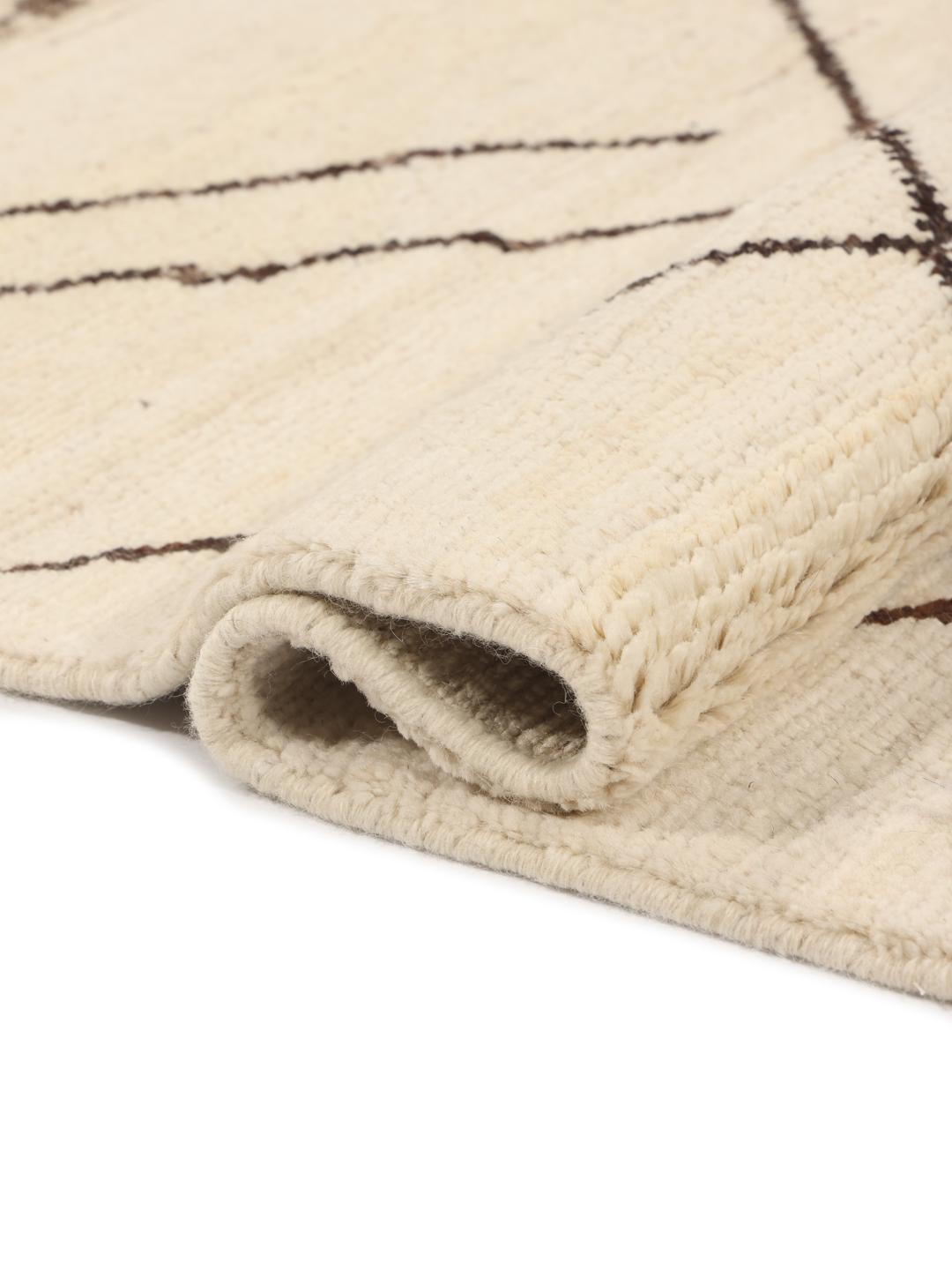
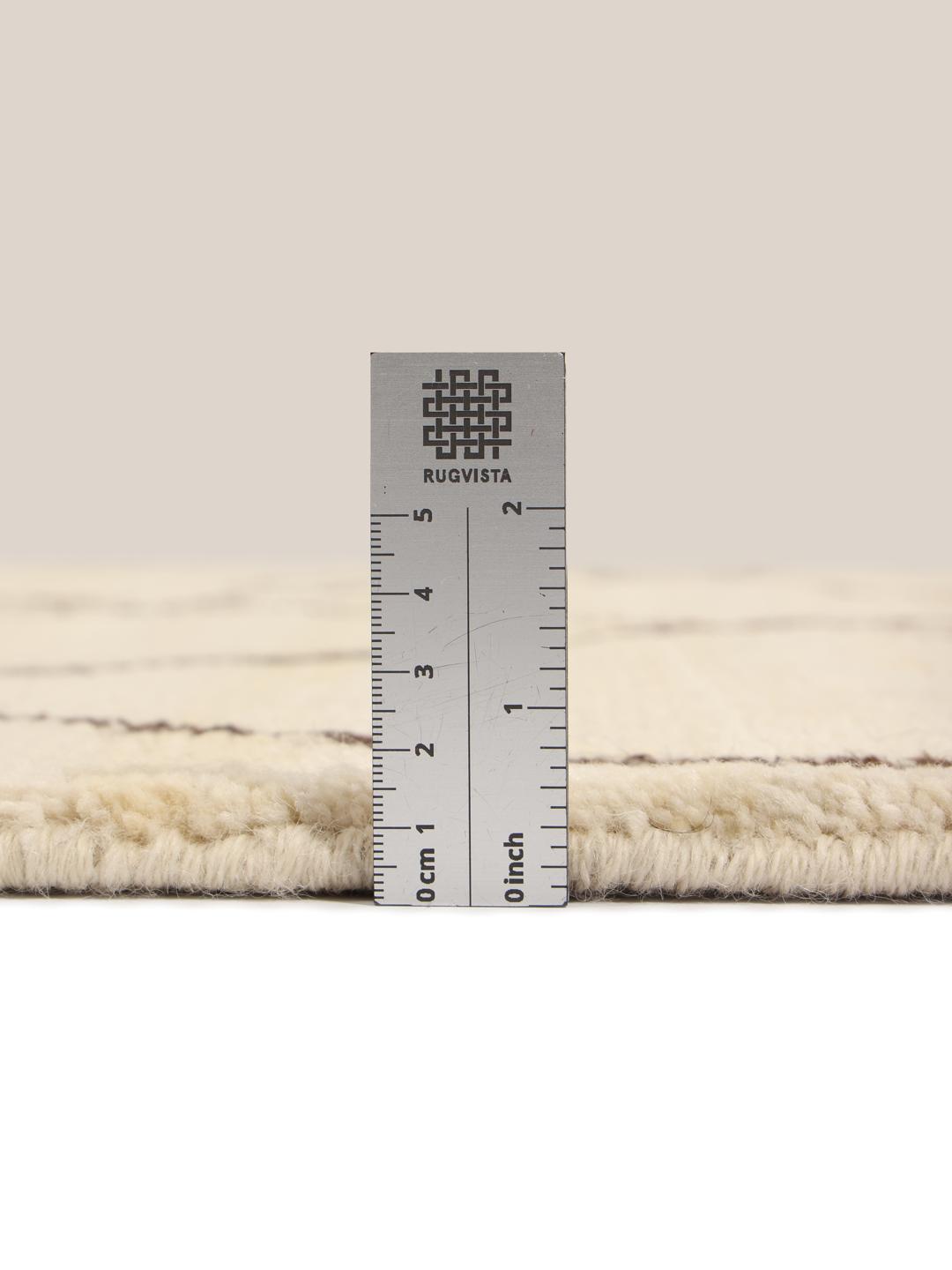
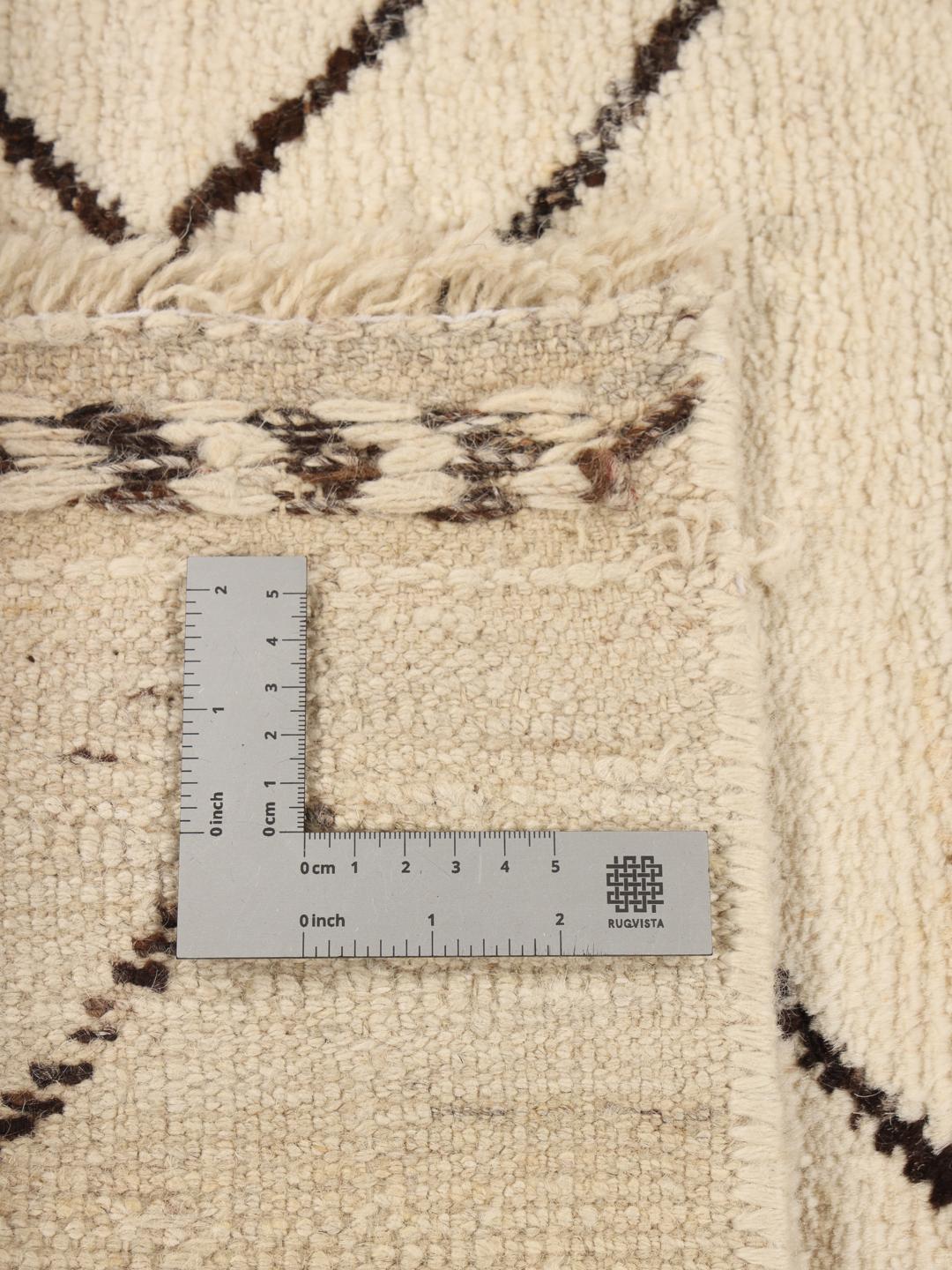
The Berber style tradition draws its inspiration from the historic weaving practices of North Africa, where tribes created rugs primarily for functional use as bedding, blankets, and floor coverings. Over time, these distinct, minimalist, and geometric designs have inspired weavers across the globe, including in Afghanistan, where artisans have adapted these classic motifs using their own local materials and techniques.
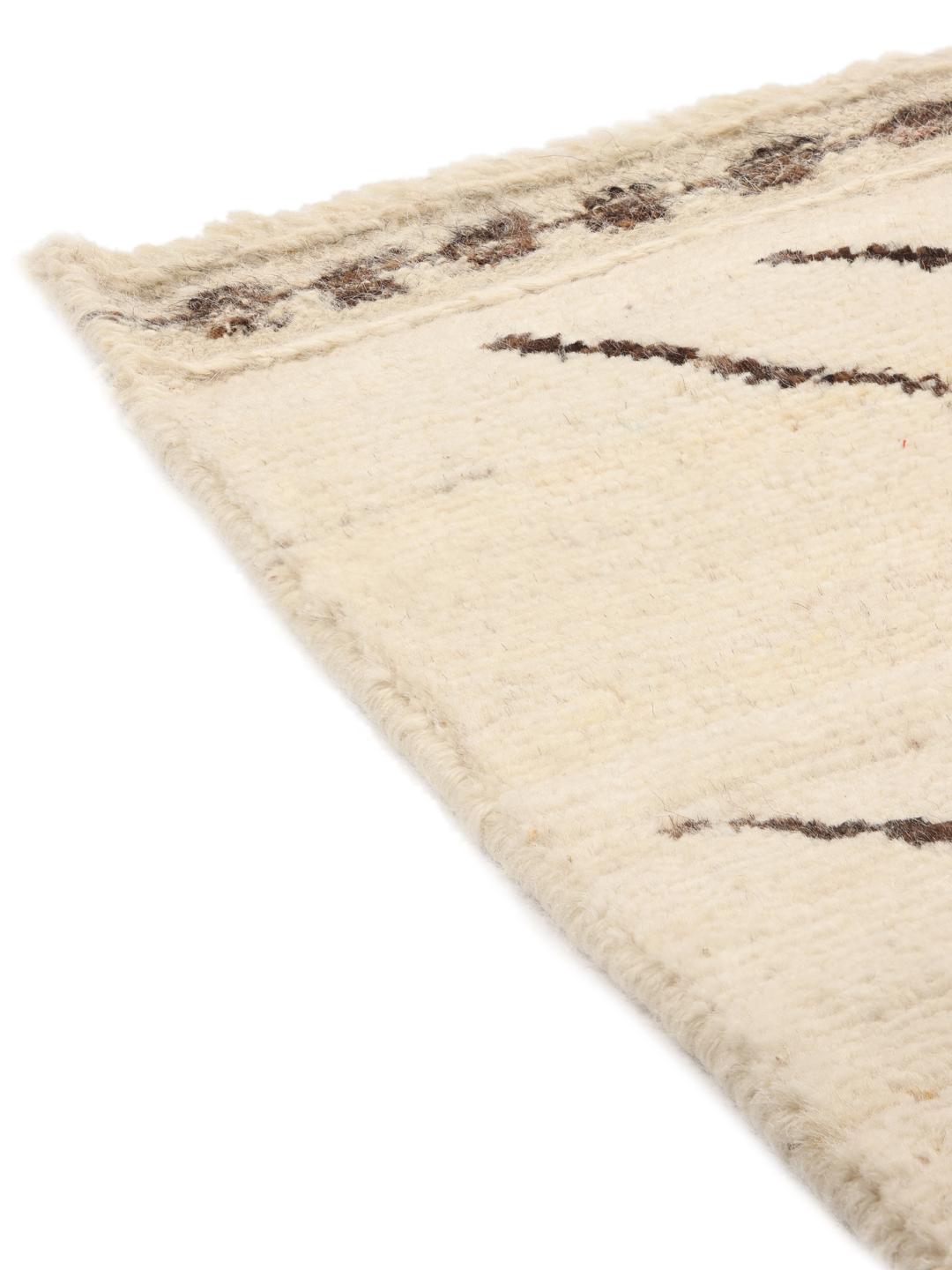
The term 'Berber' originally referred to the indigenous people of North Africa, whose weaving traditions are renowned for being deeply expressive and personal. When these styles are reinterpreted in other regions, they often incorporate local Wool qualities, creating a bridge between ancient design heritage and contemporary, global weaving expertise.
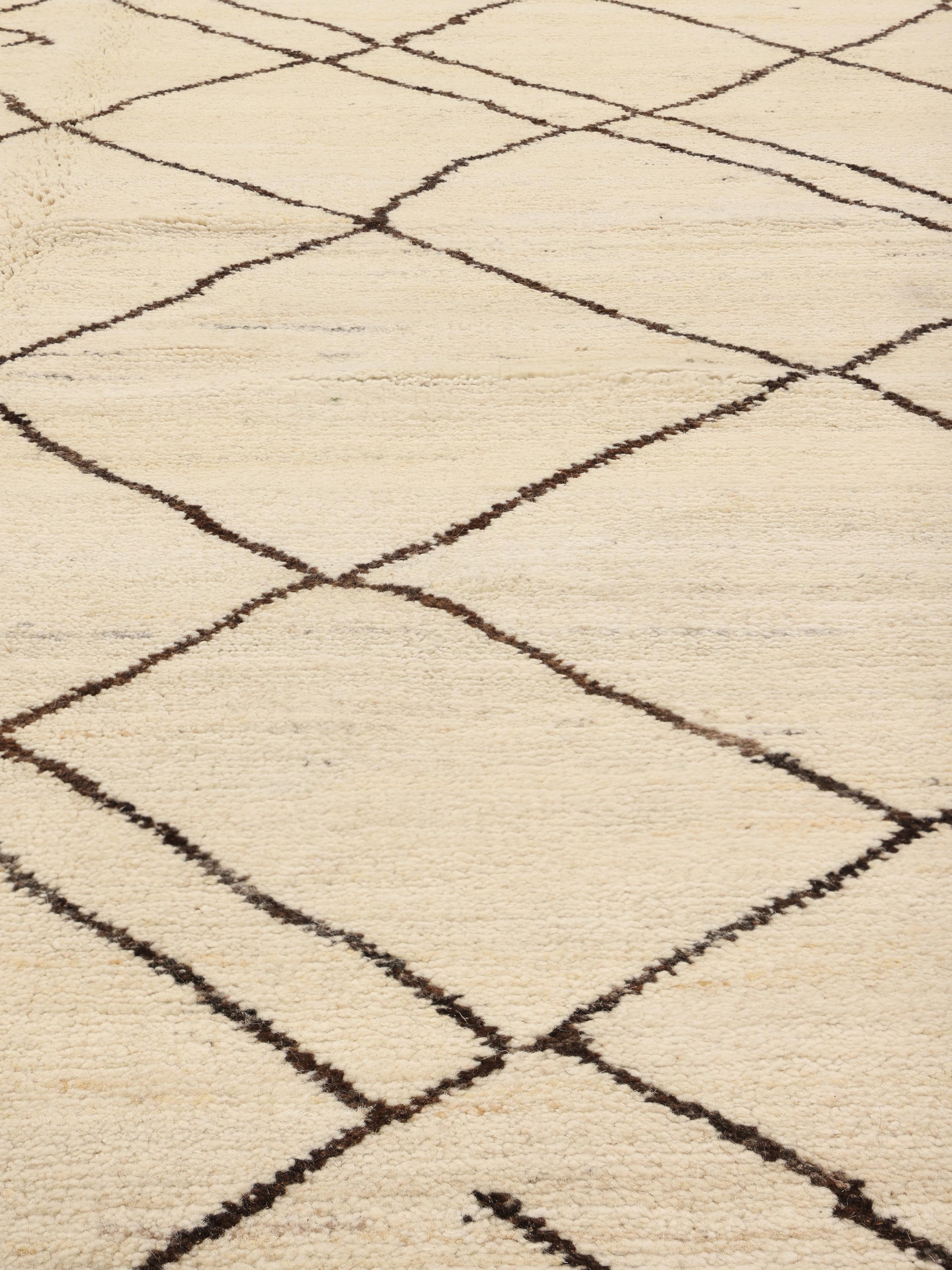
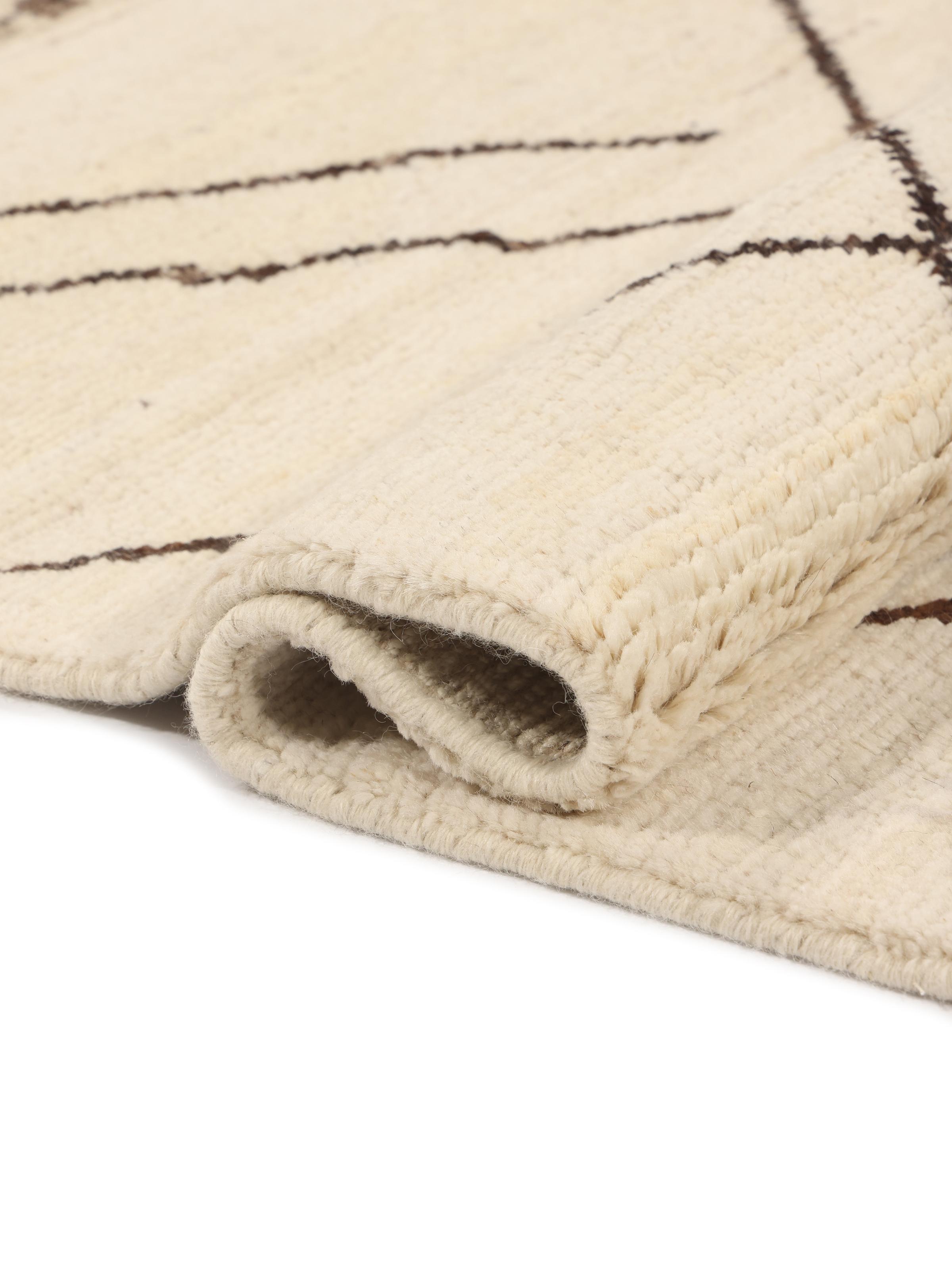
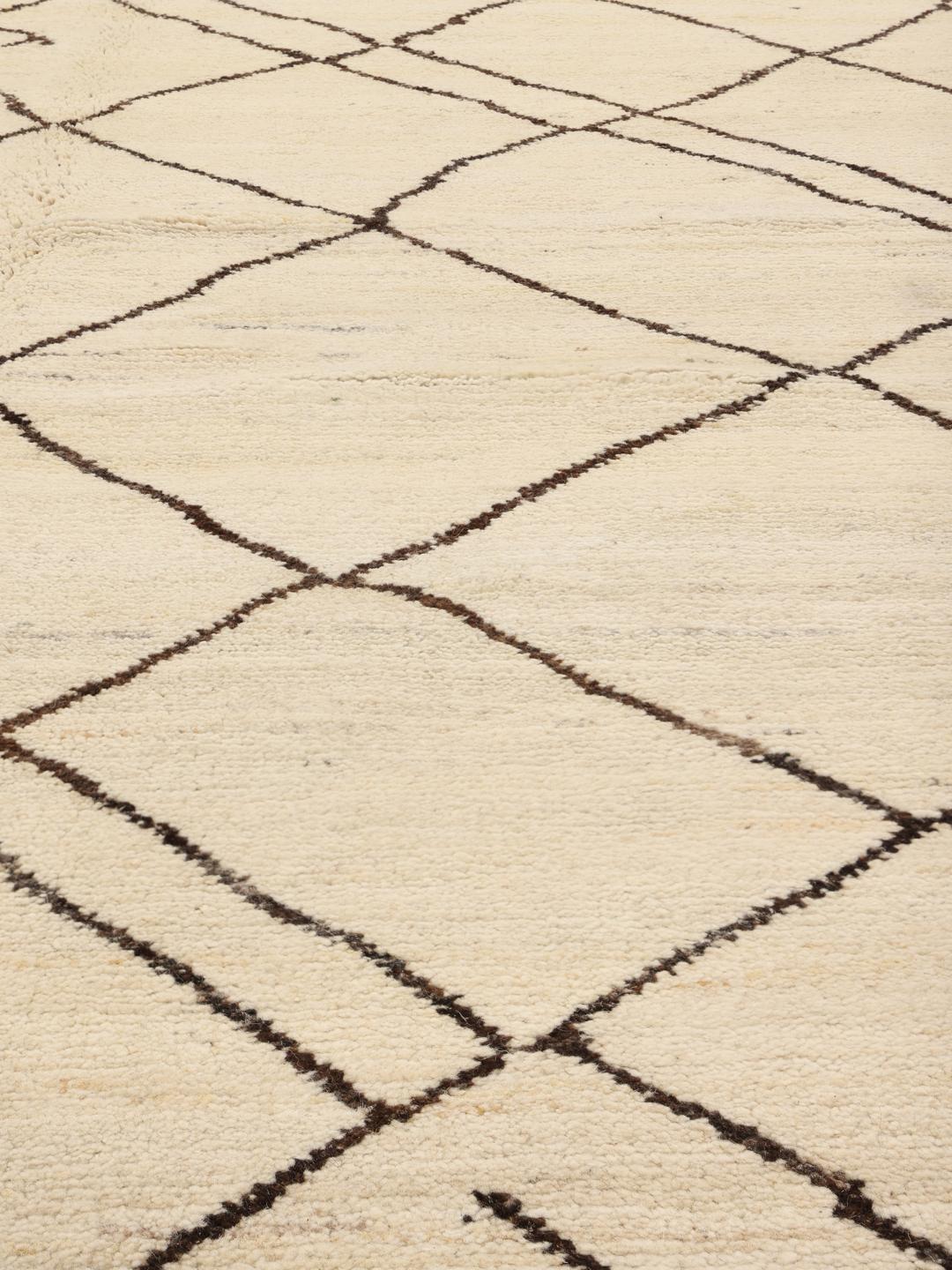
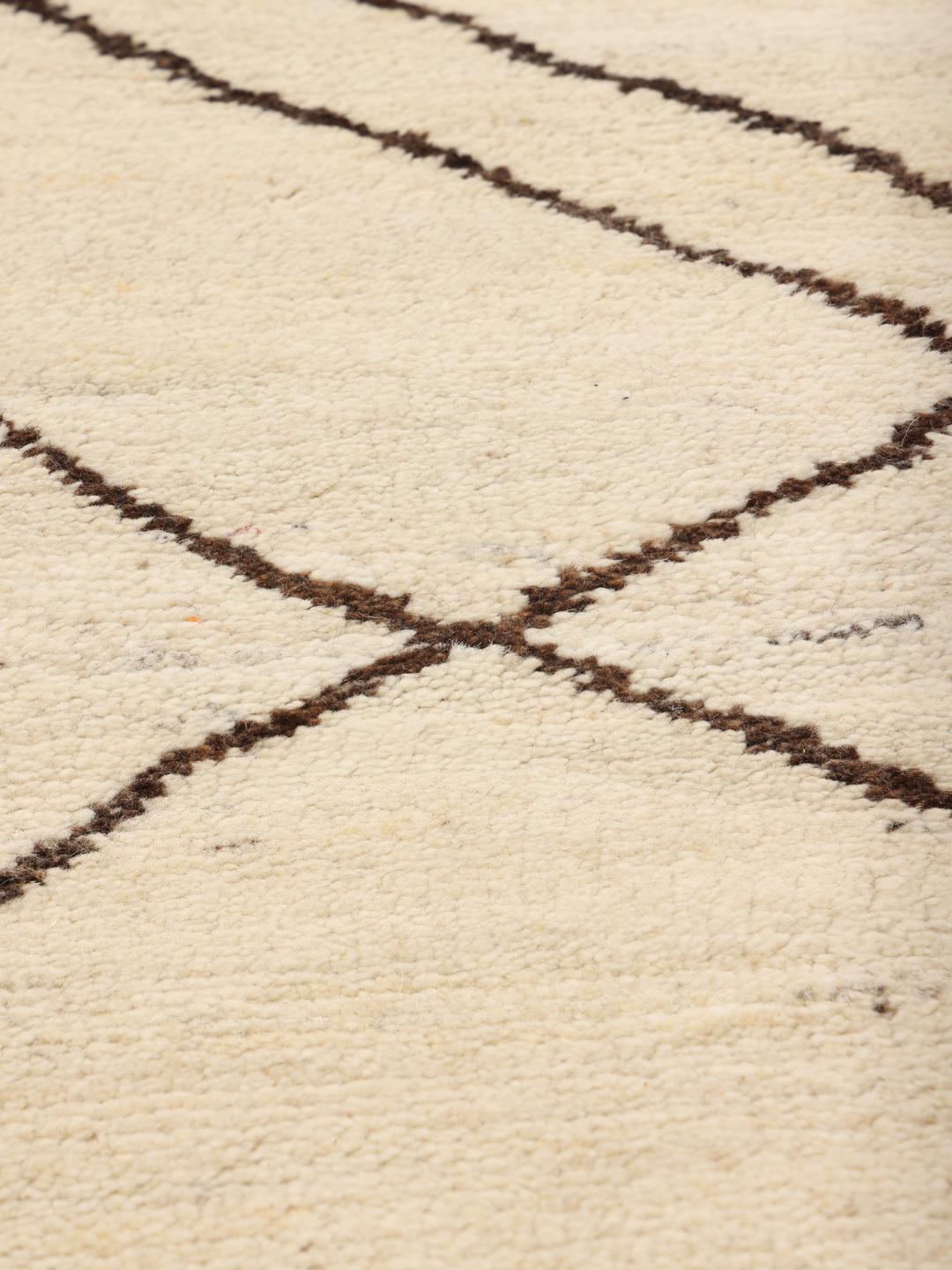
Signature elements of this style include high-contrast, often geometric or abstract patterns set against a natural, undyed background. The lines are rarely perfectly straight, reflecting the human touch and the free-flowing creativity of the weaver. This intentional imperfection is a hallmark of the tradition and serves as a reminder of the rug's authentic origins.
Today, these rugs are highly valued by collectors and homeowners alike for their ability to bring a sense of history and warmth into modern spaces. Owning a piece from this tradition means connecting with a long lineage of craft, where every rug serves as a narrative of the weaver’s skill, environment, and cultural background.