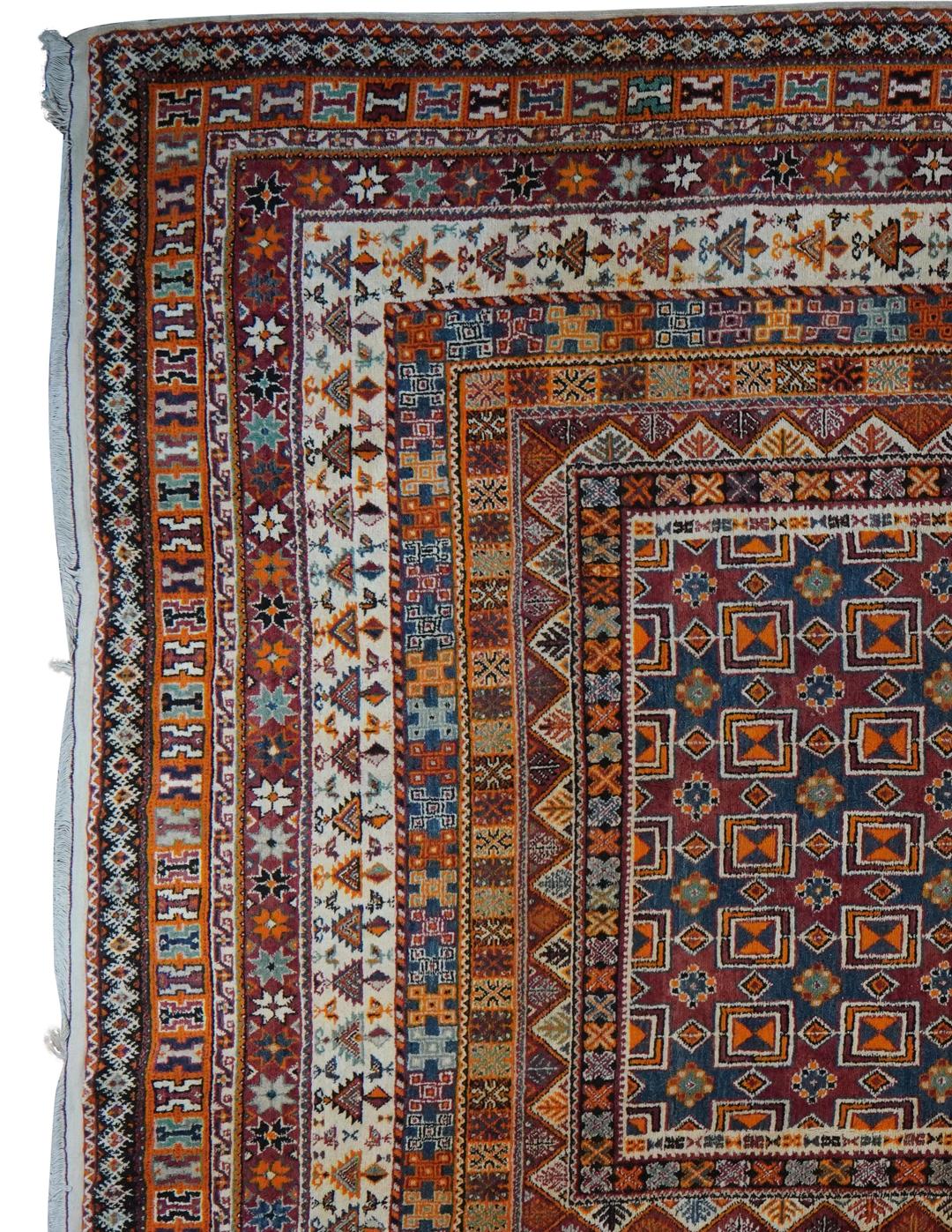
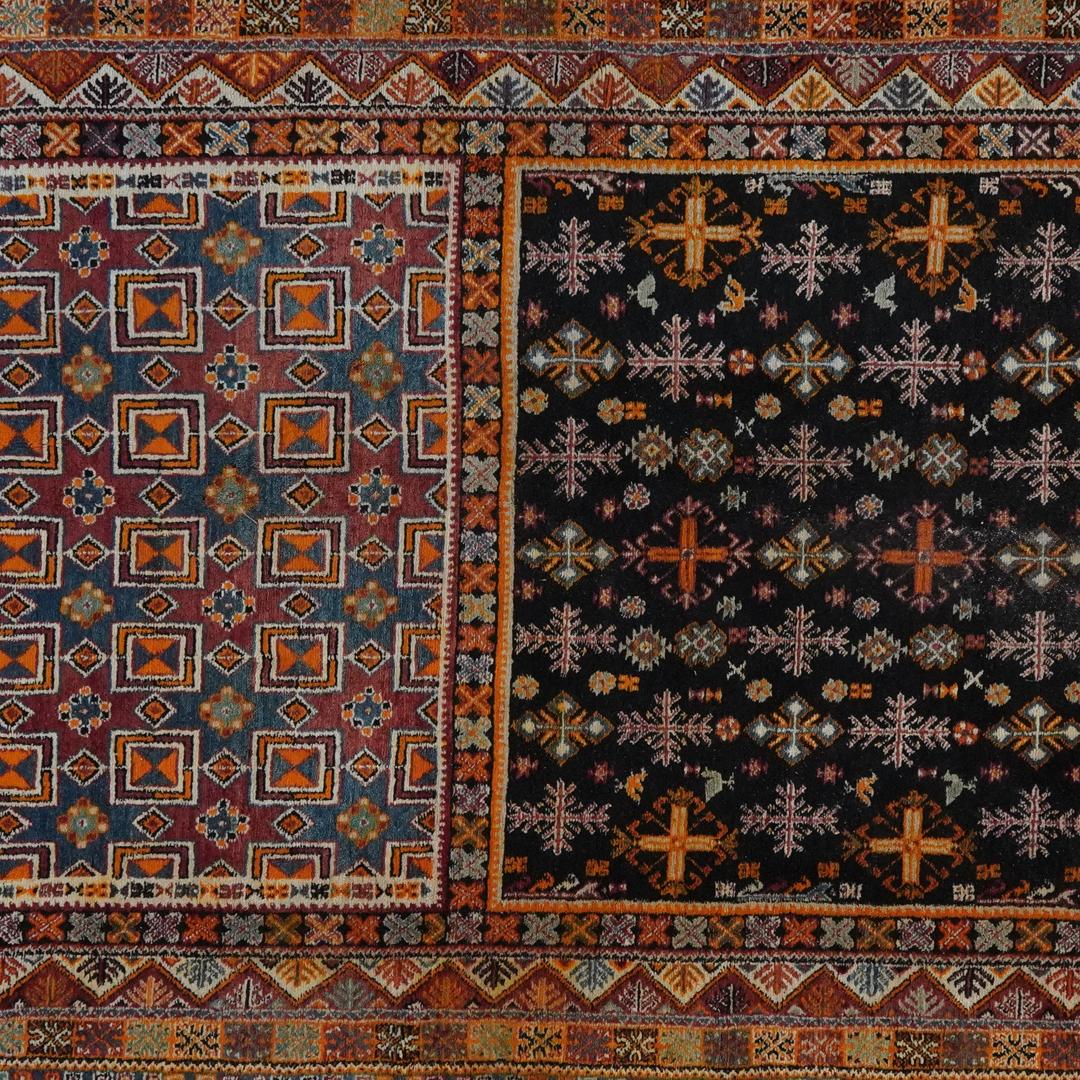
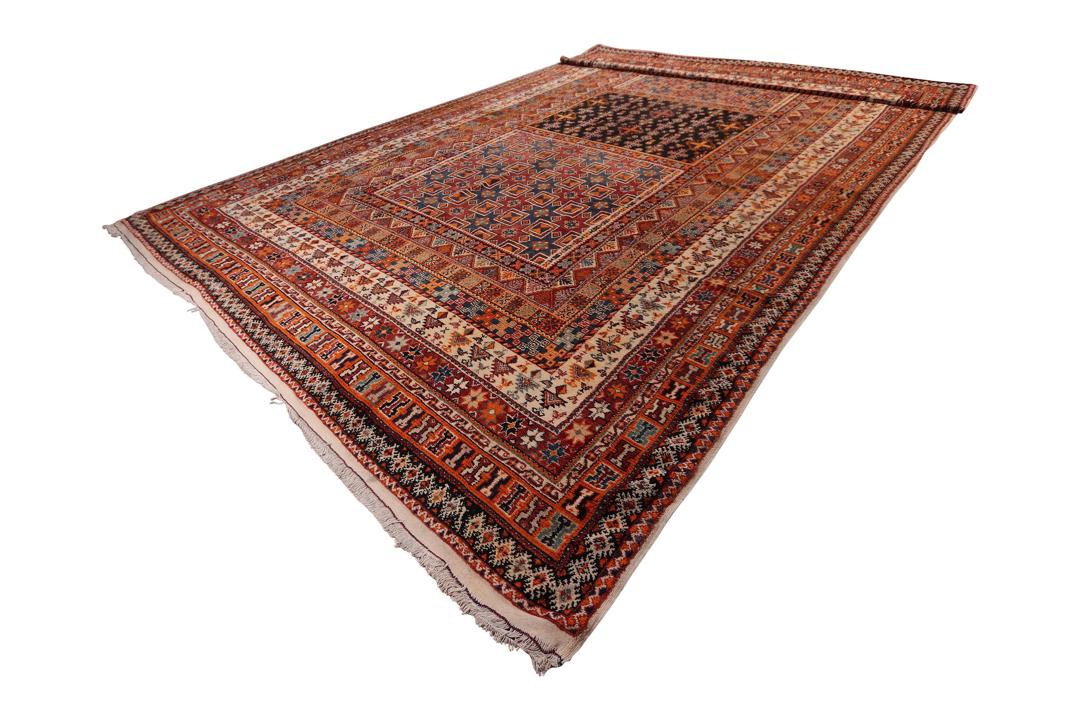
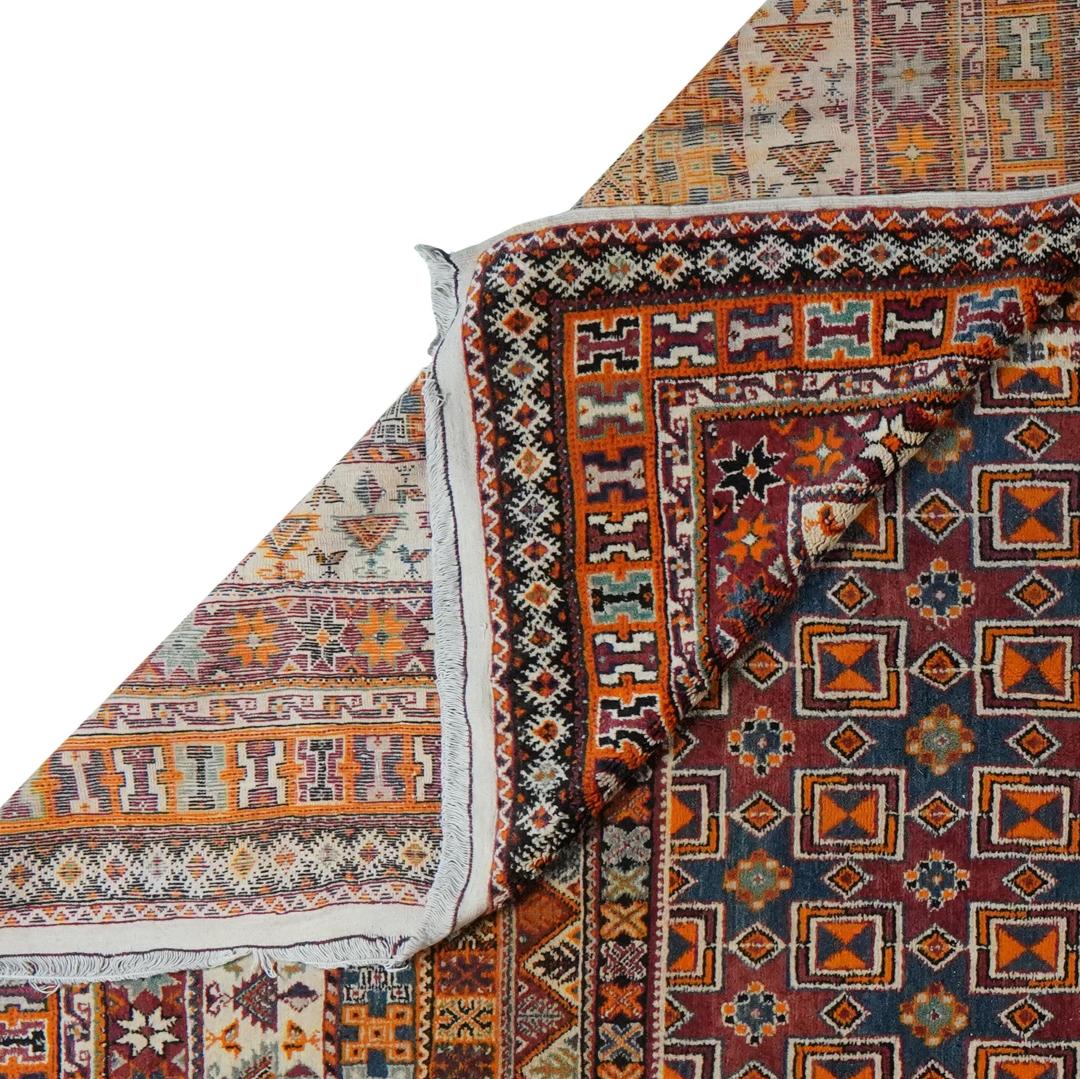
The Berber rugs of the Middle Atlas region in Morocco are among the most storied textiles in the world. Traditionally woven by the indigenous Berber tribes, these rugs were created not merely as decorative items, but as essential household tools for protection against the harsh, cold climates of the high mountains. Over time, these functional pieces evolved into a celebrated art form, reflecting the nomadic history and cultural identity of the weavers.
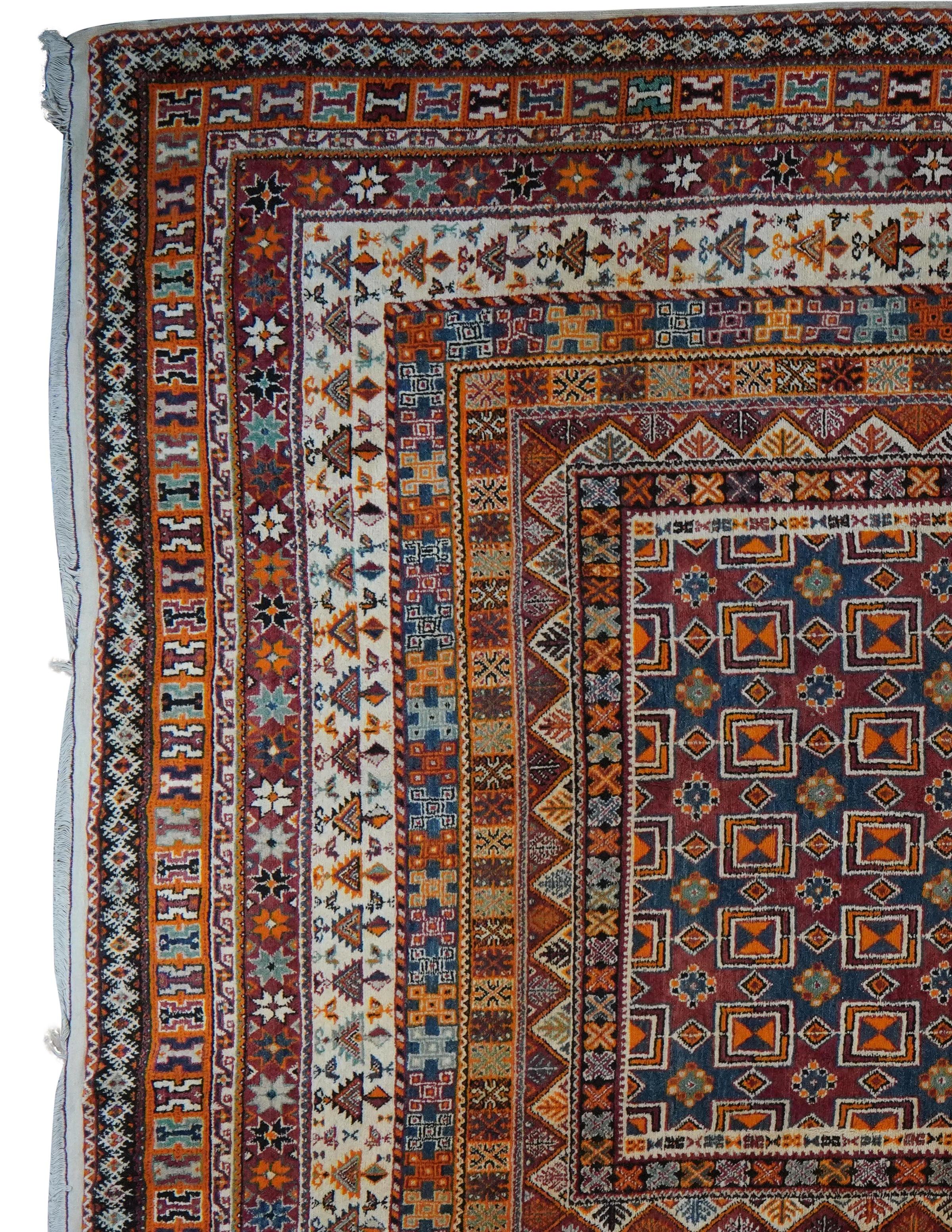
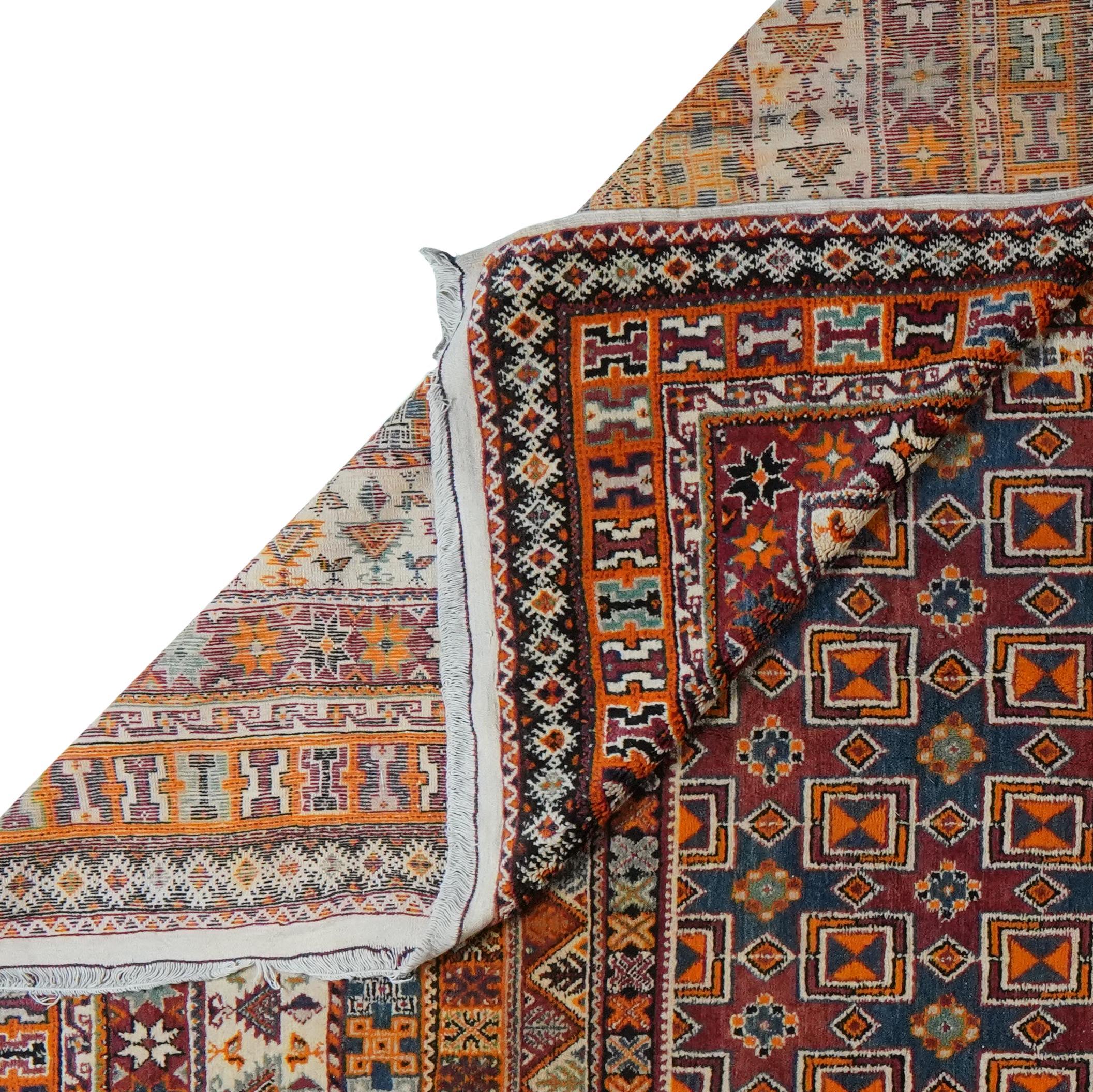
The craftsmanship behind these rugs is deeply rooted in the use of raw, natural wool. In the context of Berber tradition, the quality of the wool is paramount, often sourced from local sheep and processed by hand. The construction is typically characterised by a sturdy foundation that supports a dense pile, a feature that provides both durability and a luxurious, insulating texture that remains soft to the touch even after decades of use.
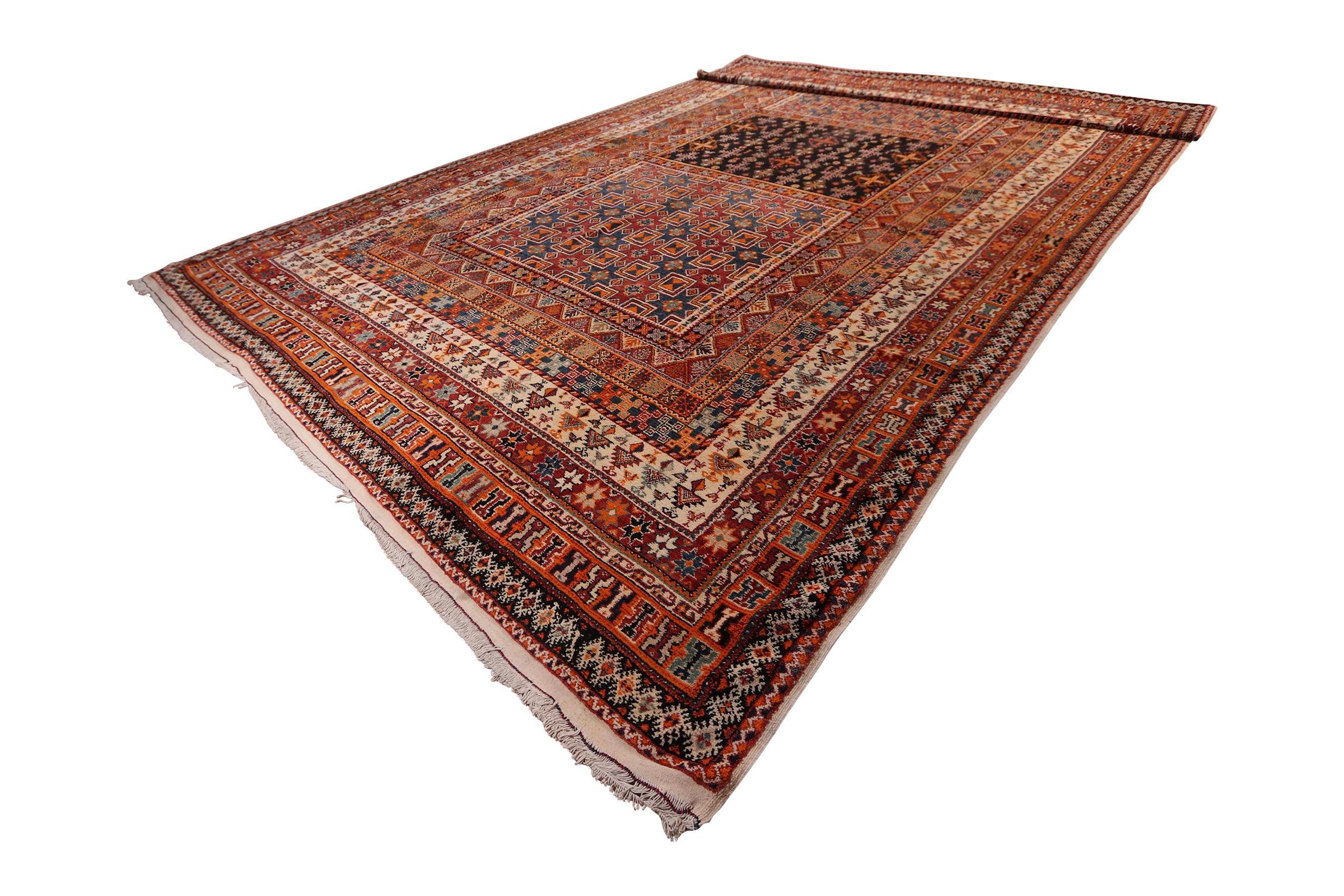
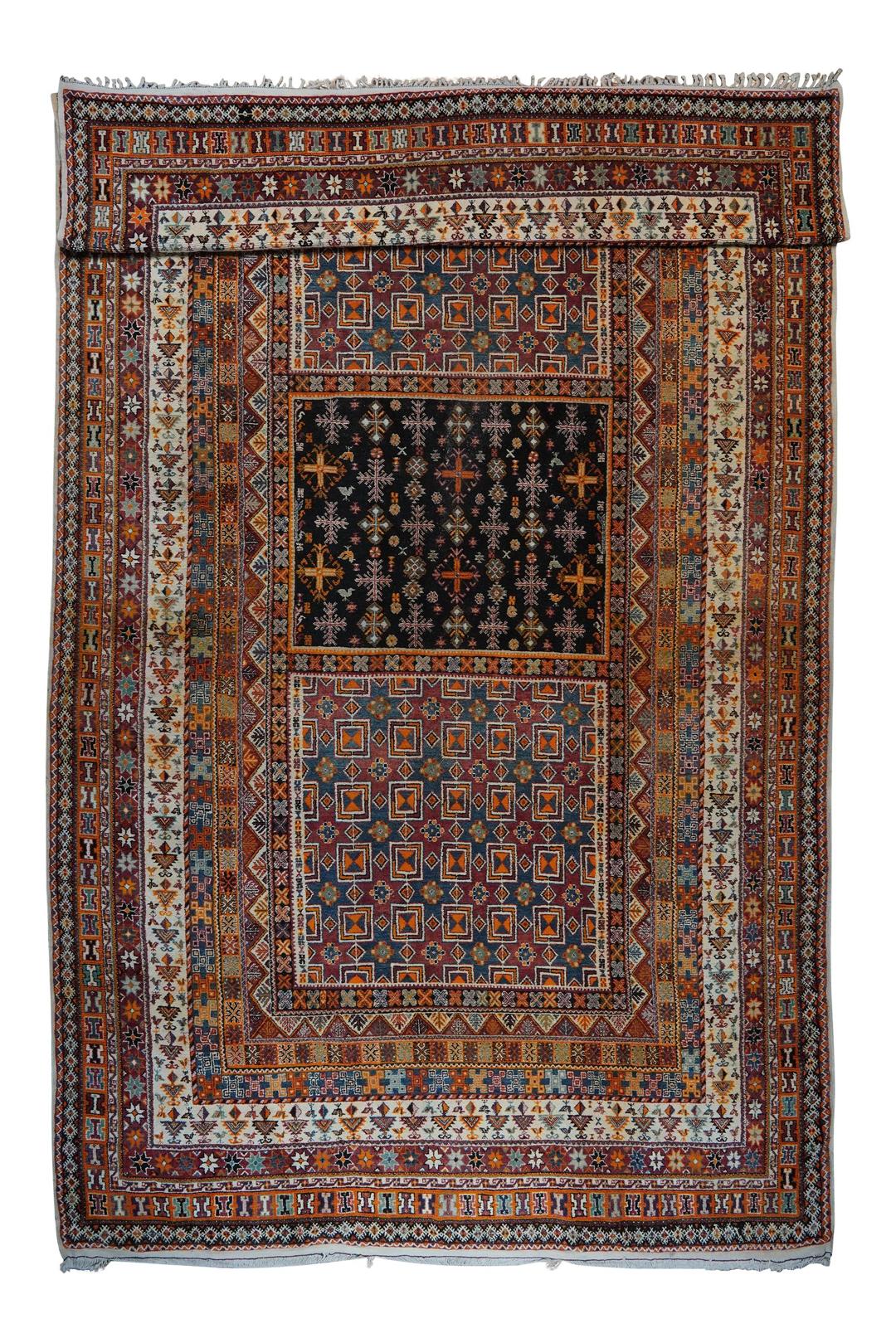
Design-wise, these rugs are famous for their expressive visual language. Unlike the highly structured patterns found in other Middle Eastern traditions, Moroccan Berber rugs often feature spontaneous, symbolic geometric motifs. Each line or shape can represent aspects of the weaver's life, such as fertility, protection, or the natural landscape. This piece displays a particularly harmonious arrangement, showcasing a sophisticated balance of colour and form that honours its tribal roots.
Today, these rugs are highly sought after by collectors who value the authenticity and human element inherent in every knot. Owning a vintage Berber piece is more than an aesthetic choice; it is an act of preserving a cultural practice that is slowly changing in the modern world. These rugs are cherished for their ability to bring a sense of history and quiet soul to a space, making them lasting heirlooms that tell a story of human creativity.