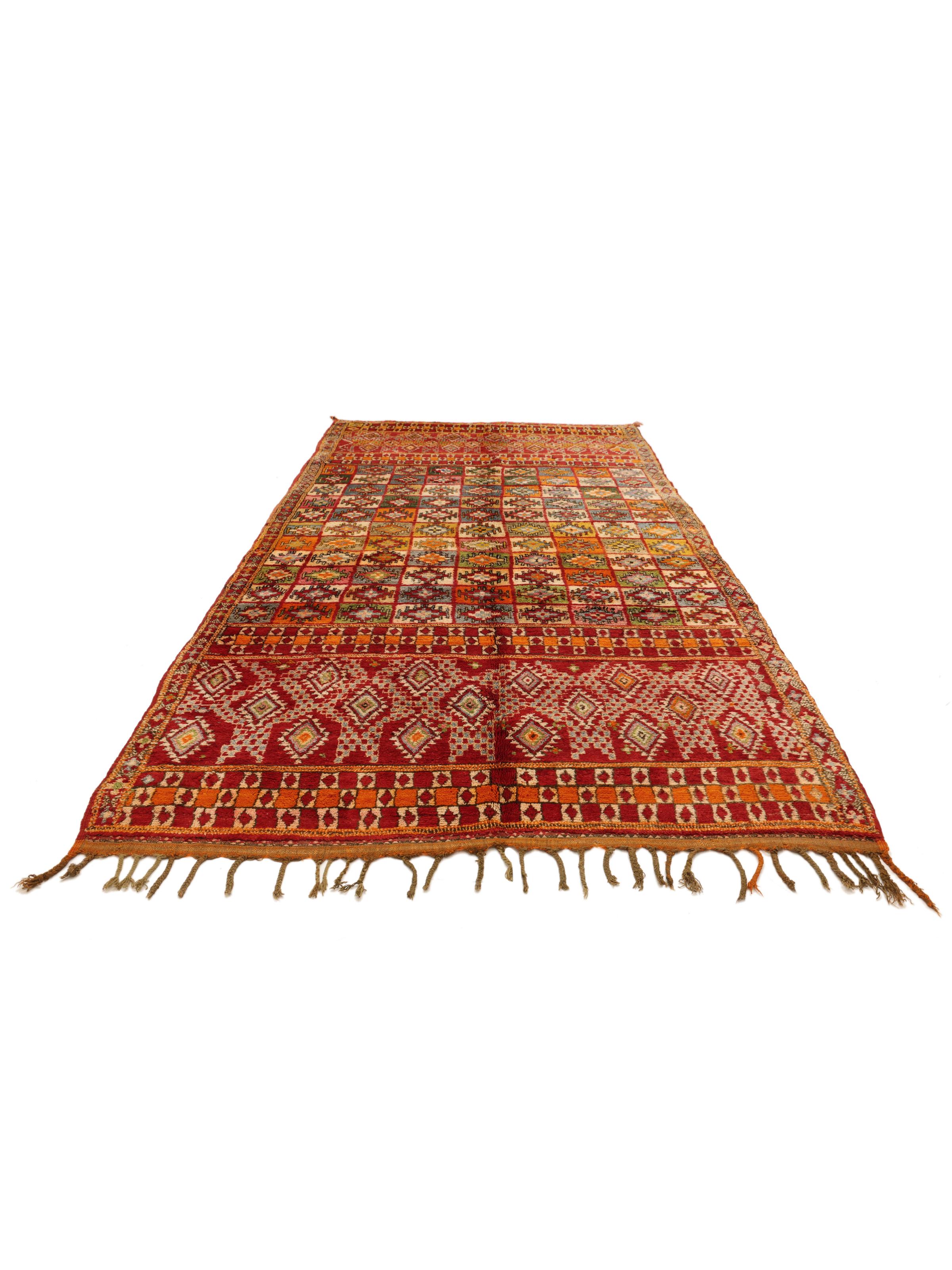
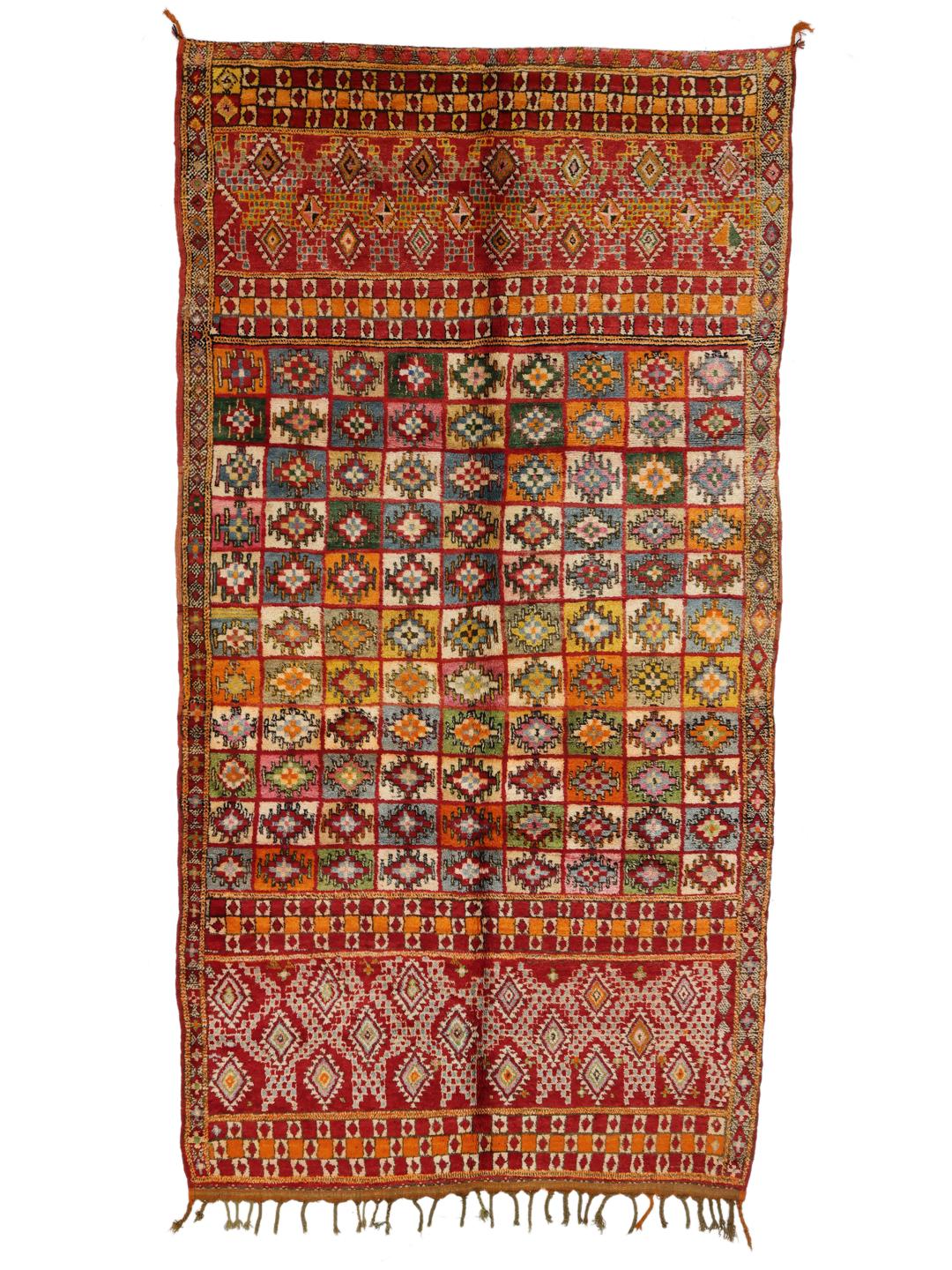
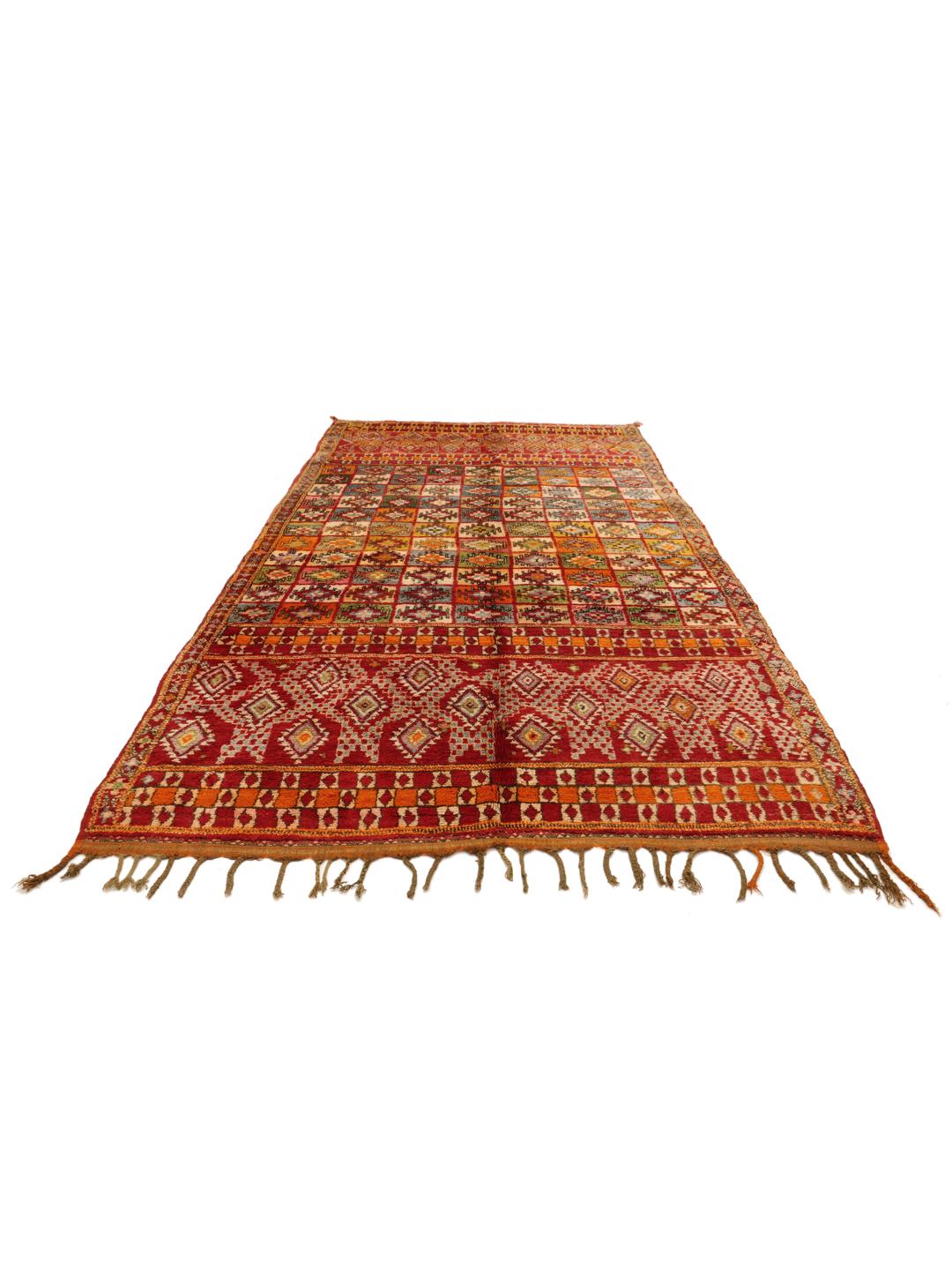
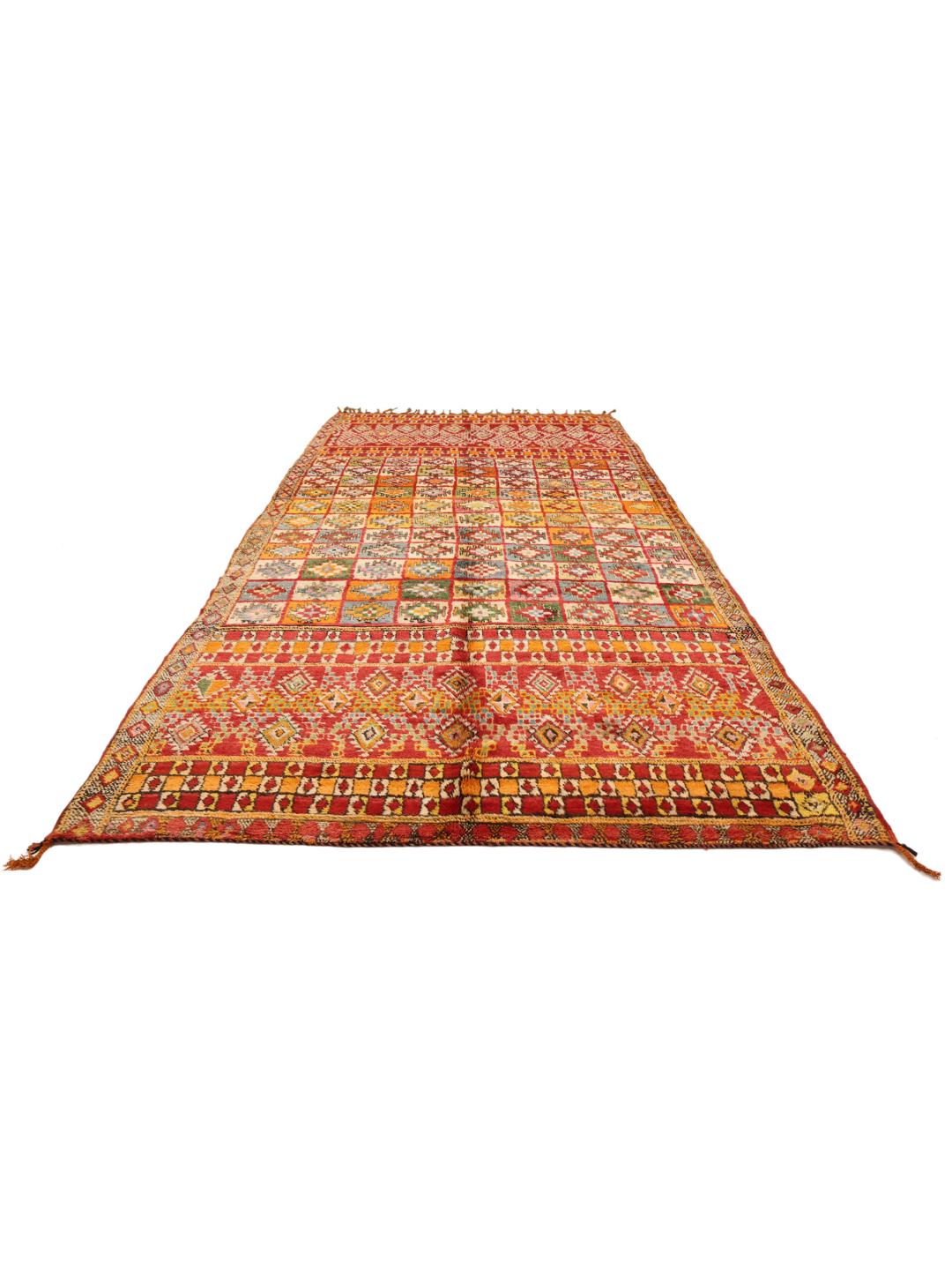
Berber rugs from the Middle Atlas region of Morocco are iconic for their deep connection to the nomadic and semi-nomadic tribes who have inhabited these mountains for centuries. Historically, these rugs were not merely decorative items but essential components of domestic life, used for warmth, as bedding, and as protective coverings in harsh mountain climates. They represent a cultural lineage where weaving is a communal language, passed down through generations of women.
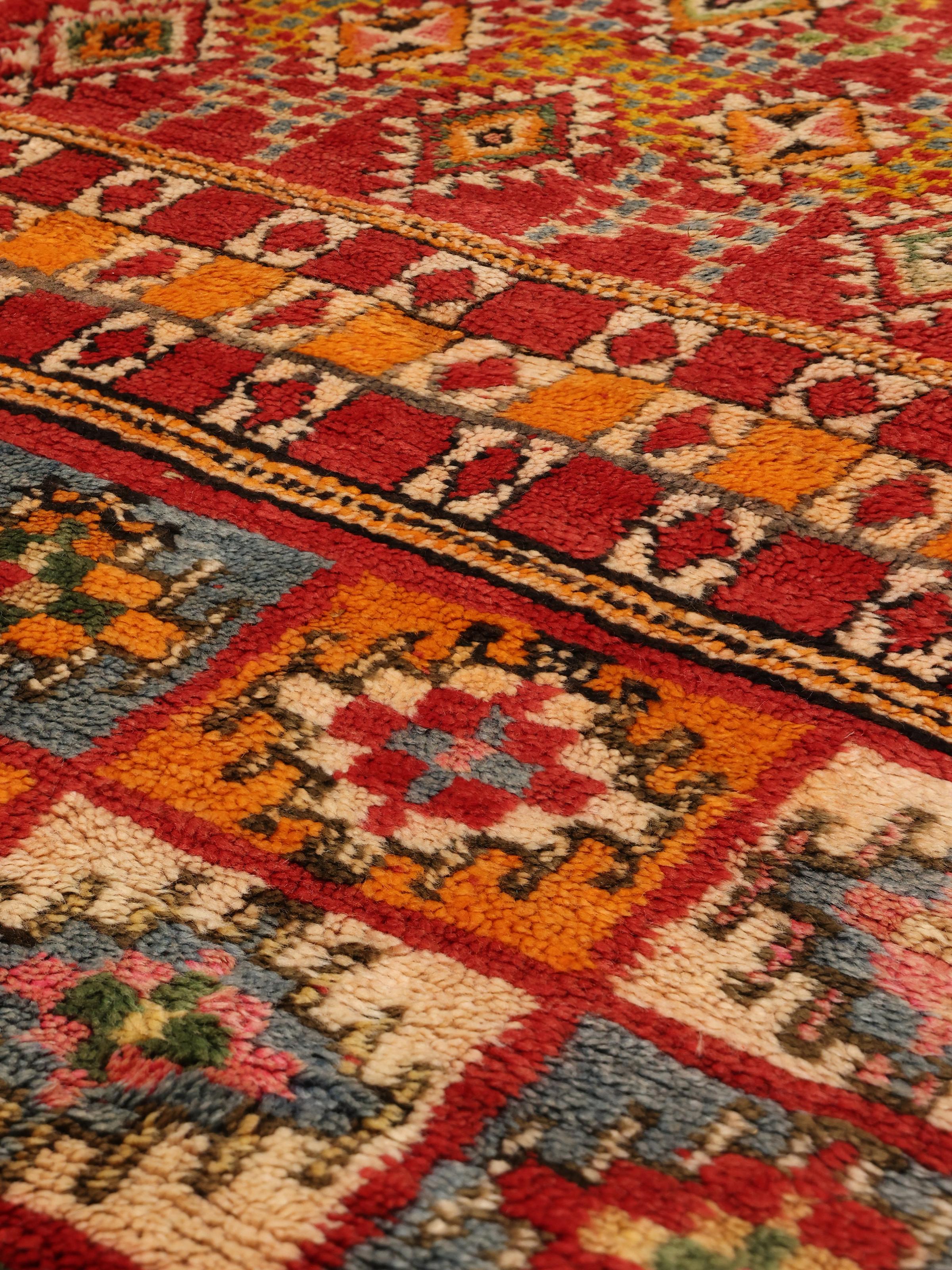
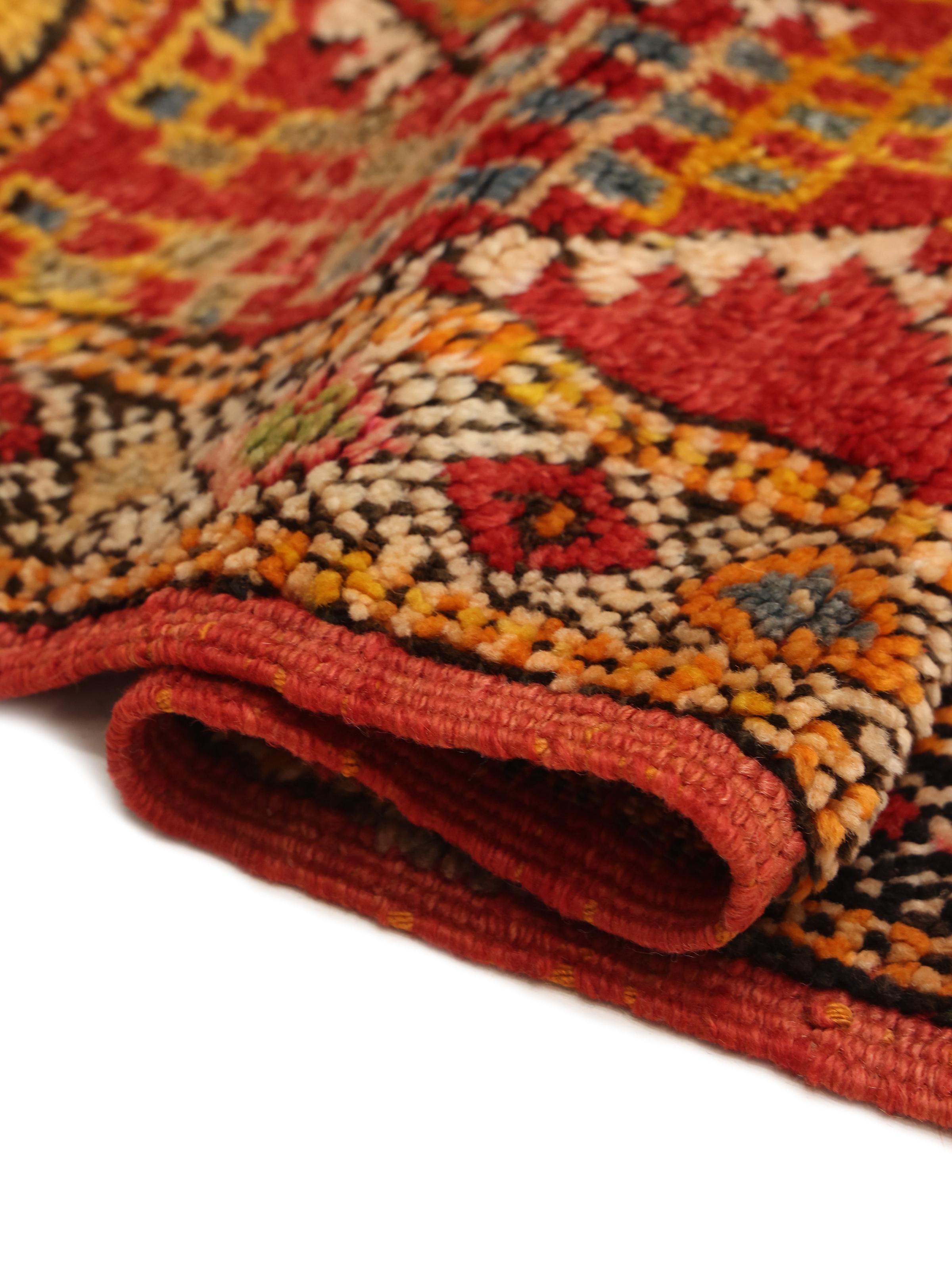
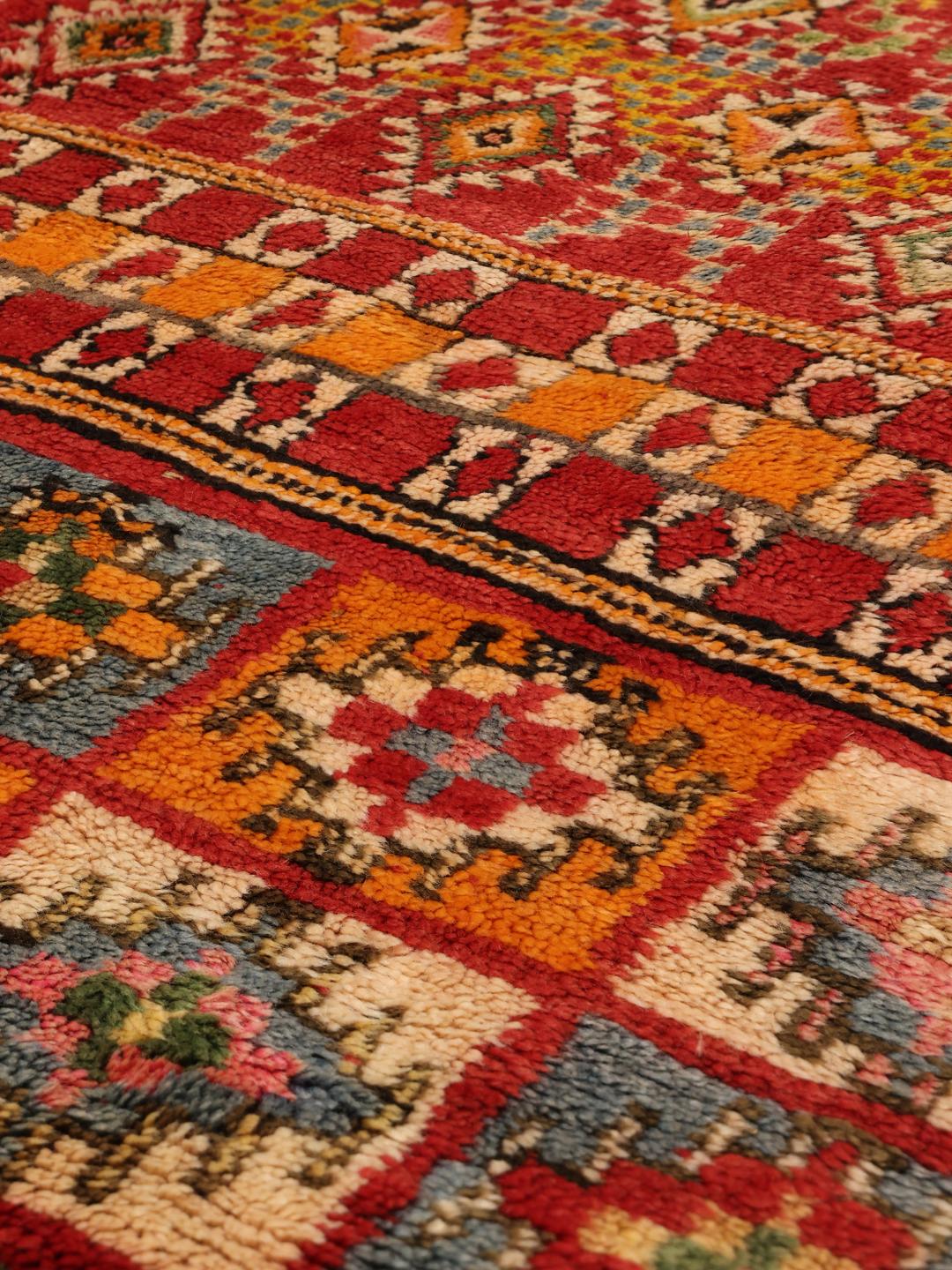
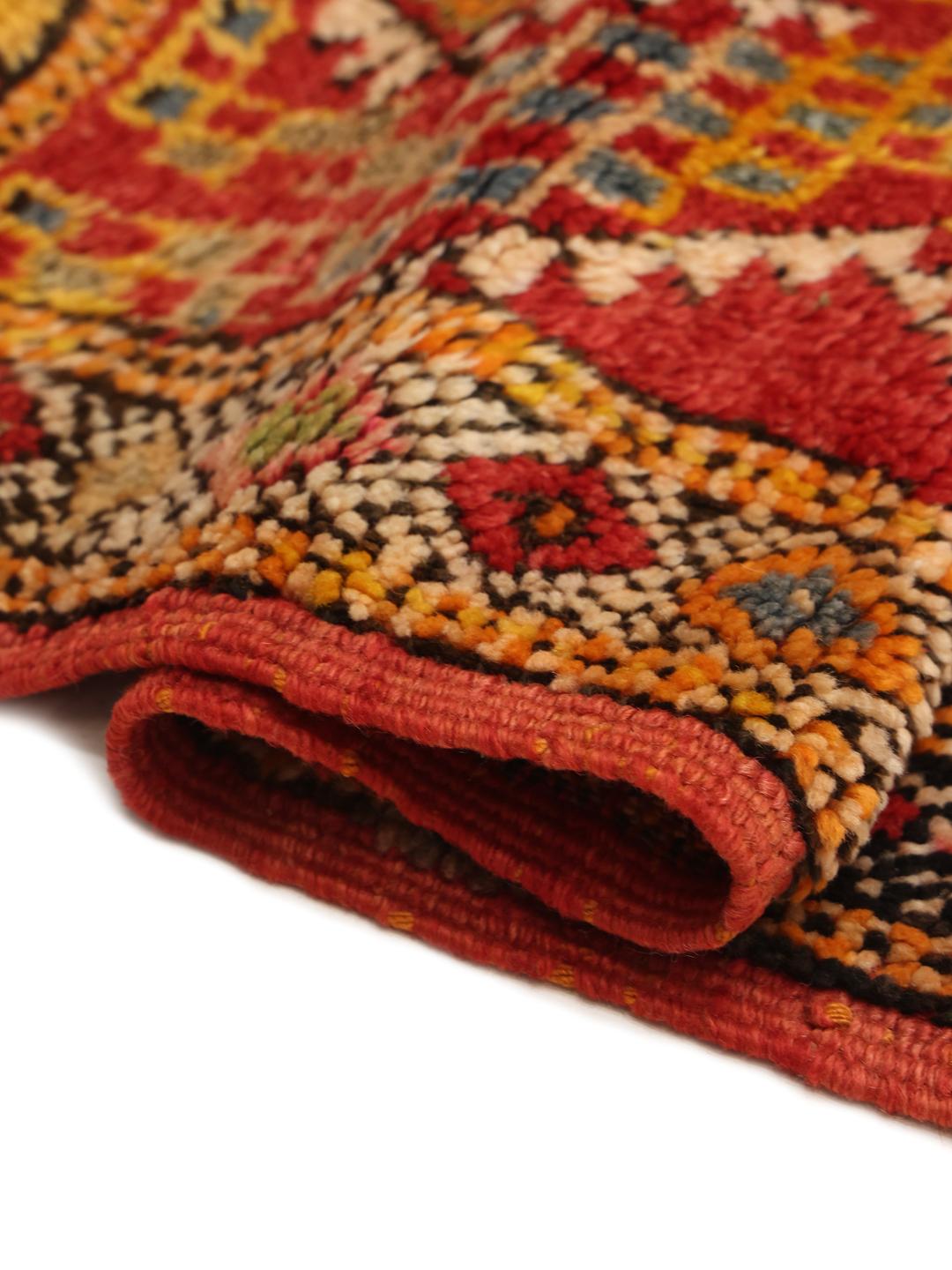
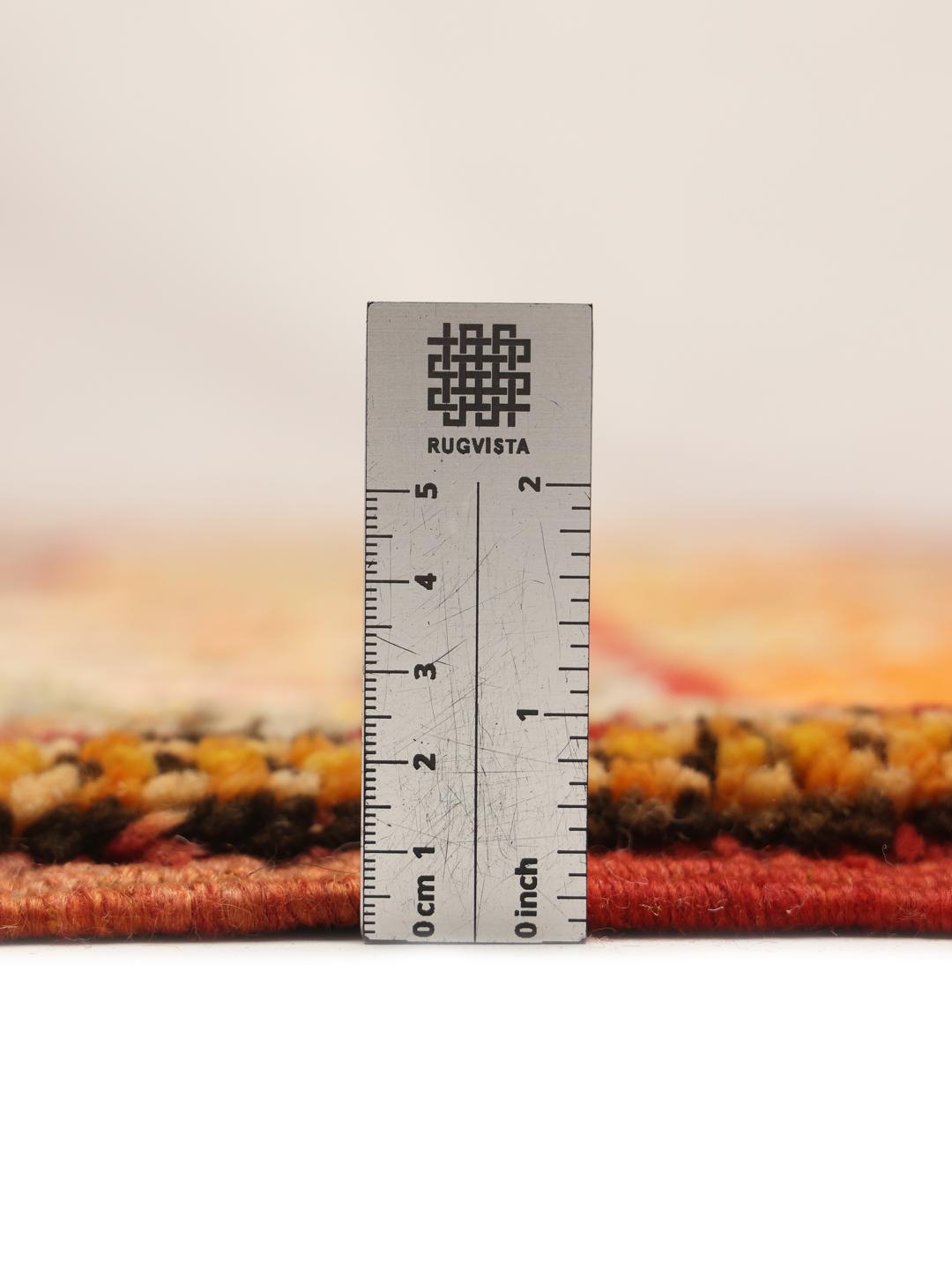
The technical quality of these rugs is rooted in the use of high-quality wool, which is hand-spun and often dyed using traditional methods. The construction, typically featuring a sturdy wool foundation, results in a dense and long-lasting pile that is prized for its durability. This traditional approach to weaving ensures that each piece has a natural resilience, making them as functional as they are beautiful.
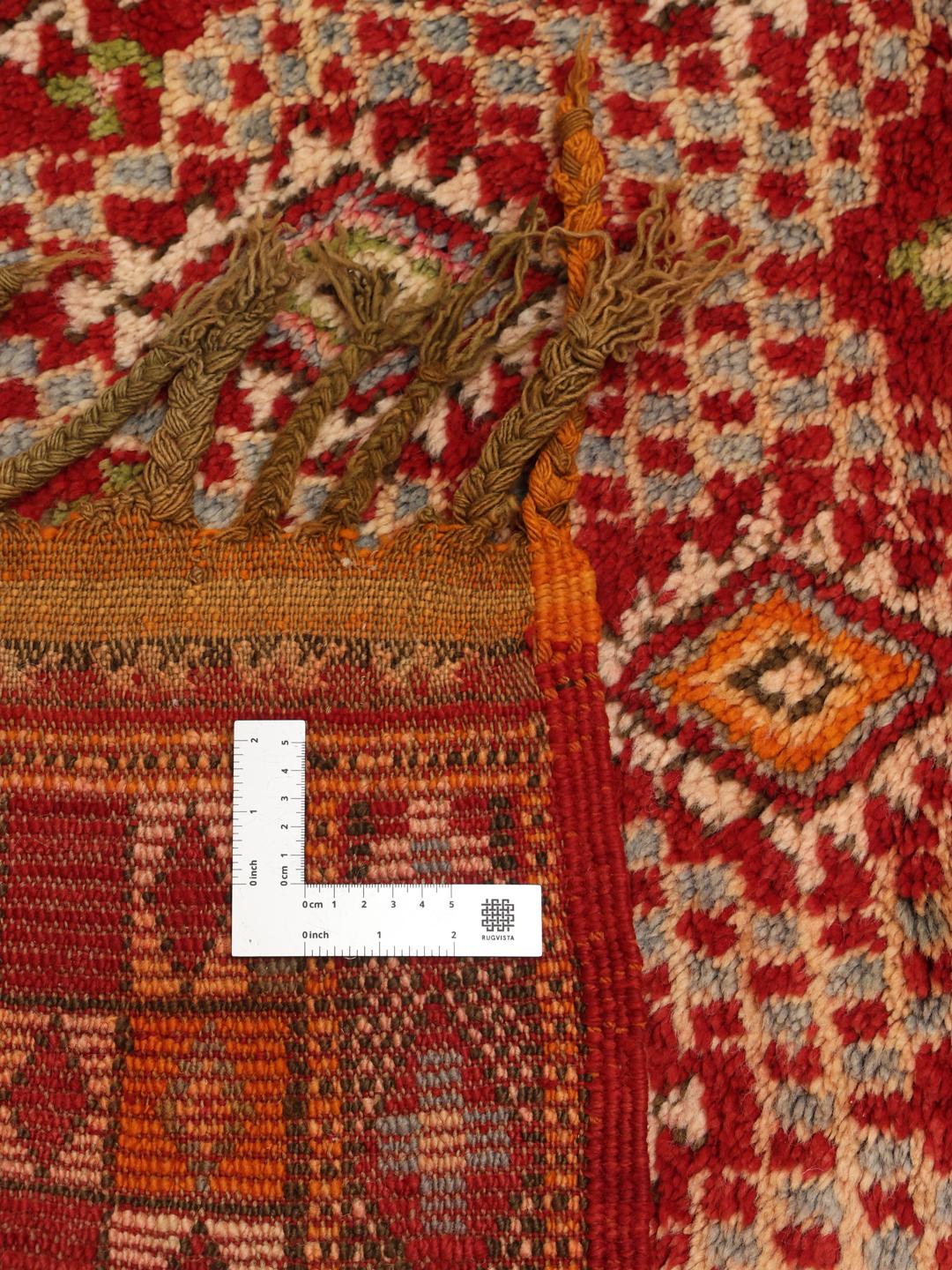
Visually, these rugs are defined by their expressive use of colour and geometric symbolism. While many associate Berber rugs with monochromatic patterns, the vintage pieces from the Middle Atlas often feature vibrant, multi-coloured grids and intricate motifs that reflect the weaver's personal stories and environment. Each diamond or geometric shape acts as a visual shorthand for tribal identity, regional landscape, or personal blessing, making every rug a narrative piece.
Owning a vintage Berber rug is an investment in cultural heritage and artisanal skill. Collectors value these pieces not only for their aesthetic appeal but for the authenticity they bring to a space. They stand as a testament to a way of life that balances practical necessity with profound artistic expression, ensuring that the legacy of Moroccan craftsmanship continues to be celebrated in homes around the world.