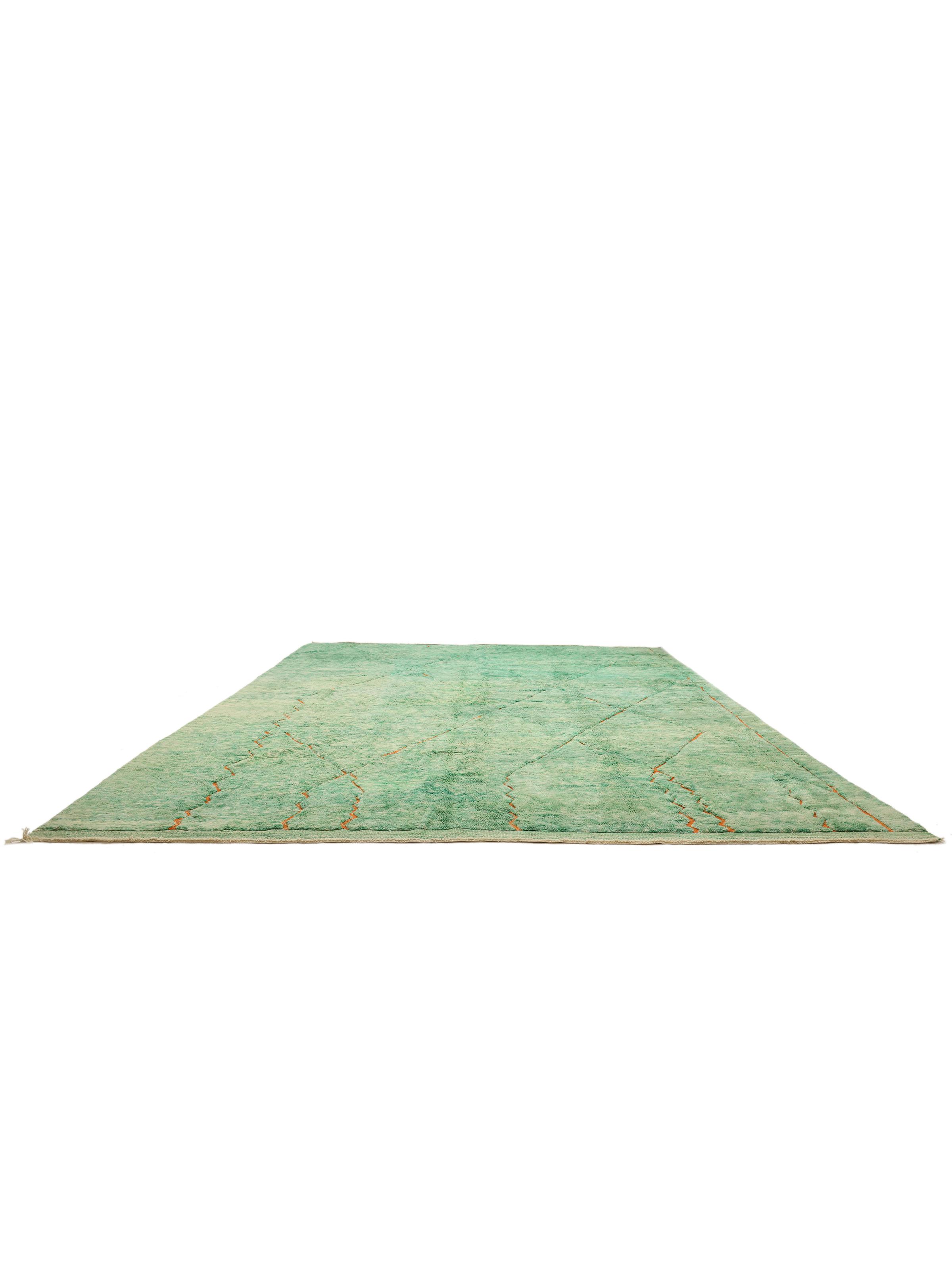
The Berber Moroccan rug tradition originates from the indigenous tribes of the Middle Atlas mountains in Morocco. These rugs were historically crafted for personal use within the home, serving as blankets, sleeping mats, and decorative wall hangings. The designs often reflect the personal stories, beliefs, and surroundings of the weavers, making each piece a narrative document of their lives.
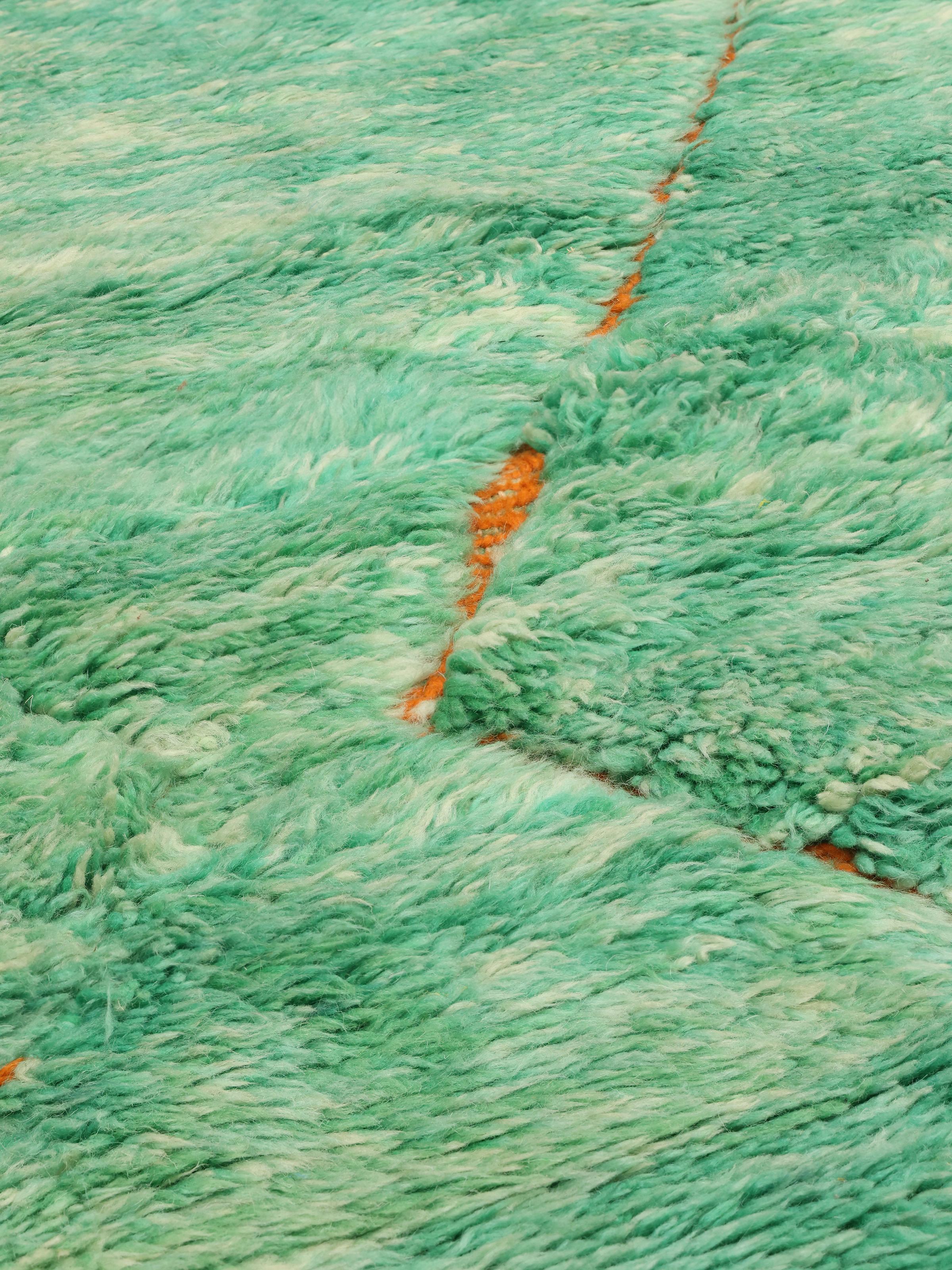
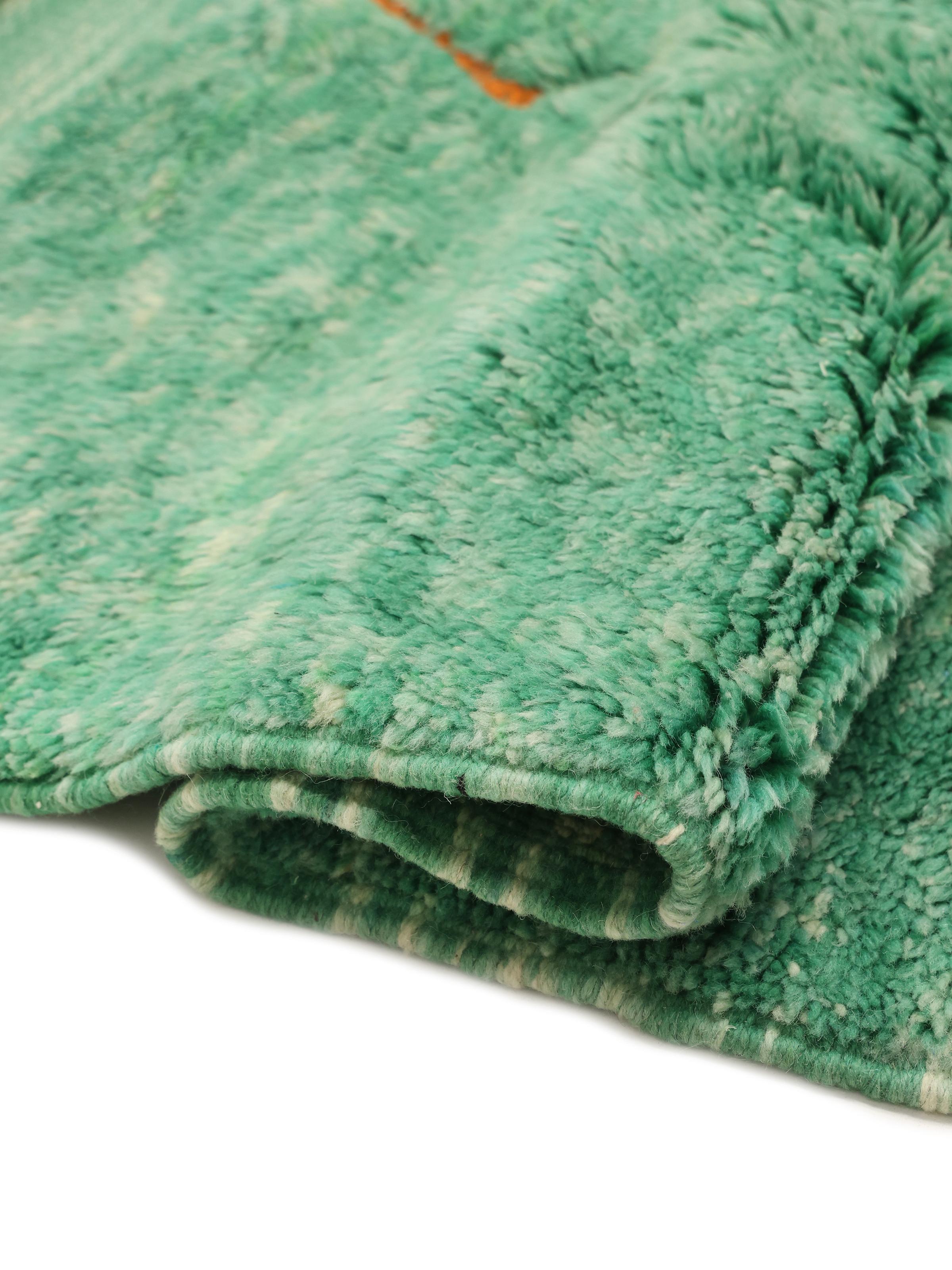
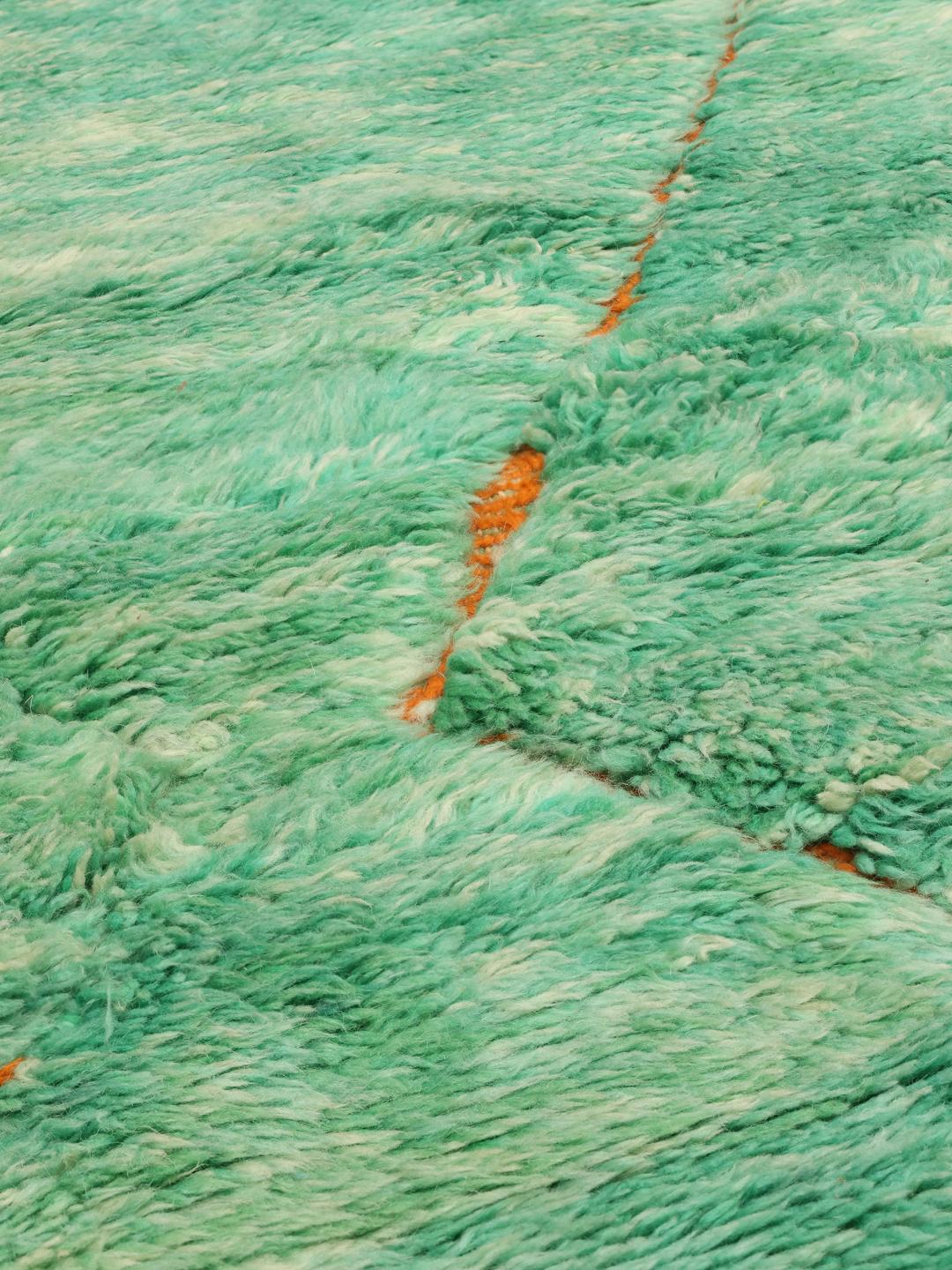
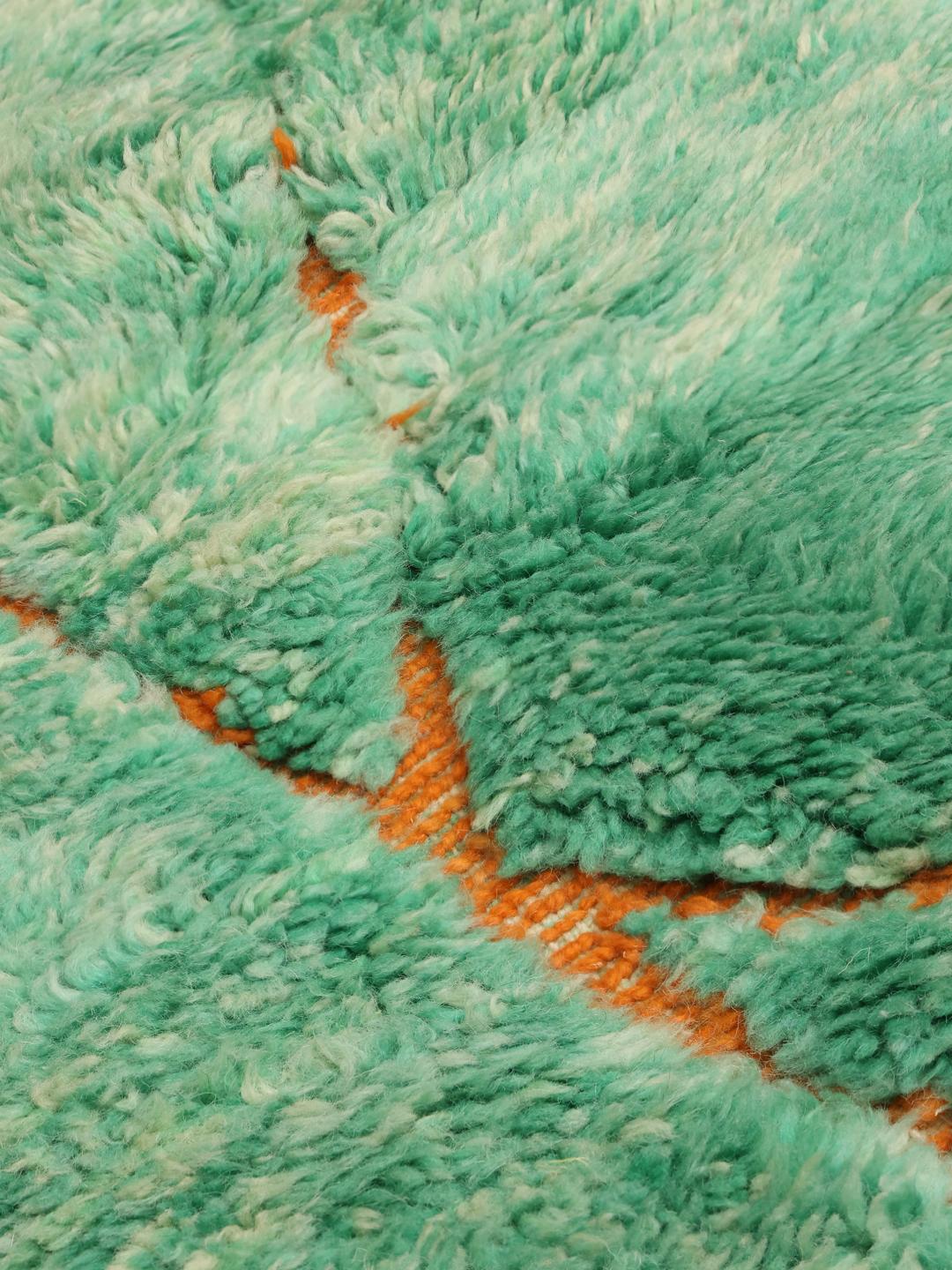
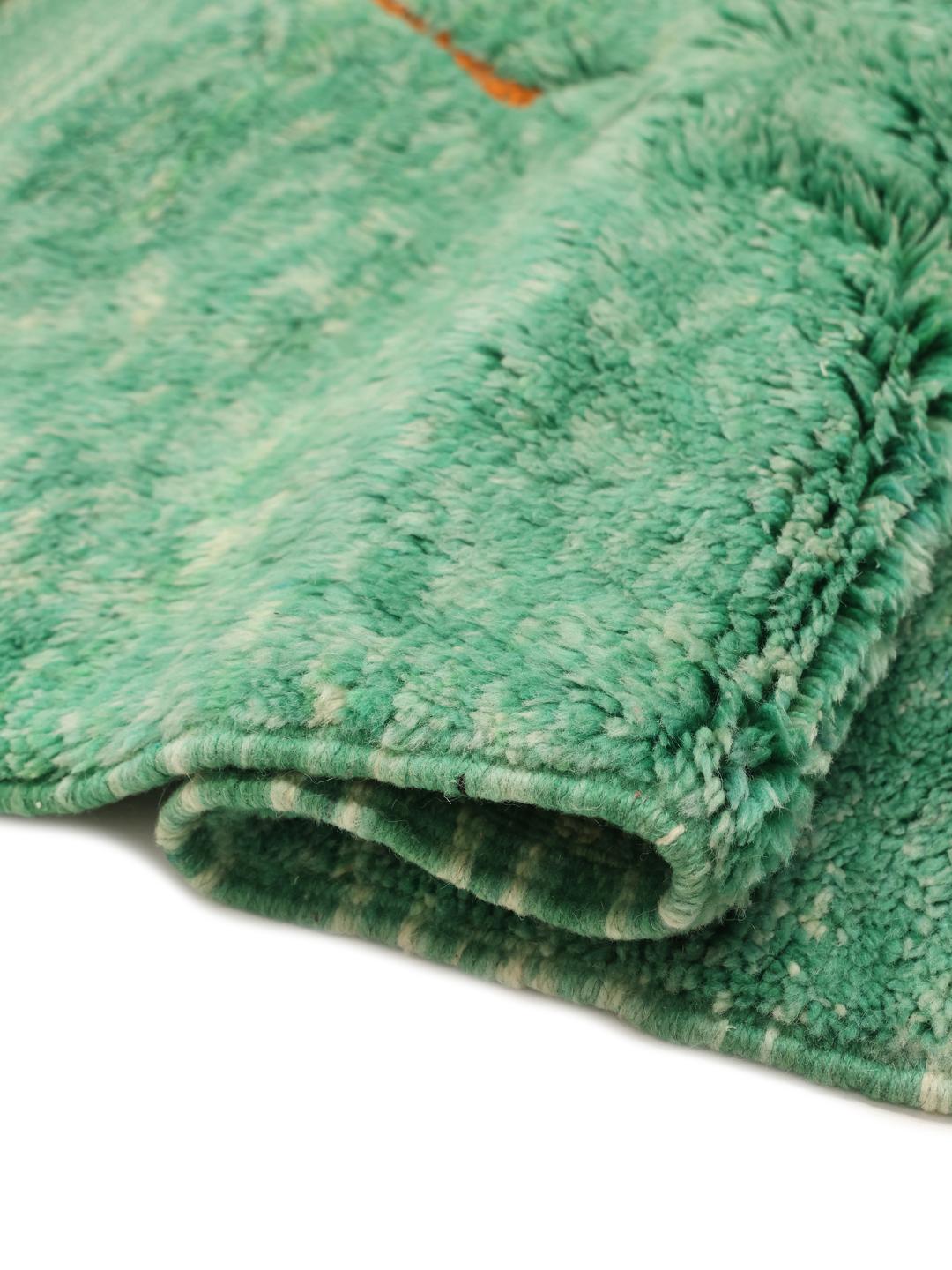
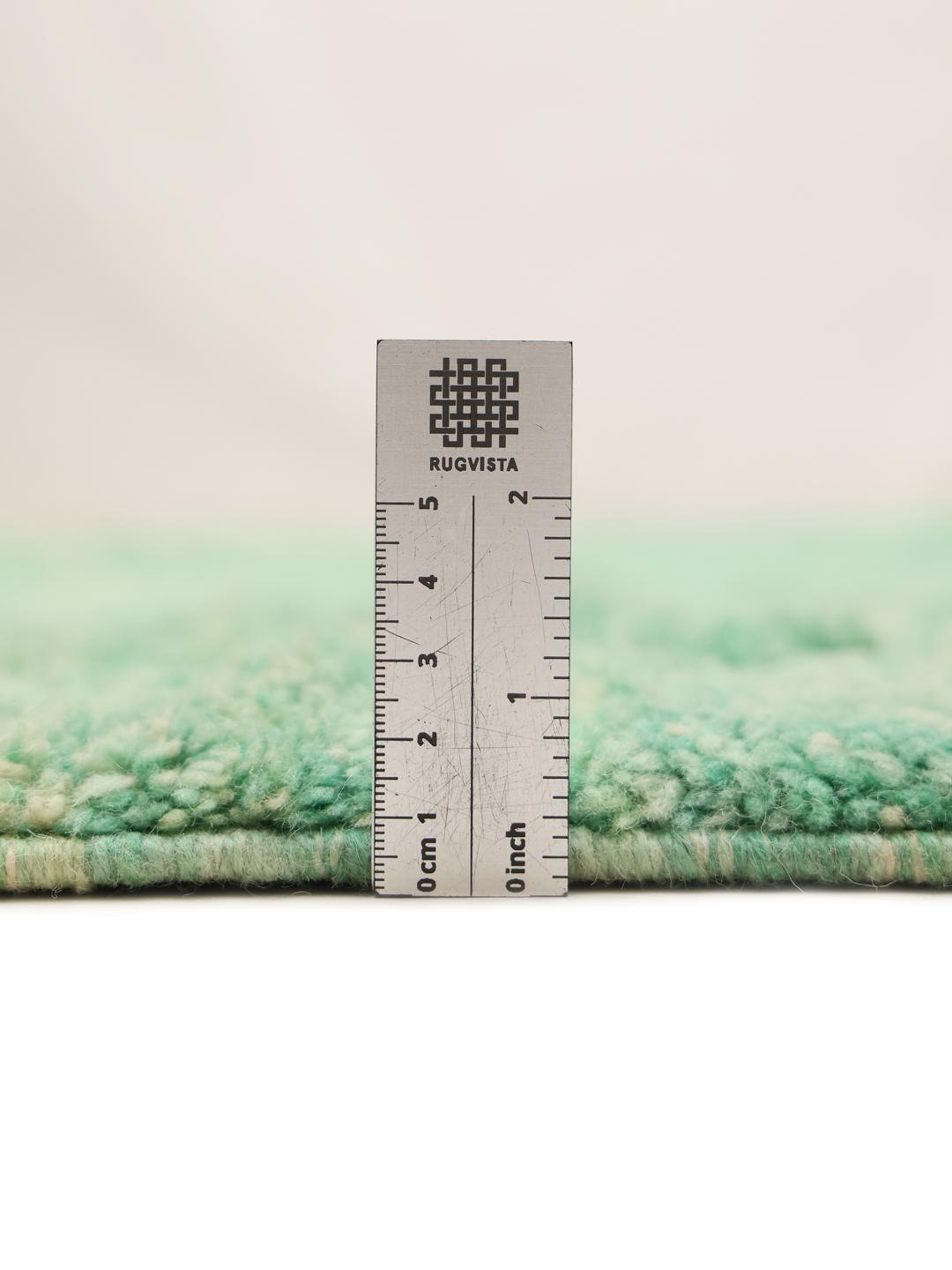
The term Beni Ourain refers to a specific confederation of Berber tribes known for their exceptional wool-working skills. Their rugs are traditionally characterised by a thick, soft pile made from high-quality, undyed sheep's wool, which provides insulation against the cold mountain climate. Modern interpretations often incorporate vibrant dyes, yet they retain the iconic, minimalist geometric motifs that define the regional aesthetic.
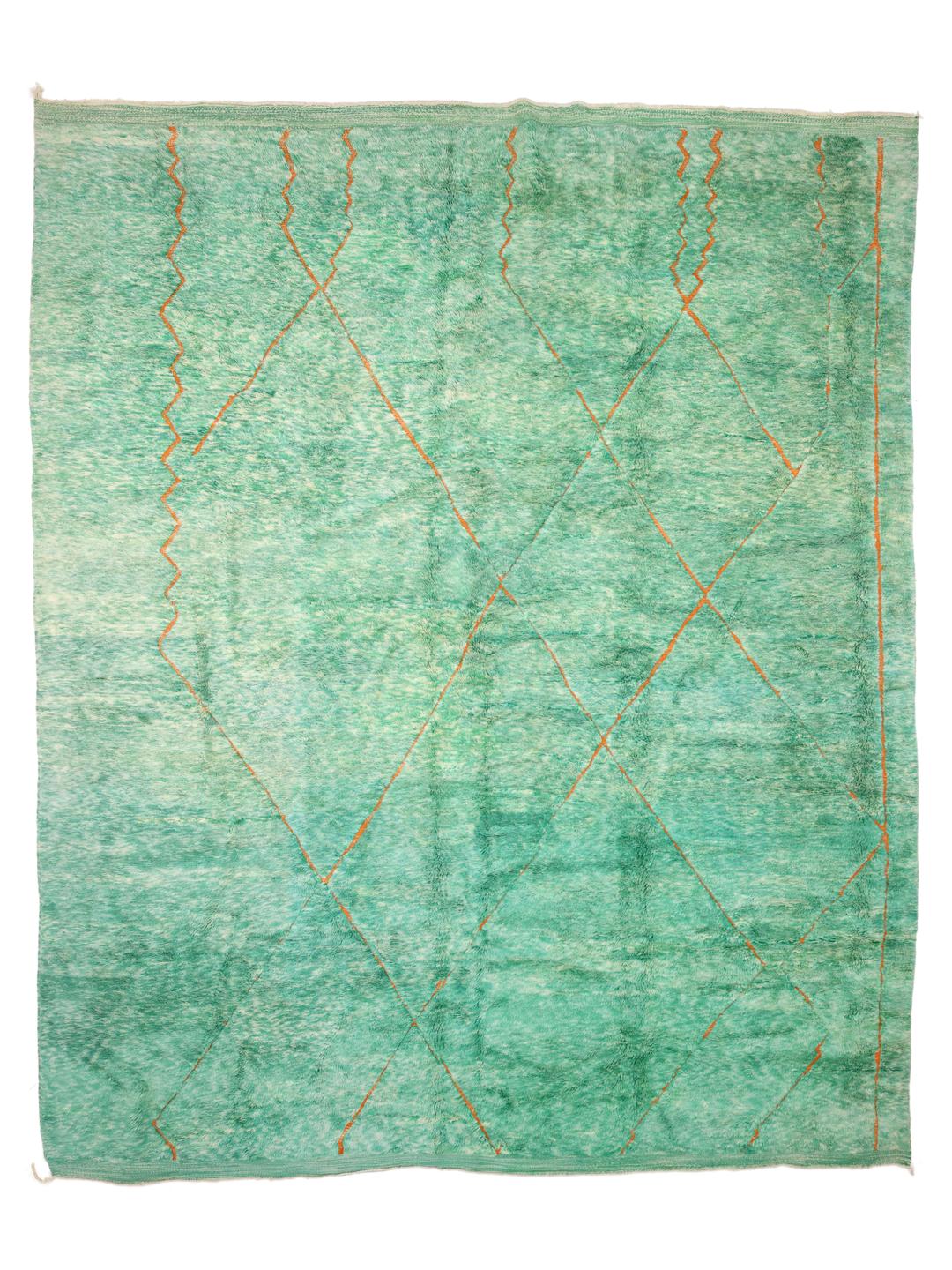
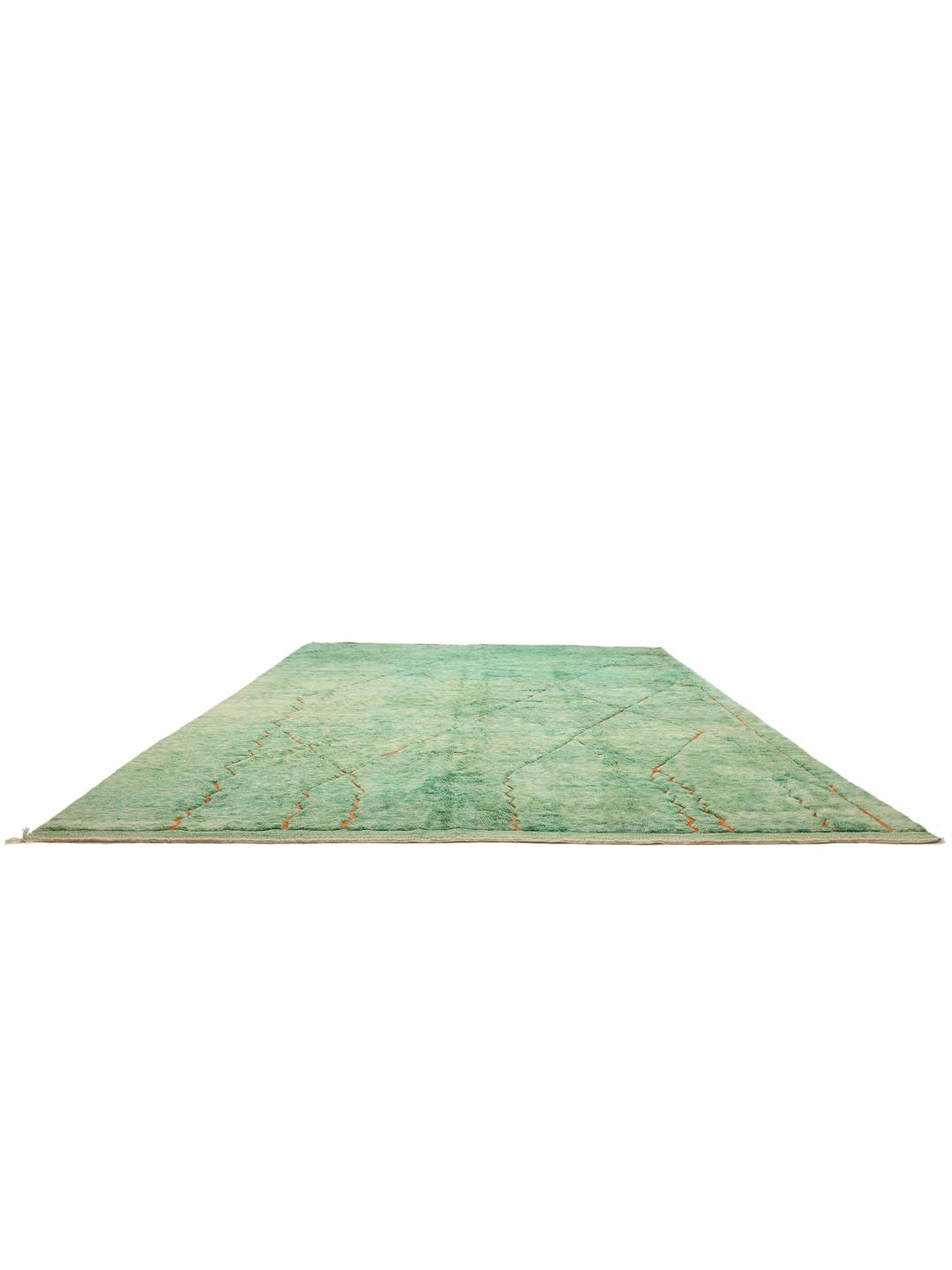
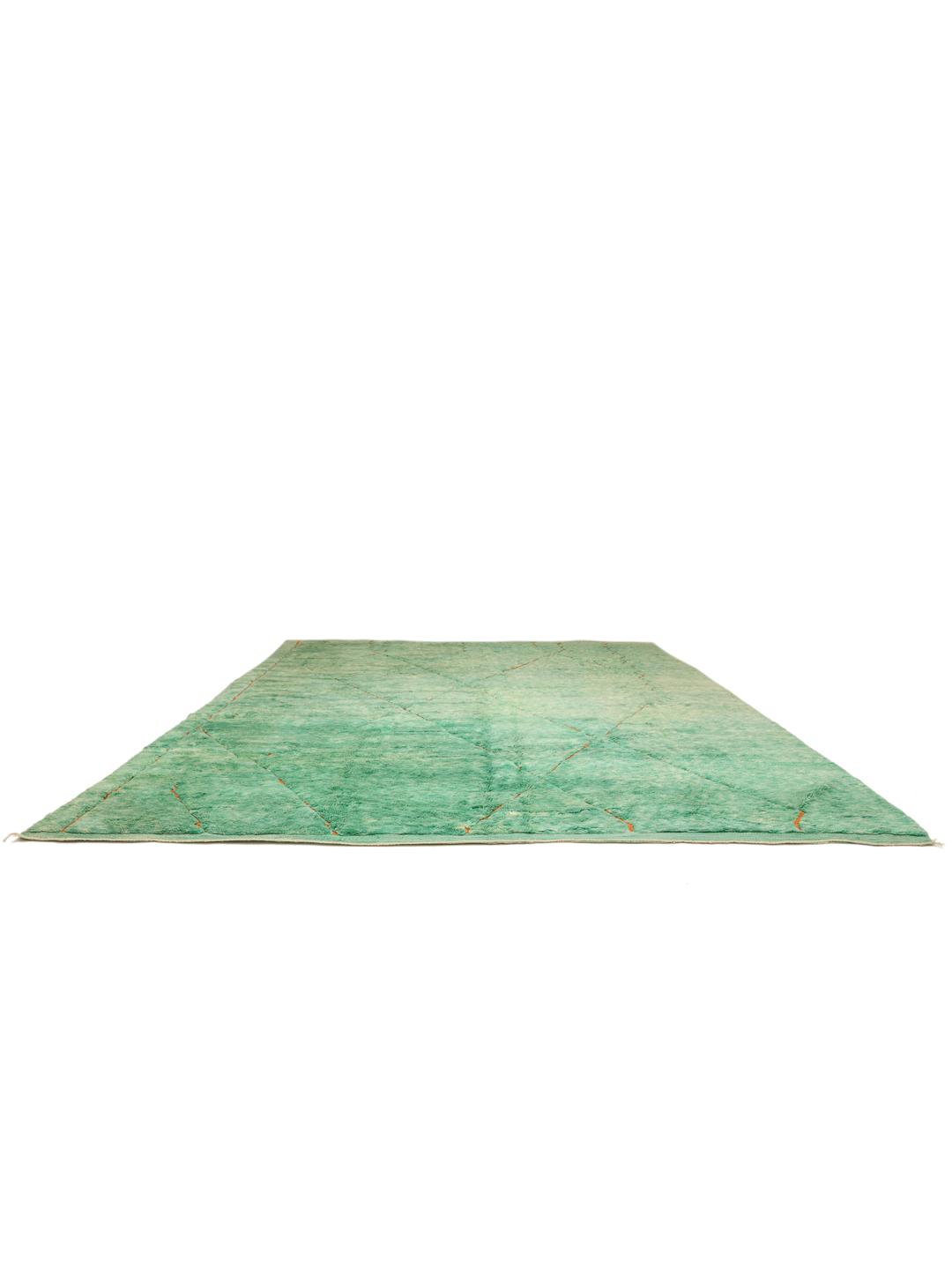
Signature design elements often include the lozenge or diamond pattern, which is frequently interpreted as a symbol of protection or fertility. While traditional Beni Ourain rugs are known for their cream and black palettes, the use of bold, contemporary colours like the green and orange seen here marks a creative evolution in the craft, blending ancient tribal motifs with a fresh, artistic vision.
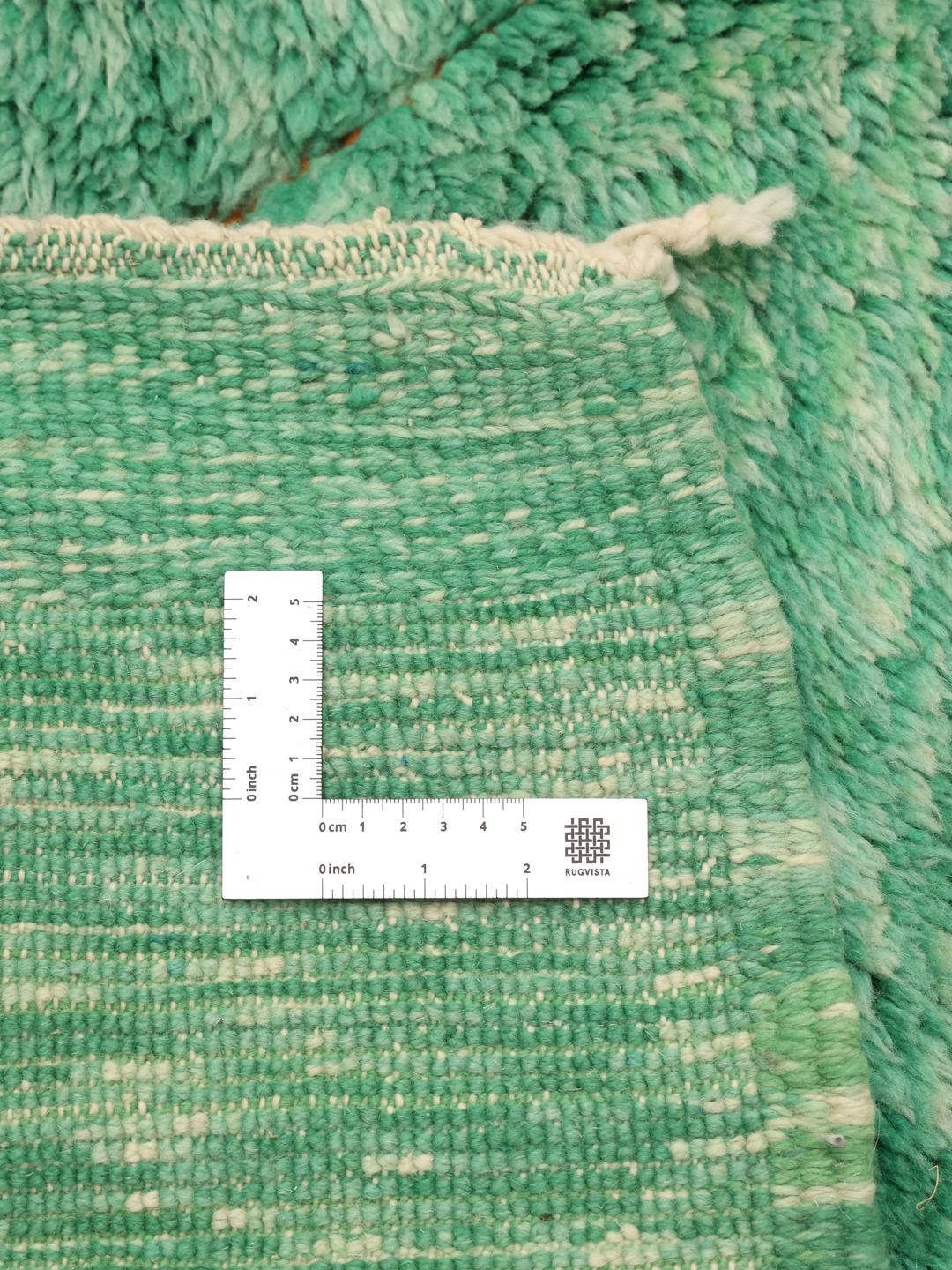
These rugs are highly valued by collectors and interior enthusiasts worldwide for their authenticity, cultural weight, and the human touch evident in every knot. Owning a piece from this tradition connects your home to a long-standing legacy of nomadic craftsmanship, representing a commitment to preserving traditional skills while enjoying a functional work of art.