The Berber Beni Ourain rugs originate from the Middle Atlas Mountains of Morocco, where they have been crafted for centuries by indigenous tribes. Traditionally, these rugs were not merely decorative floor coverings but essential household items used for warmth, as bedding, and as blankets during the harsh winters of the mountain regions.
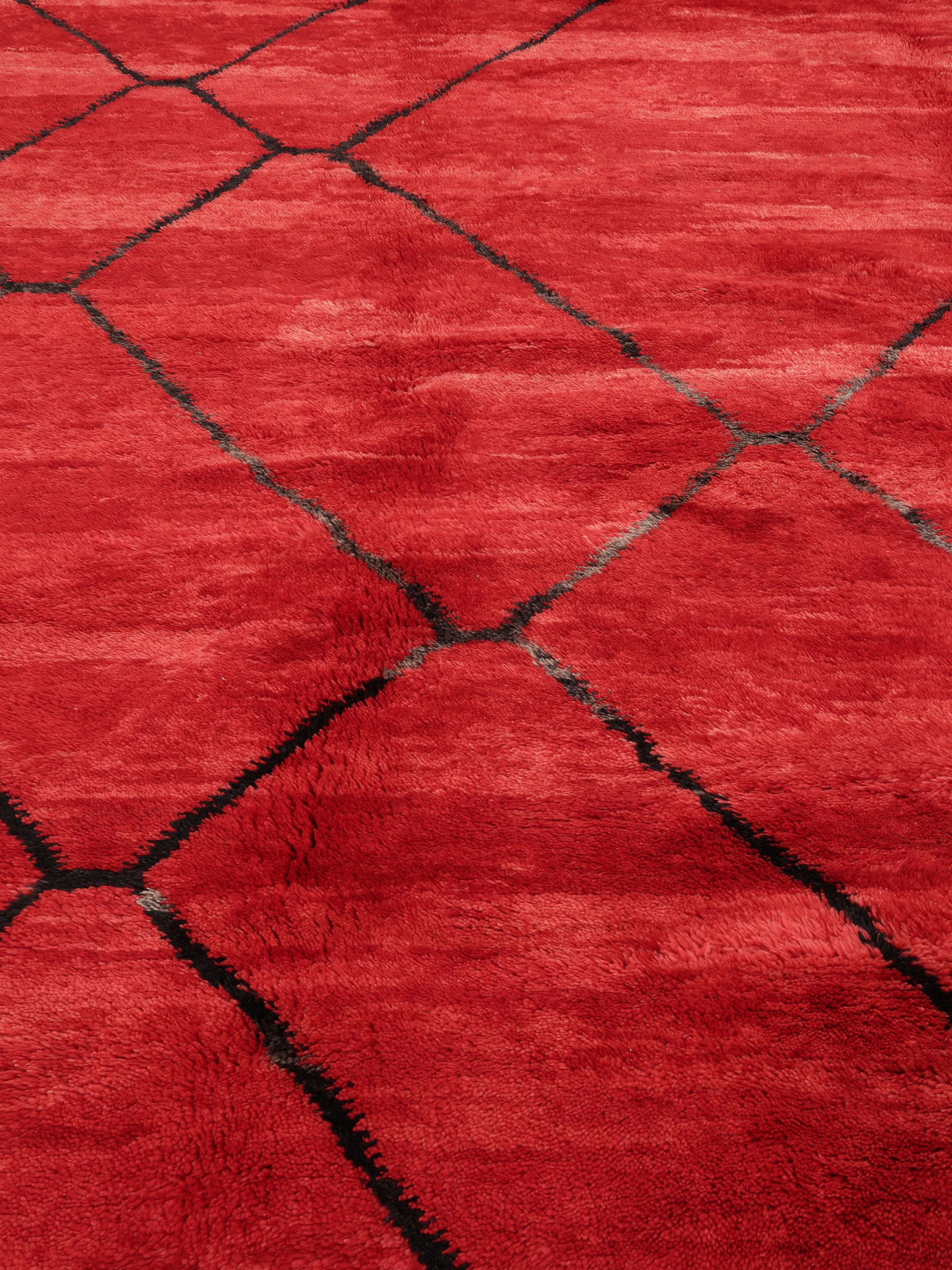
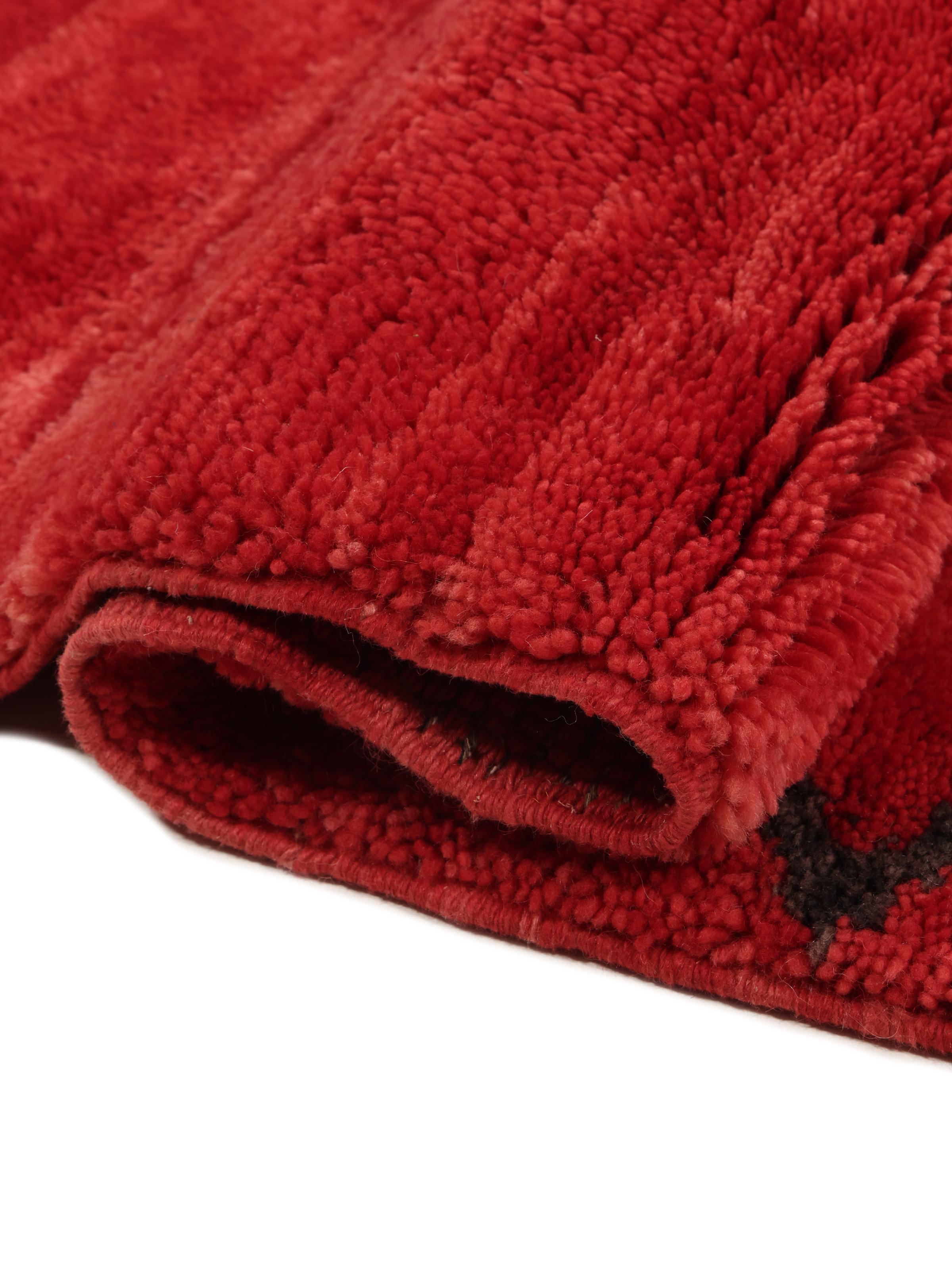
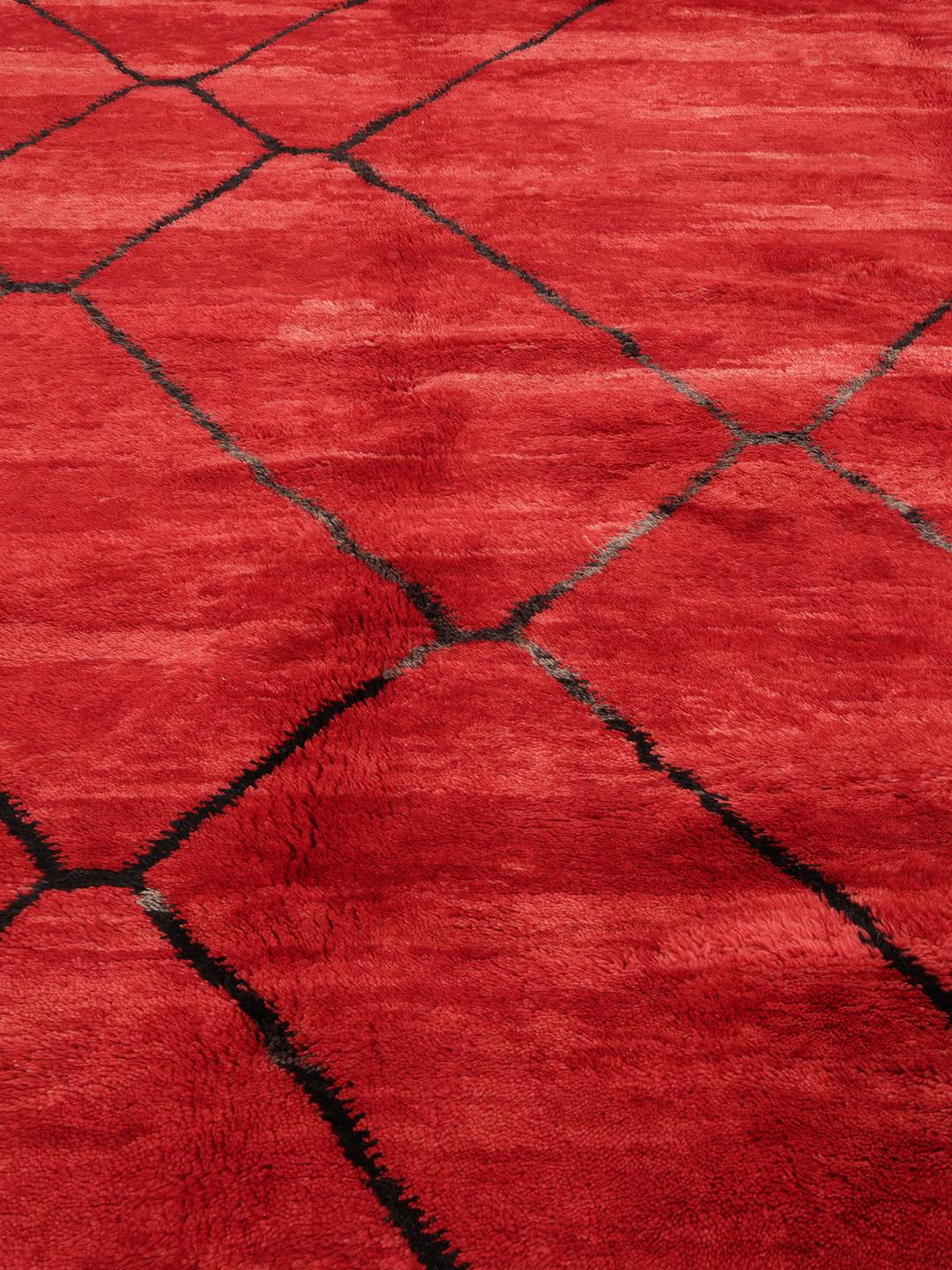
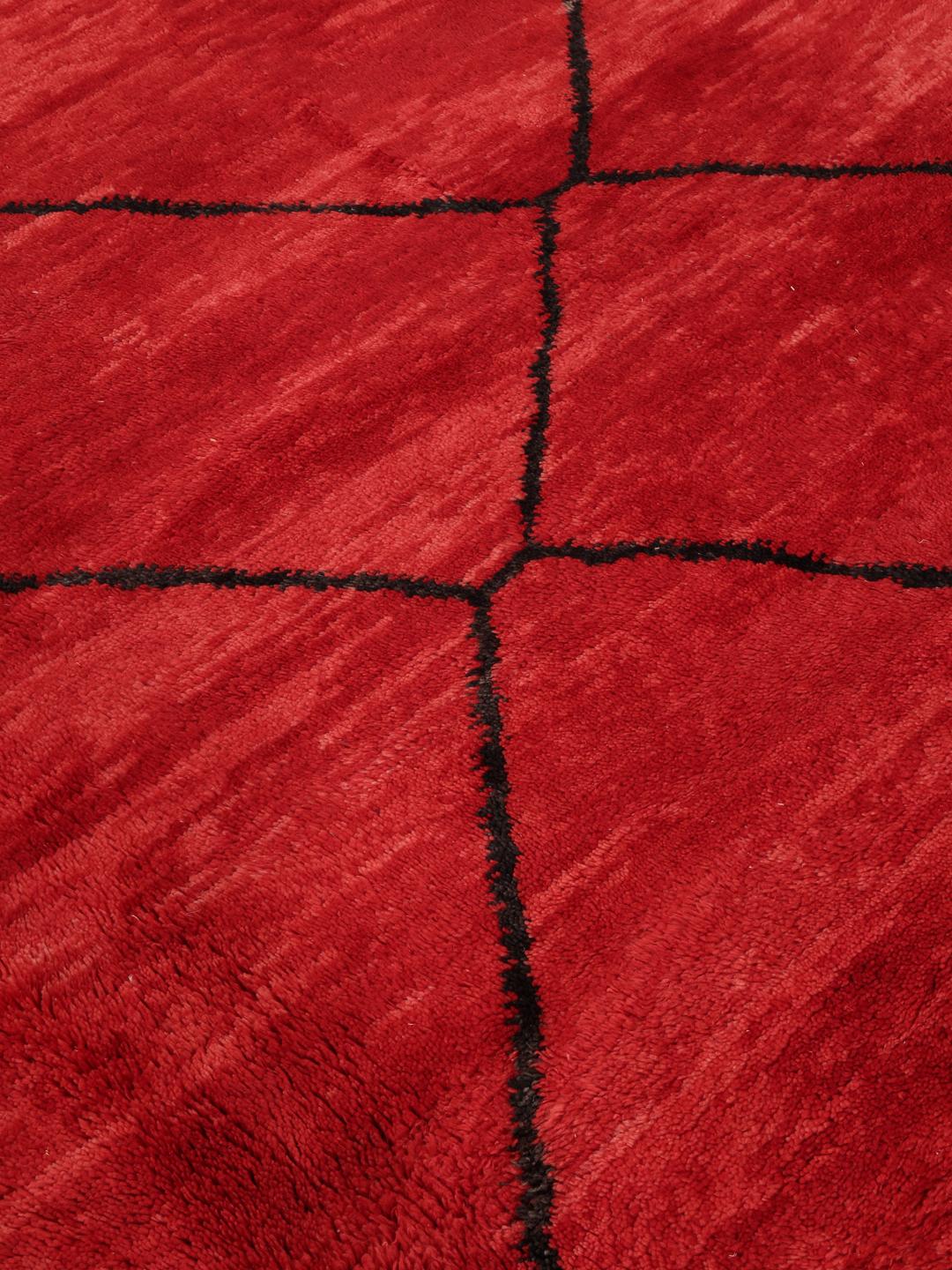
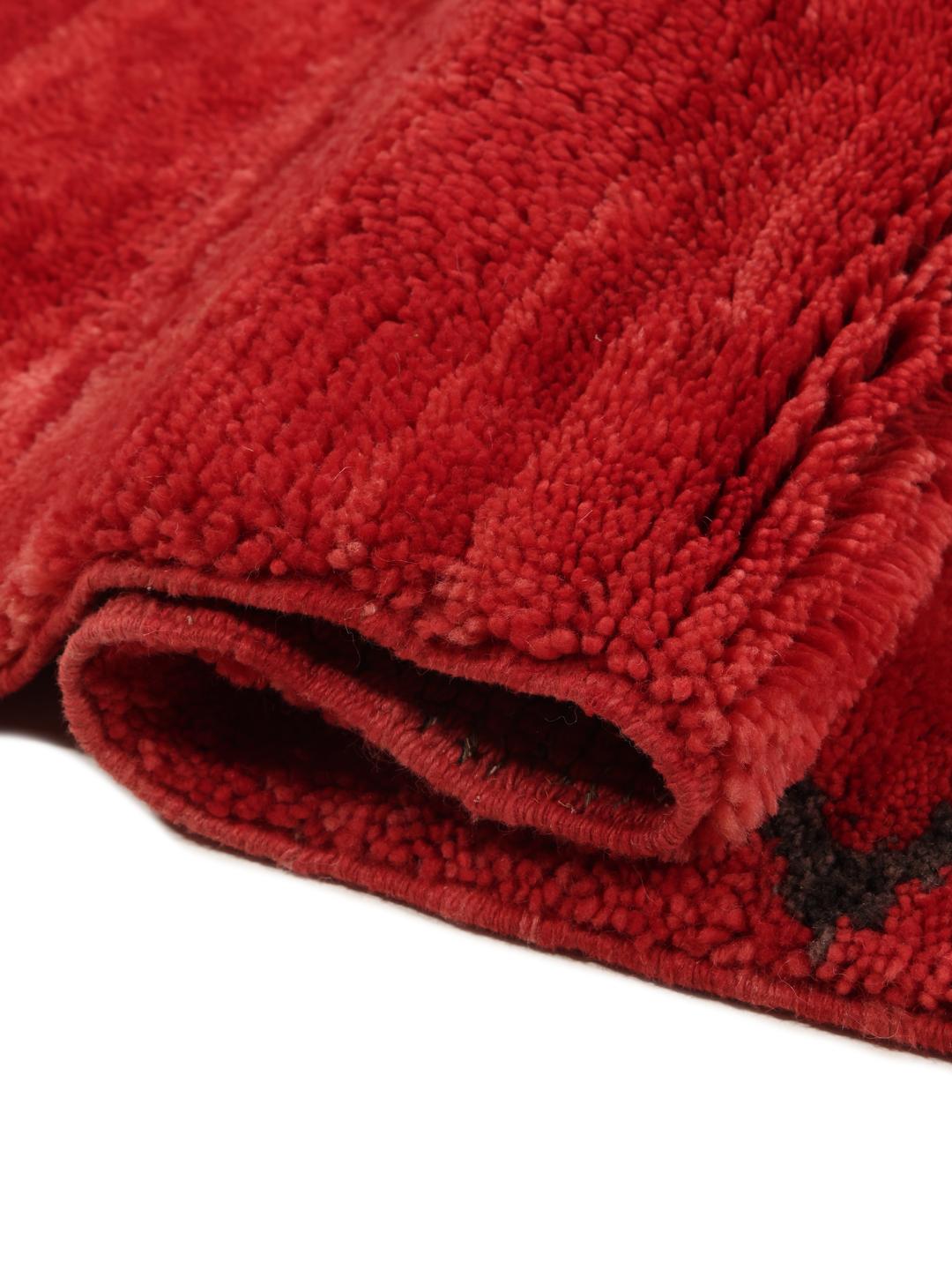
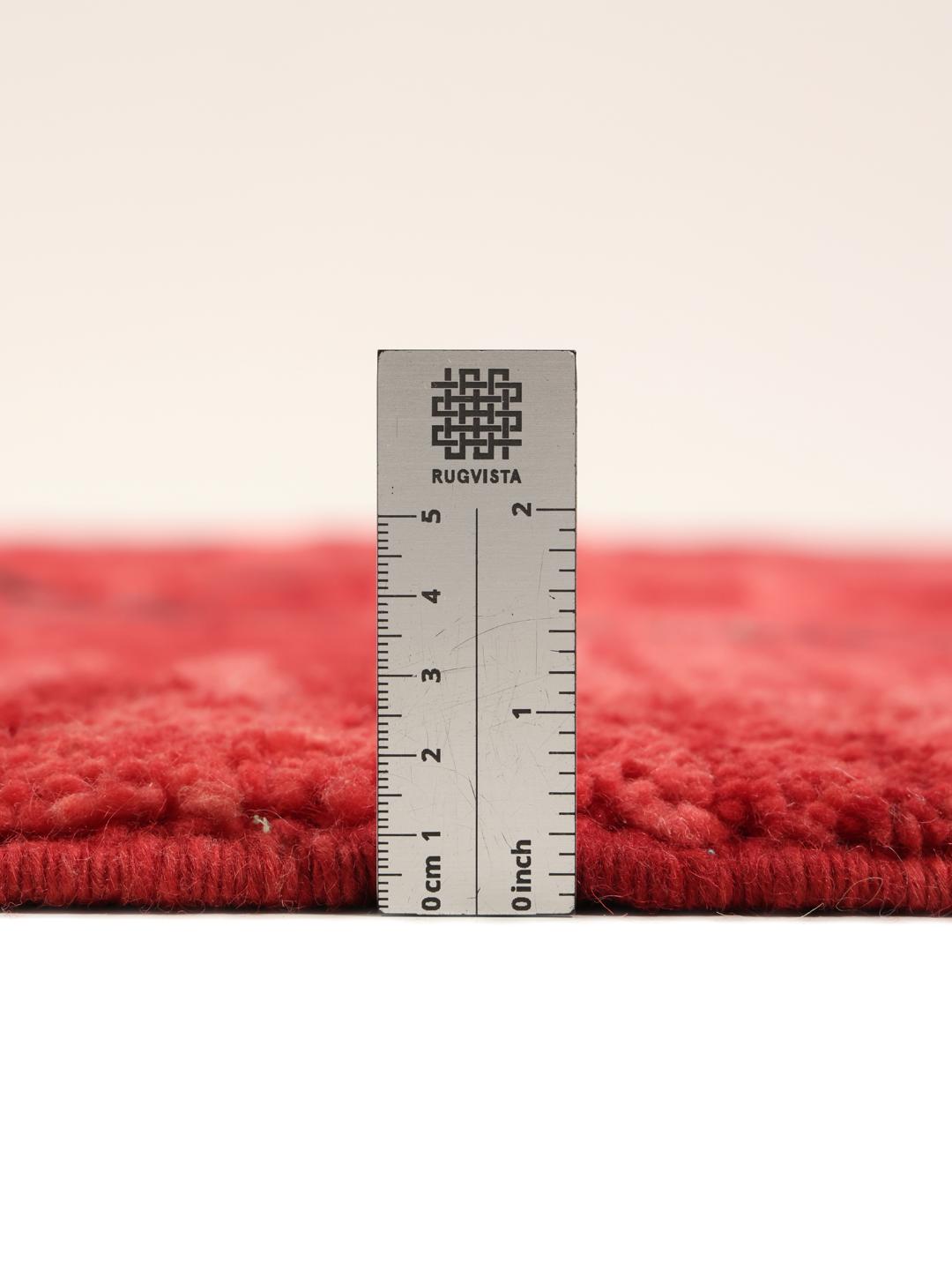
The construction of these rugs is deeply rooted in the natural resources available to the weavers. Using sheep wool, the artisans create a thick, durable pile that is highly prized for its resilience and softness. The term Beni Ourain refers to a confederation of tribes who are renowned for their specific weaving techniques, which focus on natural, undyed wool, though modern interpretations frequently embrace bold, expressive colours.
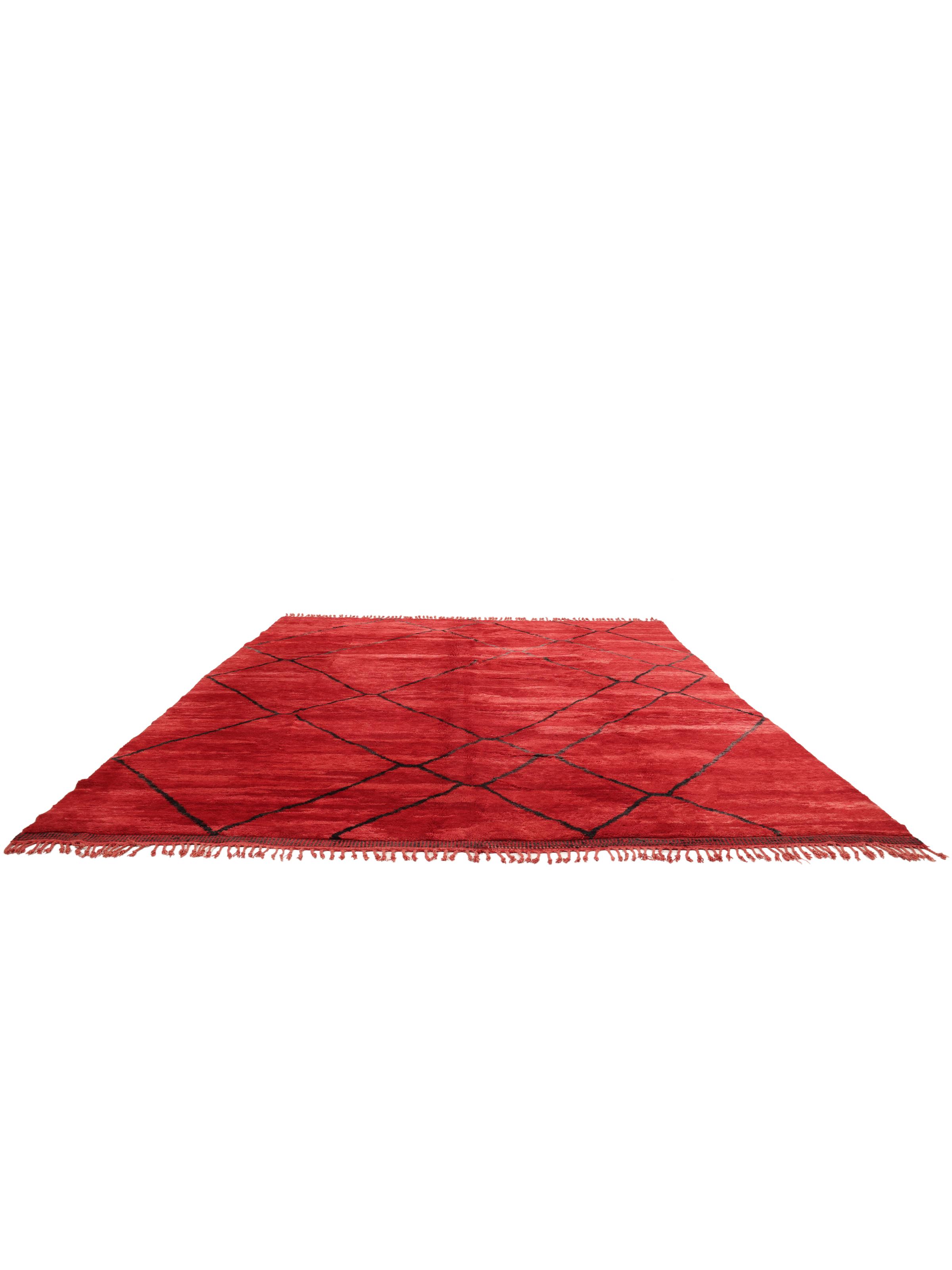
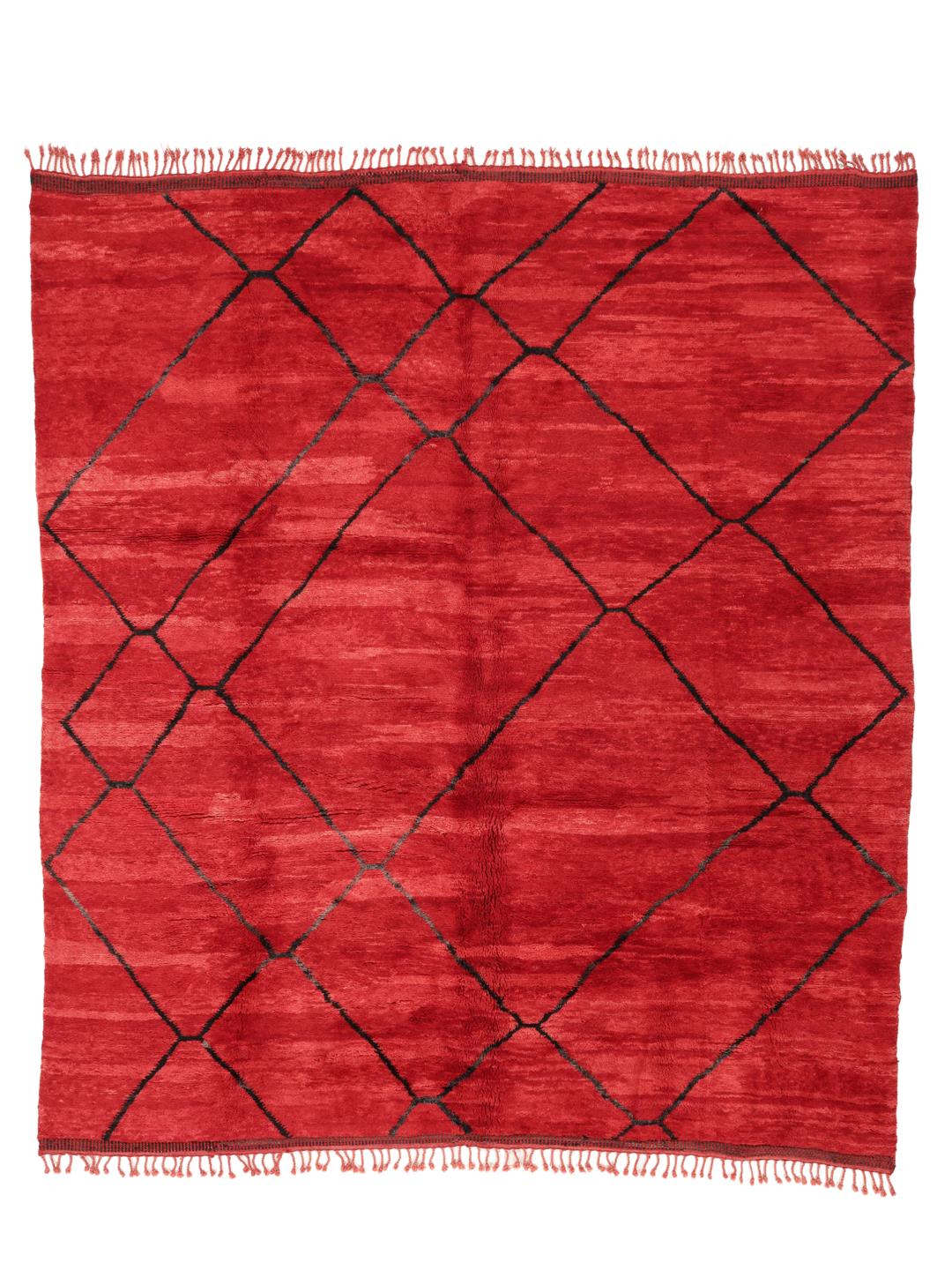
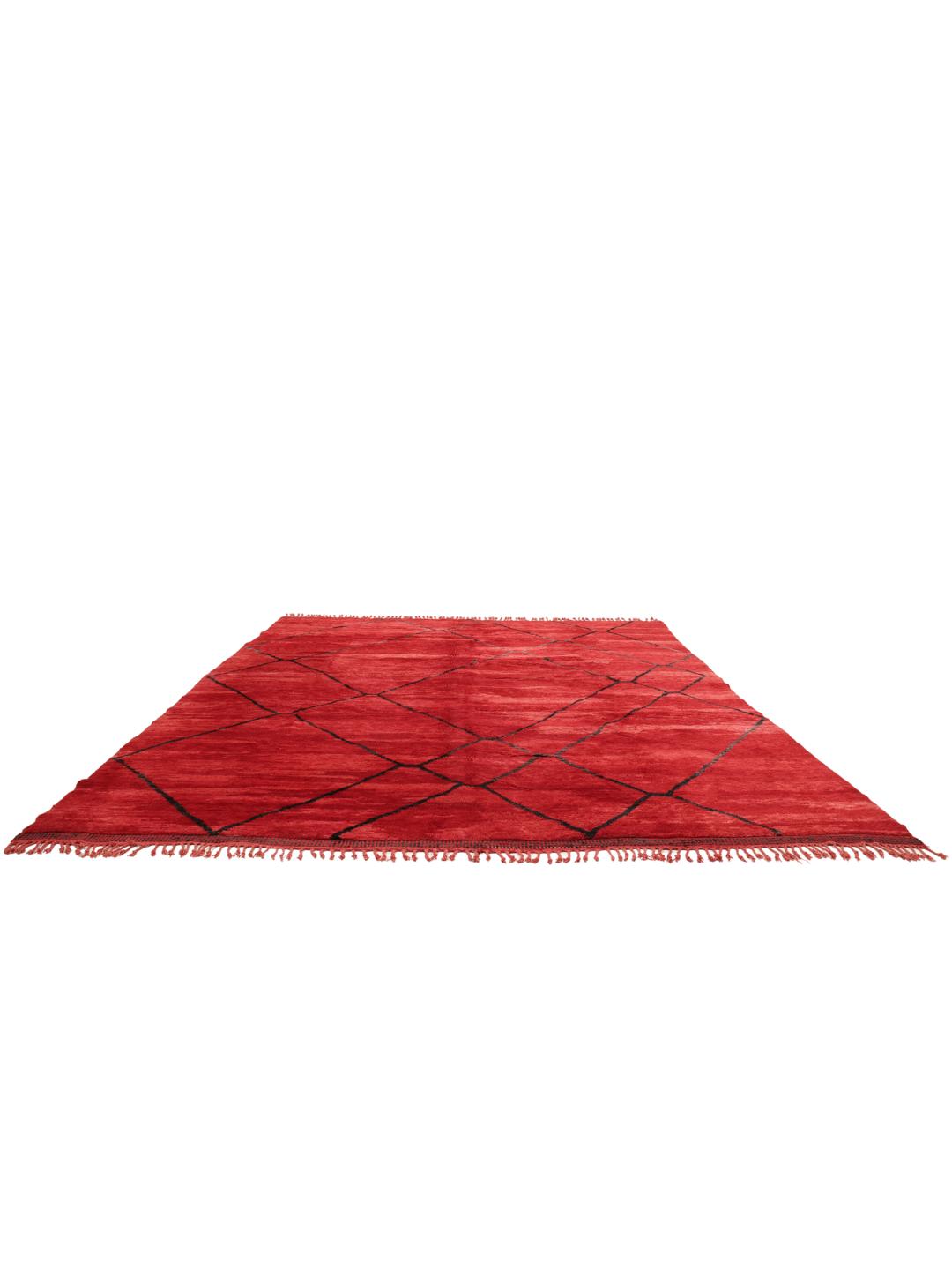
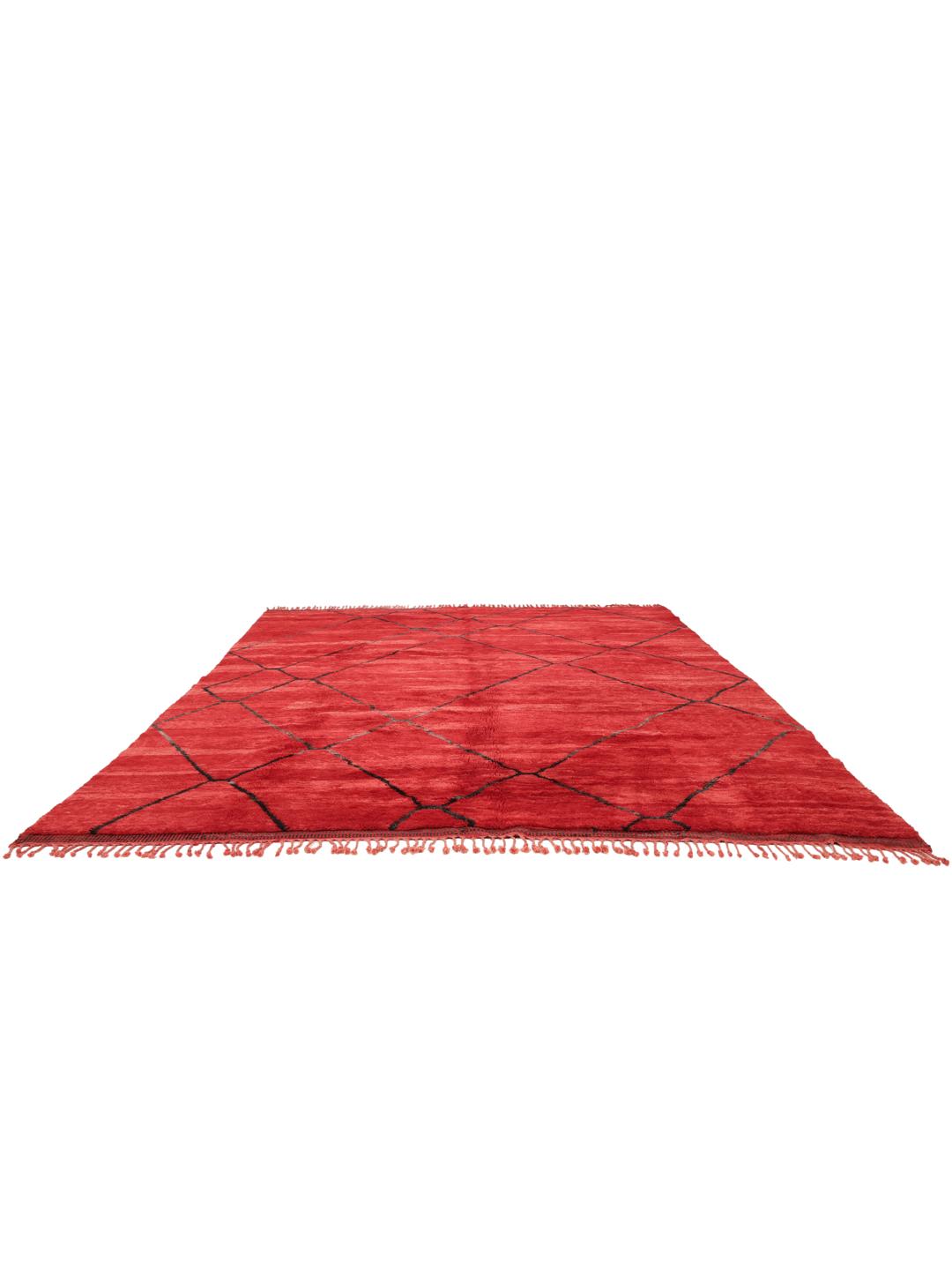
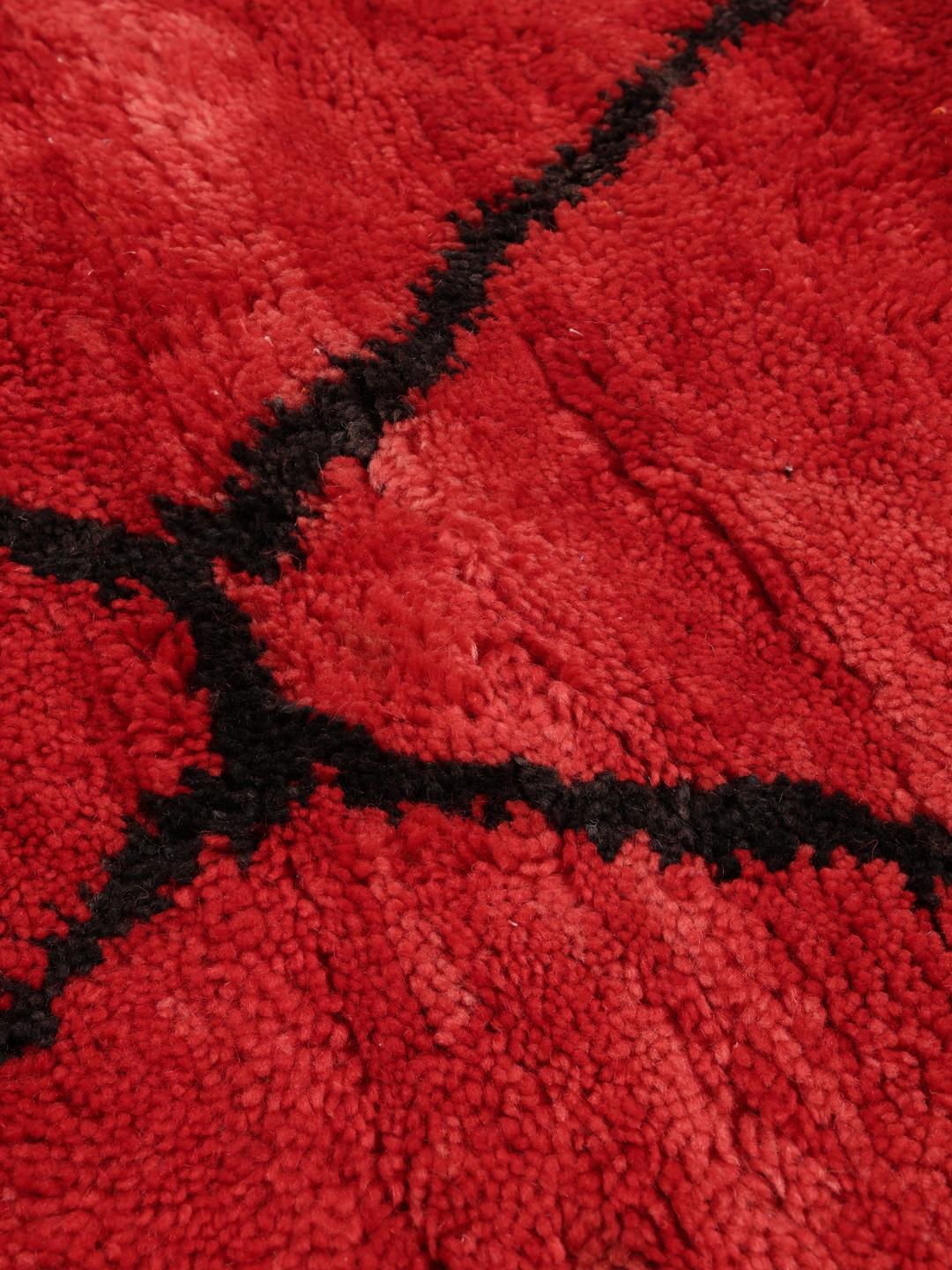
Visually, these rugs are characterised by a minimalist aesthetic that often features geometric motifs or simple, bold line work. While many traditional examples use a palette of cream and brown, contemporary pieces often experiment with vibrant hues like the striking red seen here, which adds a modern dimension to the ancient design language of the region.
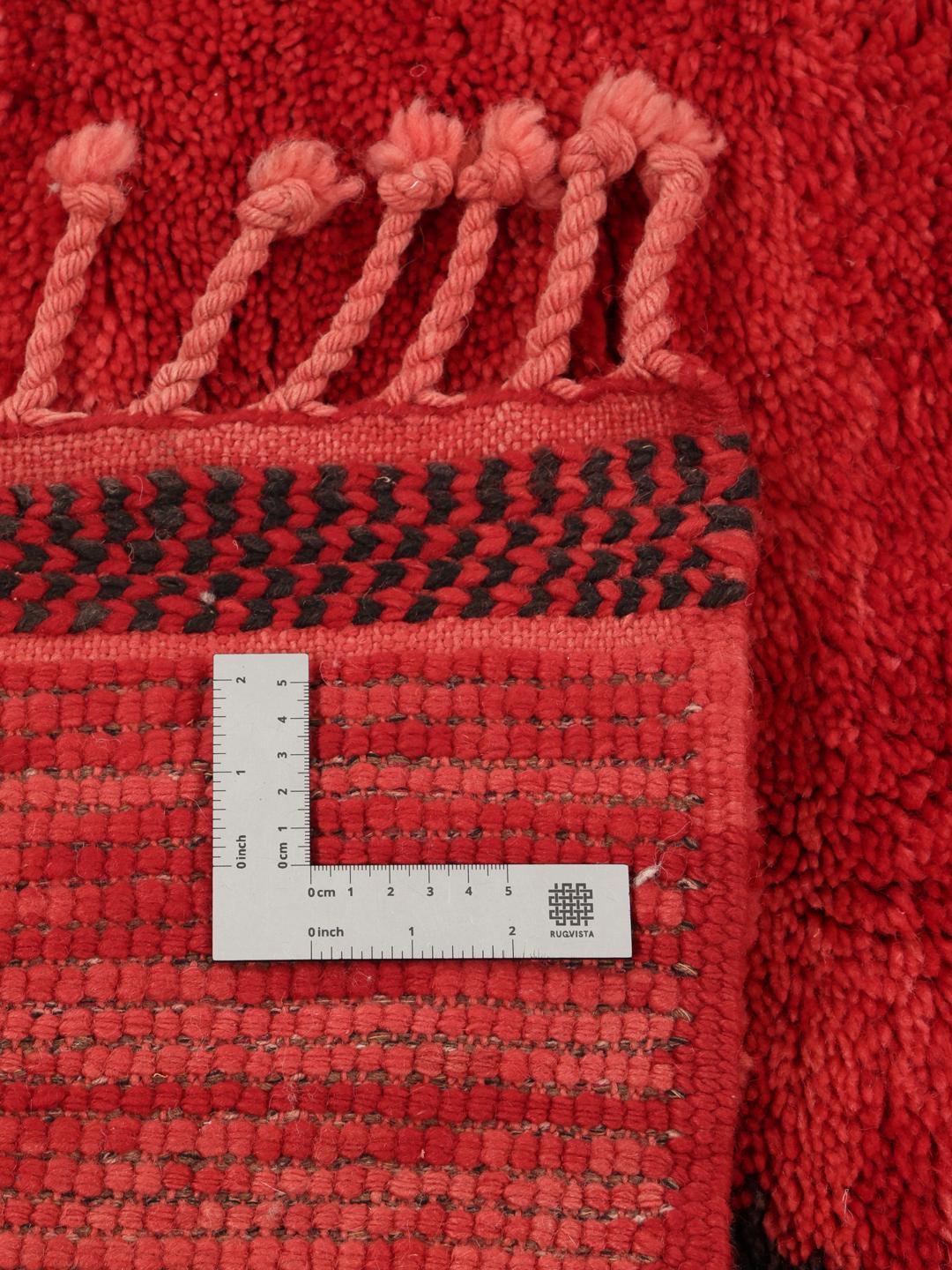
Owning a piece from this tradition is an investment in cultural heritage. Collectors value these rugs for their raw, organic beauty and the evident skill required to produce them by hand. They represent a connection to a slow, thoughtful way of life, where every rug tells a story of its maker and the environment in which it was born.