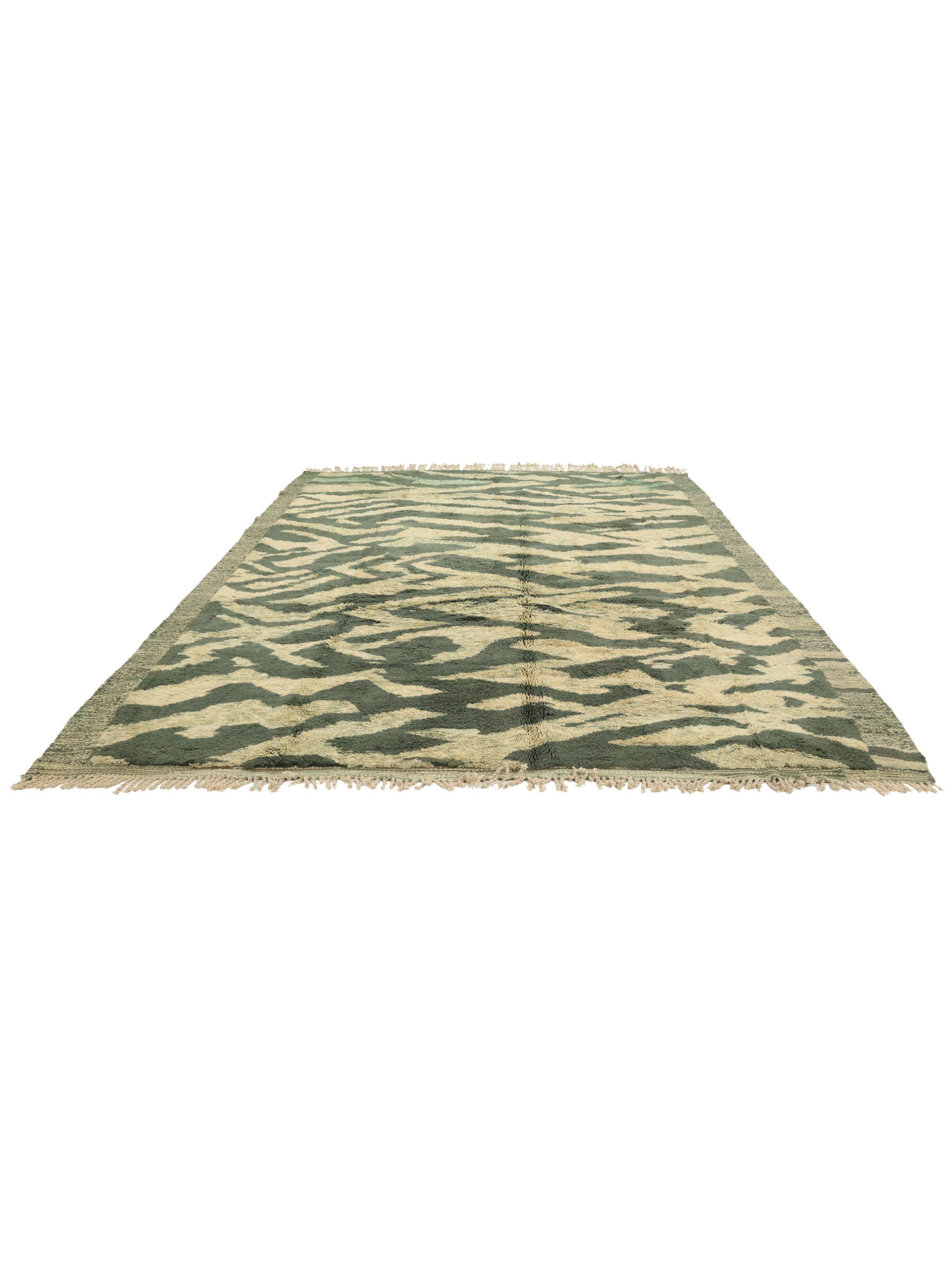
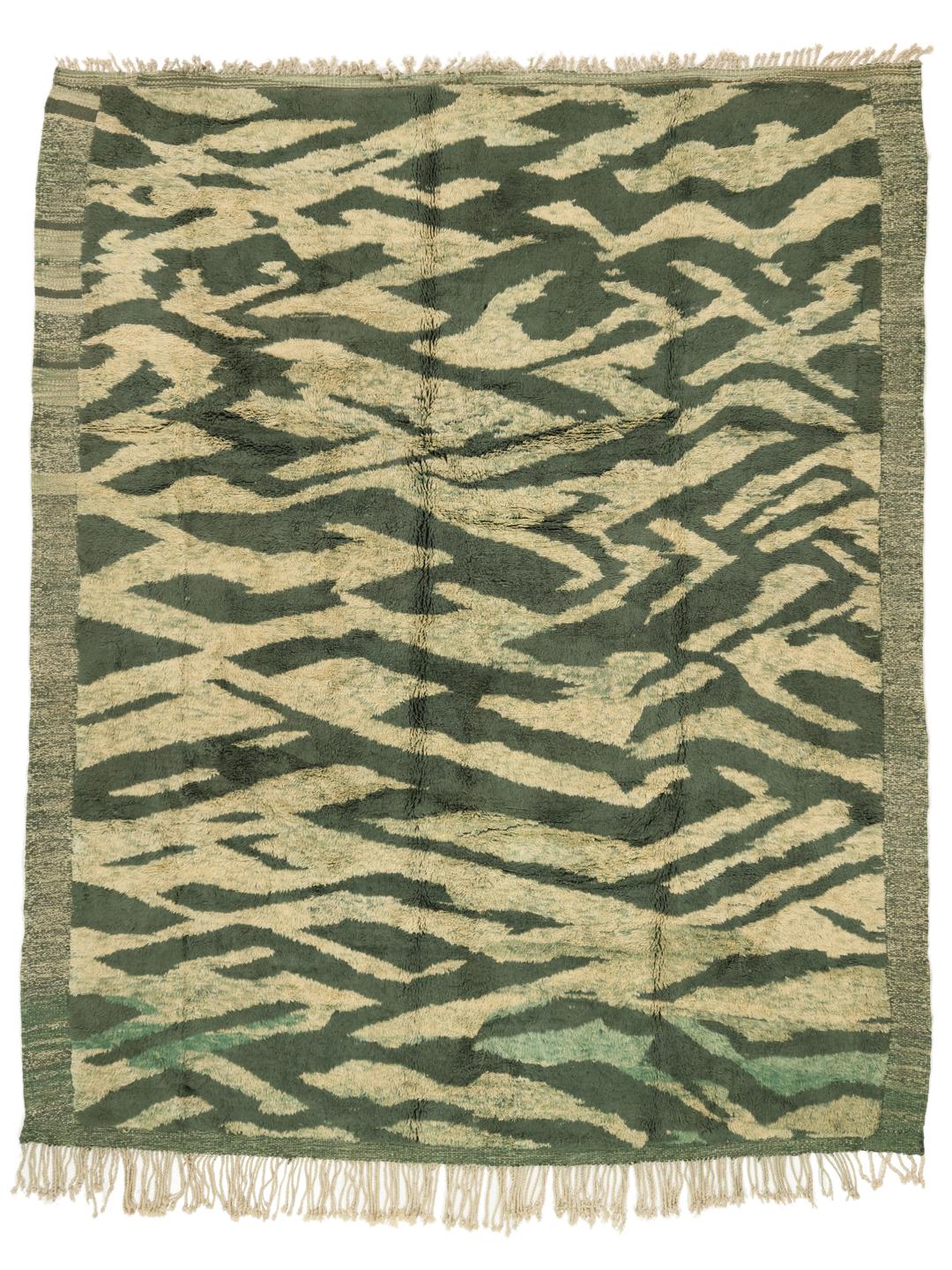
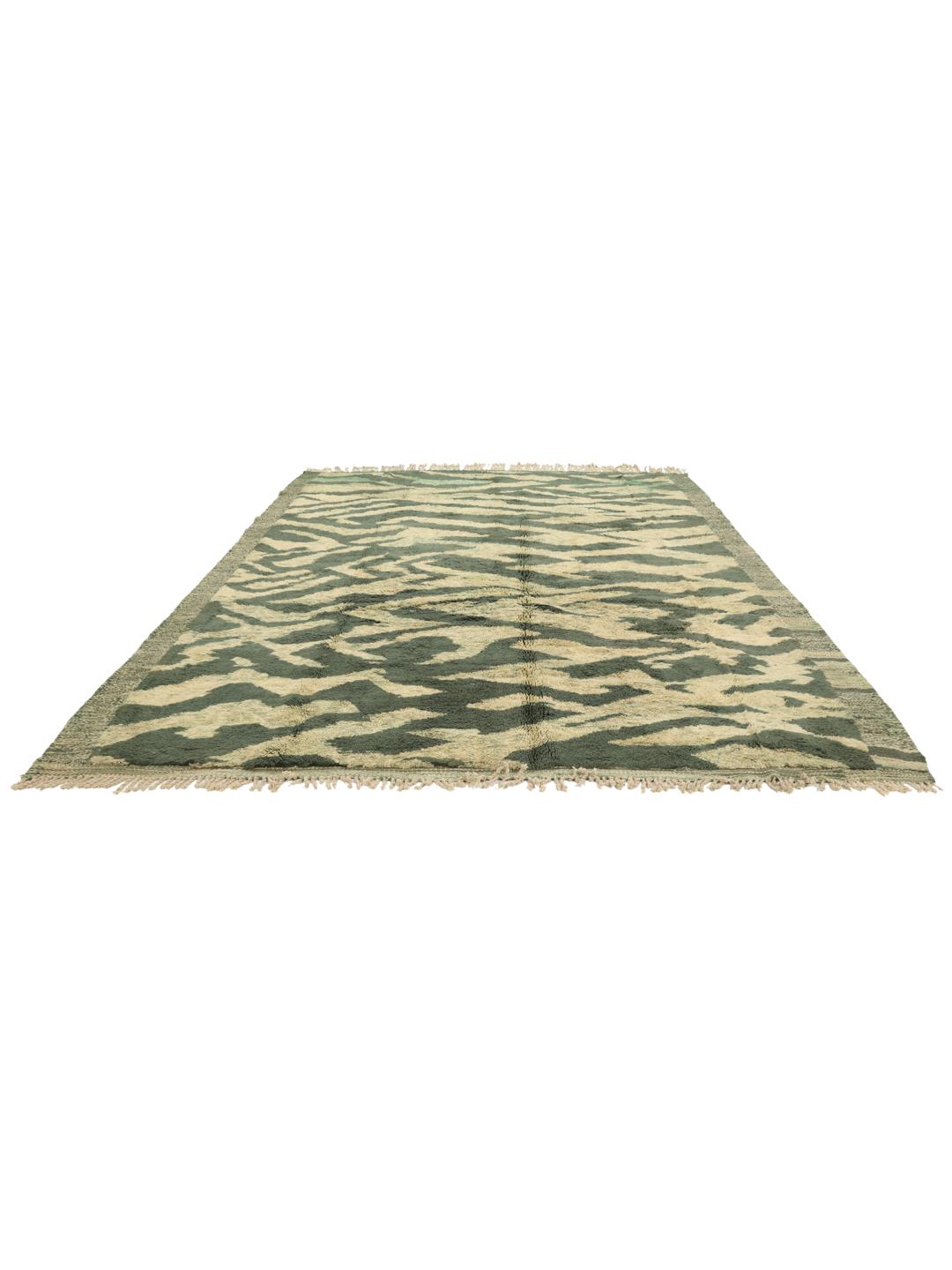
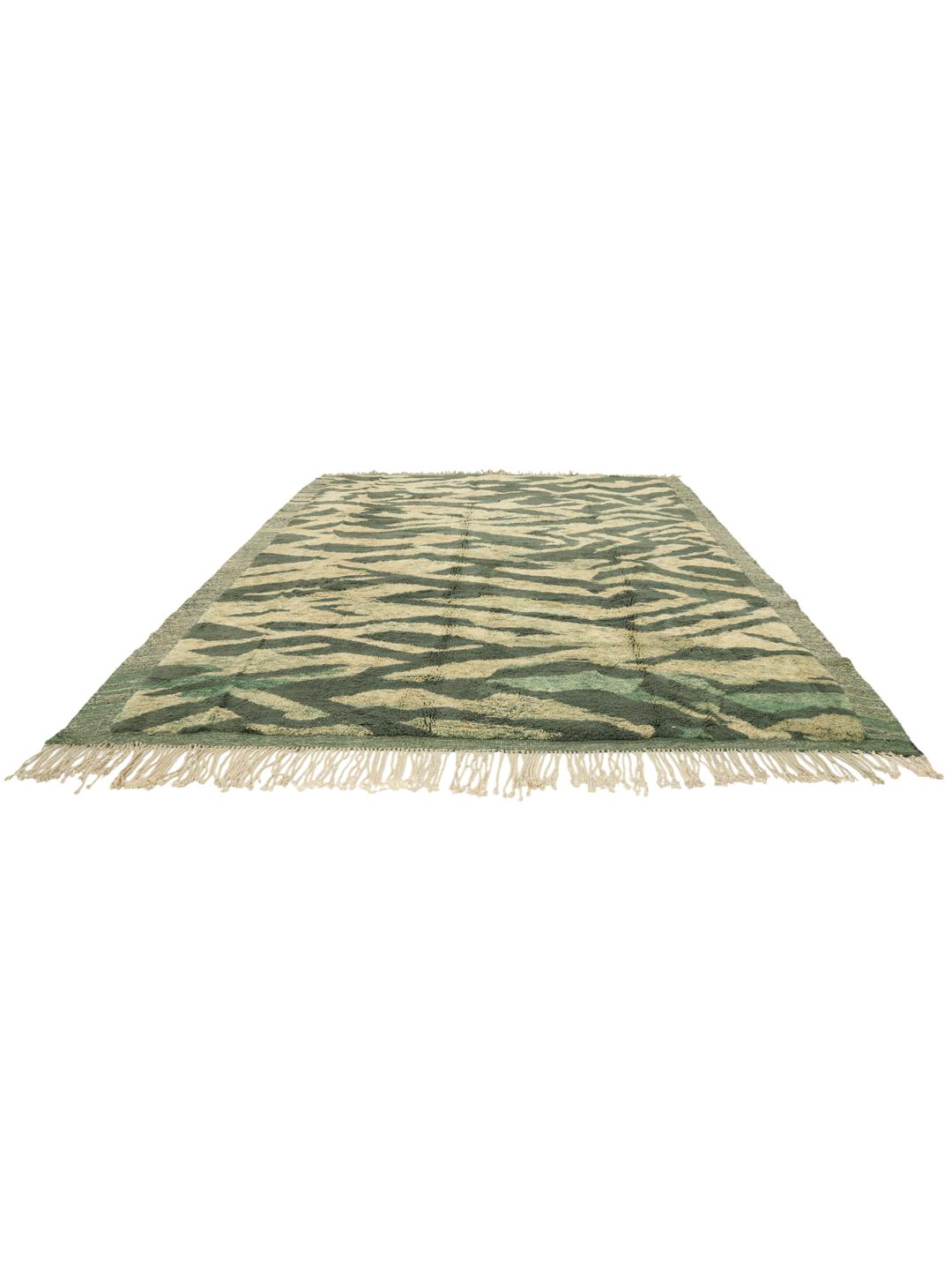
The Berber Beni Ourain rugs originate from the high Atlas Mountains of Morocco, where they have been woven for centuries by the indigenous Berber tribes. Traditionally, these rugs were created not merely as floor coverings, but as essential, multi-purpose items for survival in the harsh mountain climate. They served as blankets, bedrolls, and protective layers against the cold, reflecting a deep connection to the nomadic lifestyle of the tribes who crafted them.
The term 'Berber' refers to the Amazigh people, the original inhabitants of North Africa, whose weaving techniques are defined by an intuitive approach to design. Unlike many other rug traditions that rely on rigid, pre-planned patterns, these rugs often feature spontaneous, abstract motifs that are guided by the weaver's own experiences, surroundings, and cultural narratives. This gives each piece a sense of life and movement that feels deeply personal.
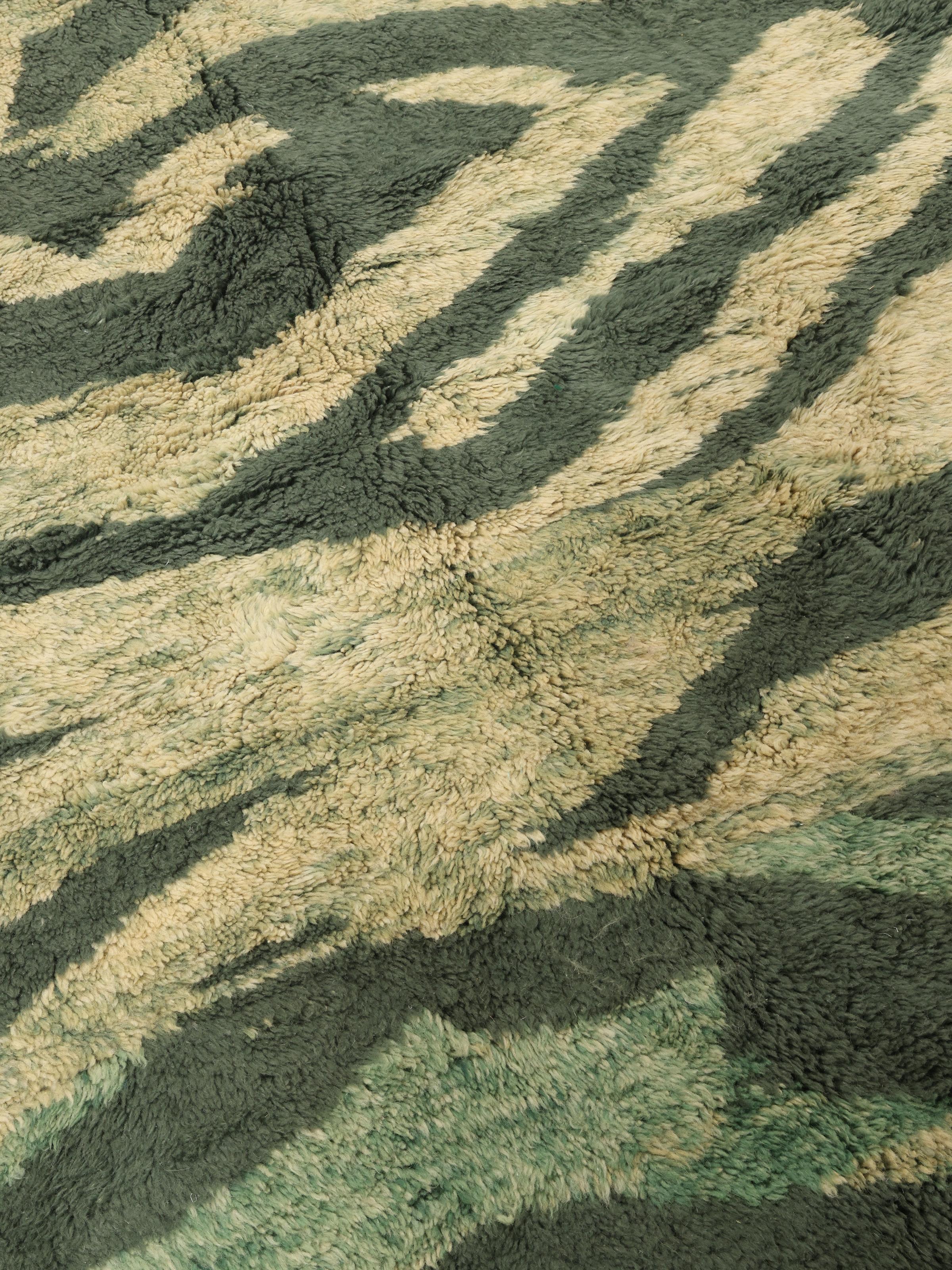
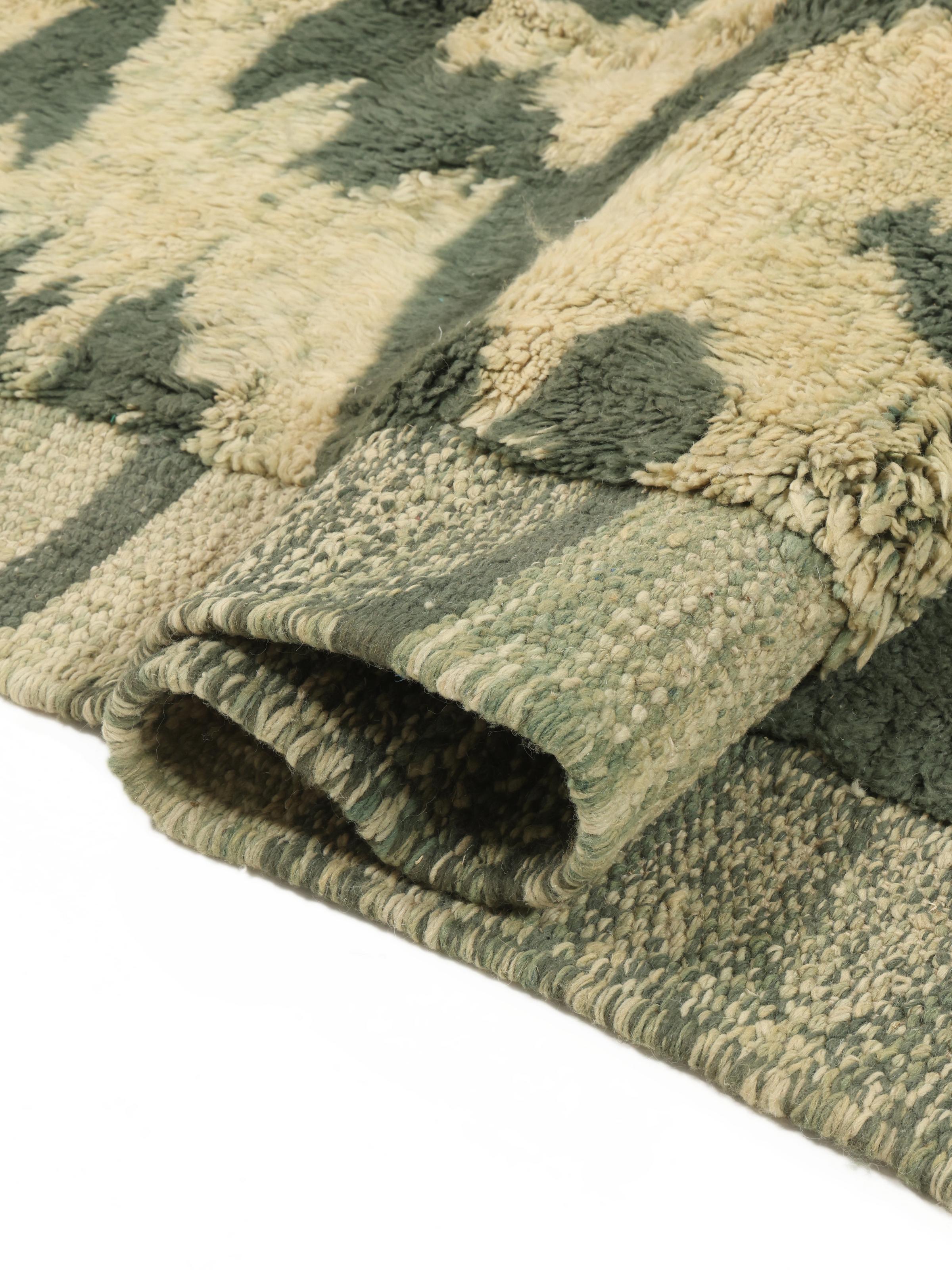
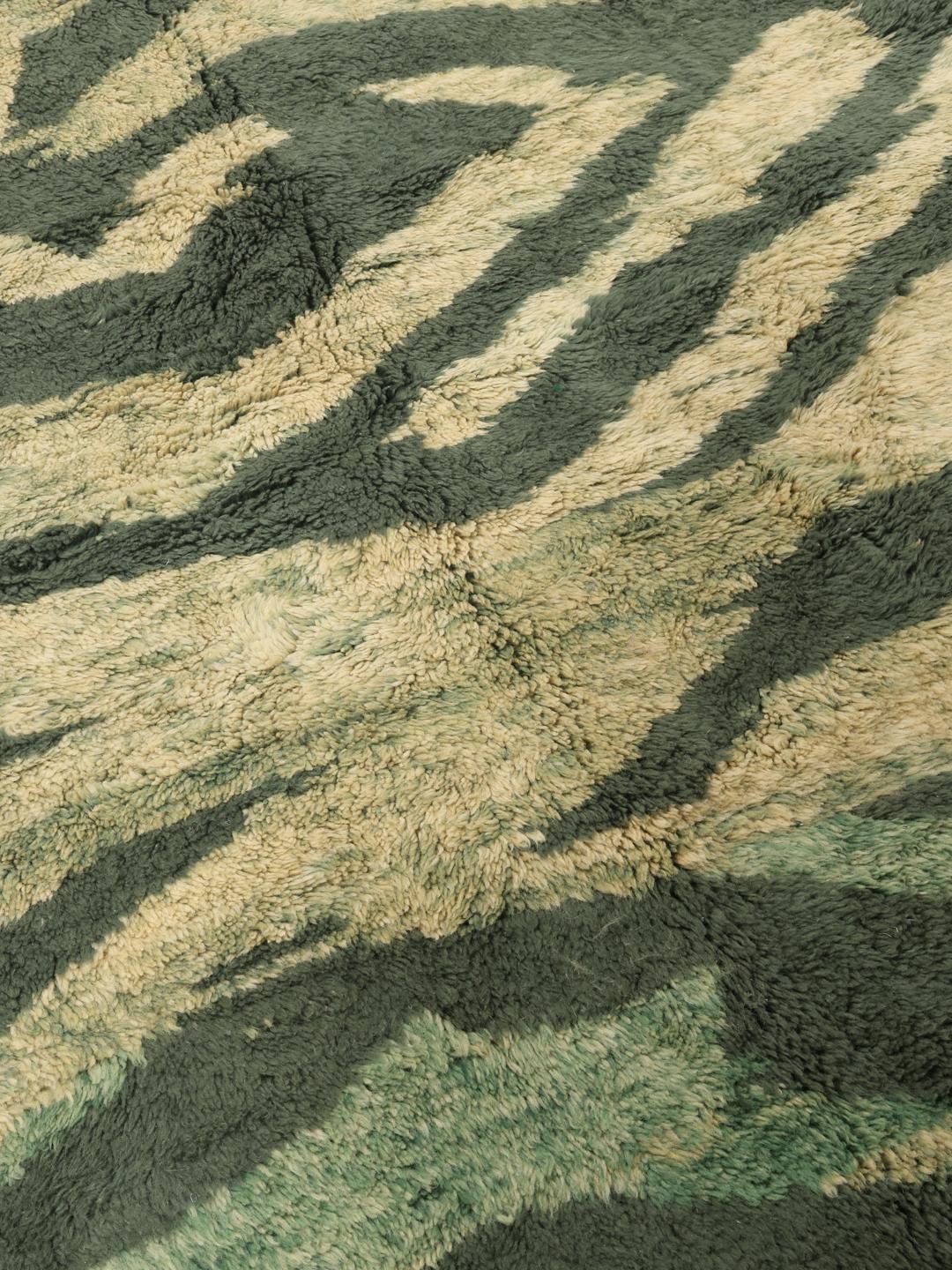
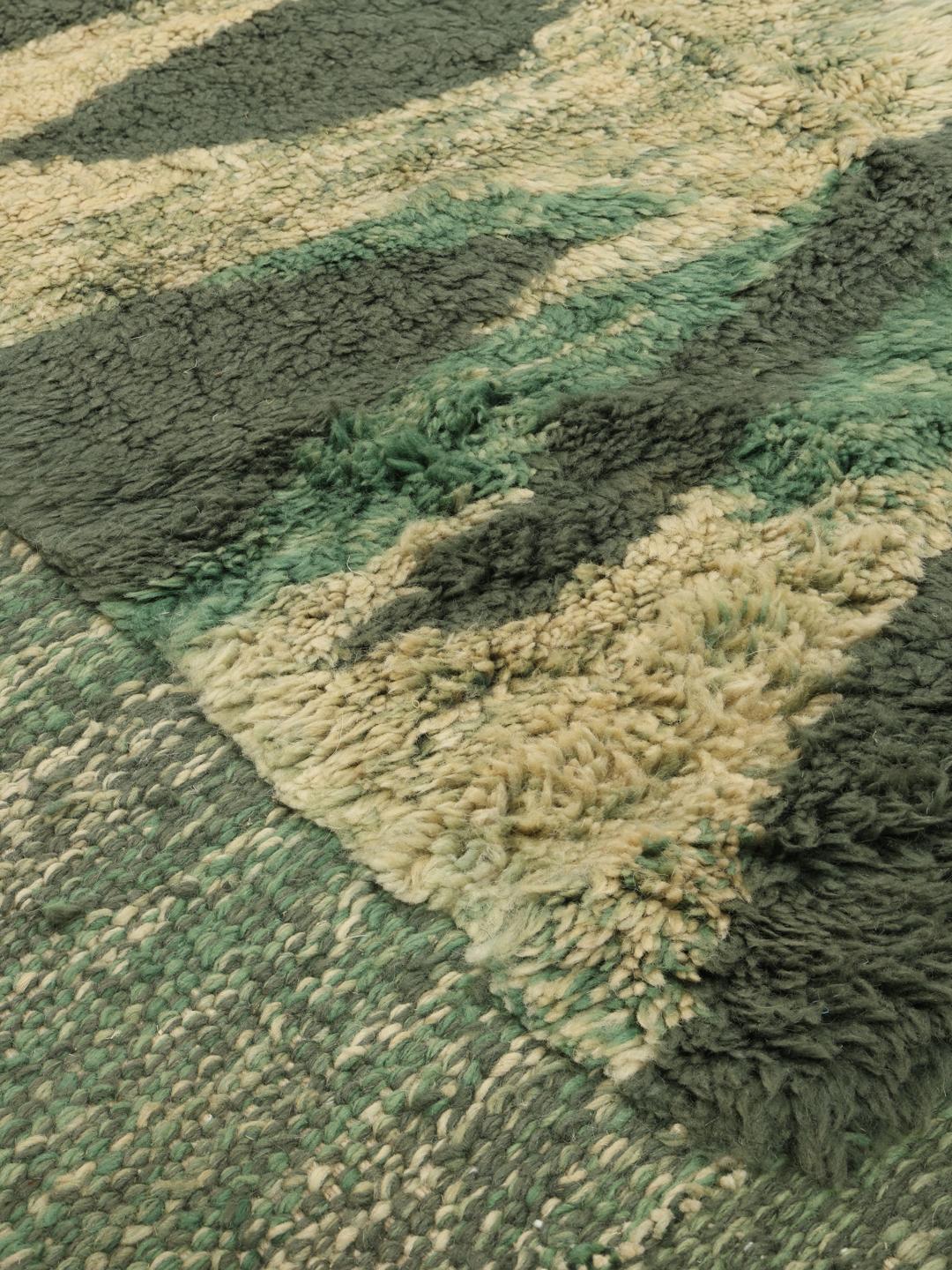
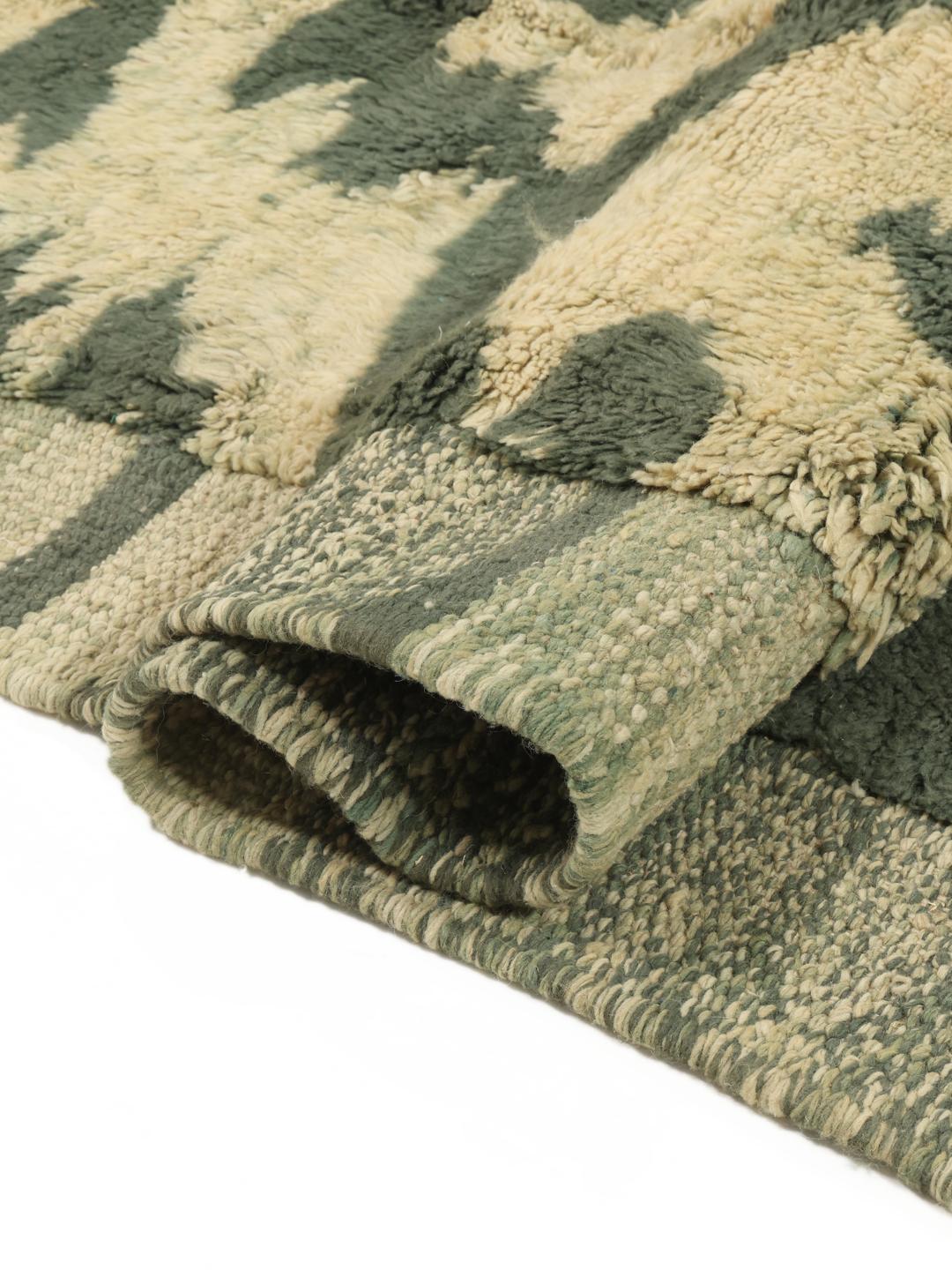
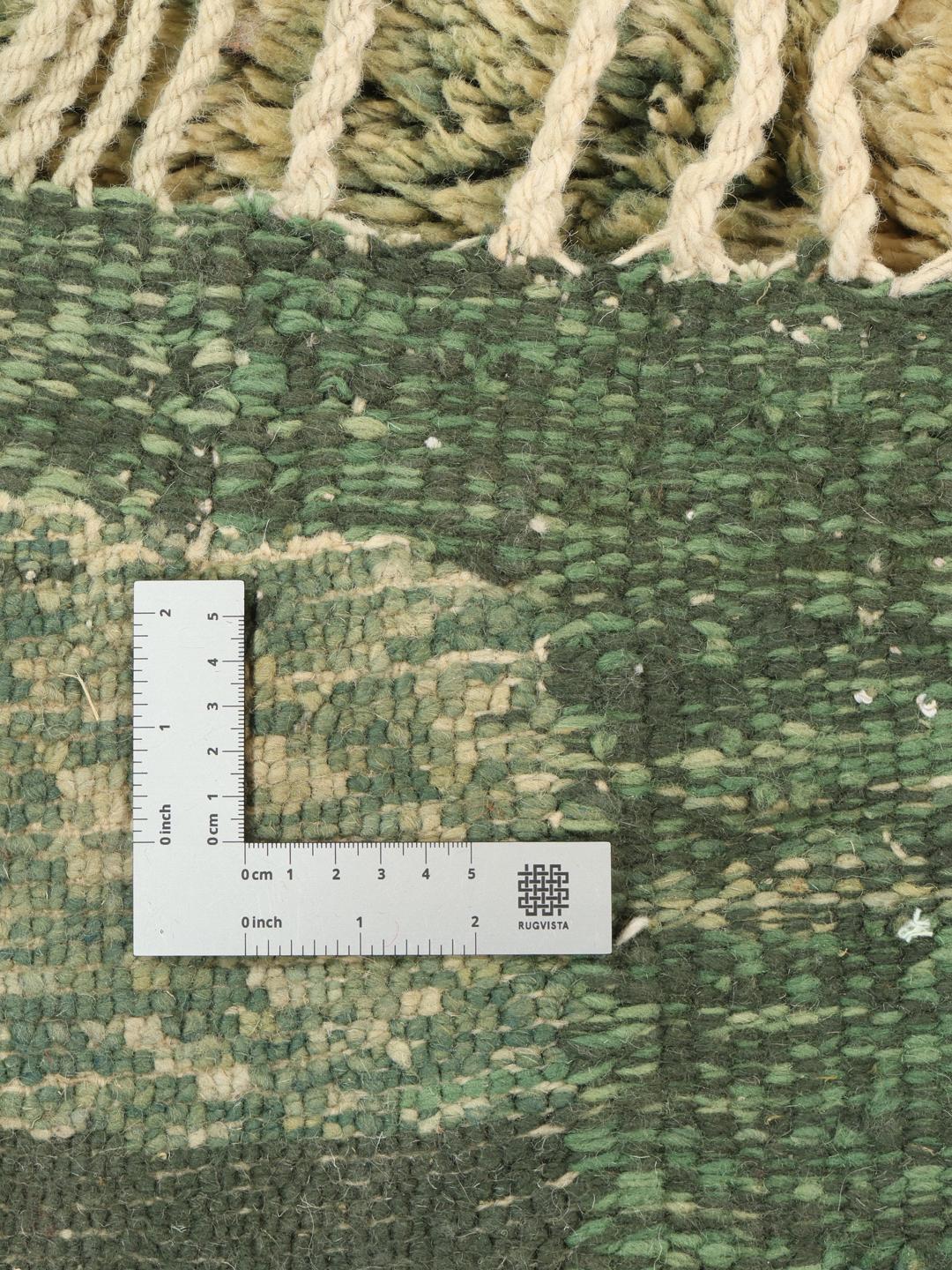
Visually, these rugs are celebrated for their iconic use of natural, undyed wool and bold, geometric, or abstract lines. While the classic palette often features neutral tones, modern interpretations frequently incorporate deep, earthy hues like the dark-green seen here, which draws inspiration from the lush, wild landscapes of the Atlas region. The borders are often finished with simple, hand-braided fringes, a signature detail that highlights the honest and unrefined nature of the craft.
Today, these rugs are highly sought after by collectors and designers alike for their minimalist yet powerful aesthetic. Owning a Beni Ourain is a way to bridge the gap between ancient tradition and modern living. They are valued for their cultural weight and the undeniable skill required to produce them, representing a commitment to authenticity and a appreciation for the enduring beauty of handmade objects.