Berber rugs originate from the indigenous tribes of Morocco, specifically the Middle Atlas mountains. These rugs have been woven for centuries, serving not just as floor coverings, but as essential household items that provided warmth against the cold mountain winters and functioned as sleeping mats or blankets.
The term Beni Ourain refers to the traditional weaving style practised by the nomadic tribes of this region. These rugs are celebrated for their use of natural, undyed wool and their historical reliance on tribal symbolism, where each weaver would incorporate motifs that held personal or cultural significance, effectively telling a story through thread.
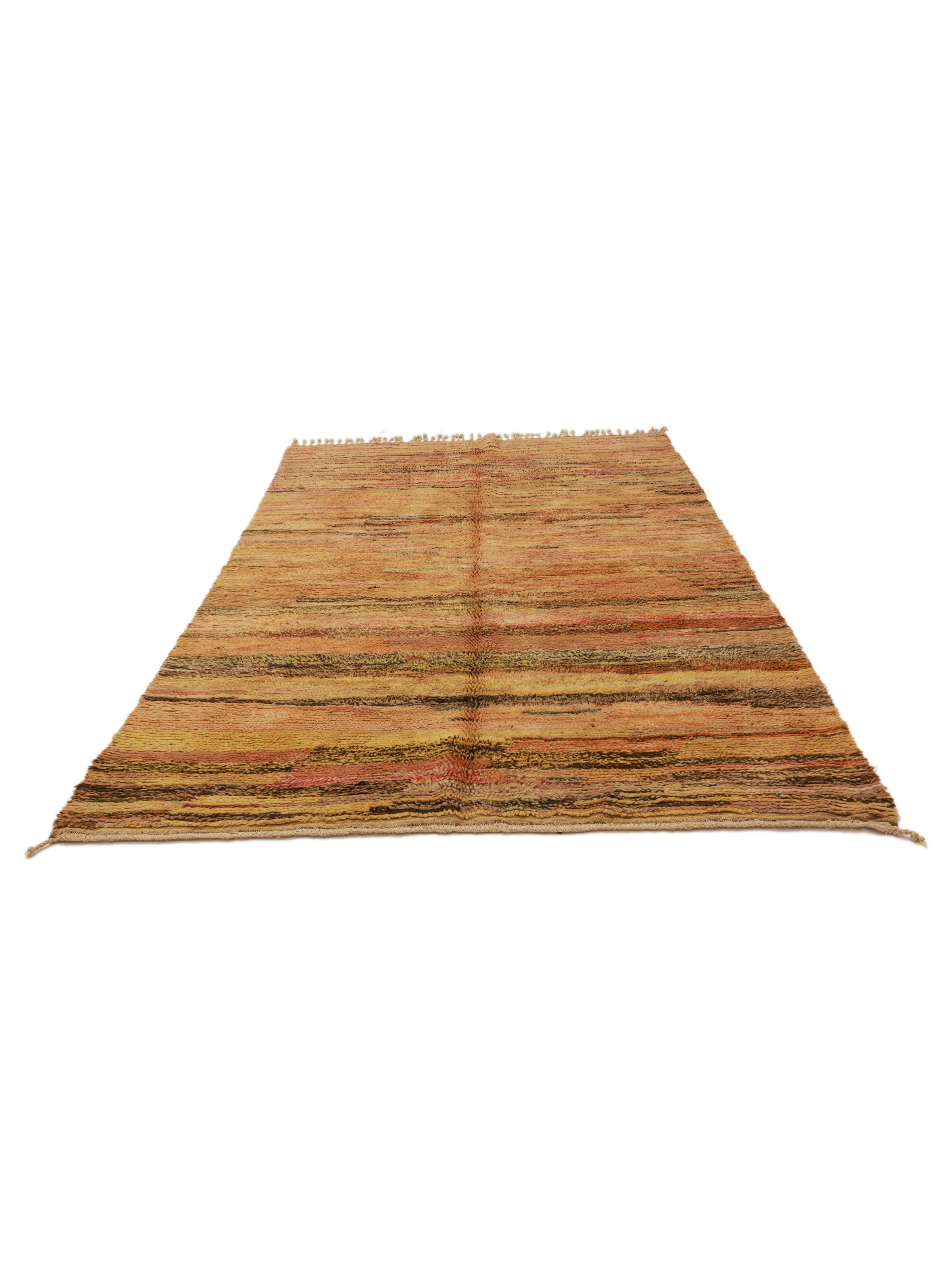
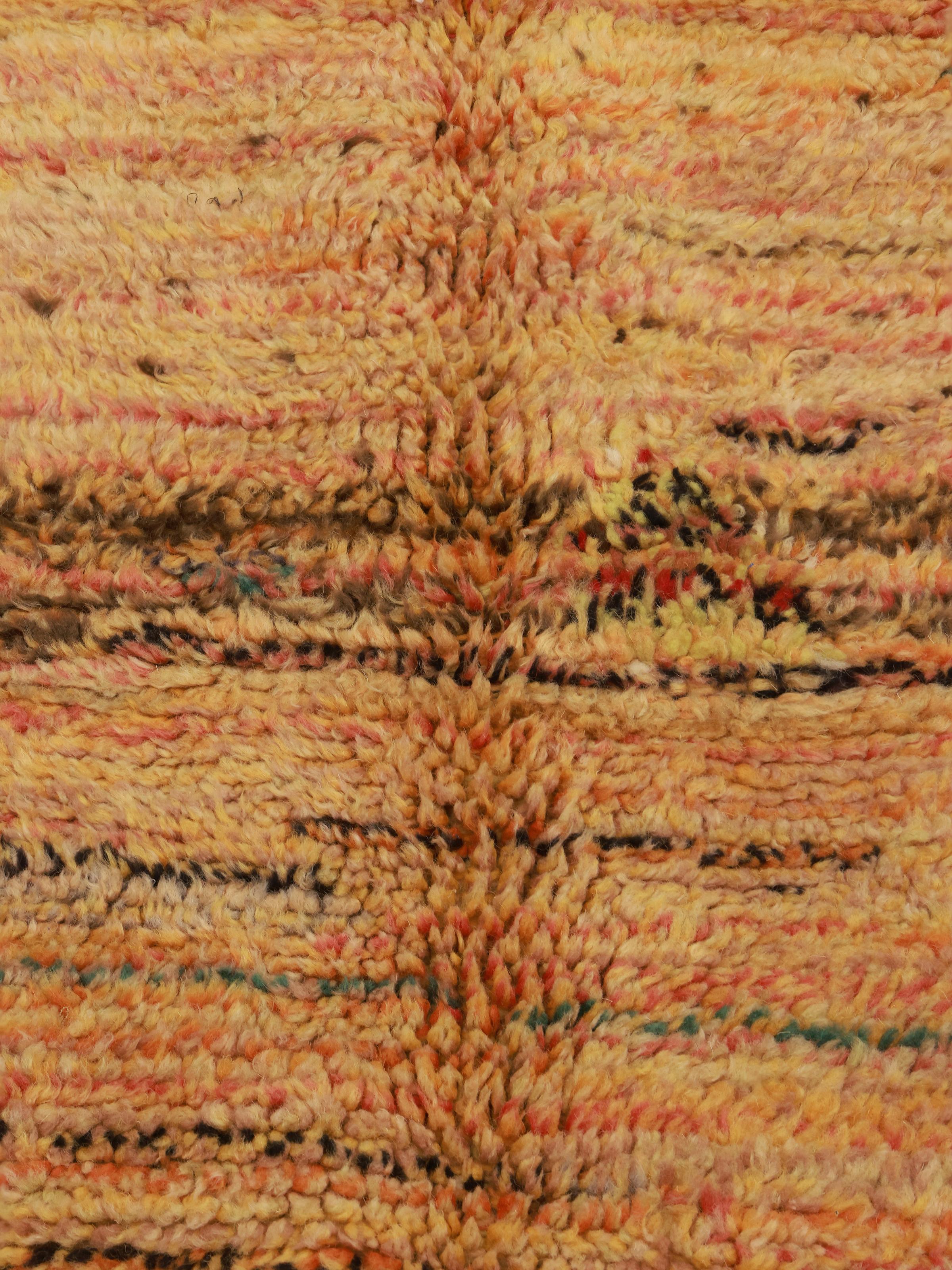
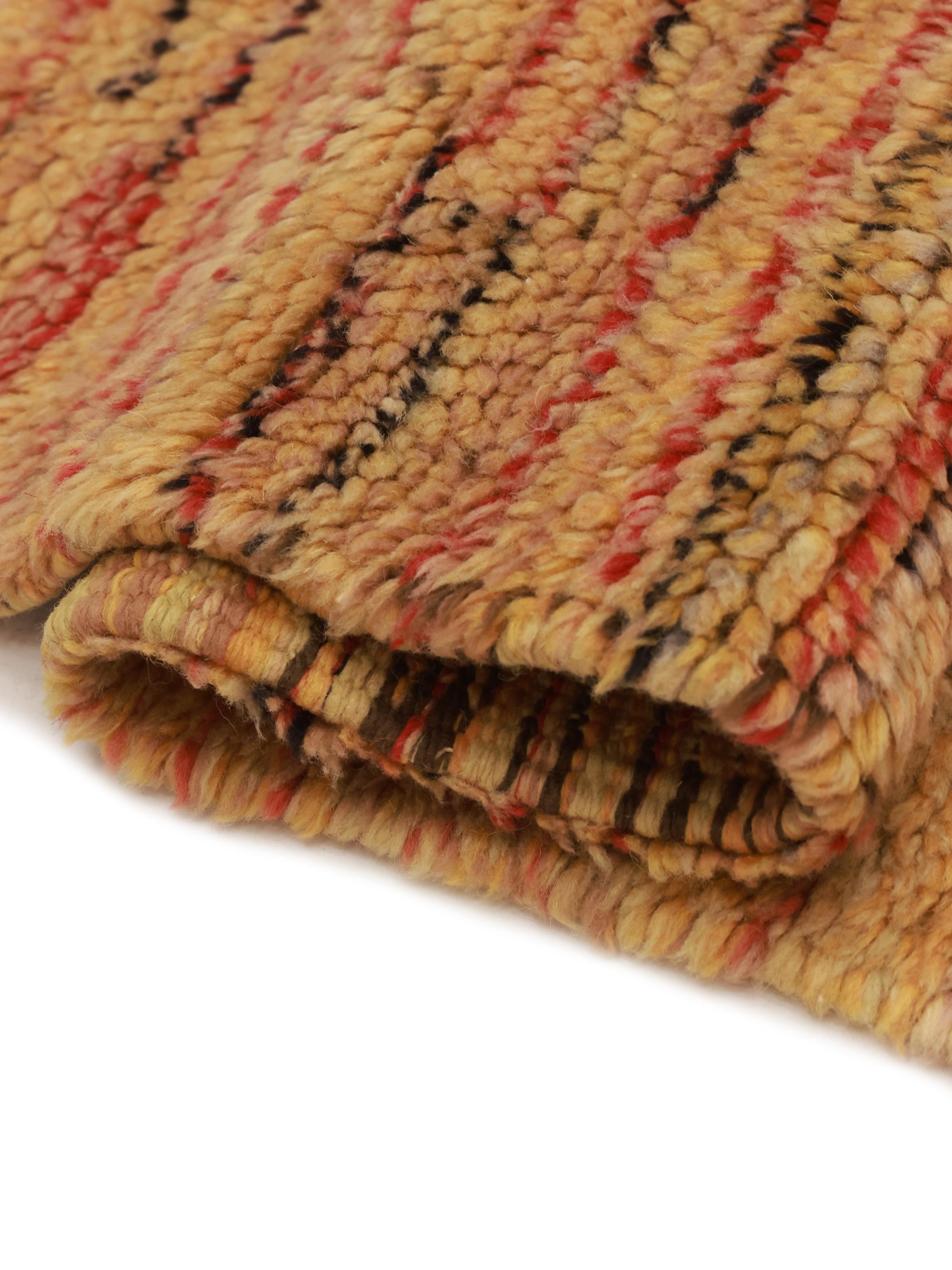
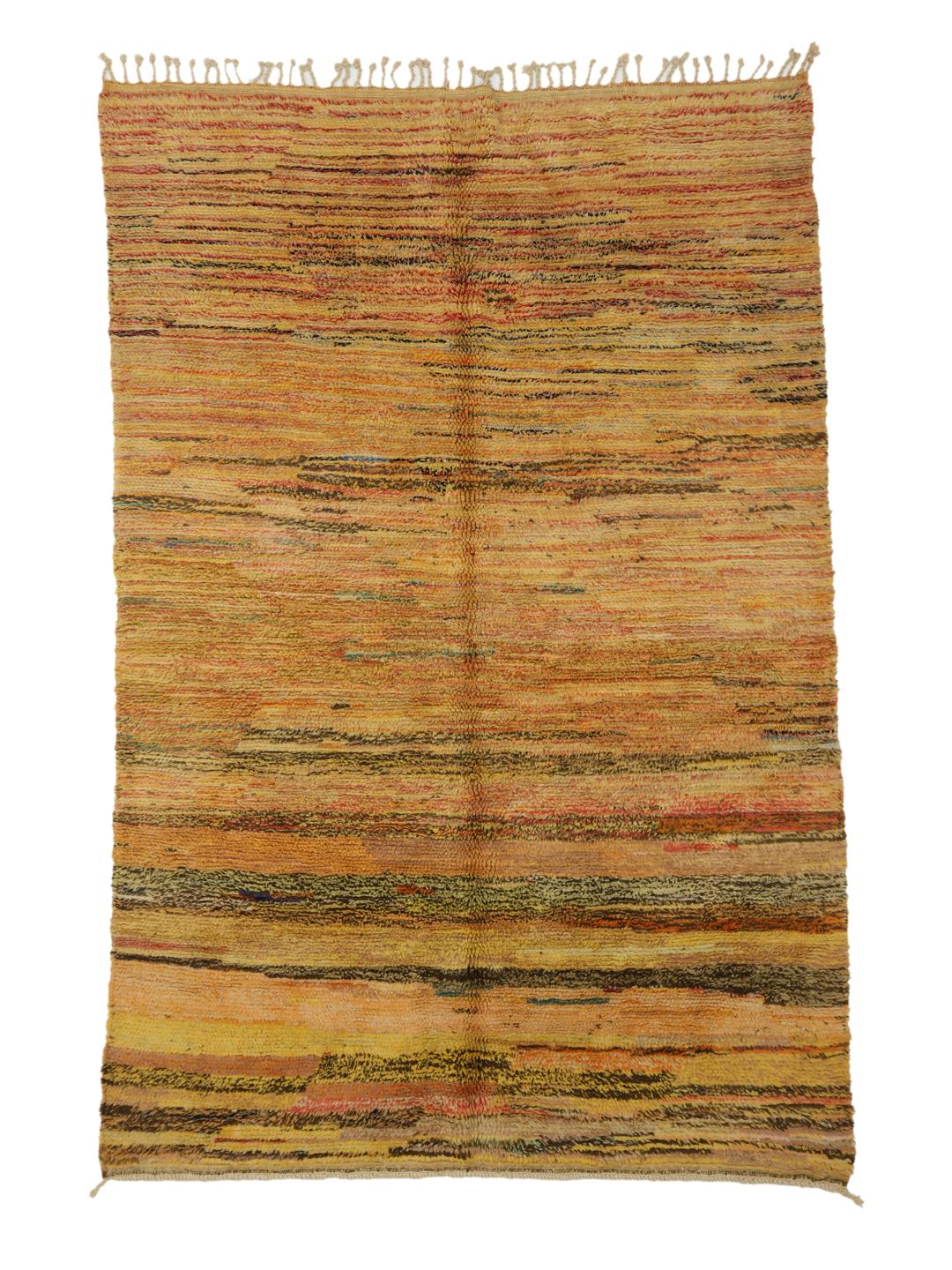
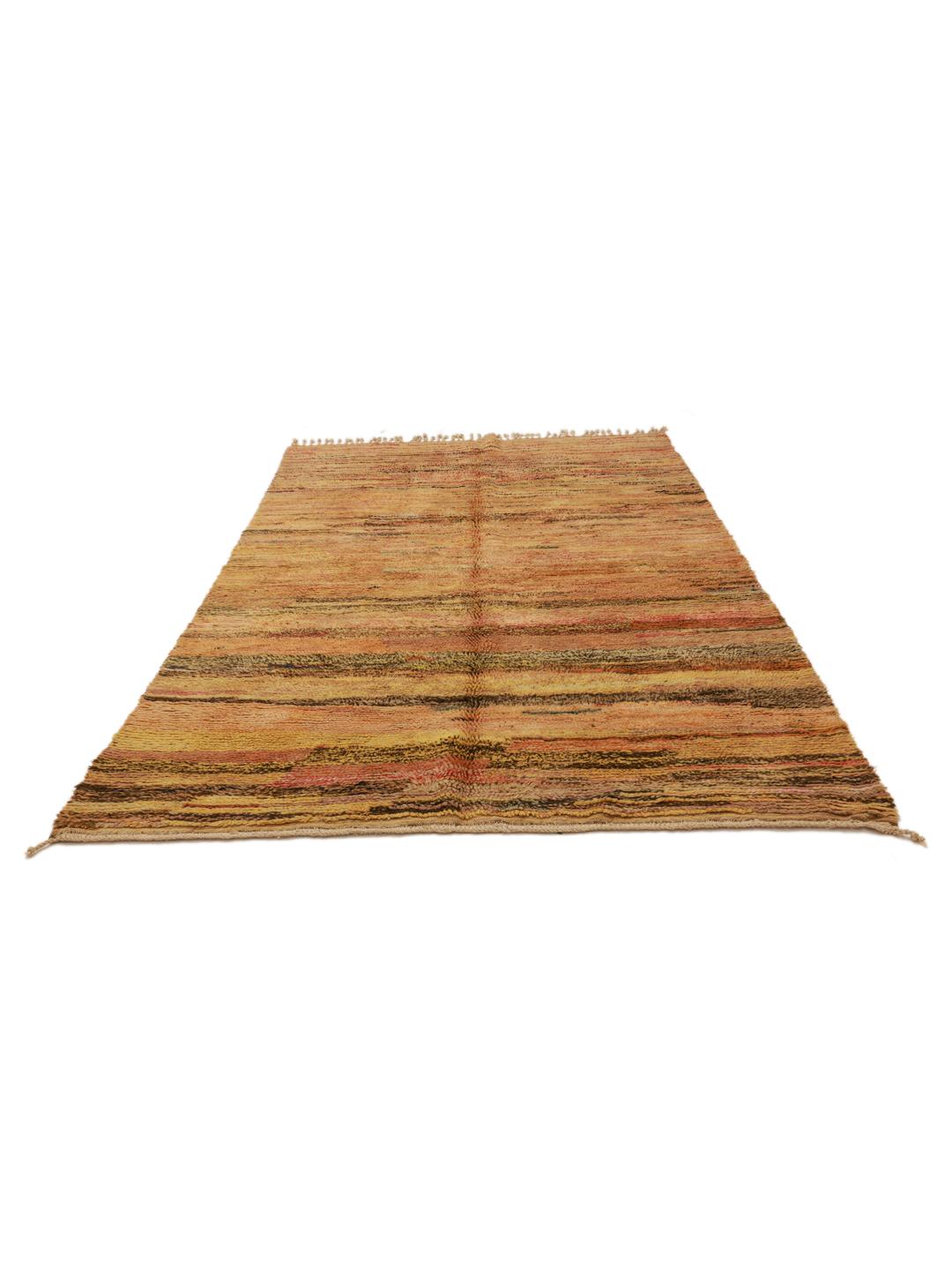
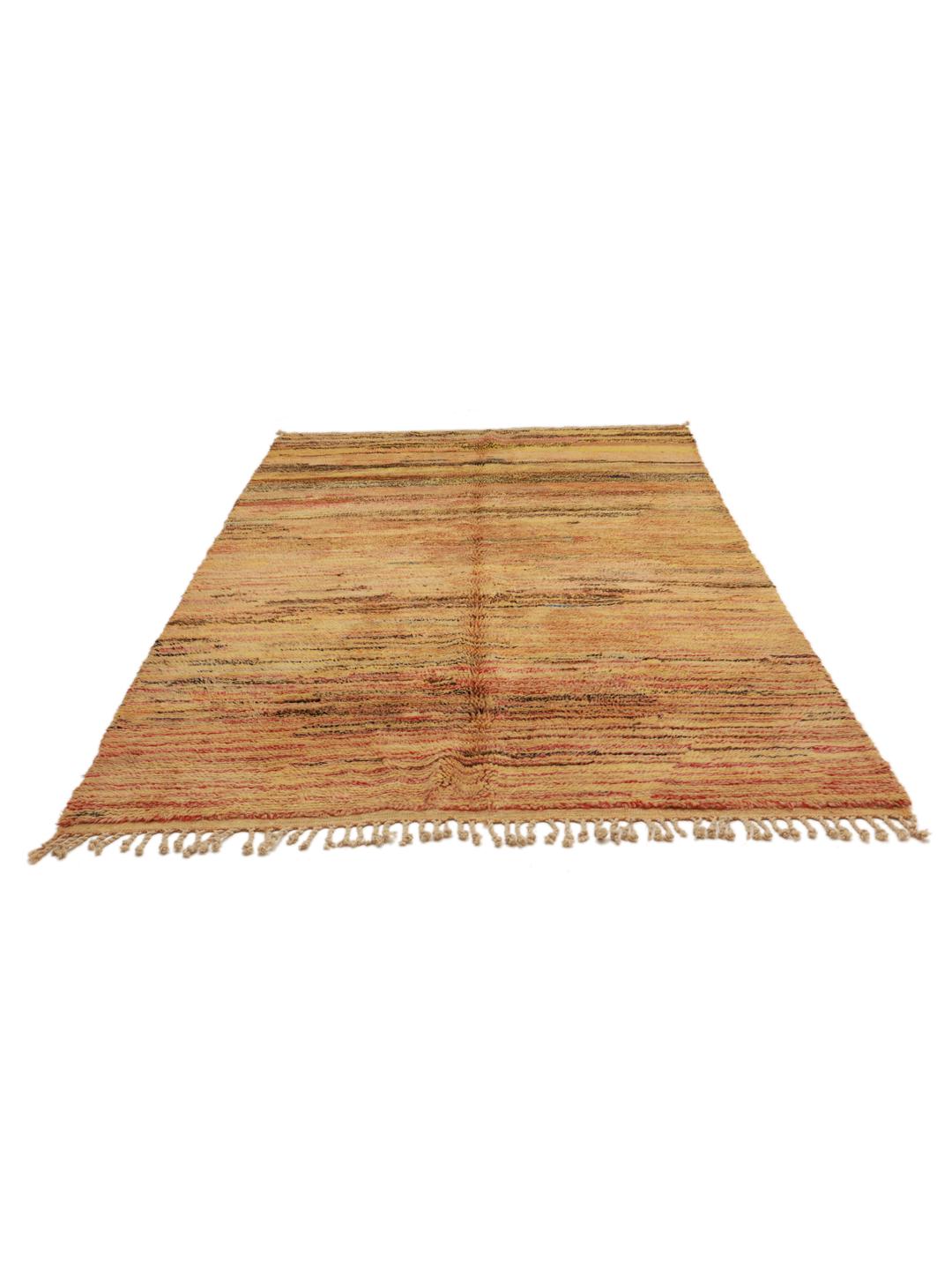
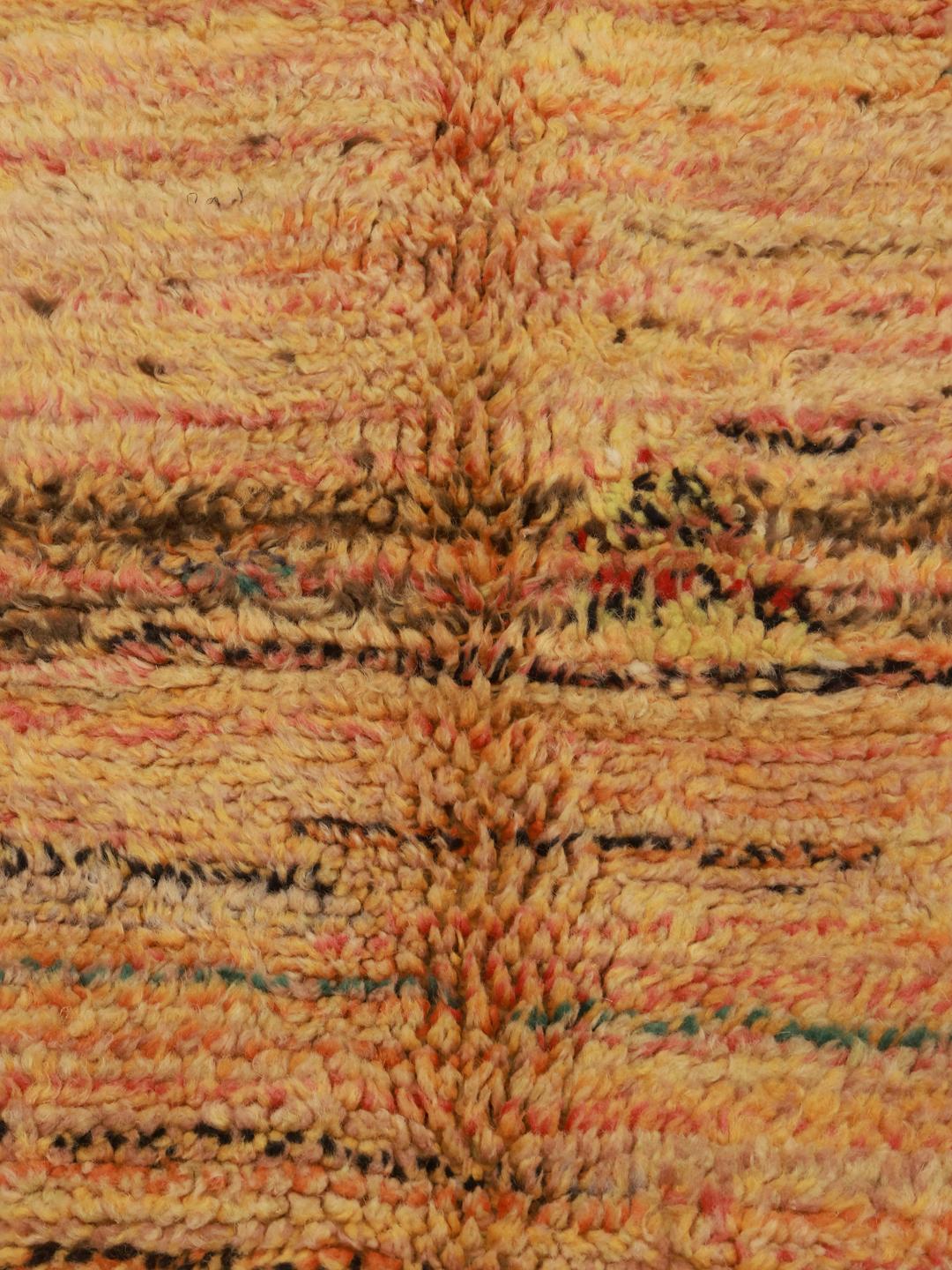
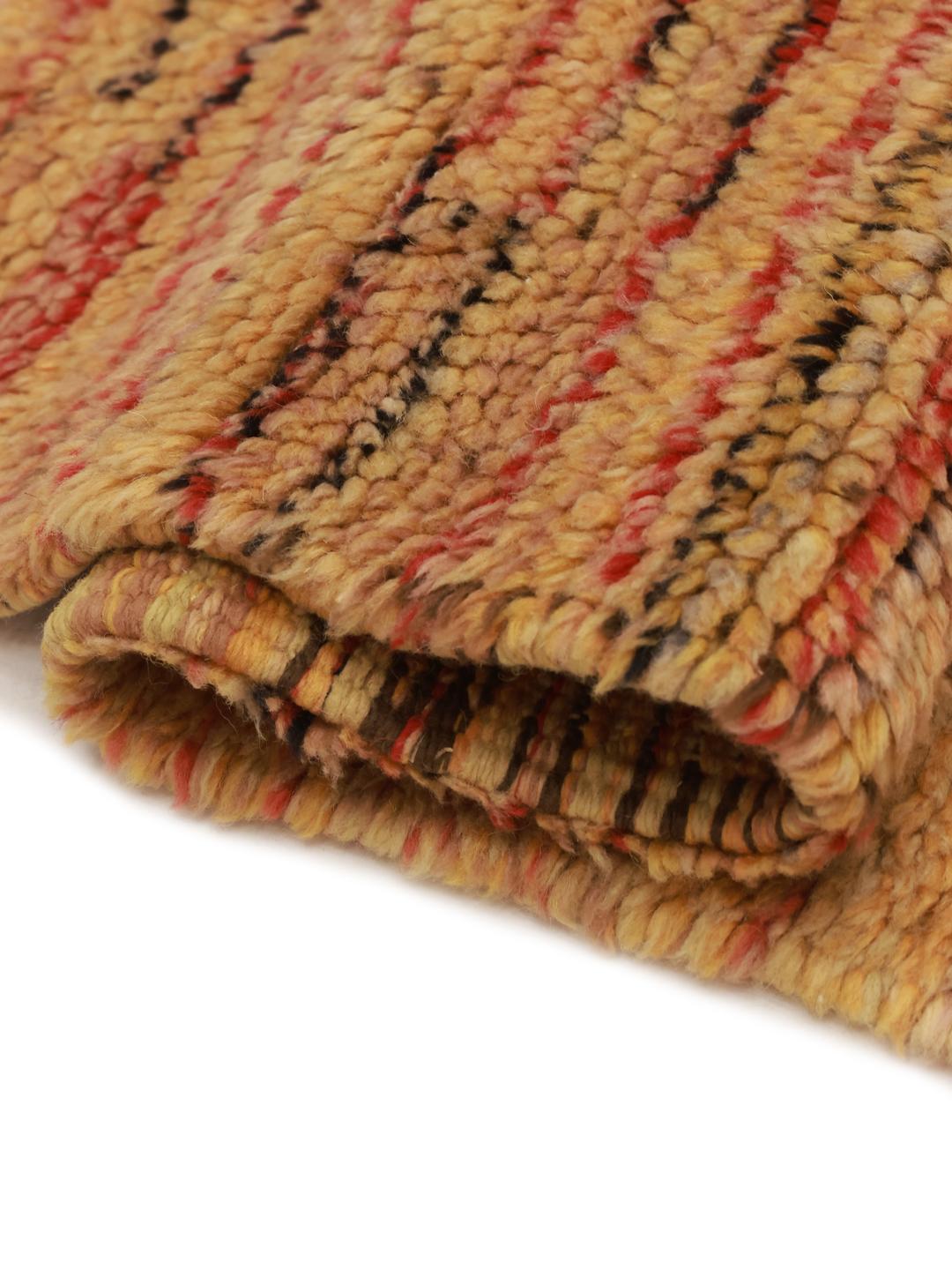
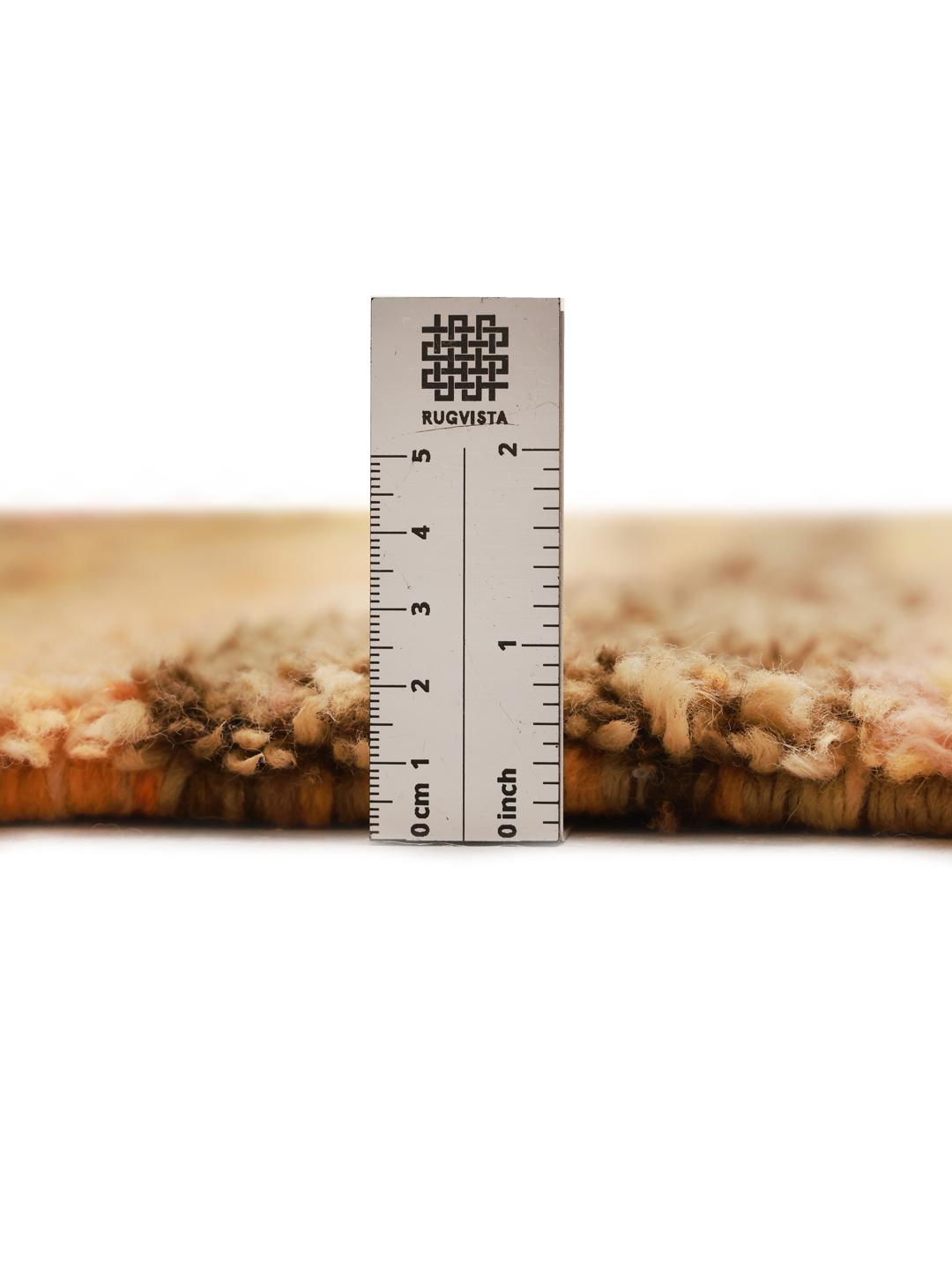
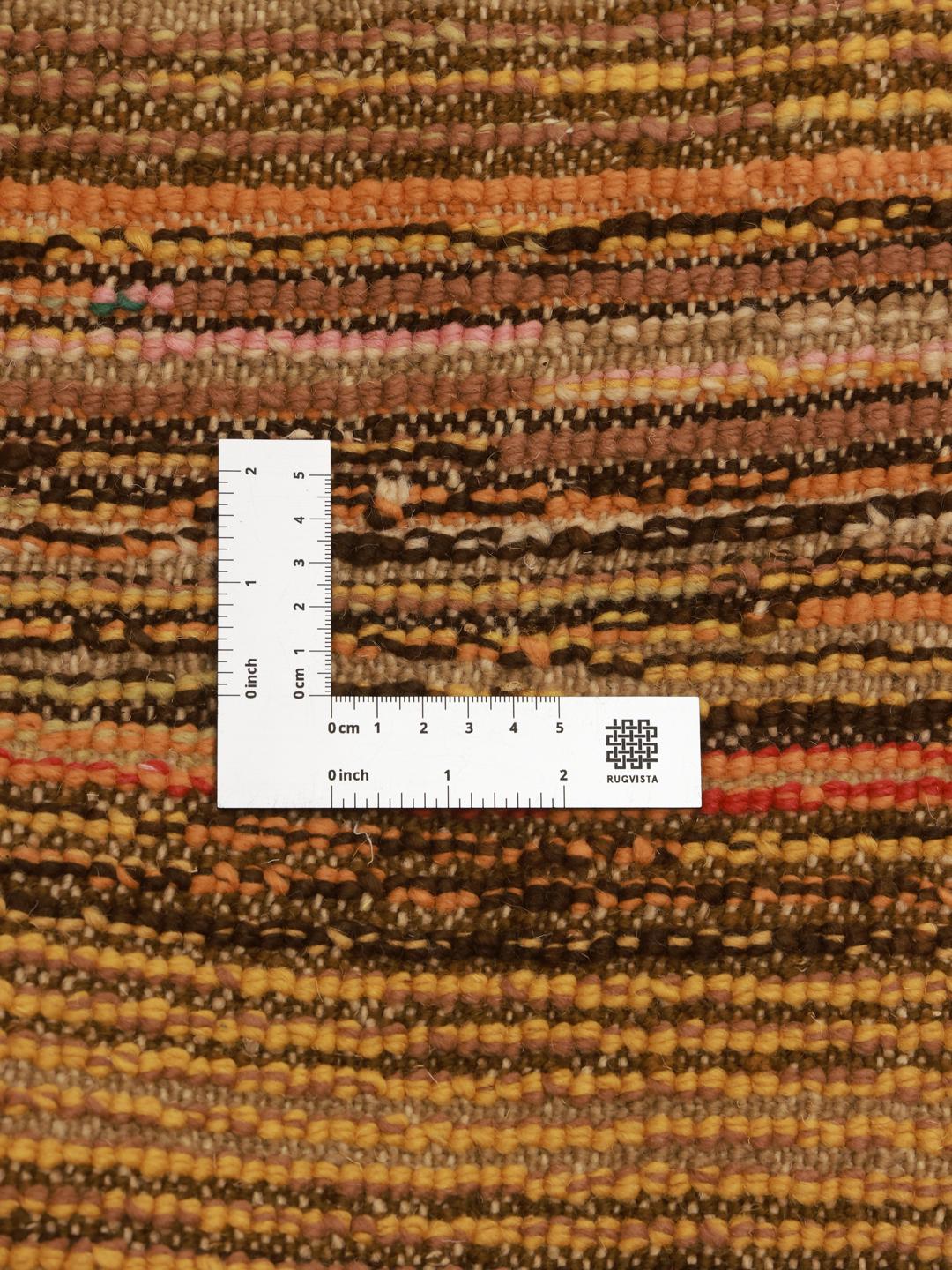
Visually, these rugs are known for their thick, luxurious pile and often minimalist or geometric designs. While traditional versions were frequently monochromatic, modern interpretations from the region often embrace vibrant, earthy tones and striped patterns, reflecting the evolution of the craft as it meets contemporary design sensibilities.
Owning a piece from this tradition means connecting with a lineage of craftsmanship that has remained largely unchanged for generations. It is a testament to the skill of the weavers and the enduring appeal of natural materials, making these rugs highly sought after by collectors who value authenticity and cultural heritage.