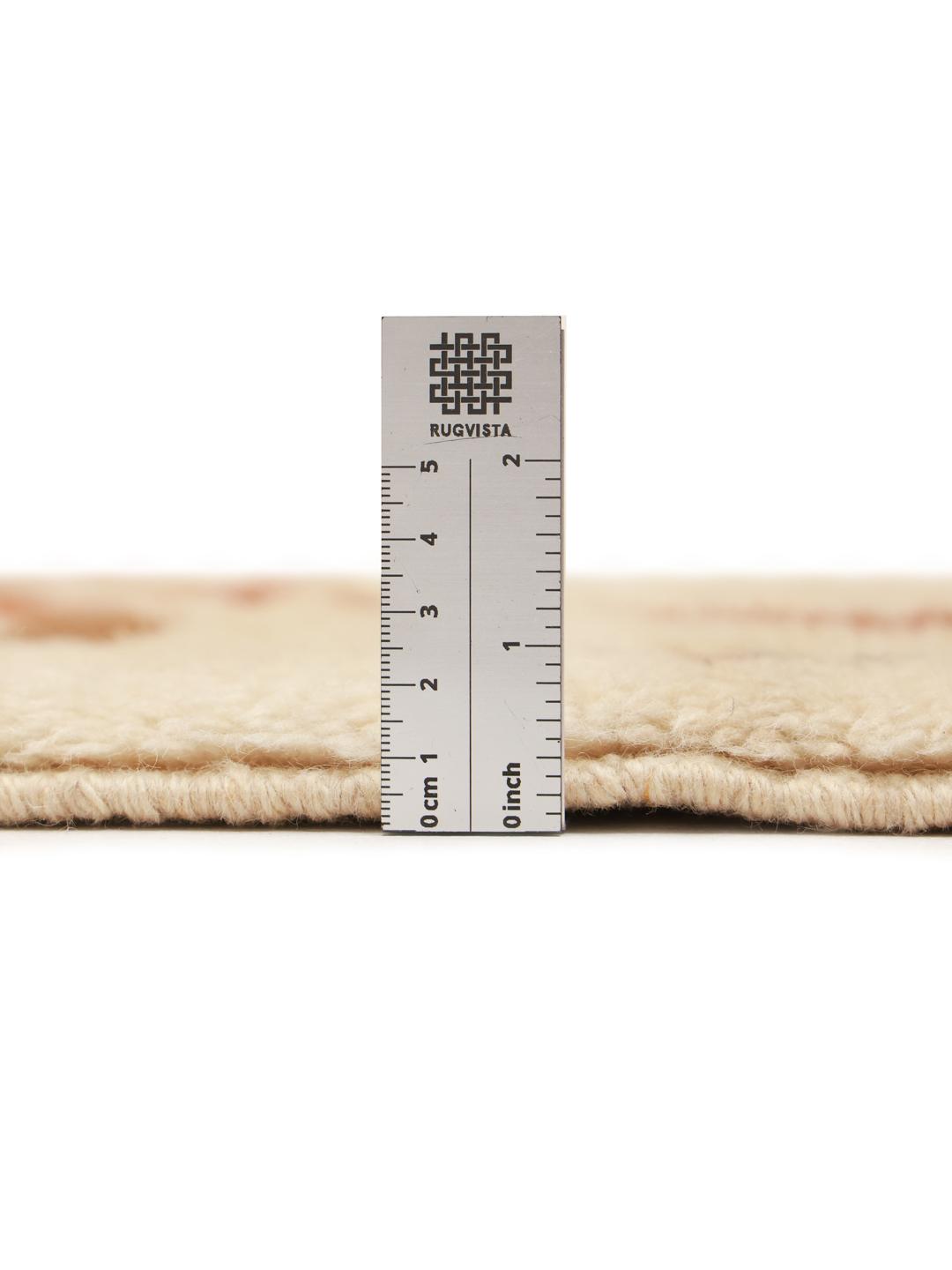
Beni Ourain rugs originate from the high reaches of the Middle Atlas Mountains in Morocco. Traditionally, they were woven by Berber tribes for practical use as bedding and floor coverings, designed to provide warmth against the harsh, cold mountain climate. These rugs were never intended for commercial sale, but rather as deeply personal objects that reflected the weaver's life and environment.
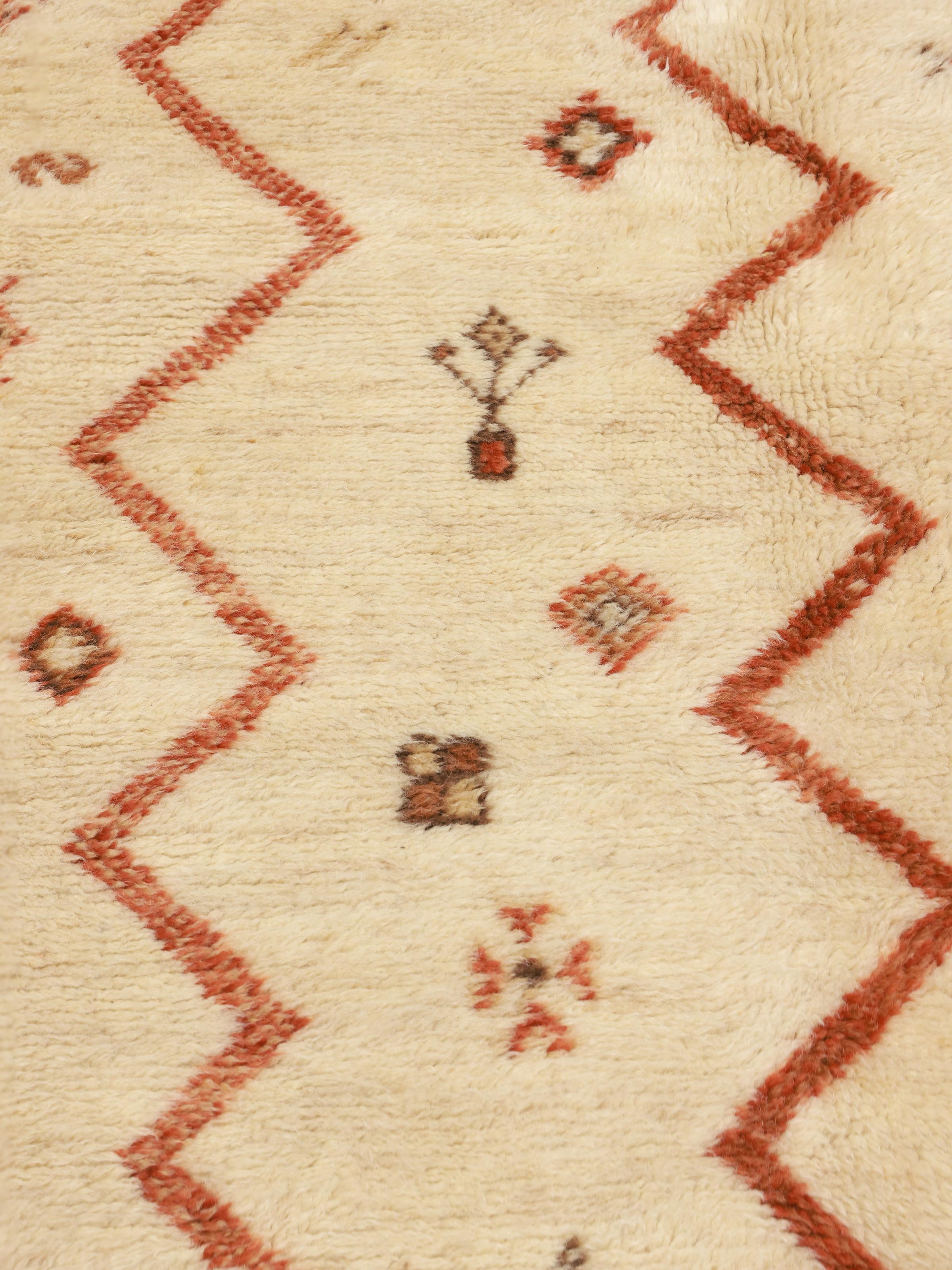
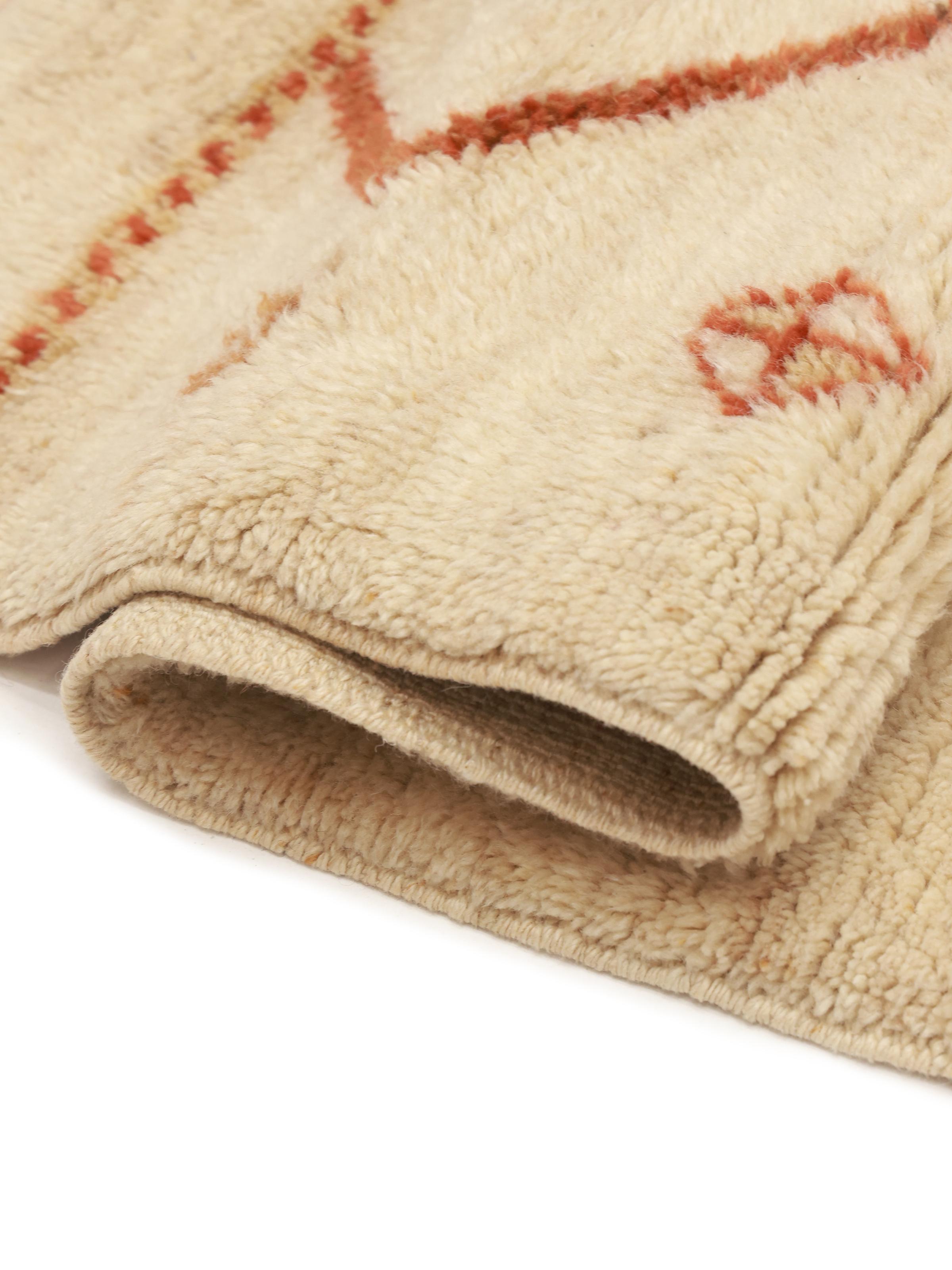
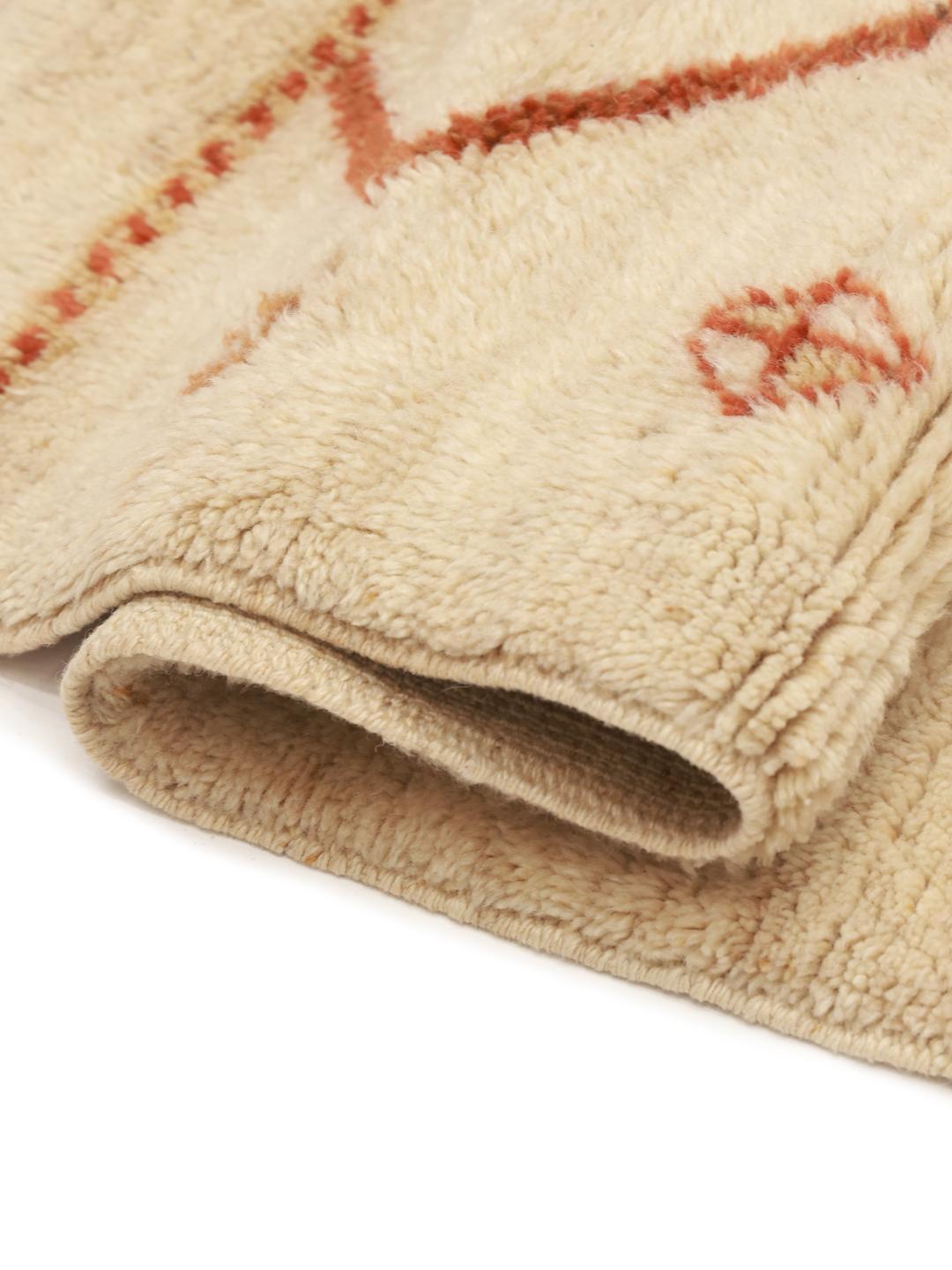
The terminology surrounding these rugs often refers to the specific tribal groups who developed these styles over generations. The term hand-knotted indicates the traditional technique where individual strands of Wool are tied onto the foundation. This method is crucial for durability, as it allows for a strong, cohesive structure that resists wear and tear much better than other construction methods.
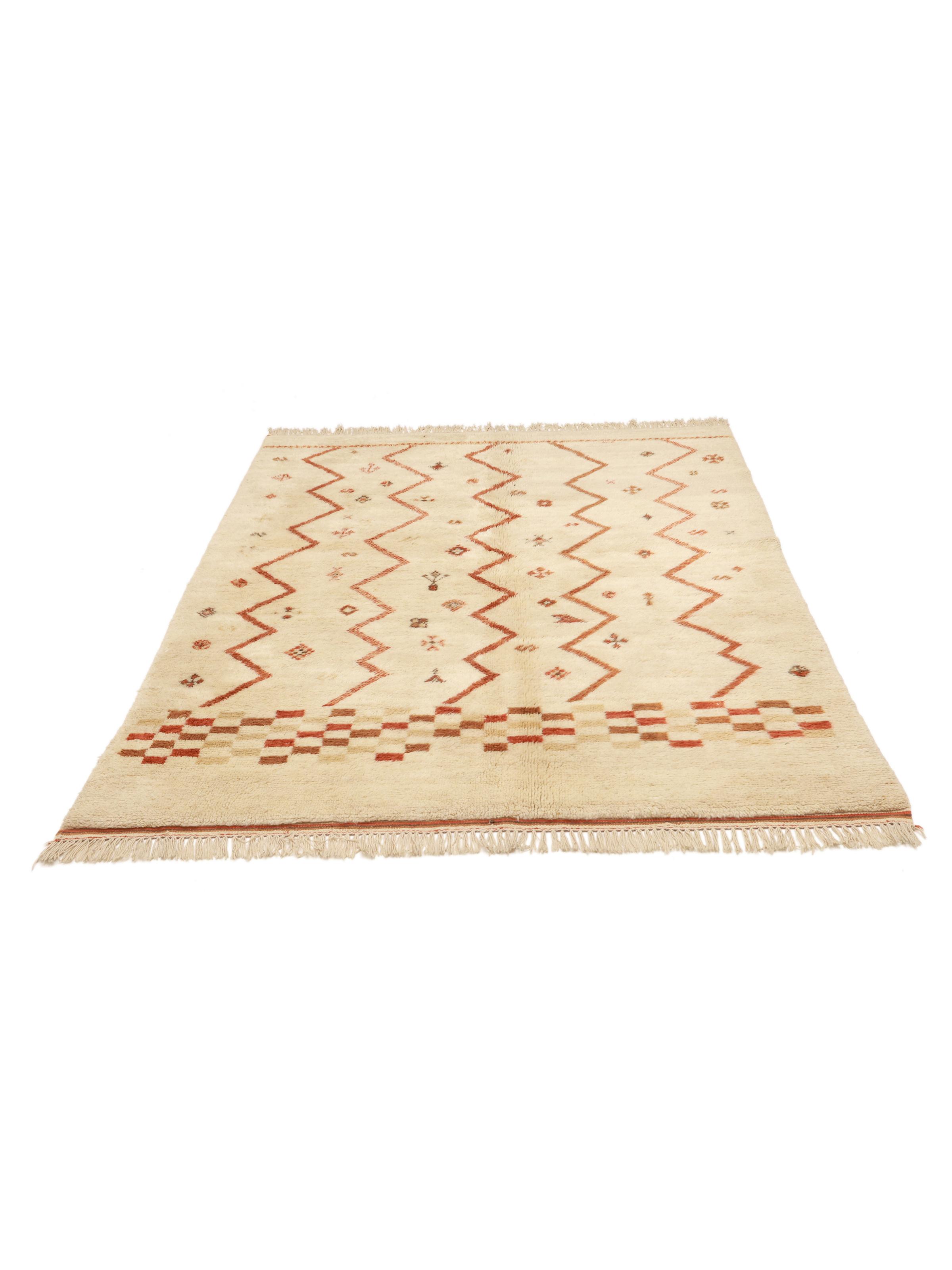
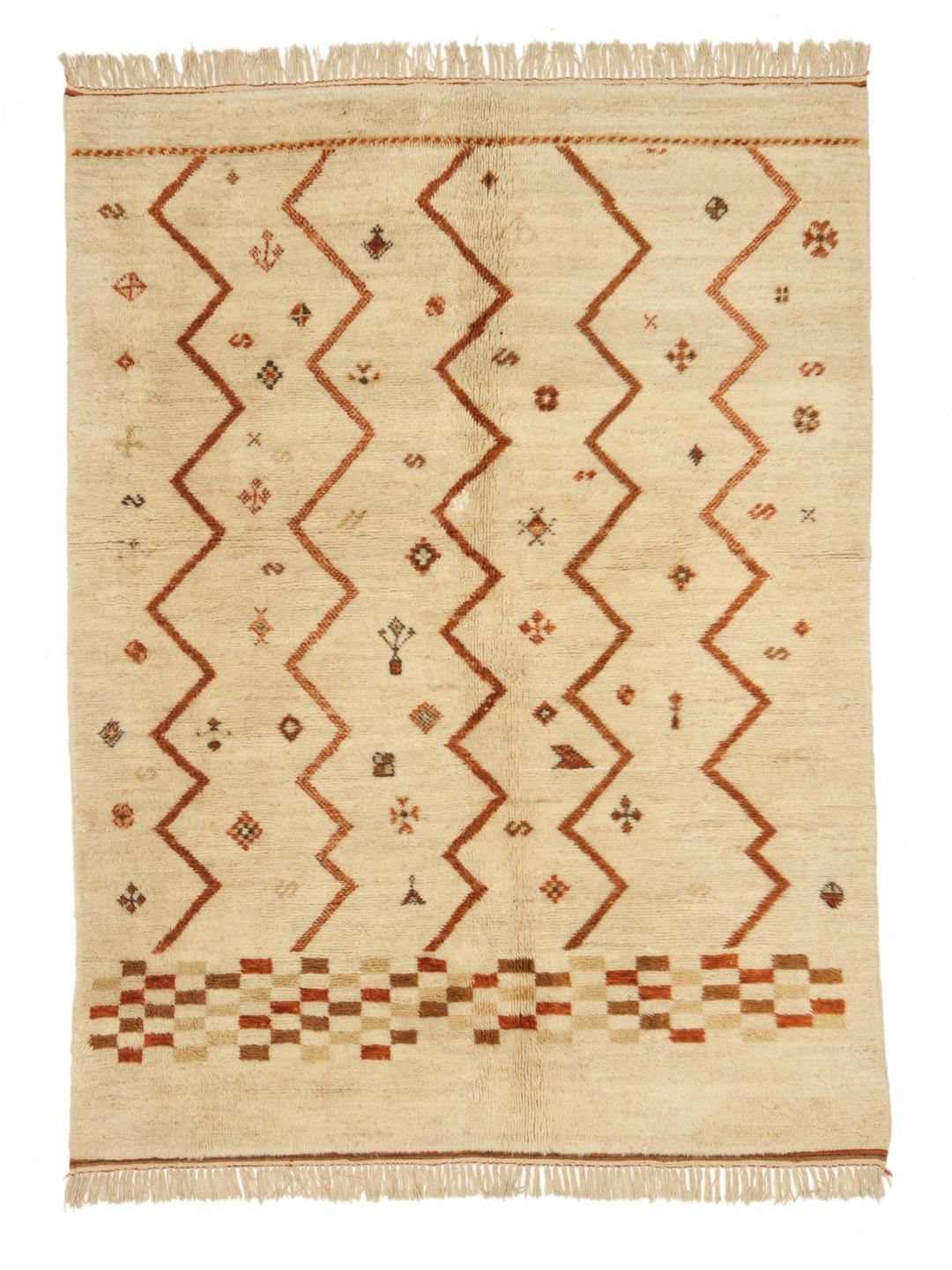
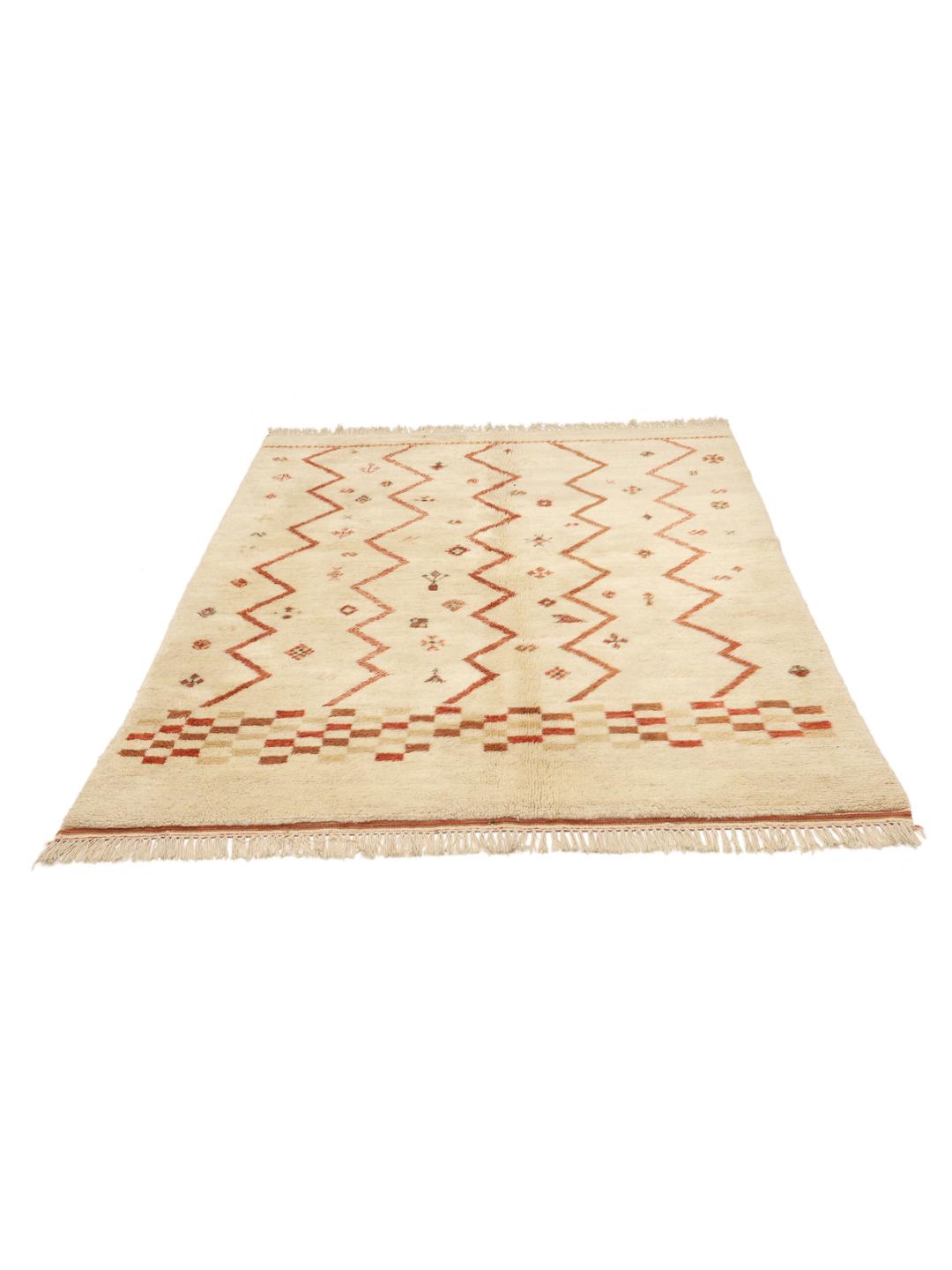
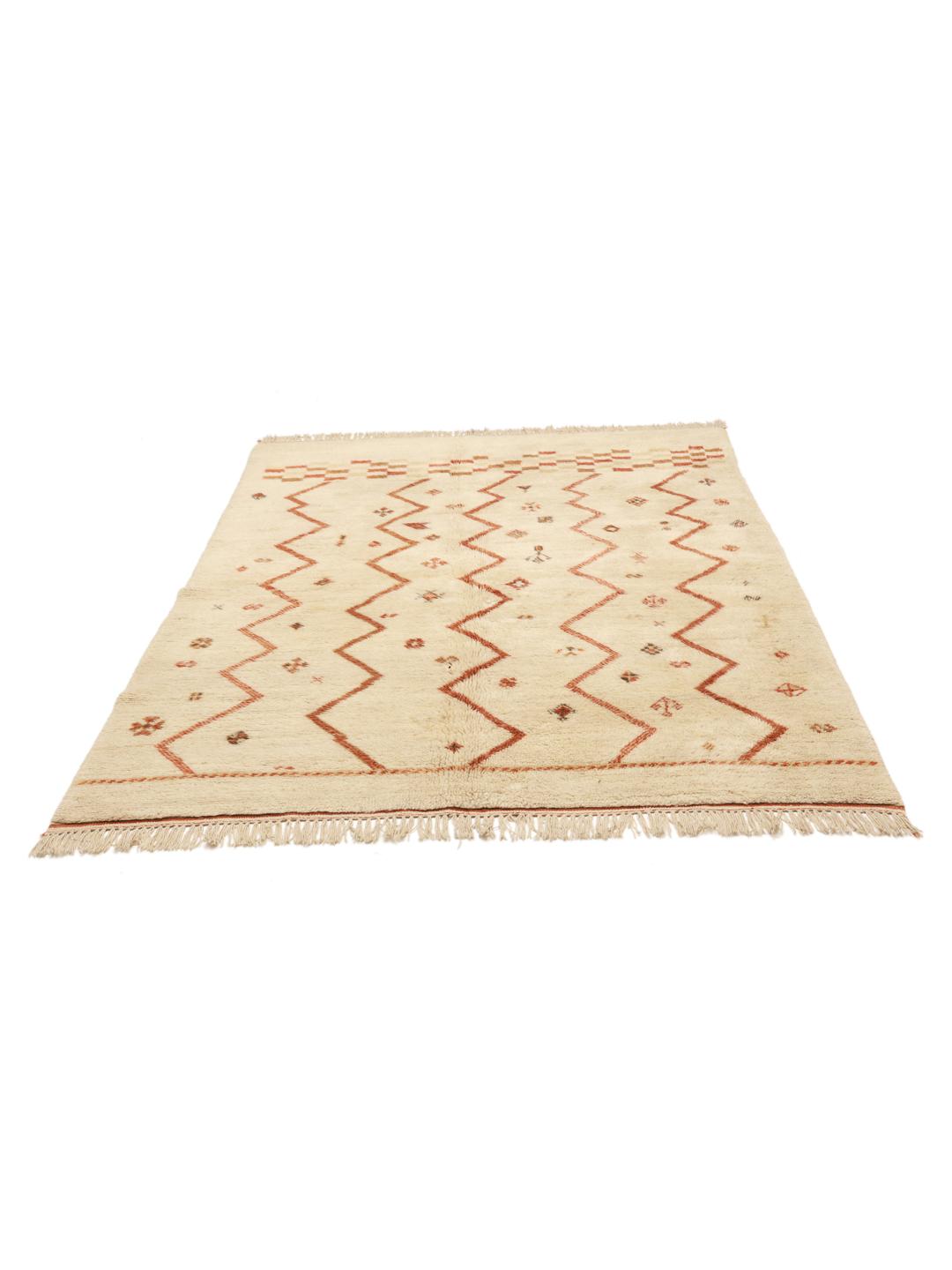
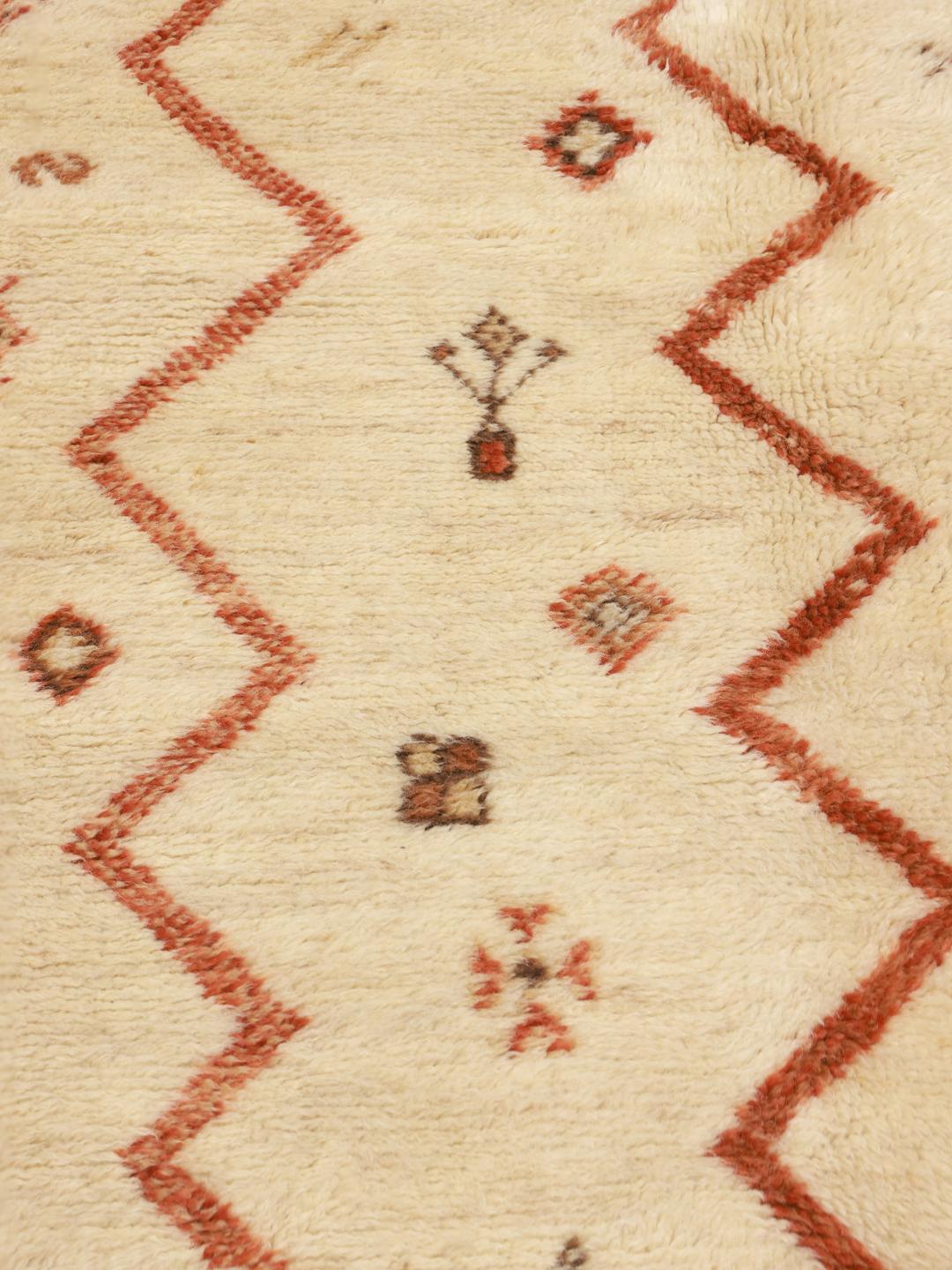
Visually, these rugs are defined by their minimalist yet expressive design language. They typically feature a natural, undyed Wool base with tribal motifs, such as simple geometric lines, diamonds, or symbolic figures, often rendered in darker, natural Wool tones. The zigzag patterns and checkered borders seen here are iconic elements that connect this rug to a centuries-old tradition of storytelling through textile design.
Collectors value these rugs for their raw, authentic beauty and the connection they offer to a nomadic heritage. Owning a Beni Ourain is not just about floor decor, but about preserving a legacy of skill and cultural identity. Each piece is seen as a tangible link to the mountain tribes, representing a rare intersection of utility, art, and history that remains highly sought after by those who appreciate genuine craft.