Berber rugs originate from the indigenous tribes of the Atlas Mountains in Morocco. For centuries, these rugs have been crafted not merely for decoration, but as essential household items, serving as blankets, sleeping mats, and floor coverings for families living in the harsh, high-altitude climate of the mountains. The traditions behind these pieces are deeply woven into the fabric of North African culture, reflecting a lifestyle that balances utility with creative expression.
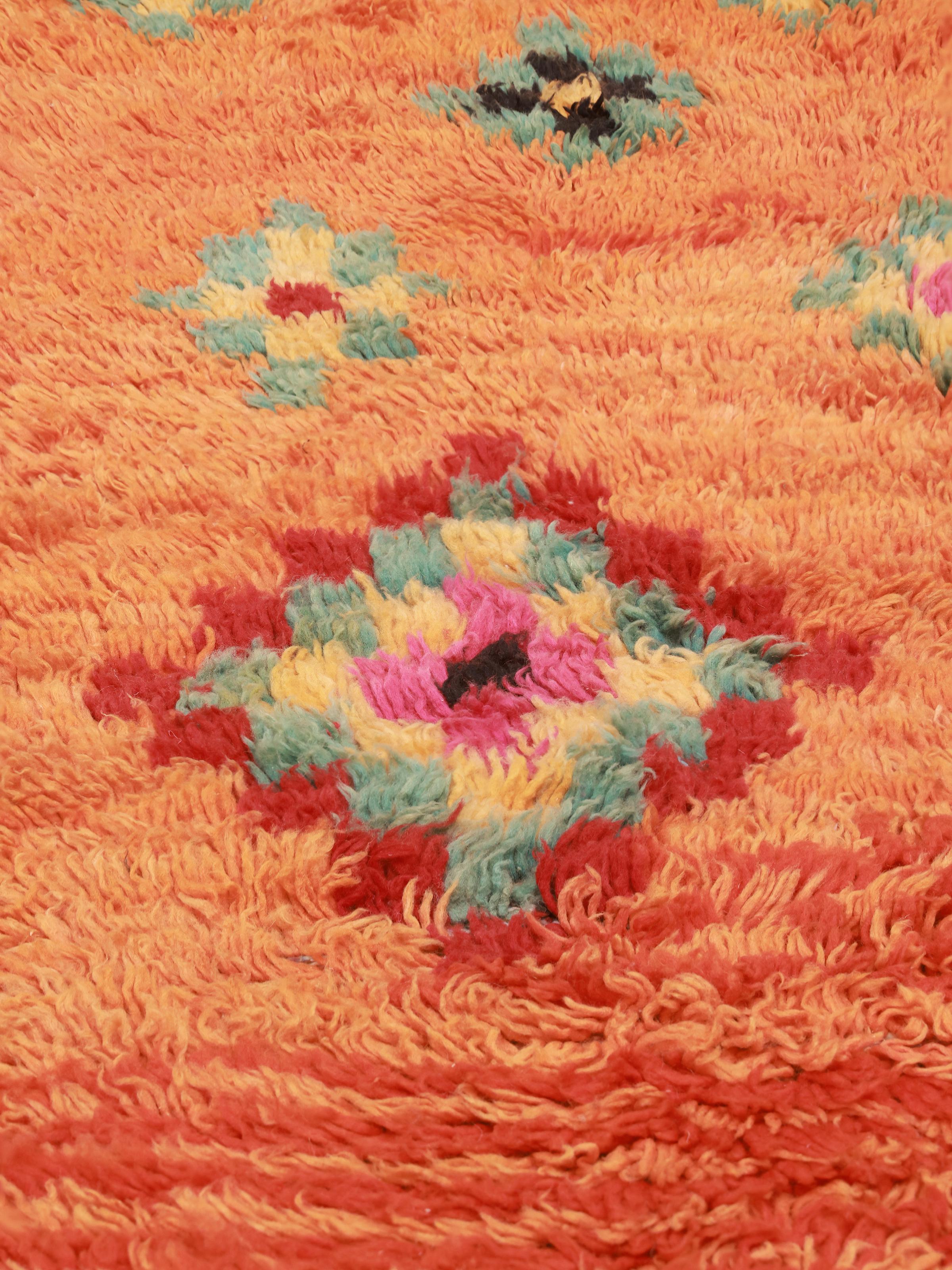
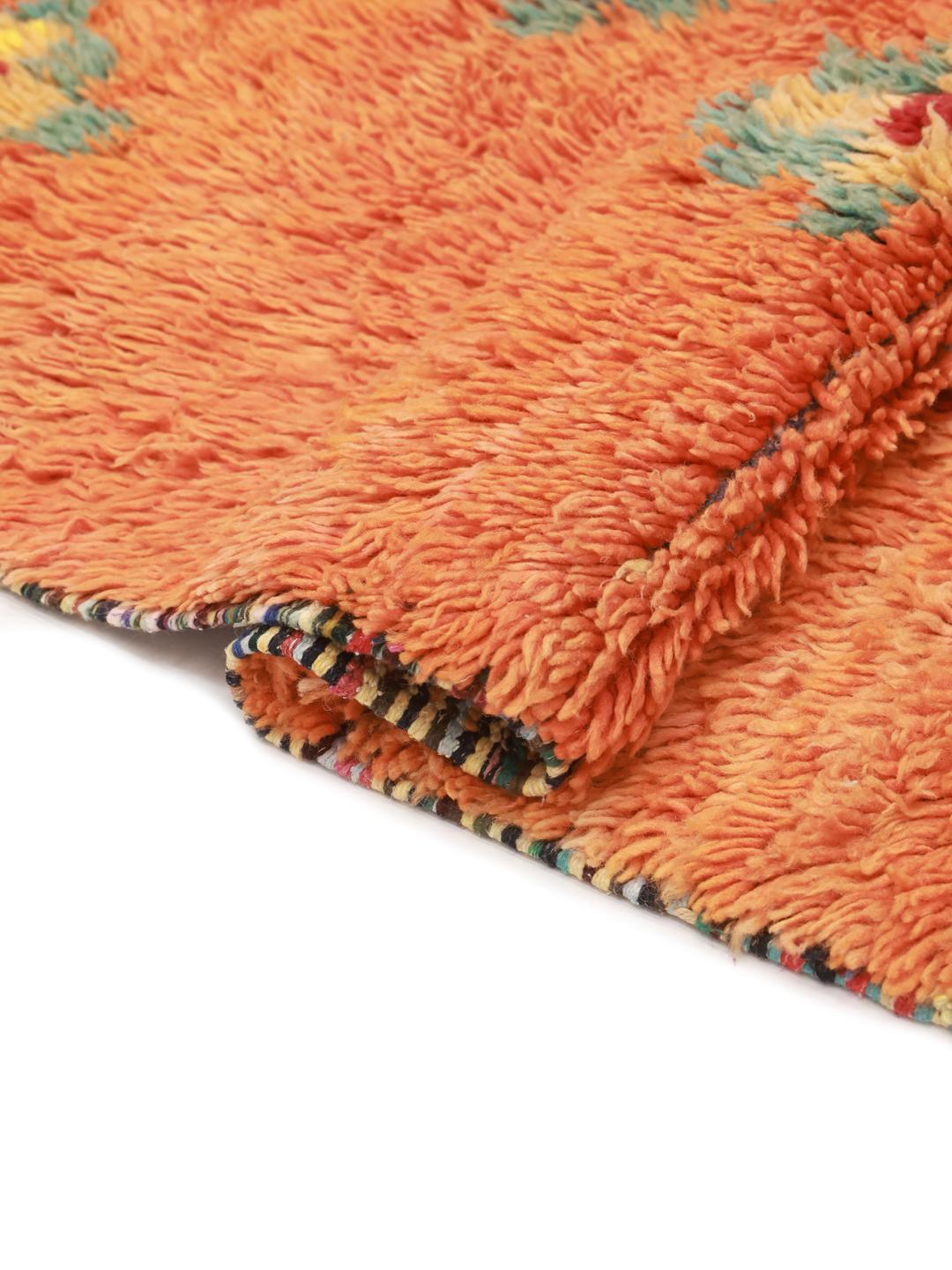
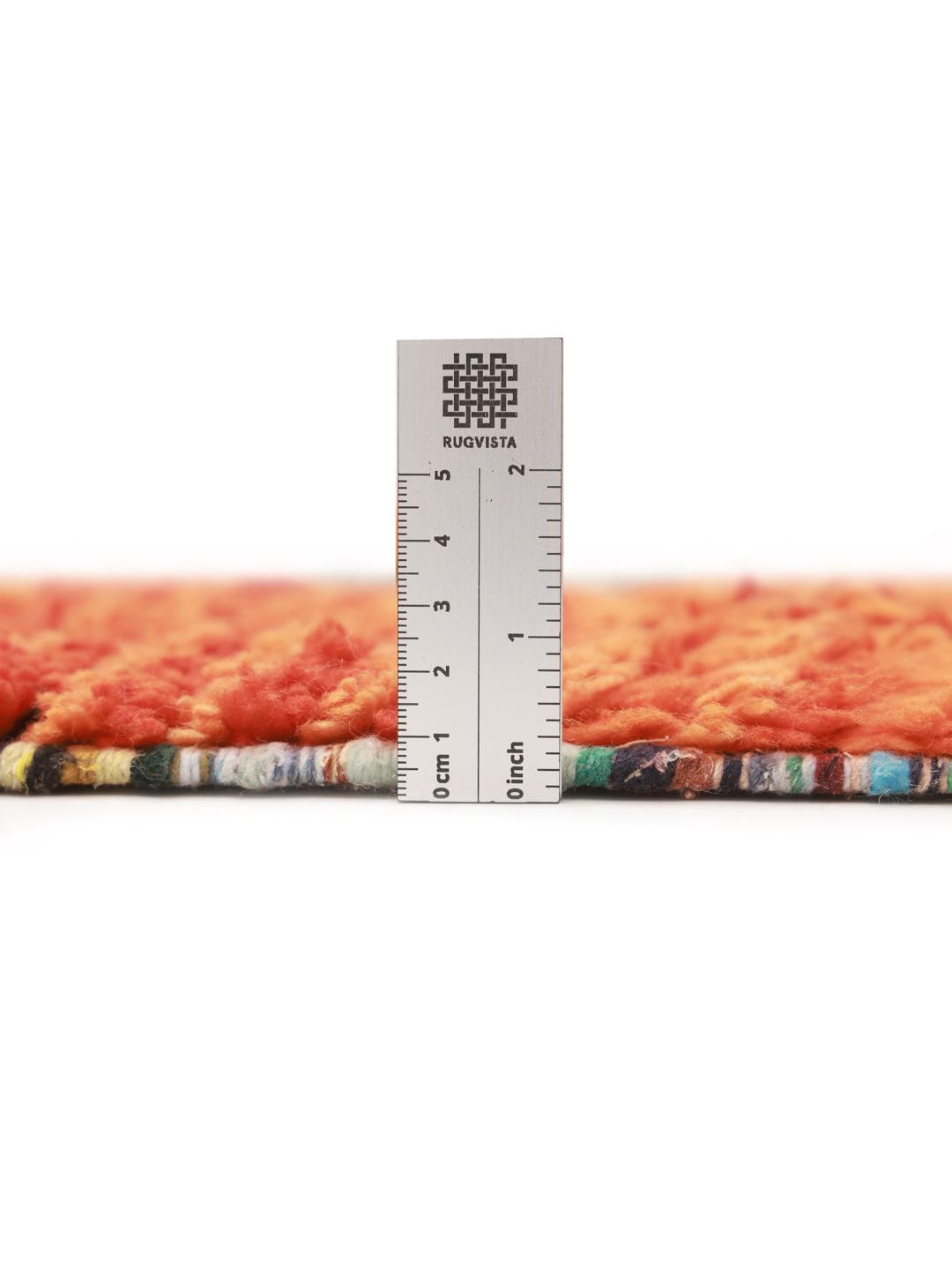
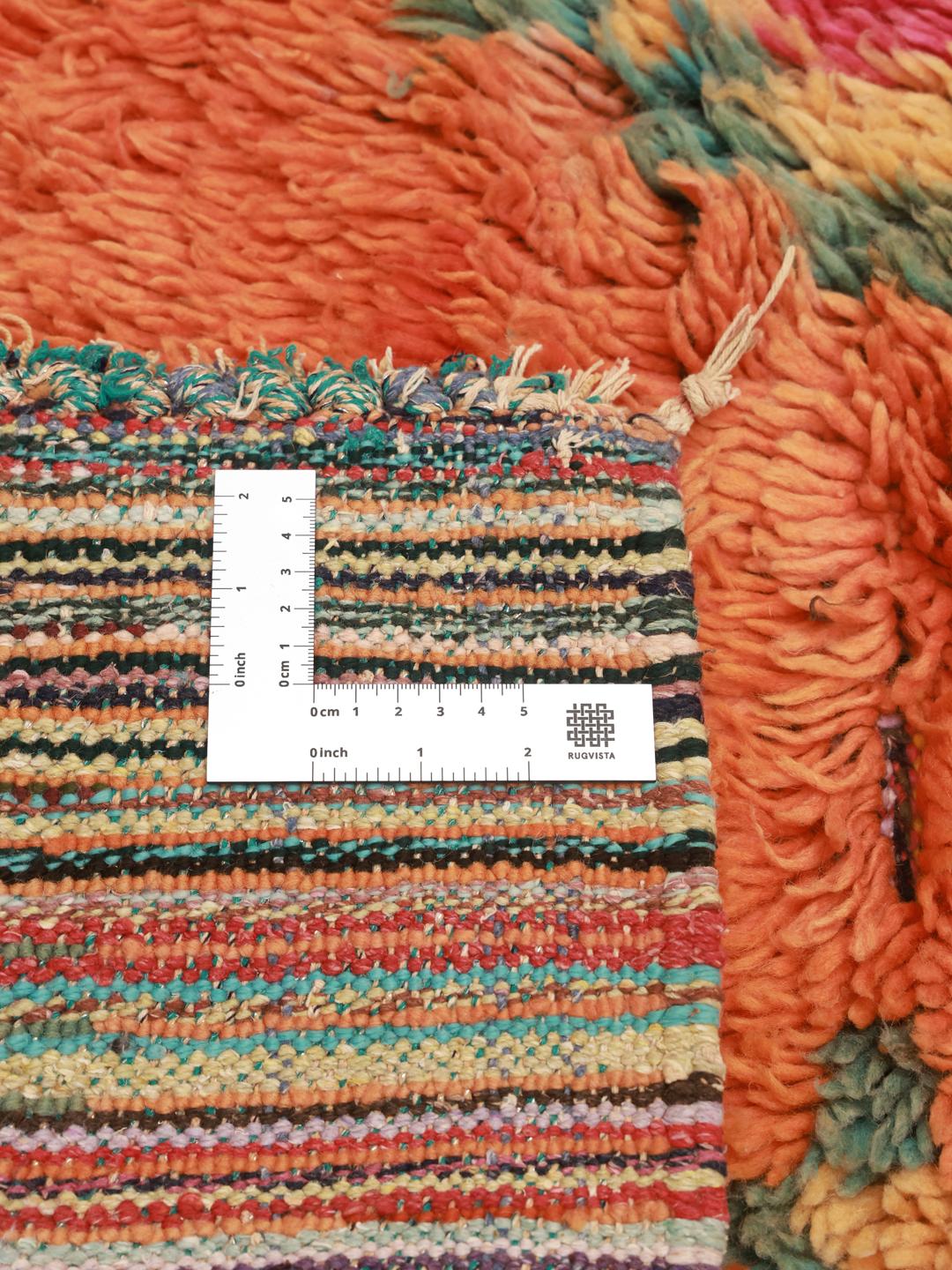
The term Beni Ourain refers to the specific tribal tradition that has become world-renowned for its focus on thick, luxurious wool and distinctive design language. These rugs are traditionally woven using a hand-knotted technique, which produces a dense and highly durable pile. This construction is crucial, as it allows the wool to maintain its loft and softness, providing natural insulation and a tactile richness that is highly sought after by collectors.
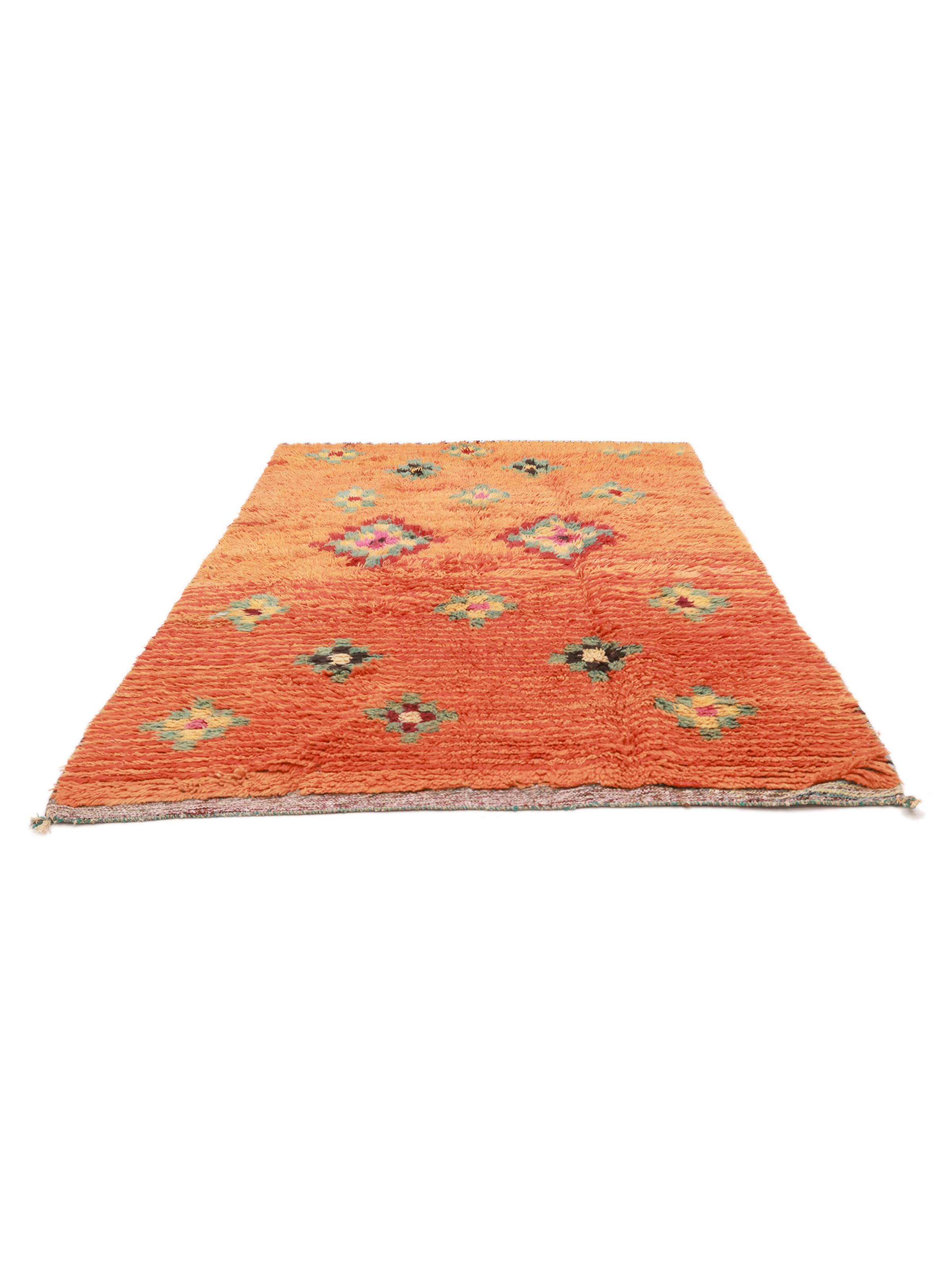
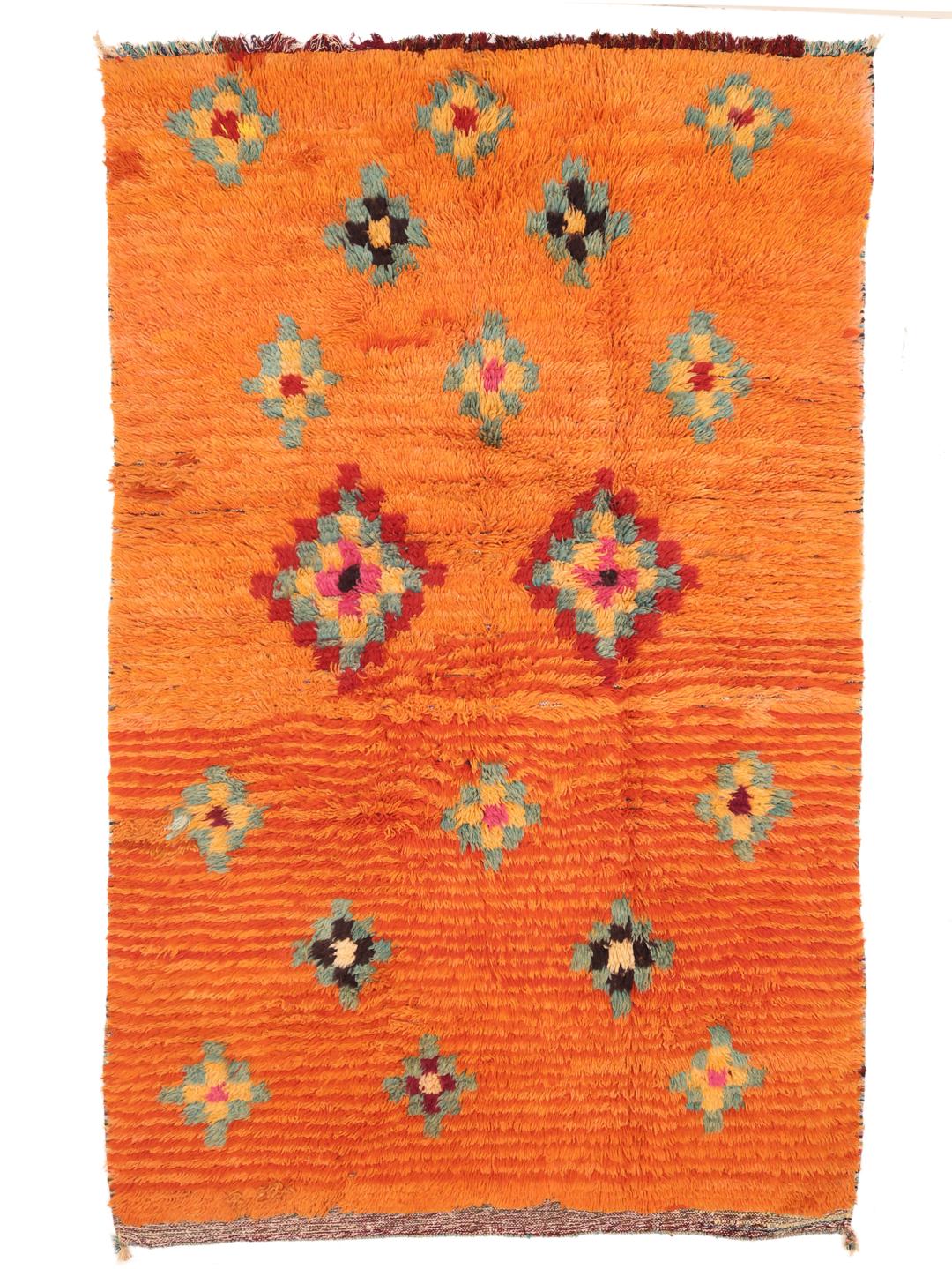
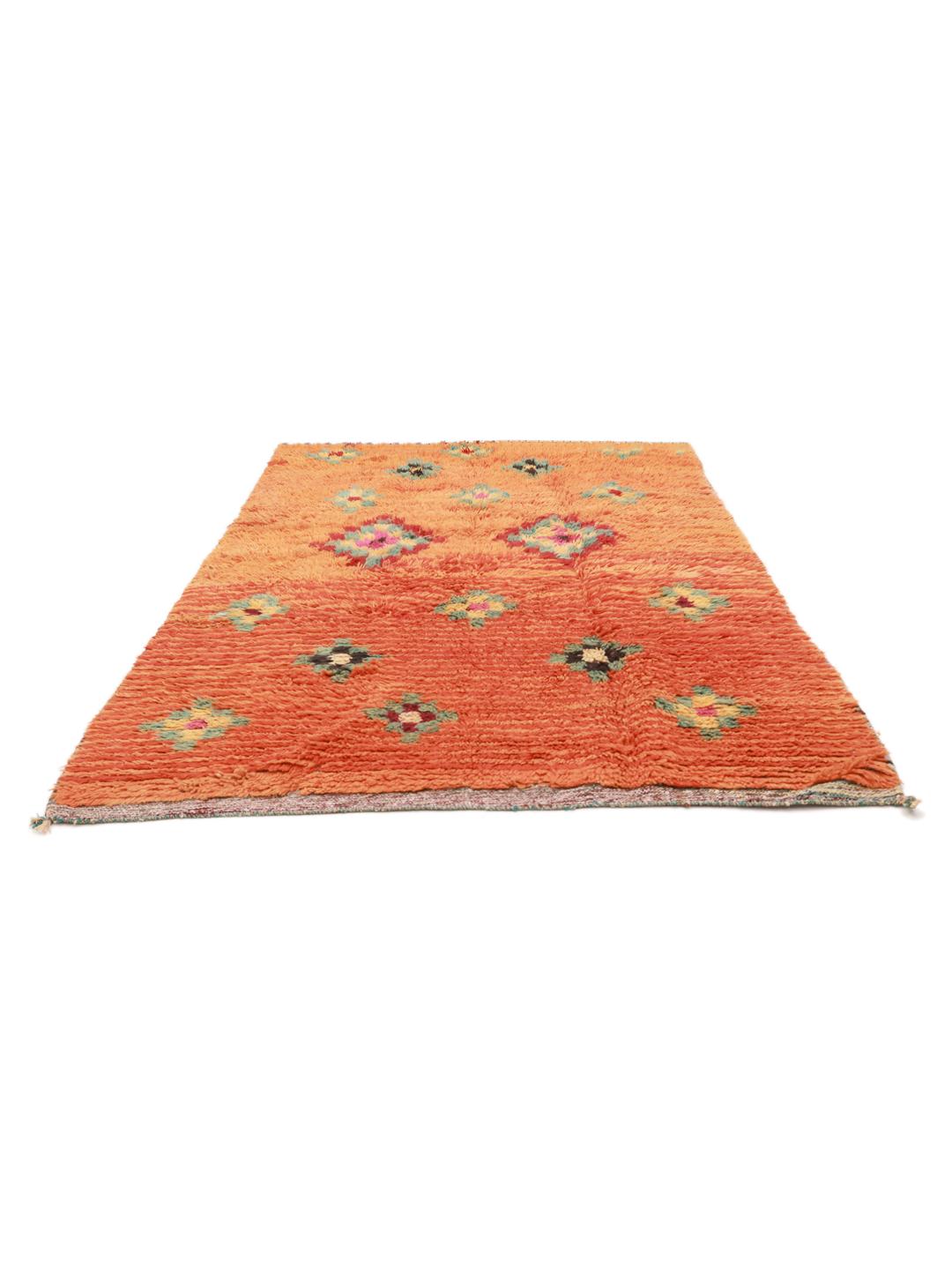
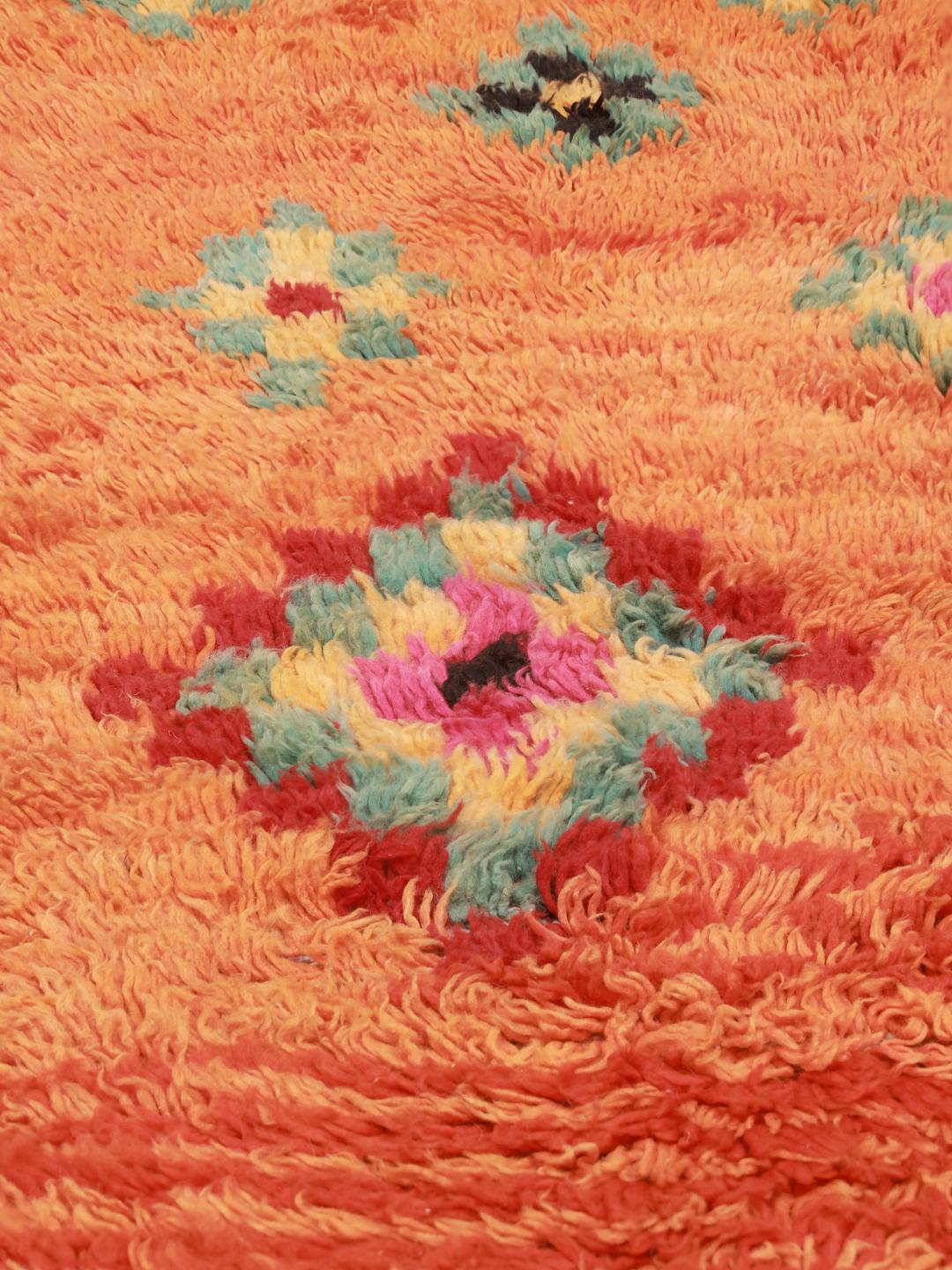
Visually, these rugs are defined by their expressive use of geometric motifs, often featuring diamonds, lines, and symbolic shapes that tell stories of tribal life, fertility, and protection. While many classic examples are known for their neutral tones, the use of vibrant, bold colours like the orange seen here highlights the creative diversity within the Berber tradition. Each motif is placed according to the weaver's intuition, making every rug a personal narrative.
Collecting a Berber rug is an investment in cultural heritage and human skill. Because they are handmade by individuals rather than machines, they possess an organic, human quality that imbues them with a soul, unlike mass-produced items. To own one is to keep a living tradition alive, bringing the warmth and artisanal spirit of the Atlas Mountains into your own home for generations to enjoy.