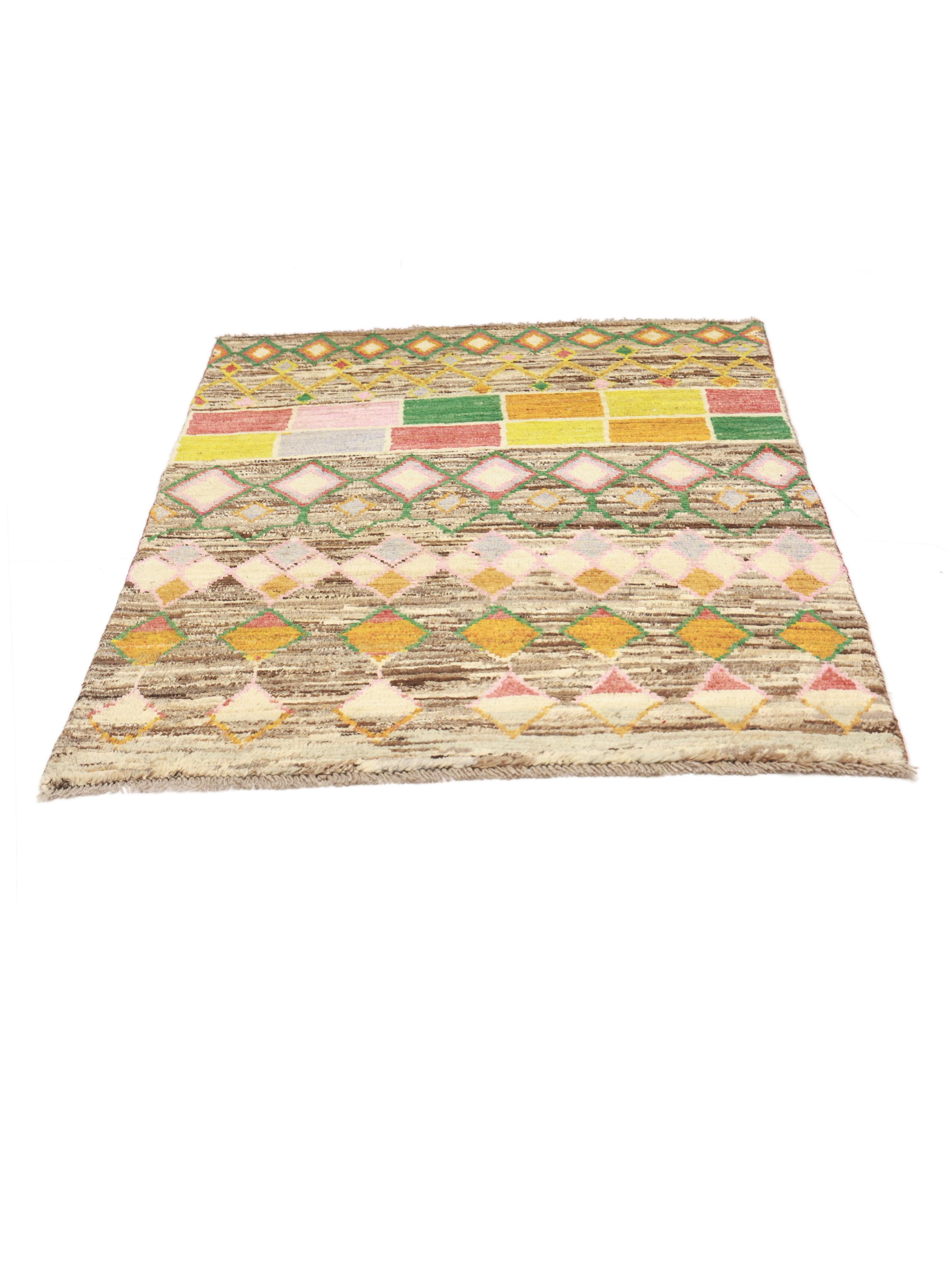
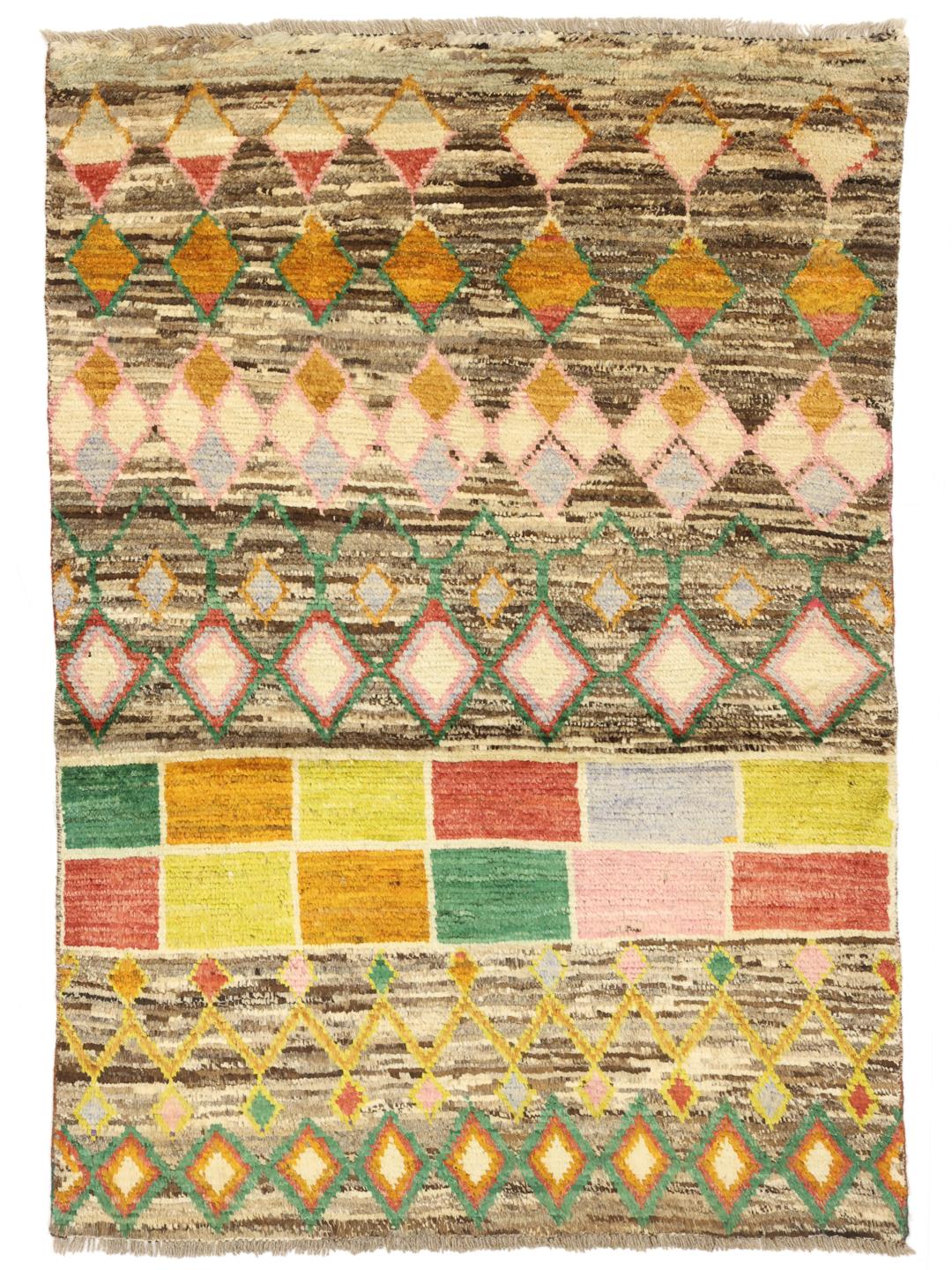
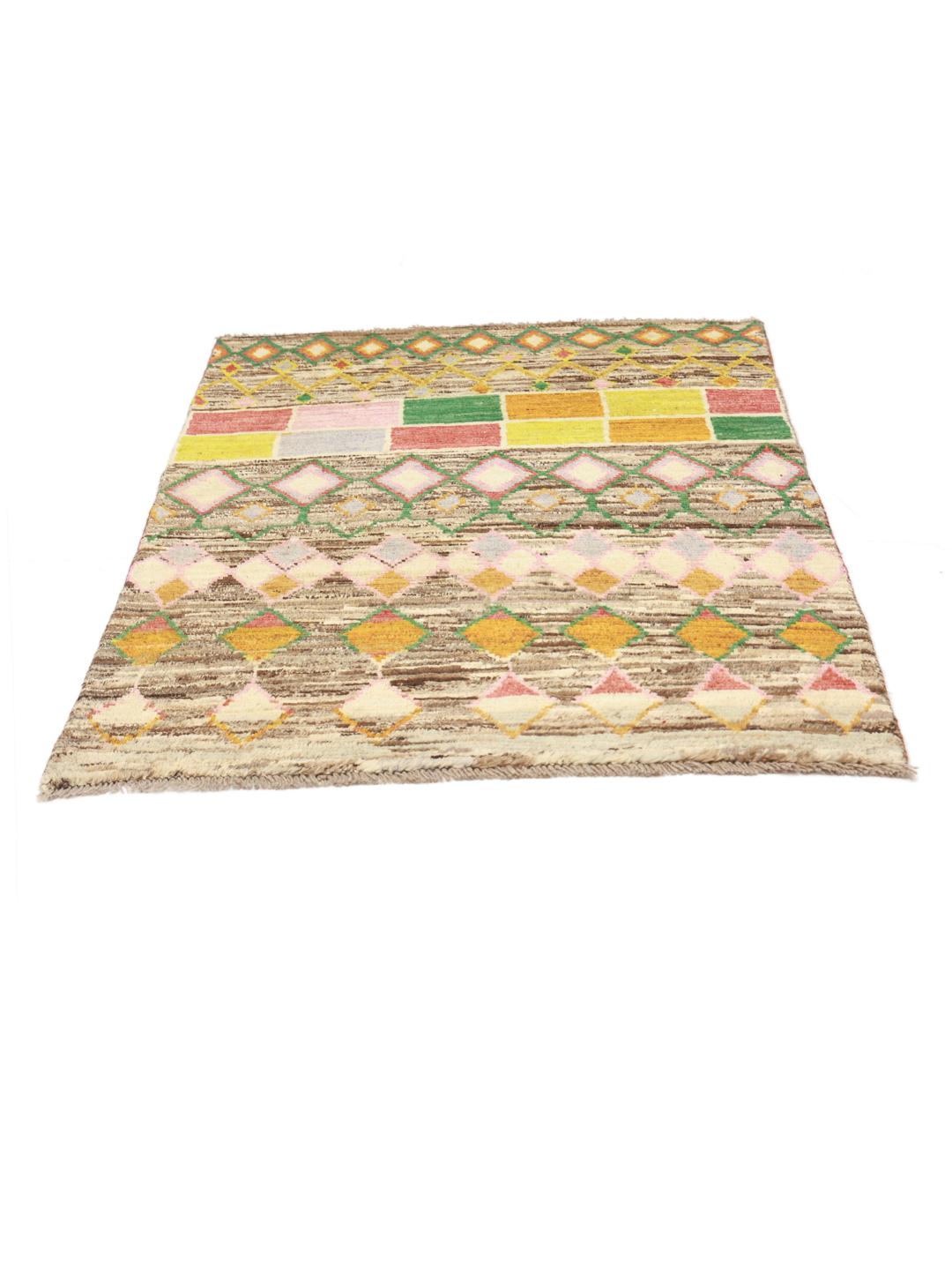
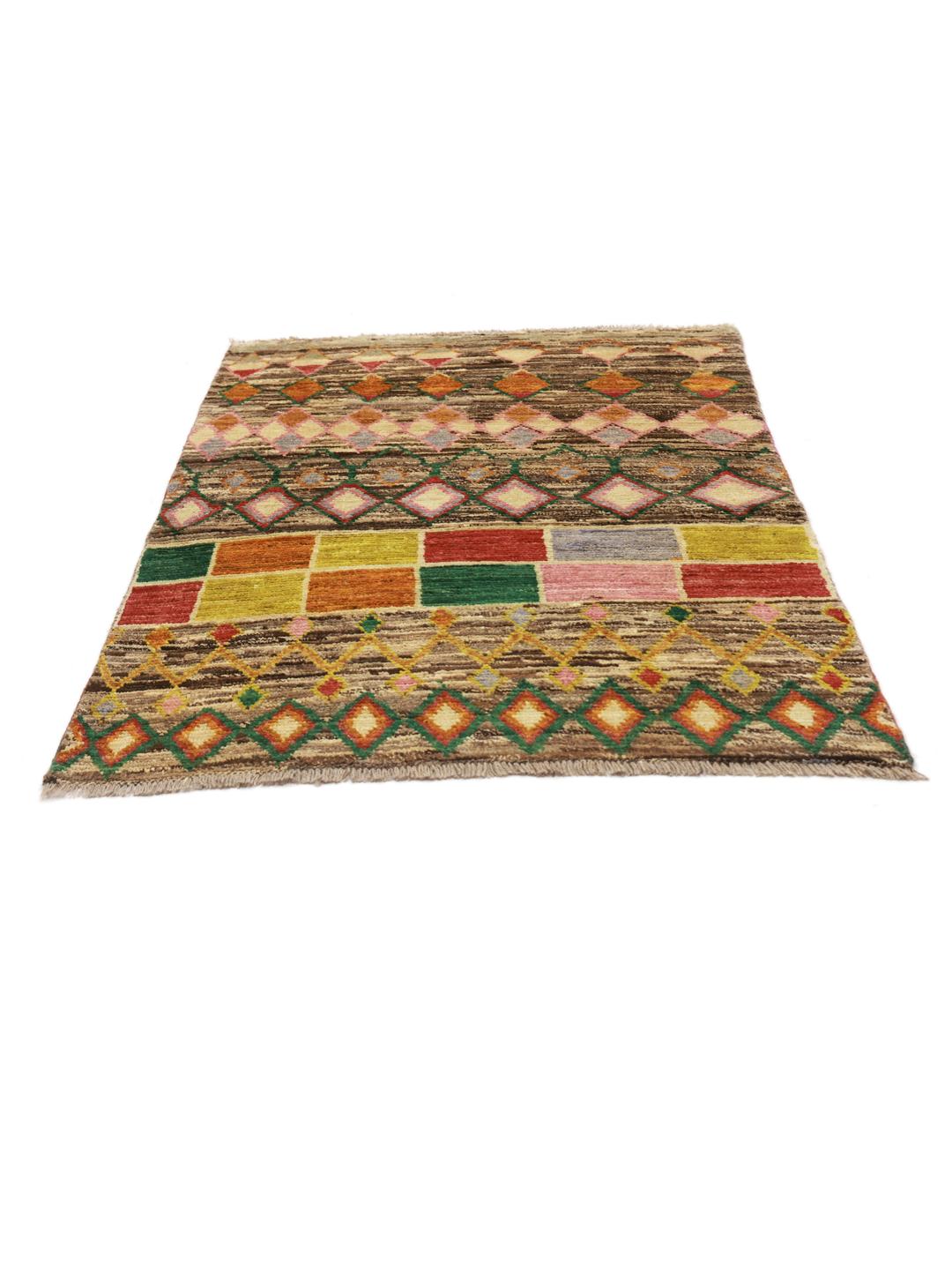
The Berber tradition has long been synonymous with nomadic artistry, originating from the tribal cultures of North Africa. While these designs are deeply rooted in desert traditions, the craft has travelled and evolved, finding a vibrant new home in the workshops of Afghanistan. This migration of style has allowed Afghan artisans to interpret traditional geometric motifs through their own cultural lens and local material expertise.
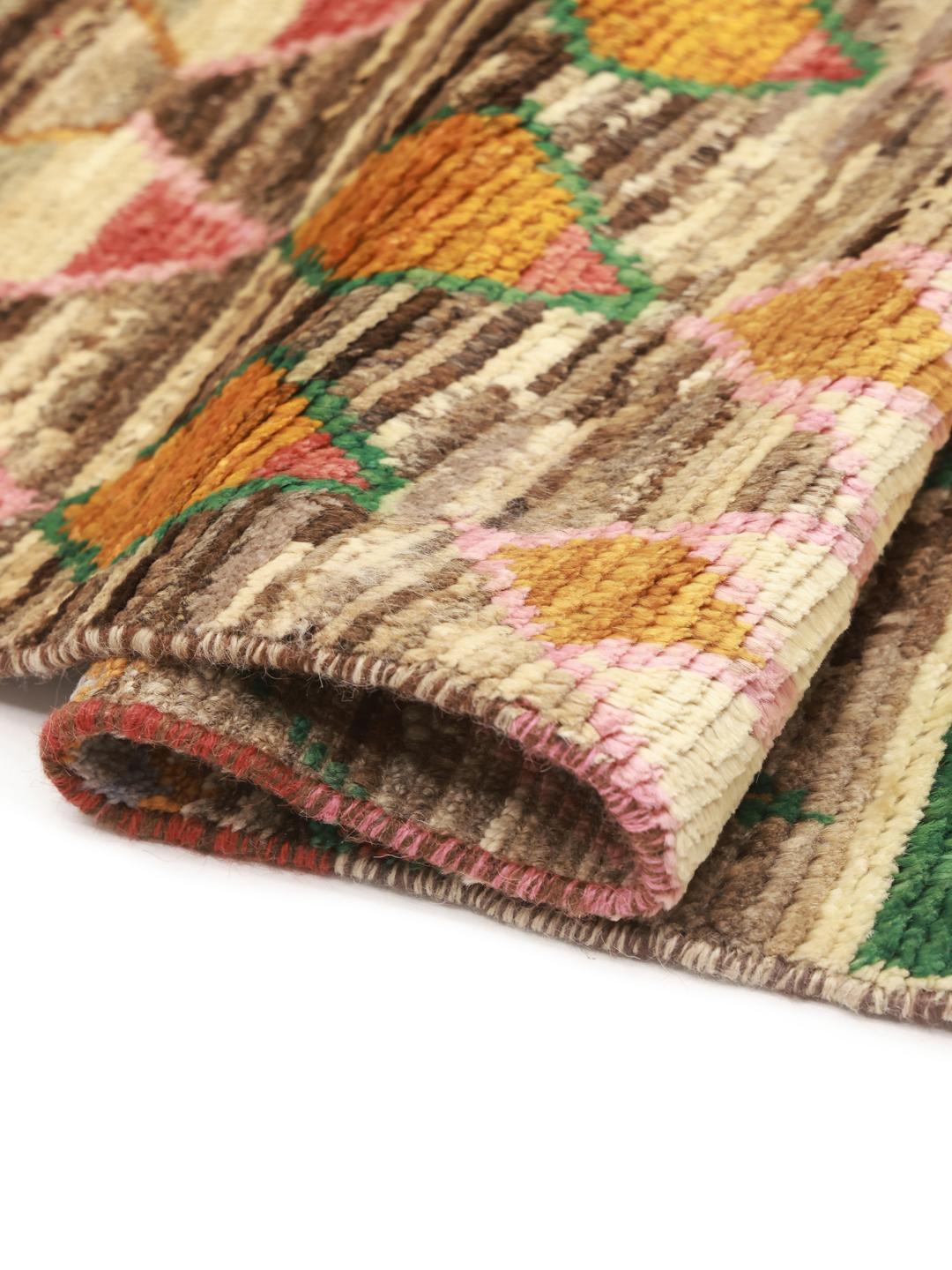
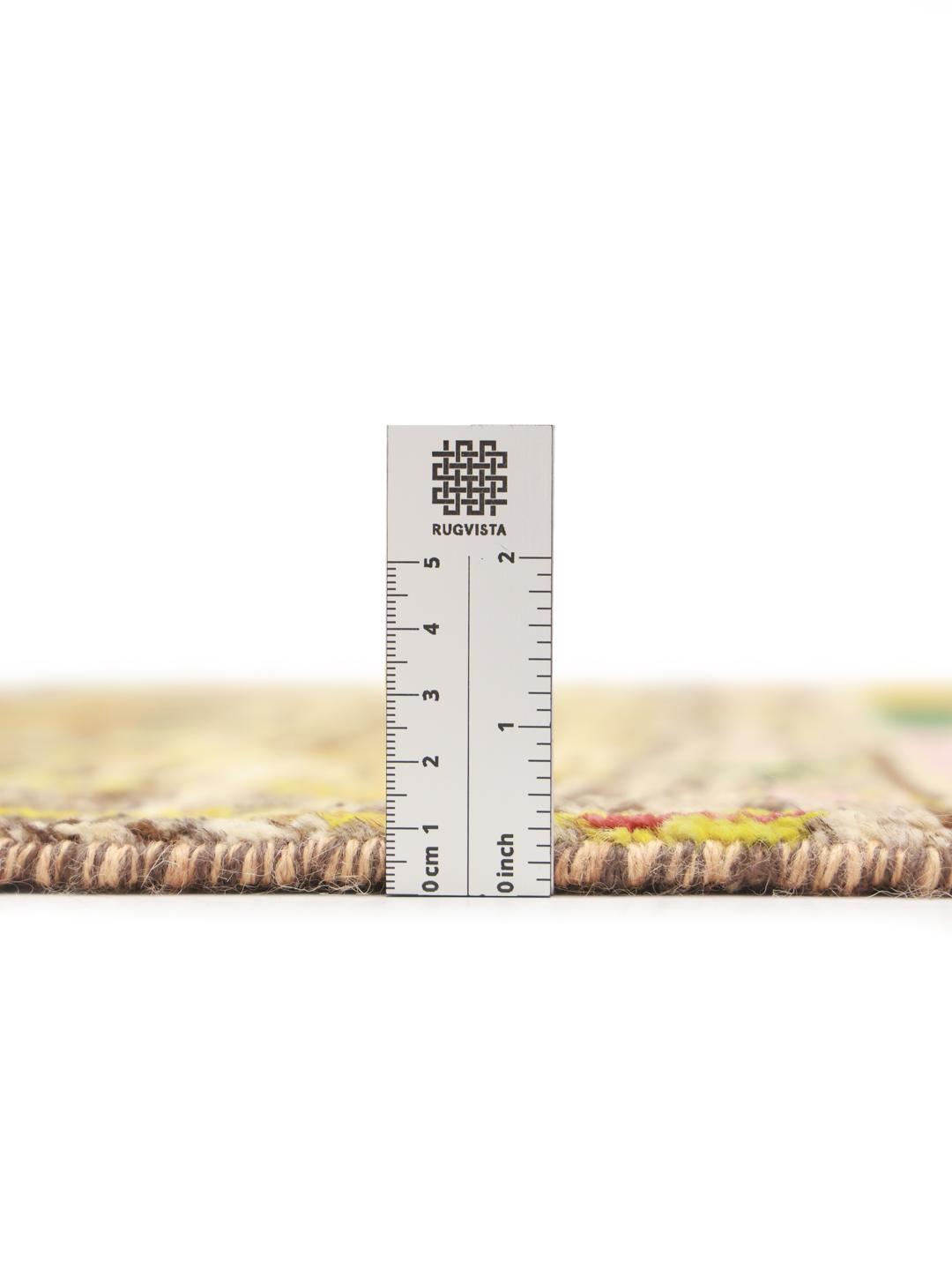
The term Berber in rug-making refers to a specific aesthetic language characterised by bold, often improvised geometric shapes and a high-pile construction. These rugs were traditionally woven for utility and warmth in harsh climates, which explains why they remain some of the most durable and functional textiles available today.
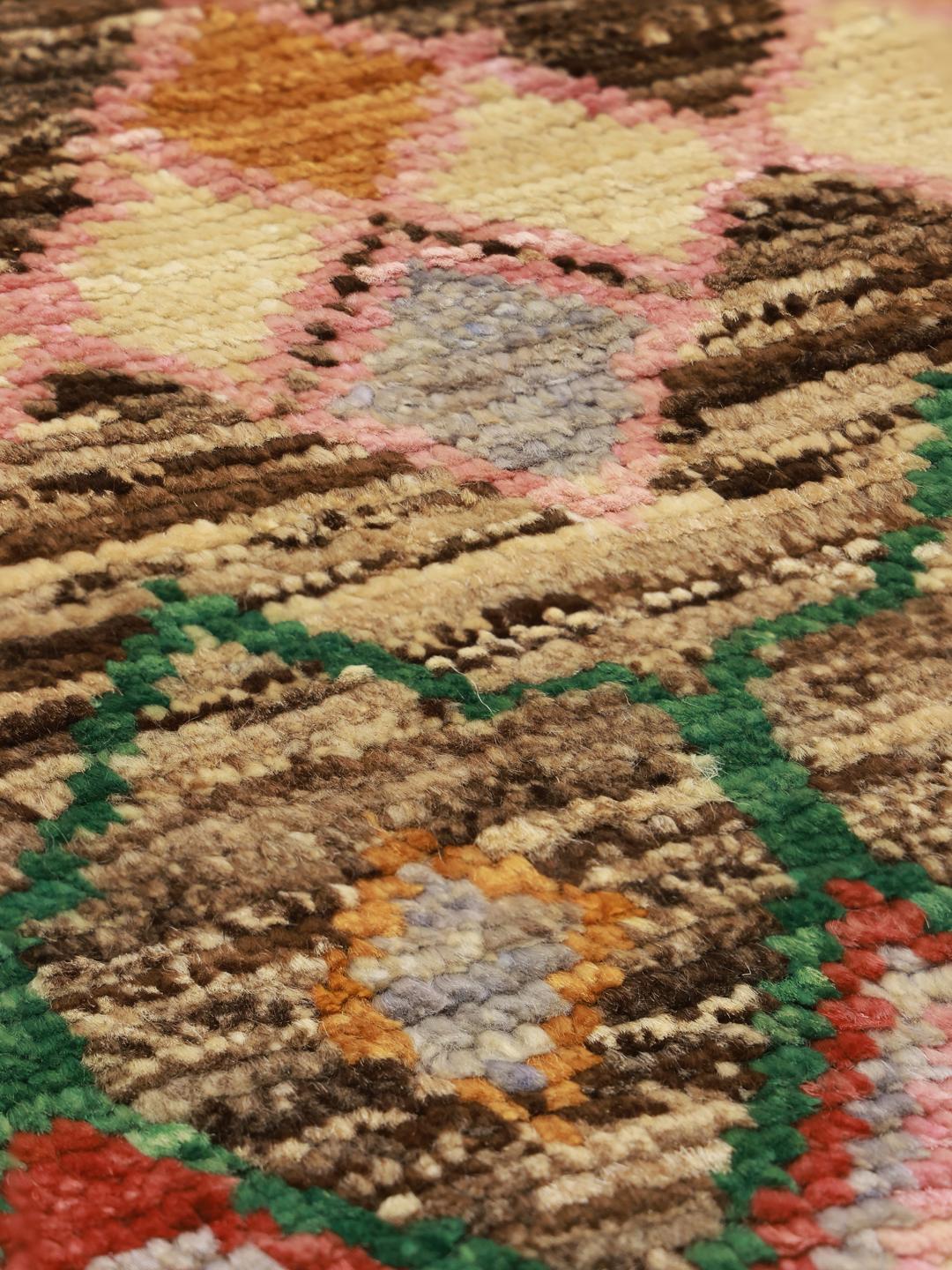
Signature design elements often include repeating diamond patterns, known as lozenges, and grid structures that symbolise protection and fertility within tribal lore. The use of vibrant, contrasting colours in this particular piece is a hallmark of the modern Berber style, which encourages creative expression and a departure from strictly traditional, muted palettes.
Owning an Afghan-made Berber rug is an investment in cultural continuity and individual skill. These pieces are highly valued by collectors and homeowners alike for their ability to bridge the gap between ancient craft techniques and contemporary interior design, offering a sense of history that is both grounded and strikingly modern.