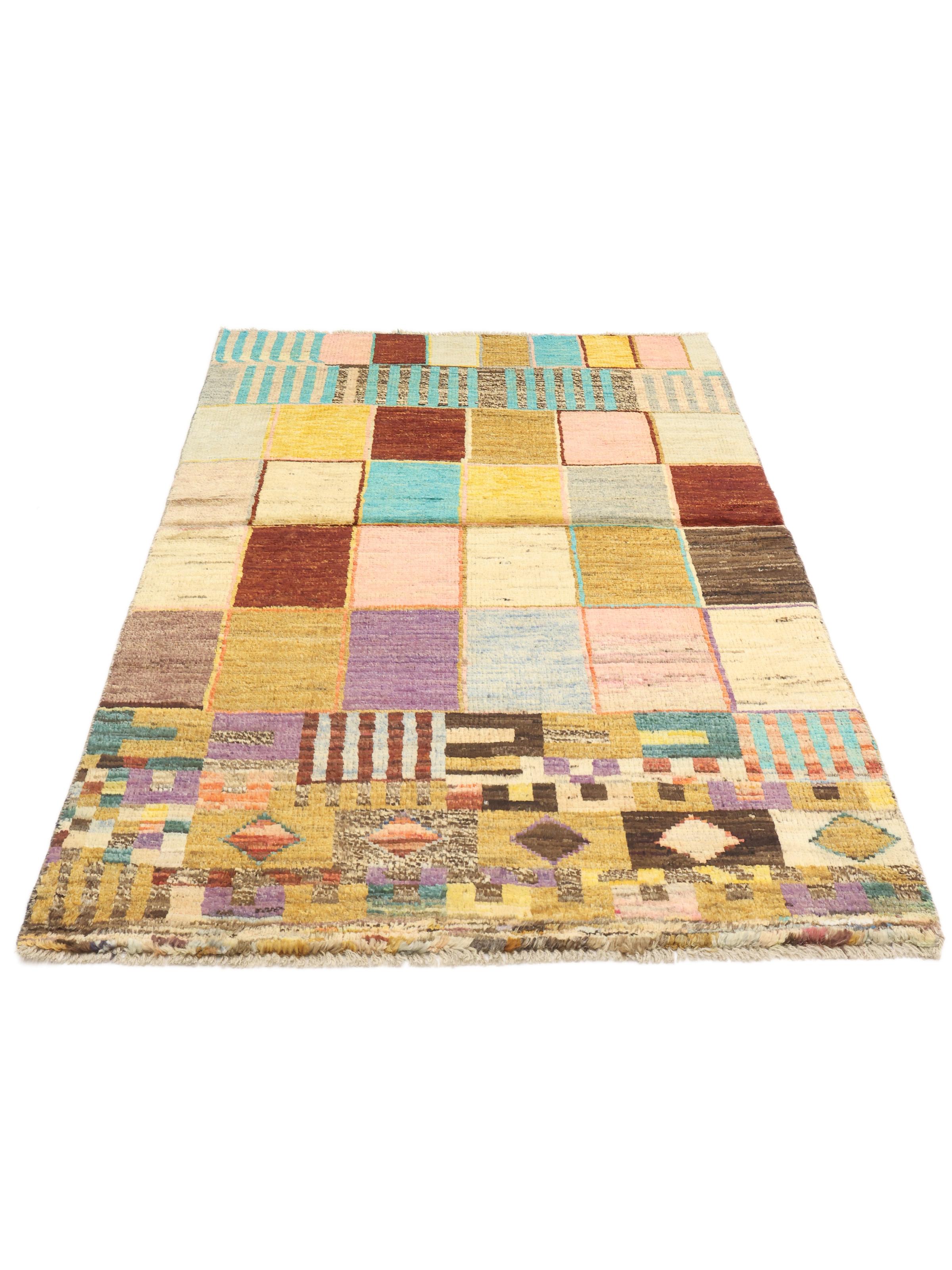
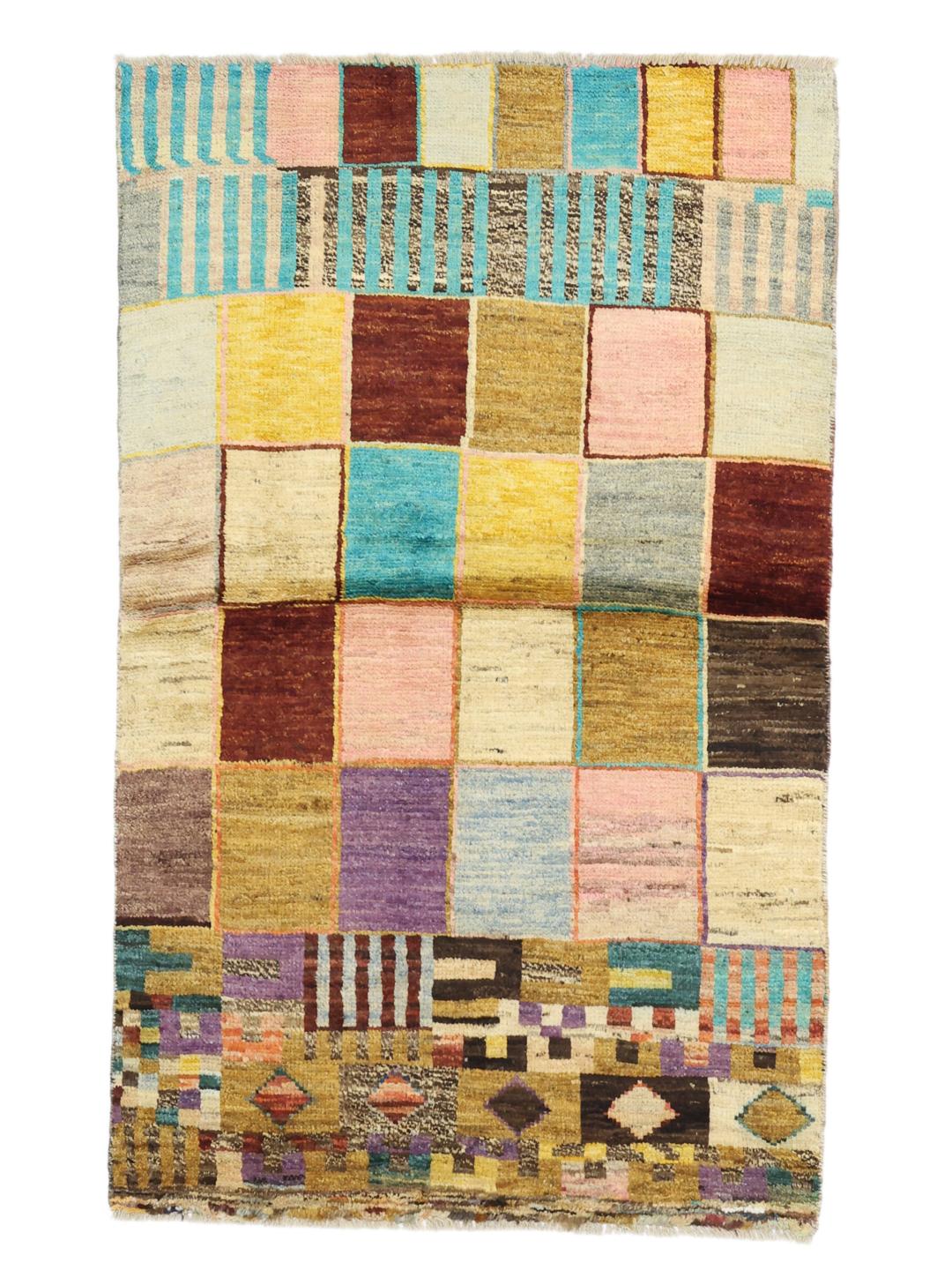
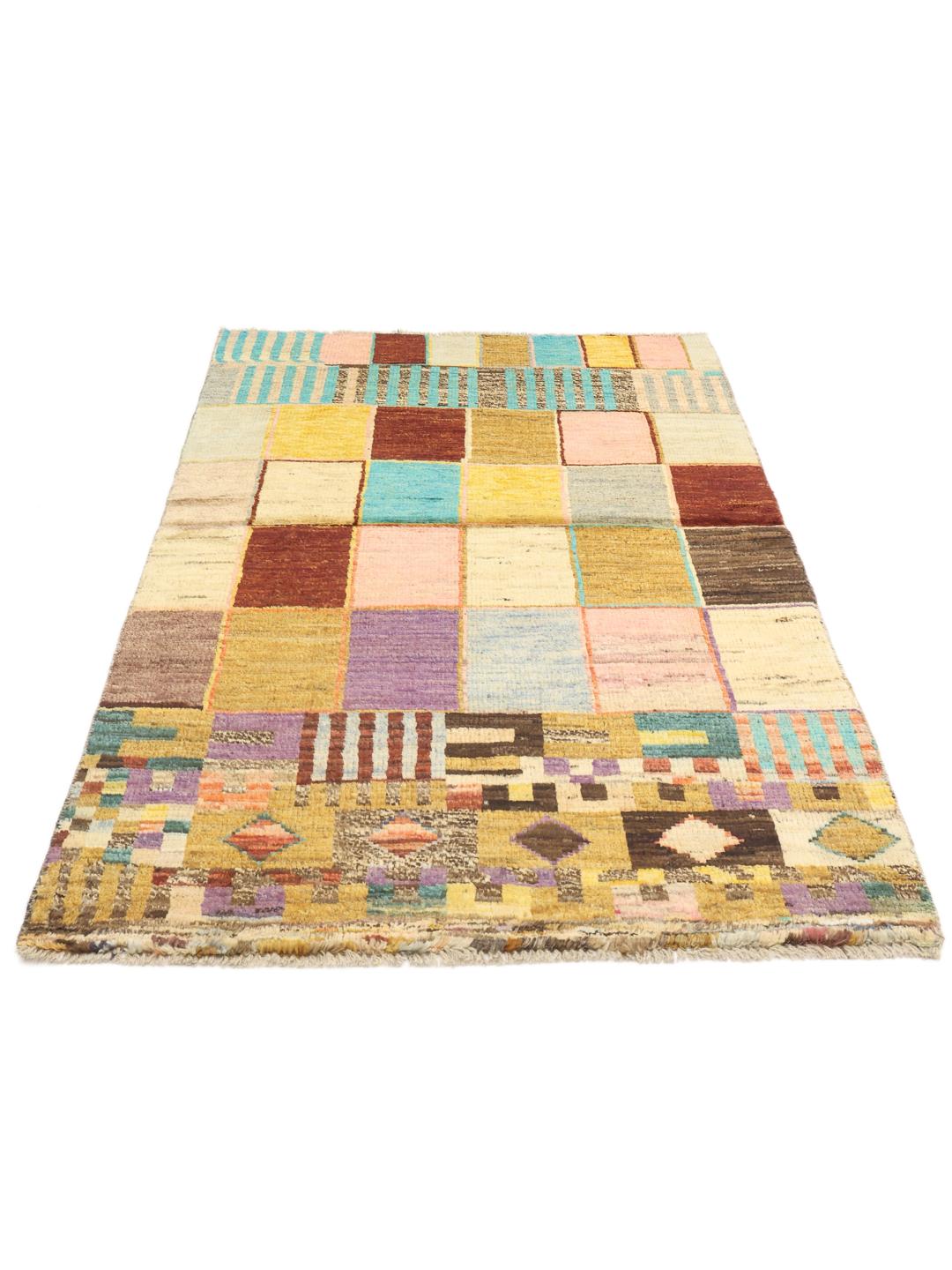
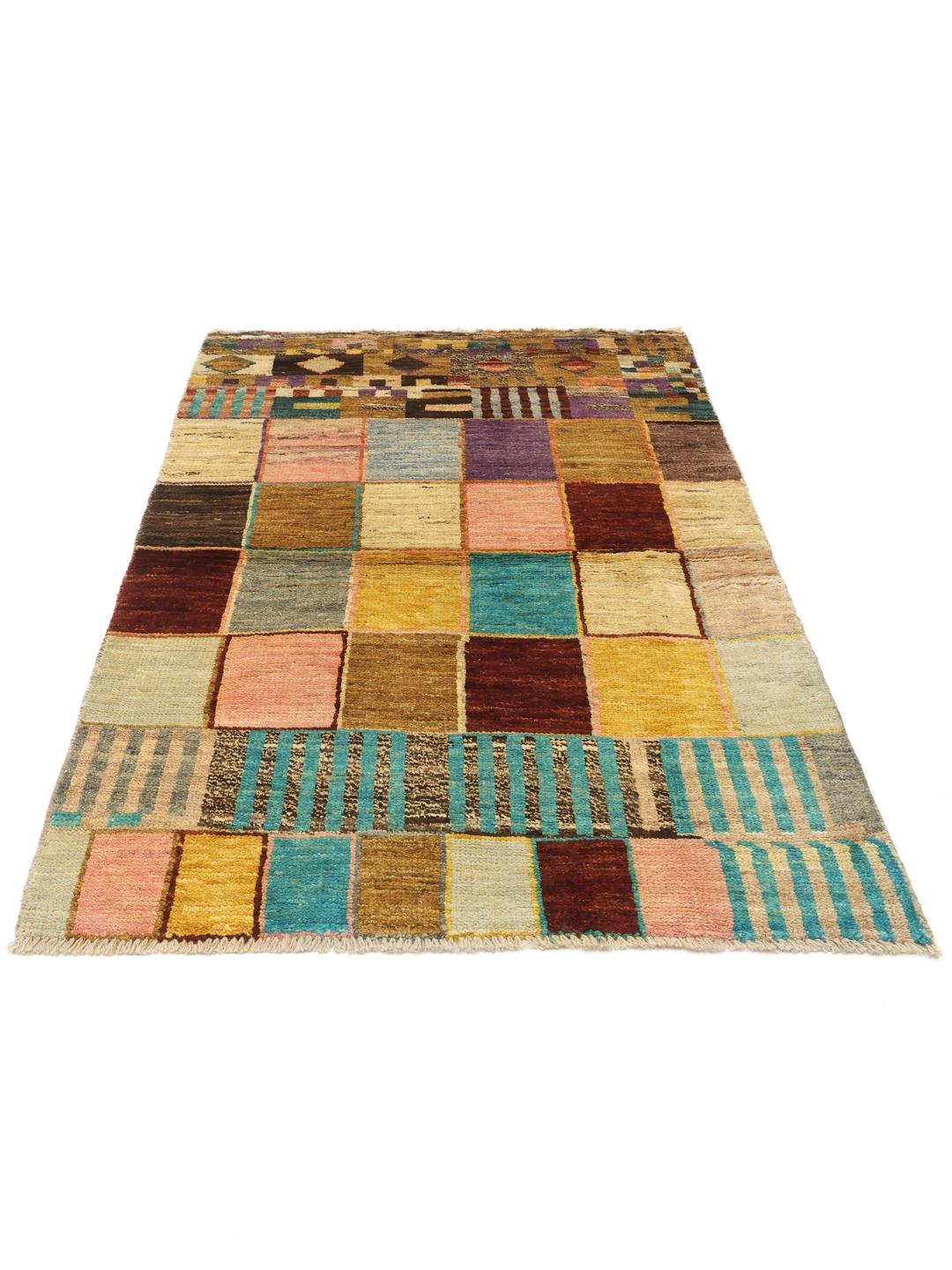
The Berber tradition is deeply rooted in the history of North Africa, though its influence has travelled across vast distances, finding a home in the weaving communities of Afghanistan. These rugs are historically celebrated for their expressive, often geometric patterns which serve as a visual language for the weaver's personal narrative and cultural heritage.
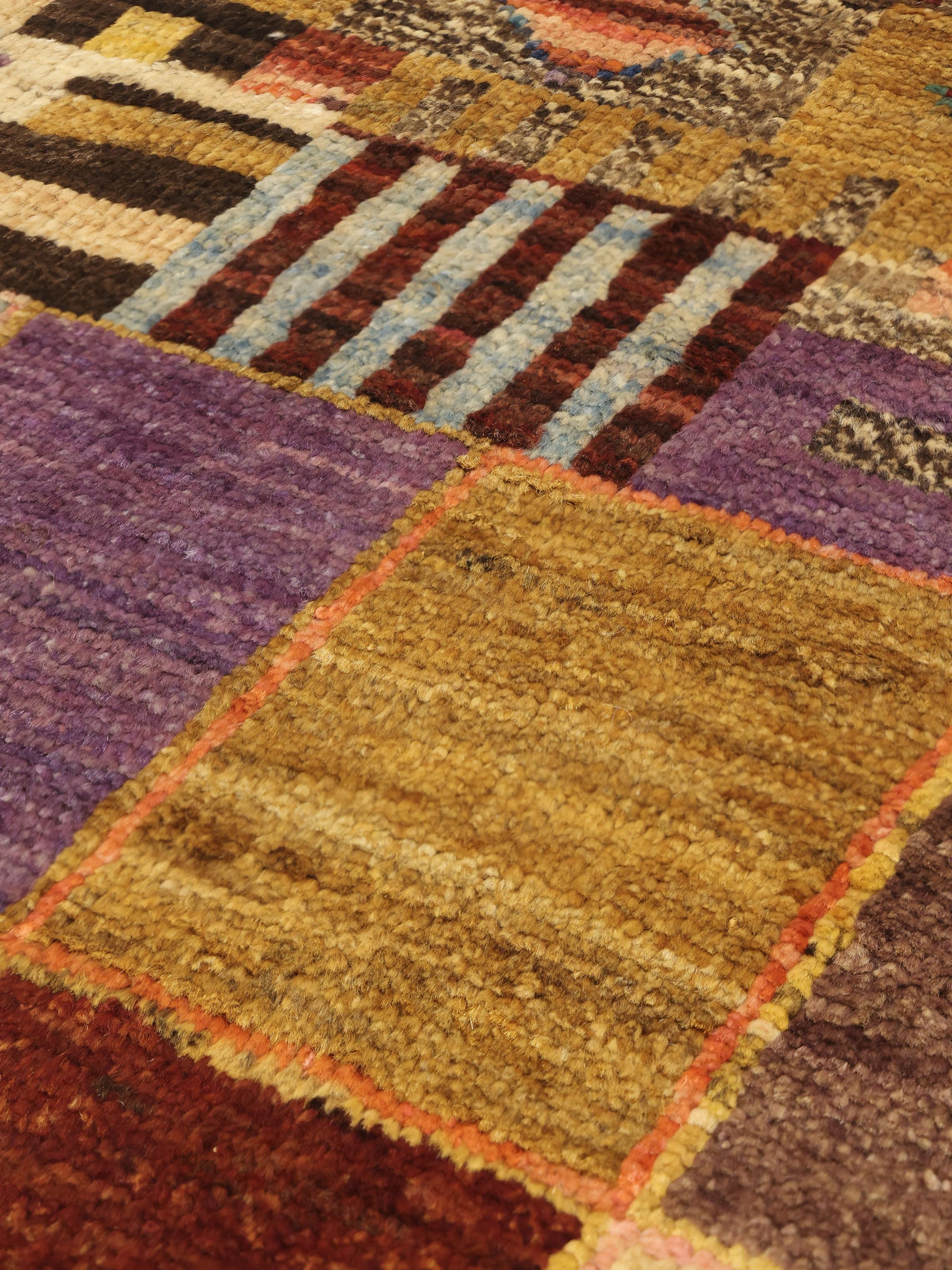
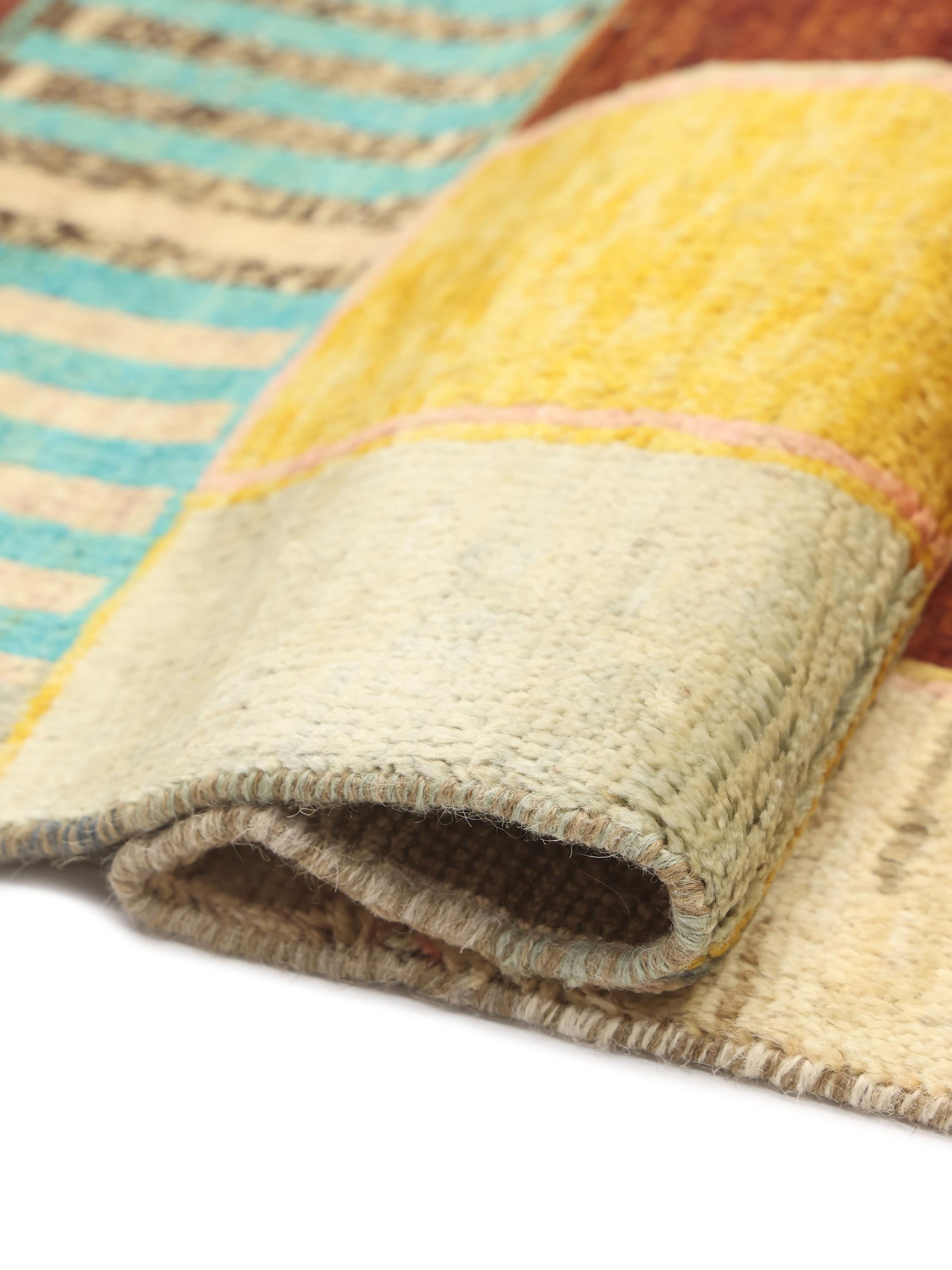
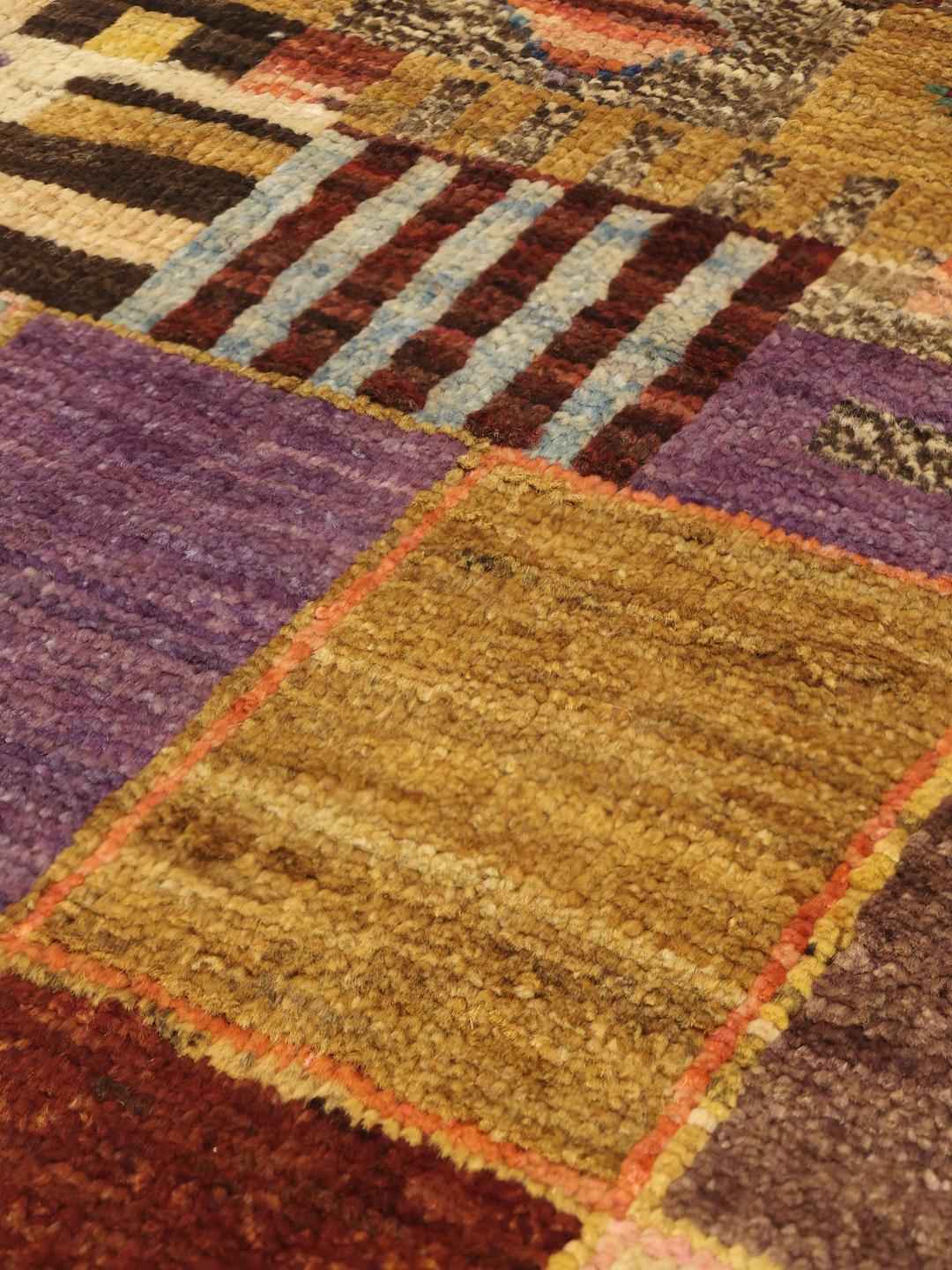
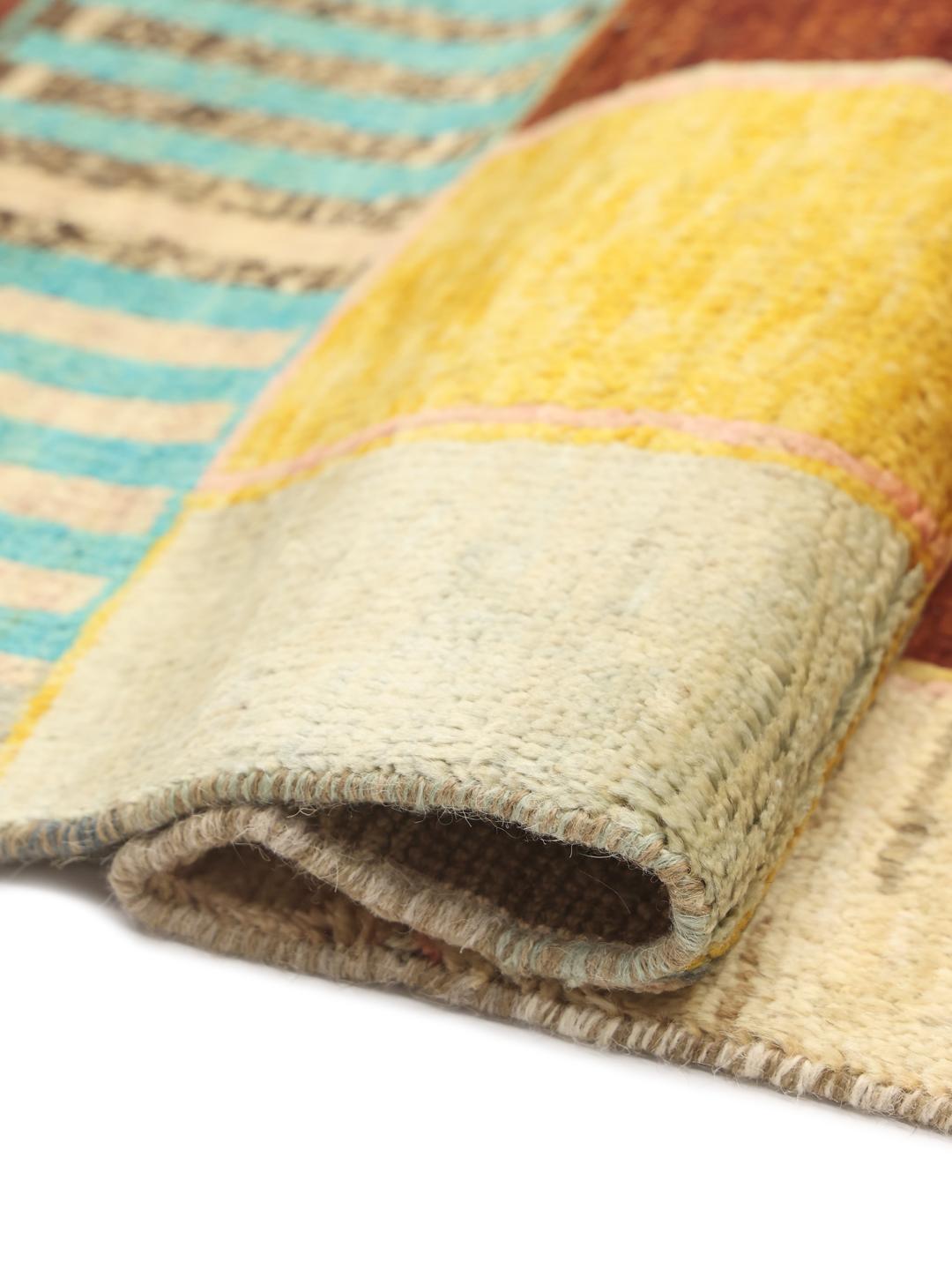
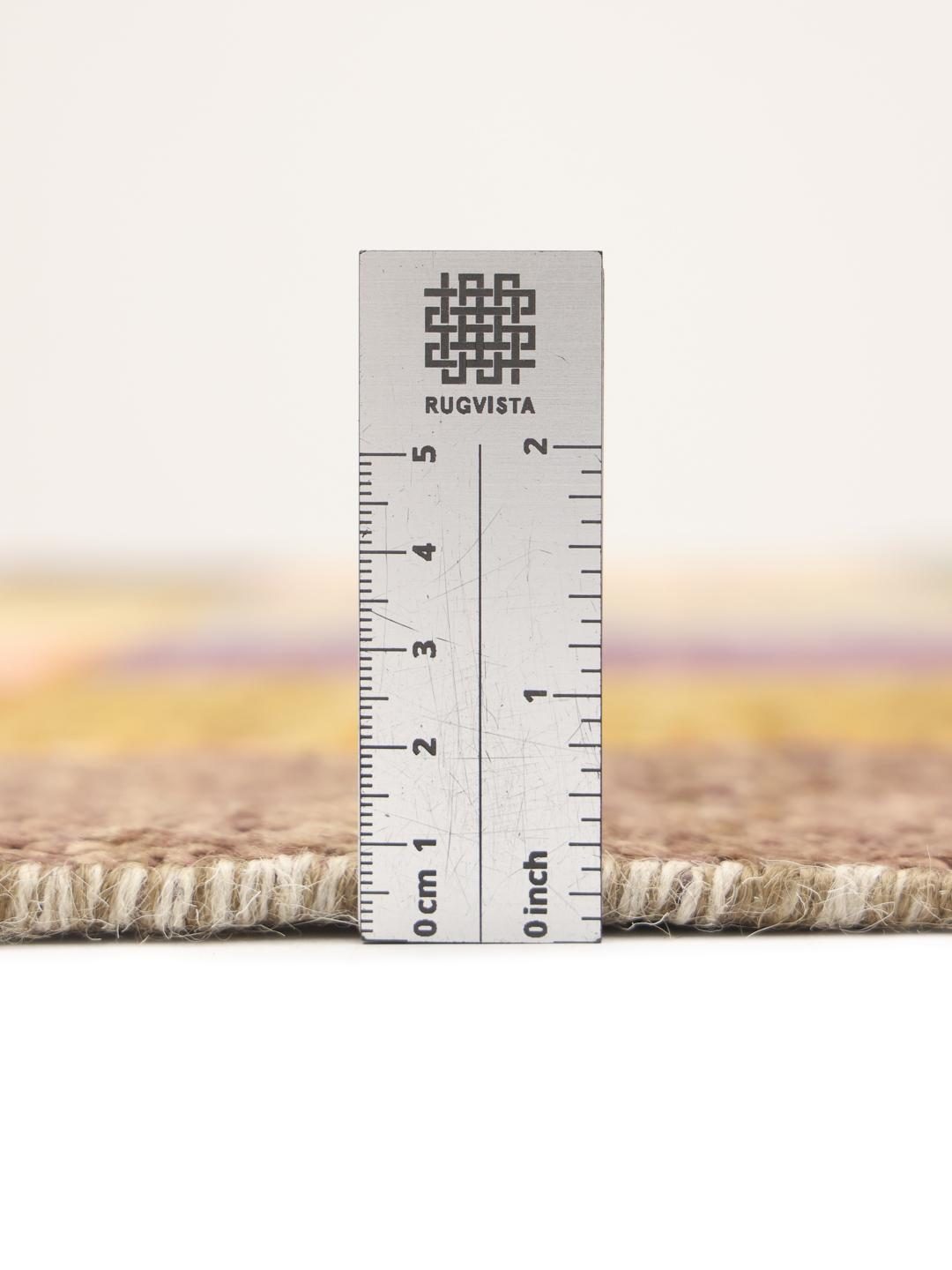
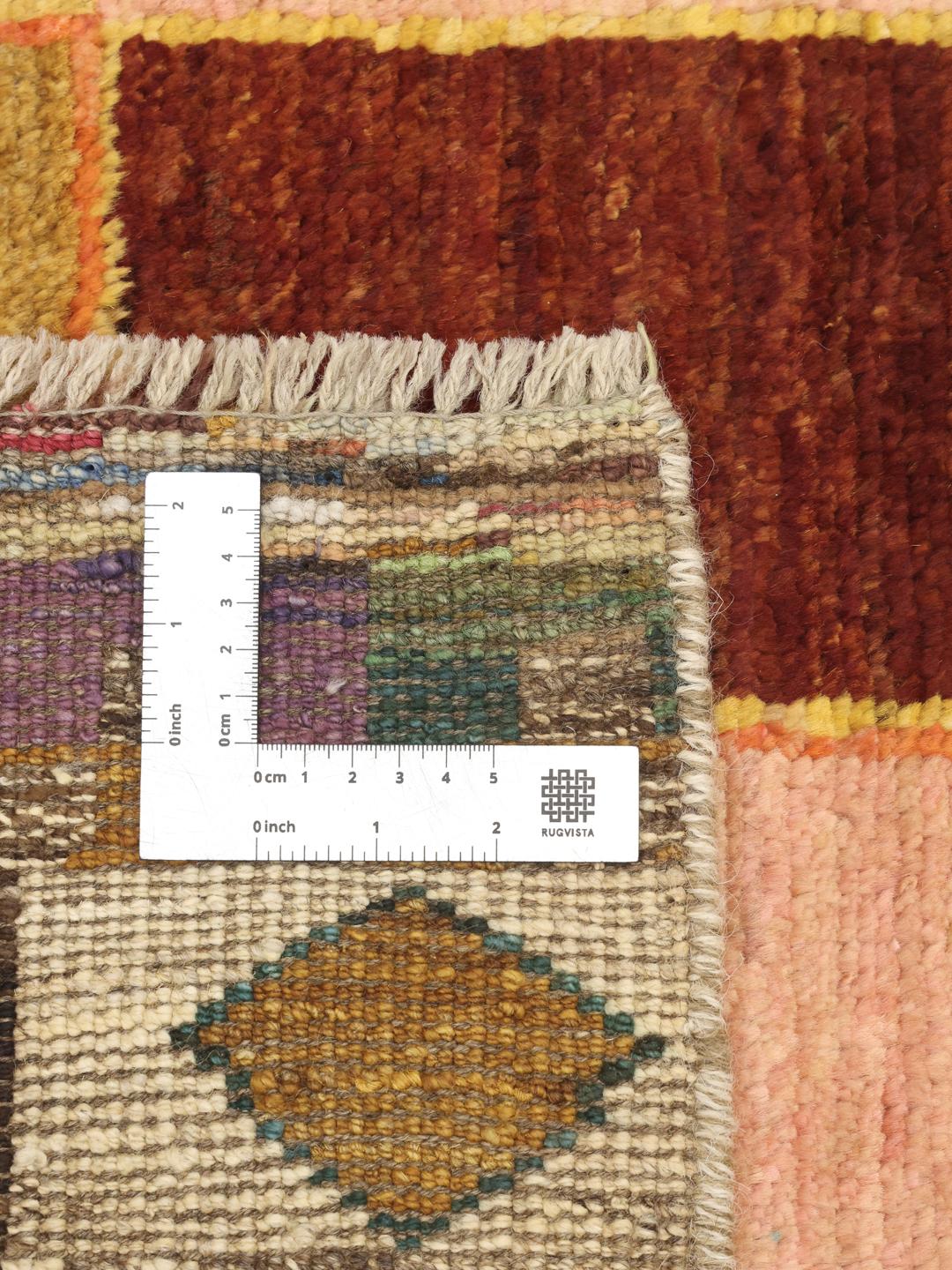
The term hand-knotted refers to the technique of tying individual strands of Wool onto the foundation, a method that is far more durable than mechanical alternatives. This construction allows for a denser, more lustrous pile that naturally resists wear and tear, ensuring the rug remains a beautiful feature in your home for years to come.
Signature design elements often include bold, abstract shapes and a vibrant use of colour, which set these rugs apart from more formal, symmetric styles. This particular piece embraces a patchwork aesthetic, which is a modern evolution of traditional tribal weaving, blending historical motifs with a contemporary, eclectic sensibility.
Collectors value these rugs not only for their aesthetic appeal but for the immense skill required to produce them. Owning a piece from this tradition is an investment in cultural heritage, representing a bridge between ancient craftsmanship and the needs of a modern, stylish home.