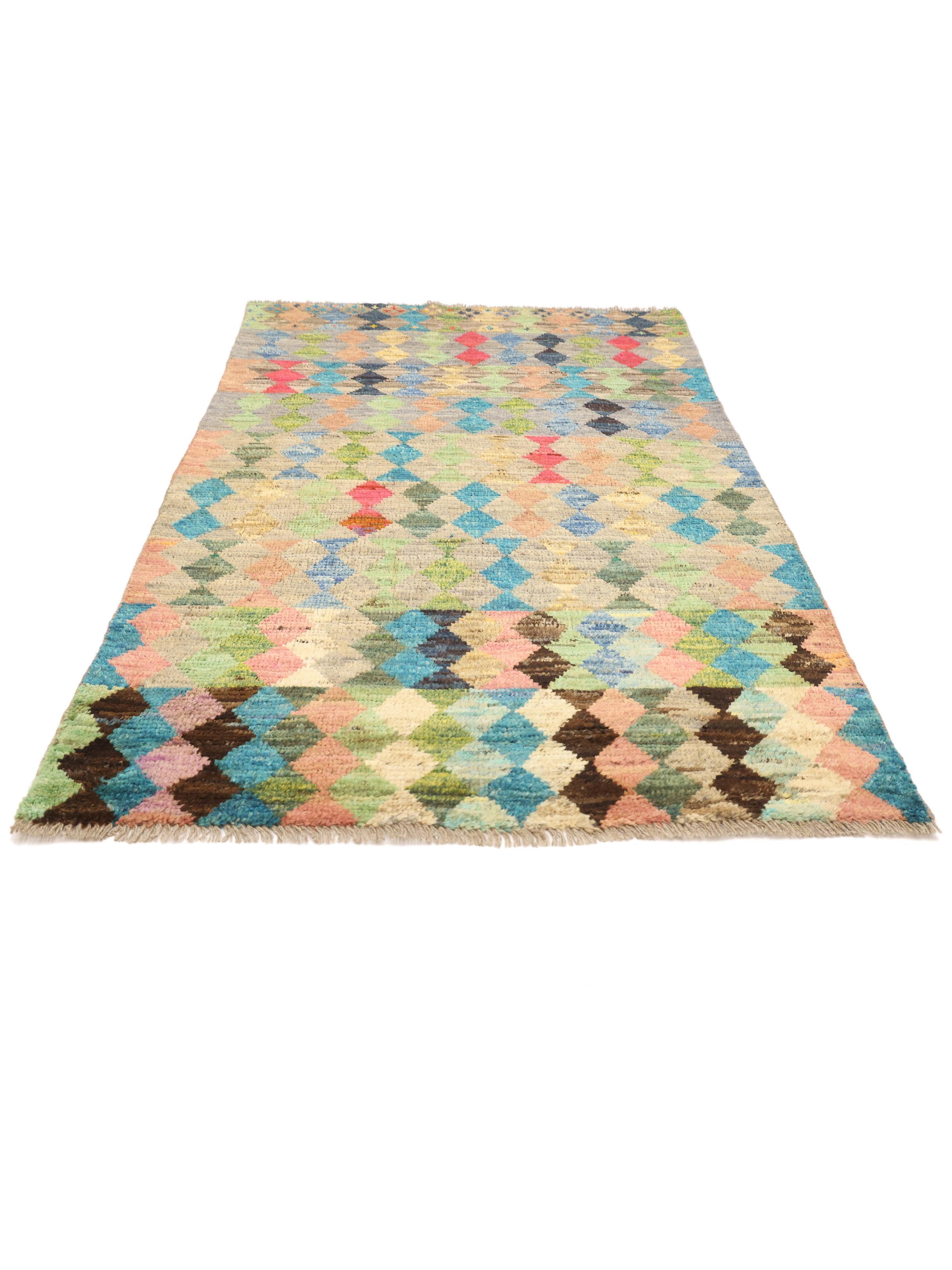
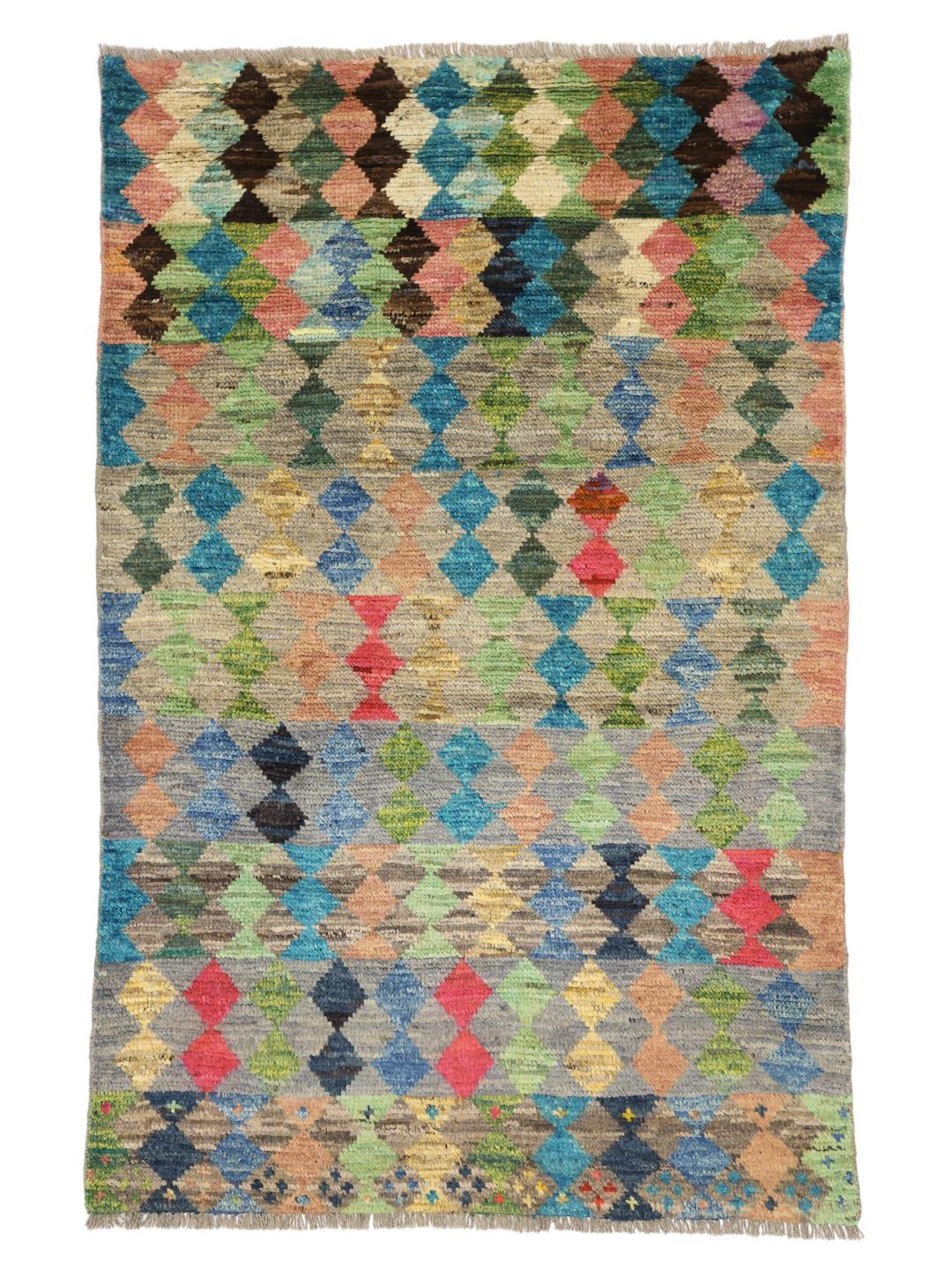
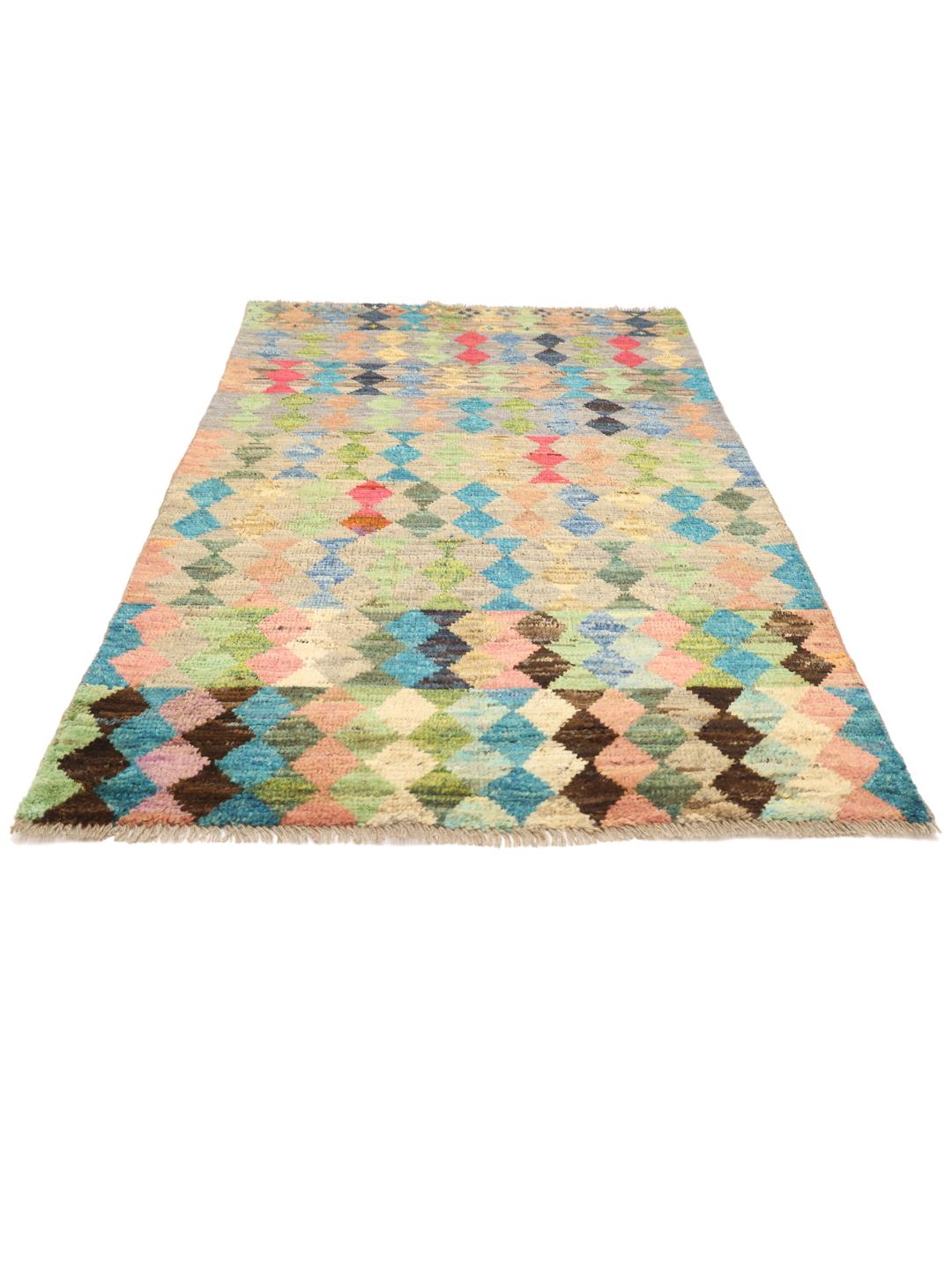
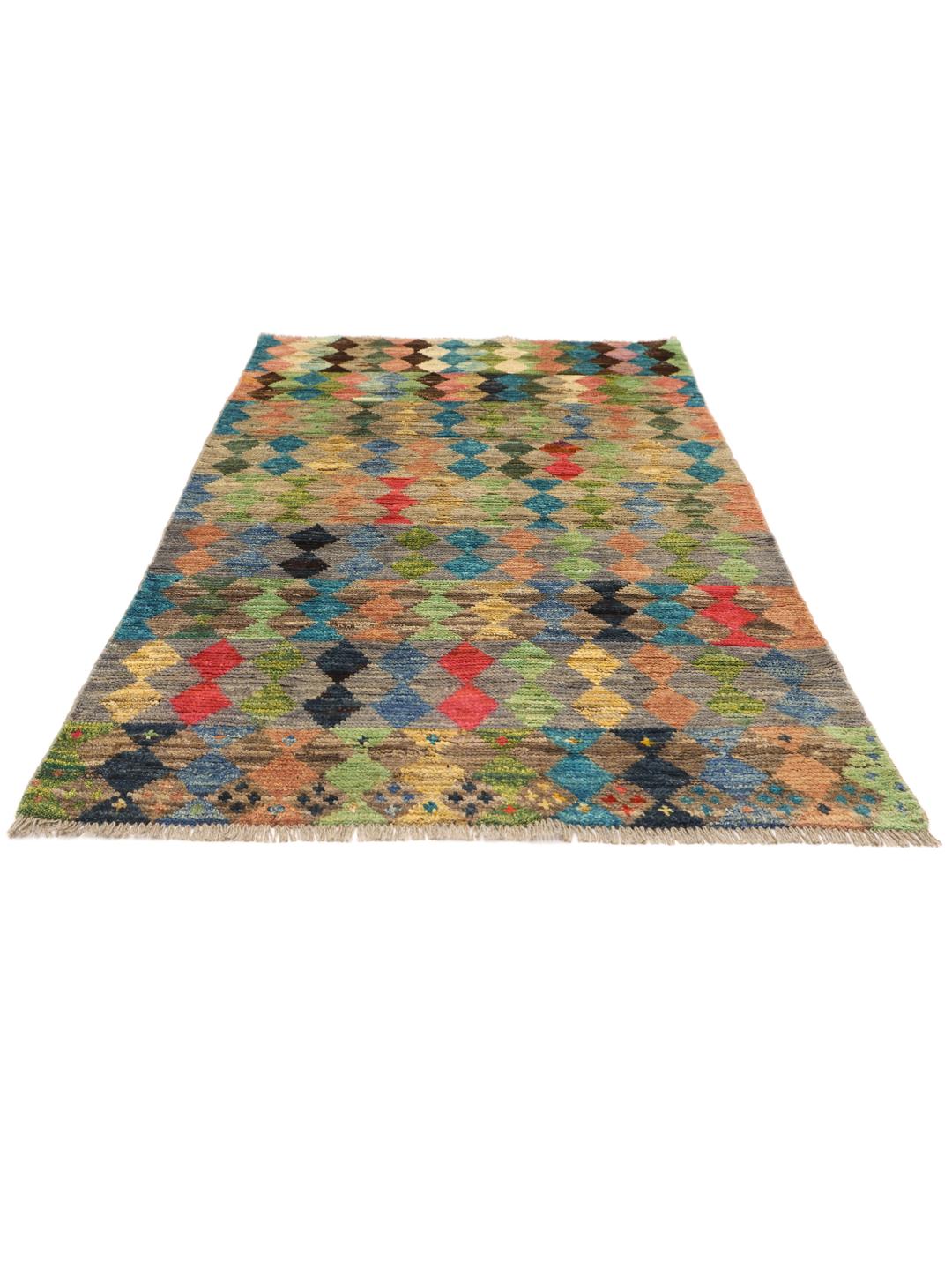
Berber-style rugs are deeply rooted in the nomadic weaving traditions of the Middle East and Central Asia. Originally created for practical use in harsh climates, these rugs were designed to provide essential warmth and insulation, reflecting a long history of craft that values both utility and aesthetic expression.
The term 'Berber' originally referred to the tribal peoples of North Africa, but the style has evolved significantly over time. Today, Afghan weavers have embraced these traditional geometric patterns, infusing them with their own regional techniques and colour palettes to create rugs that bridge ancient heritage with contemporary interior preferences.
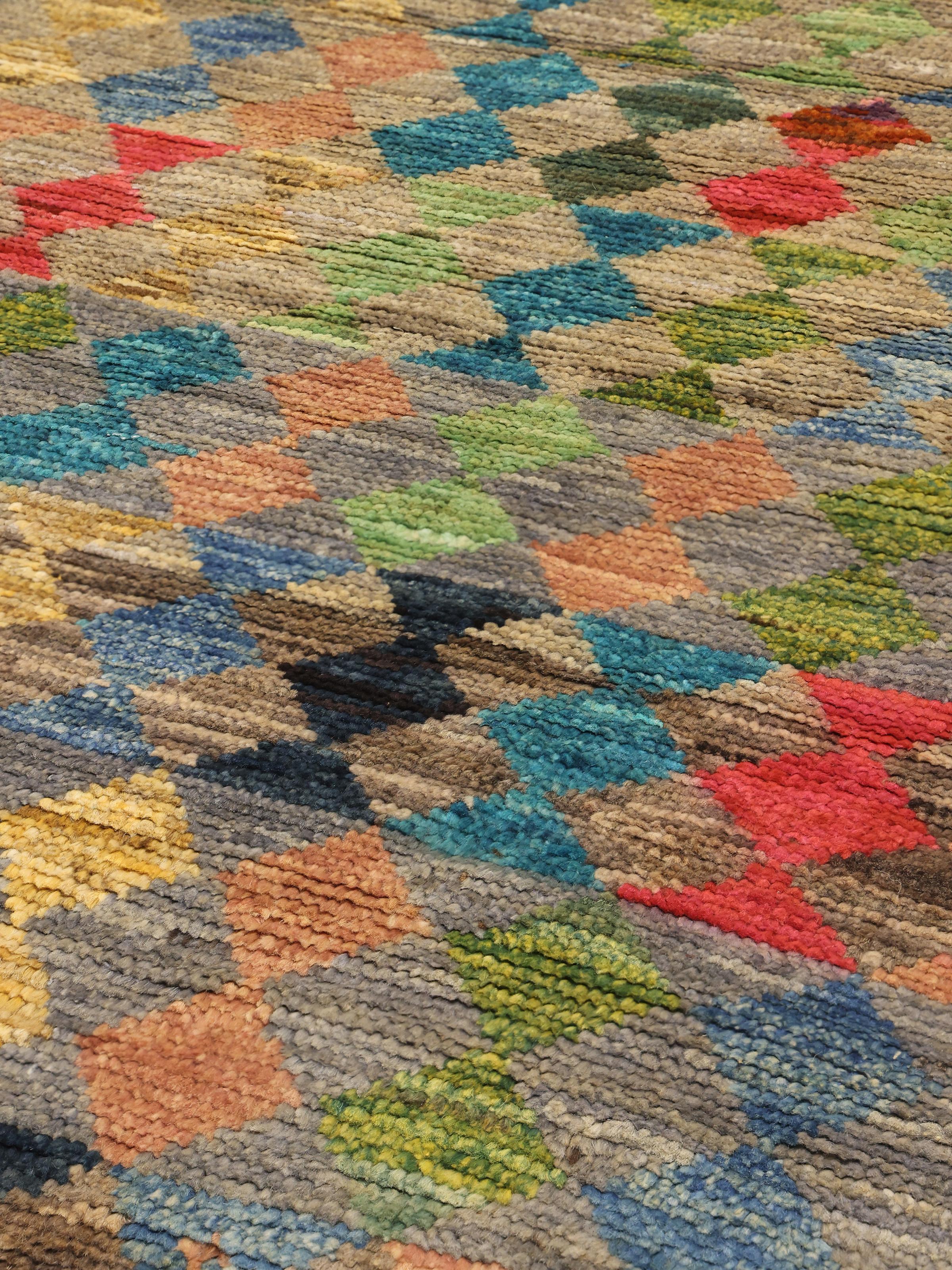
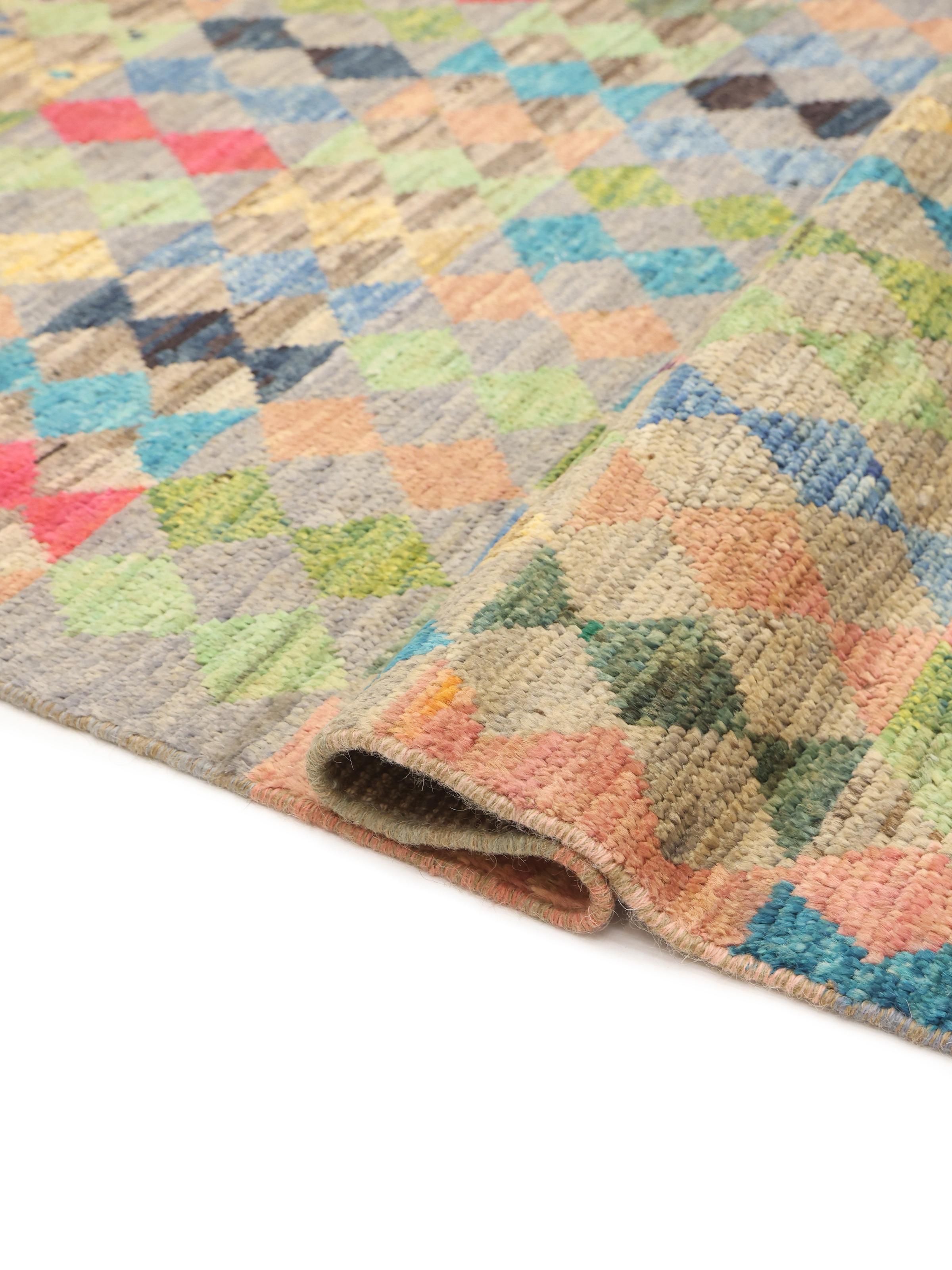
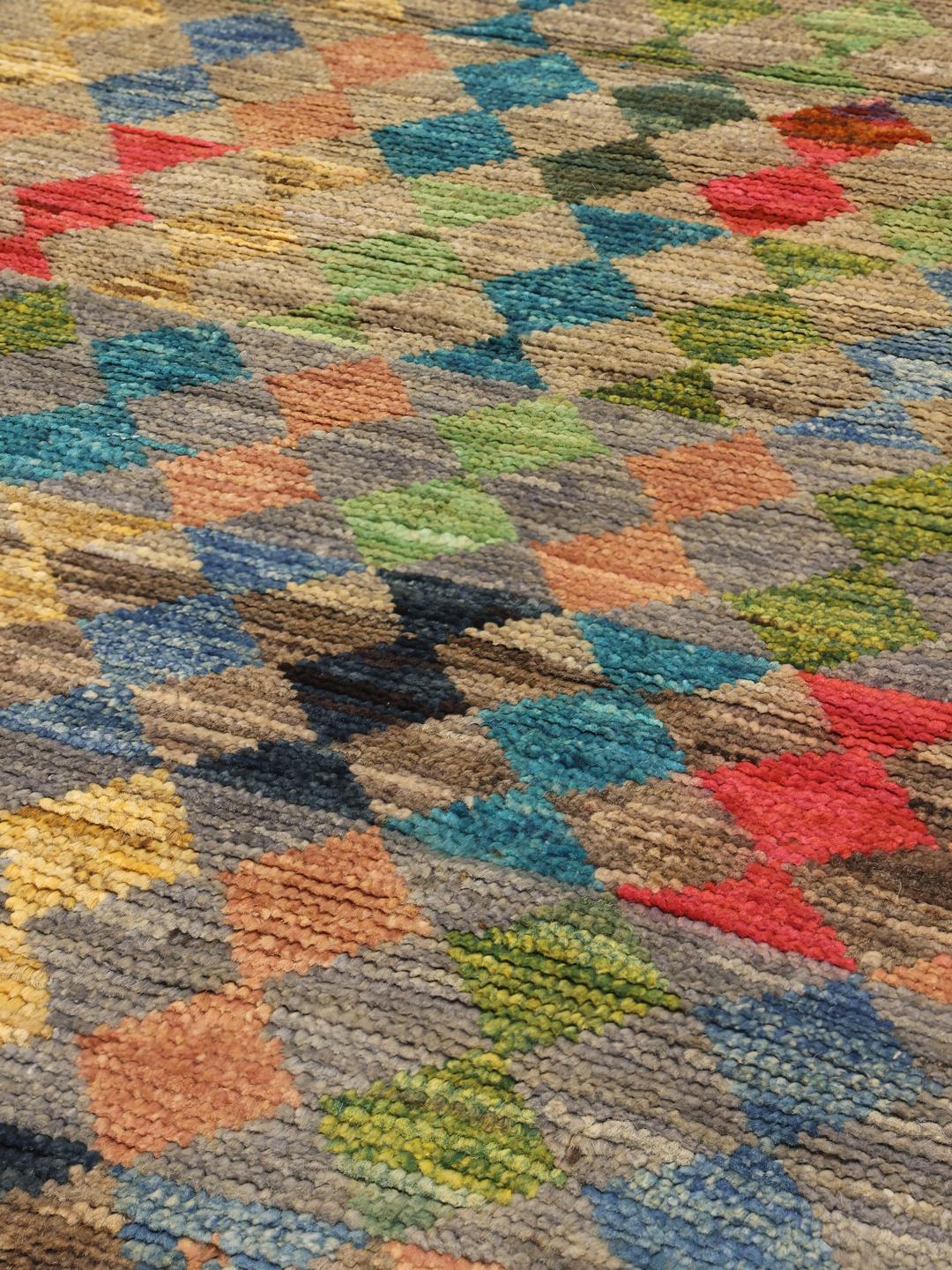
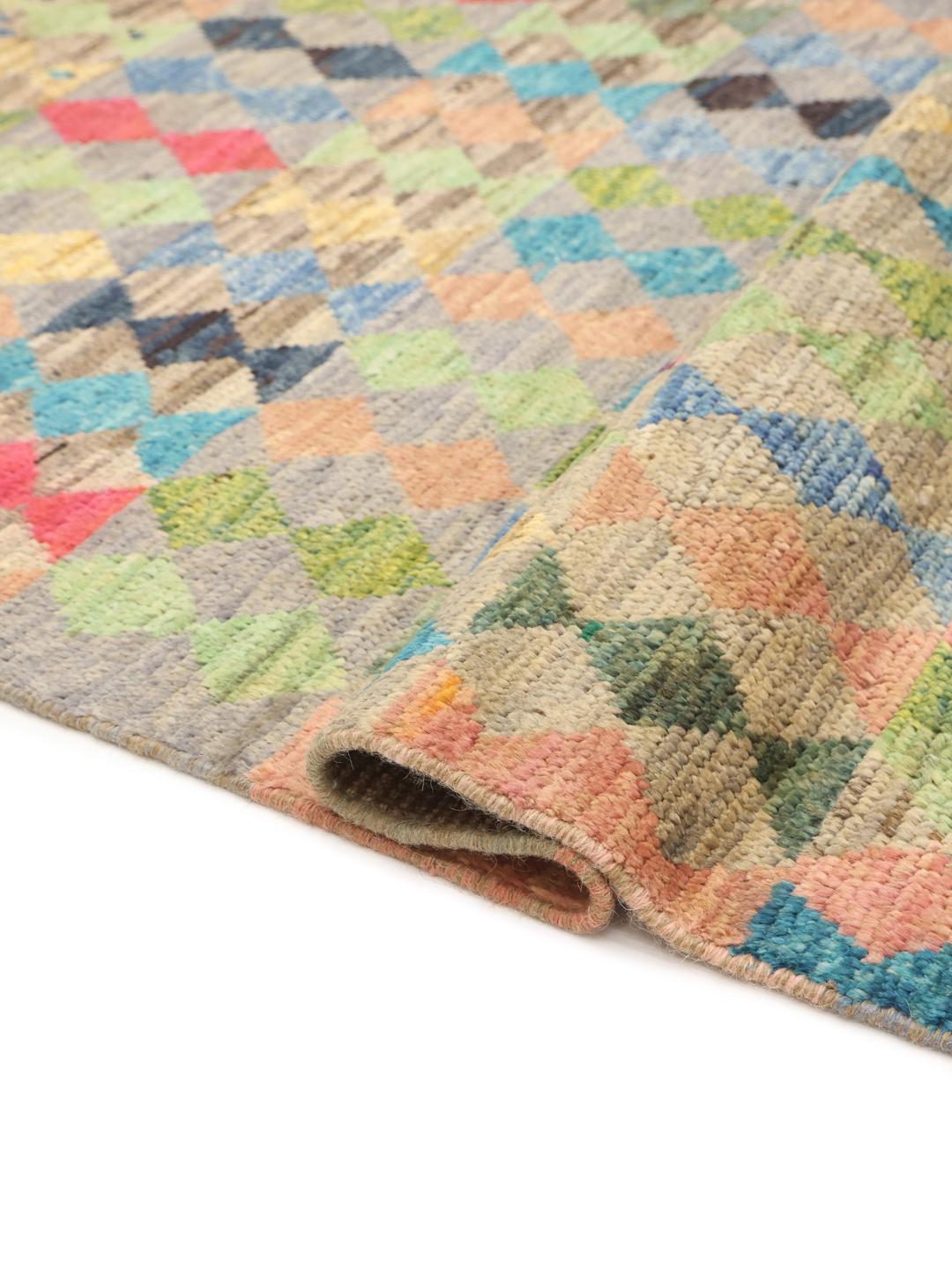
The signature design elements of these pieces typically revolve around bold, repeating geometric shapes like diamonds, triangles, and lozenges. These motifs are often symbolic, passed down through generations, and are frequently arranged in simple, rhythmic grids that allow for a wide range of creative colour combinations.
Owning a hand-knotted rug from this tradition is an investment in human skill and cultural continuity. These pieces are highly valued by collectors for their authenticity and the way they tell a story of regional craft, ensuring that the ancient tradition of hand-weaving remains a vibrant part of the modern home.