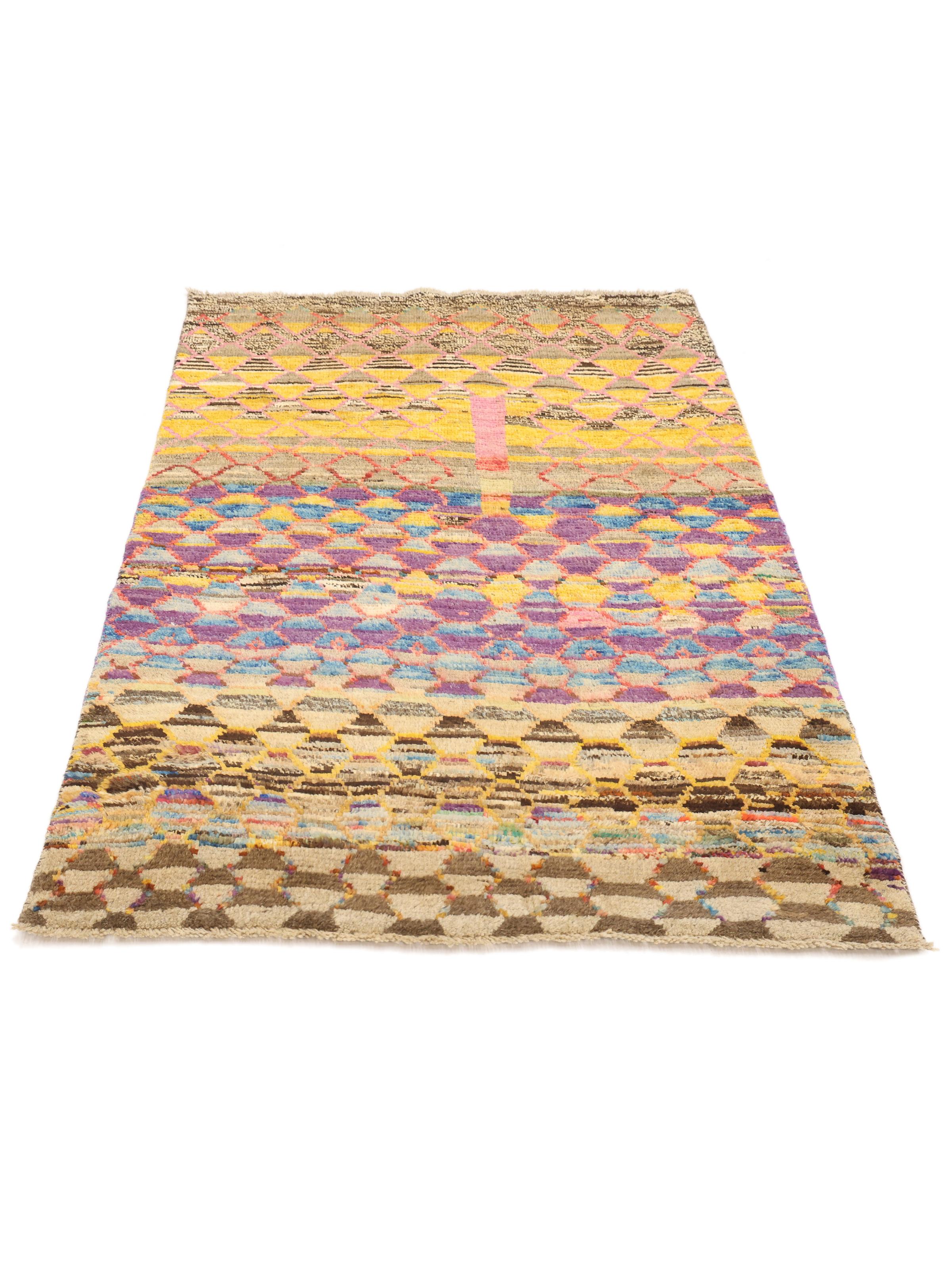
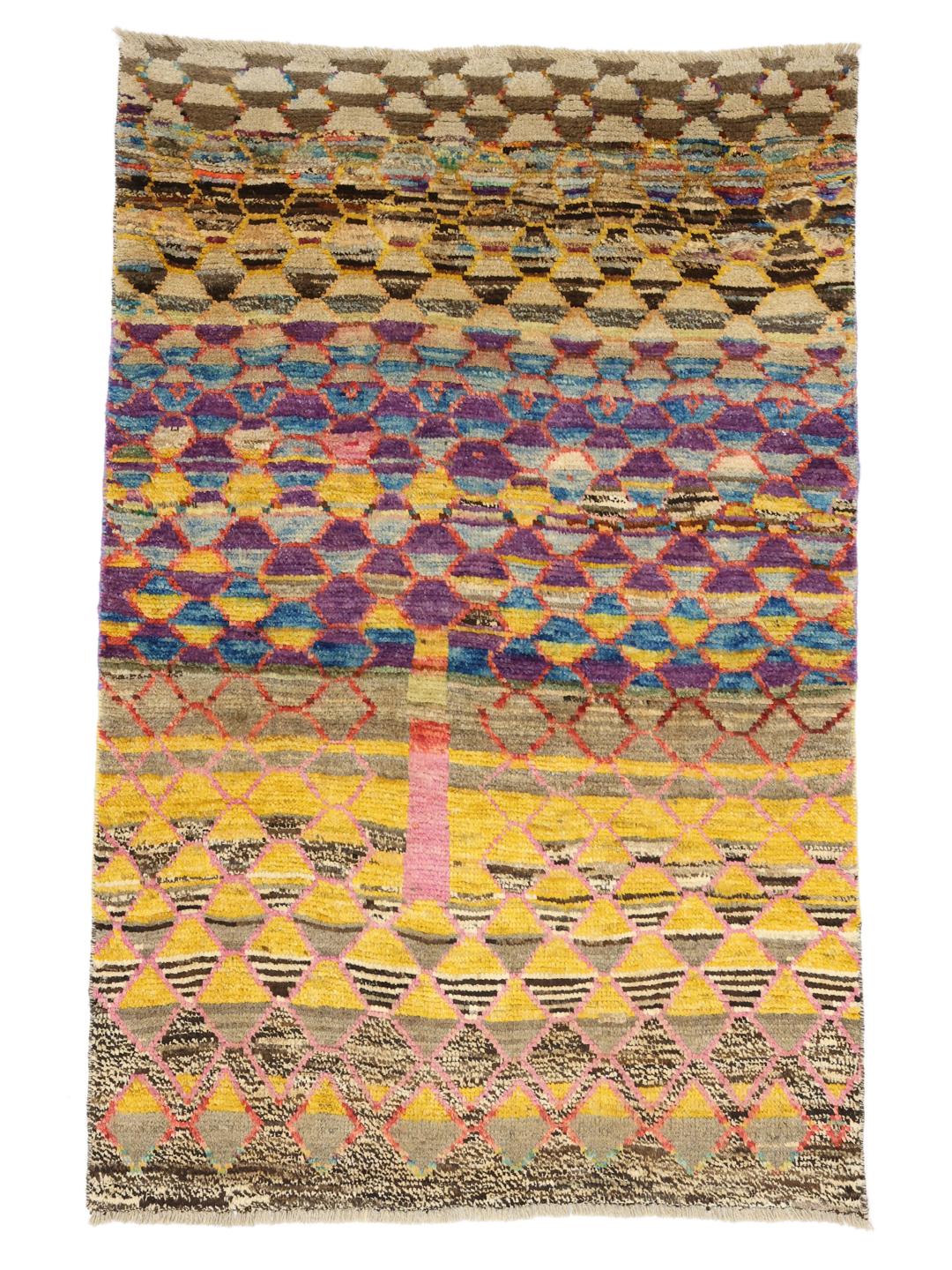
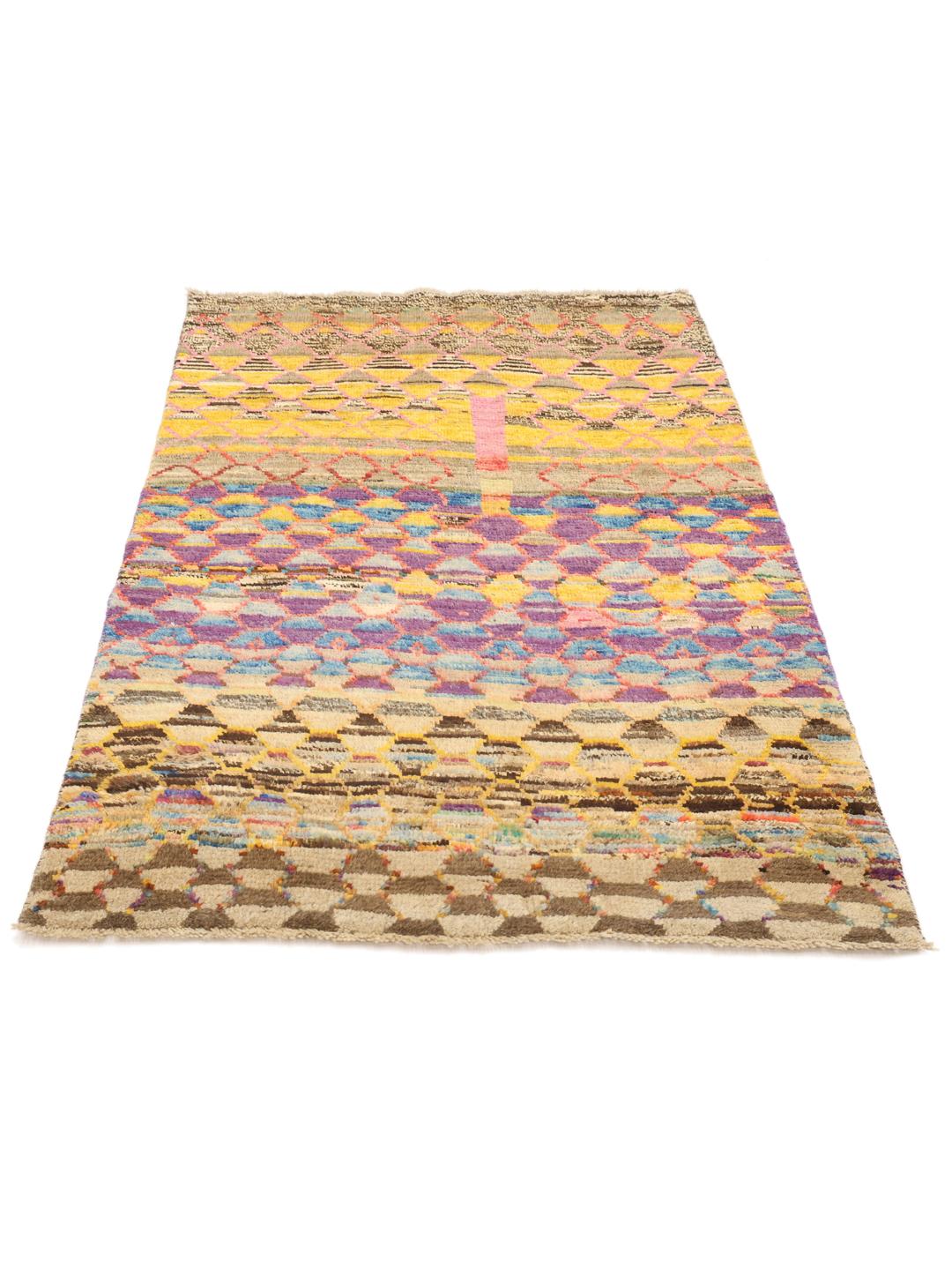
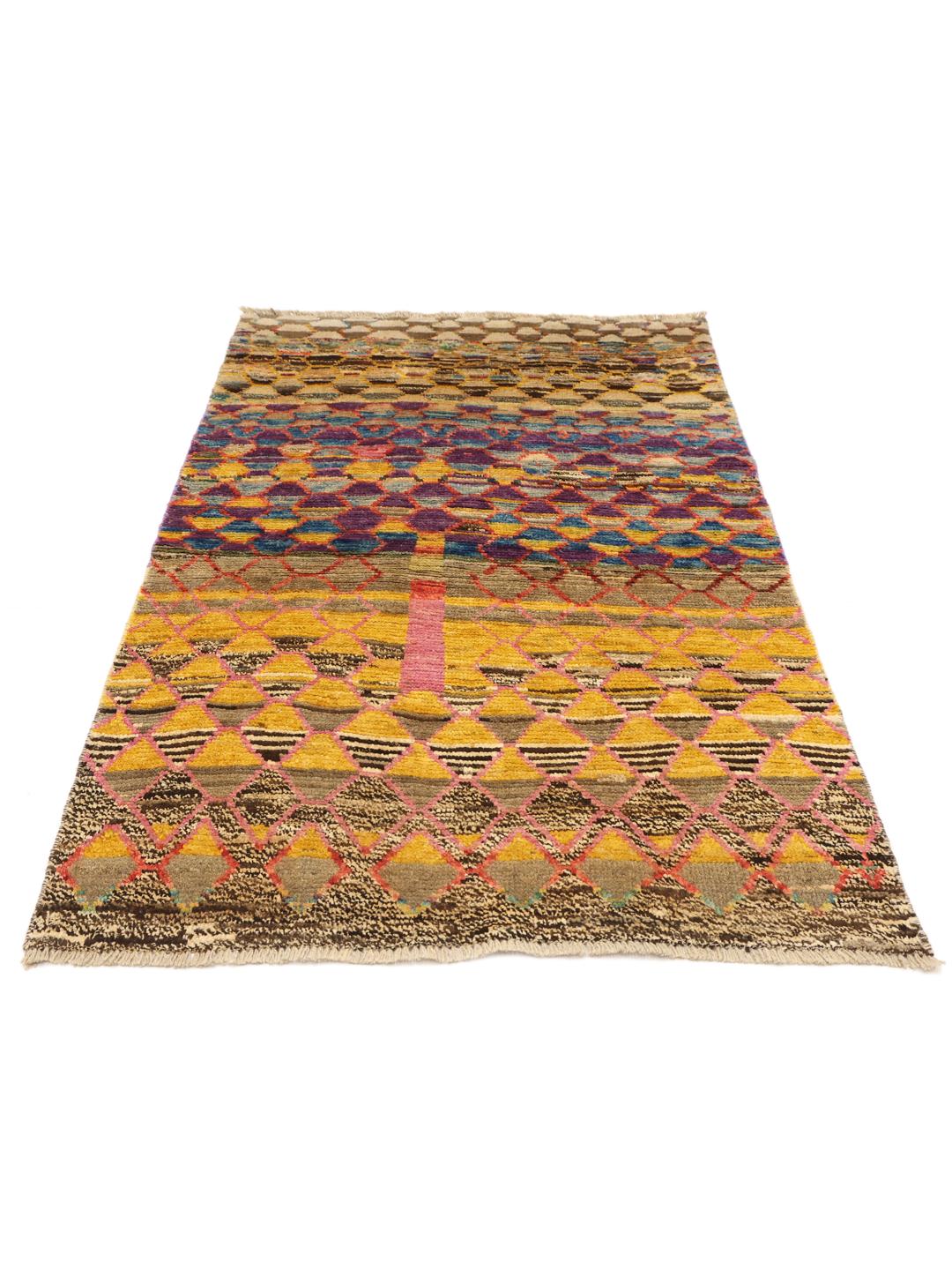
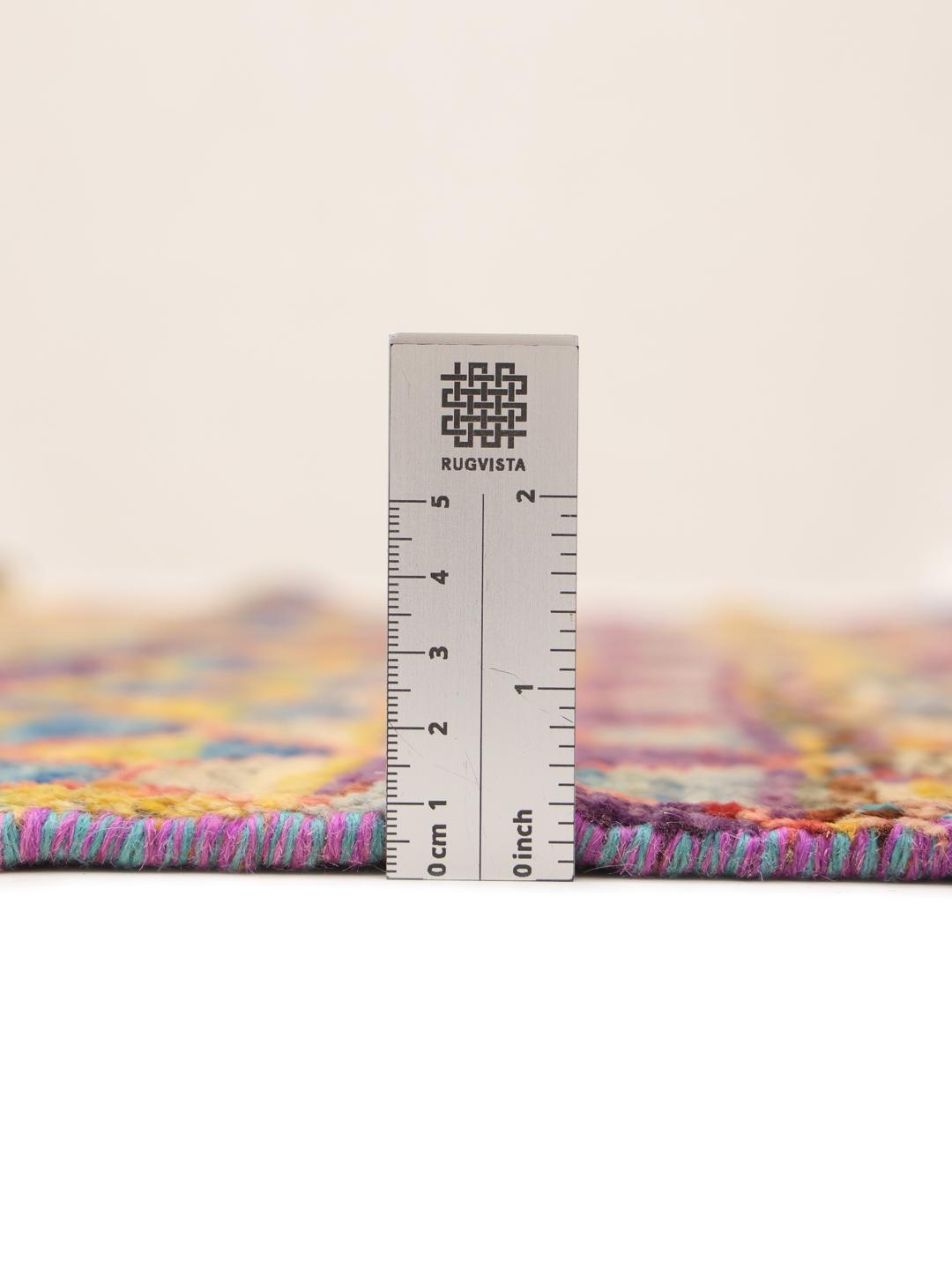
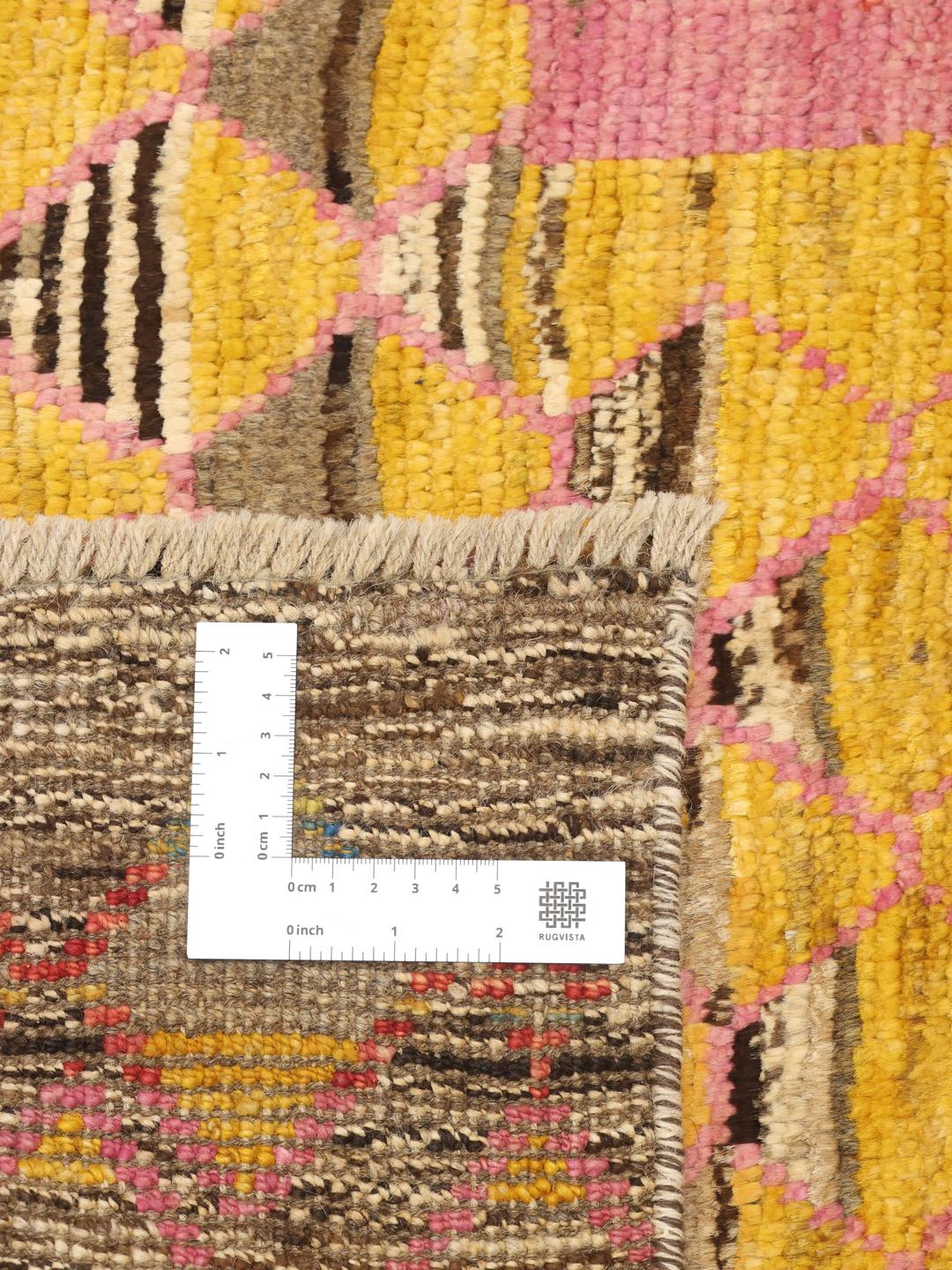
The Berber tradition is deeply rooted in the history of nomadic tribes across Northern Africa, where these rugs were originally crafted for warmth and practical use within tents. Over time, these weaving techniques migrated and were adopted by artisans in other regions, including Afghanistan, where they have been adapted to incorporate local materials and distinct artistic sensibilities.
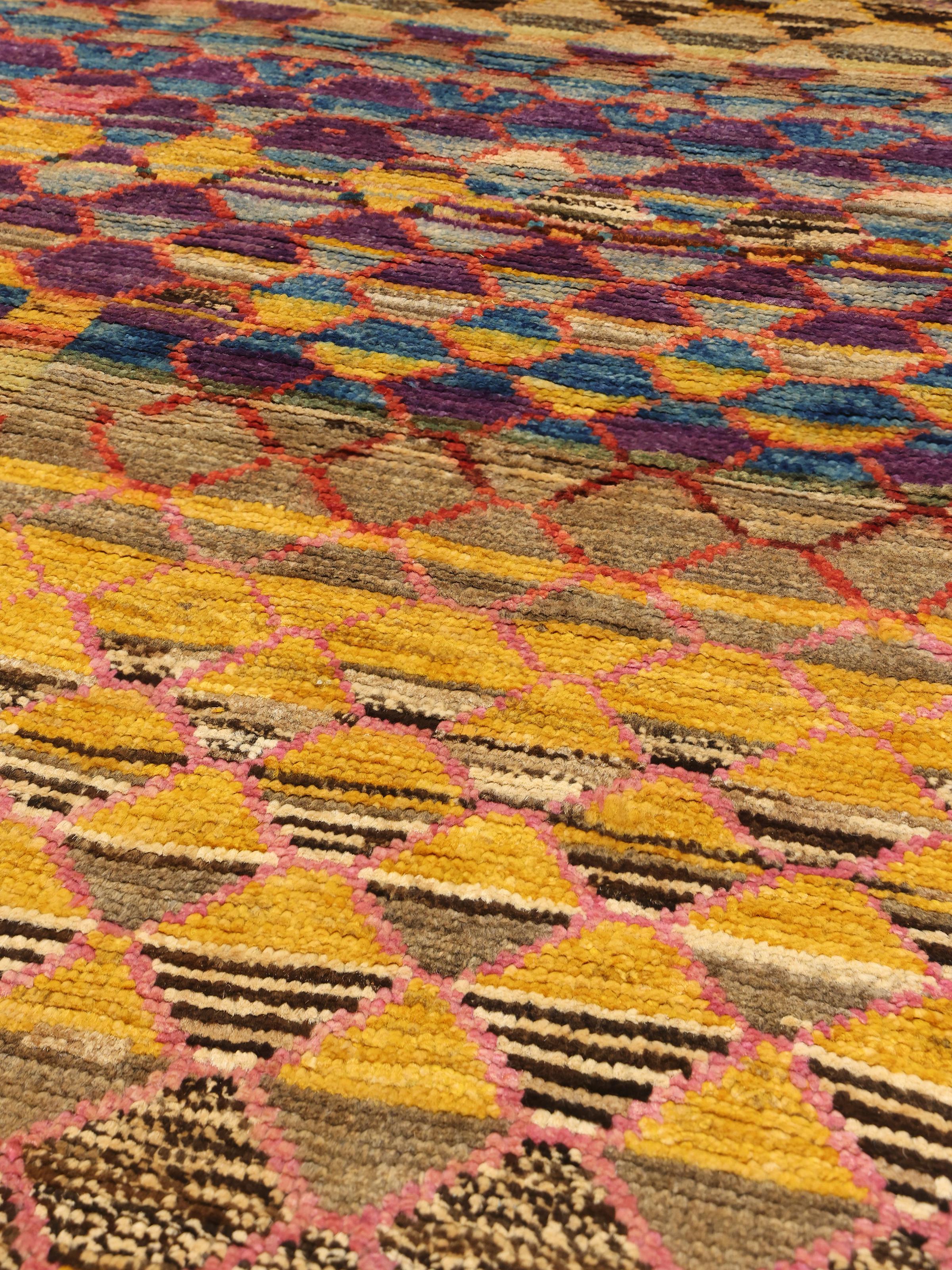
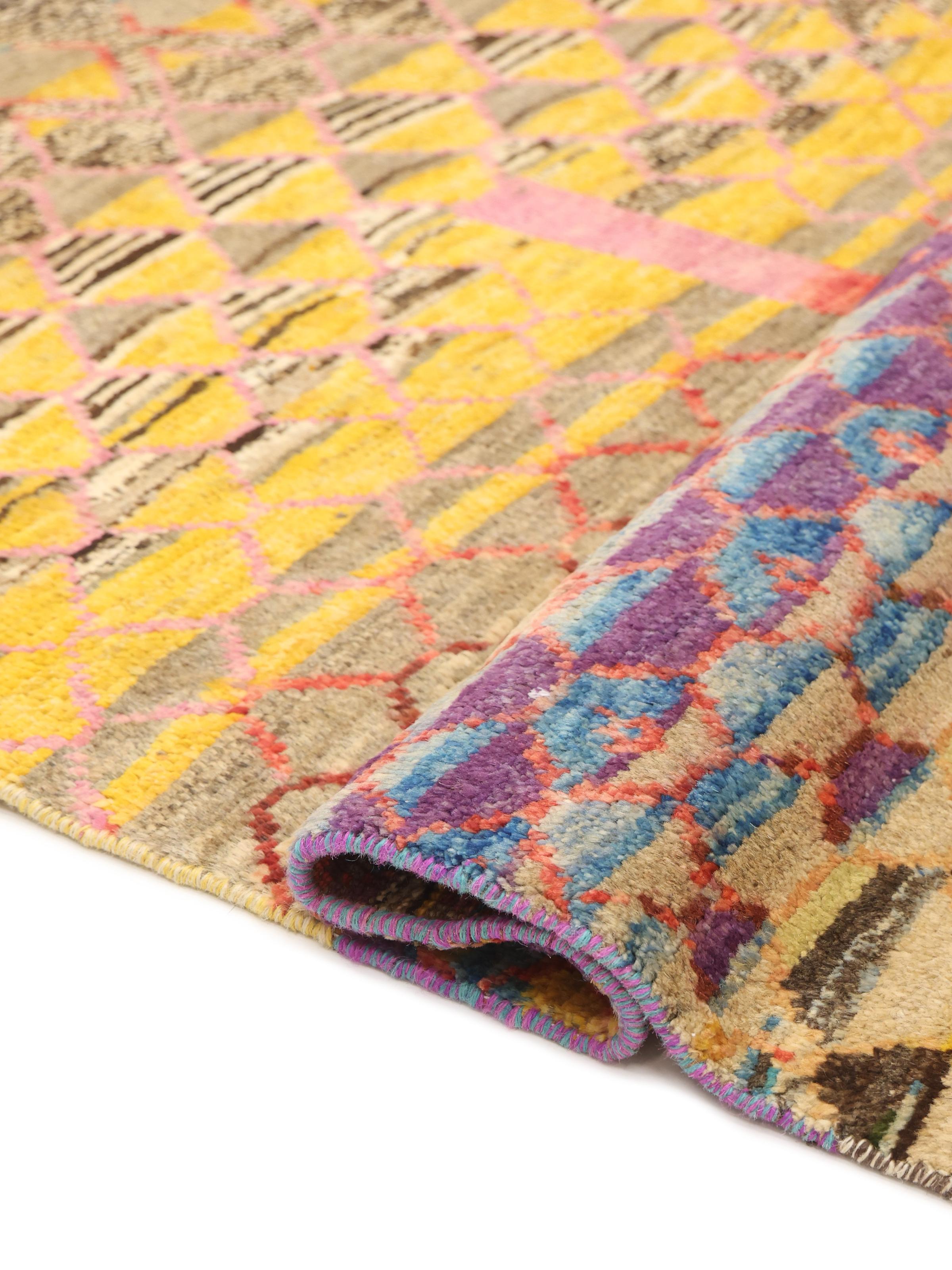
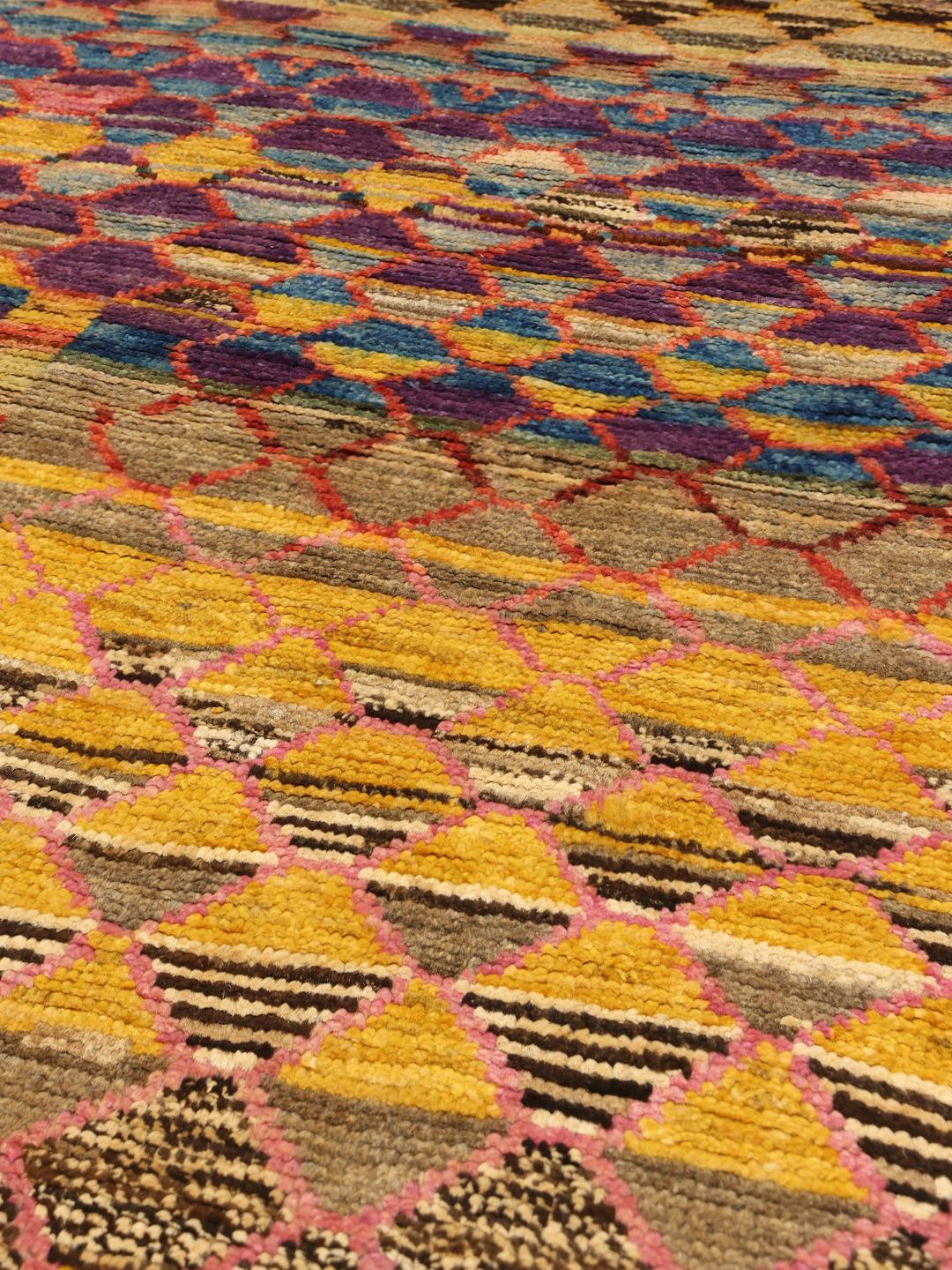
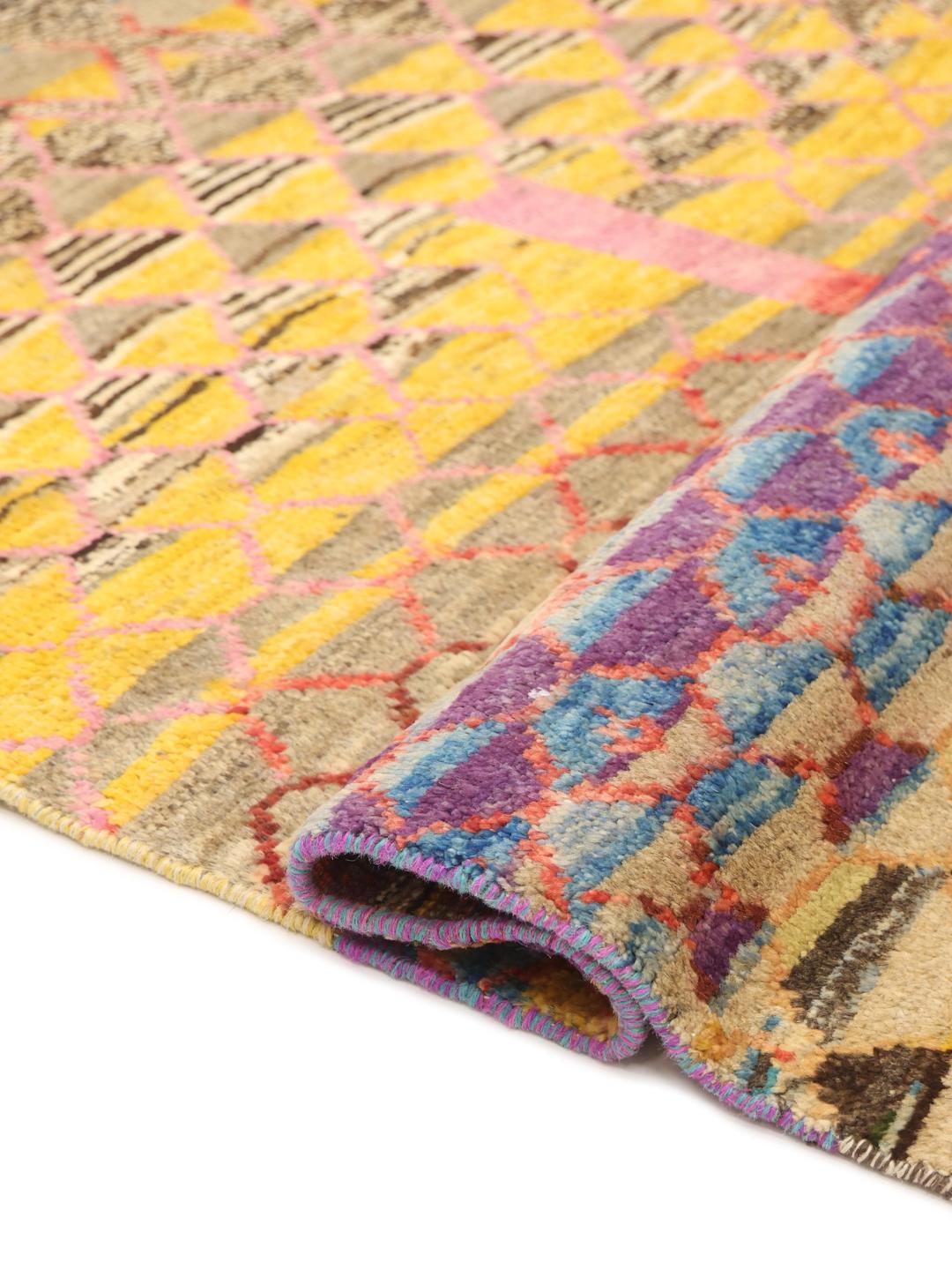
When we speak of hand-knotted construction, we refer to a technique where the artisan ties individual strands of Wool onto the warp and weft, creating a dense and resilient pile. This traditional method is highly valued because it allows for intricate detailing and ensures that the rug can withstand heavy foot traffic while maintaining its appearance for many years.
The visual language of these rugs is often defined by bold, geometric motifs and free-flowing colour compositions. Unlike more formal, symmetrical styles, these pieces often celebrate an improvisational spirit, where the weaver might introduce new colours or shapes as they work. This results in a spontaneous design that feels personal and expressive.
Owning a hand-knotted rug from this tradition is about more than just floor coverage; it is about preserving a craft that has been passed down through generations. These pieces are collected for their authenticity, the skill required to produce them, and the unique story each one tells, making them a meaningful addition to any thoughtfully curated home.