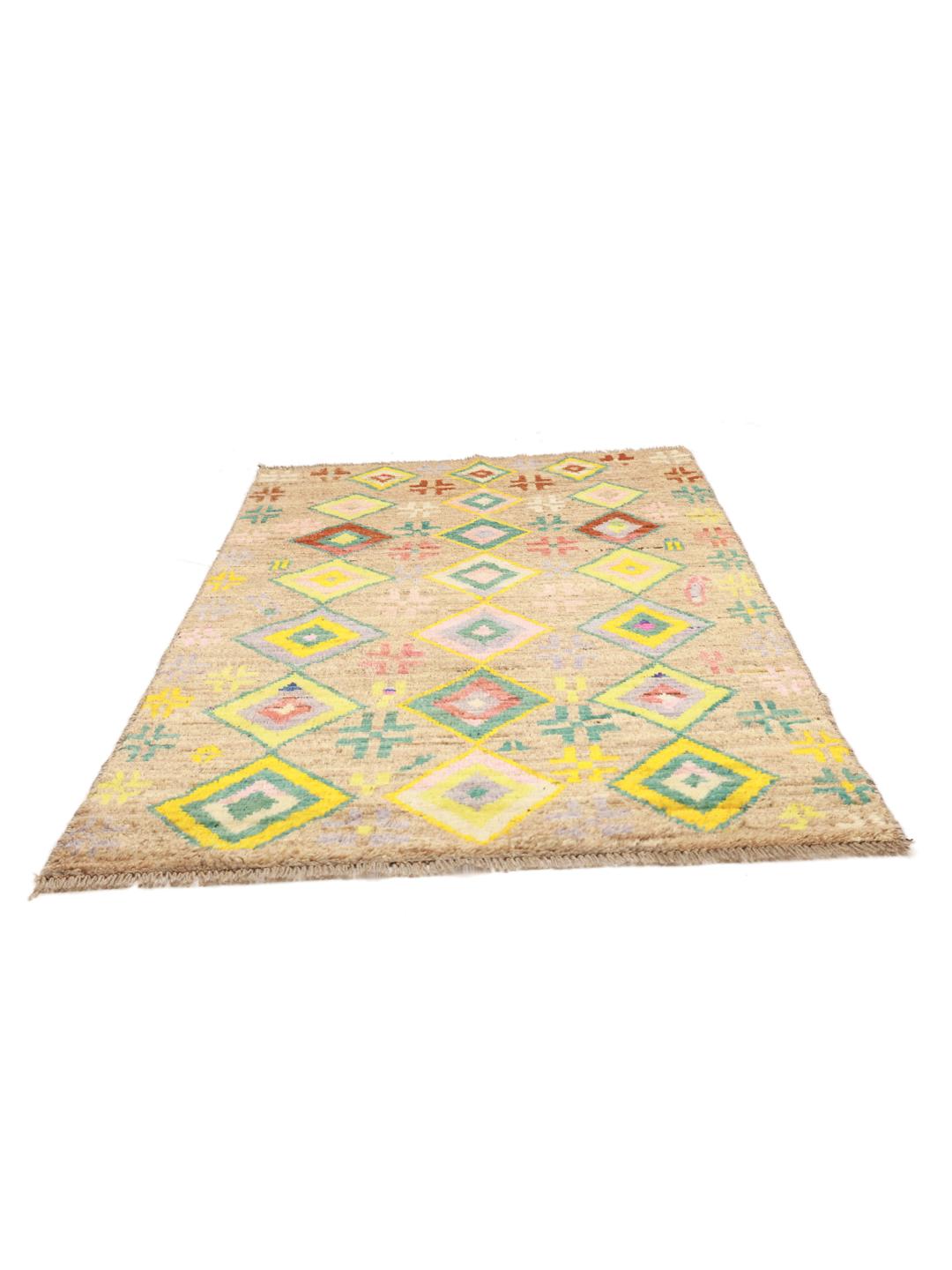
The Berber tradition is deeply rooted in the history of nomadic tribes across the Middle East and North Africa. While often associated with the Atlas Mountains, the migration of weaving techniques has allowed these styles to flourish in diverse regions, including the skilled workshops of Afghanistan. These rugs are traditionally crafted to serve as functional items in nomadic life, acting as blankets, wall hangings, or floor coverings that provide warmth against the elements.
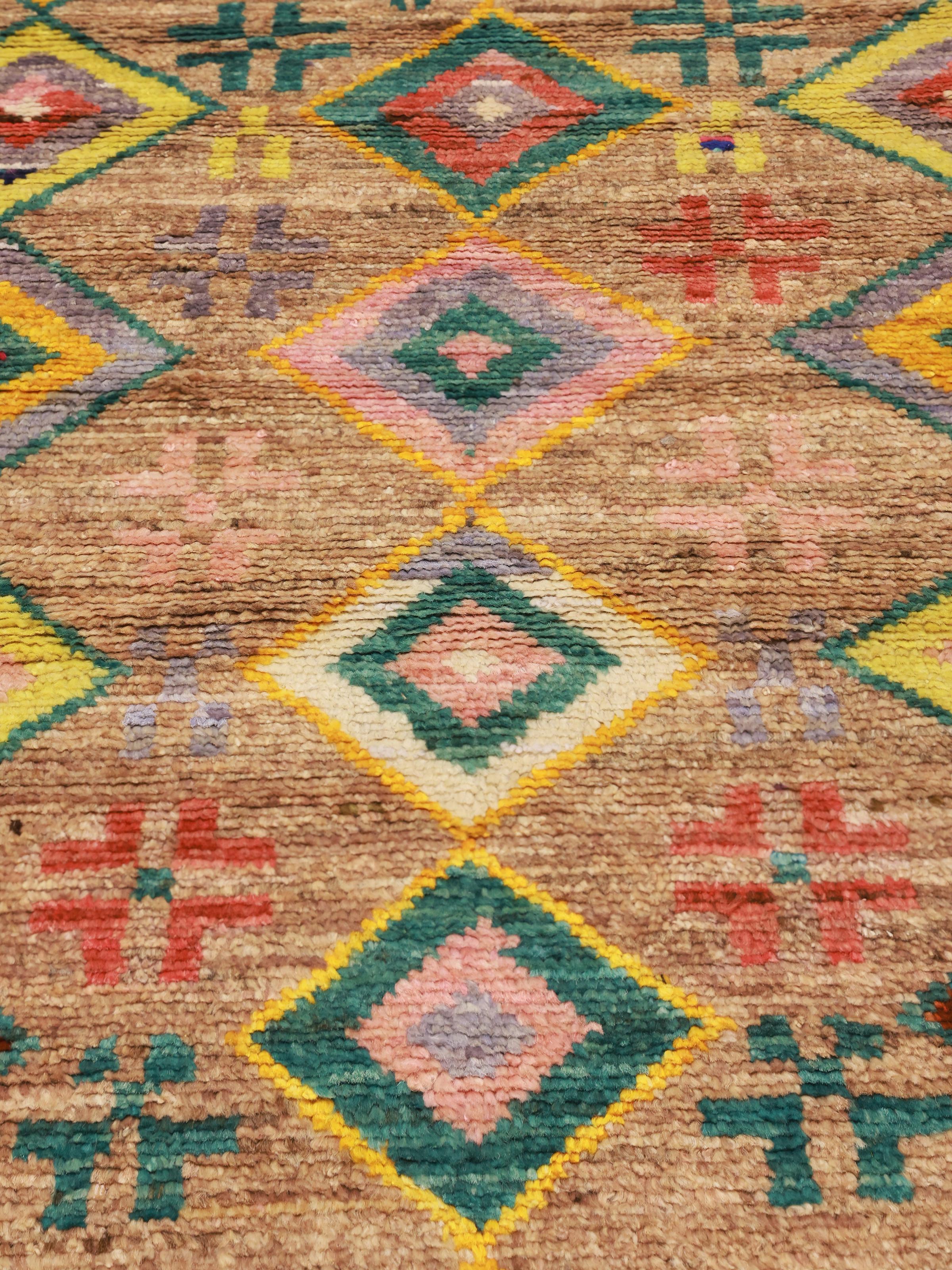
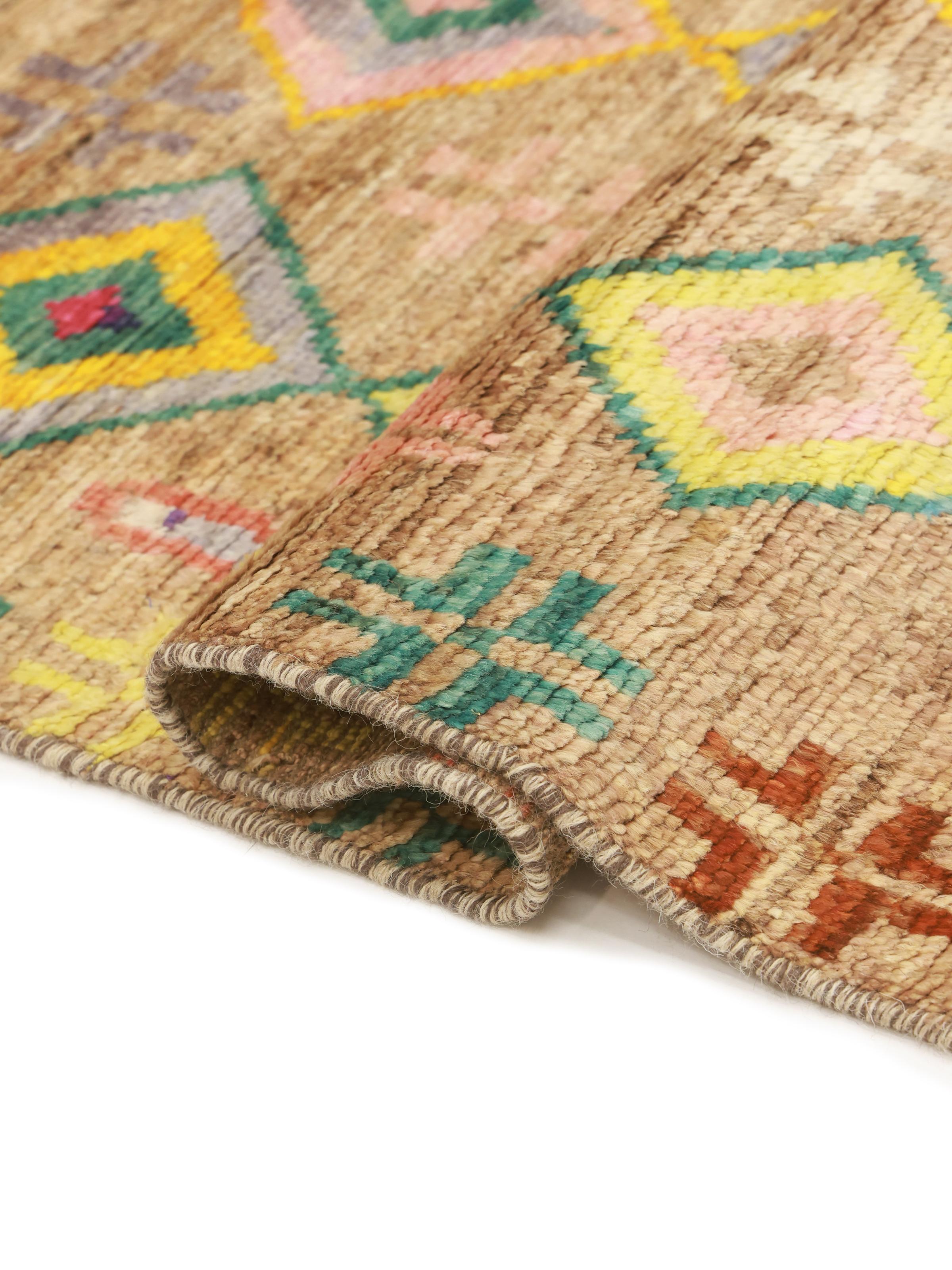
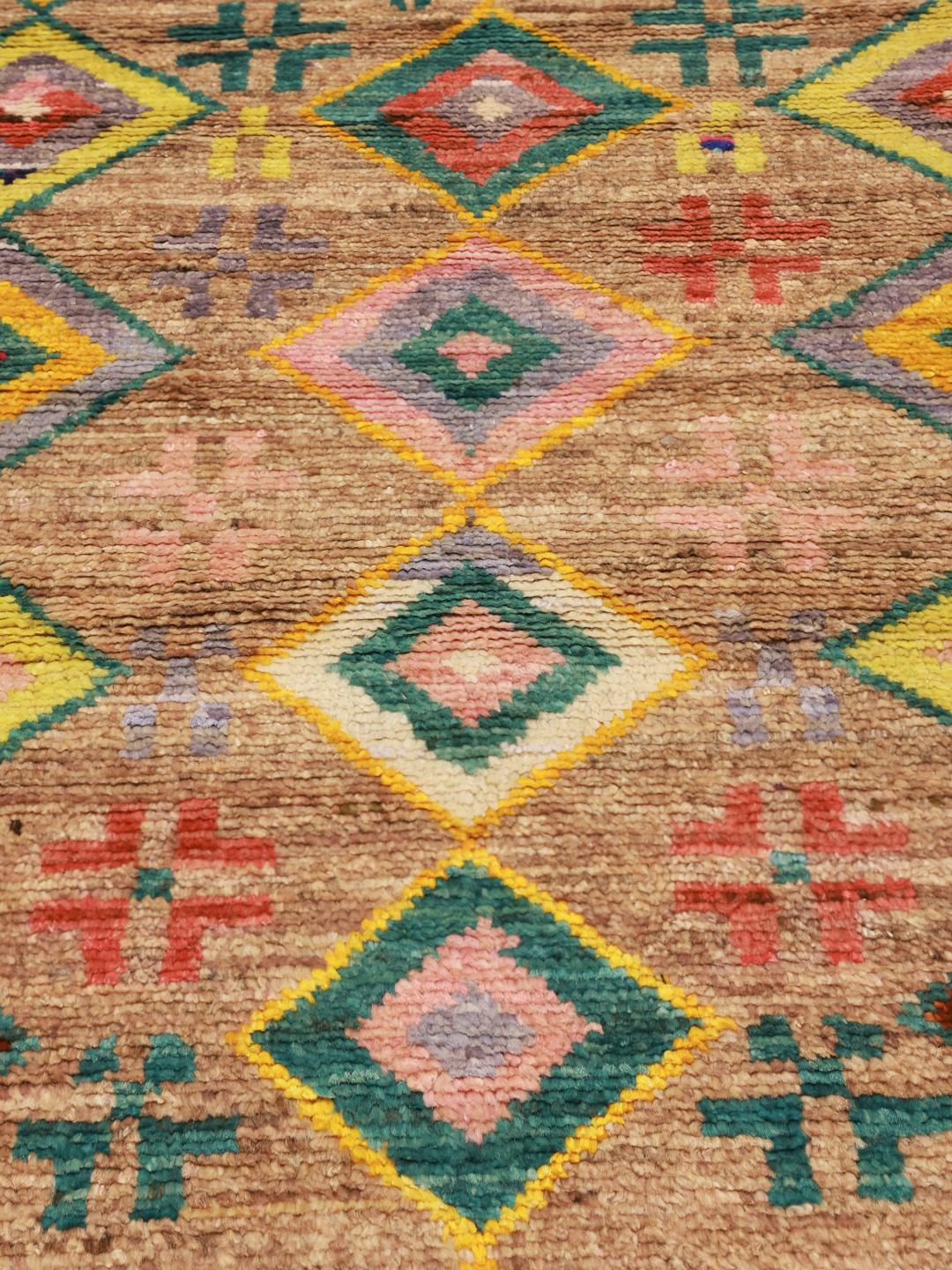
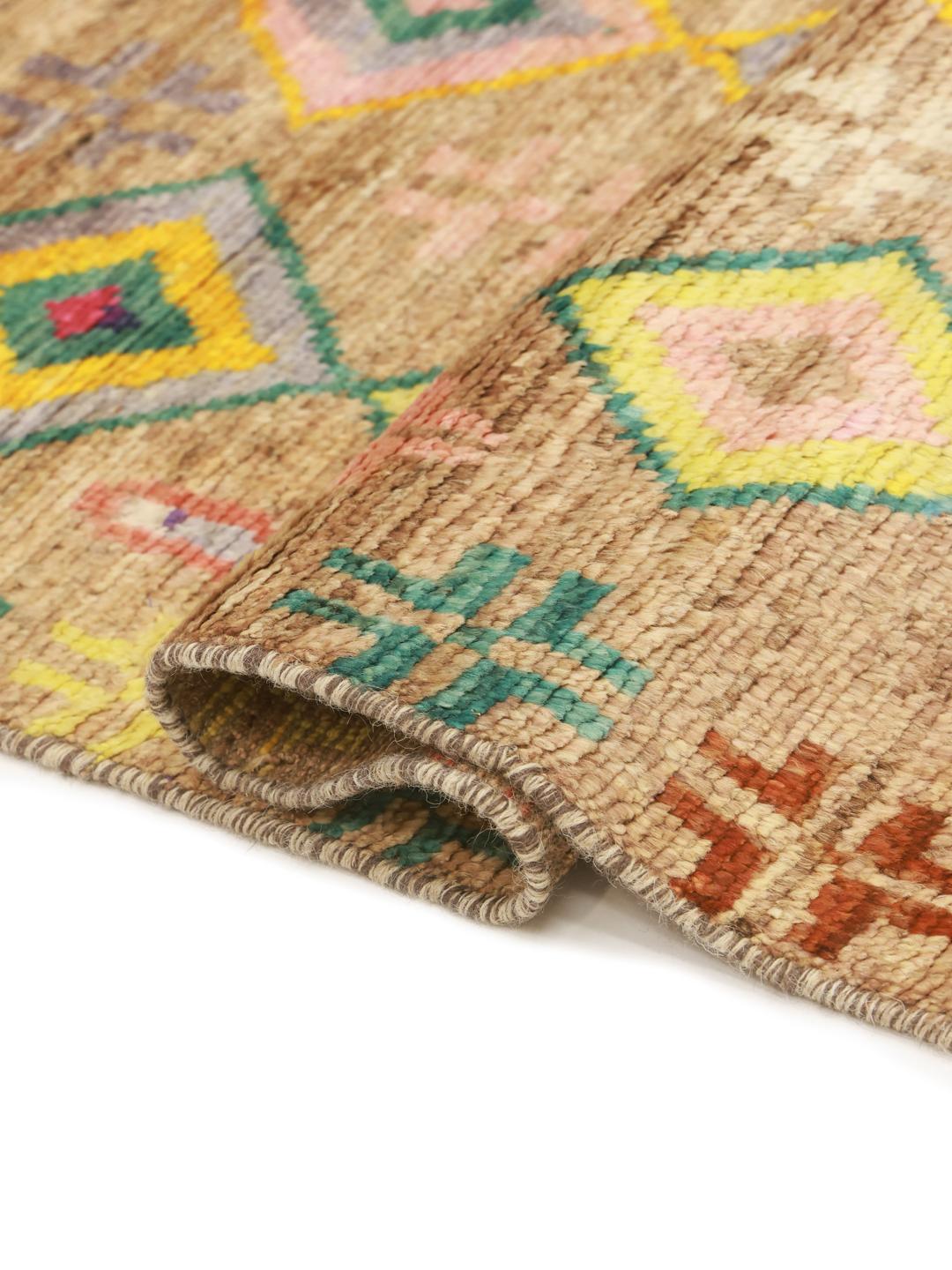
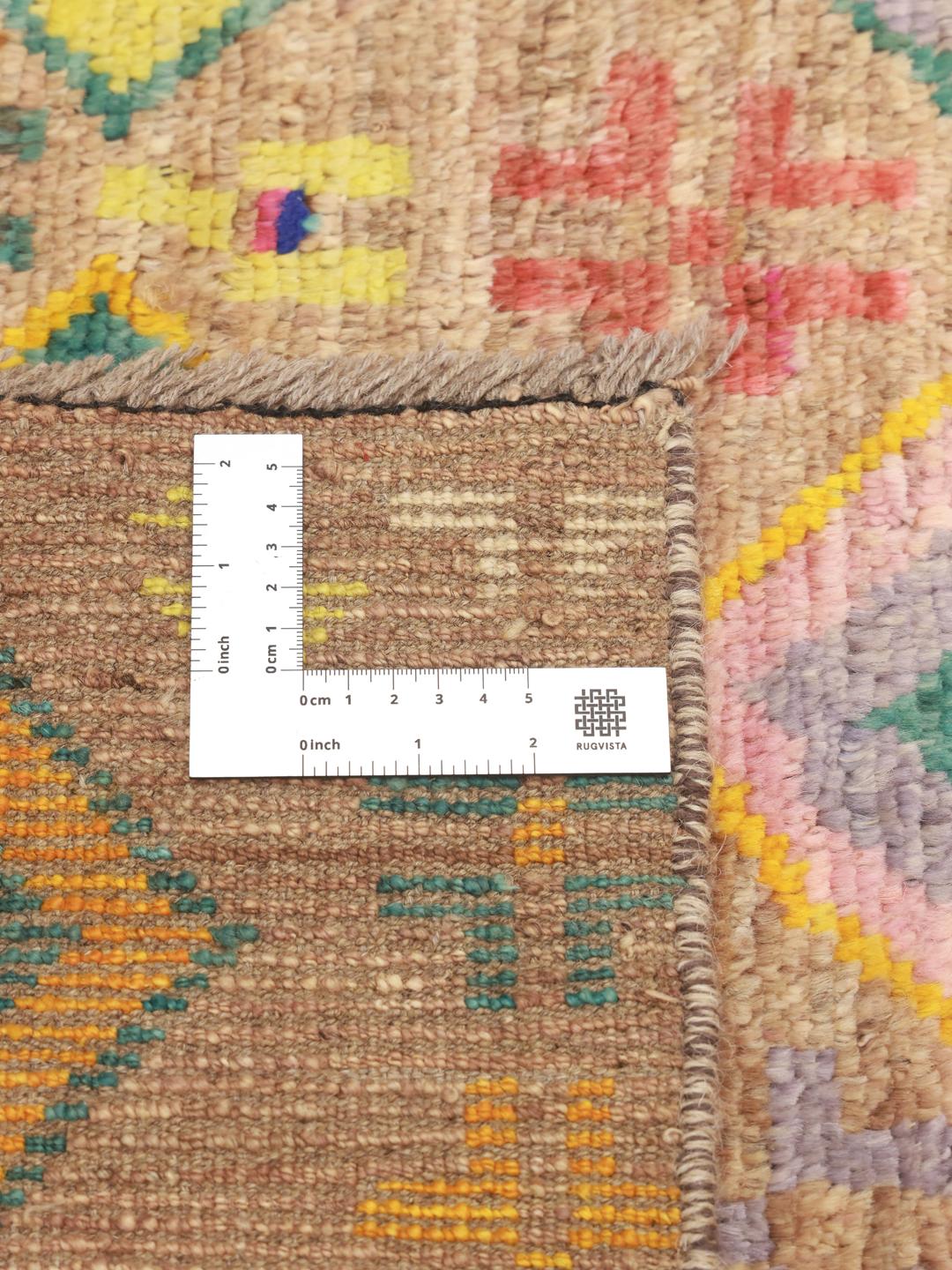
The term hand-knotted refers to the intricate process of tying individual tufts of Wool onto a foundation of warp and weft threads. This method is the hallmark of quality in rug making, as it allows for a high degree of control over the pile density and pattern detail. Unlike mass-produced alternatives, a hand-knotted piece possesses a natural variation that gives it a living, breathing quality, ensuring that it ages gracefully over many years.
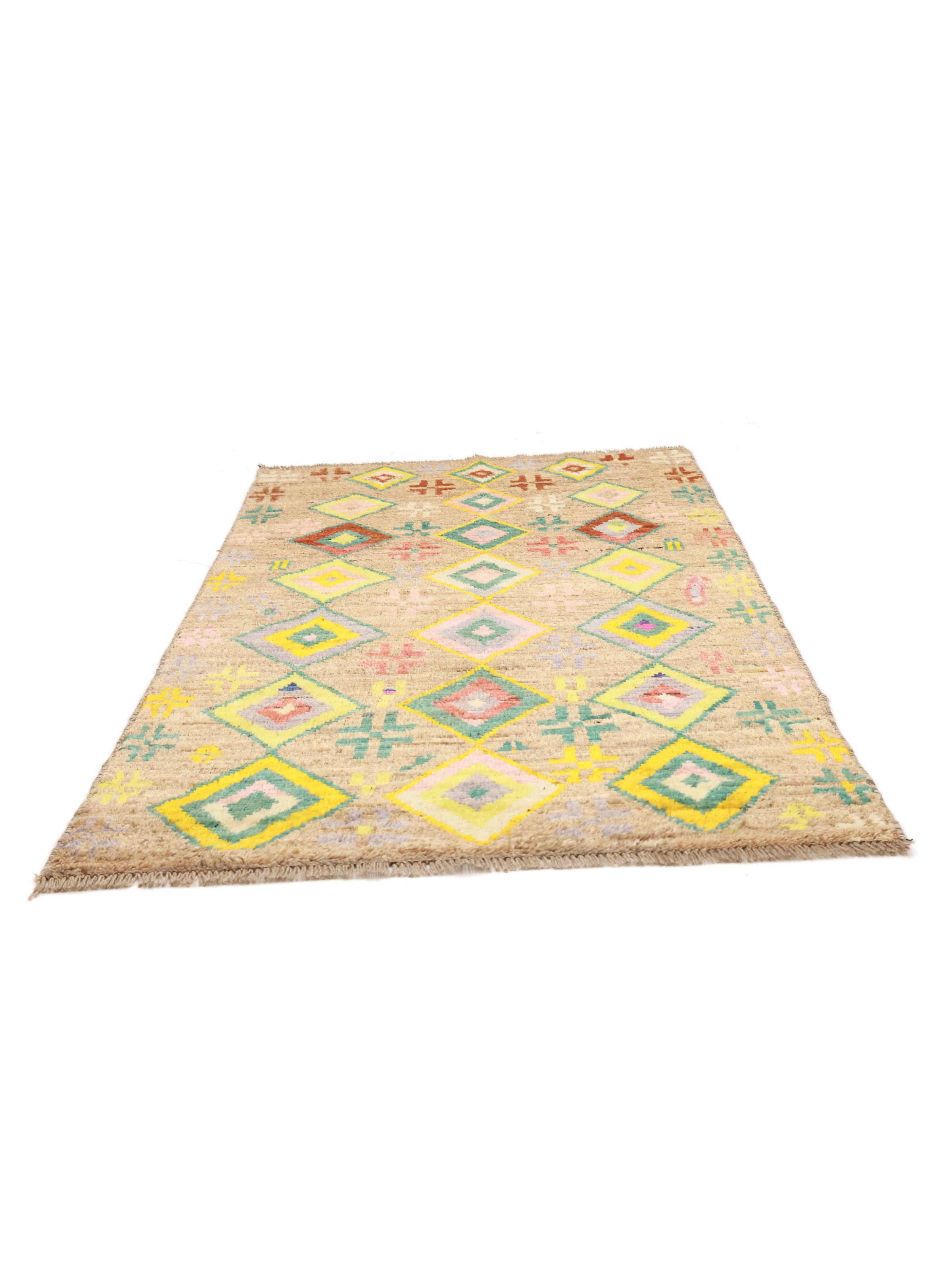
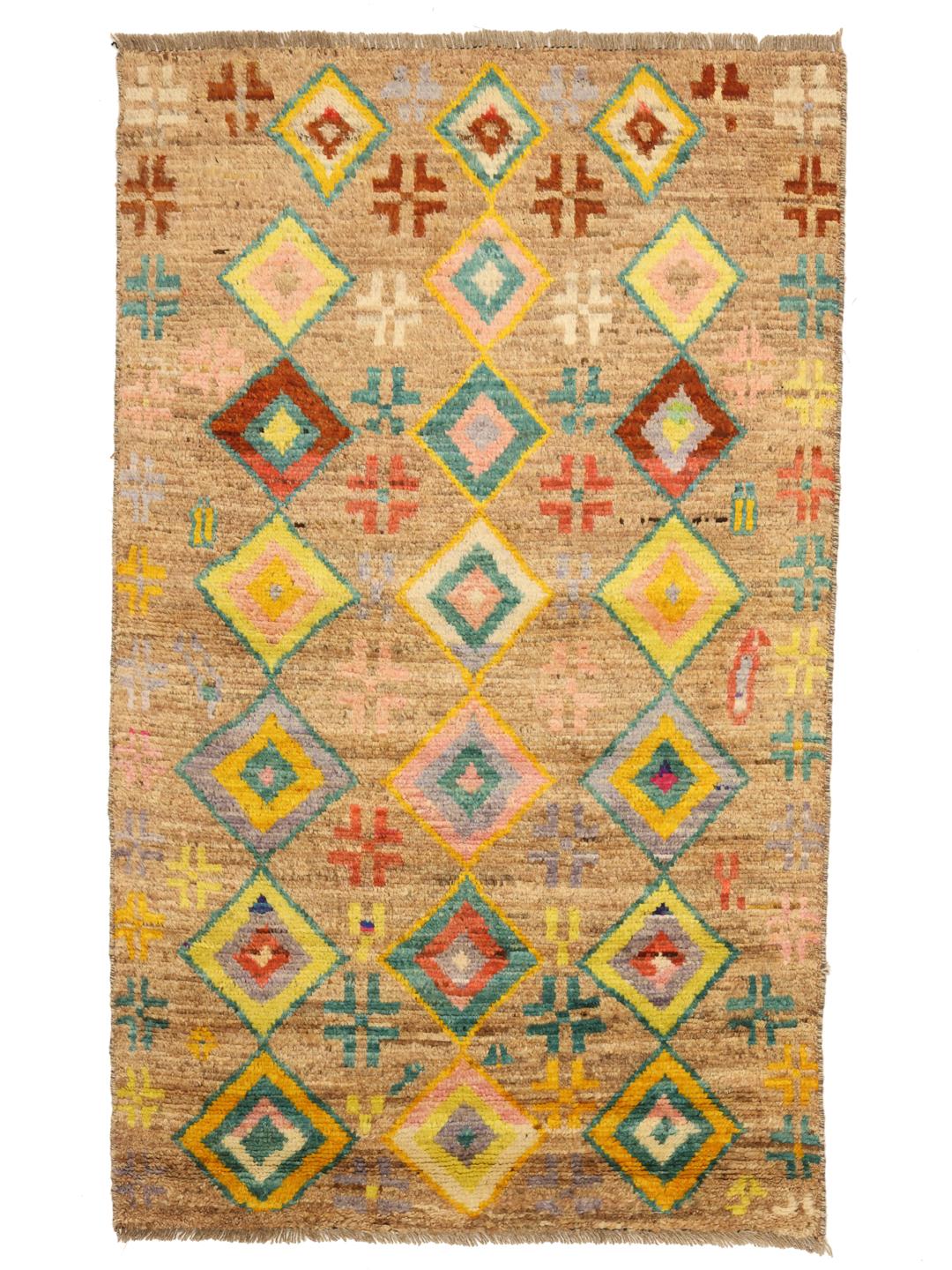
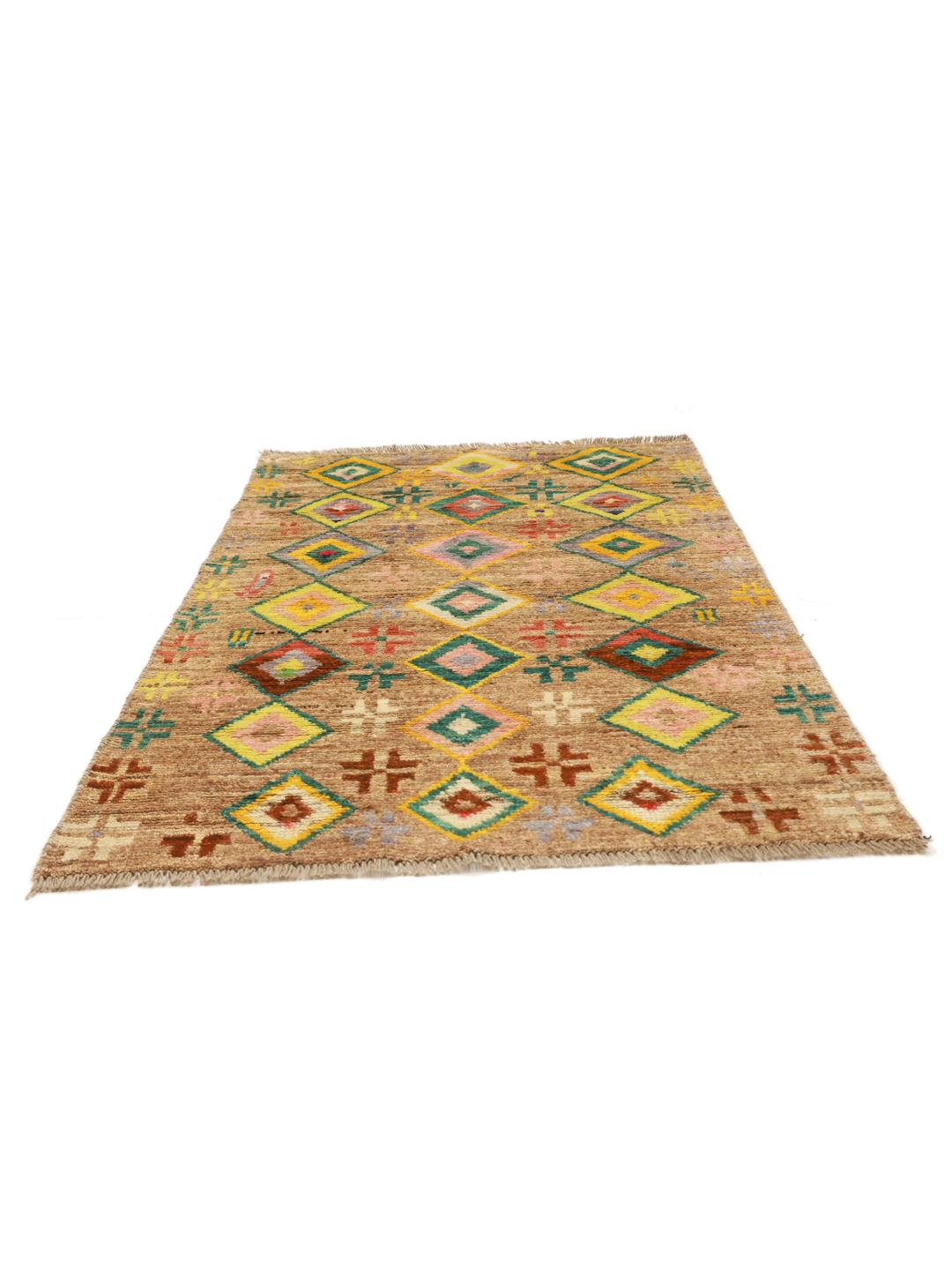
Visually, these rugs are characterised by their bold, symbolic motifs. You will often find geometric shapes such as diamonds and zig-zags, which are not merely decorative but often hold cultural significance, representing protection, fertility, or the natural landscape. The use of vibrant, contrasting colours against a natural base is a signature element that adds a spirited, artistic flair to the traditional geometric layout.
Collecting a rug from this tradition is about more than just aesthetics; it is about honouring a lineage of craft that has been passed down through generations. These pieces are valued for their durability and the distinct personality they bring to a home. By owning this rug, you are preserving a connection to a rich cultural heritage while adding a piece of genuine human creativity to your living space.