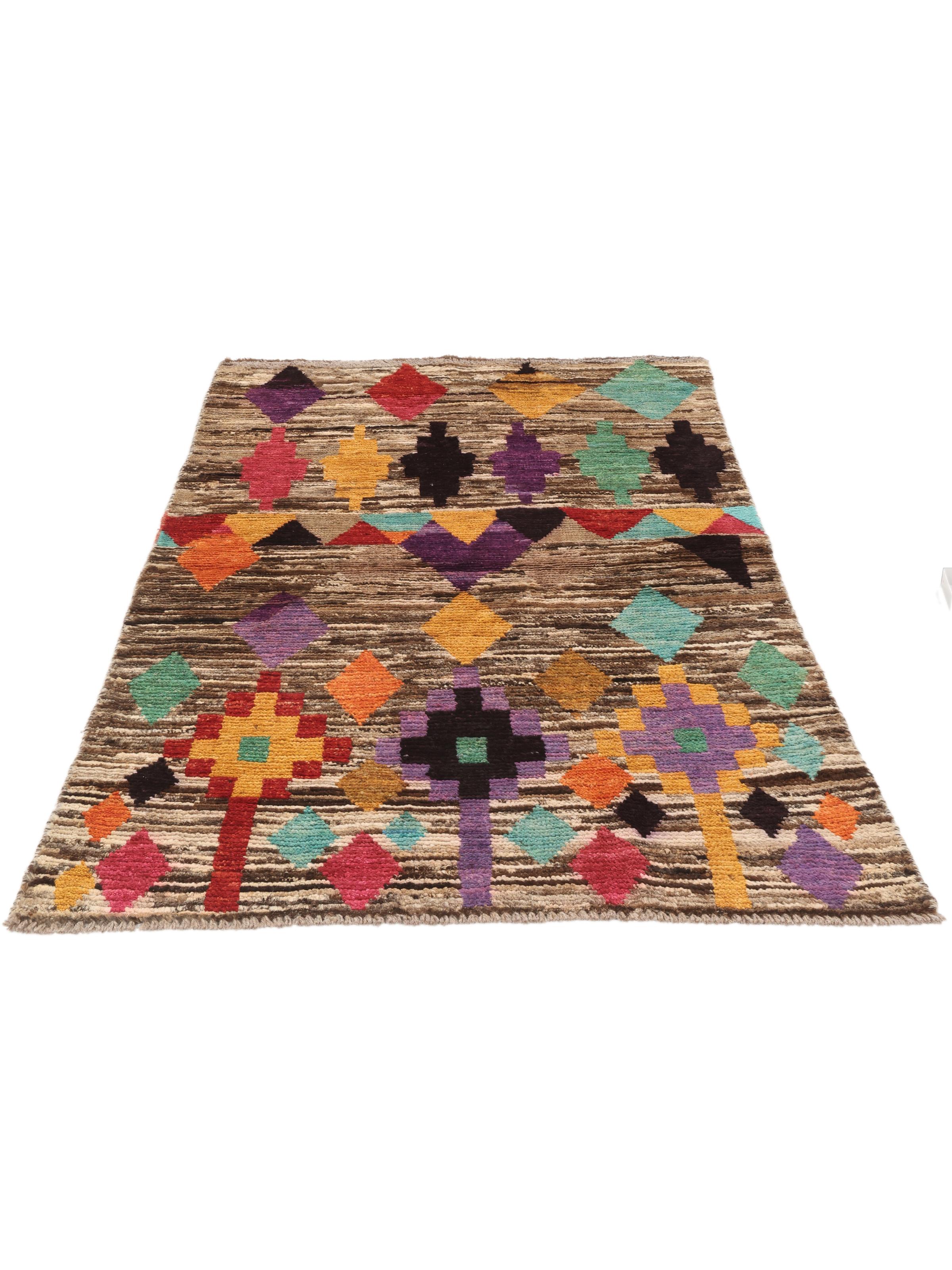
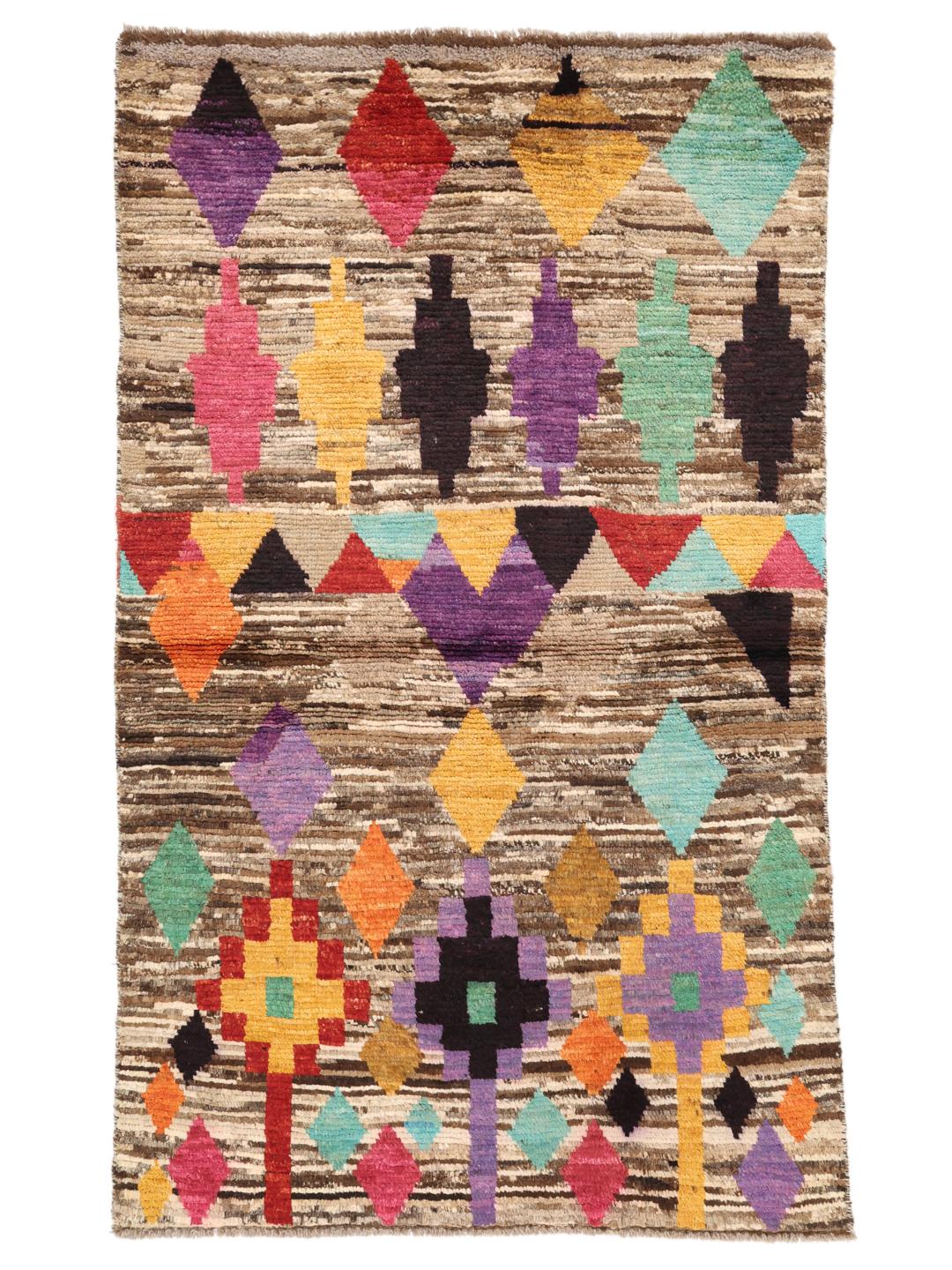
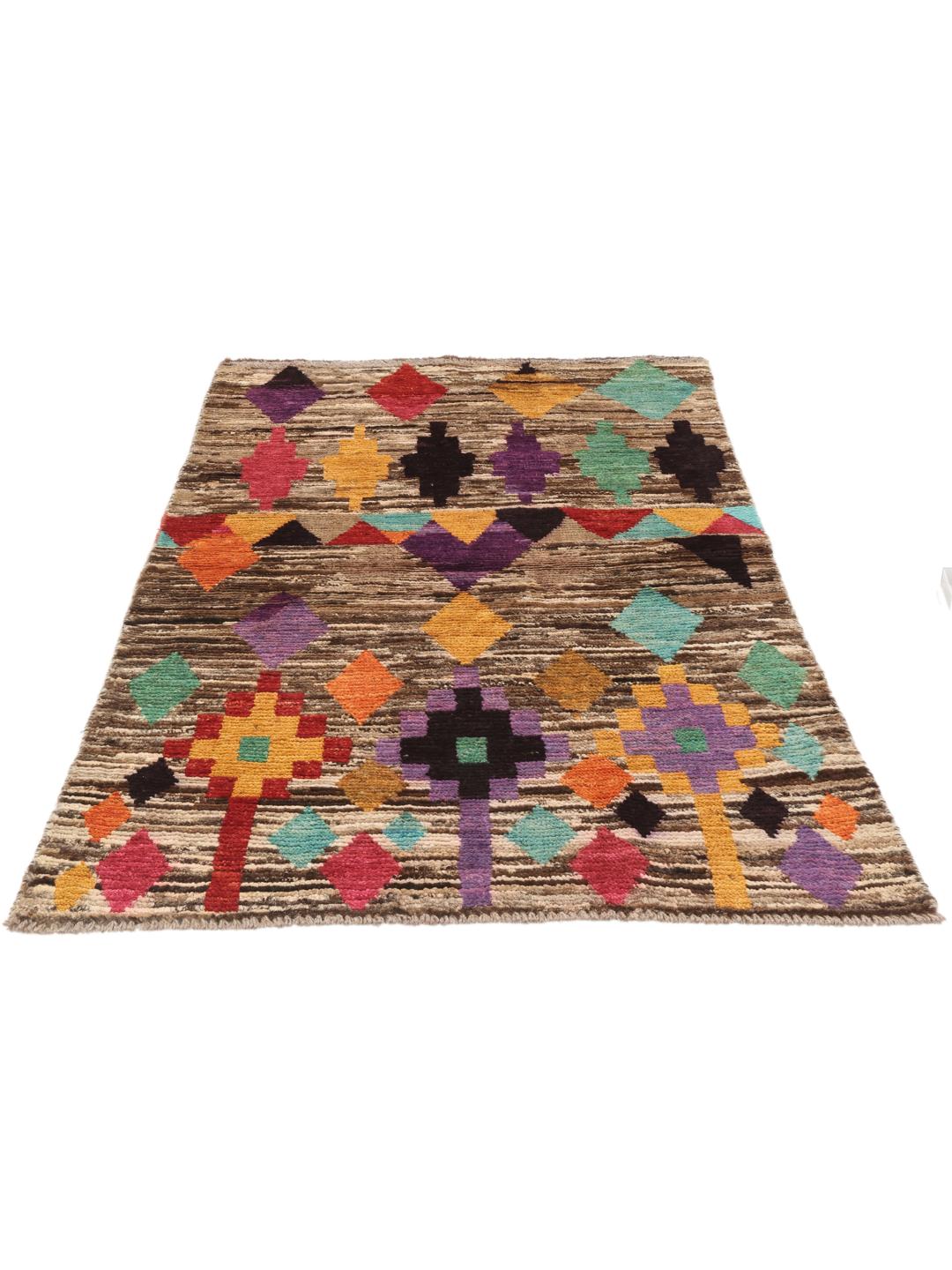
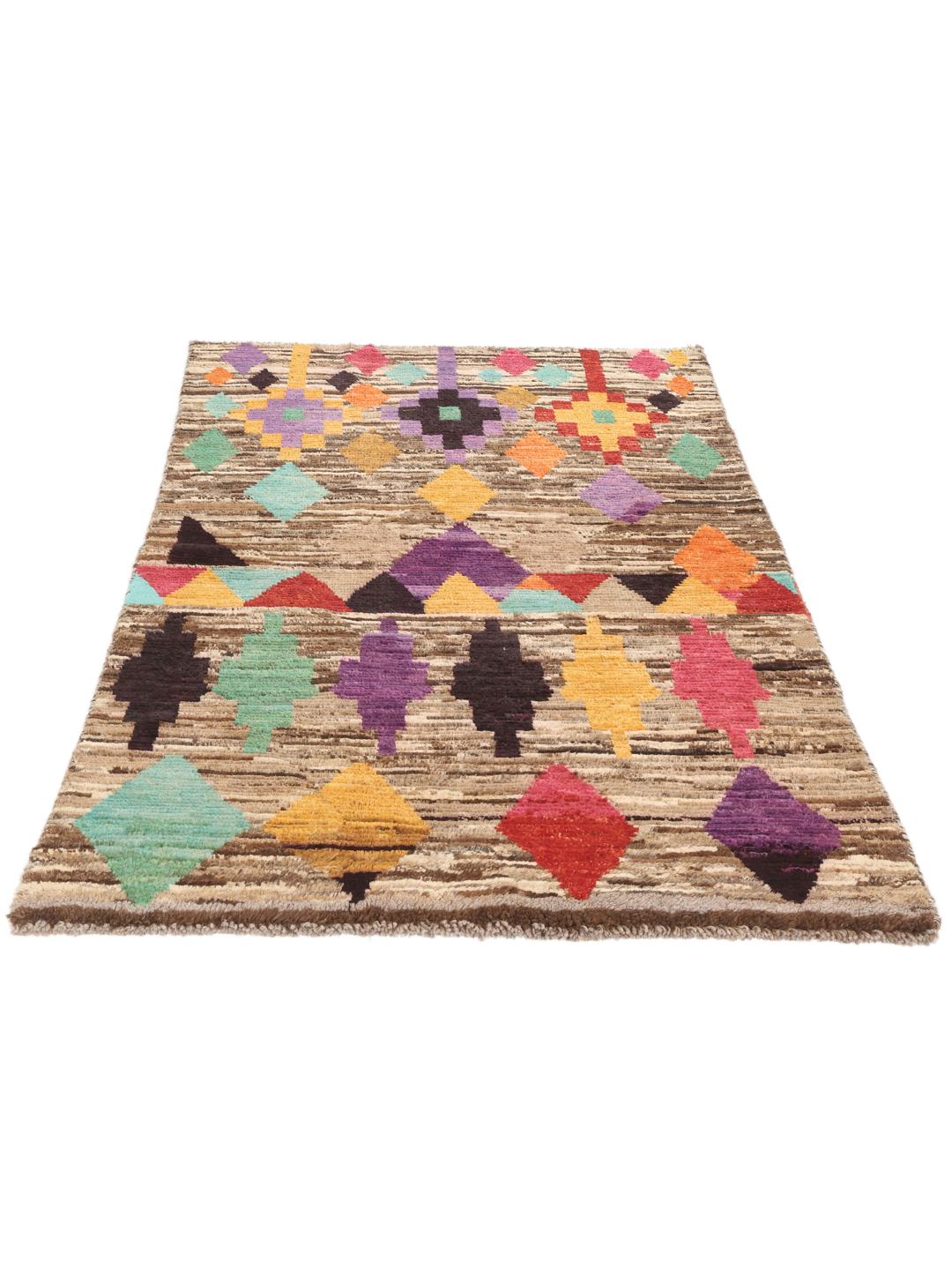
The Berber-style rugs of Afghanistan represent a fascinating evolution of weaving traditions that have travelled across borders and generations. While the term Berber is historically associated with the indigenous tribes of North Africa, the style has been adopted and reinterpreted by weavers in the Middle East who have infused these pieces with their own local aesthetic, colour palettes, and cultural storytelling.
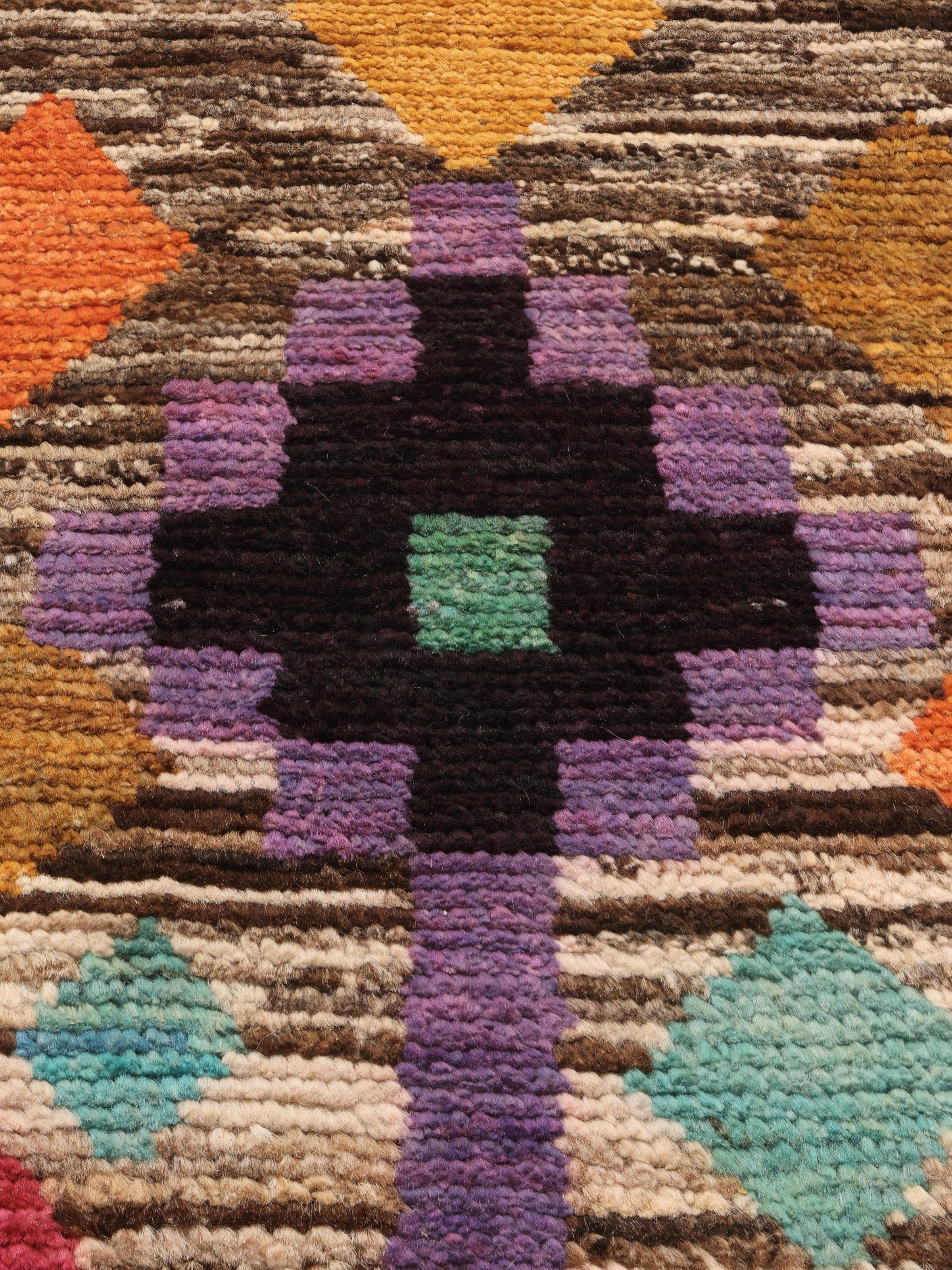
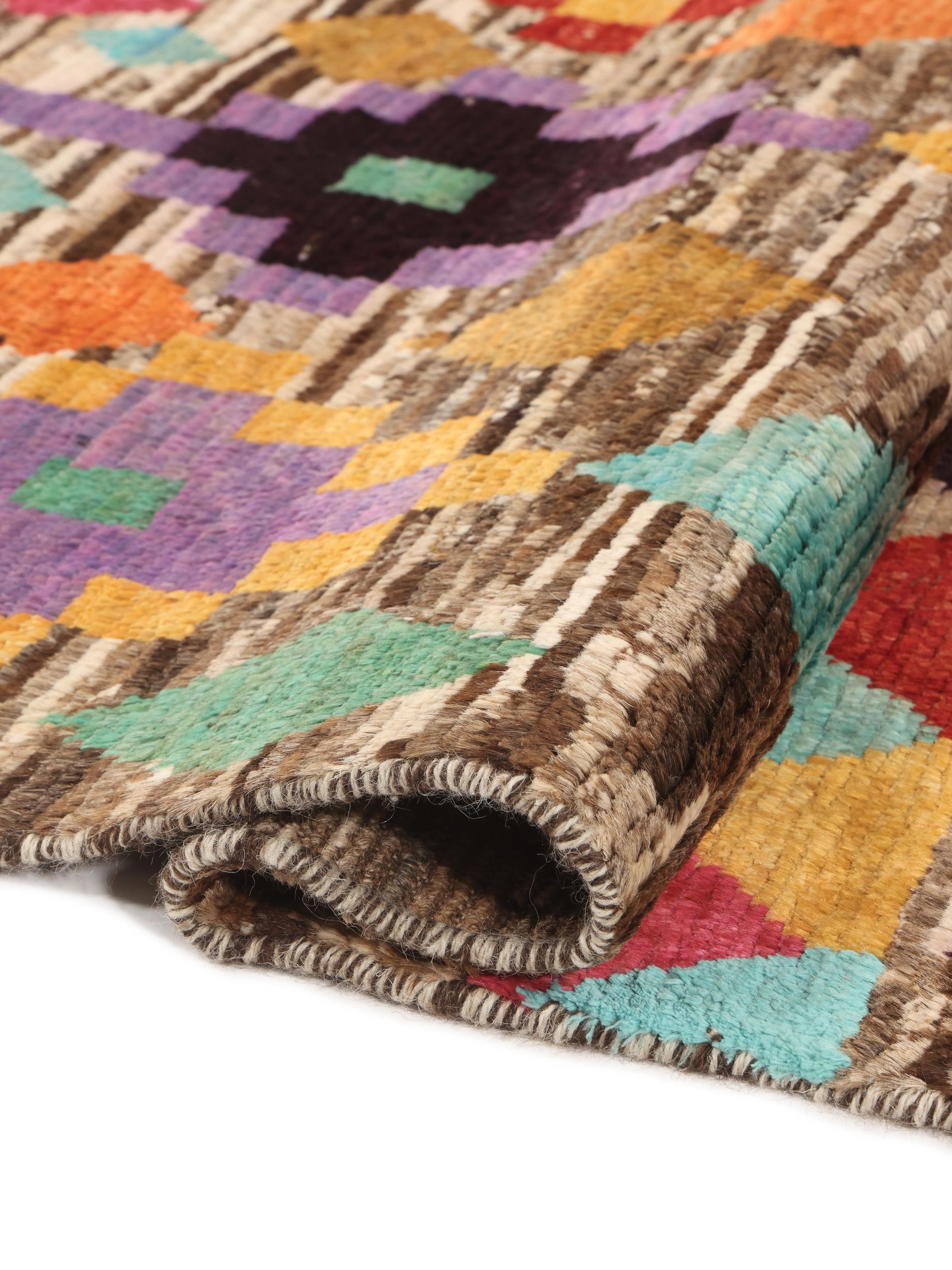
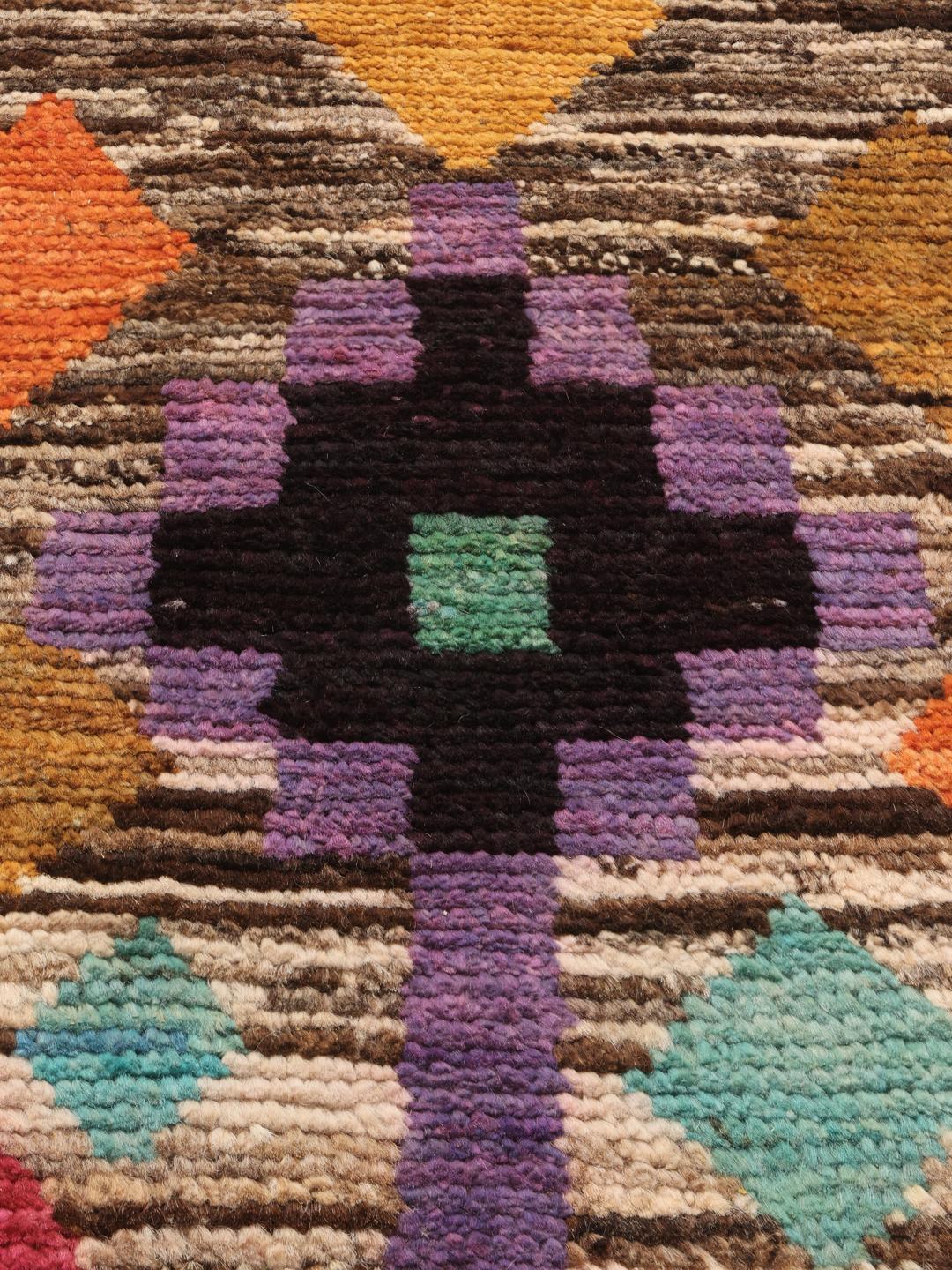
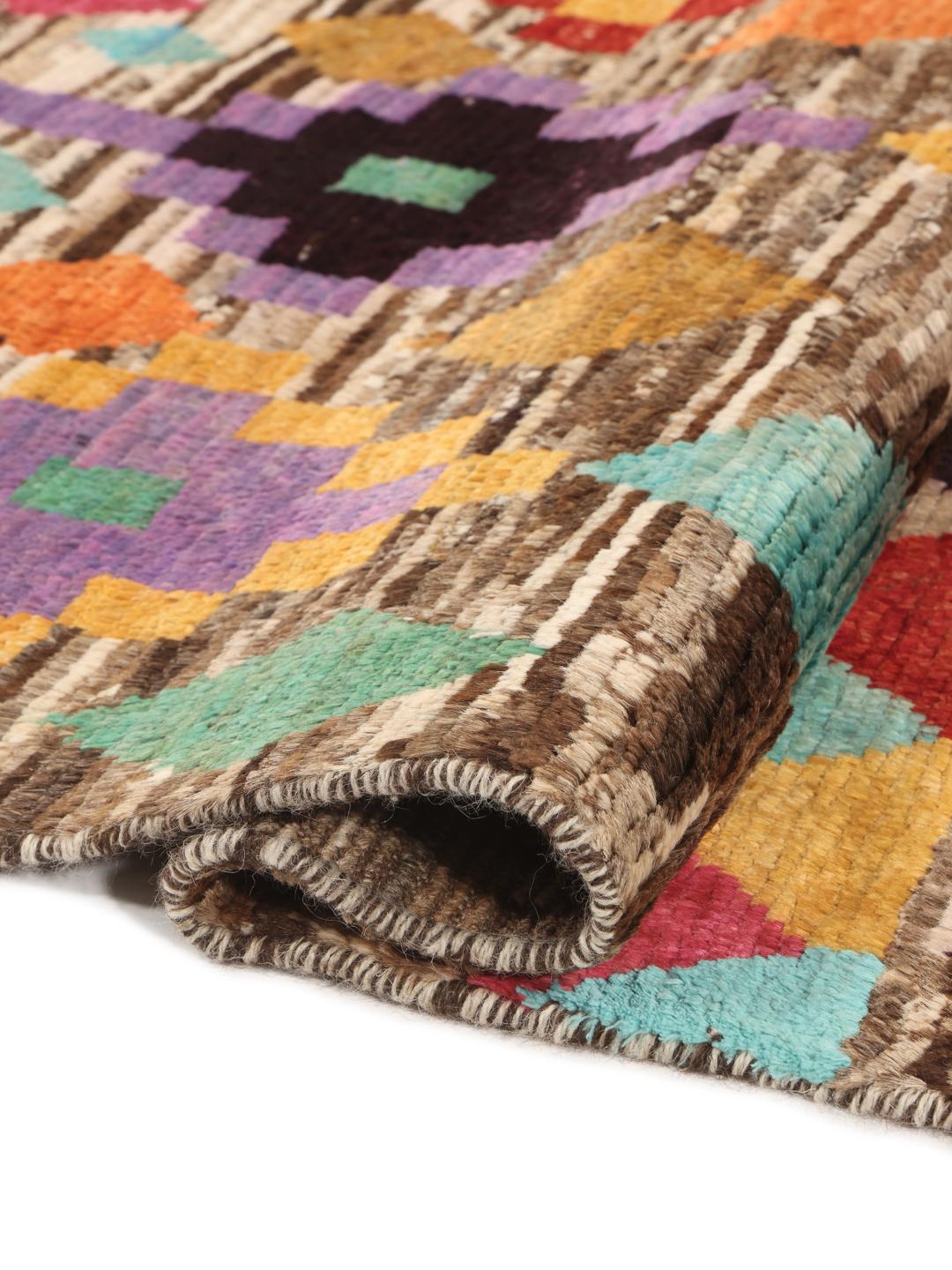
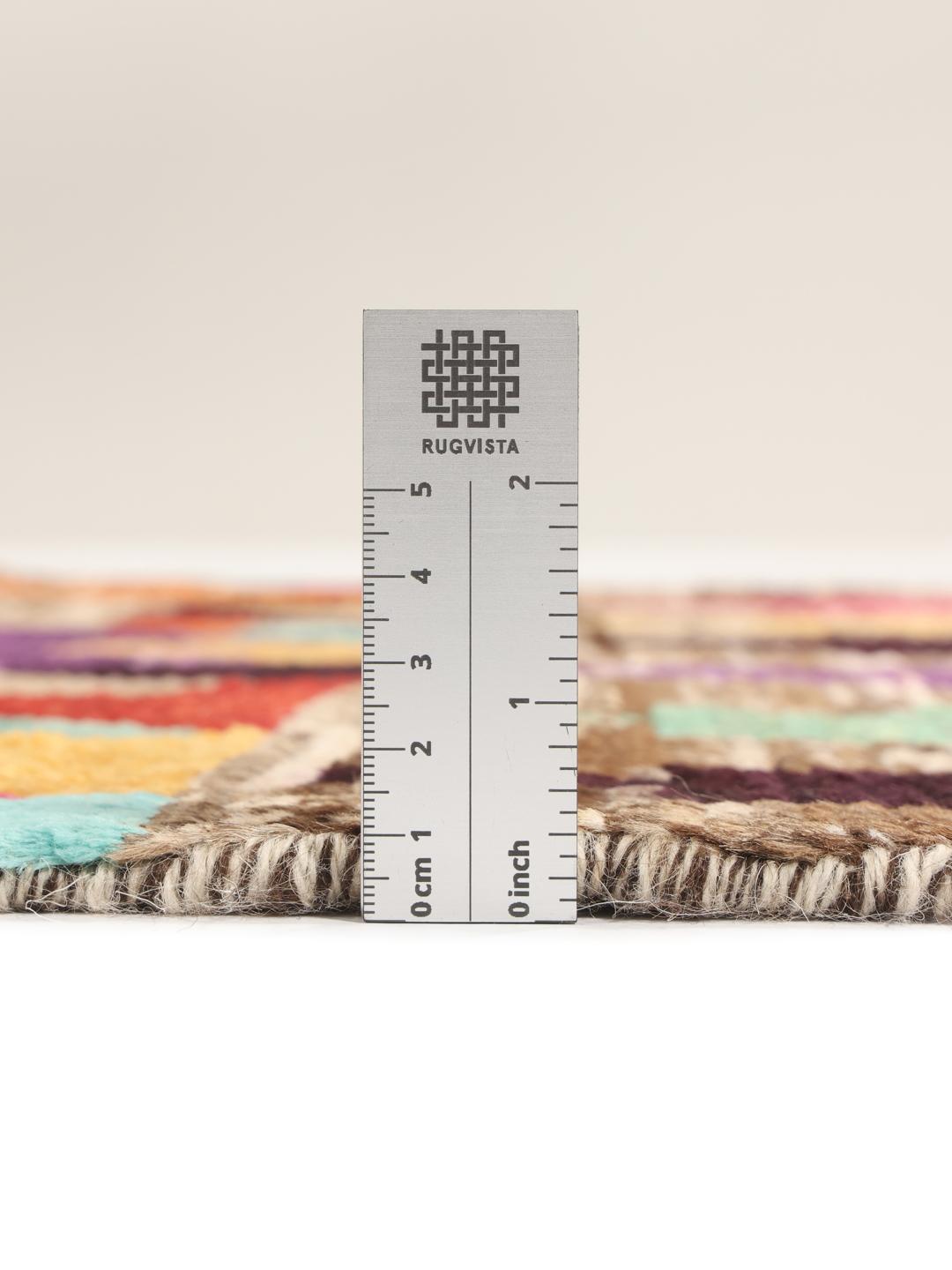
These rugs are distinguished by their bold, geometric motifs and a fearless use of colour, which often stand in contrast to more formal, symmetrical designs. The technique often involves a thicker, more plush pile that emphasises the raw, natural texture of the wool. This approach results in a rug that feels less about rigid formality and more about the expressive, rhythmic nature of the weaving process itself.
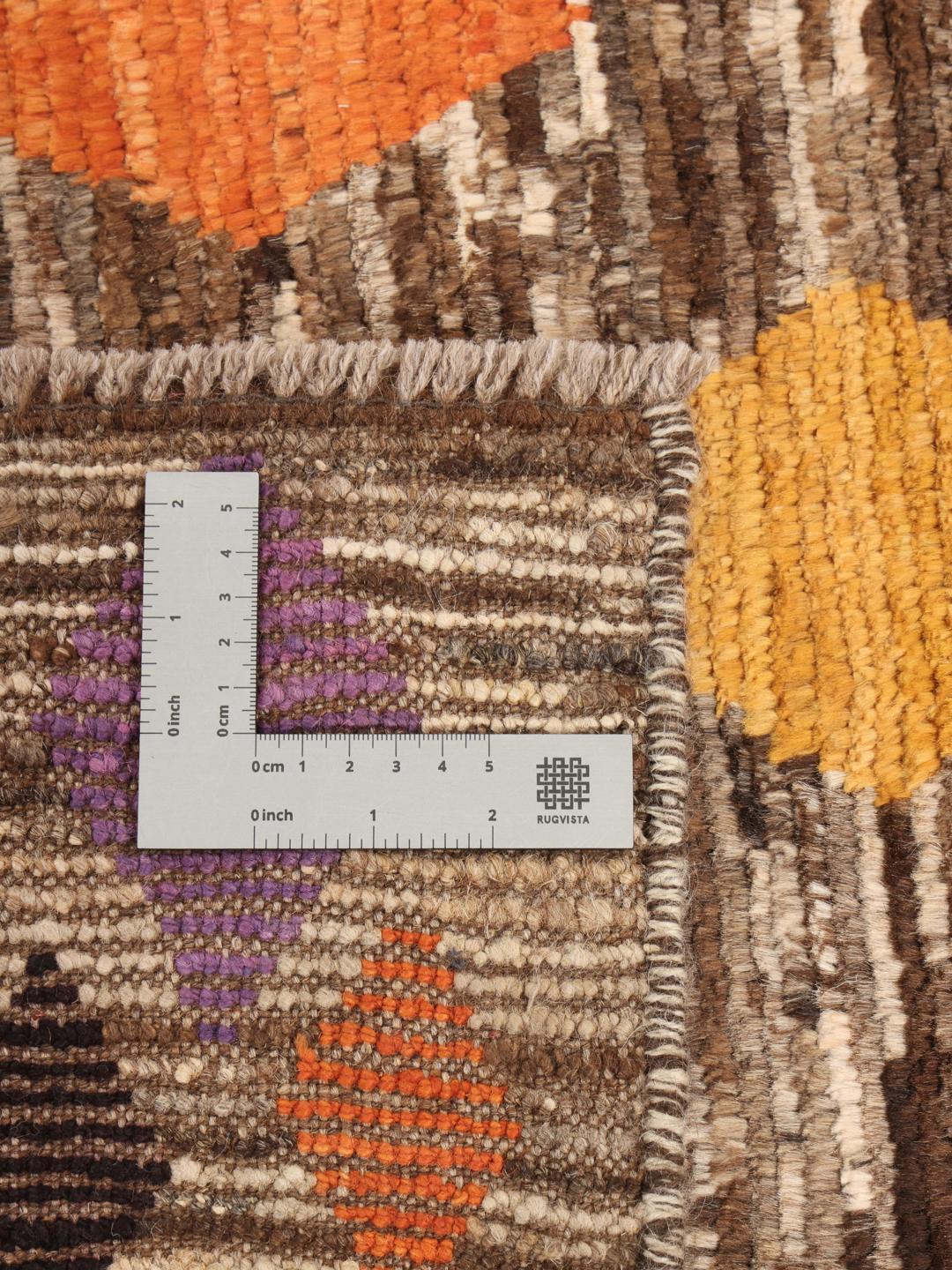
The signature design elements often include tribal symbols, diamonds, and stylised botanical motifs, all arranged in an organic, non-linear fashion. By using a vibrant array of colours, the weavers create a high-contrast look that is instantly recognisable. In this specific piece, the use of earthy, neutral tones as a backdrop for bright, saturated geometric shapes is a hallmark of the modern Afghan interpretation of this classic aesthetic.
Collecting a rug from this tradition is an opportunity to own a piece of living history. These rugs are highly valued for their individuality and the way they bridge the gap between ancient tribal utility and modern interior design. By bringing one into your home, you are not just acquiring a floor covering but a piece of cultural heritage that honours the skill, patience, and creative vision of the weavers who brought it to life.