Berber rugs are deeply rooted in the cultural heritage of the Middle East and North Africa, where they have been crafted for centuries. While the term is often associated with the nomadic tribes of the Atlas Mountains, the tradition of weaving these rugs has spread and evolved across various regions, including Afghanistan. In these areas, weavers have adapted the traditional Berber aesthetic, blending their own regional techniques with the iconic, expressive patterns that define the style.
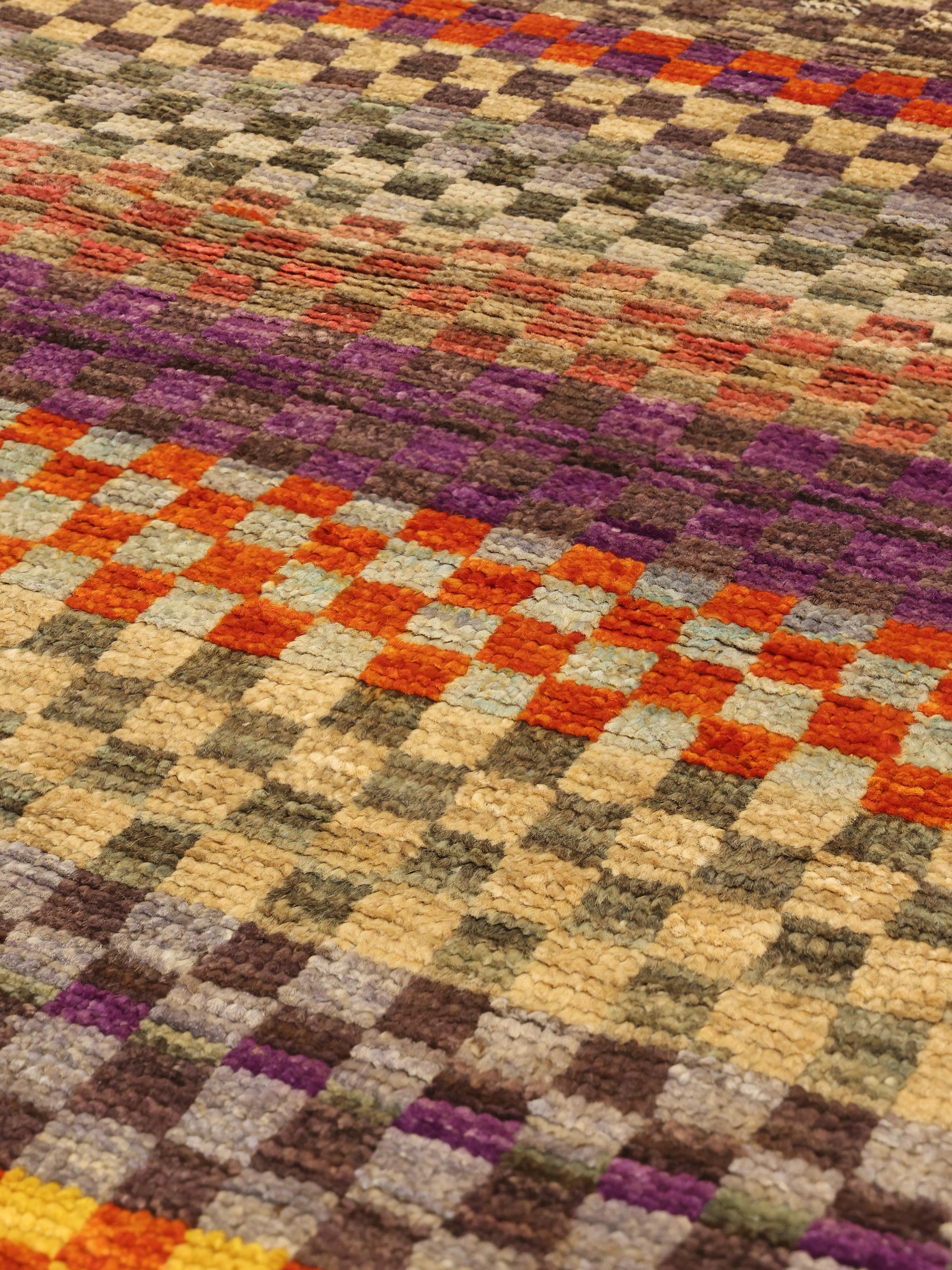
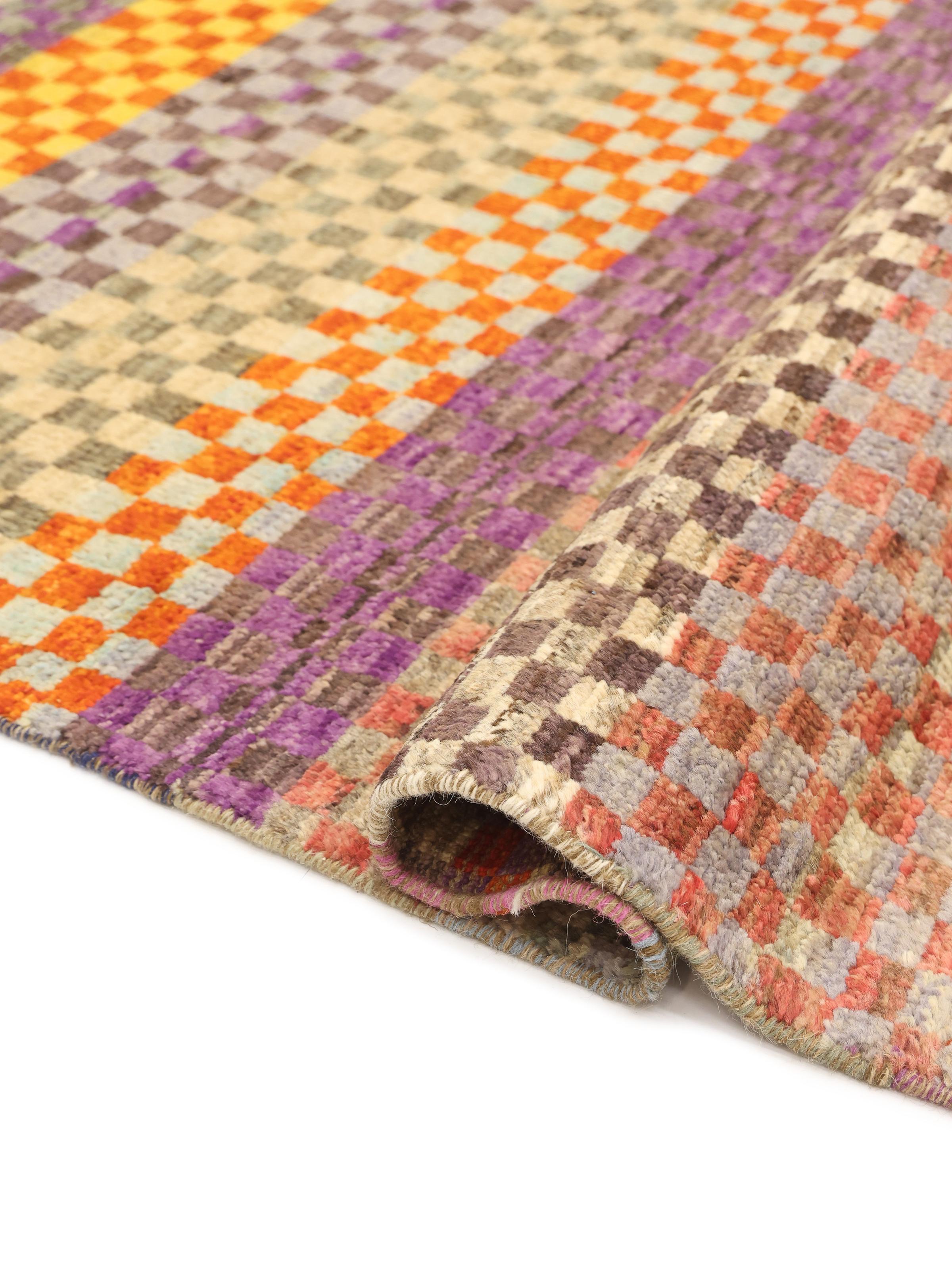
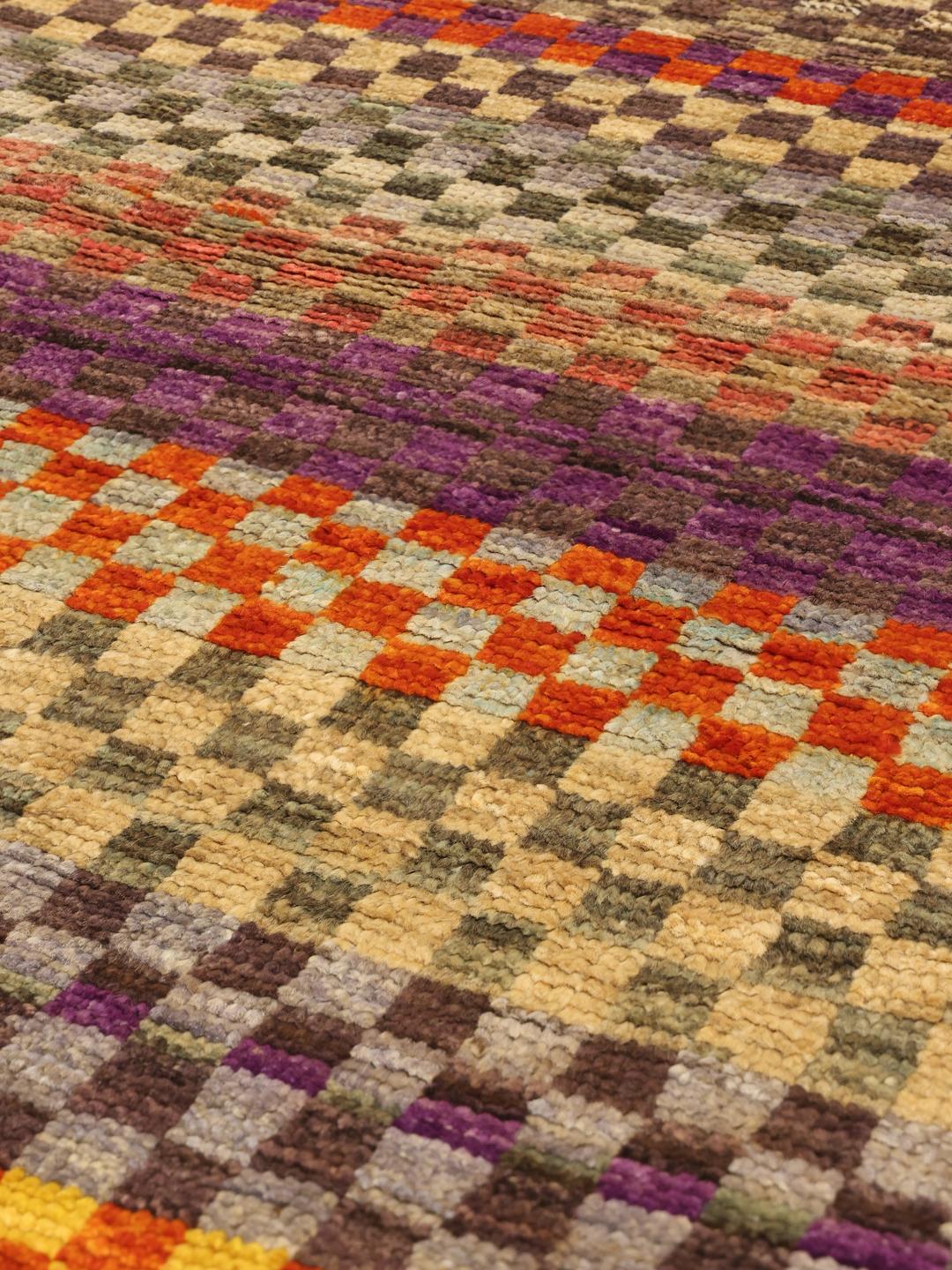
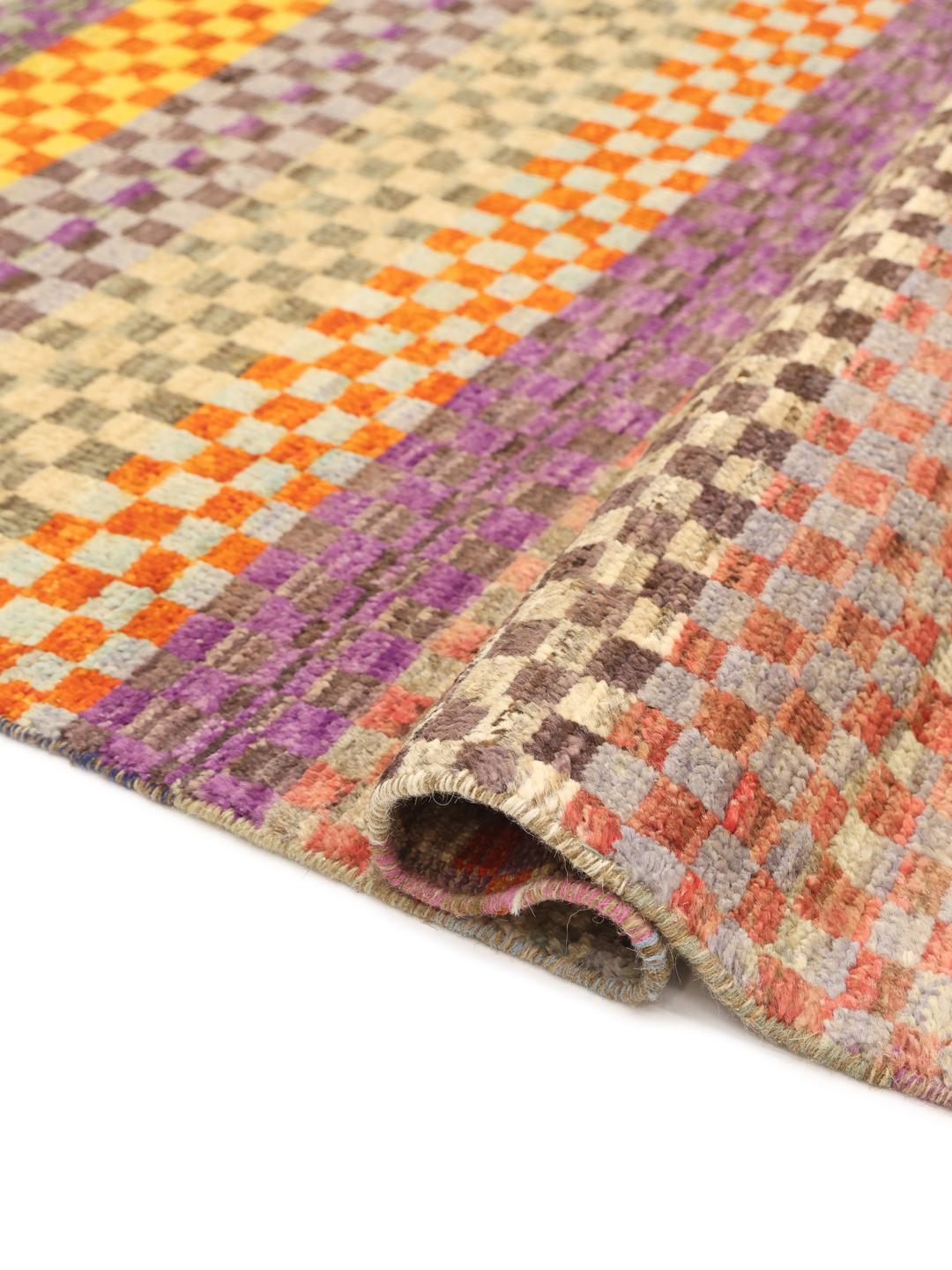
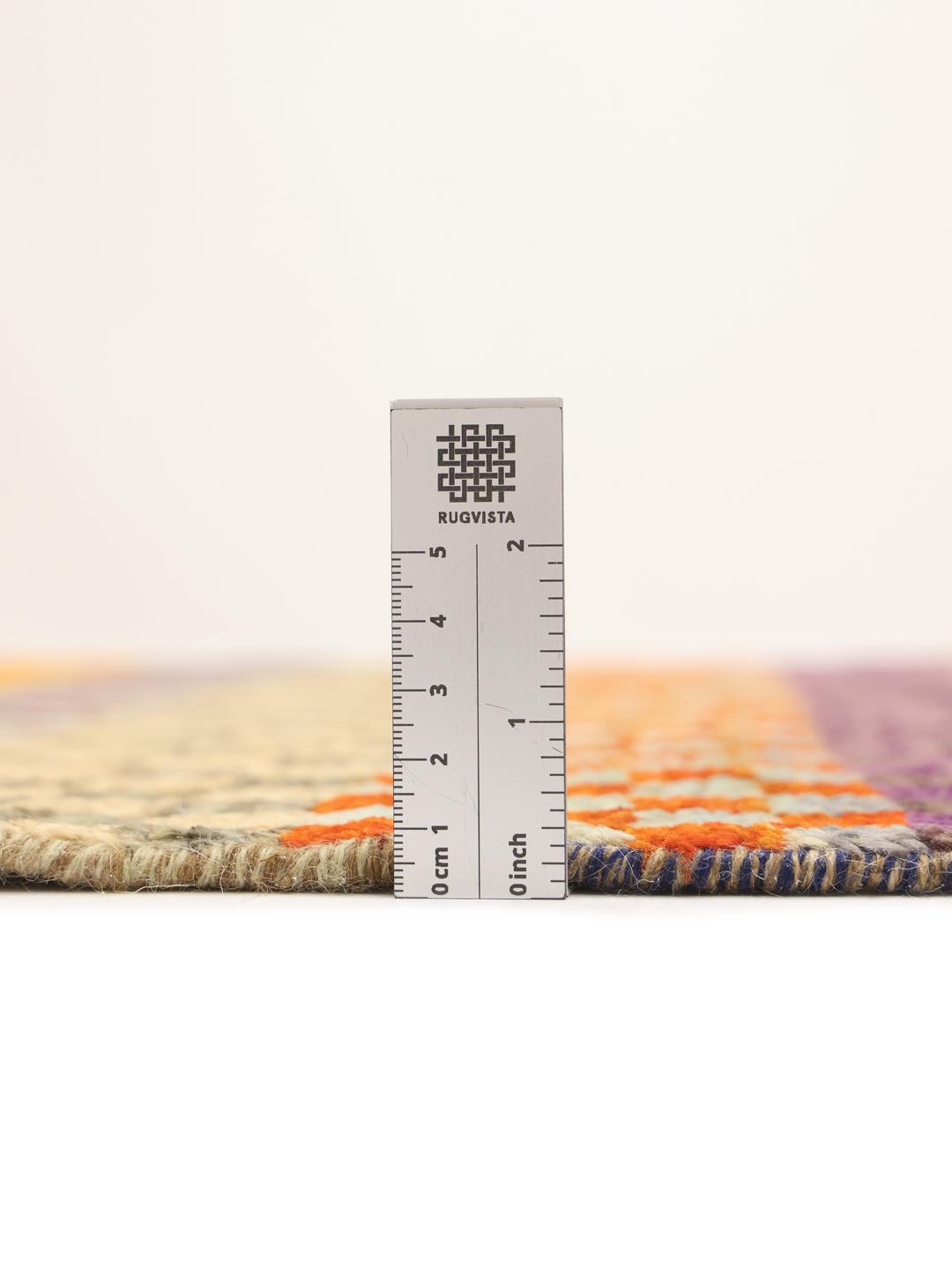
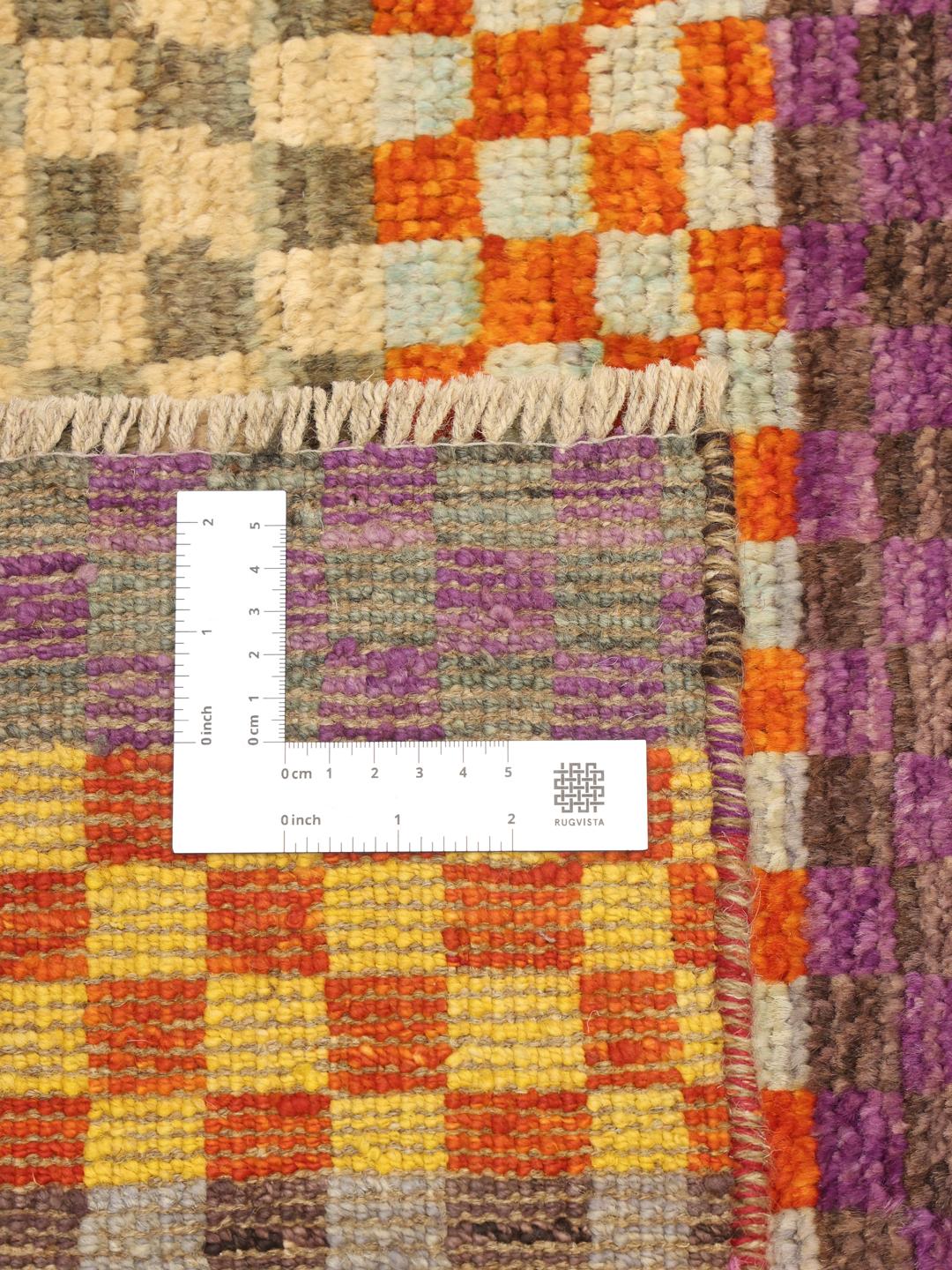
The term 'Berber' originally referred to the indigenous peoples of North Africa, but in the context of rug making, it has come to signify a specific style of construction and design. These rugs are known for their thick, plush piles and their use of natural materials. The term 'hand-knotted' is crucial here, as it denotes a construction method where each knot is tied individually, creating a level of durability and detail that simply cannot be achieved by machines.
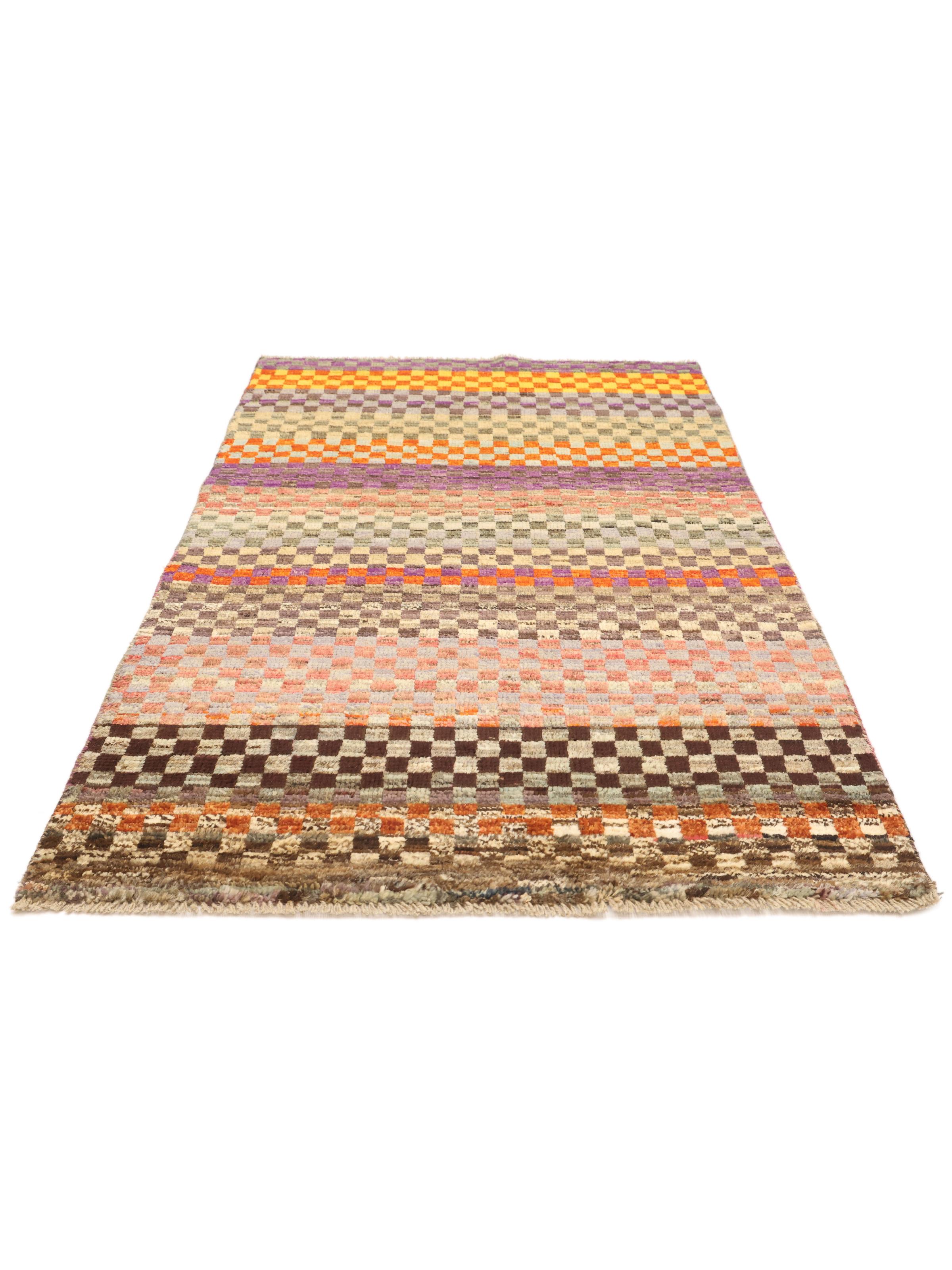
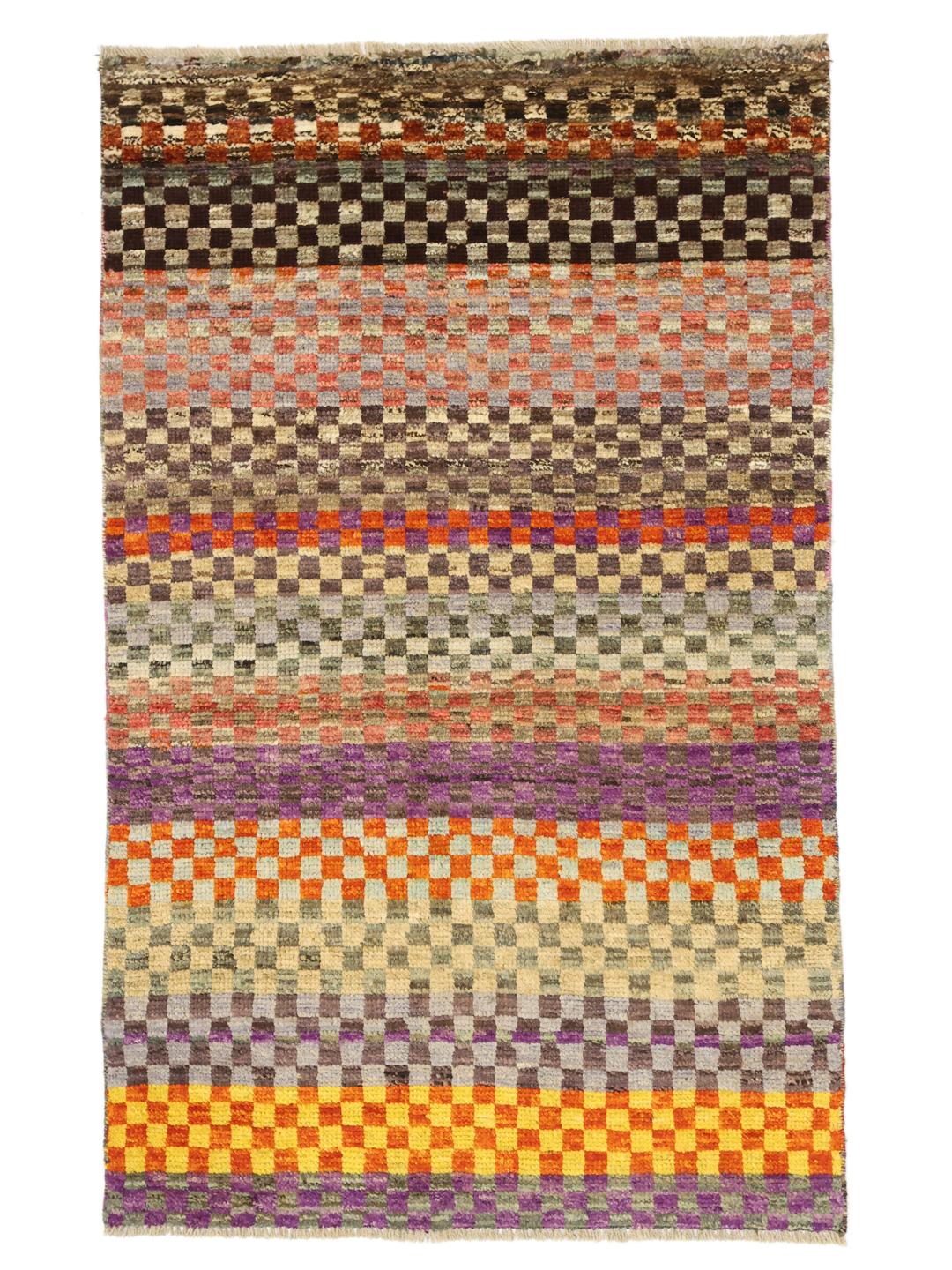
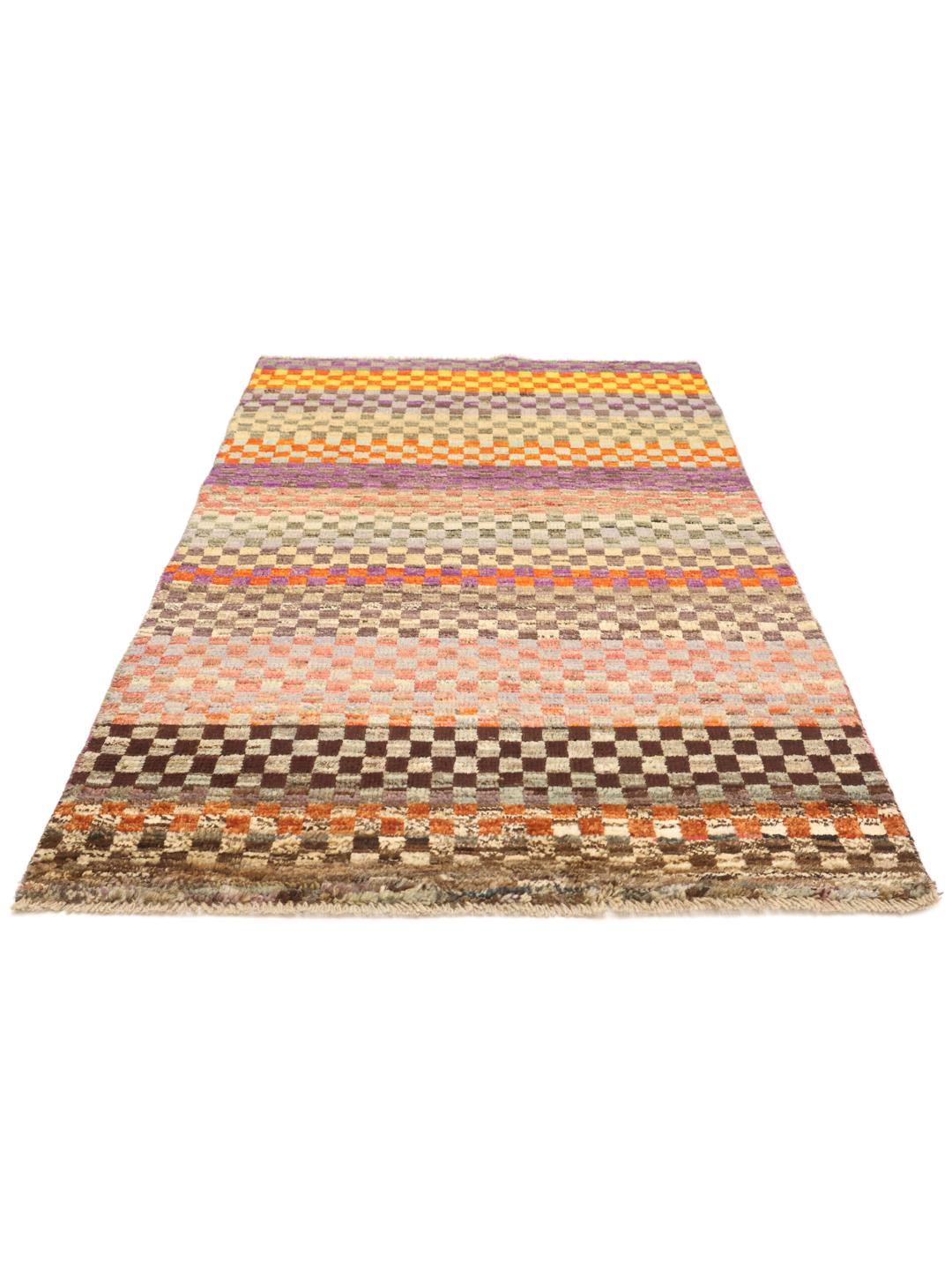
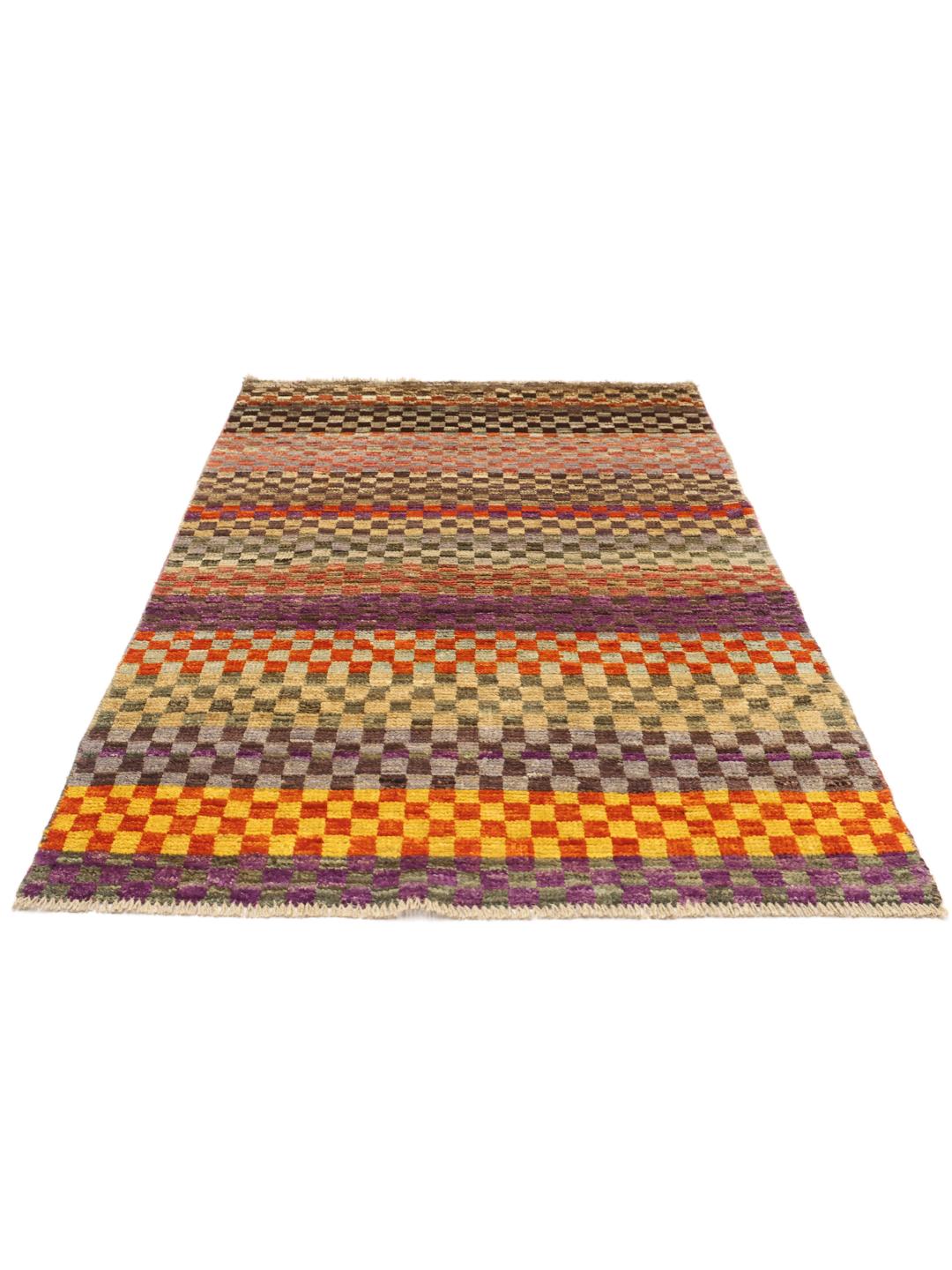
Visually, these rugs are celebrated for their bold, geometric motifs and vibrant use of colour. While traditional designs often featured simple, diamond-shaped patterns in neutral tones, modern interpretations like this one embrace a wider spectrum of hues. The checkered pattern seen here is a classic evolution of the tribal aesthetic, using repeating blocks of colour to create a sense of movement and energy that feels both contemporary and grounded in tradition.
Collecting a rug from this tradition is a way of preserving a legacy of skill and creativity. These pieces are valued not only for their beauty but for the human story embedded in every knot. By choosing a hand-knotted piece, you are supporting a craft that prioritises longevity and individual expression over mass-market trends, making it a meaningful addition to any collection.