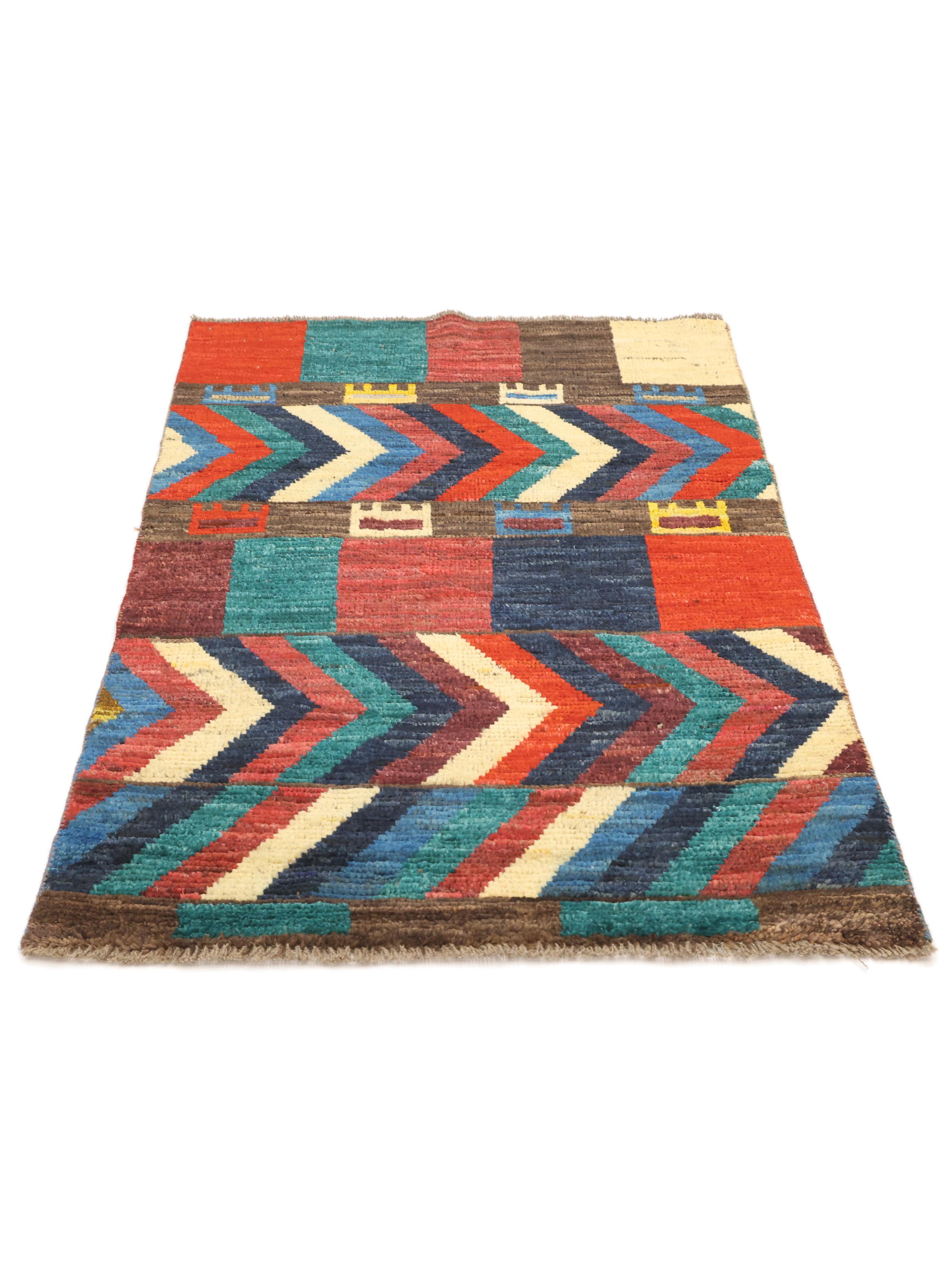
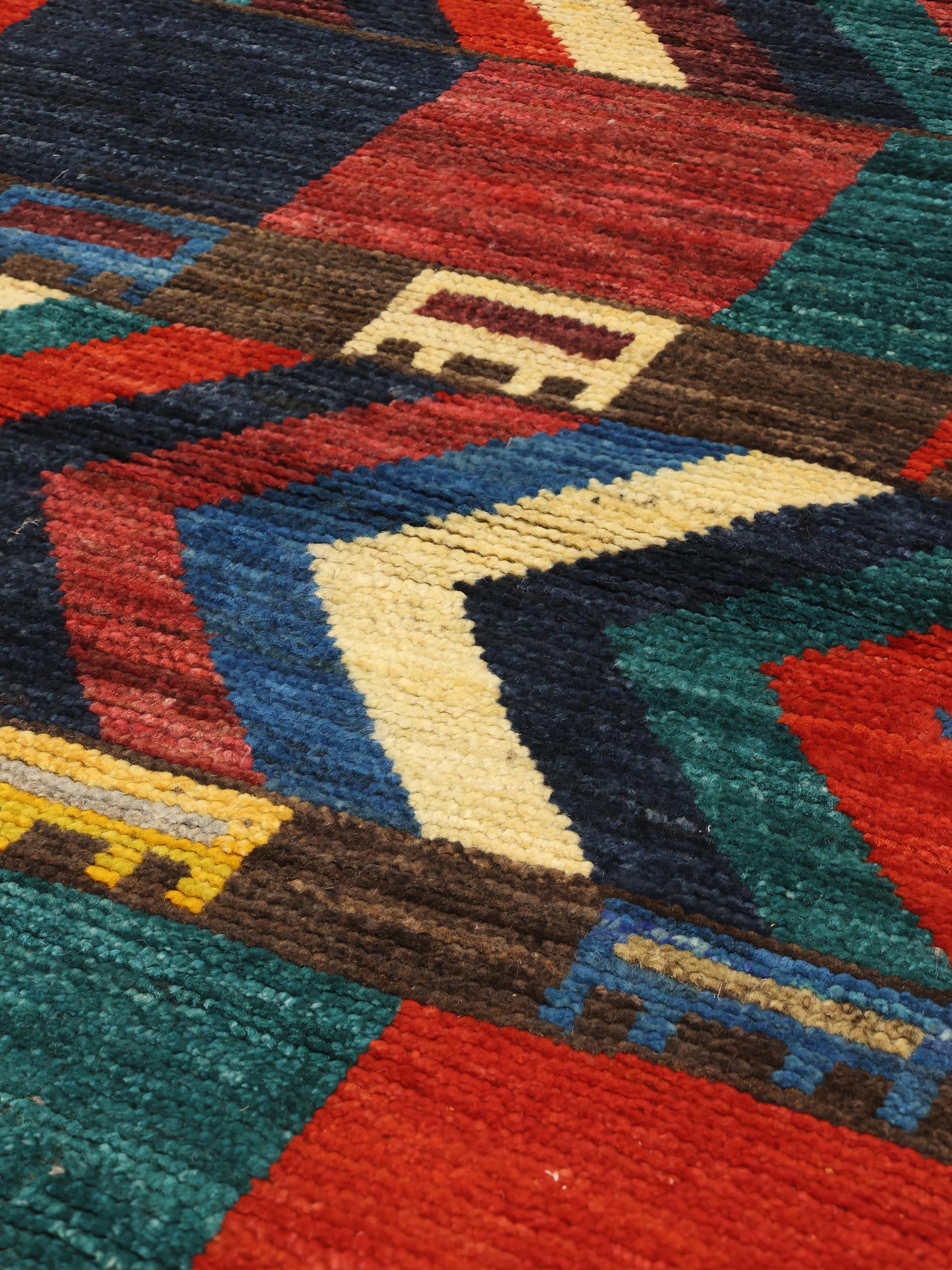
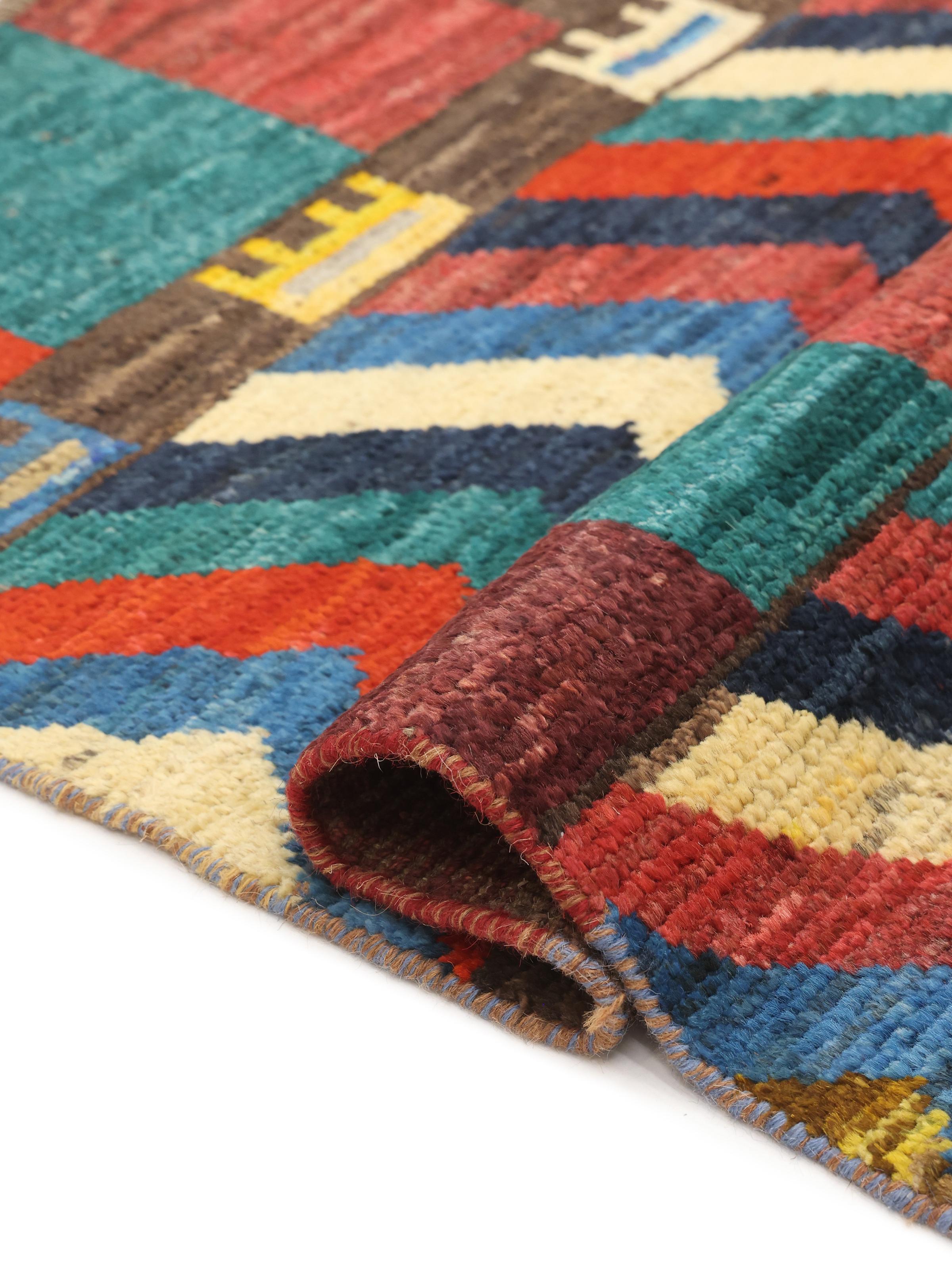
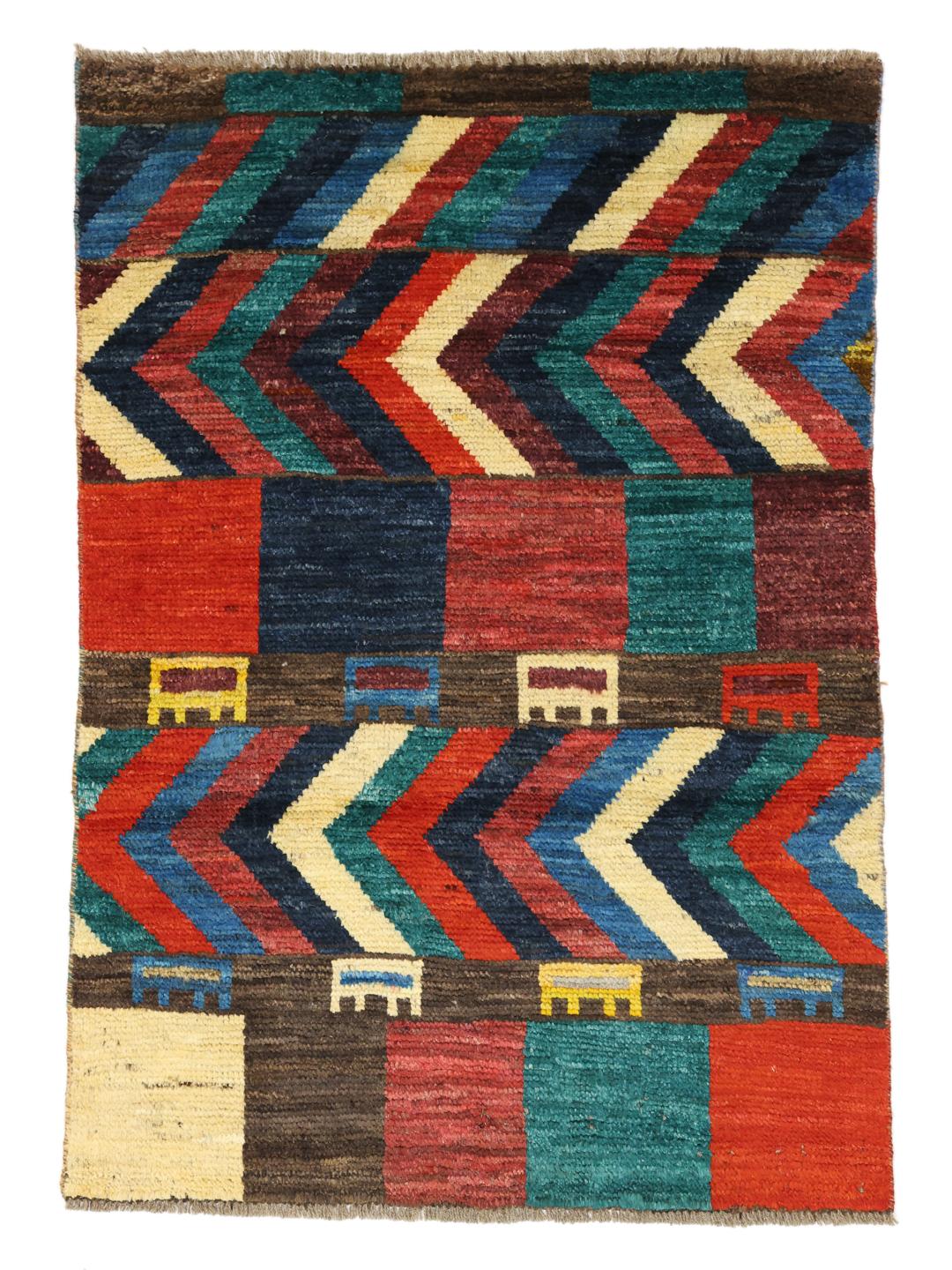
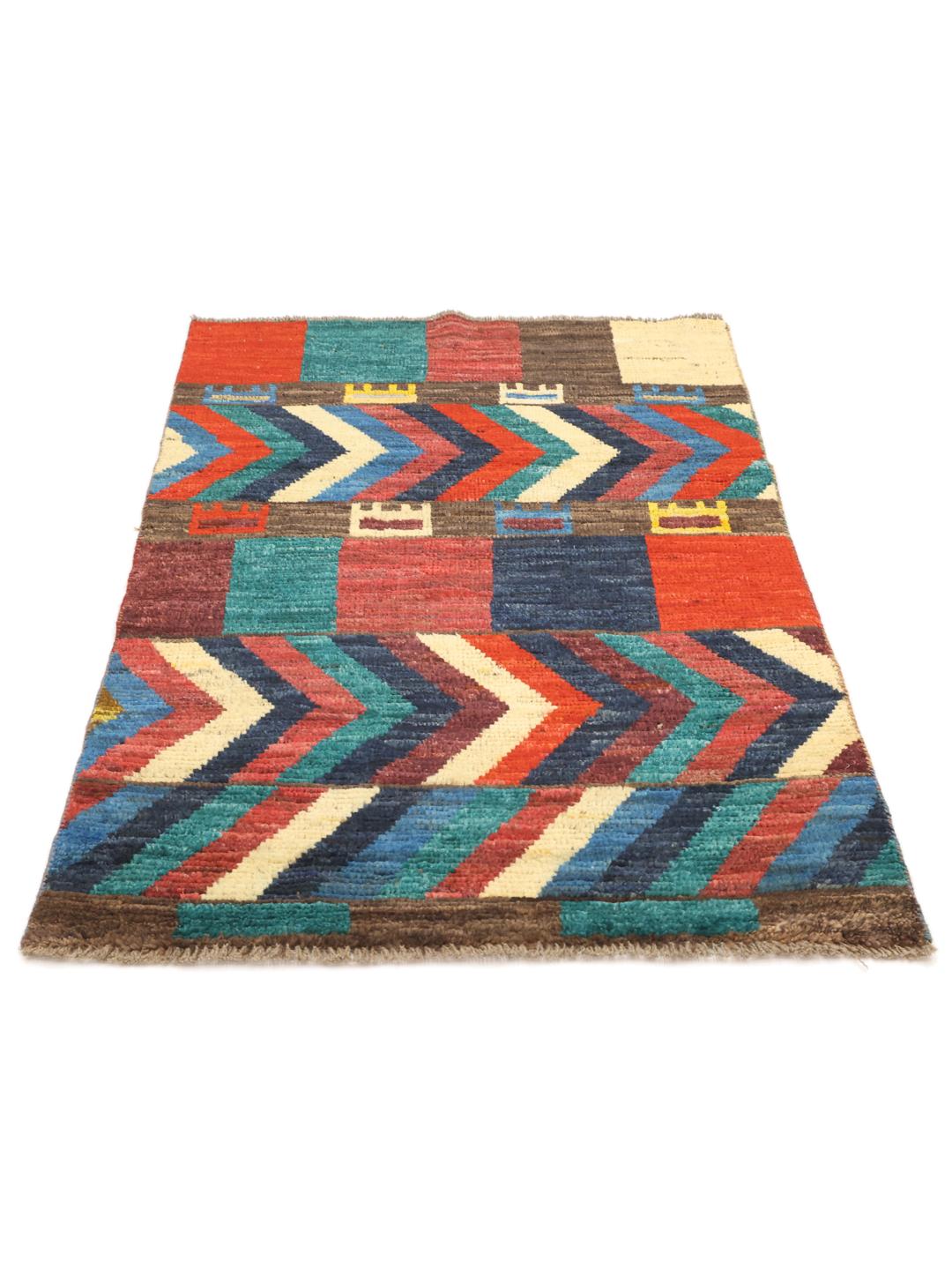
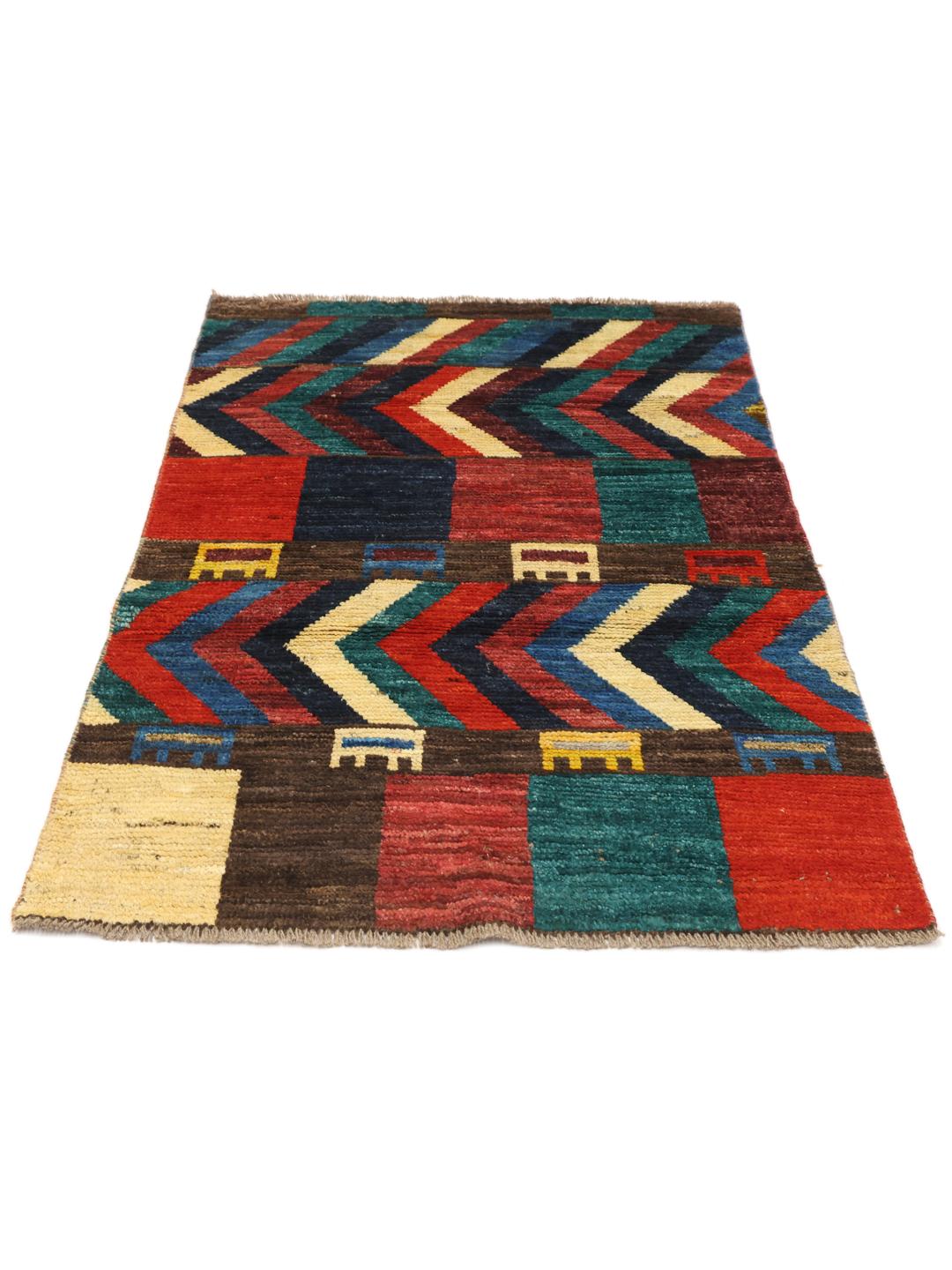
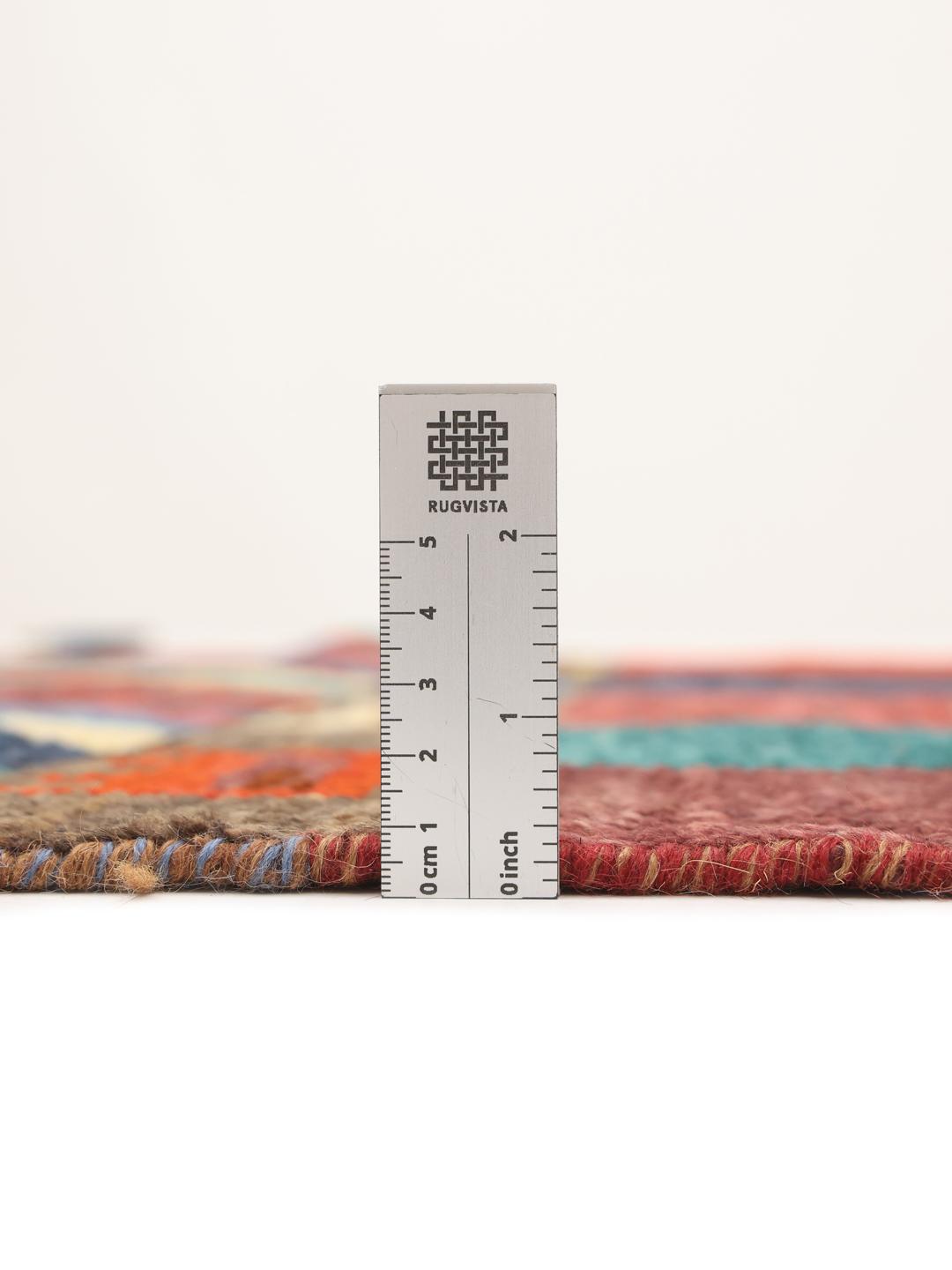
The Berber tradition originates from the indigenous tribes of North Africa, where weaving has served as both a functional necessity and a form of storytelling for centuries. Over time, these weaving techniques and aesthetic sensibilities have influenced artisans across the globe, including in Afghanistan, where weavers have adapted these methods to create their own distinct interpretations of the form.
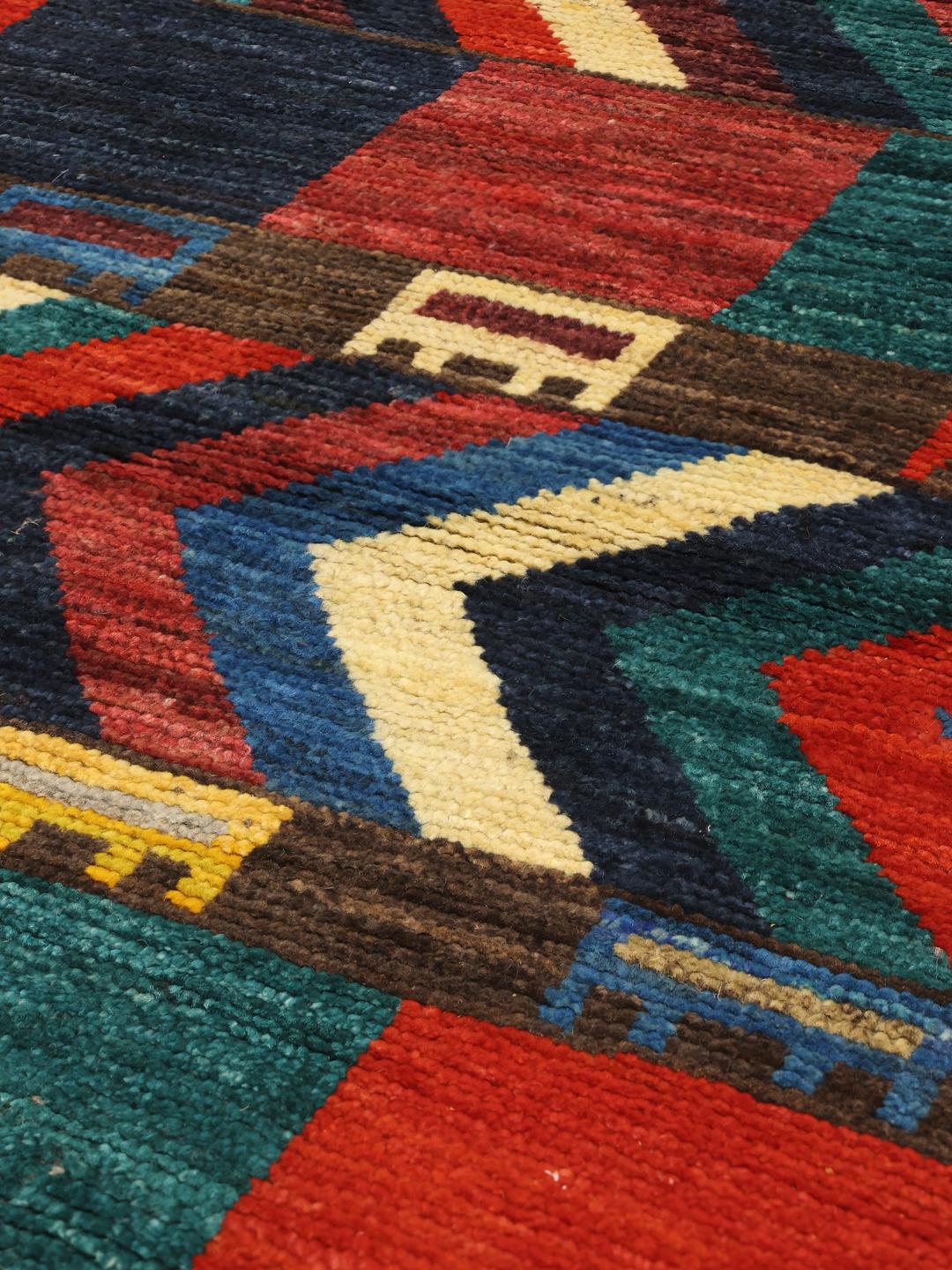
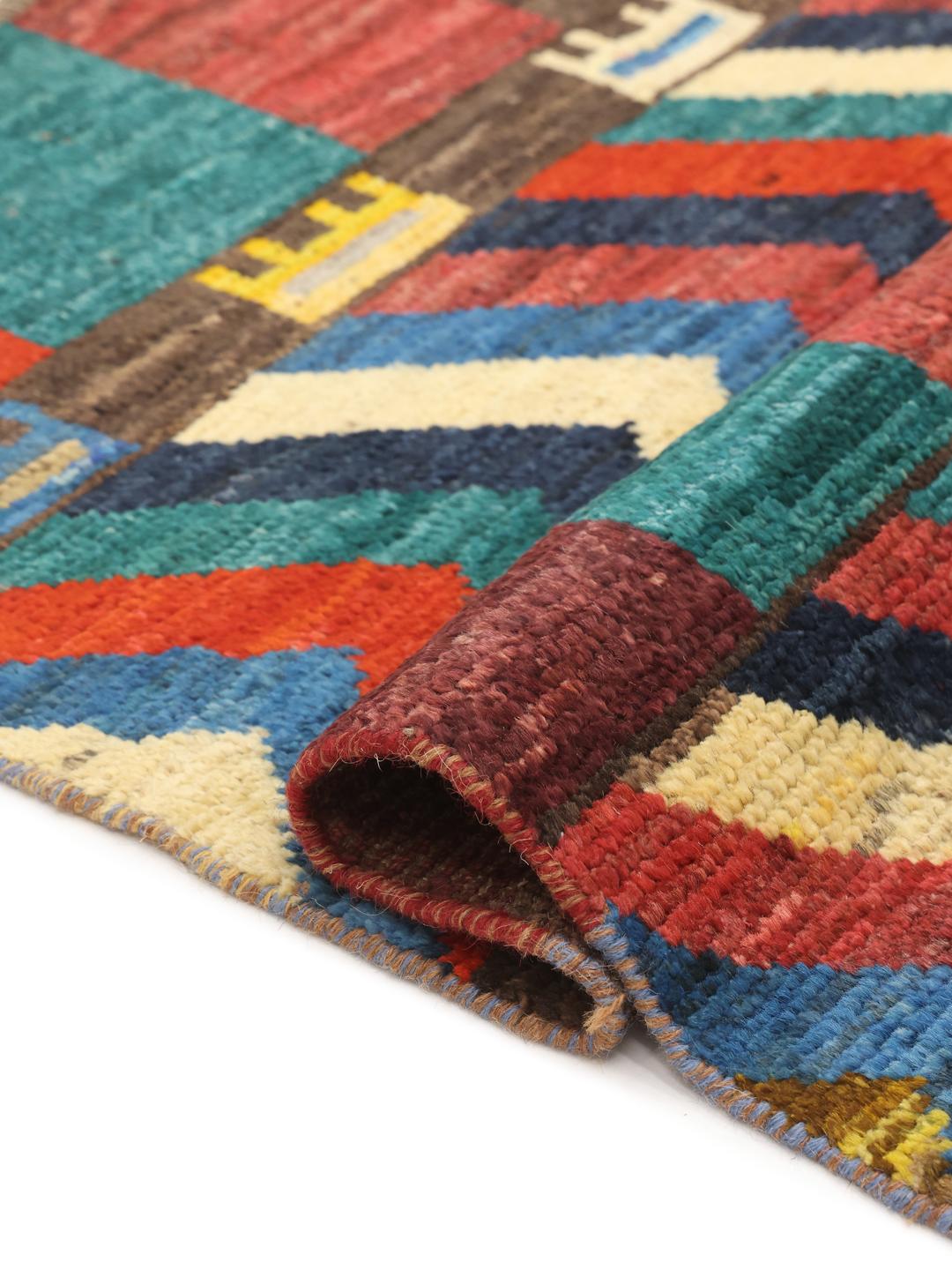
The term 'Berber' refers to a style of weaving characterised by its tactile, often thick pile and its emphasis on natural materials. In contemporary craft, this has evolved to include more vibrant, artistic expressions that utilise bold colour palettes while maintaining the structural honesty of the traditional hand-knotted process.
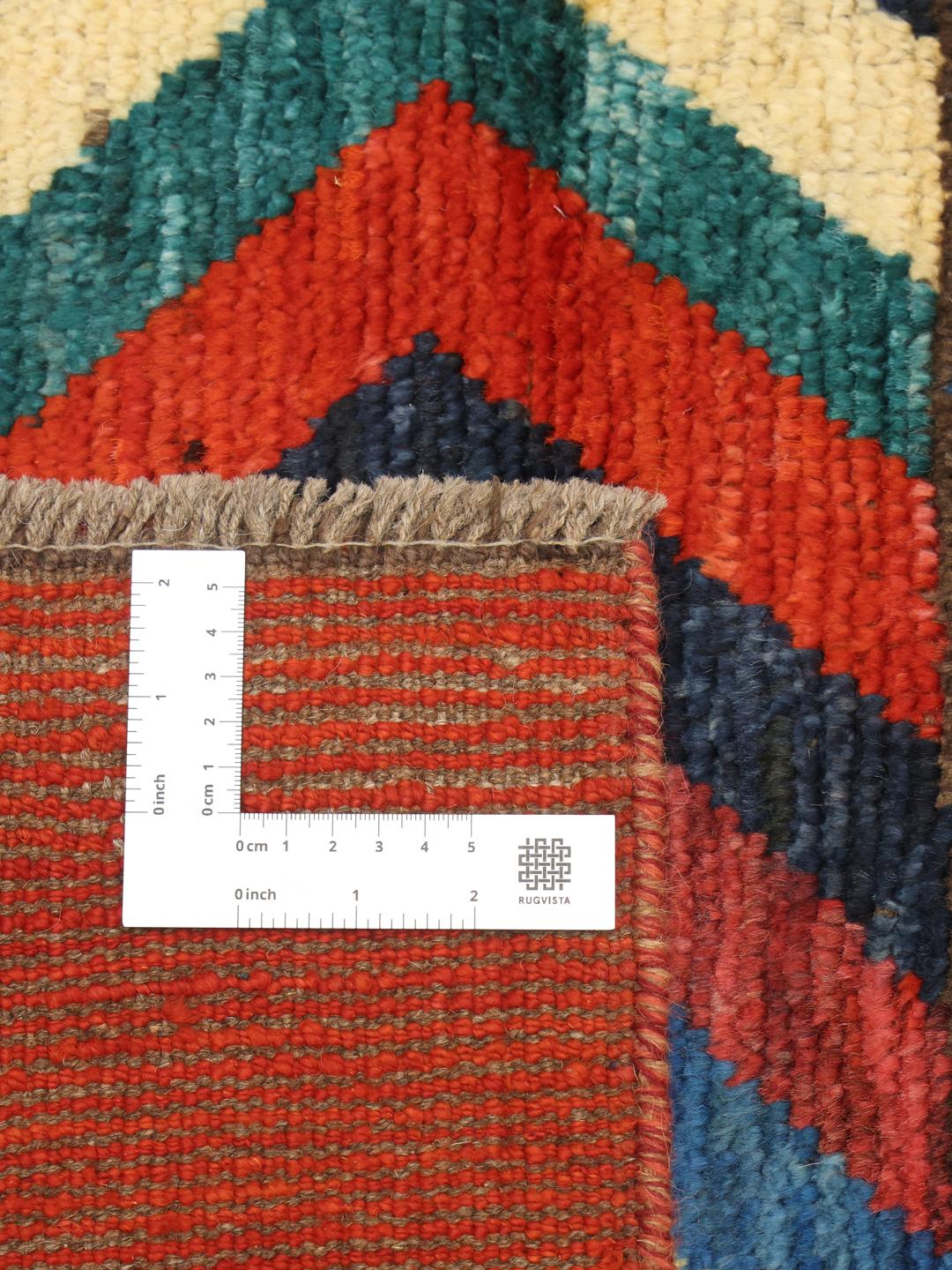
Signature elements of this style include high-contrast geometric motifs, such as the zig-zag and block patterns seen here. These designs are not merely decorative but often hold symbolic meaning within their culture of origin, representing protection, fertility, or the natural landscape, all brought together through a free-spirited, artistic lens.
Collectors value these rugs for their authenticity and the human story behind every knot. Owning a piece from this tradition is an opportunity to connect with a historical practice that prioritises individual creative expression over uniformity, resulting in a floor covering that serves as a heritage piece for the modern home.