The Berber tradition, while historically rooted in the nomadic cultures of North Africa, has inspired a global language of design that emphasises geometric simplicity and expressive, earthy palettes. Rugs created within this tradition, particularly those crafted in Afghanistan, blend these ancient aesthetic principles with the specialised techniques of regional weaving communities.
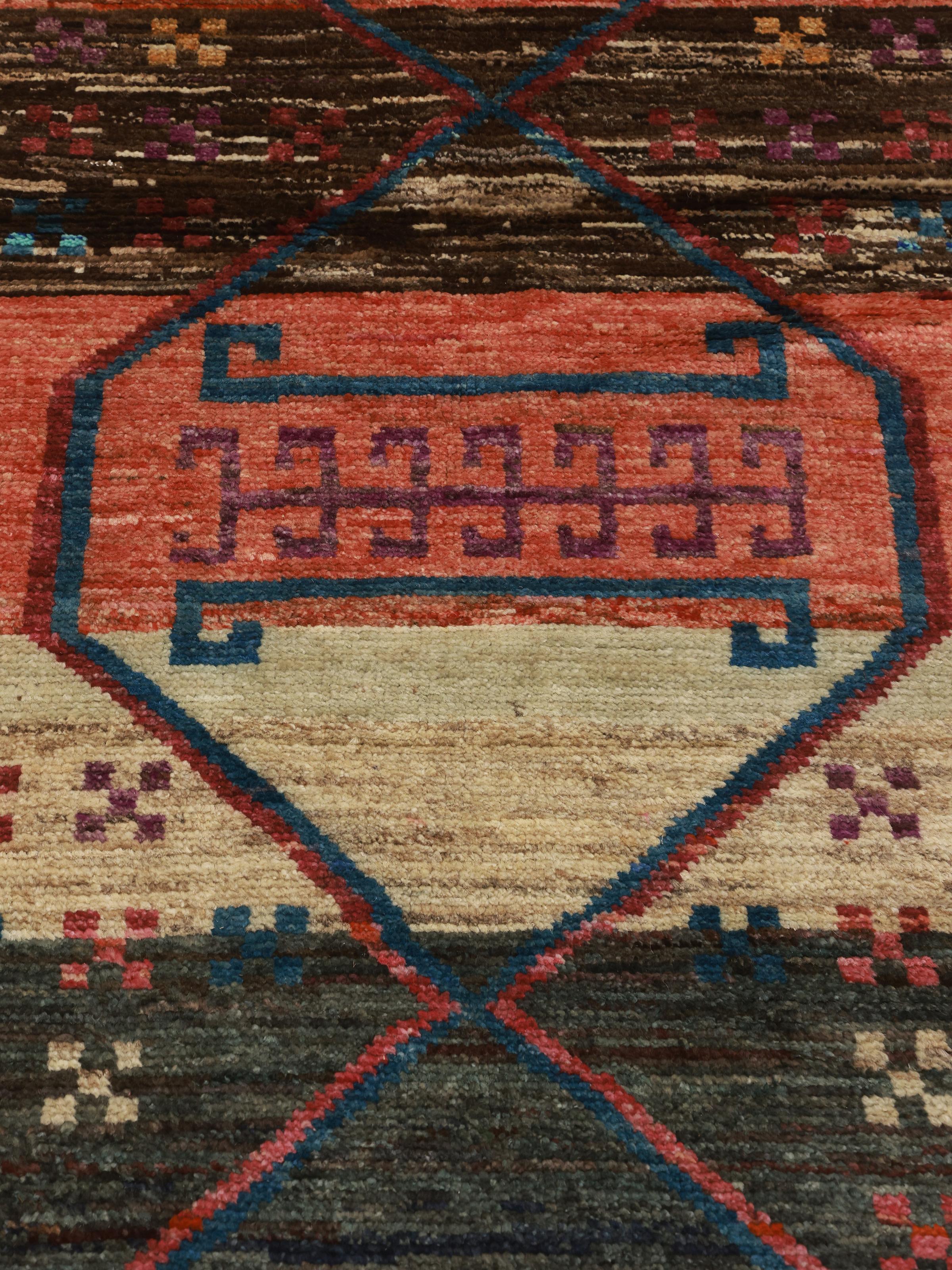
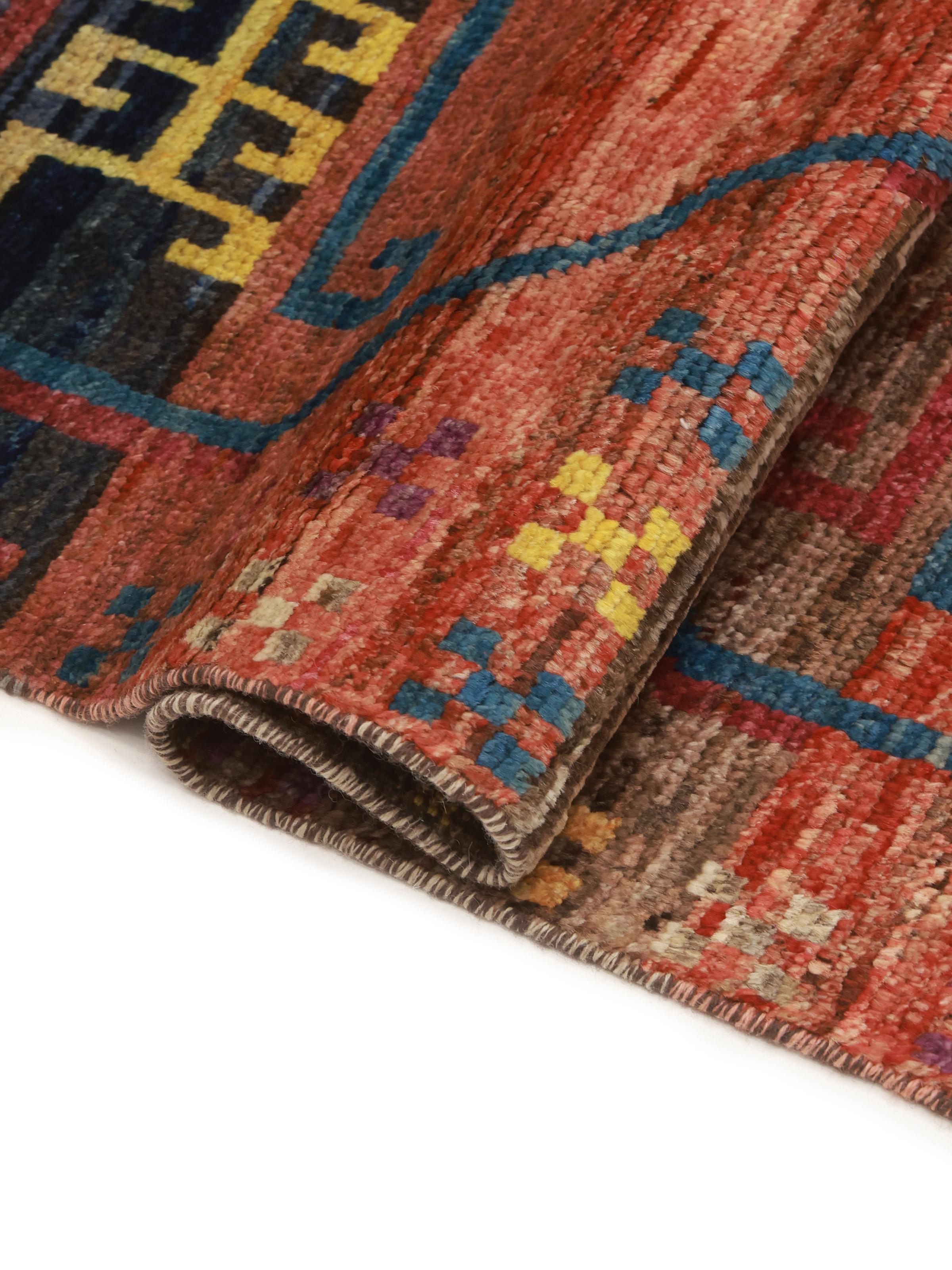
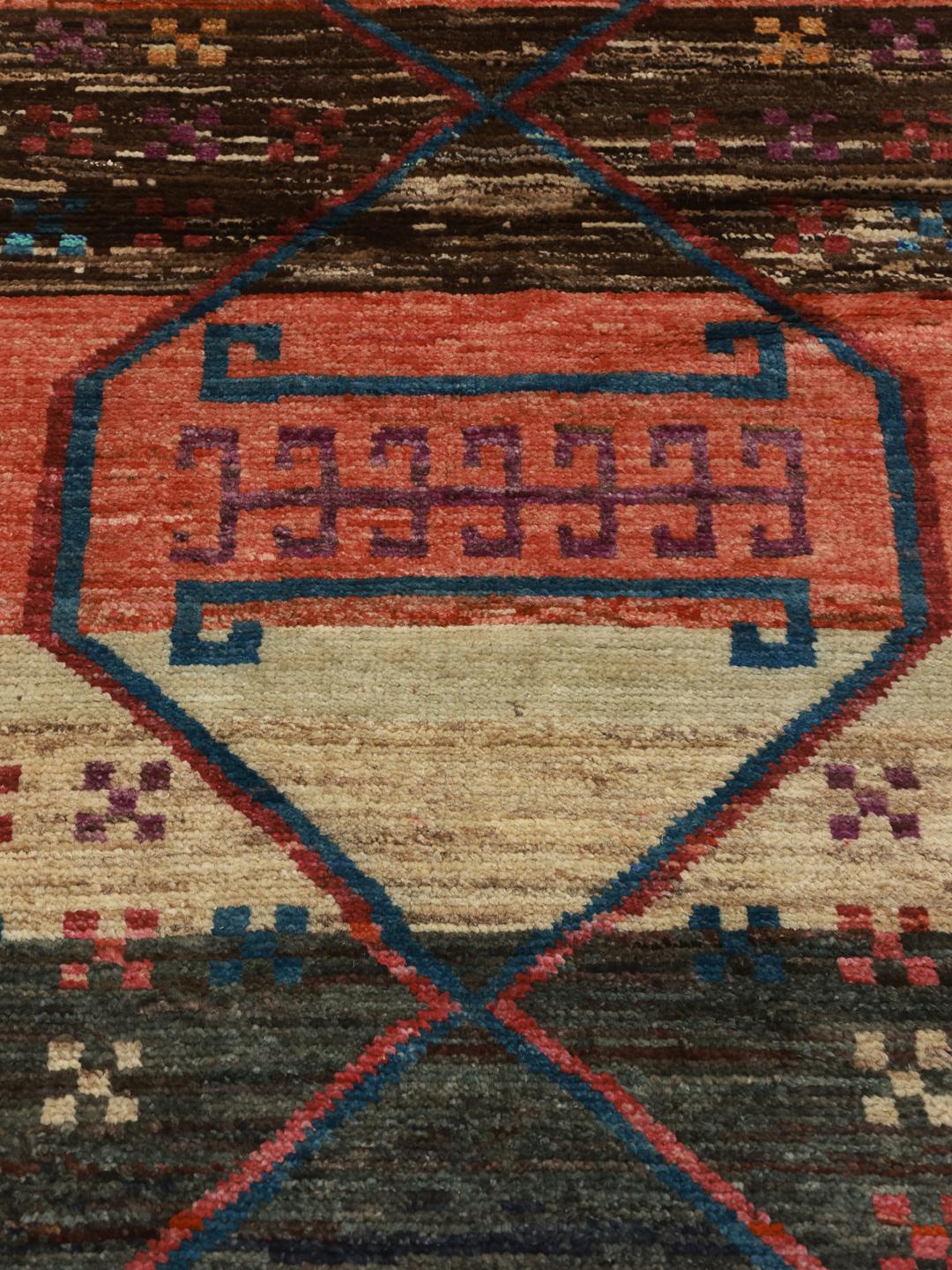
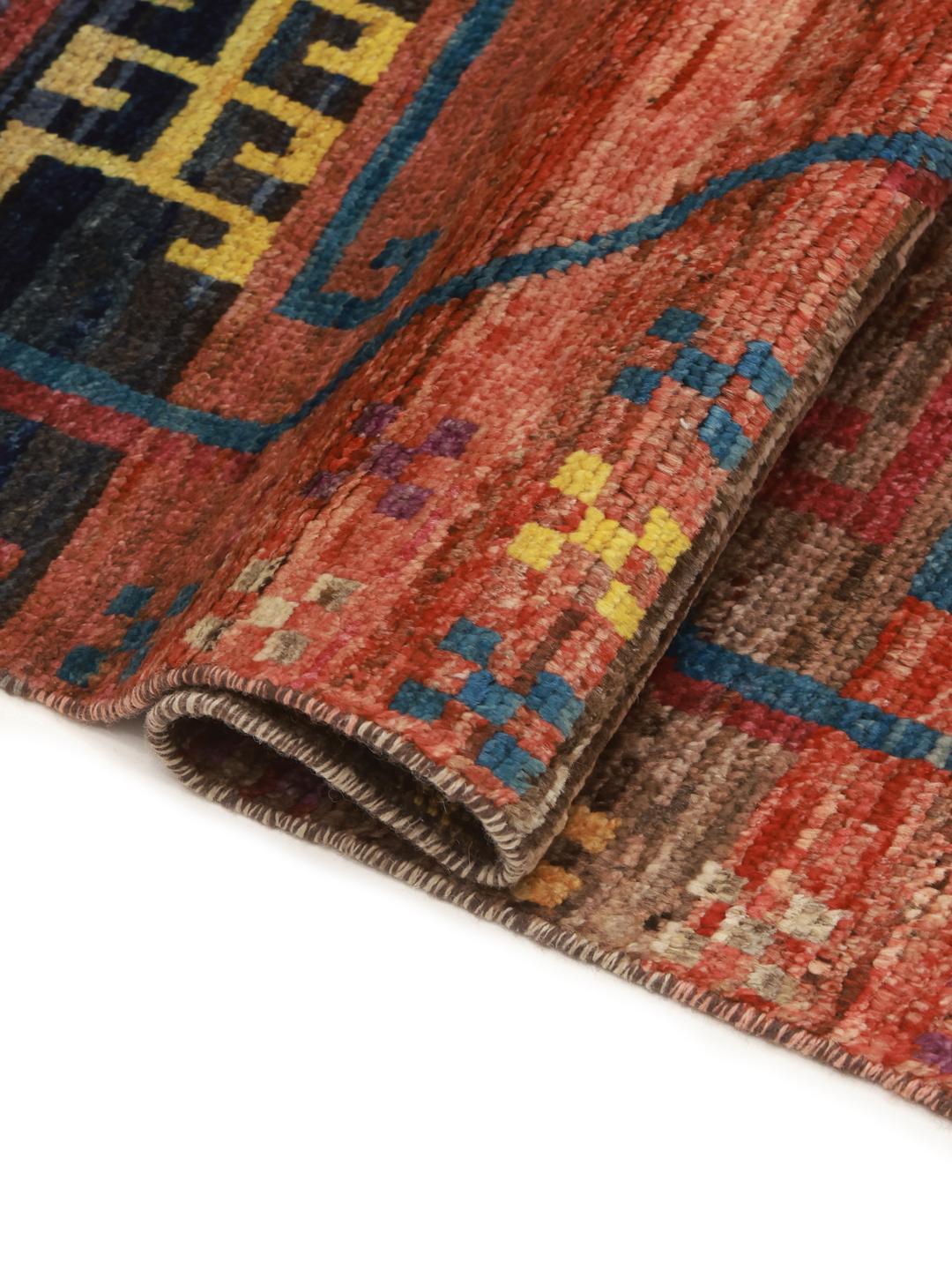
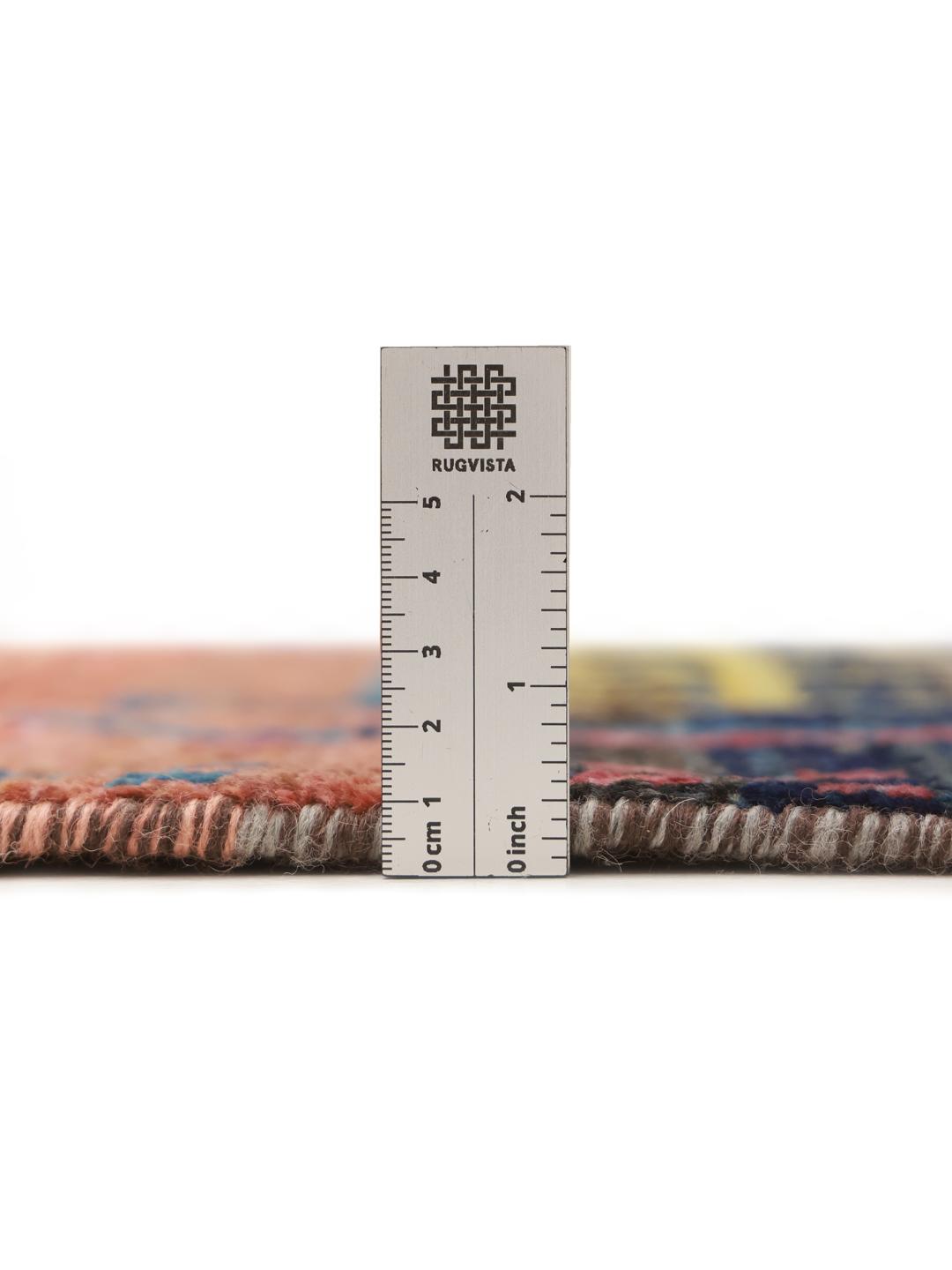
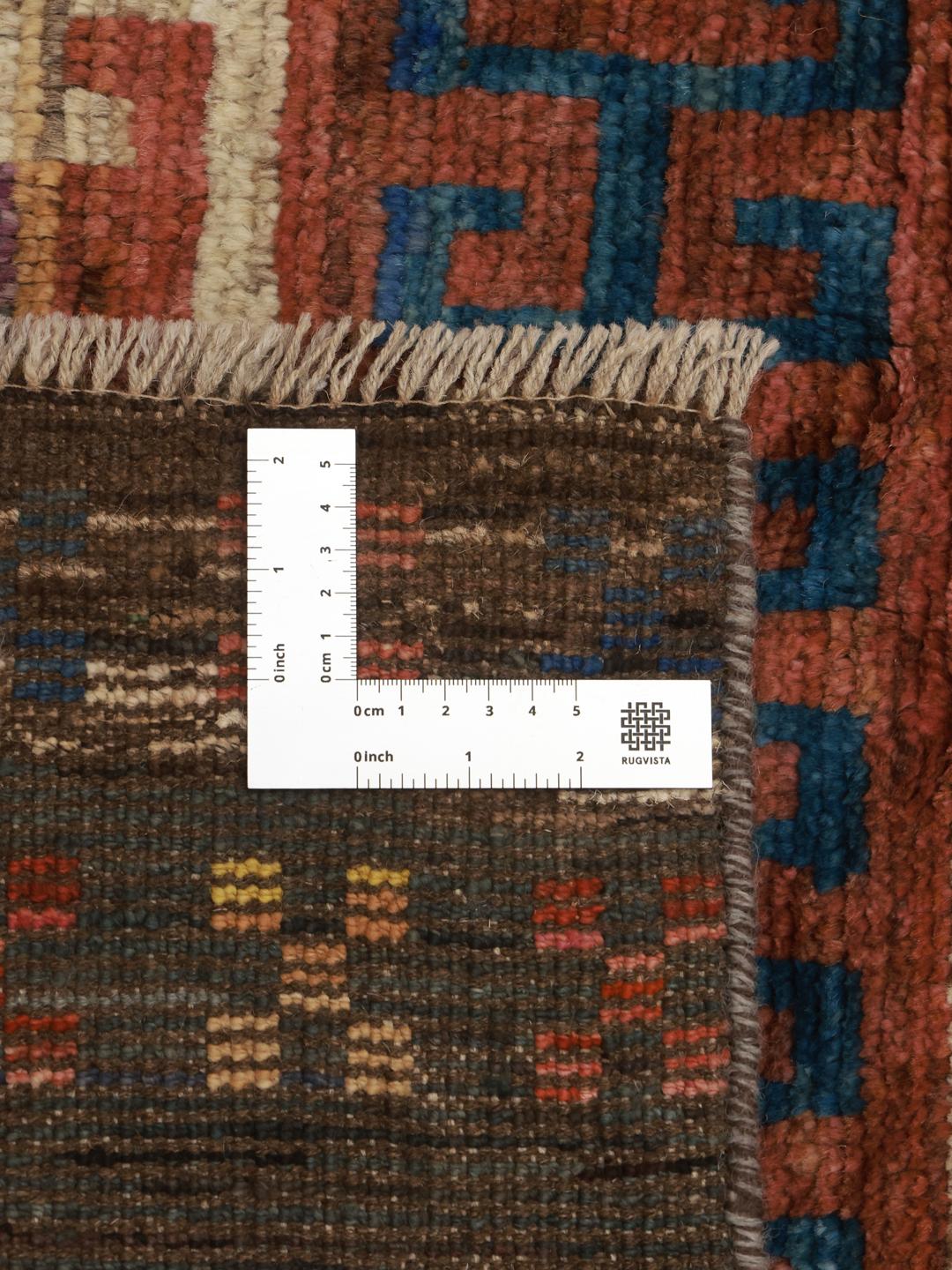
The construction of these rugs relies on traditional hand-knotting methods, which allow for the creation of thick, resilient piles. This technical approach is vital for the longevity of the rug, as the density of the knots prevents the pile from flattening, ensuring that the texture remains soft and inviting even after years of continuous use.
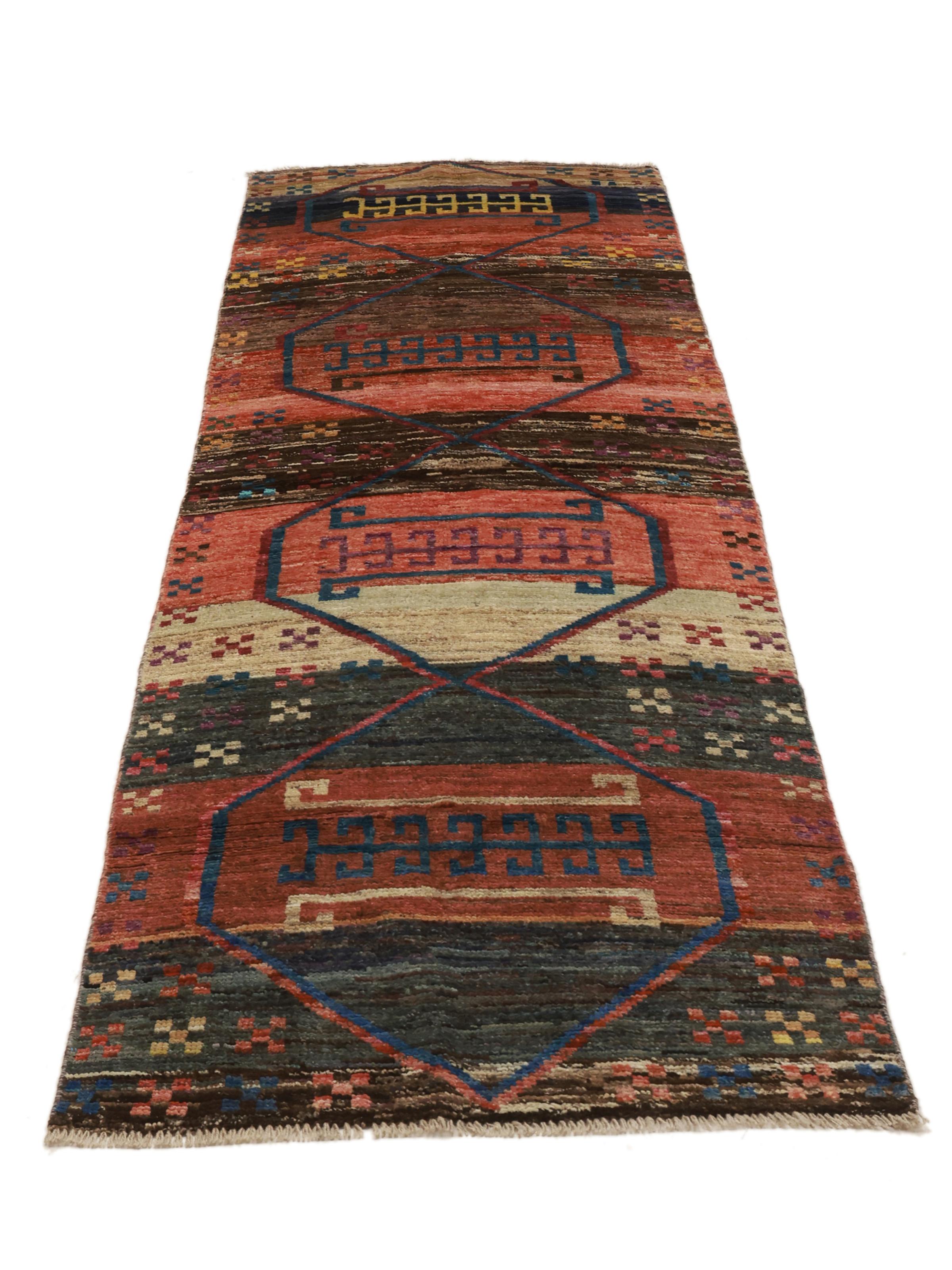
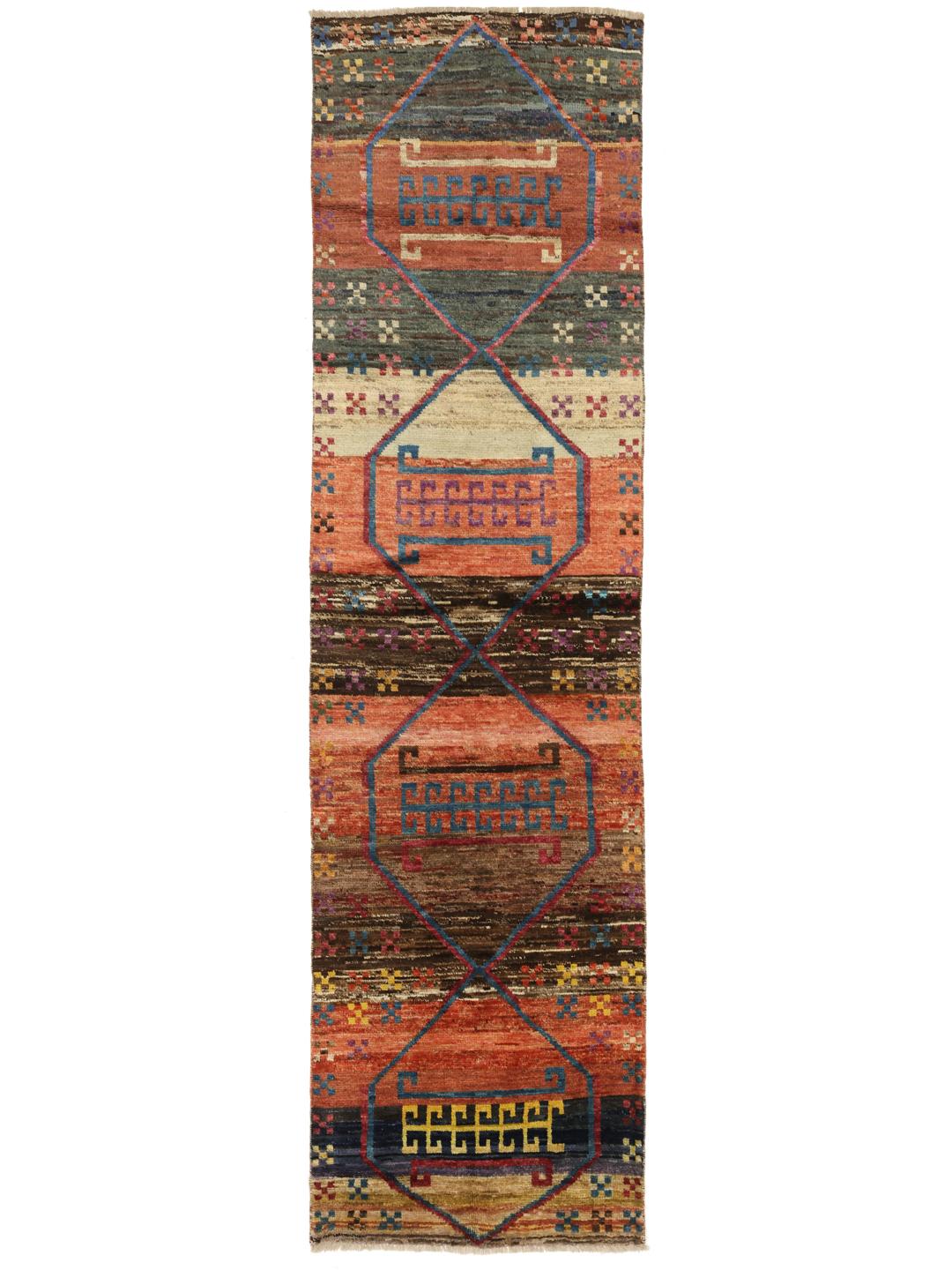
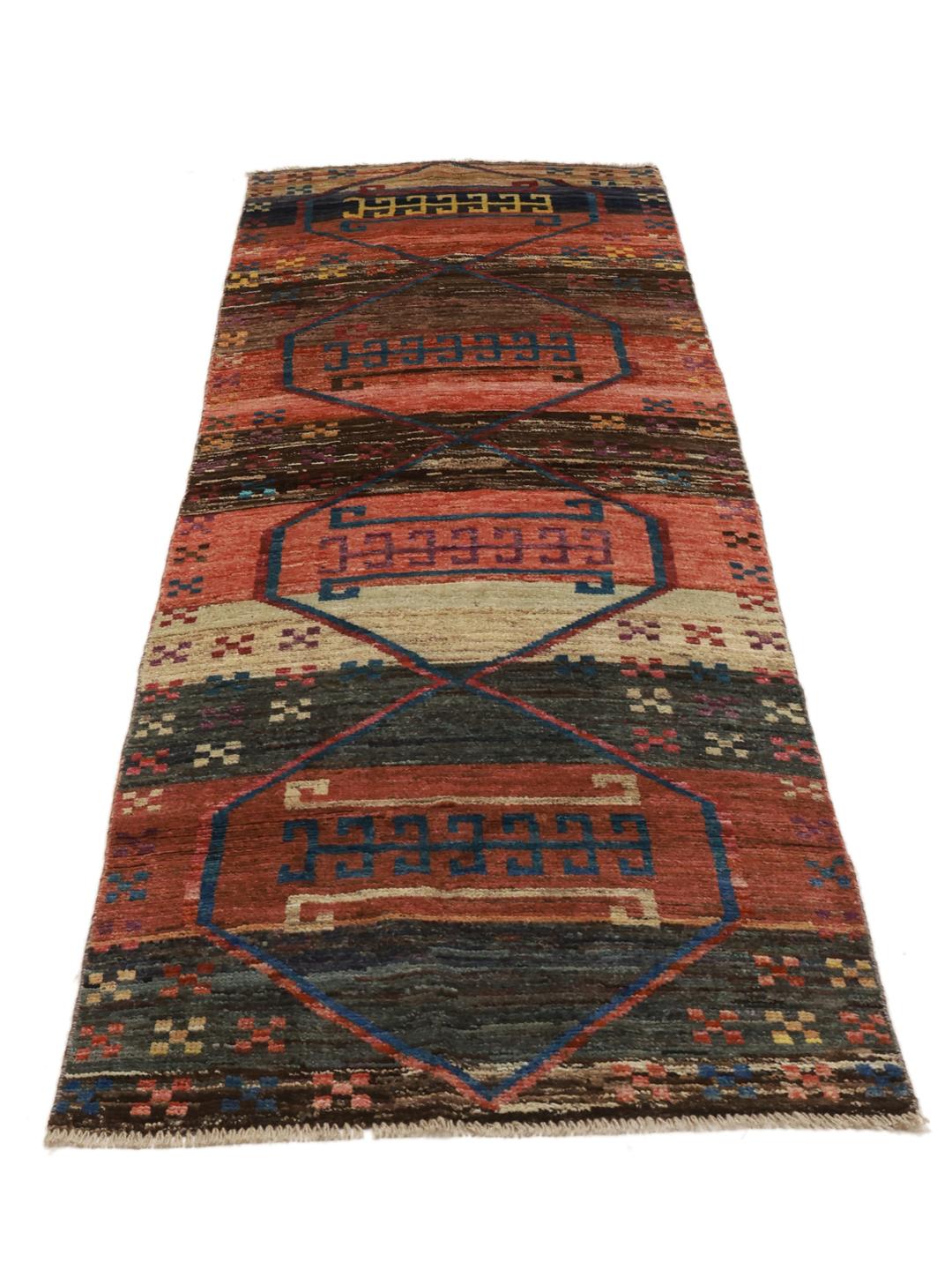
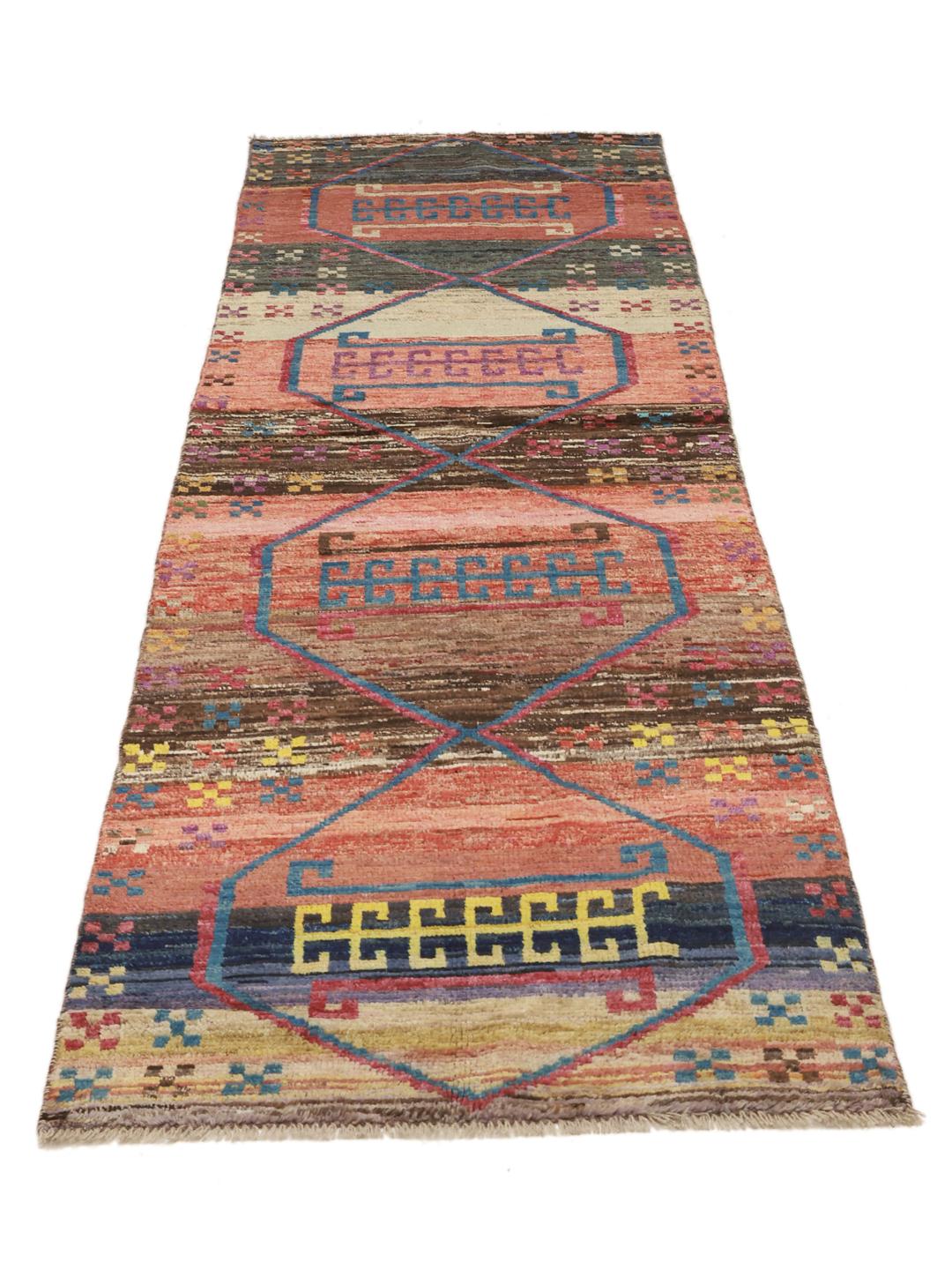
Visually, these runners are defined by their use of repeating motifs, such as the prominent medallions seen here, which are often framed by simple, bold borders. The inclusion of vibrant, contrasting colours against a more neutral or earthy background is a hallmark of this style, intended to bring life and energy into the home while maintaining a connection to traditional geometric forms.
Collecting a rug from this tradition is an investment in human skill and cultural history. These pieces are valued not only for their visual impact but for the authenticity they bring to a living space. By choosing a hand-knotted runner, you are participating in a legacy of craft that prioritises patience, quality, and the enduring beauty of natural materials.