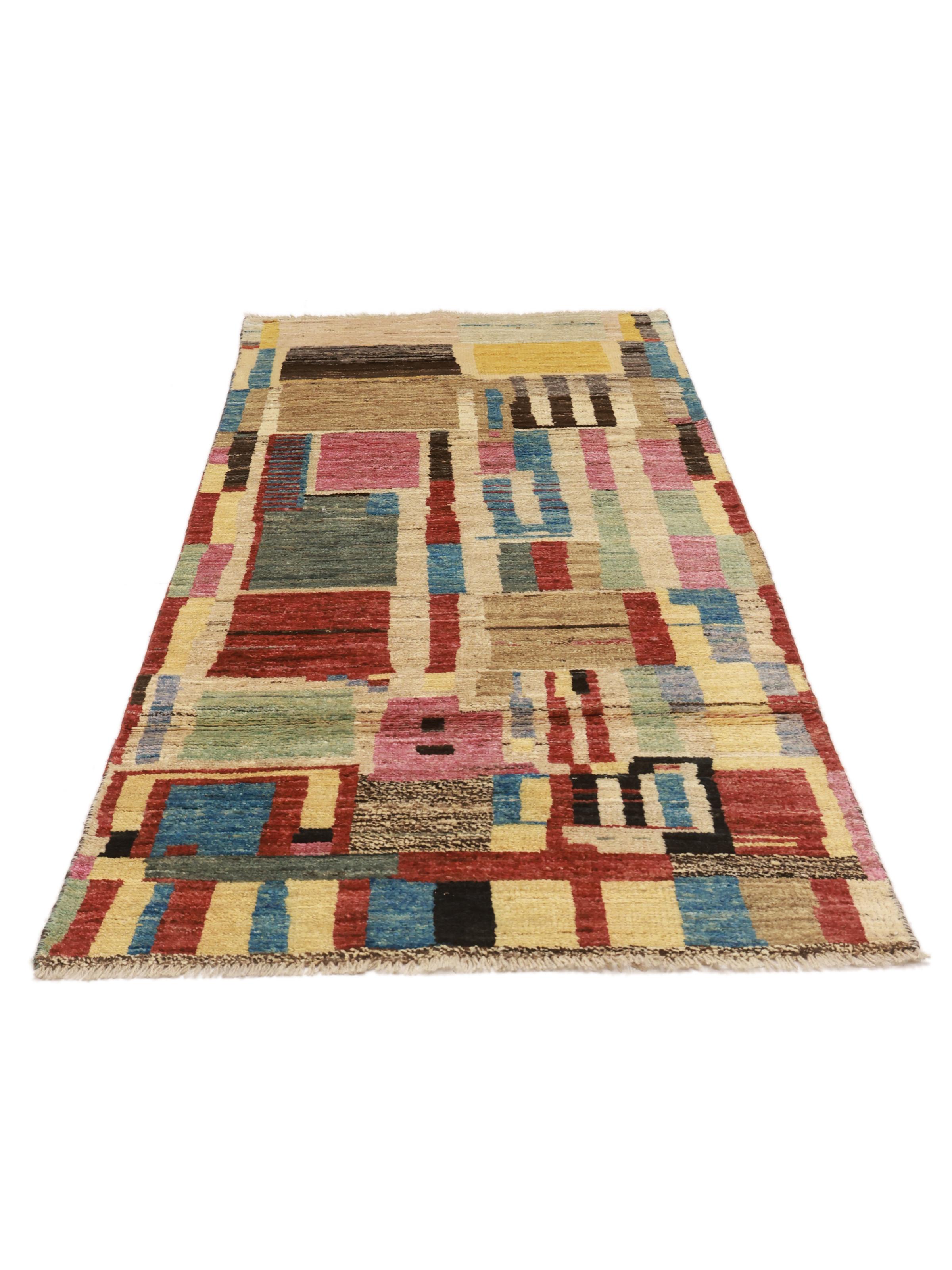
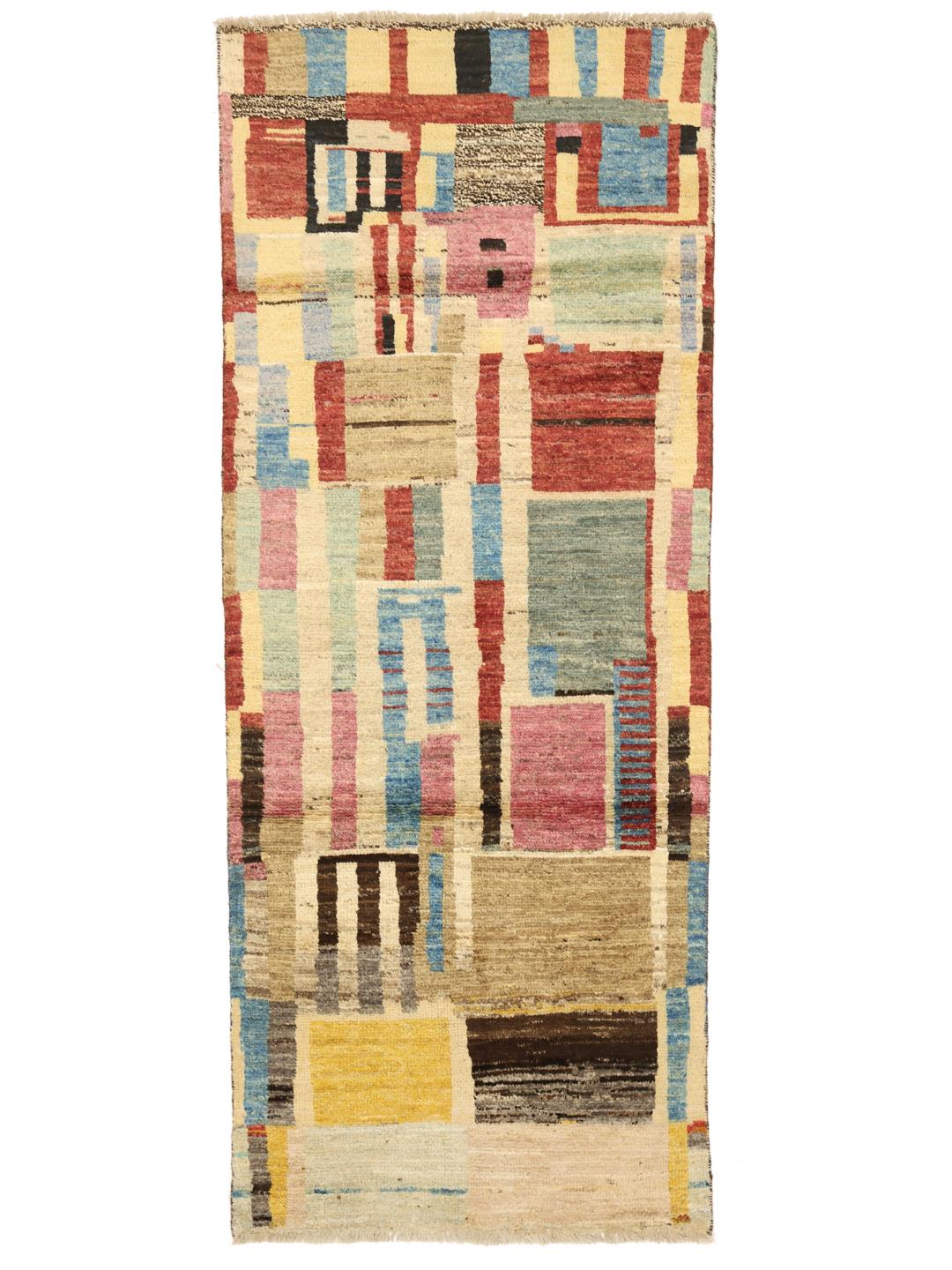
The tradition of Berber-style weaving finds its roots in the mountainous regions of North Africa, where nomadic tribes traditionally created rugs for warmth and comfort. Over generations, this craft has evolved and migrated, finding a vibrant new home in the weaving workshops of Afghanistan.
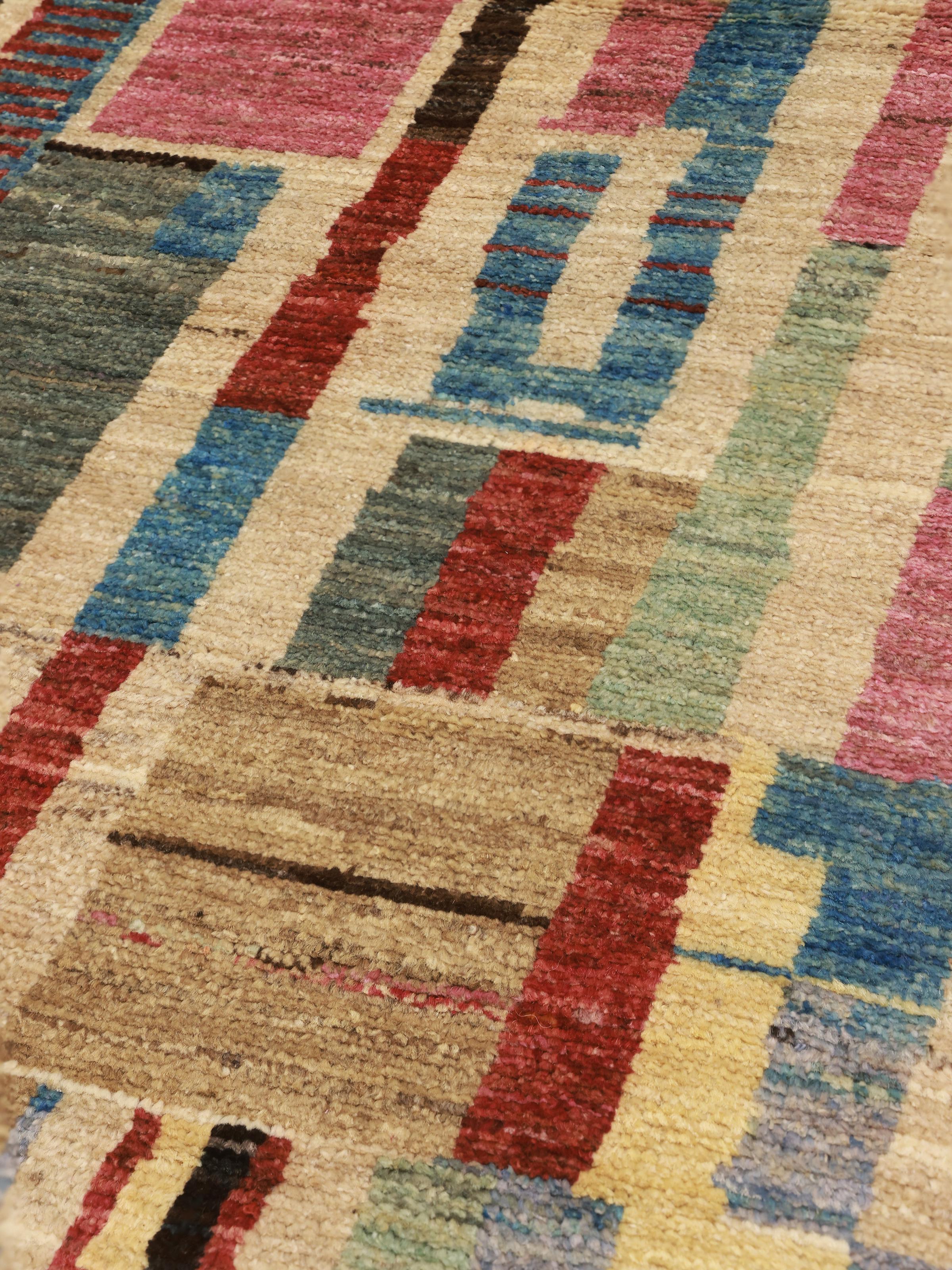
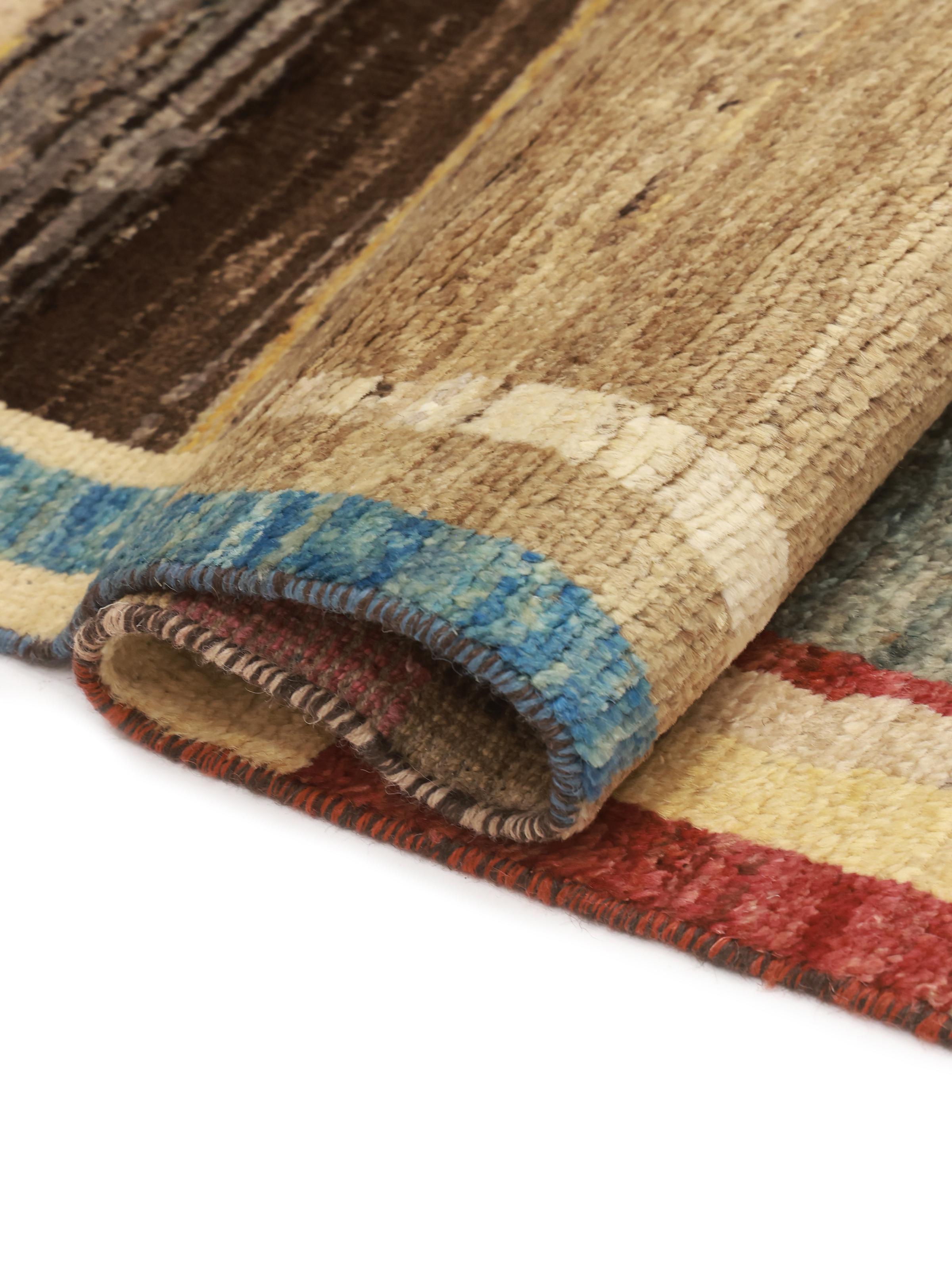
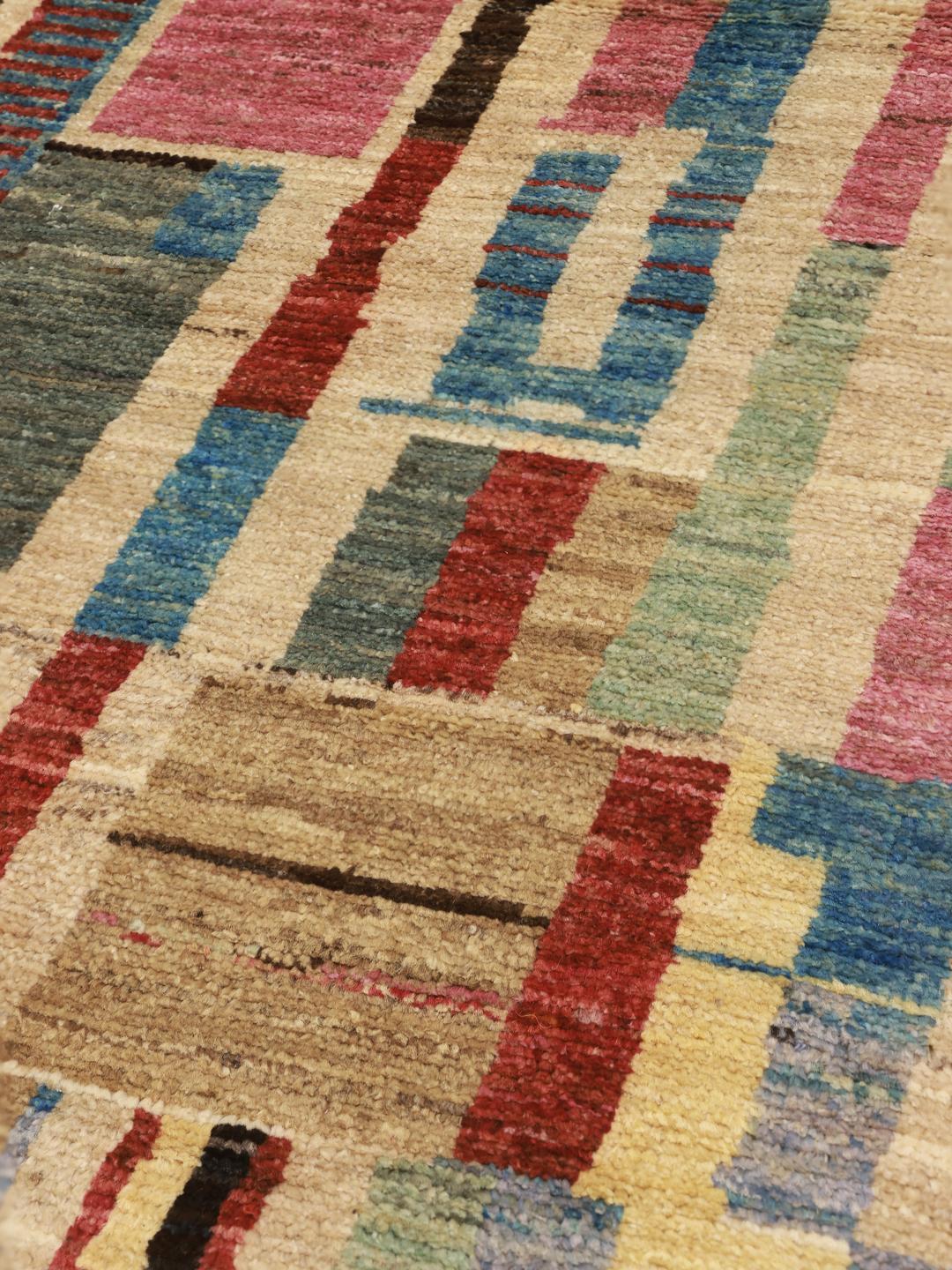
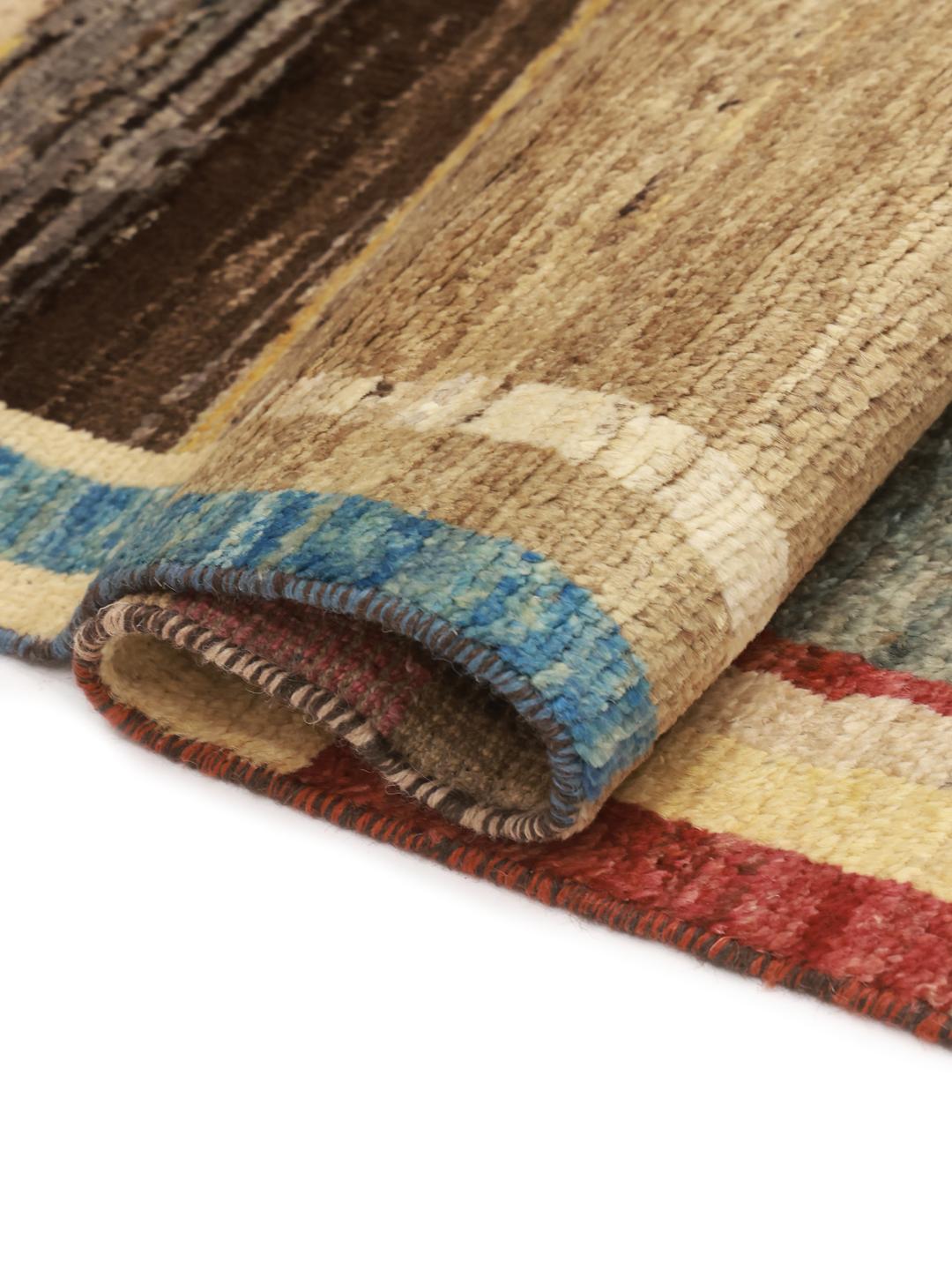
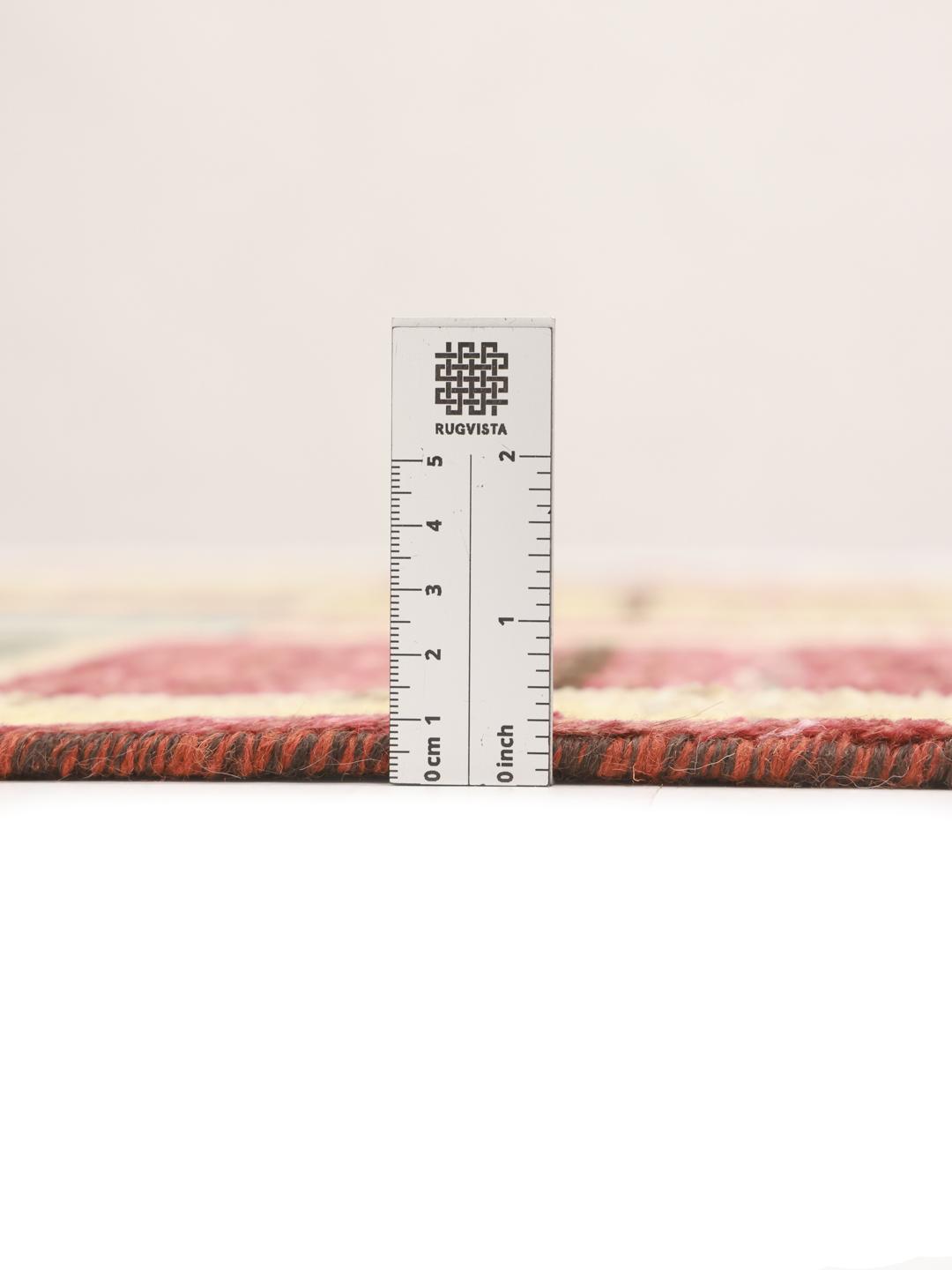
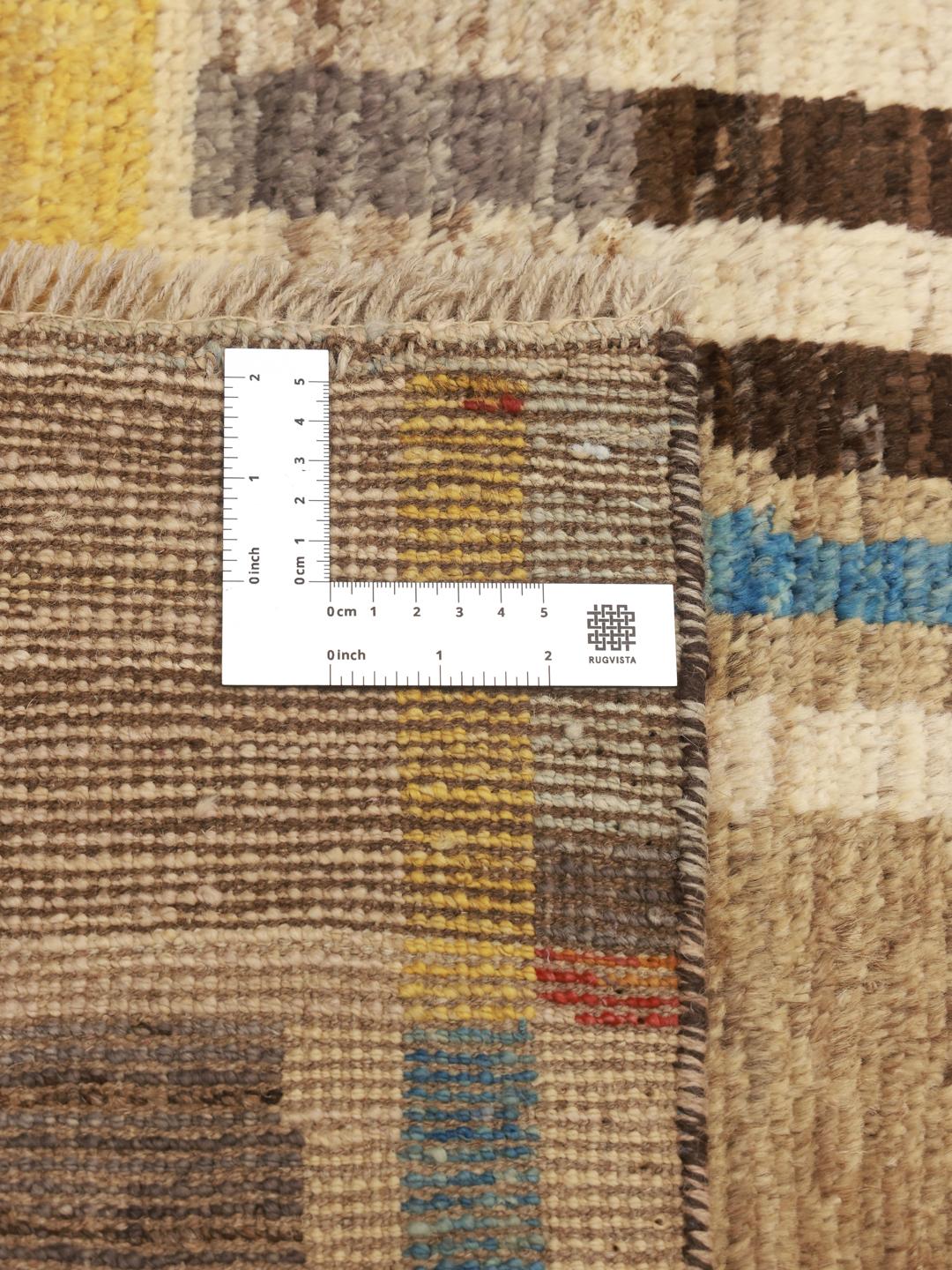
In these Afghan workshops, the essence of the Berber style is captured through the use of hand-knotted techniques. The term hand-knotted refers to the laborious process of tying individual strands of Wool onto the foundation, which creates a dense, luxurious pile that is far more durable than machine-made alternatives.
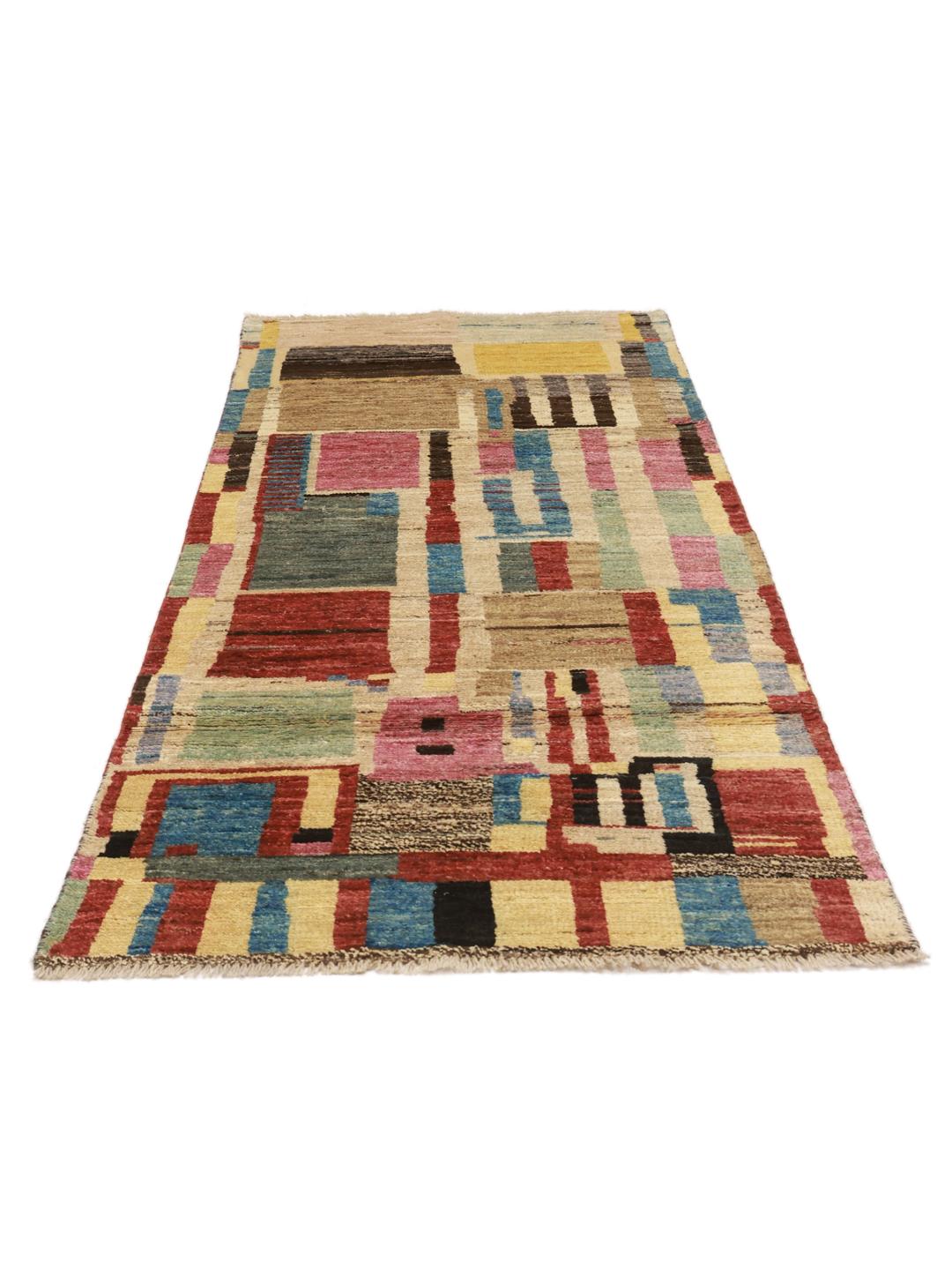
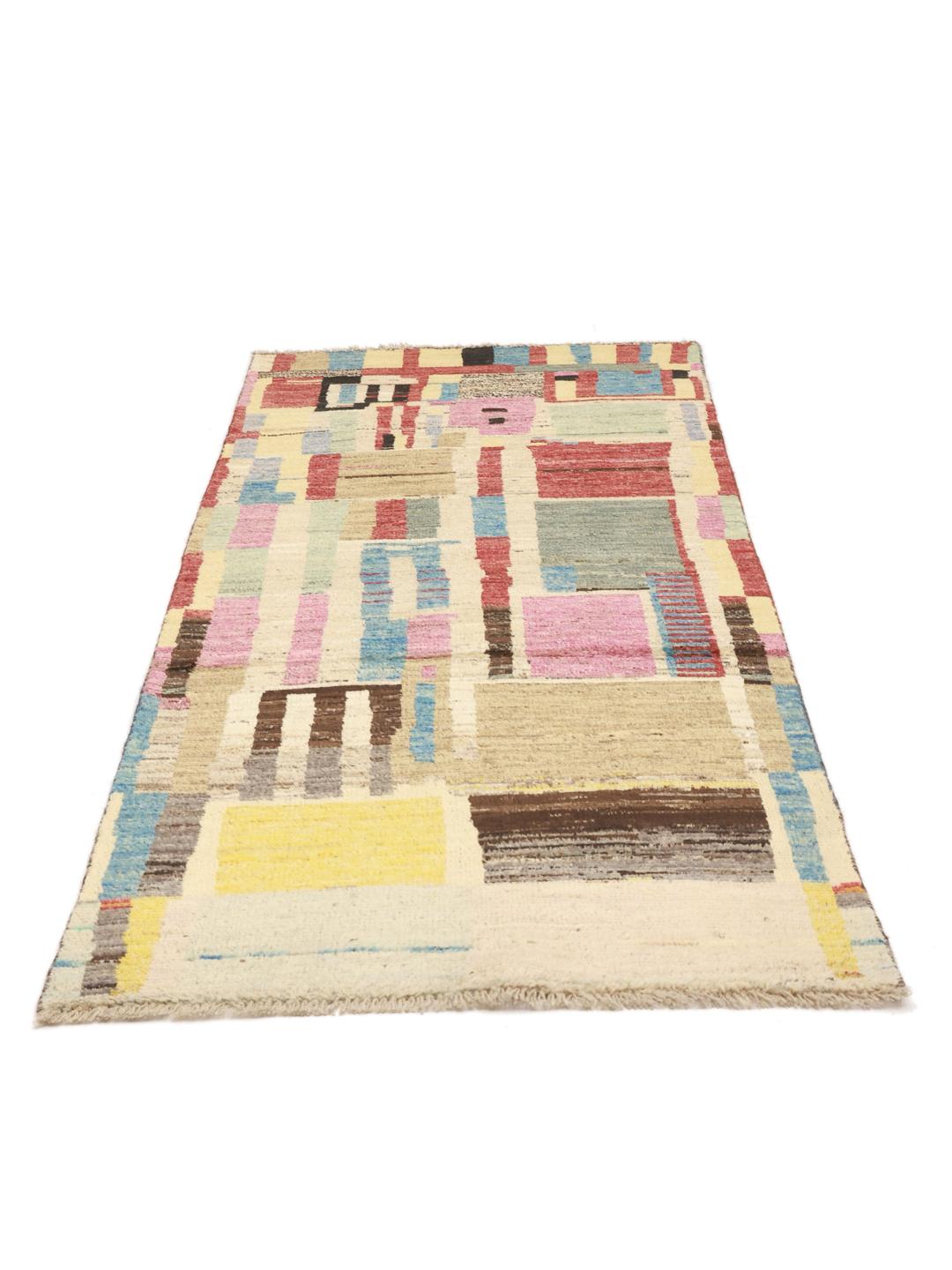
Signature design elements of these rugs often include bold, geometric shapes and an expressive use of colour. While traditional pieces might rely on specific tribal motifs, this particular rug embraces an artistic, modern interpretation, using blocks of colour to create a playful and dynamic visual experience that feels both ancient in its craft and contemporary in its look.
Collecting a rug from this tradition is an act of preserving a living history. These pieces are highly valued for their unique character and the high level of human skill required to produce them. By bringing such a rug into your home, you are not just adding a decorative element, but a piece of cultural heritage that connects you to the artisan who created it.