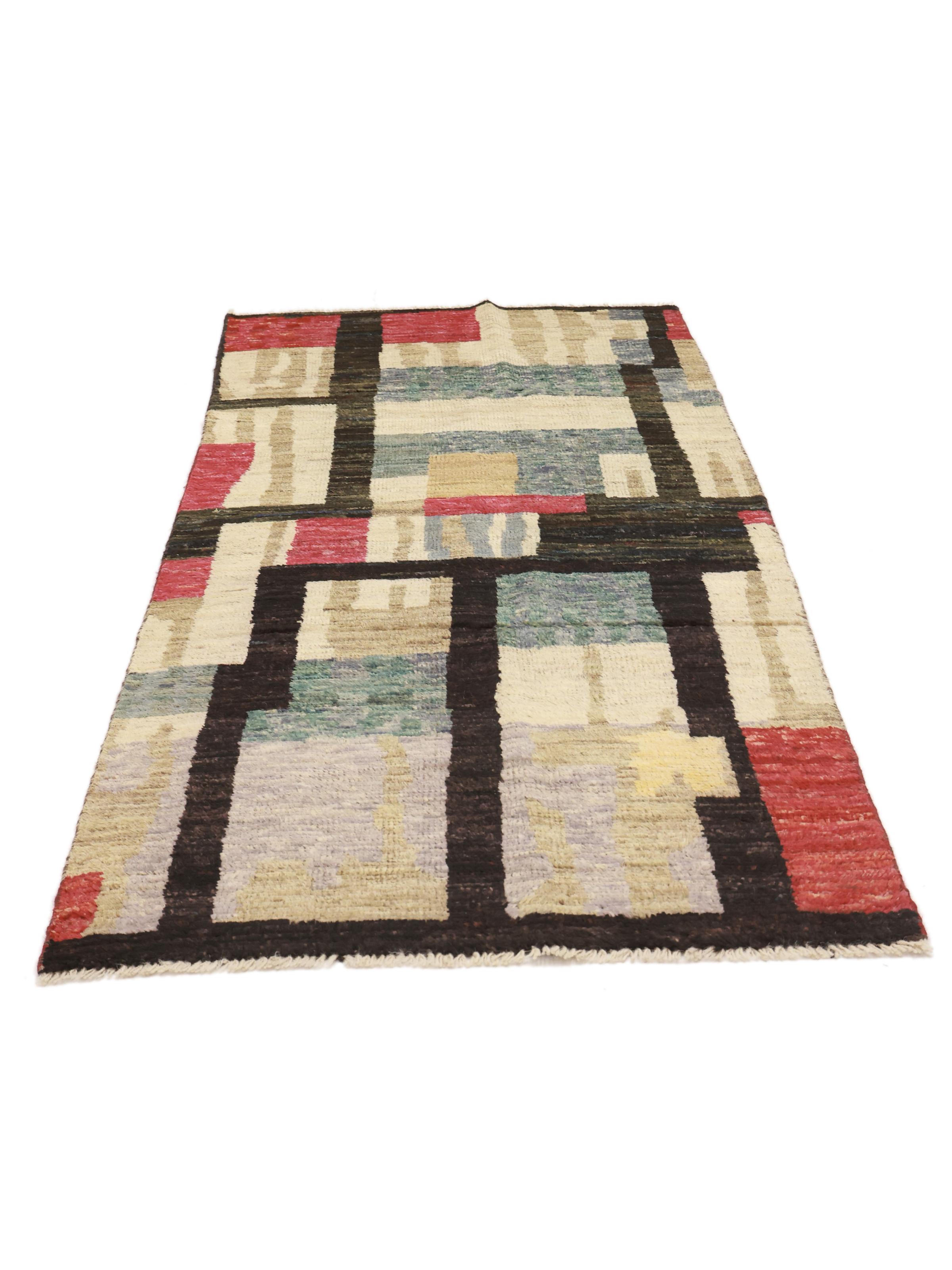
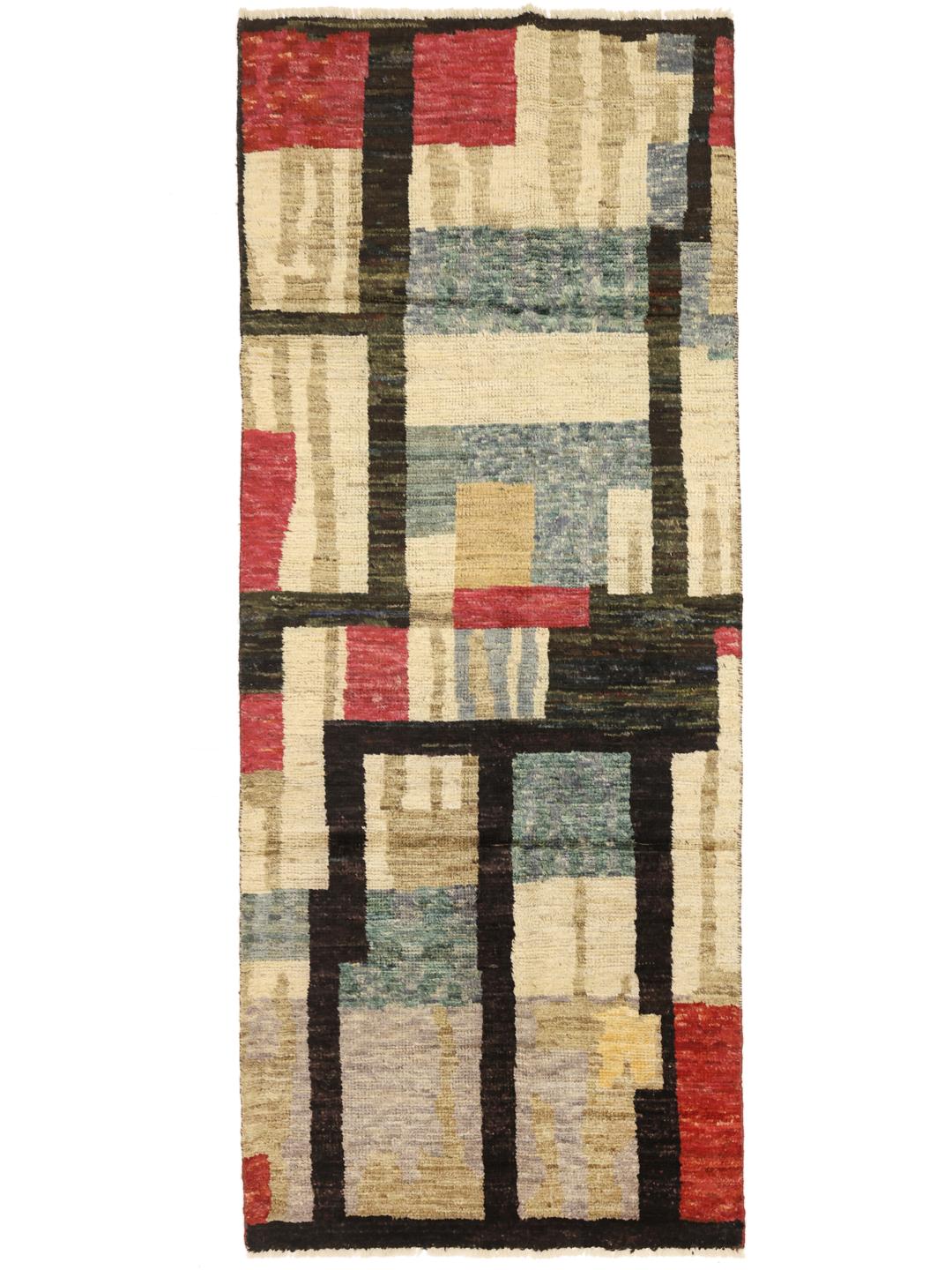
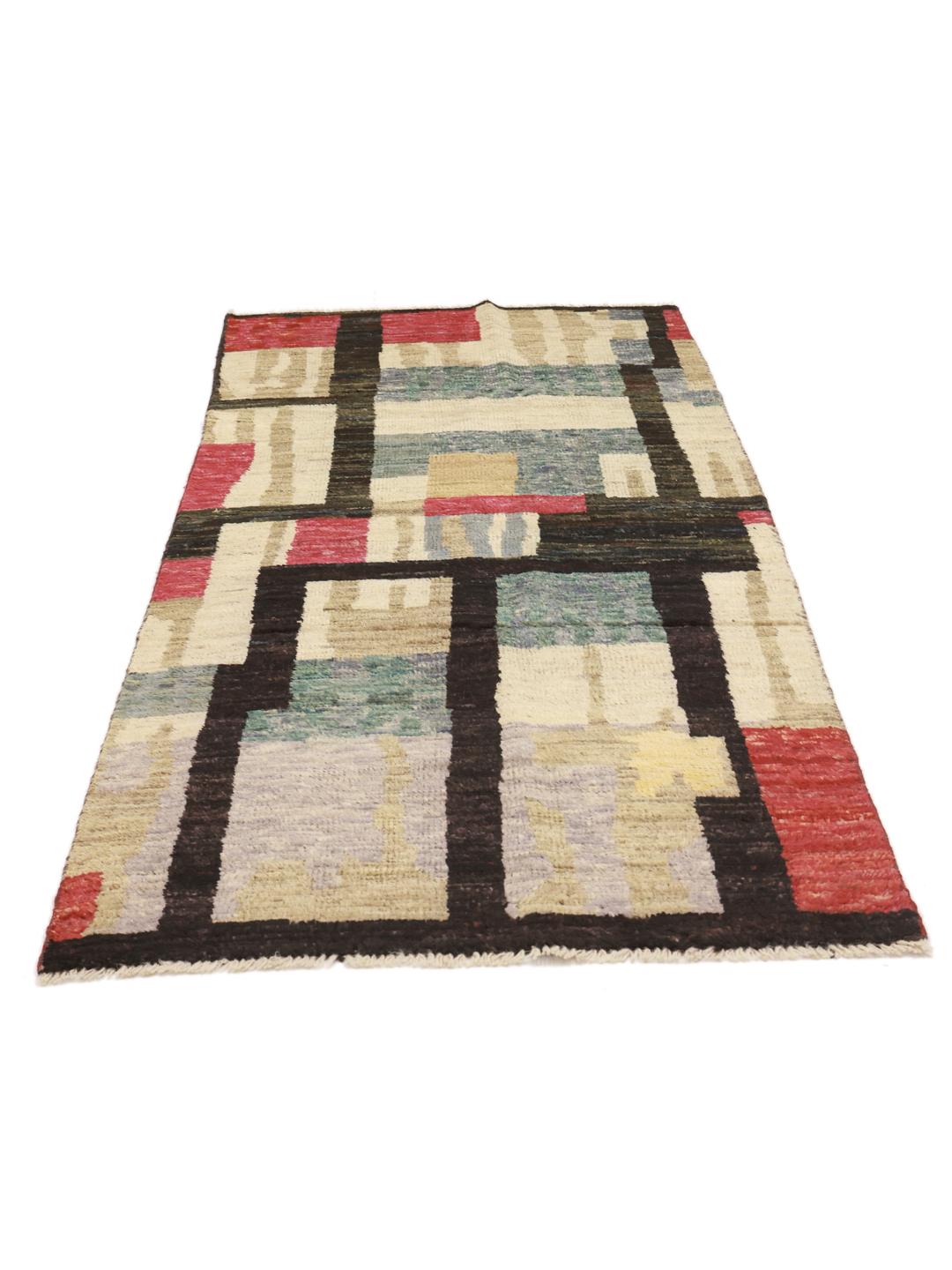
The Berber tradition, while often associated with North Africa, has seen its design language and weaving techniques travel and evolve across the globe. In the Middle East, skilled artisans have adopted these expressive, tribal-inspired aesthetics, blending them with local weaving expertise to create rugs that are celebrated for their bold, artistic character. This cross-pollination of styles has resulted in a unique category of carpets that bridge the gap between ancient heritage and contemporary design.
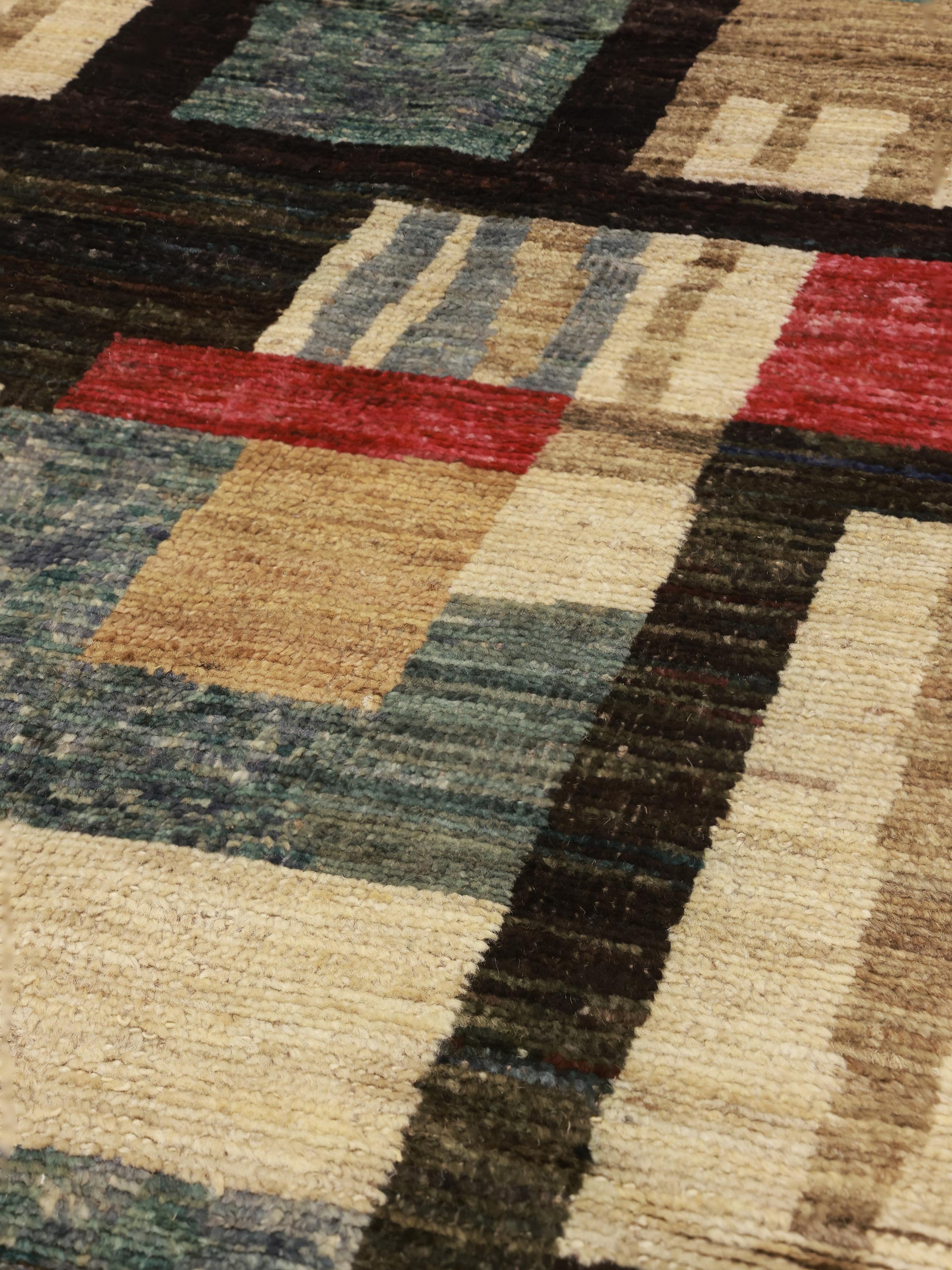
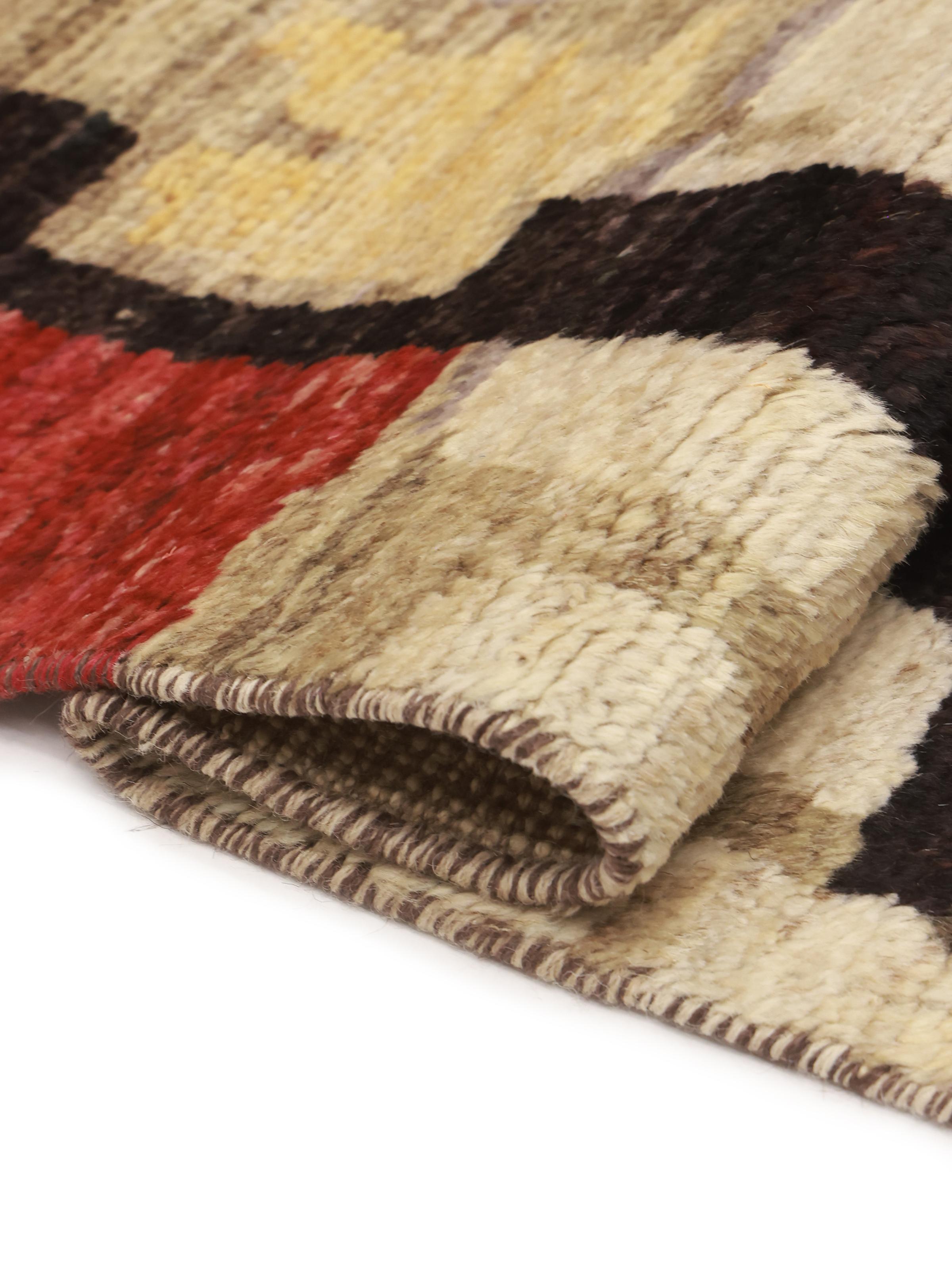
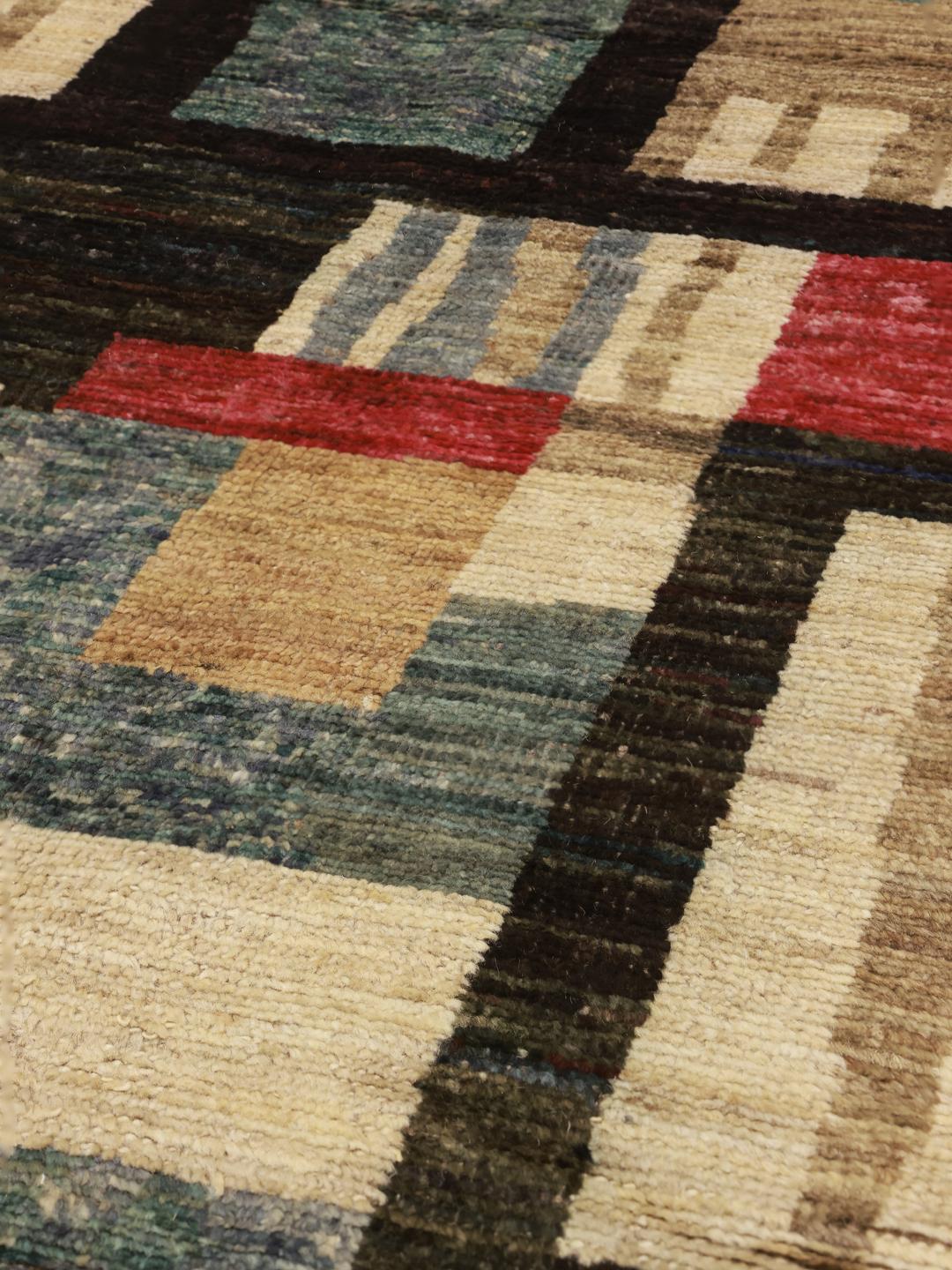
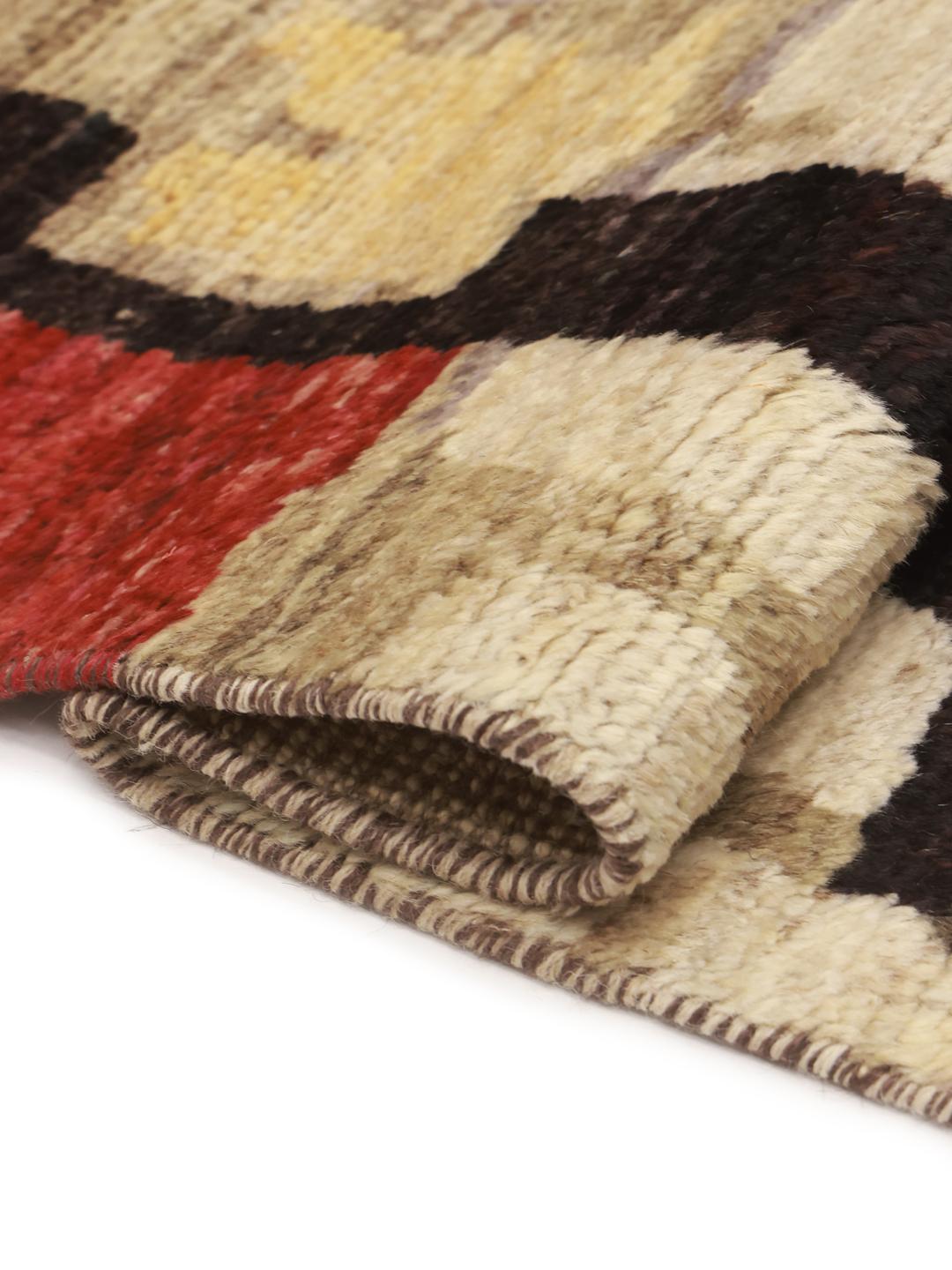
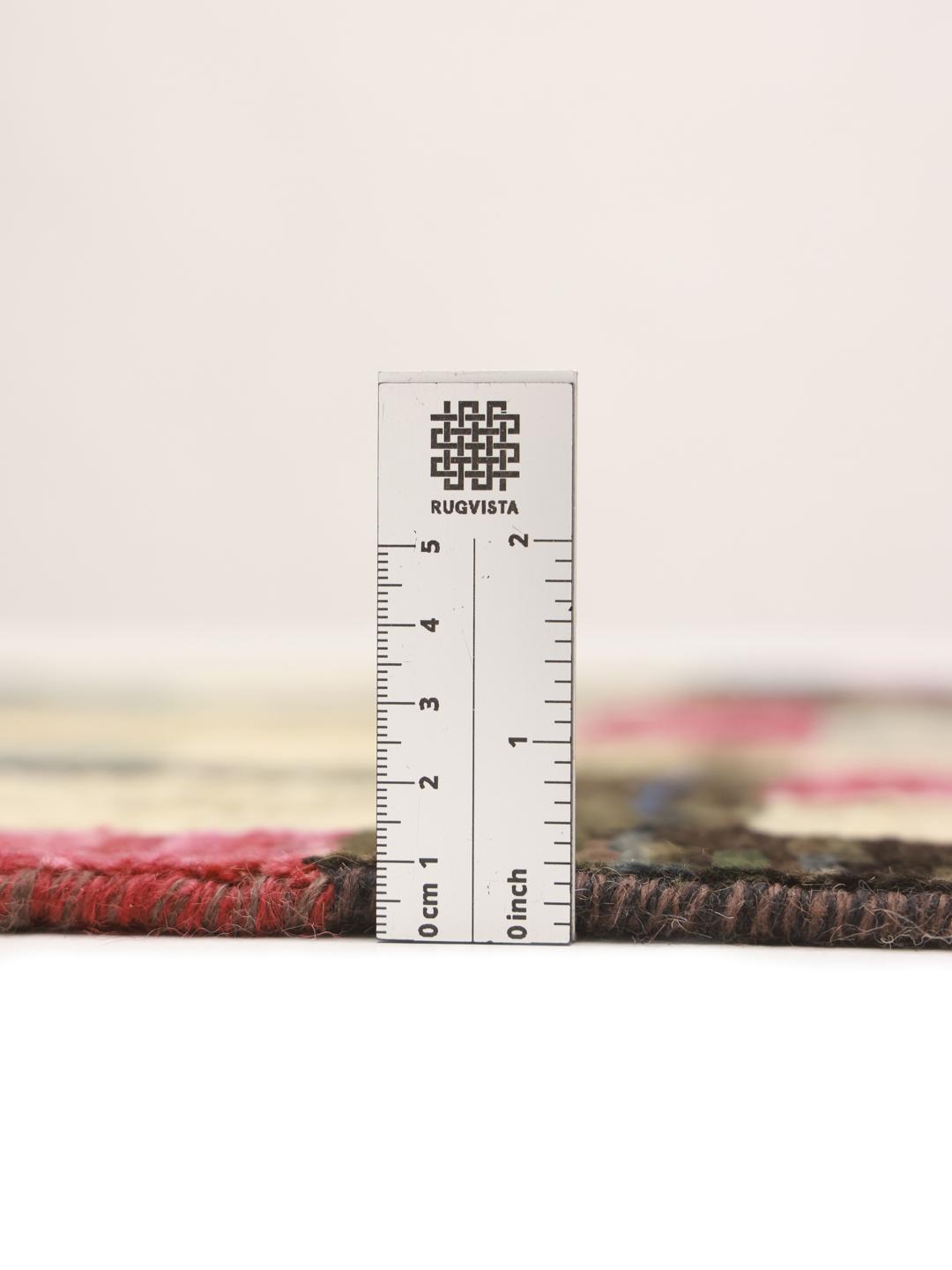
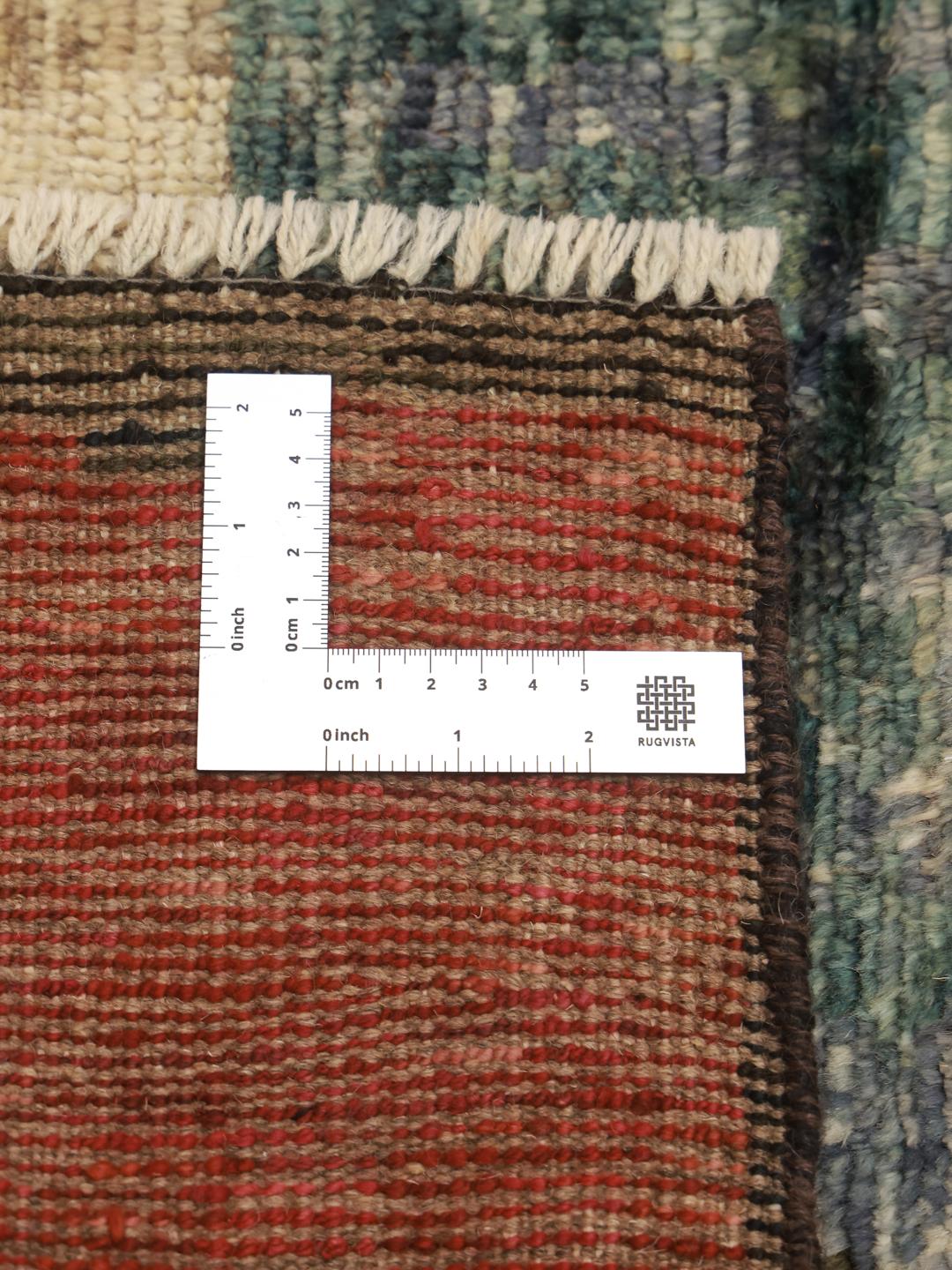
Central to the quality of these rugs is the hand-knotting technique, which allows for greater control over the pile and design. Unlike simpler weaves, the knotting process builds a dense, durable structure that protects the wool fibres and enhances their longevity. This method of construction is what gives the rug its significant weight and its ability to withstand the demands of daily life while retaining its plush, tactile appeal.
Visually, these rugs are defined by their departure from rigid, formal borders in favour of free-flowing or bold geometric shapes. The use of vibrant colours is a hallmark of this tradition, often drawing from natural dyes that age gracefully over time. By incorporating a diverse palette, these rugs serve as a canvas for the weaver's personal expression, making each piece a distinct narrative of colour and form.
Owning a hand-knotted piece from this tradition is an act of supporting a legacy of human skill that has been refined over generations. These rugs are valued not only for their aesthetic impact but for the cultural weight they carry. By choosing a one-of-a-kind runner, you are connecting your home to a long-standing tradition of tactile excellence and artistic storytelling that transcends mass production.