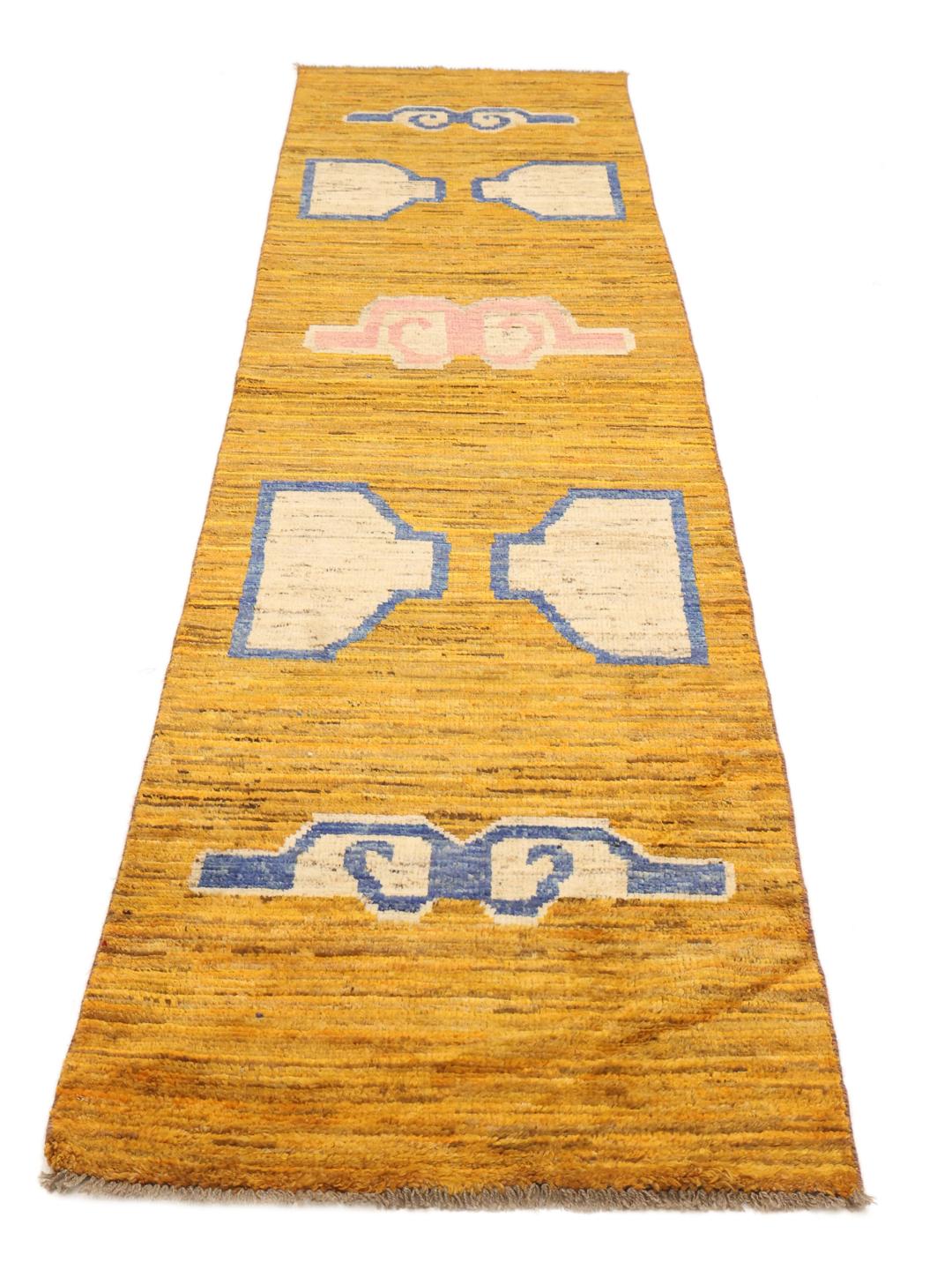
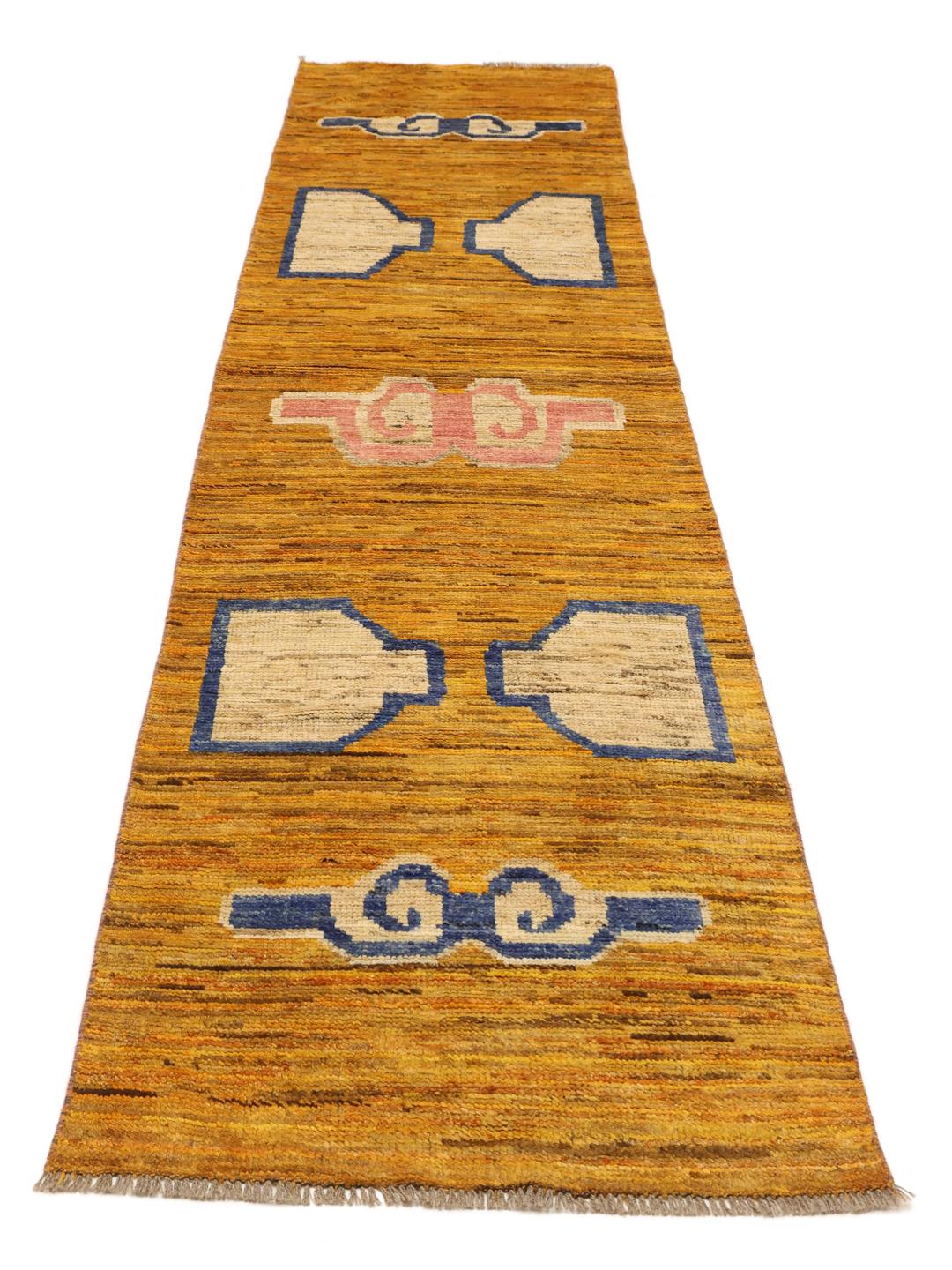
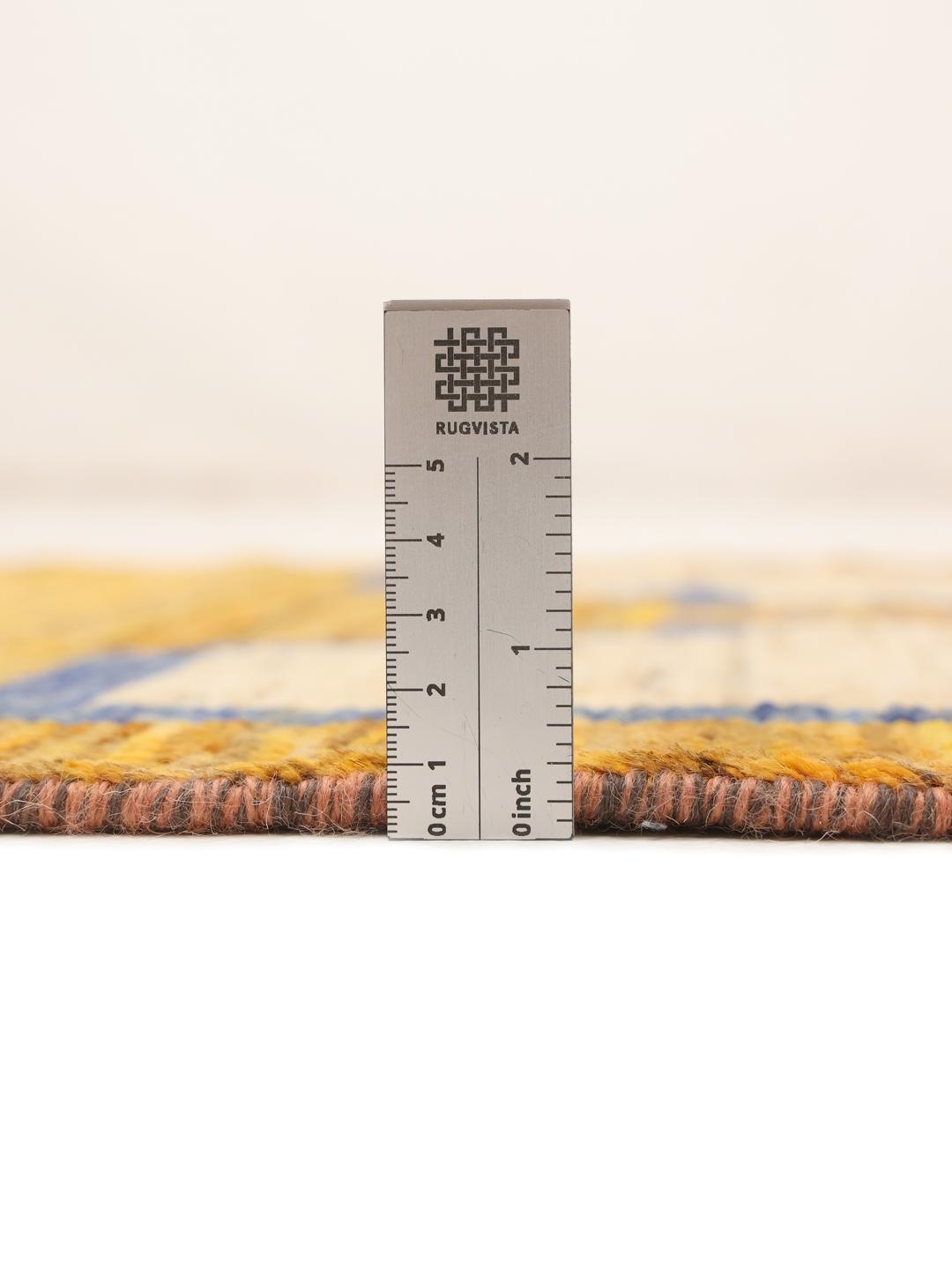
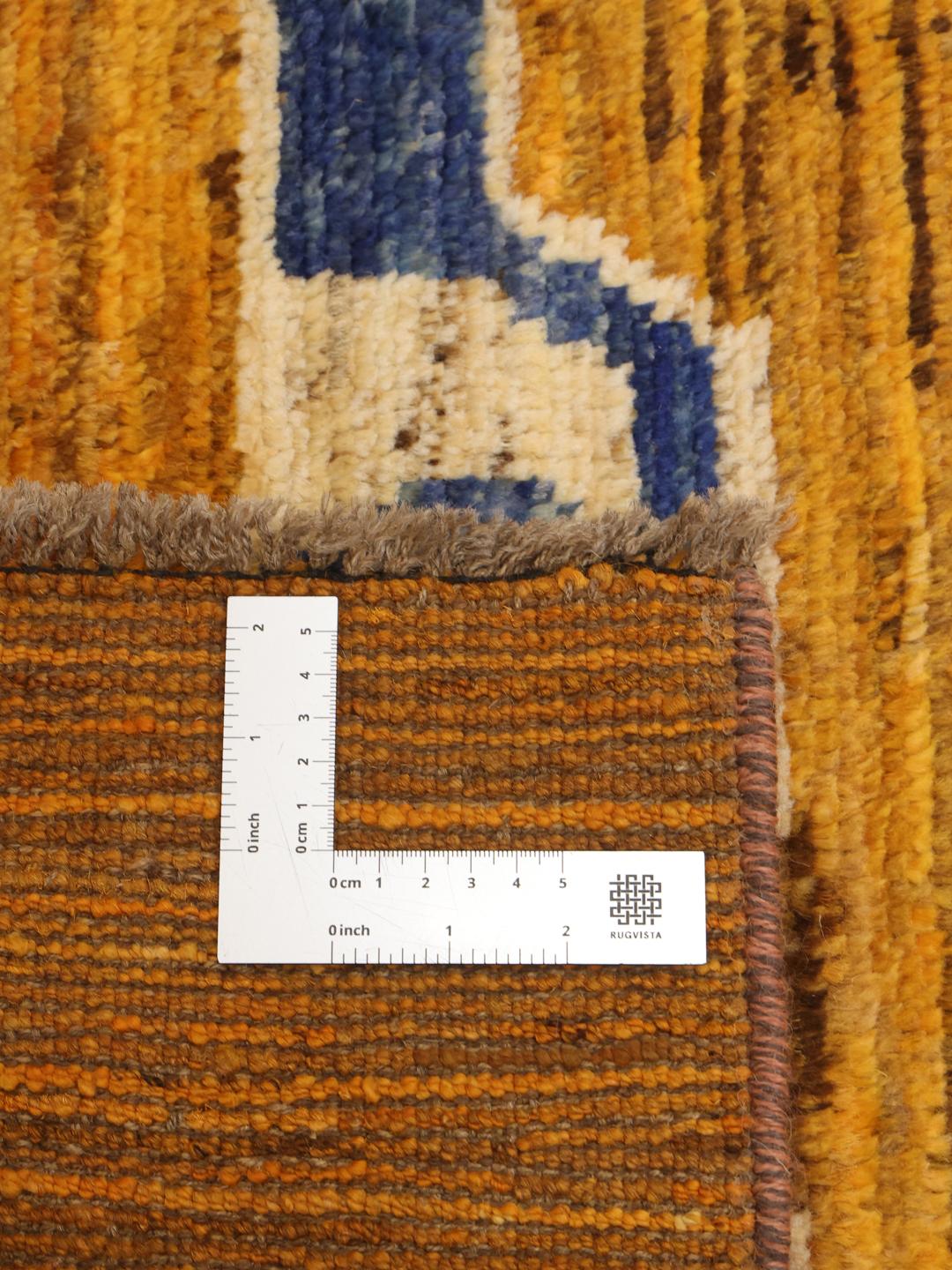
The tradition of Berber-style weaving has travelled far from its roots, finding a vibrant home in the diverse landscape of Afghanistan. While the term Berber originally refers to the indigenous peoples of North Africa, the style has been adopted and reinterpreted by Afghan artisans who have integrated these geometric aesthetics with their own local weaving expertise.
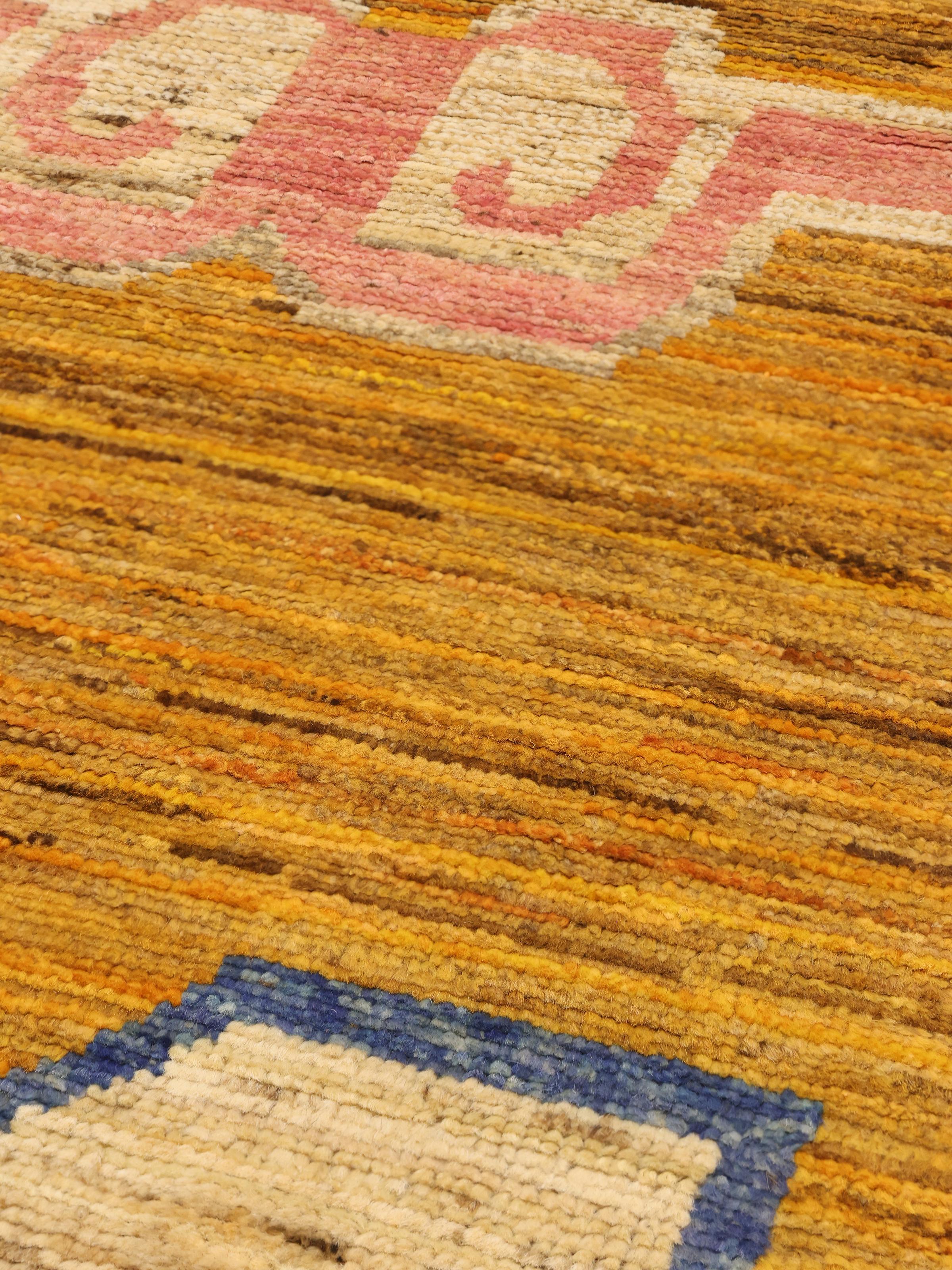
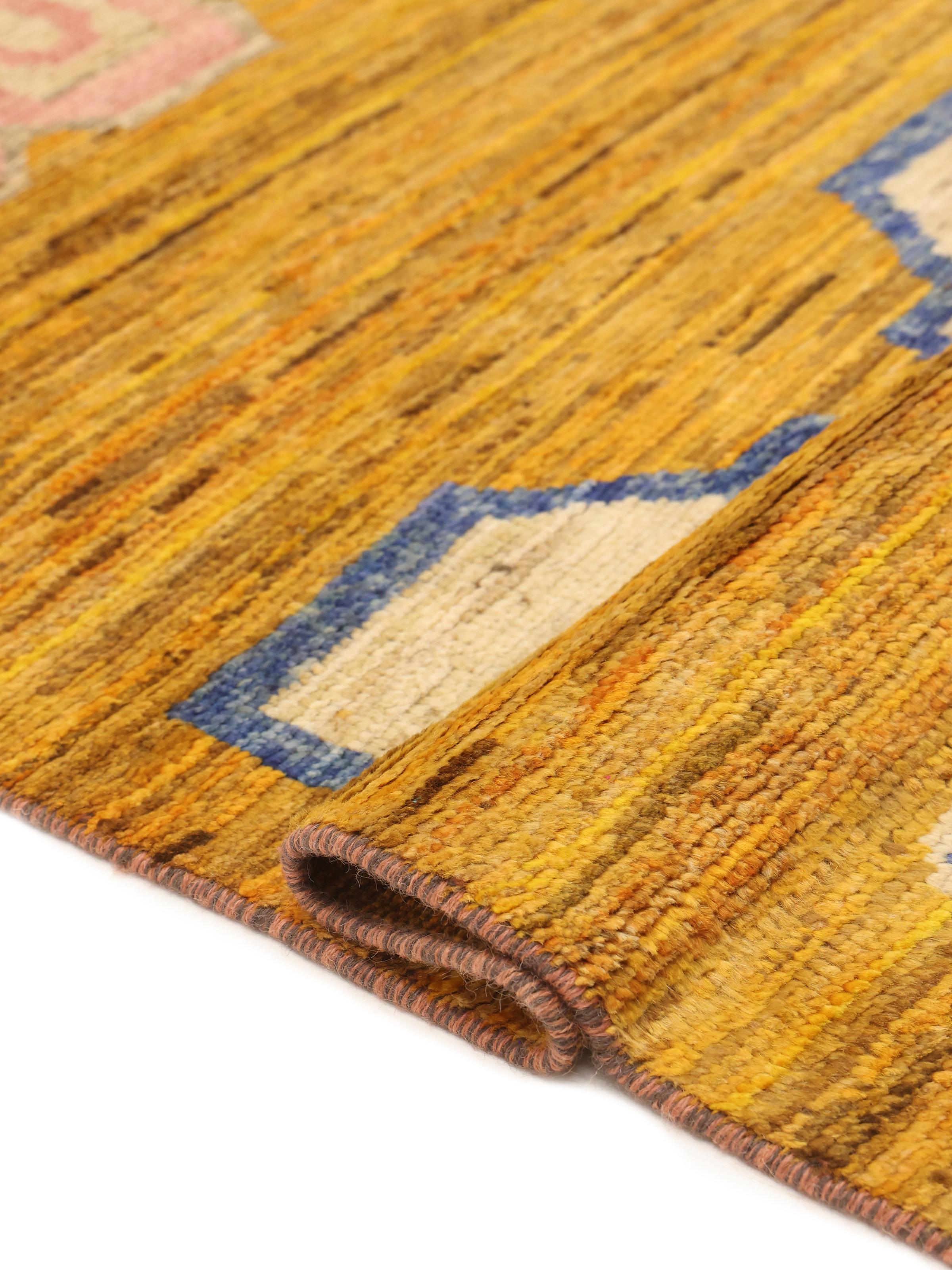
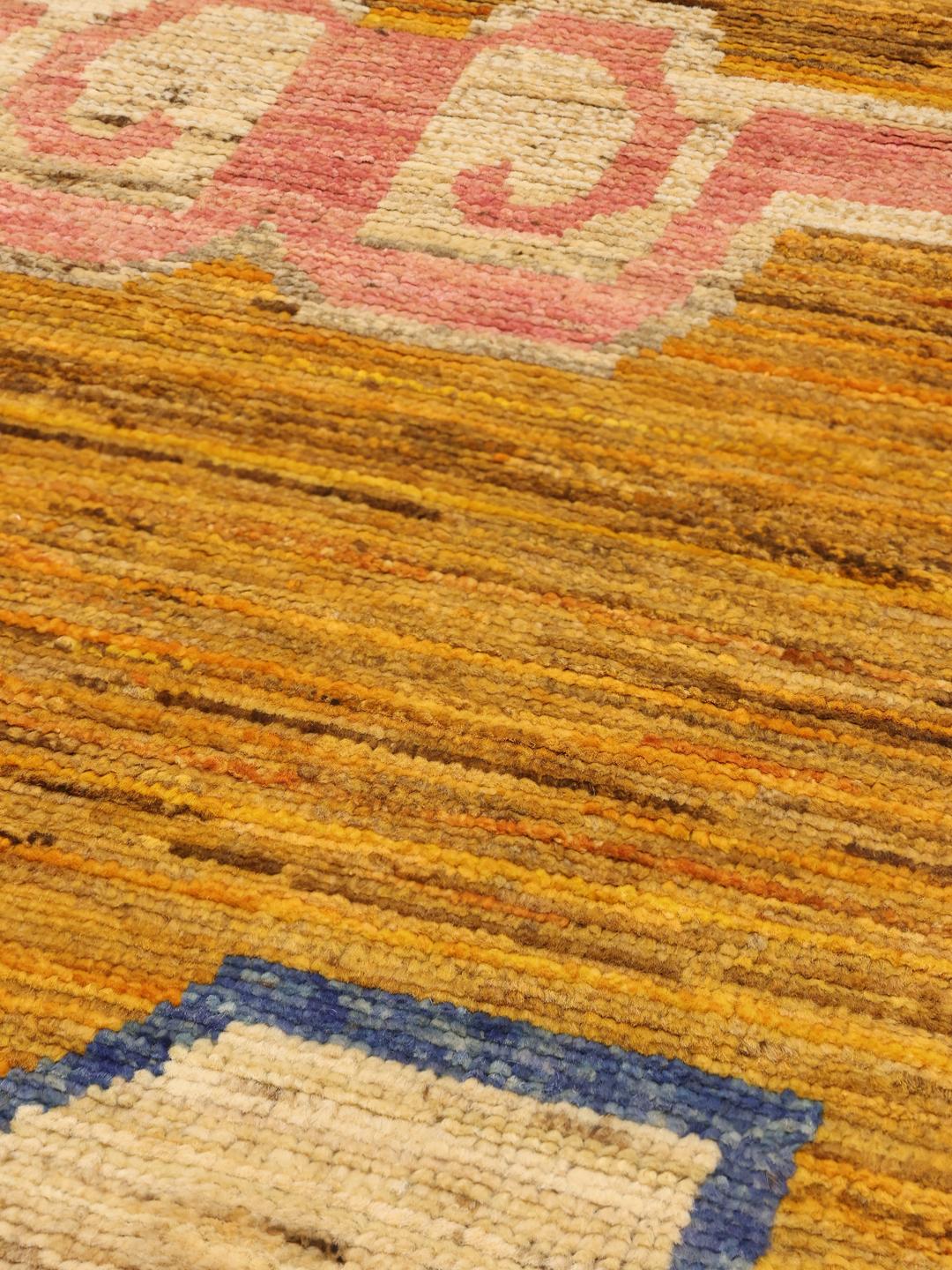
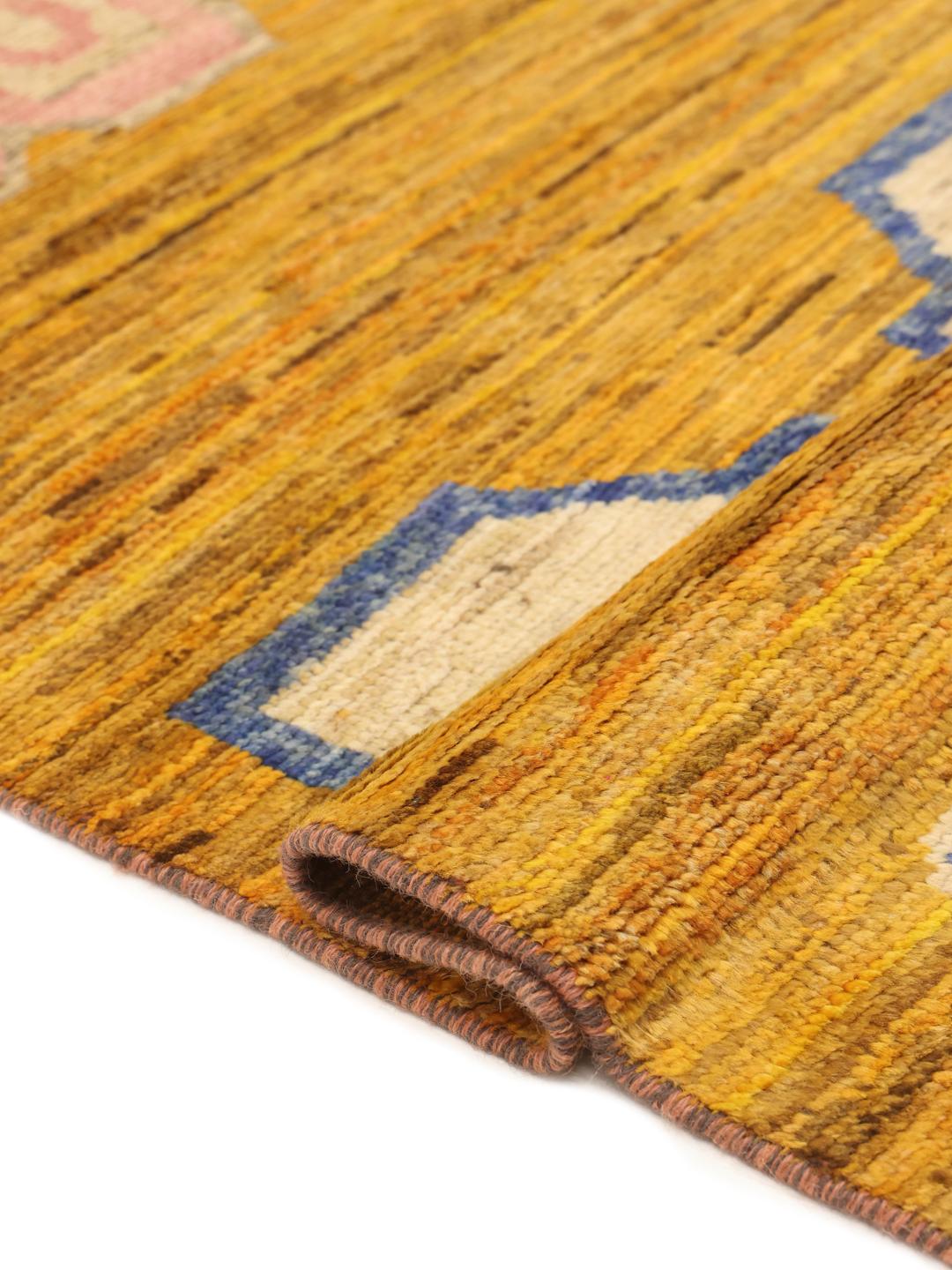
The production of these rugs relies on the use of high-quality Wool, often hand-spun to maintain the integrity of the fibres. This traditional approach to material preparation ensures that the final product is not only soft to the touch but also resilient enough to withstand the rigours of daily life, reflecting a standard of quality passed down through generations of weavers.
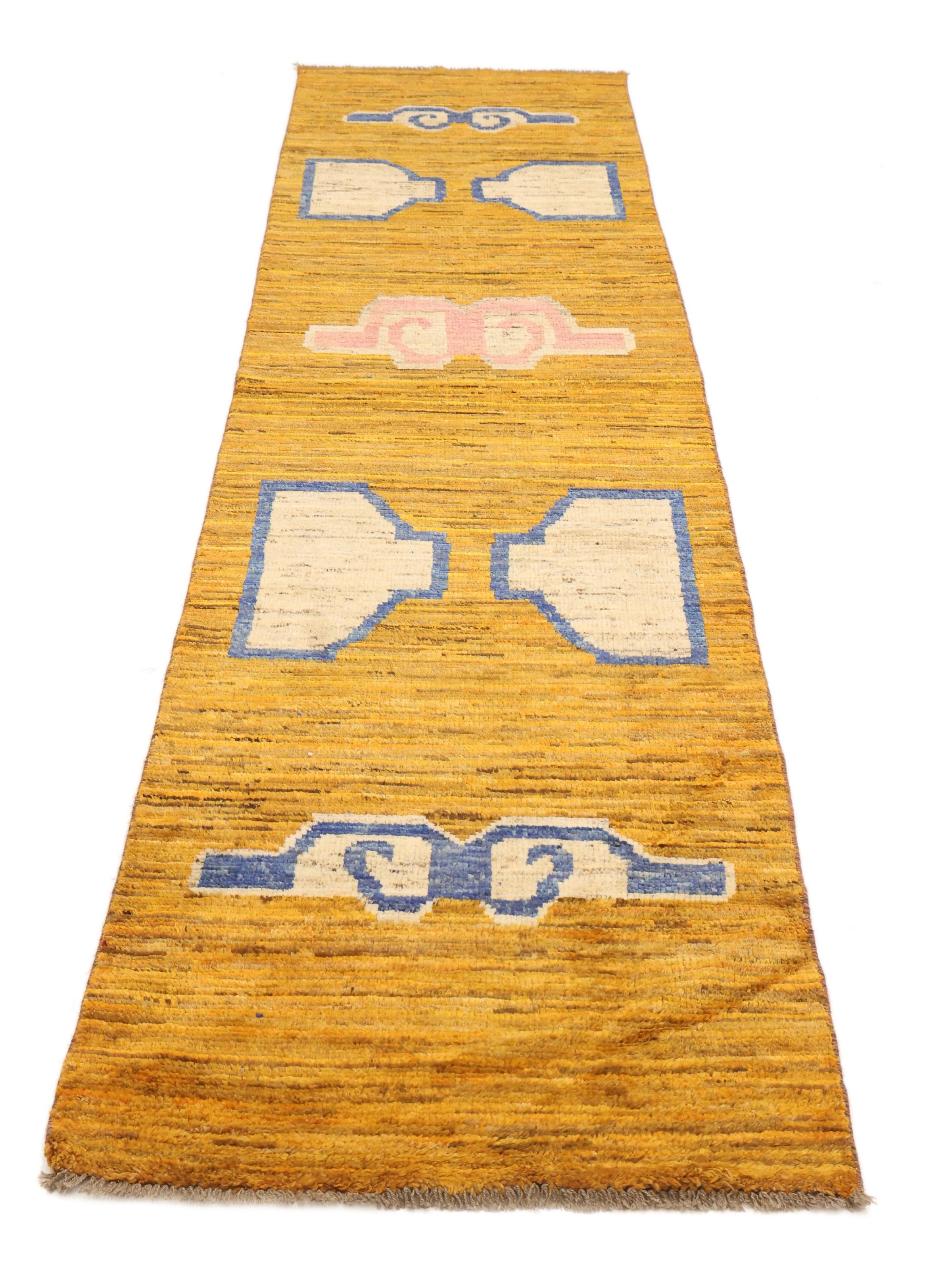
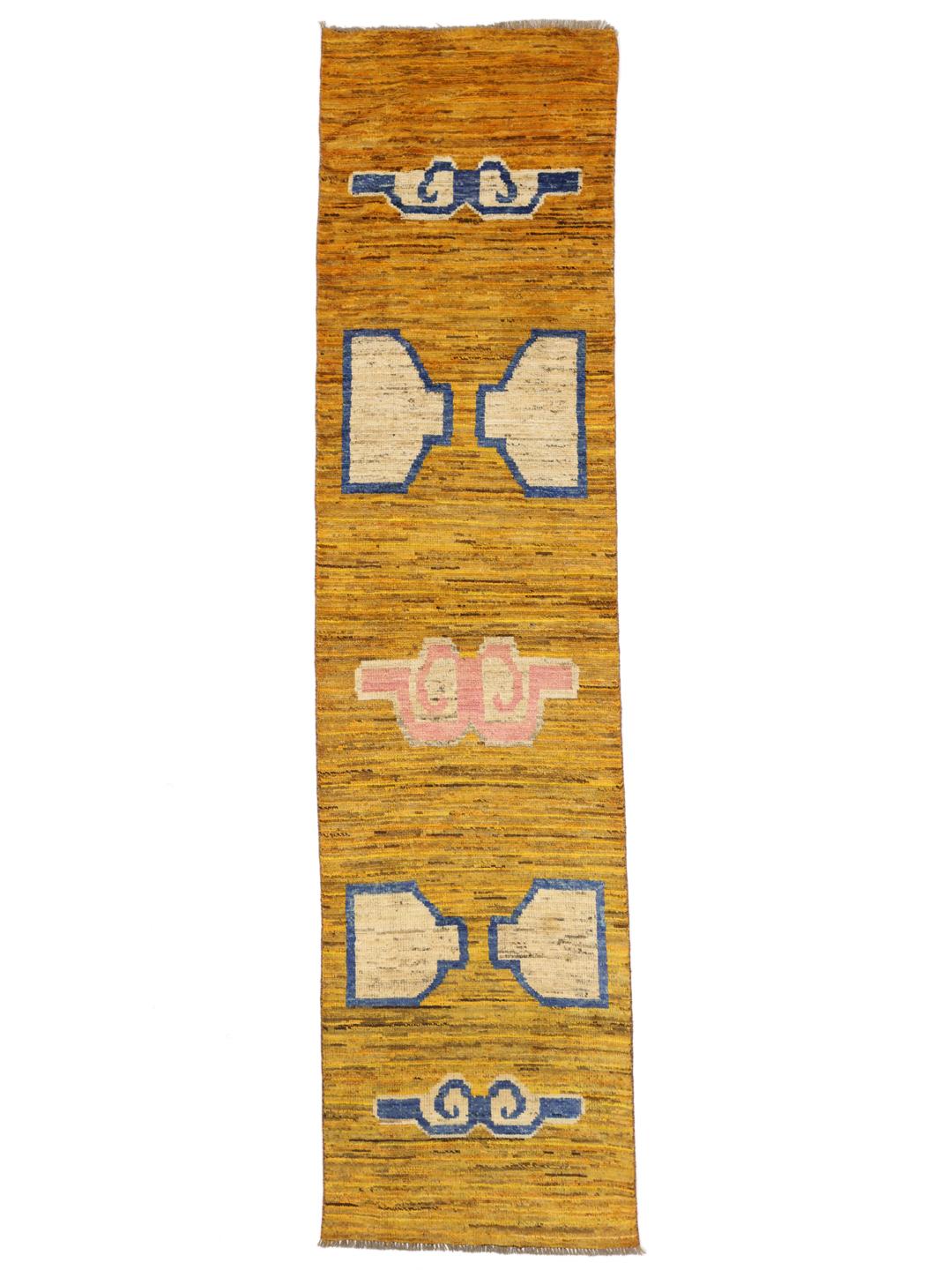
Visually, these runners are defined by their use of bold, symbolic motifs. The patterns seen here, often featuring stylised geometric shapes, are deeply rooted in the cultural storytelling of the region. The use of vibrant, earthy dyes creates a striking contrast against the field, allowing the rug to serve as a focal point in contemporary or rustic interior schemes.
Owning a piece from this tradition is an act of supporting a living history. These rugs are highly valued by collectors not just for their aesthetic appeal, but for the human skill and cultural narrative embedded in every knot. They represent a connection to a slow, deliberate way of making that is increasingly rare in the modern world.