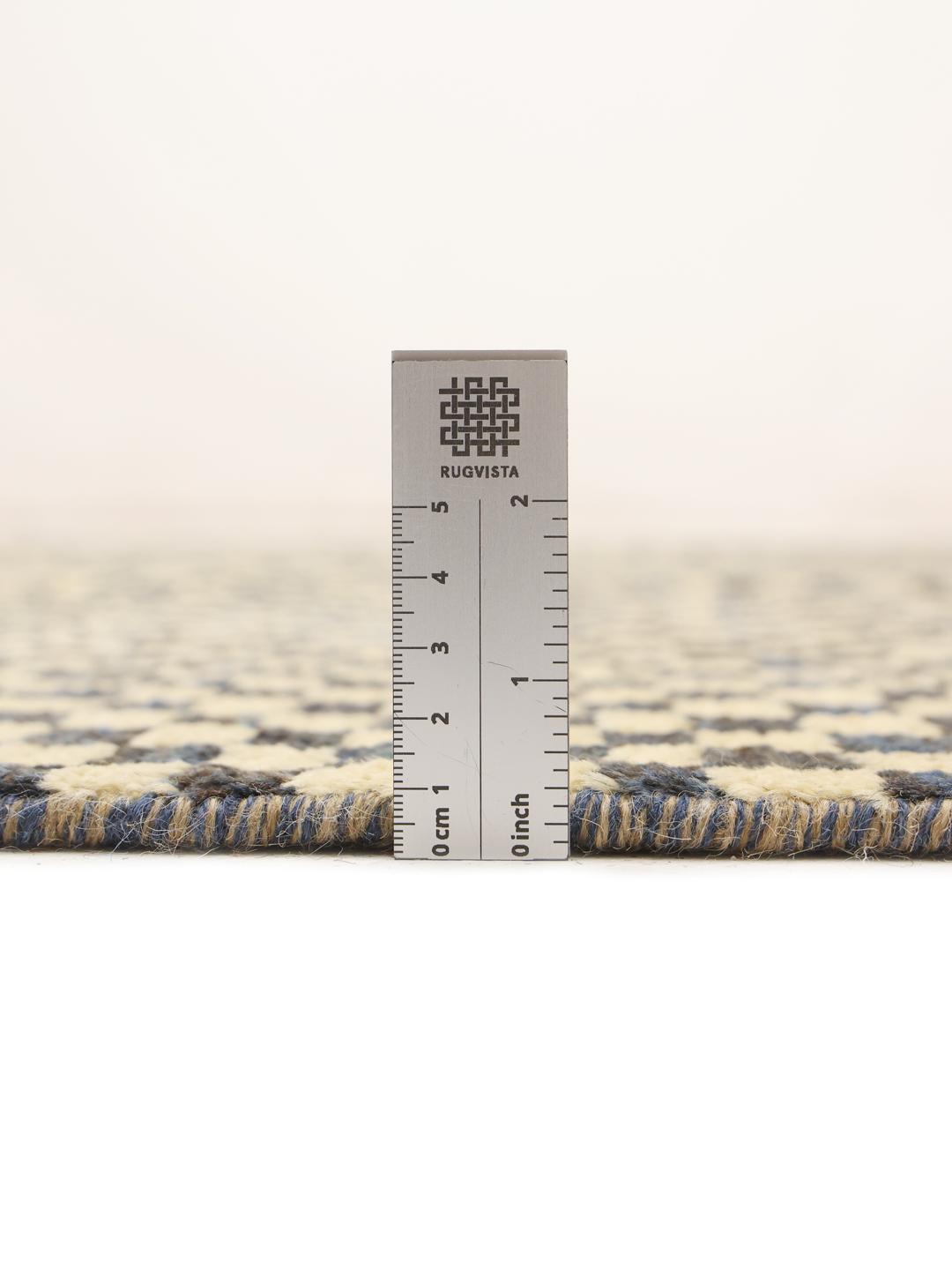
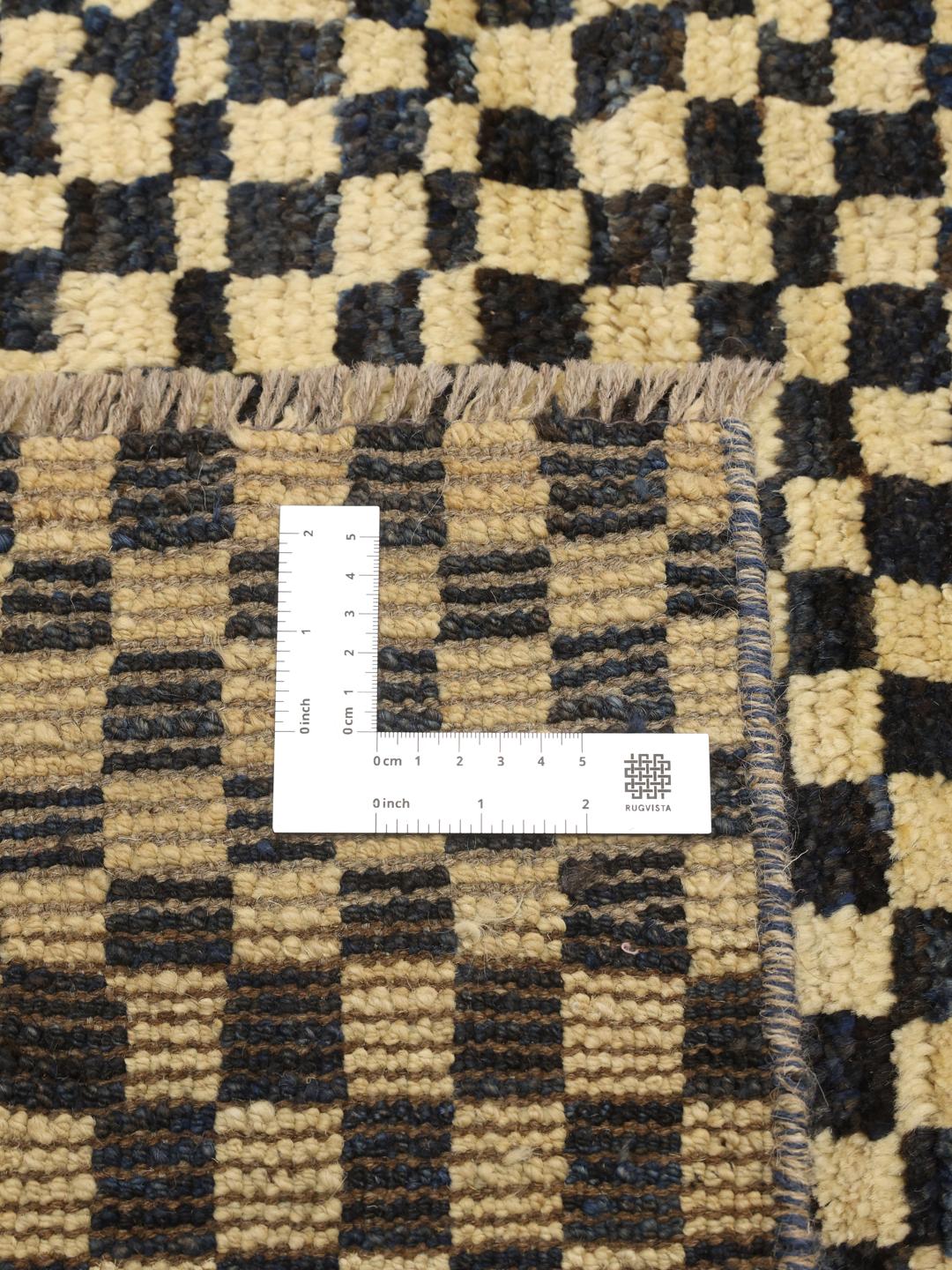
The Berber style, while originating from the indigenous tribes of North Africa, has inspired weaving traditions across the globe, including the skilled workshops of Afghanistan. While the original Berber rugs were traditionally woven for utility and warmth in the rugged Atlas Mountains, the style has evolved into a global design language that celebrates bold geometric patterns and deep, earthy palettes.
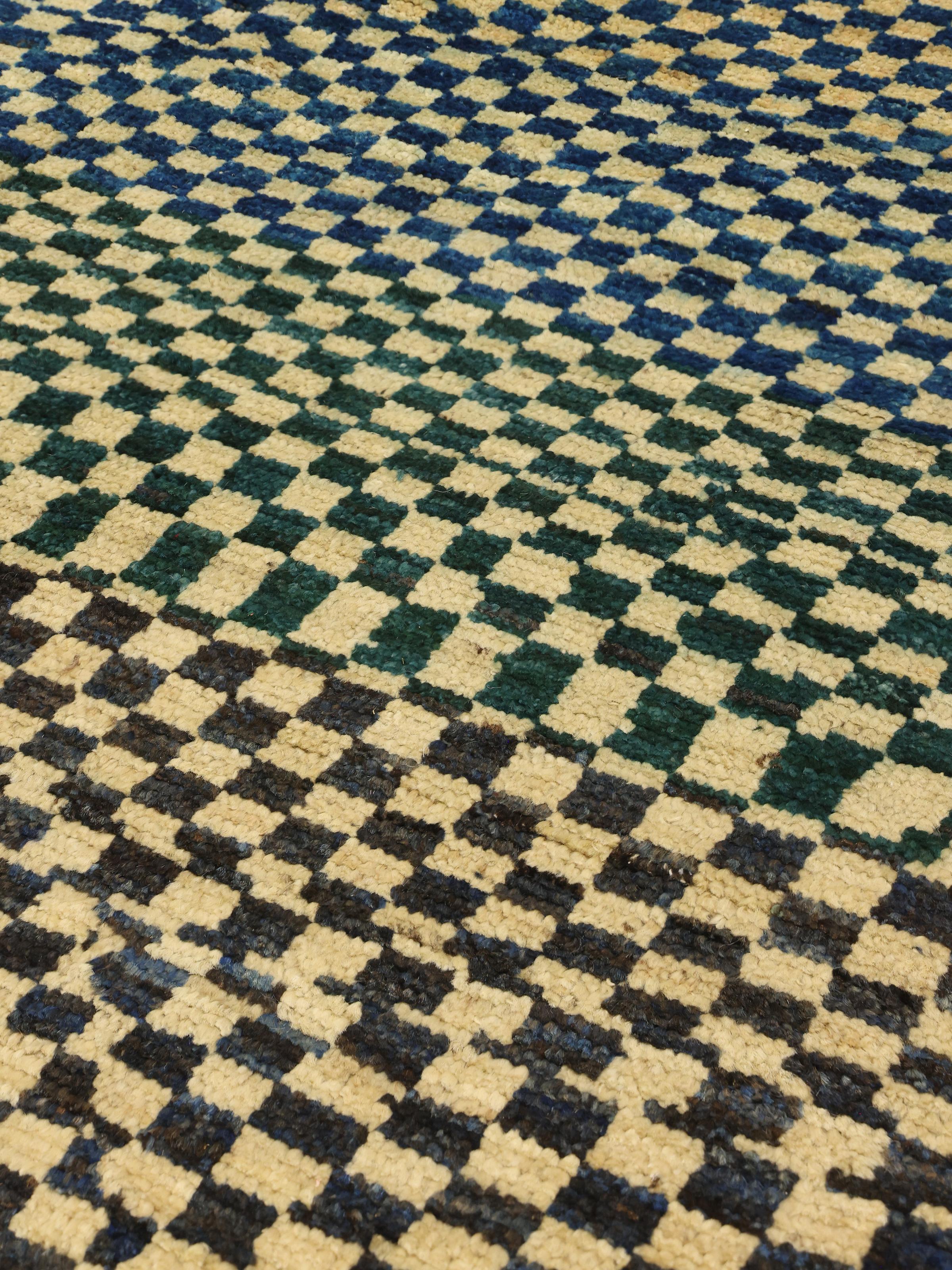
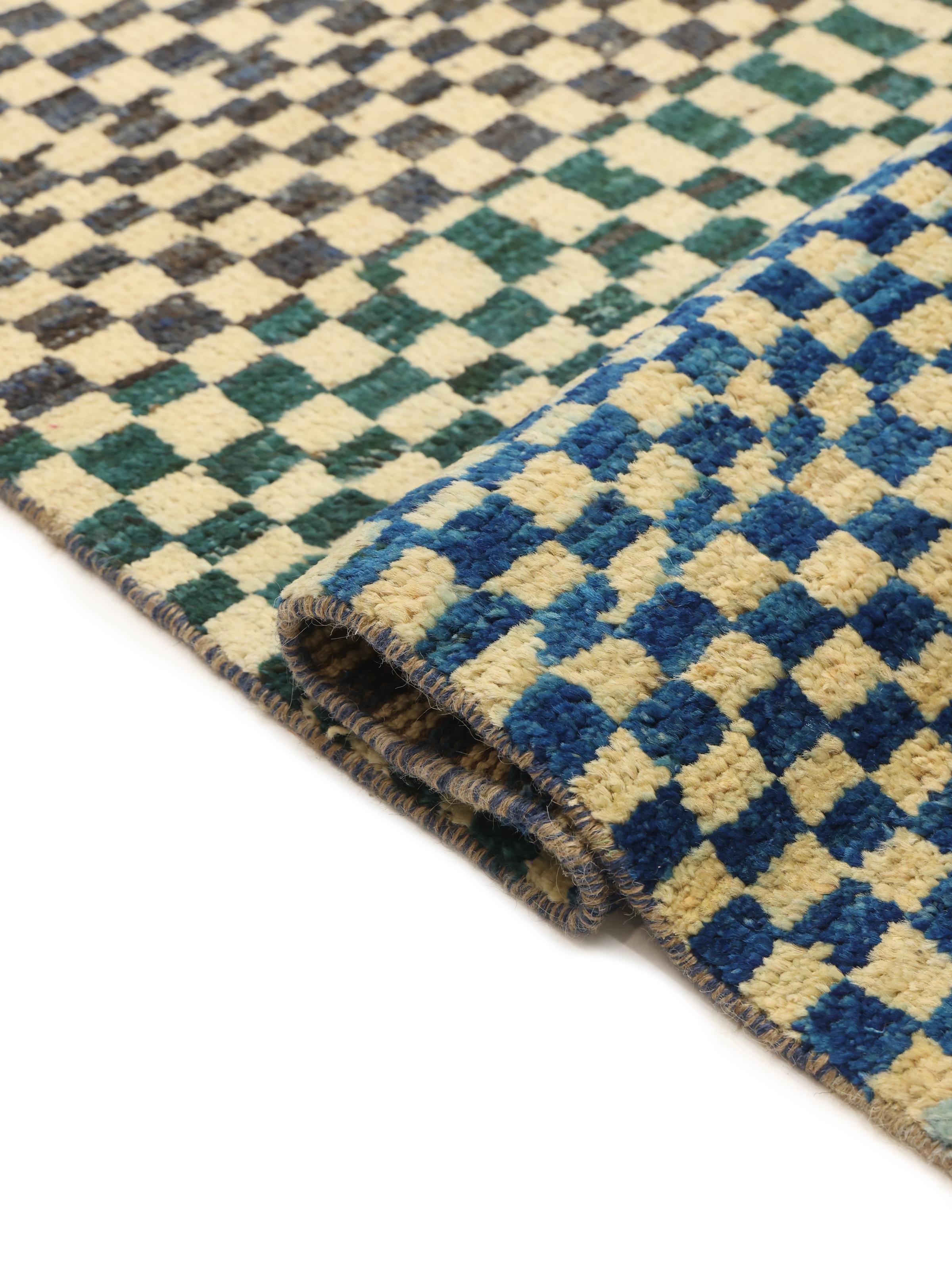
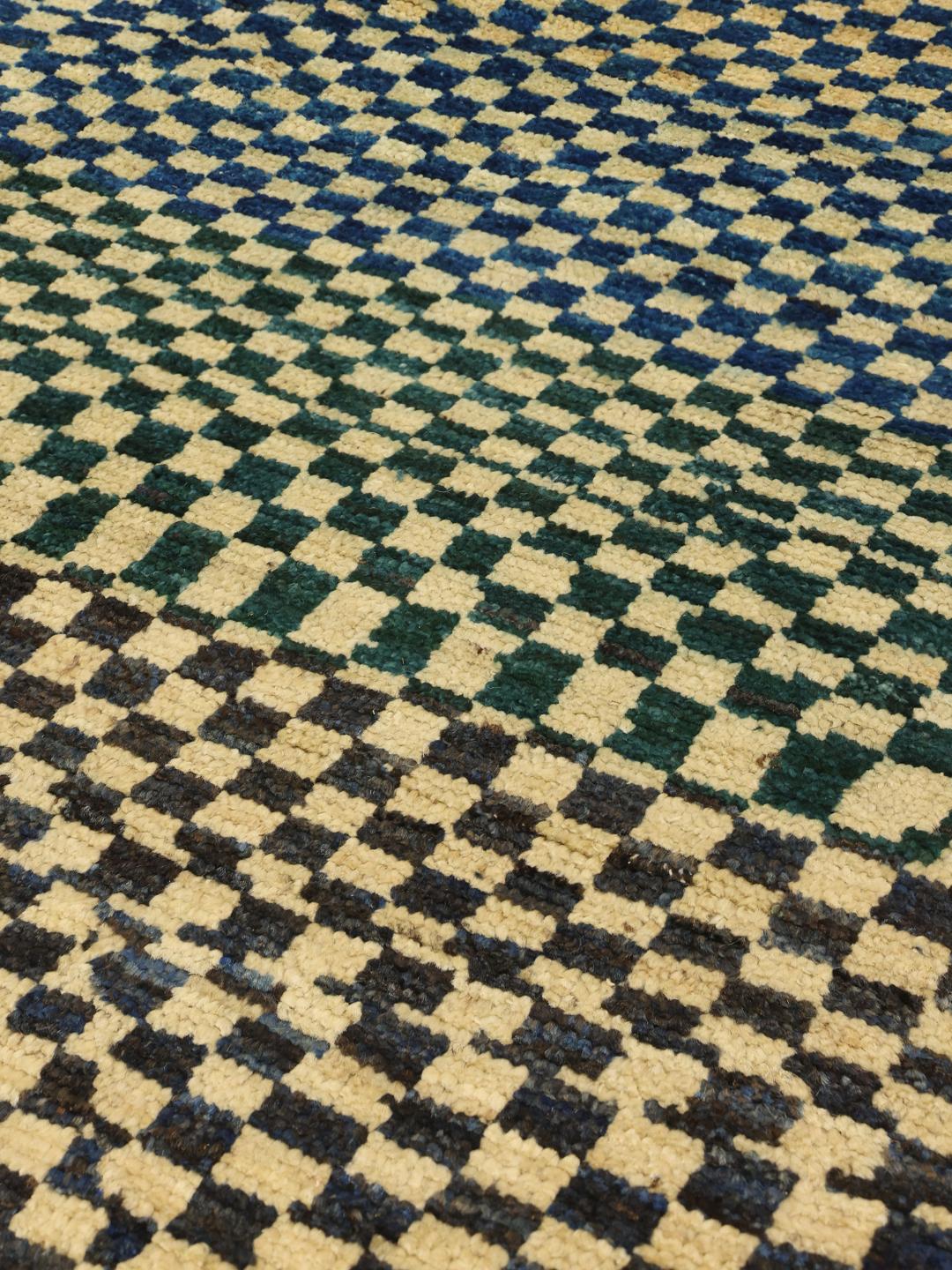
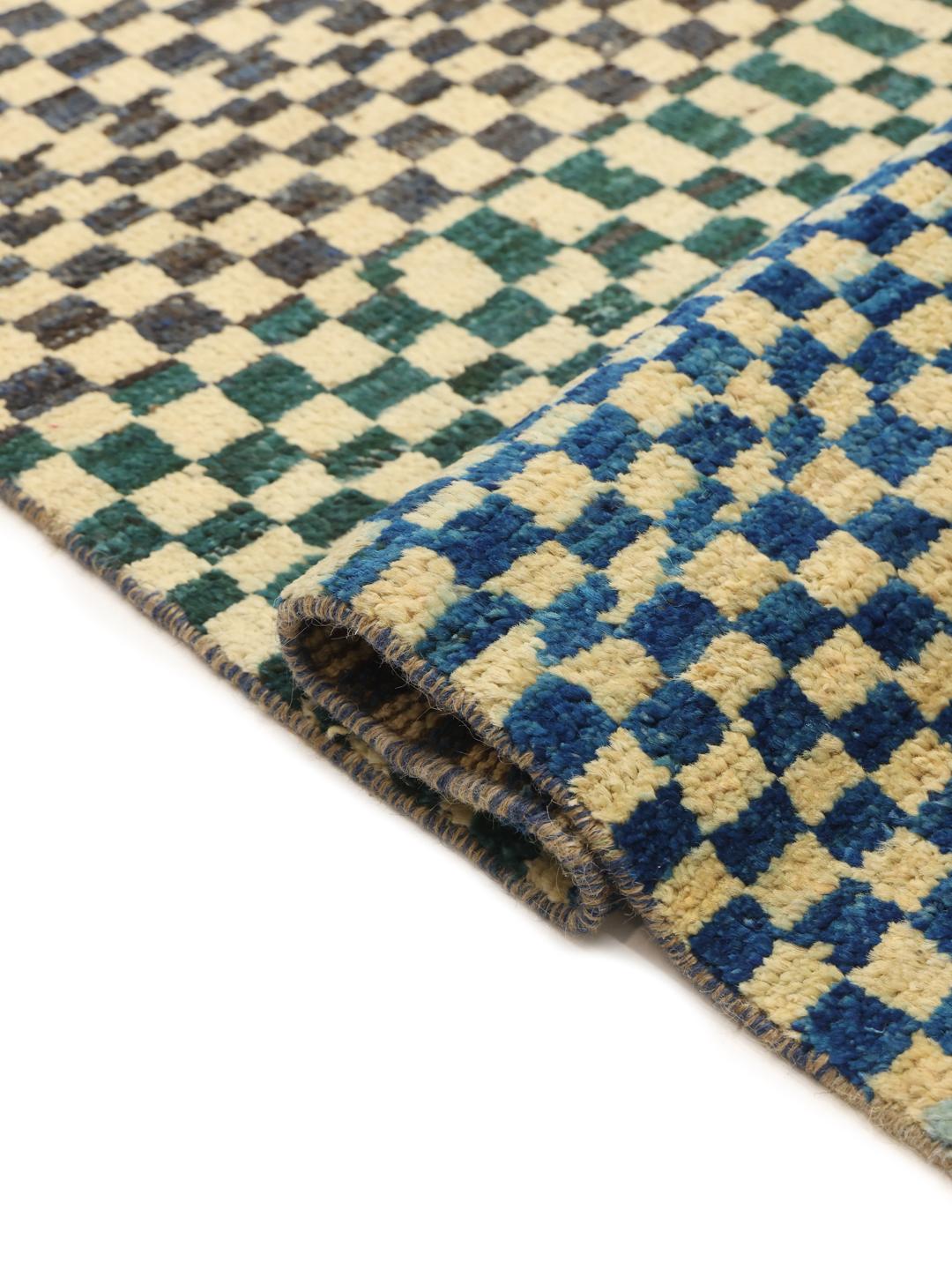
In the context of Afghan weaving, the term 'Berber' refers to a specific design philosophy that emphasises thick, soft piles and playful, often oversized, geometric motifs. These rugs are crafted using traditional techniques that have been passed down through generations. The focus is on creating a rug that is both heavy and soft, using high-quality wool that is known for its natural lanolin content and exceptional durability.
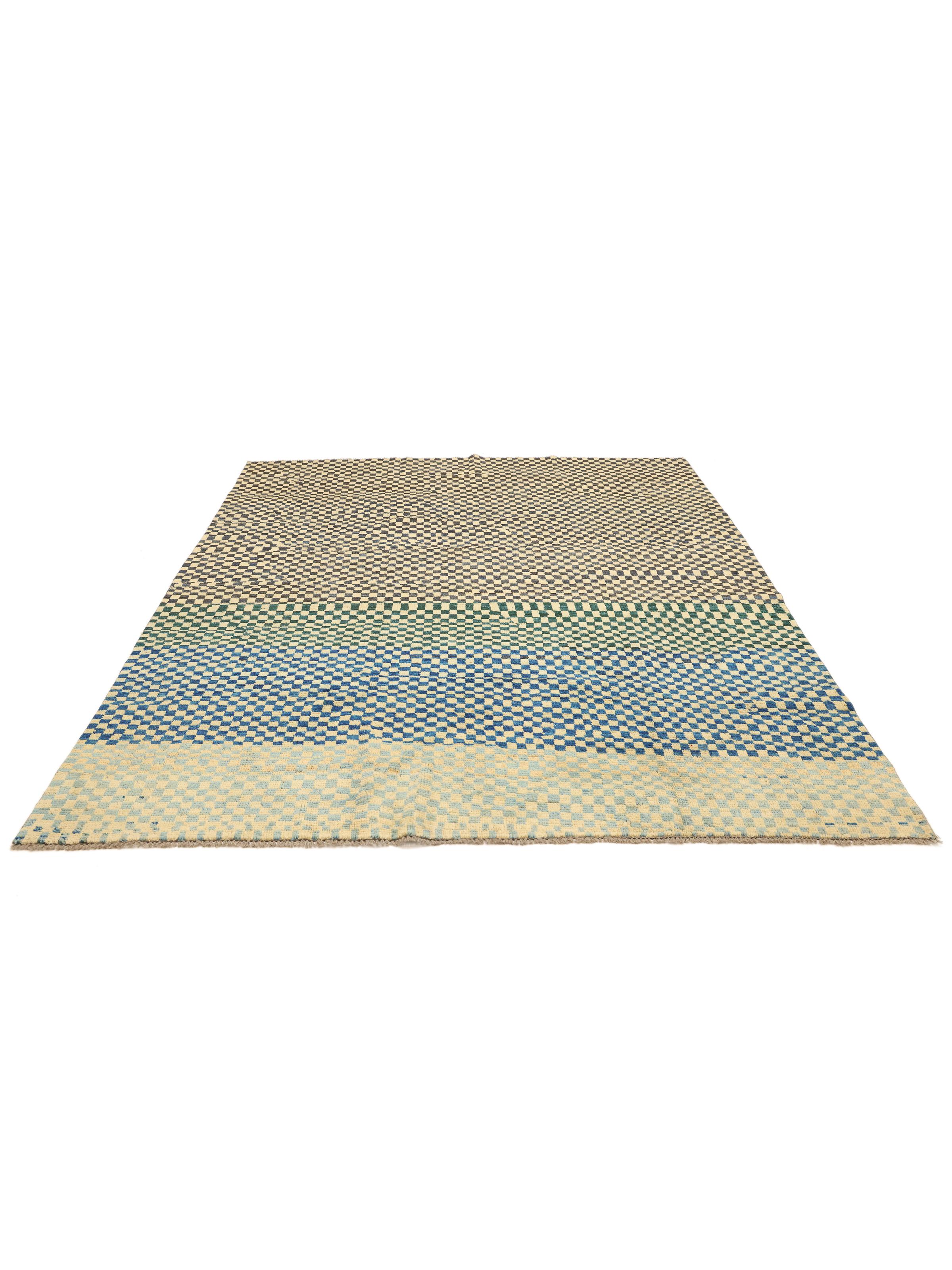
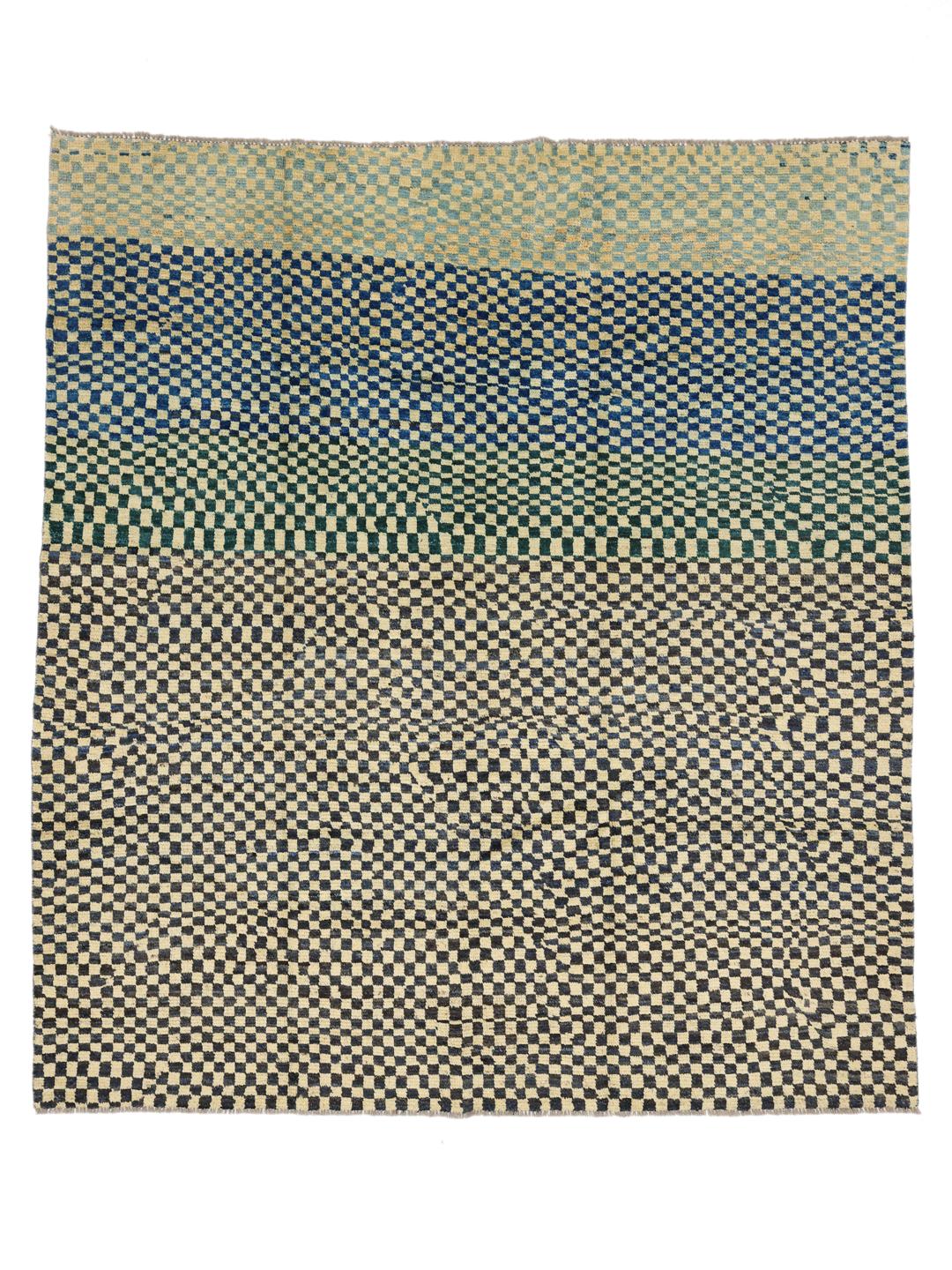
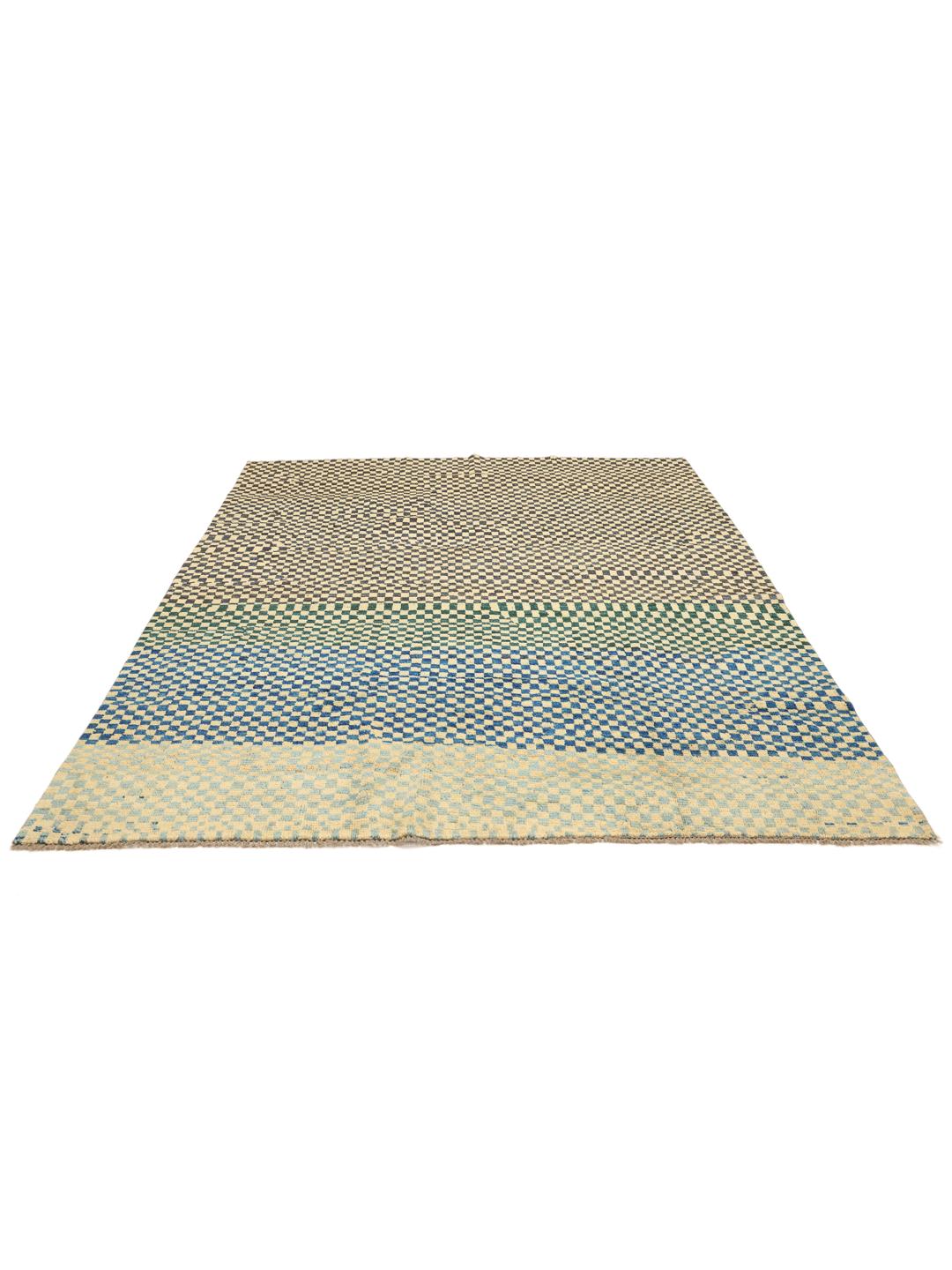
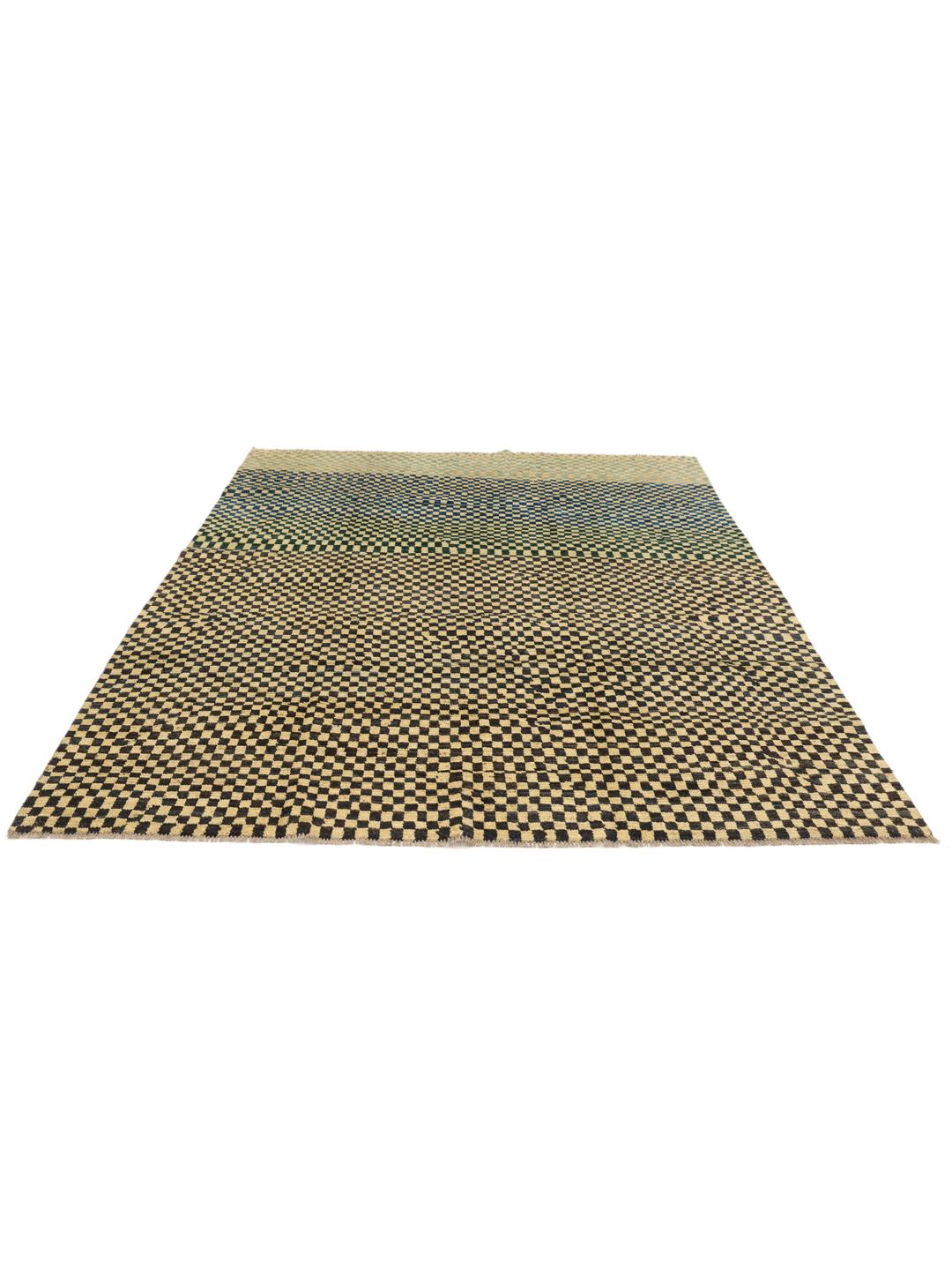
The checkered pattern seen here is a classic design element that plays with symmetry and contrast. By incorporating a gradient of colours—a technique that requires the weaver to carefully manage dye batches and spacing—this rug pushes the boundaries of traditional geometry. It transforms a simple, repetitive motif into an artistic landscape that feels both modern and deeply rooted in the history of textile design.
Owning a hand-knotted rug from this tradition is an opportunity to connect with a long line of artisans who view their work as a form of storytelling. These pieces are highly valued by collectors not just for their aesthetic beauty, but for the skill required to maintain consistency across such a large, complex pattern. Choosing such a rug brings a sense of cultural weight and enduring quality into your home, standing as a testament to the beauty of manual artistry.