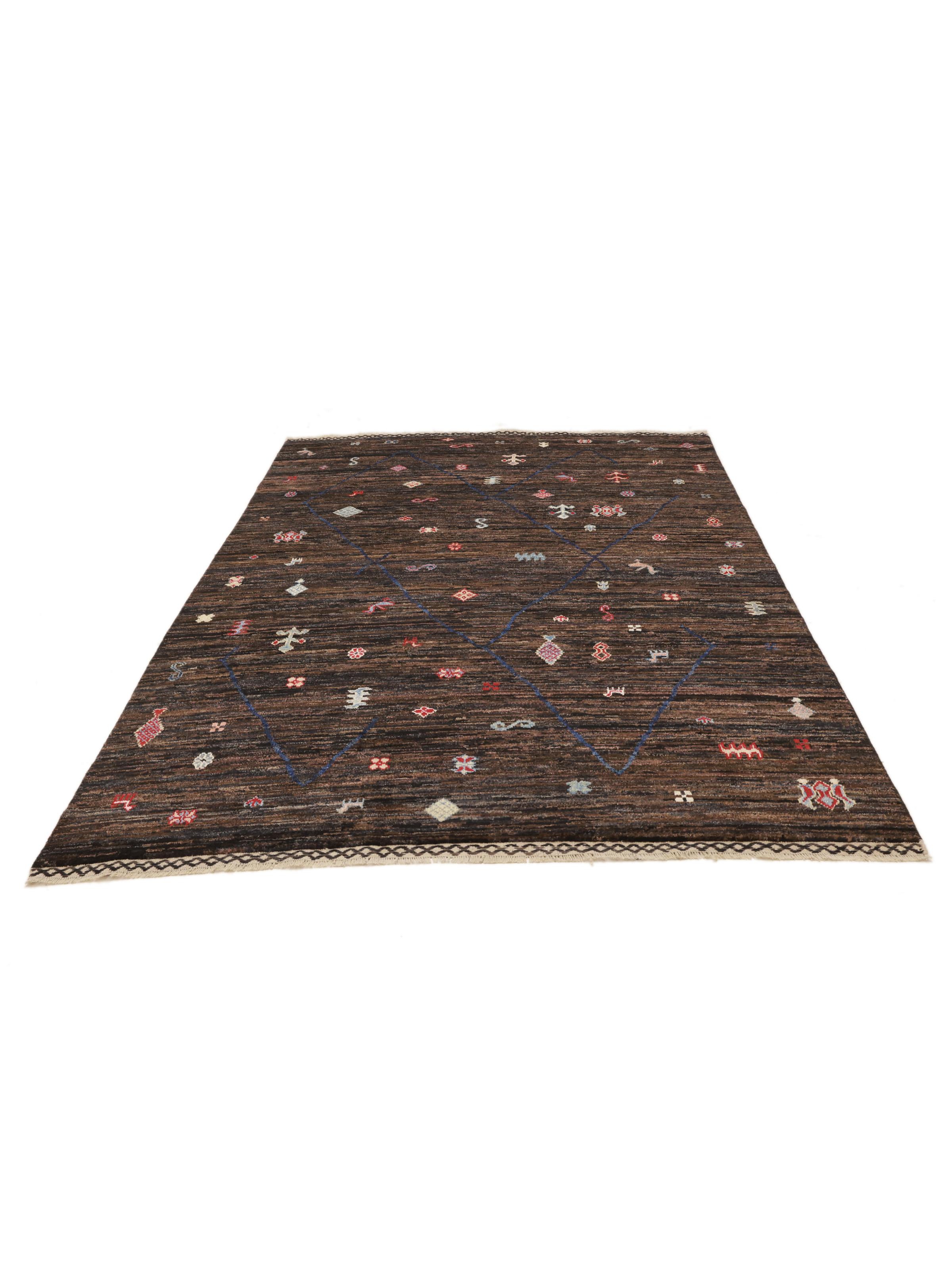
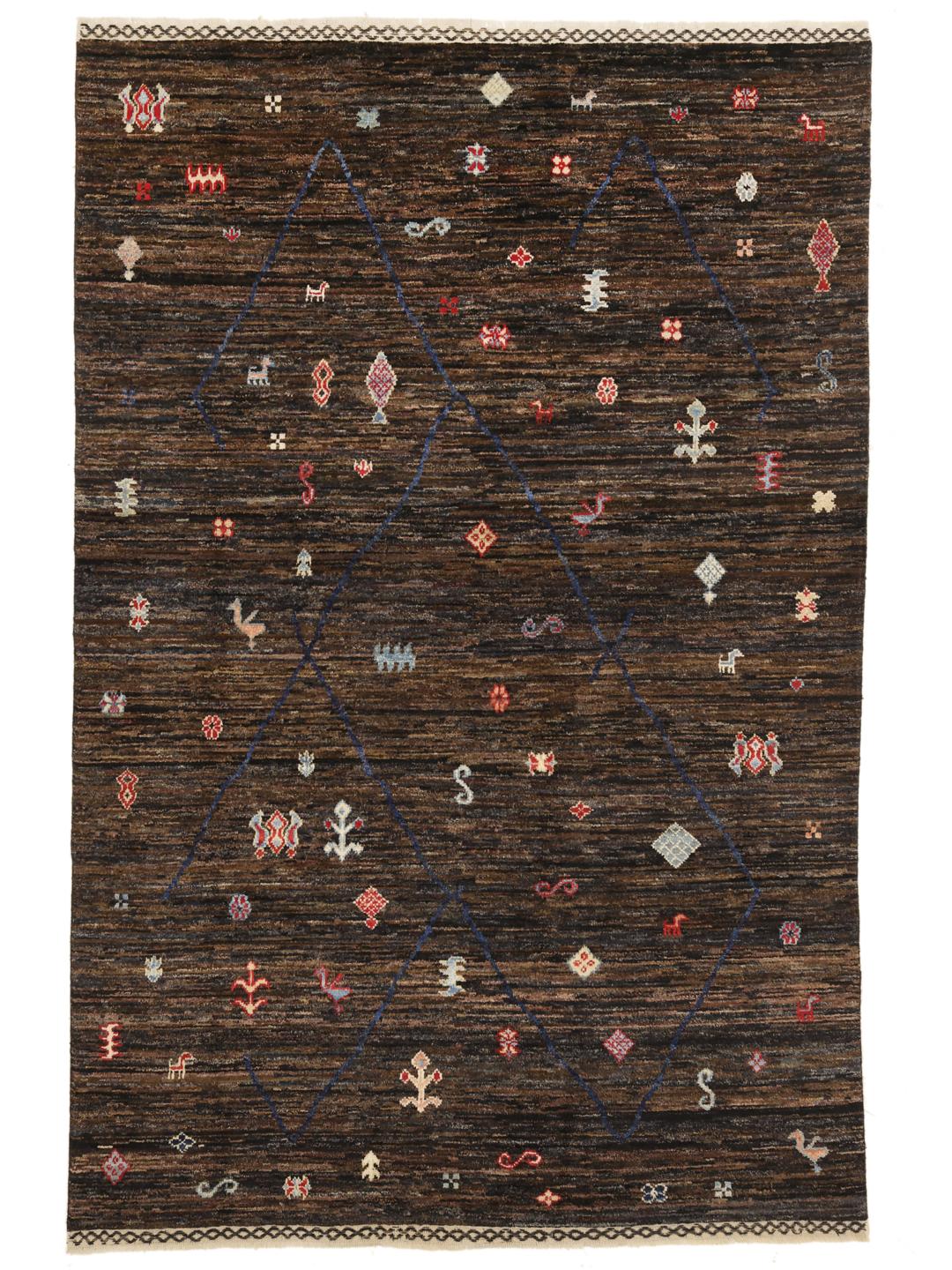
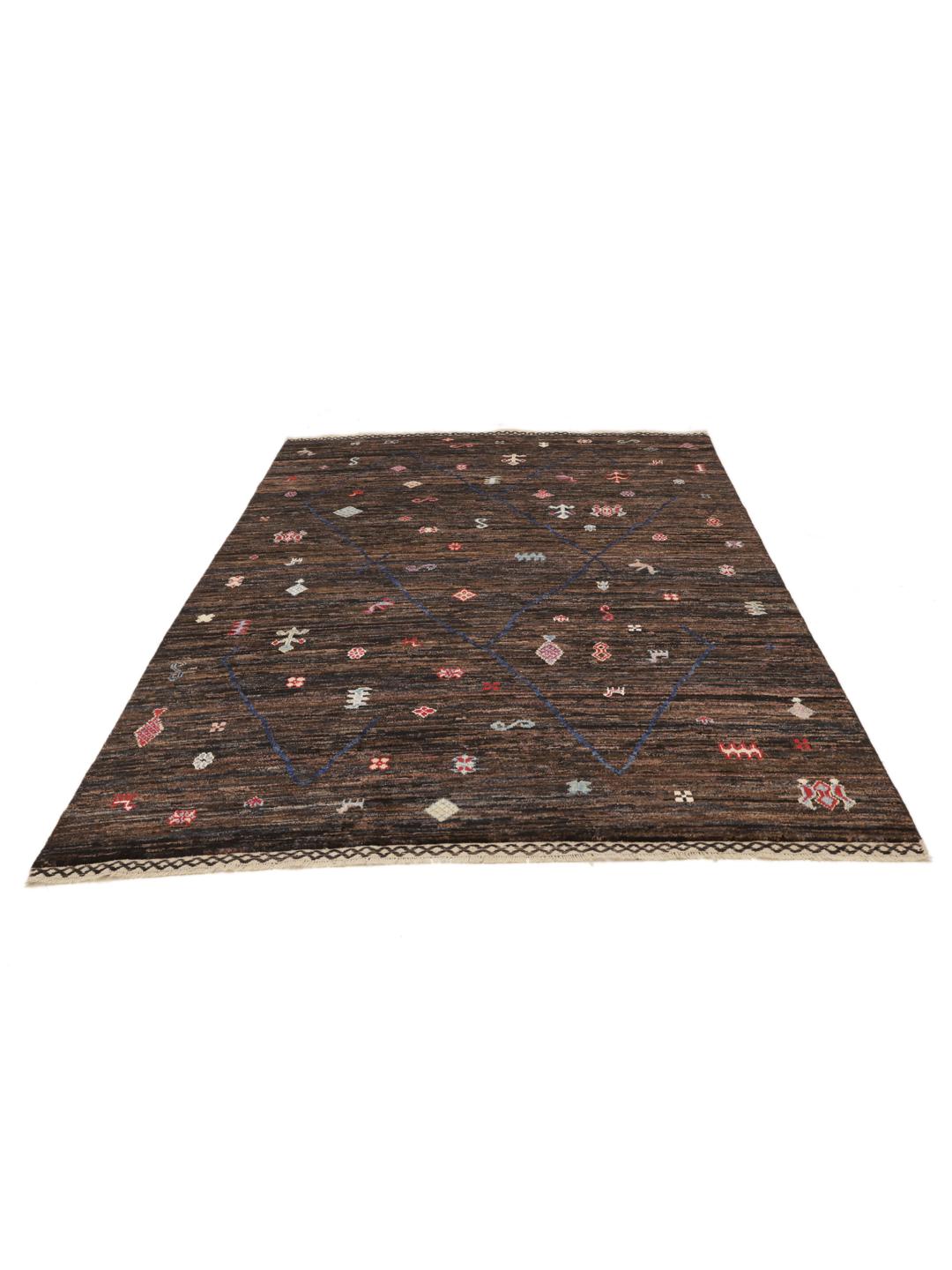
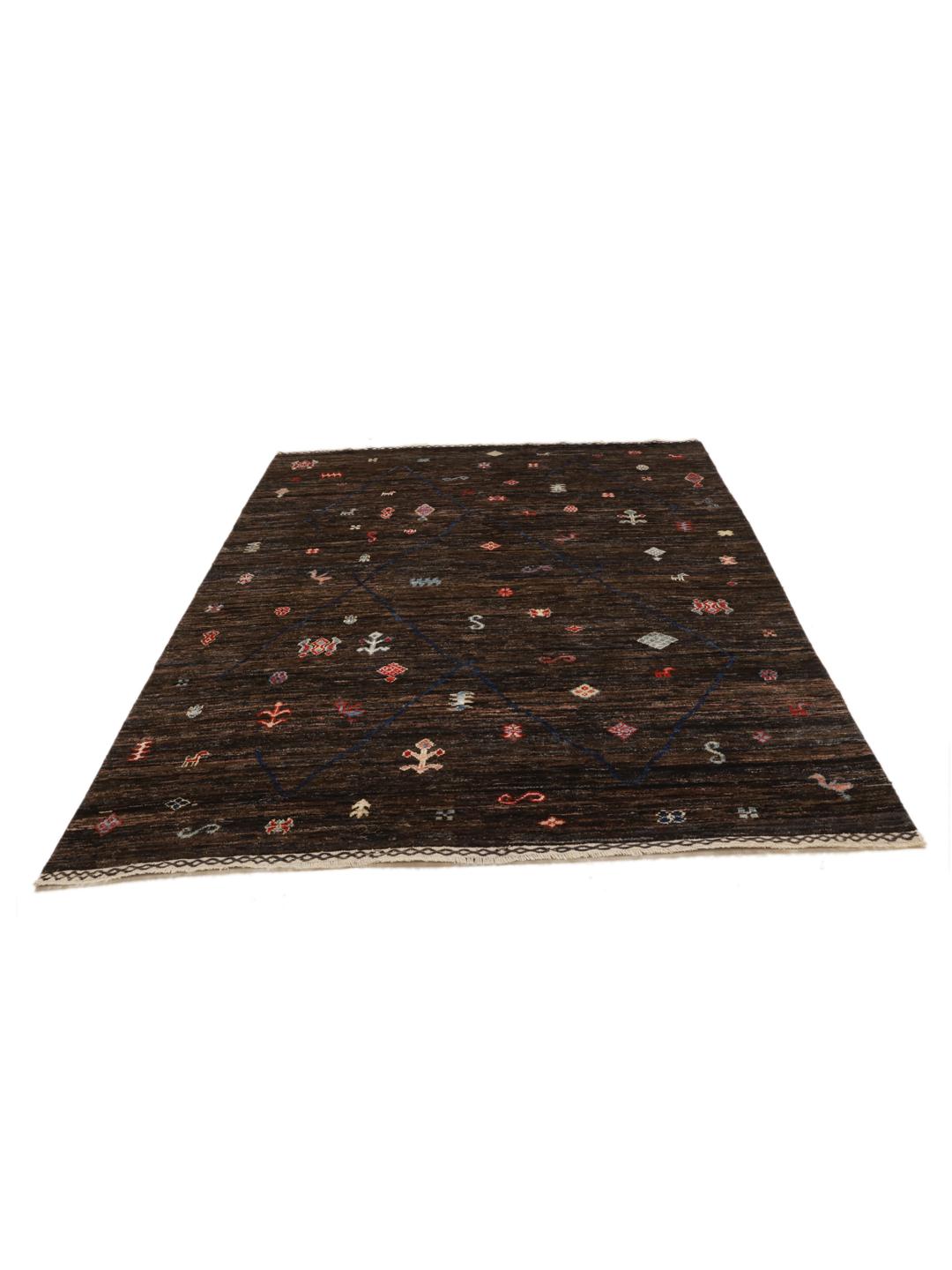
Berber-style rugs from the Middle East and Central Asia are celebrated for their deep cultural roots and the way they blend traditional techniques with spontaneous, expressive design. While often associated with the nomadic traditions of North Africa, the style has been beautifully interpreted by Afghan weavers, who infuse these rugs with their own regional aesthetic and rich Wool-crafting heritage.
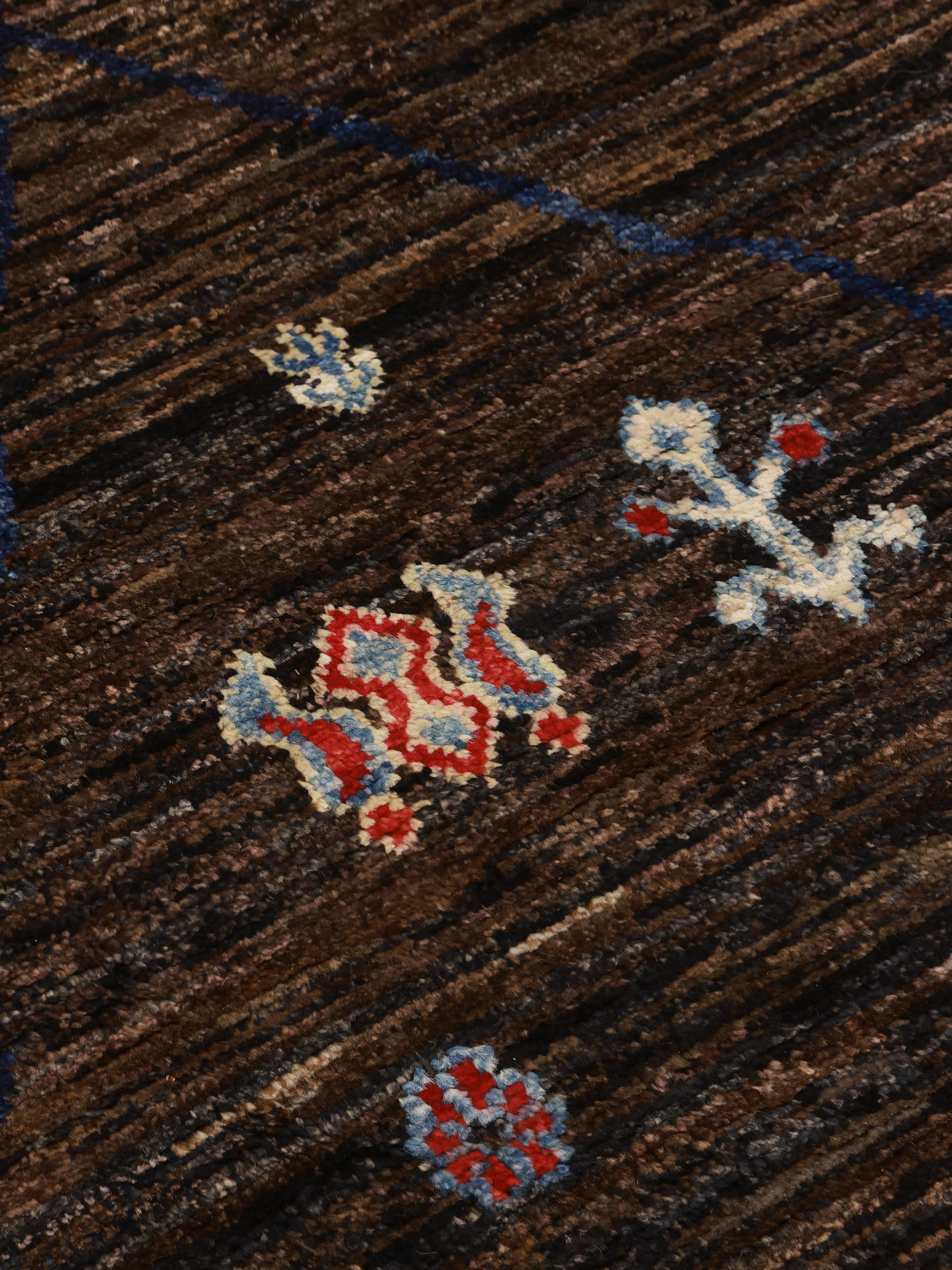
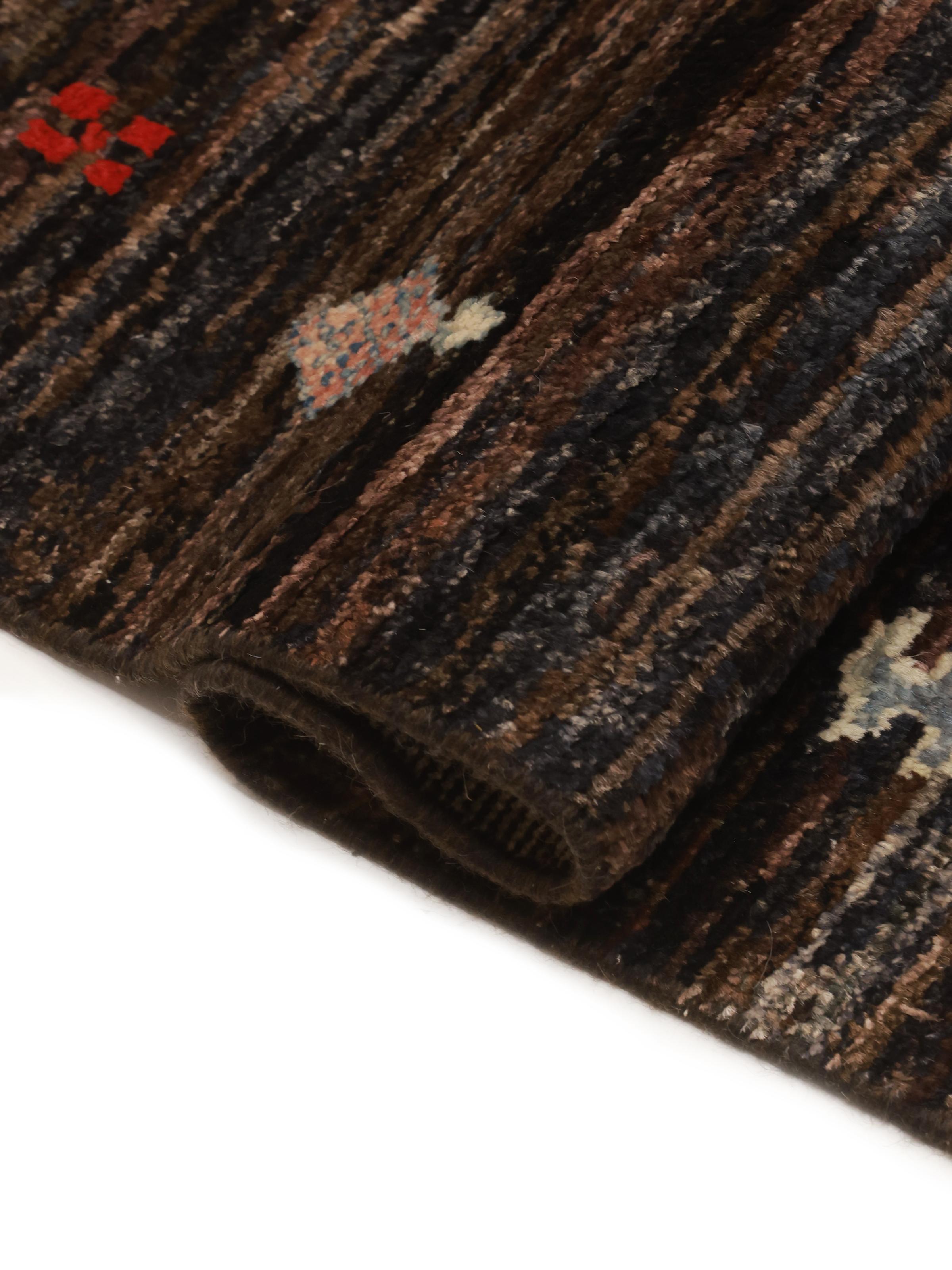
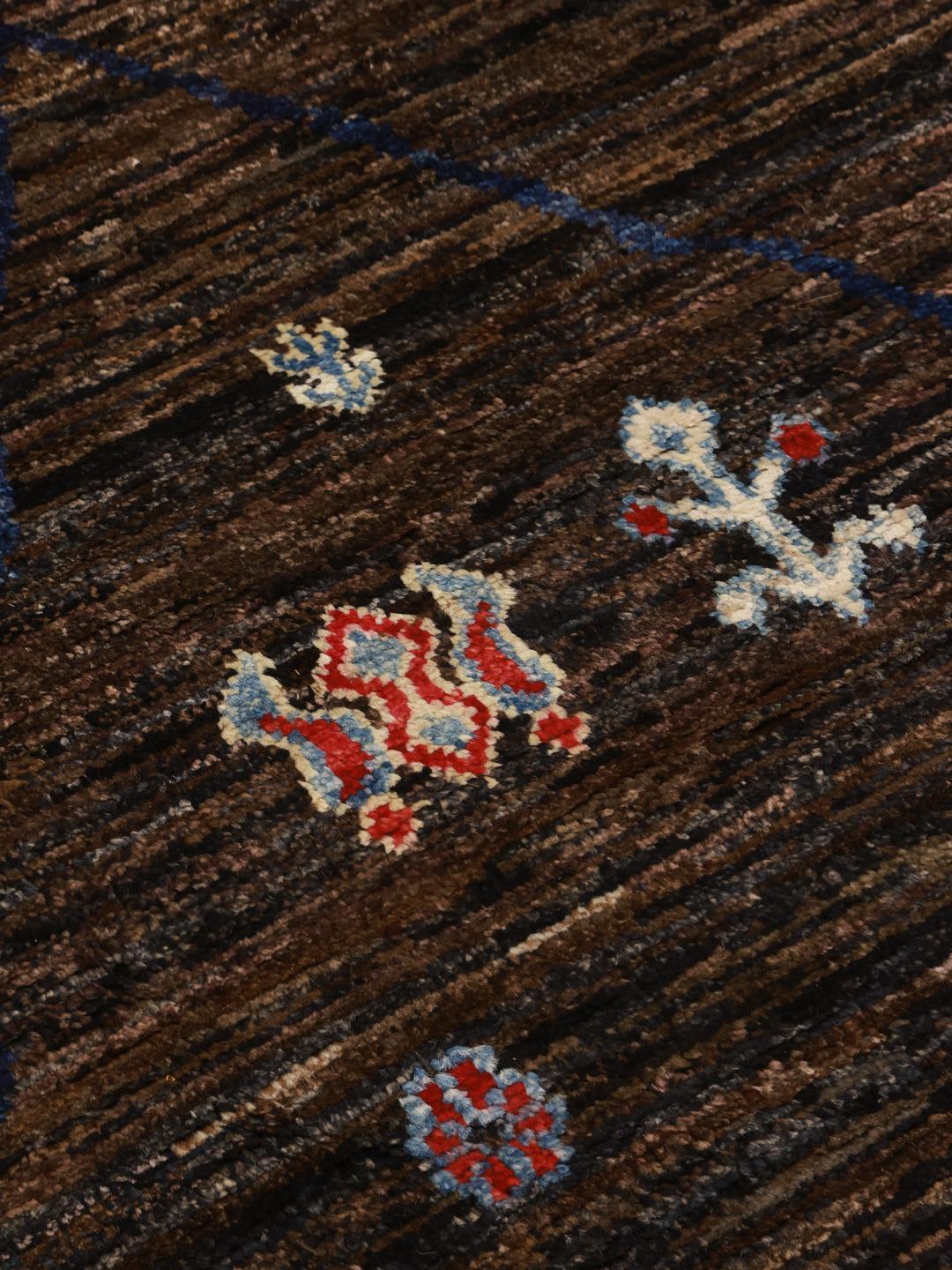
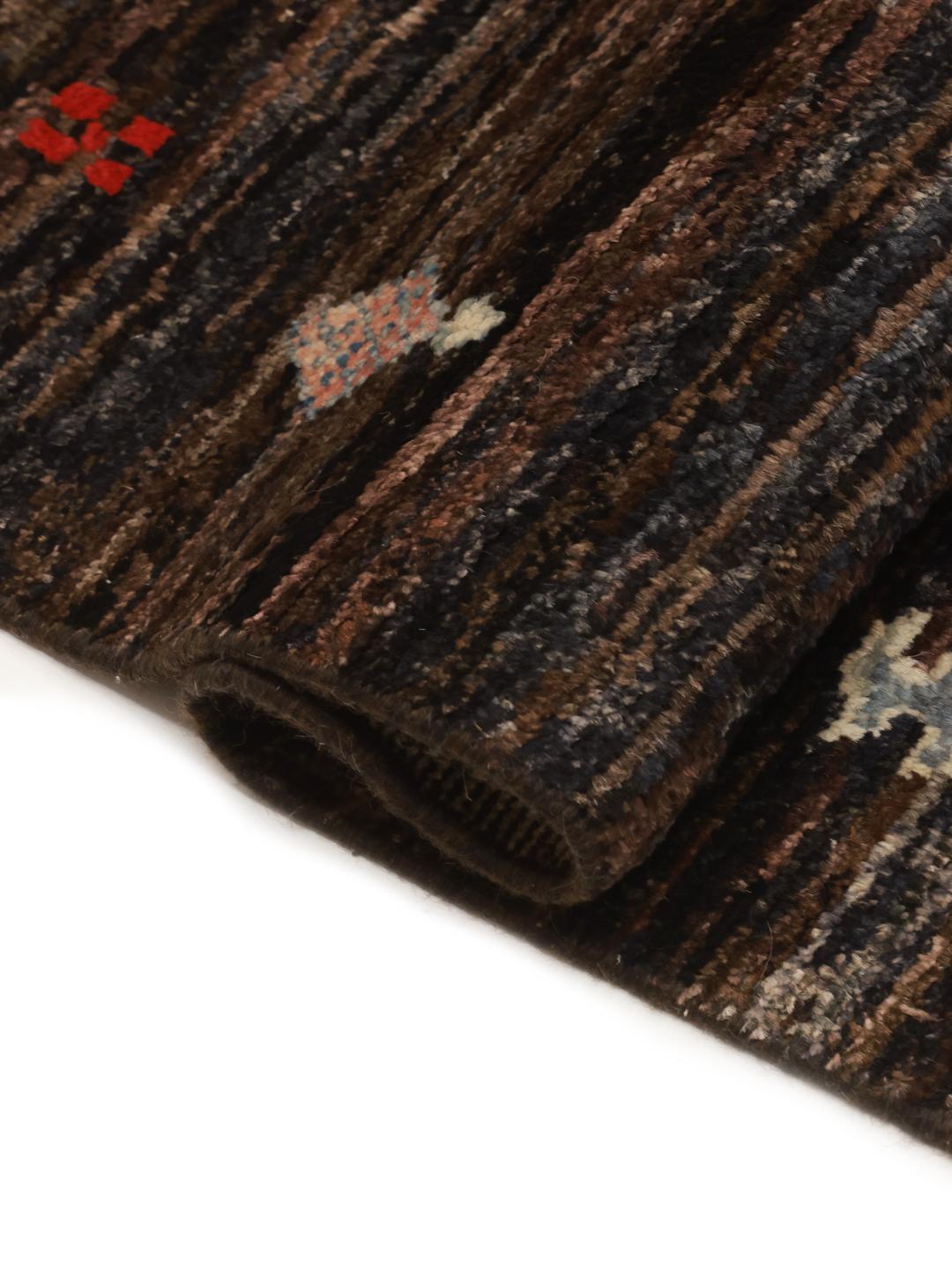
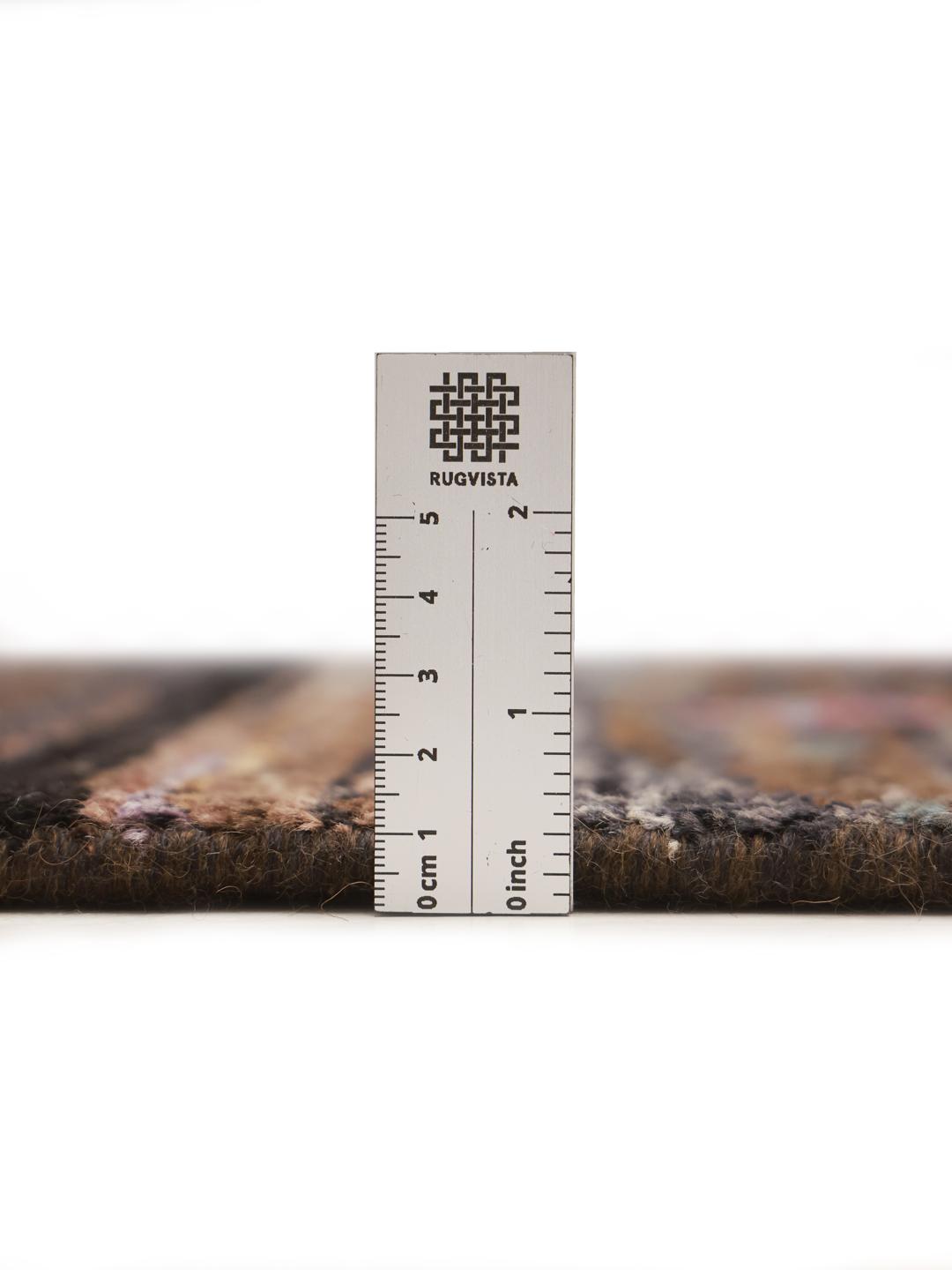
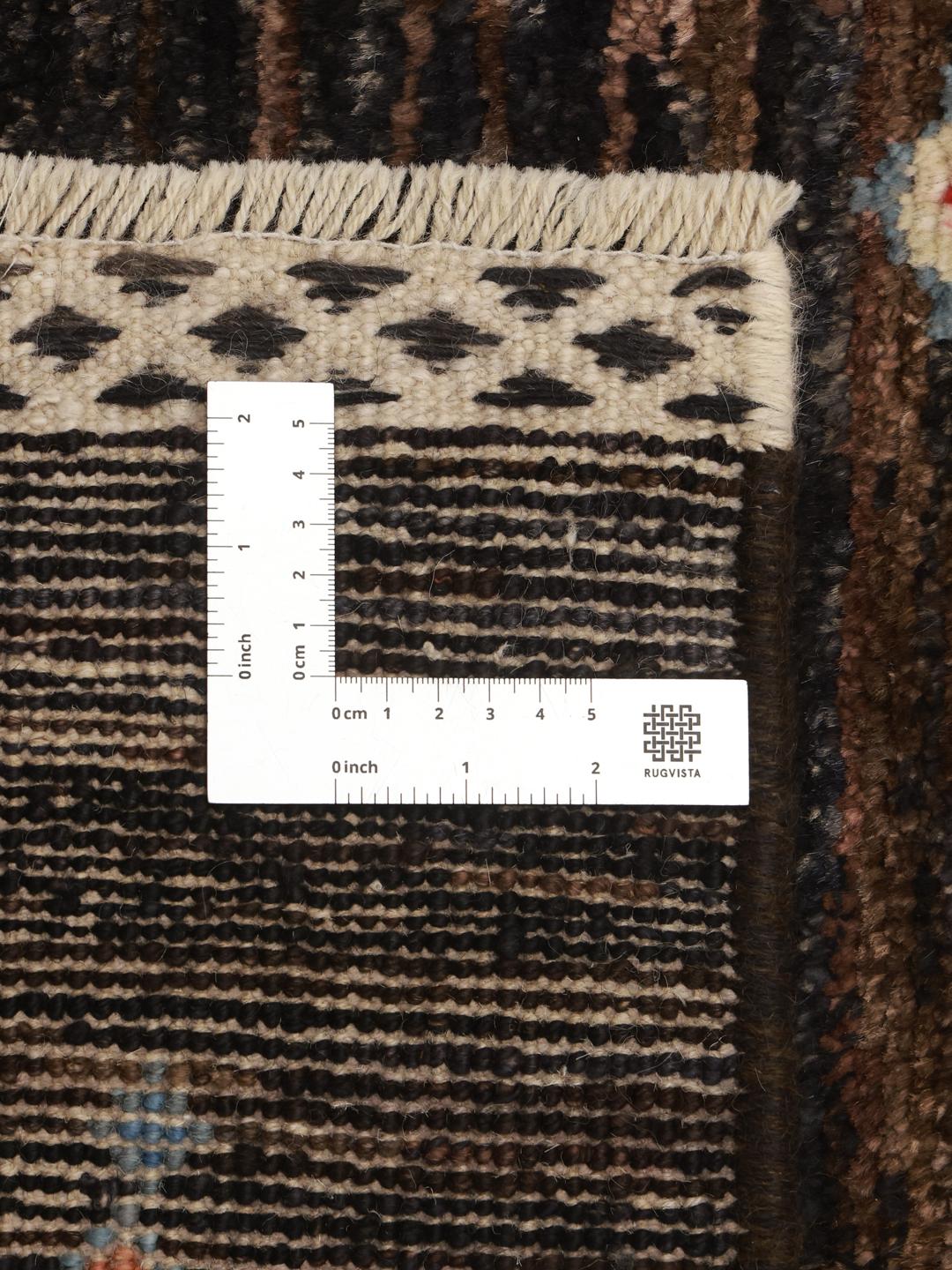
The term hand-knotted describes the most traditional and durable way to create a rug, where individual strands of Wool are tied around the warp threads. This method is the hallmark of quality in the region, ensuring that the pile is dense, resilient, and capable of maintaining its appearance even with heavy use over many years.
The design of this rug is characterised by its use of symbolic motifs, which often serve as a visual language for the weaver. These small, scattered patterns—ranging from geometric shapes to stylised animals—are not merely decorative but reflect a long-standing tradition of storytelling through textiles. The contrast of these vibrant symbols against a dark, rich field is a signature of this specific aesthetic tradition.
Collecting rugs from this tradition is about more than just decor; it is about honouring a craft that has been passed down through generations. These pieces are valued for the human connection they represent, as each rug carries the specific touch and creative choices of the person who made it, making them essential items for those who appreciate heritage and authentic craftsmanship.