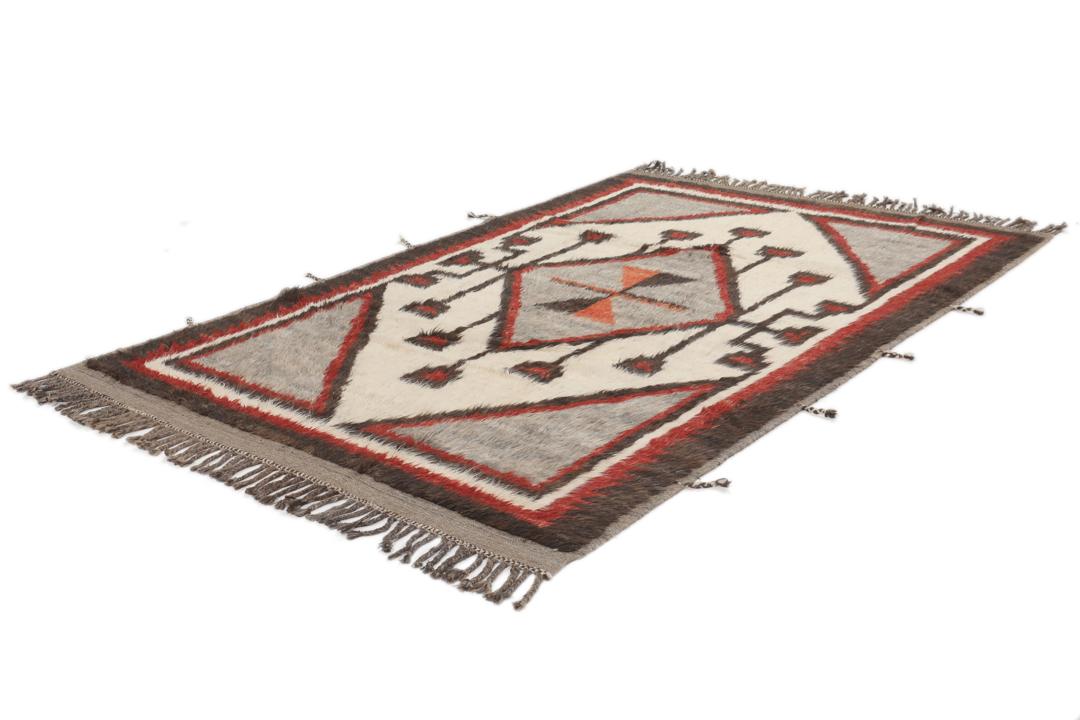
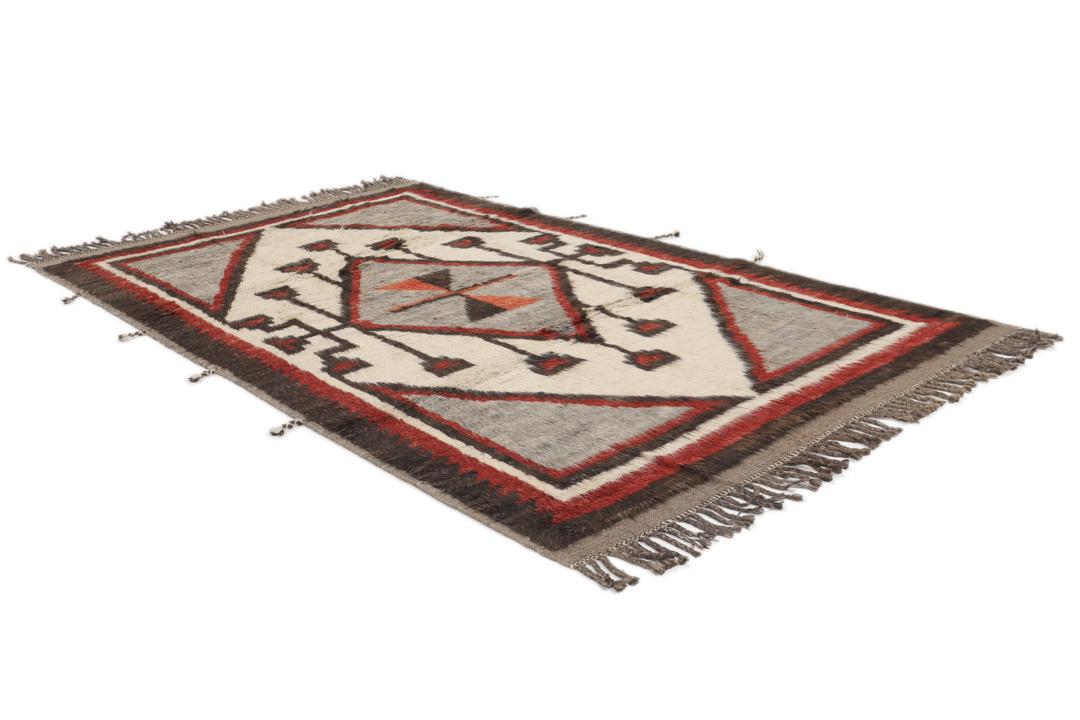
The Berber tradition of rug weaving is a storied practice that spans across North Africa and has found a significant, evolved home in the weaving centres of Afghanistan. While traditionally associated with the tribal groups of the Atlas Mountains, the style has been adapted by Afghan weavers who bring their own regional expertise and aesthetic sensibilities to the craft. This cultural migration has led to a fascinating evolution where the classic, thick-piled look meets the intricate technical skill of the Afghan weaving tradition.
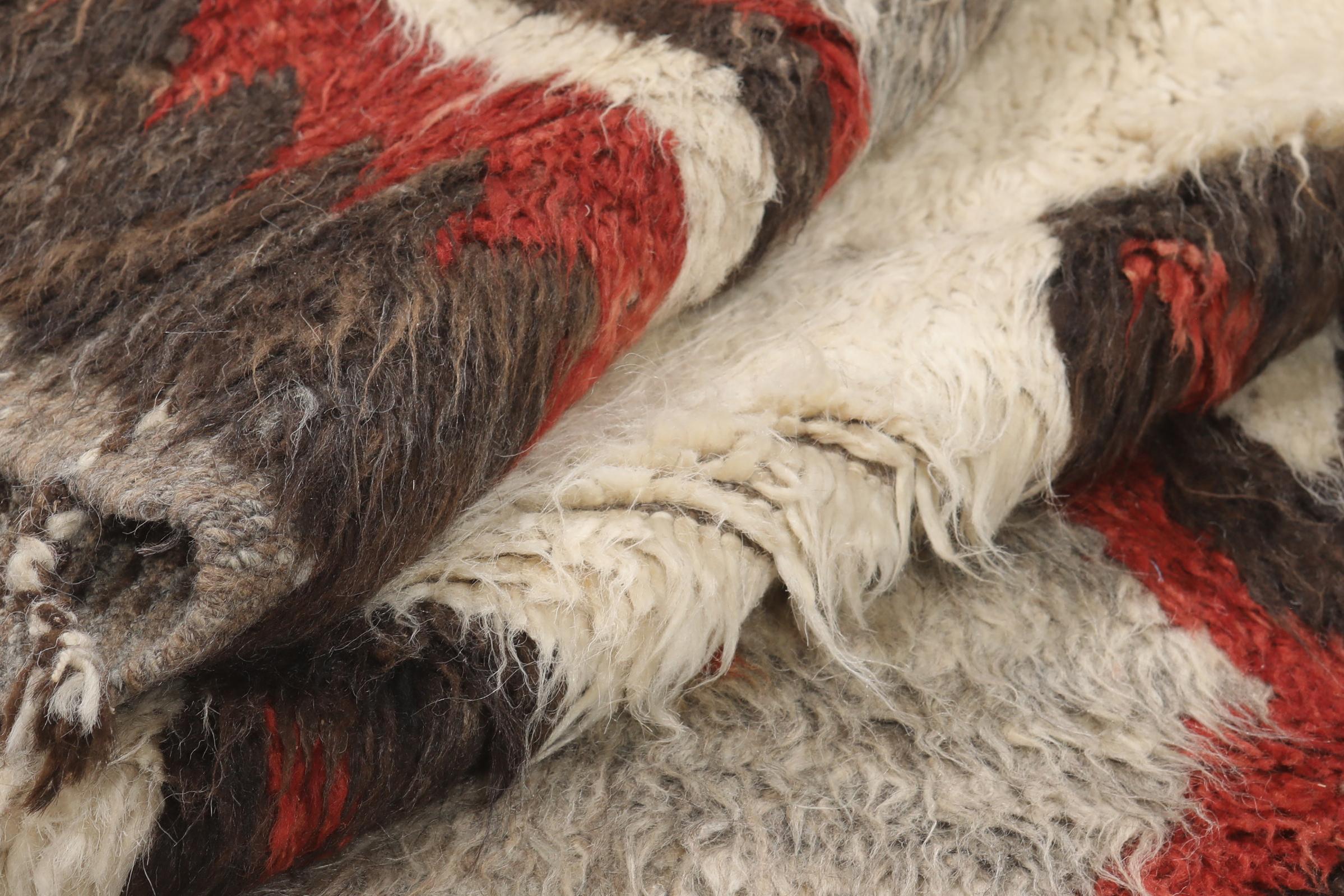
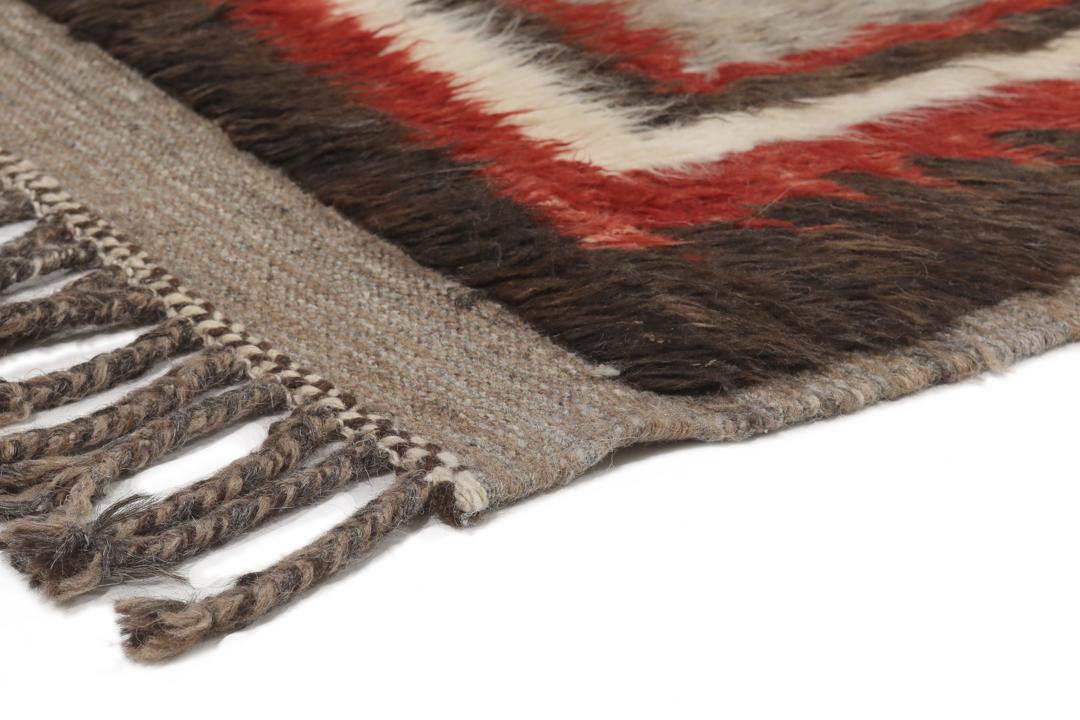
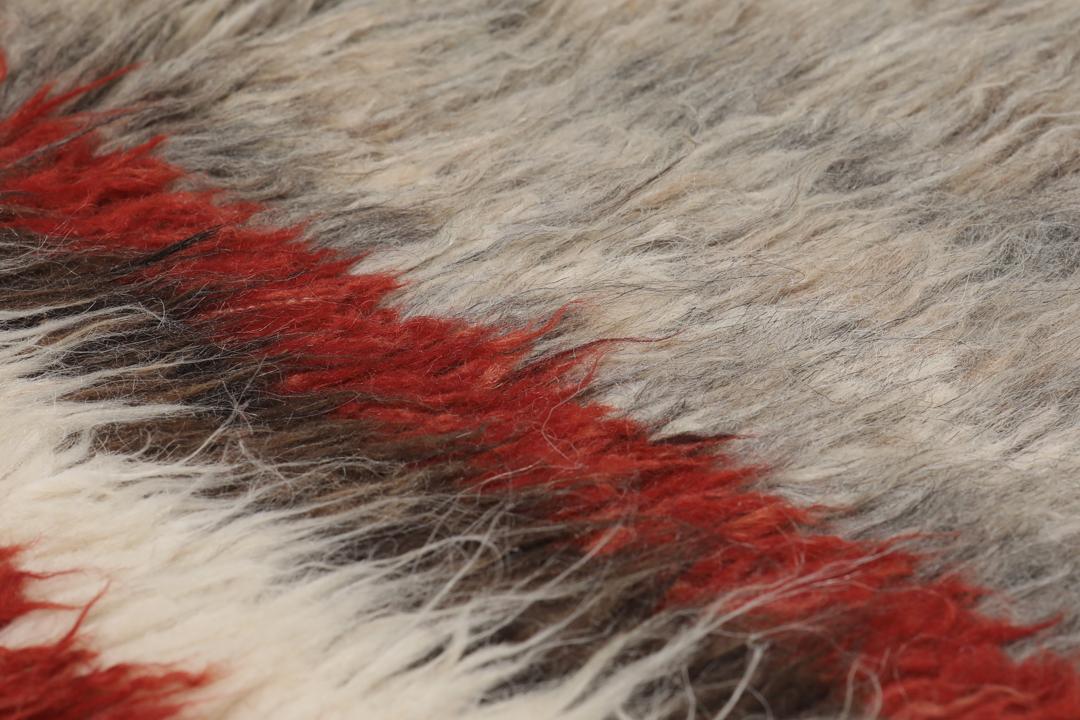
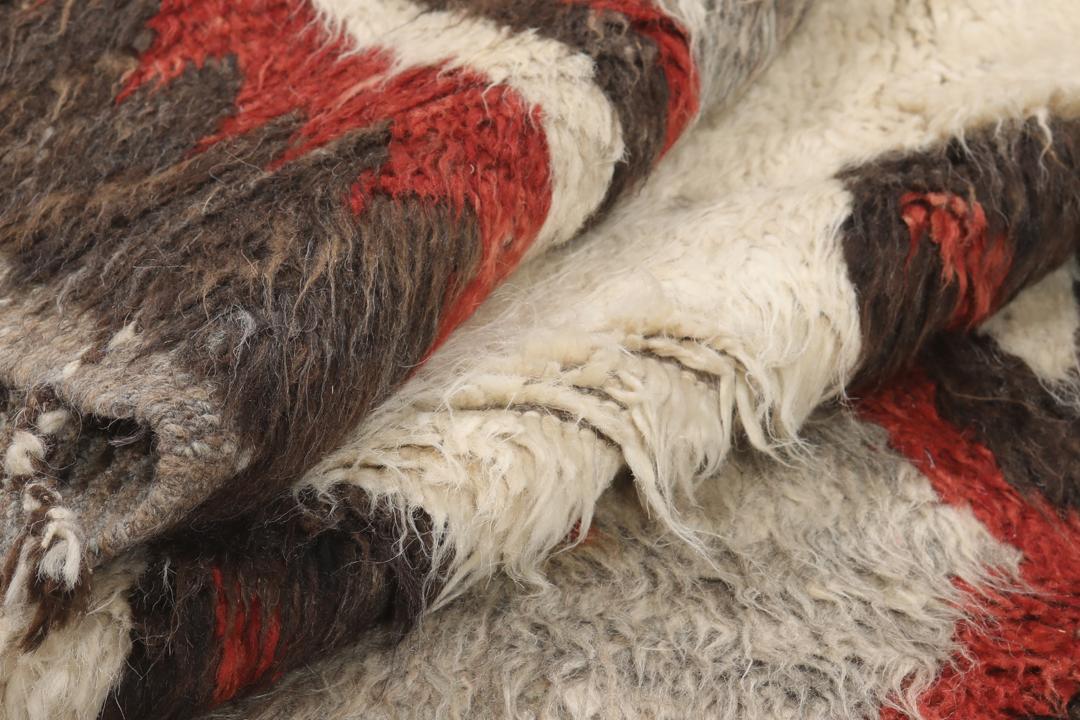
The term Berber itself refers to the indigenous peoples of North Africa, whose weaving history is one of the oldest in the world. These rugs were historically crafted for practical use—to provide insulation against cold mountain nights and to serve as comfortable bedding. Today, the term has come to signify a specific aesthetic that values thick, woolly piles and bold, often symbolic geometric motifs that reflect the weaver's environment and personal narrative.
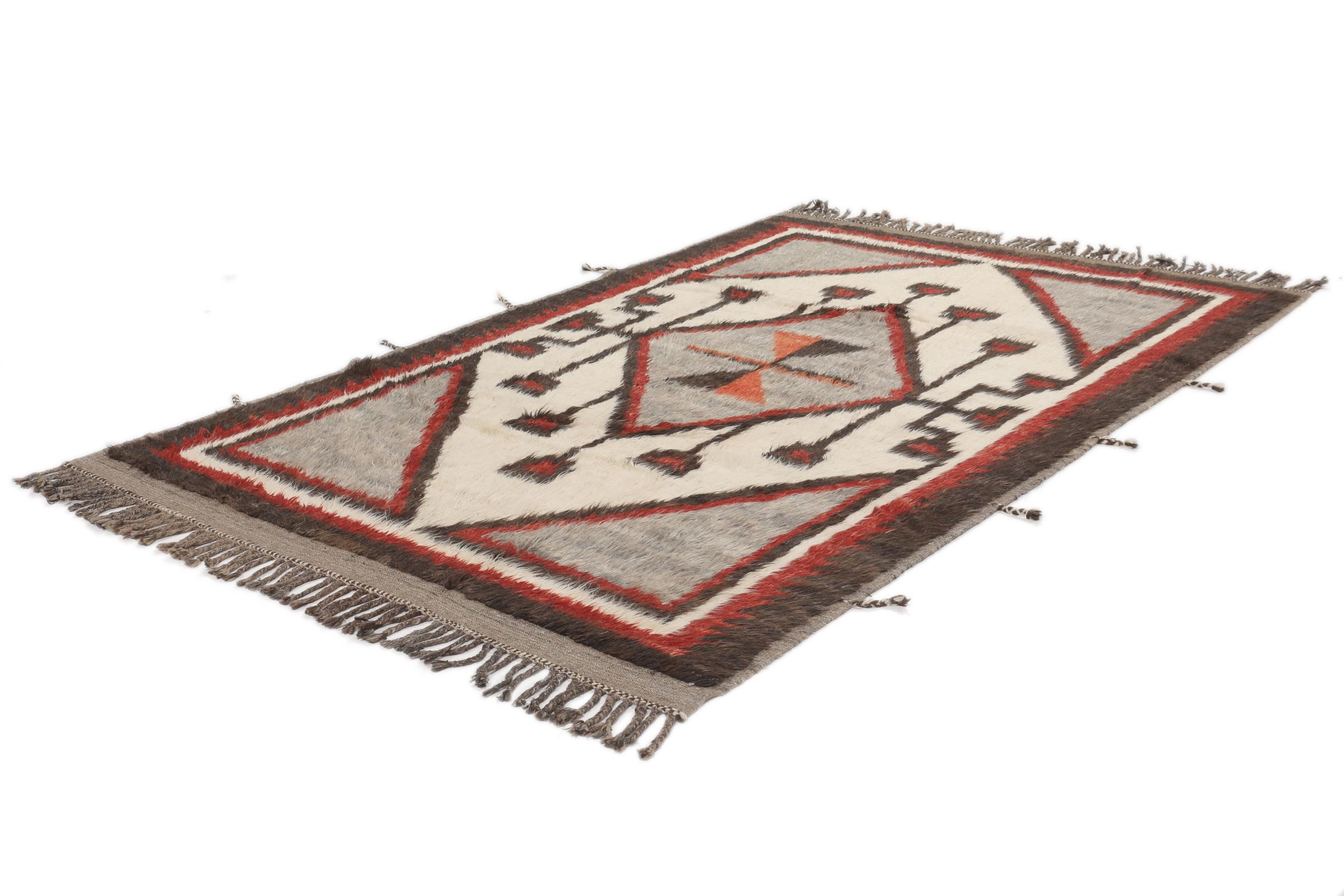
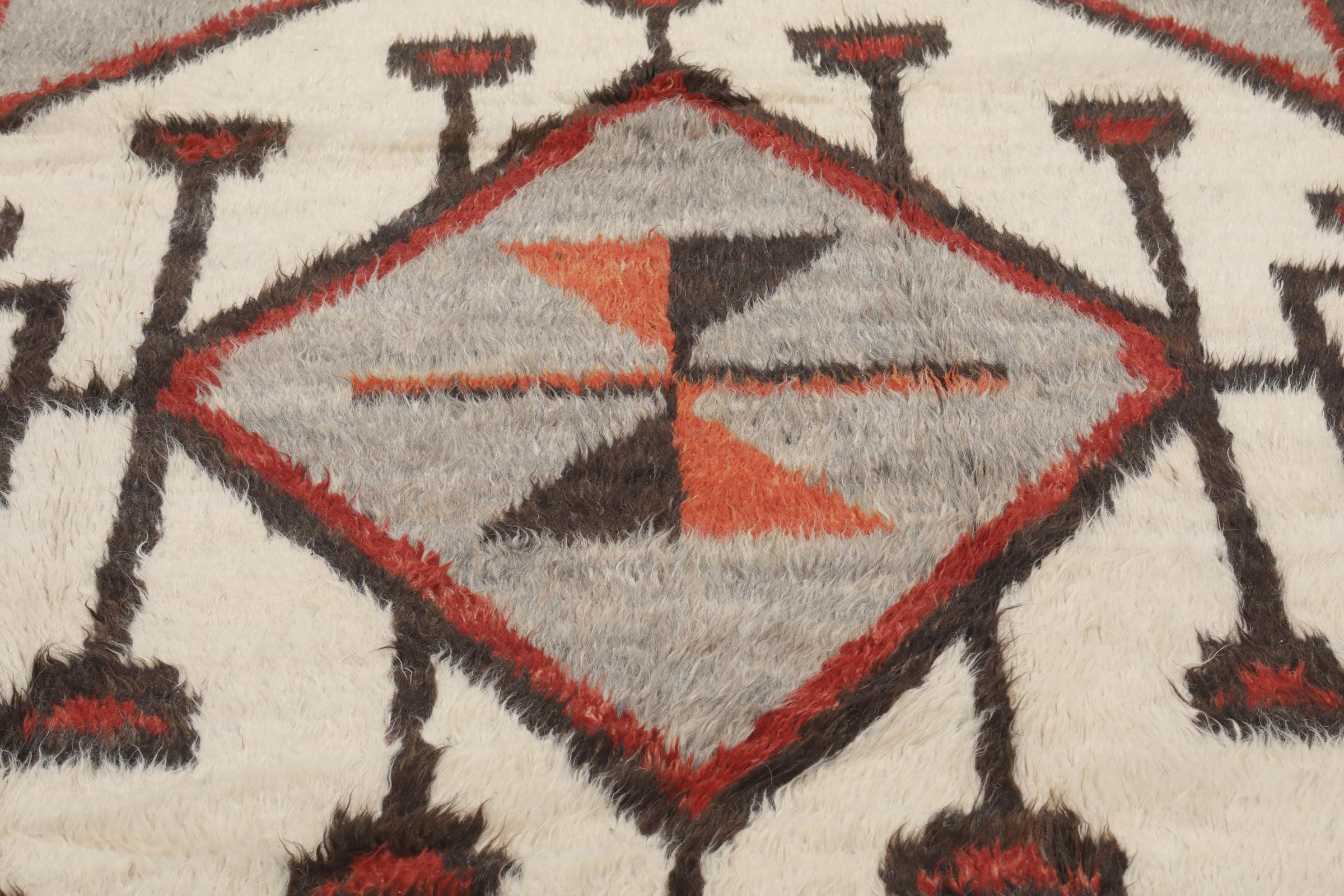
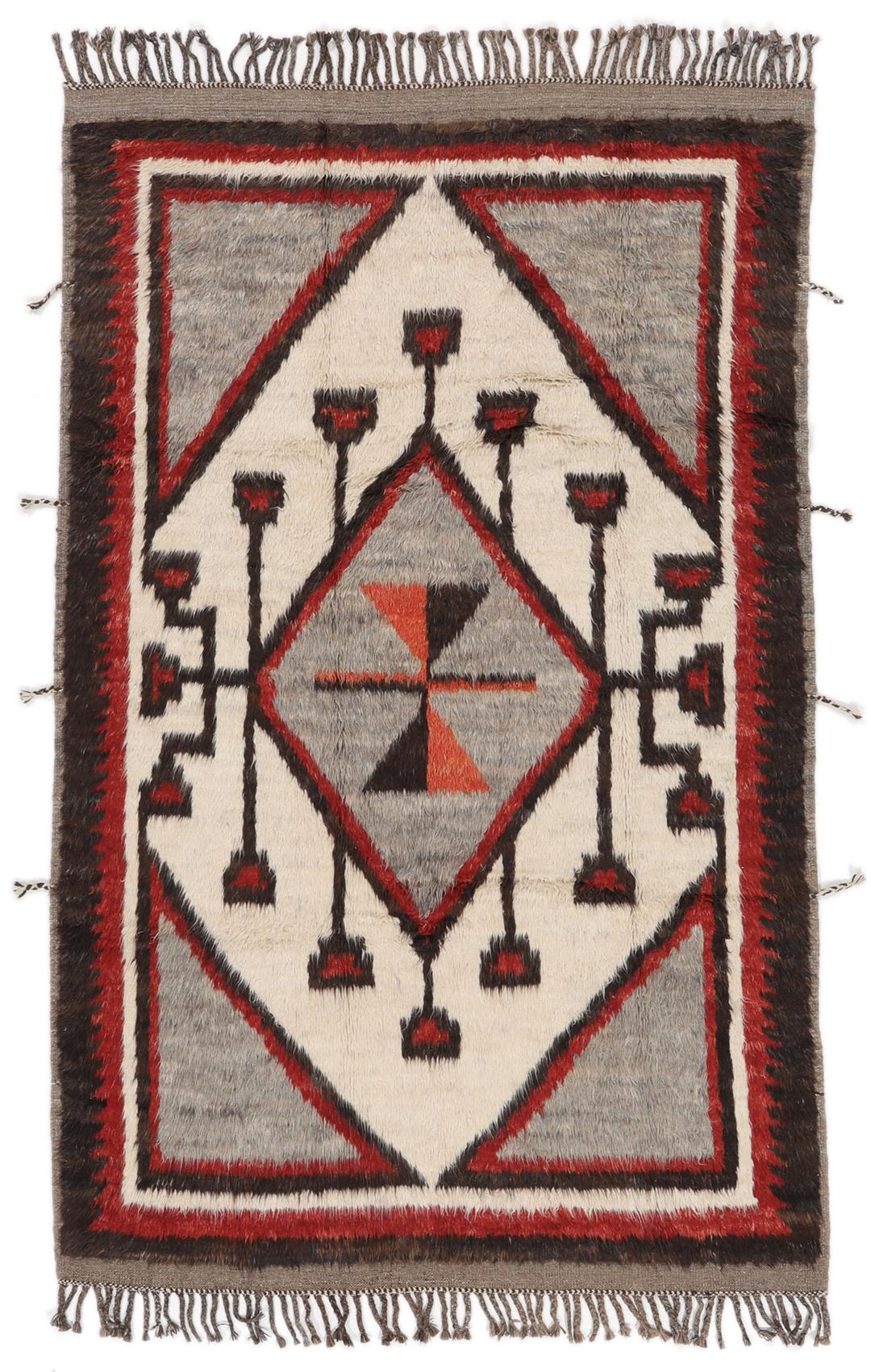
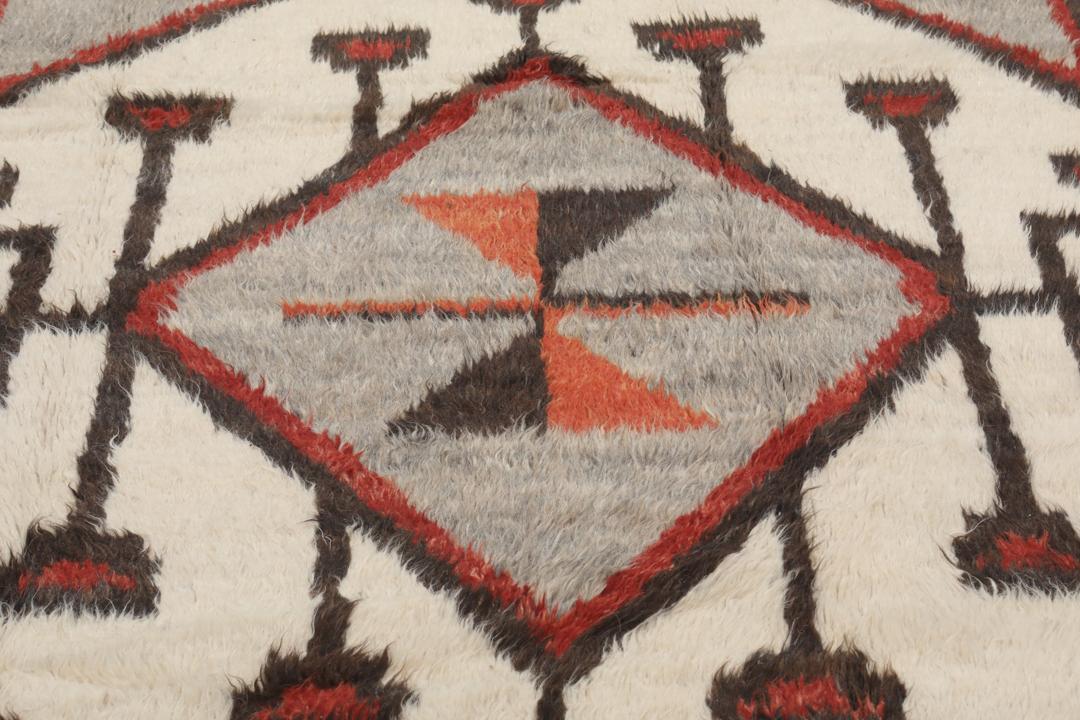
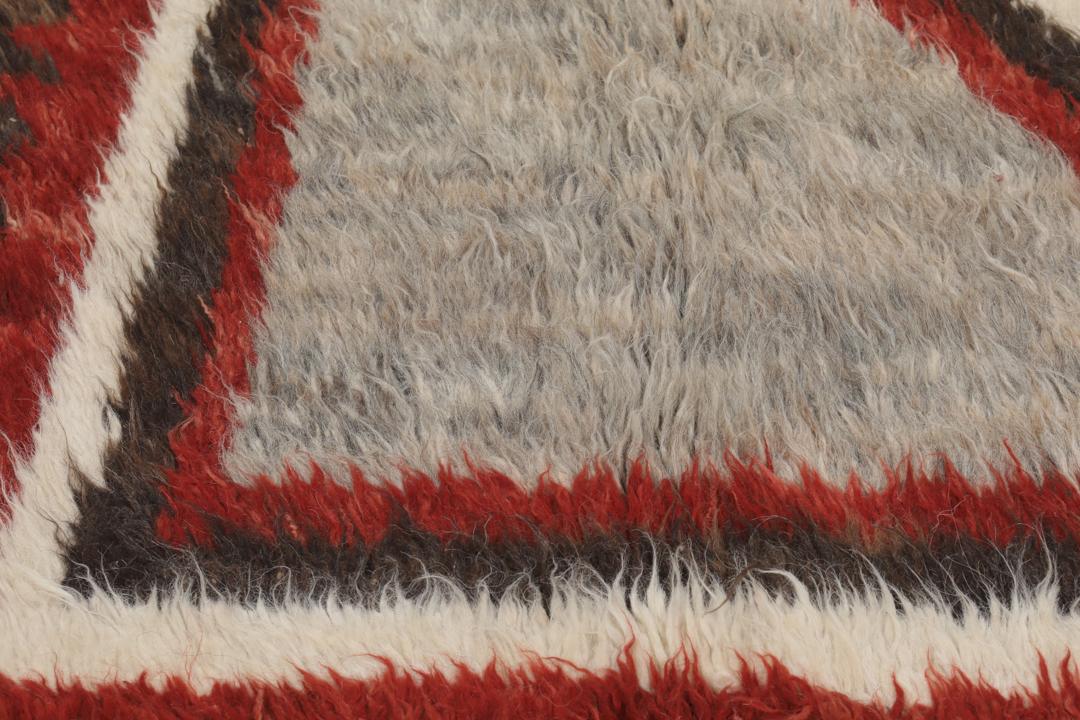
Signature elements of these rugs include high-contrast palettes and abstract geometric shapes, such as diamonds, triangles, and lines. These patterns are not merely decorative but are deeply rooted in a visual language passed down through generations. In this specific piece, the central diamond motif is a classic feature of the style, representing protection and prosperity within the home, while the surrounding border elements frame the design with formal precision.
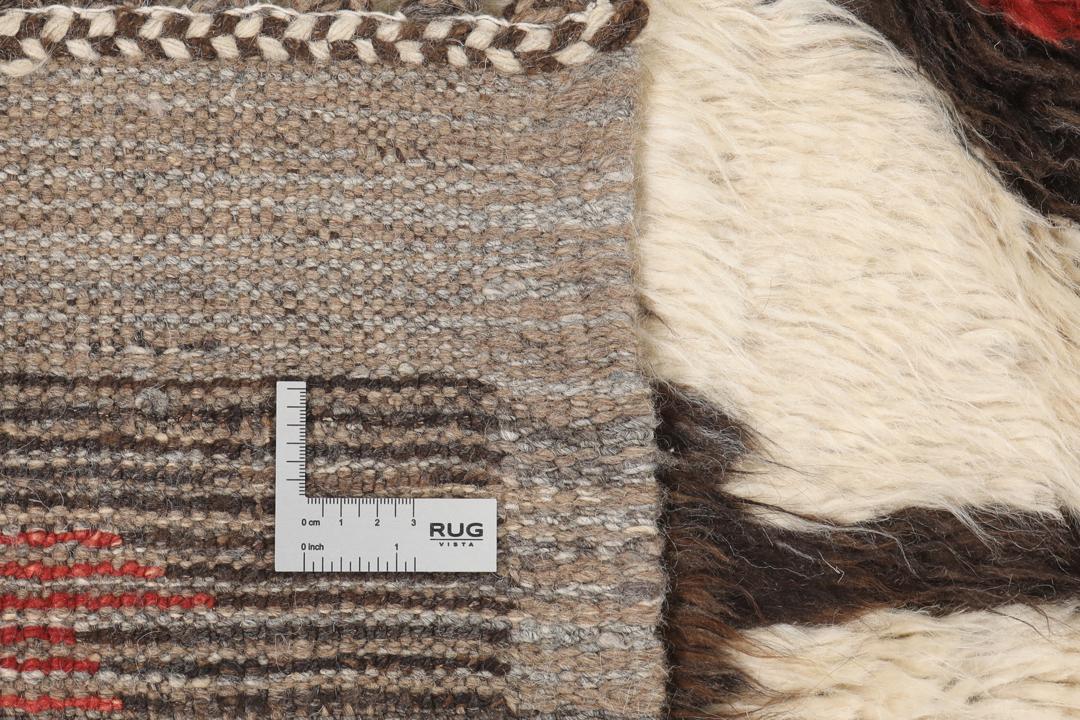
Collecting a rug from this tradition is an act of preserving a living craft. Because these pieces are made by hand, they carry the subtle variations that tell the story of the artisan's hand, making them highly valued by those who appreciate the intersection of heritage and home design. Owning one is a way to connect with a global tradition of textile art that emphasises durability, warmth, and the timeless beauty of natural materials.