The tradition of rug making in Afghanistan is deeply rooted in the history of the Middle East, drawing on centuries of nomadic and settled weaving techniques. While often influenced by regional motifs, Afghan weavers have evolved their craft to respond to contemporary design sensibilities, often incorporating bold, modern aesthetics while maintaining the integrity of traditional hand-knotting.
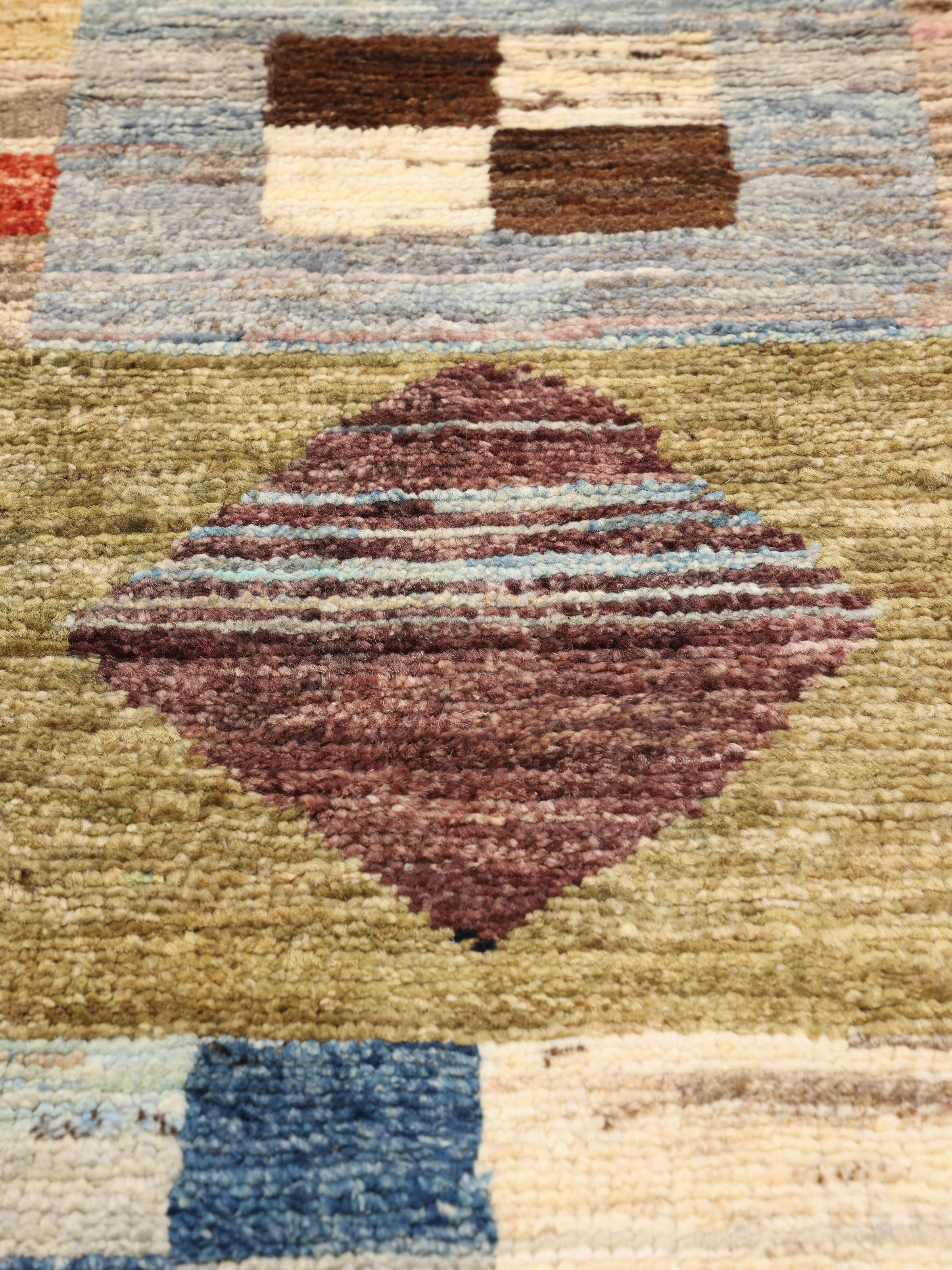
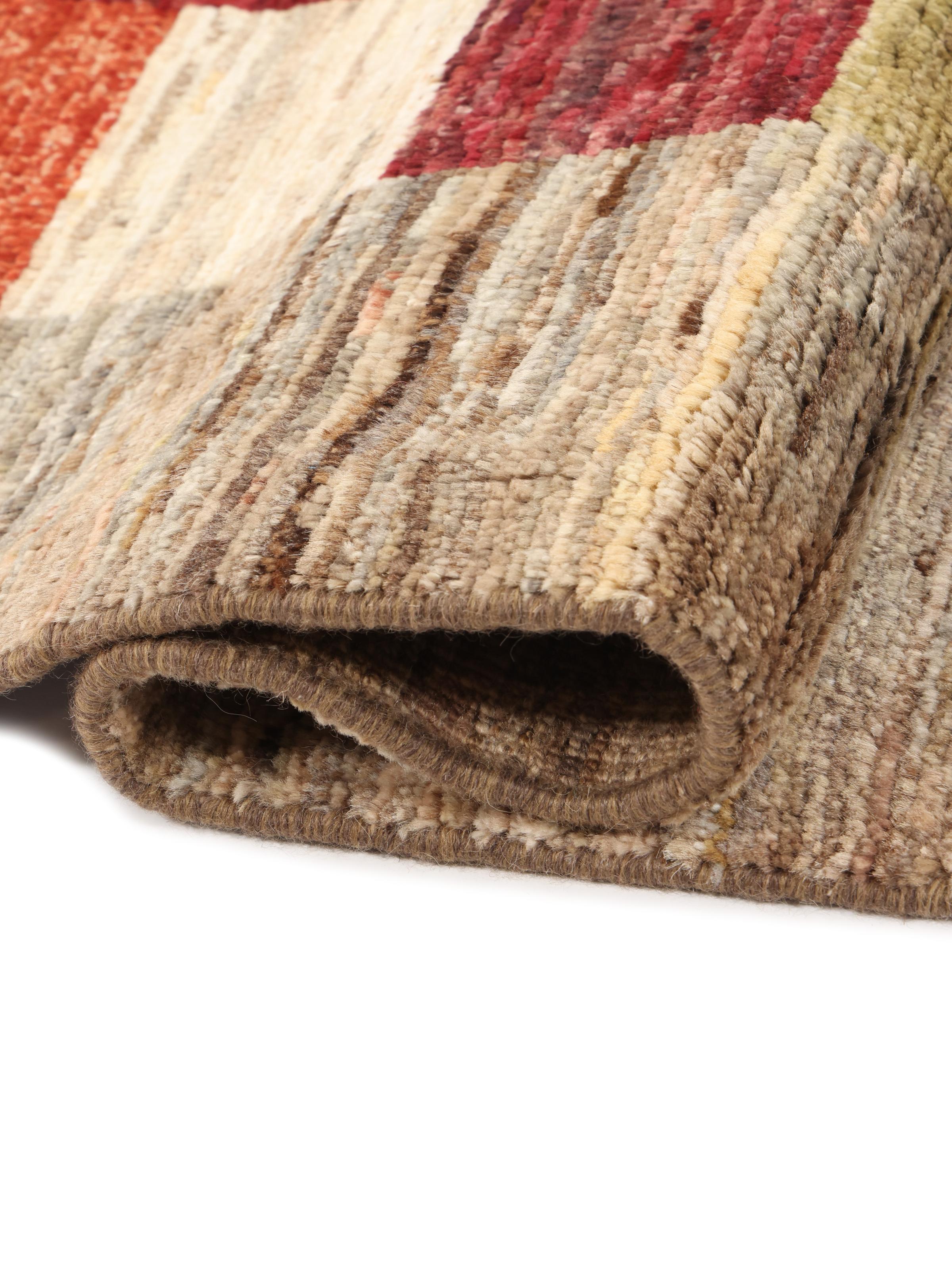
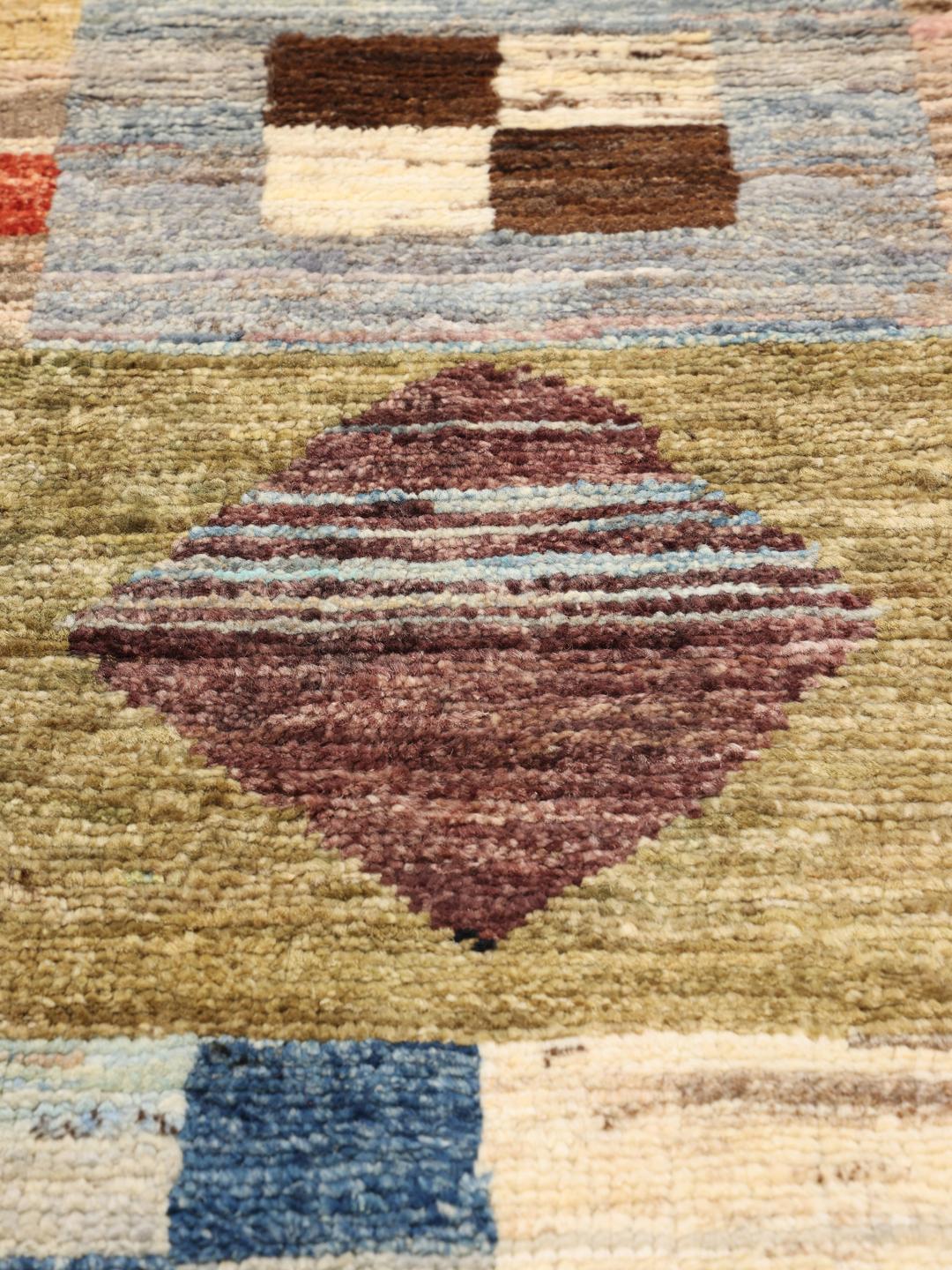
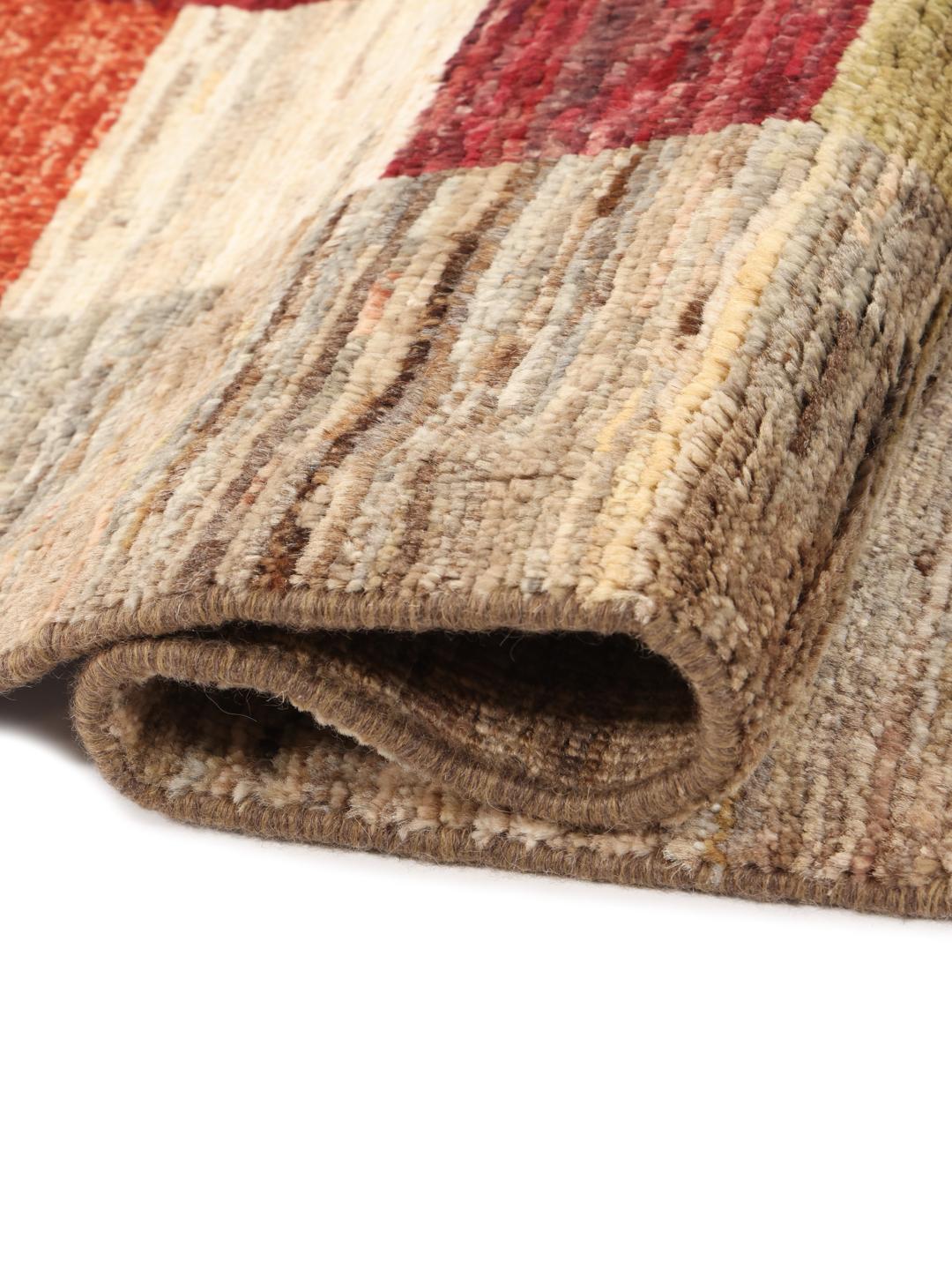
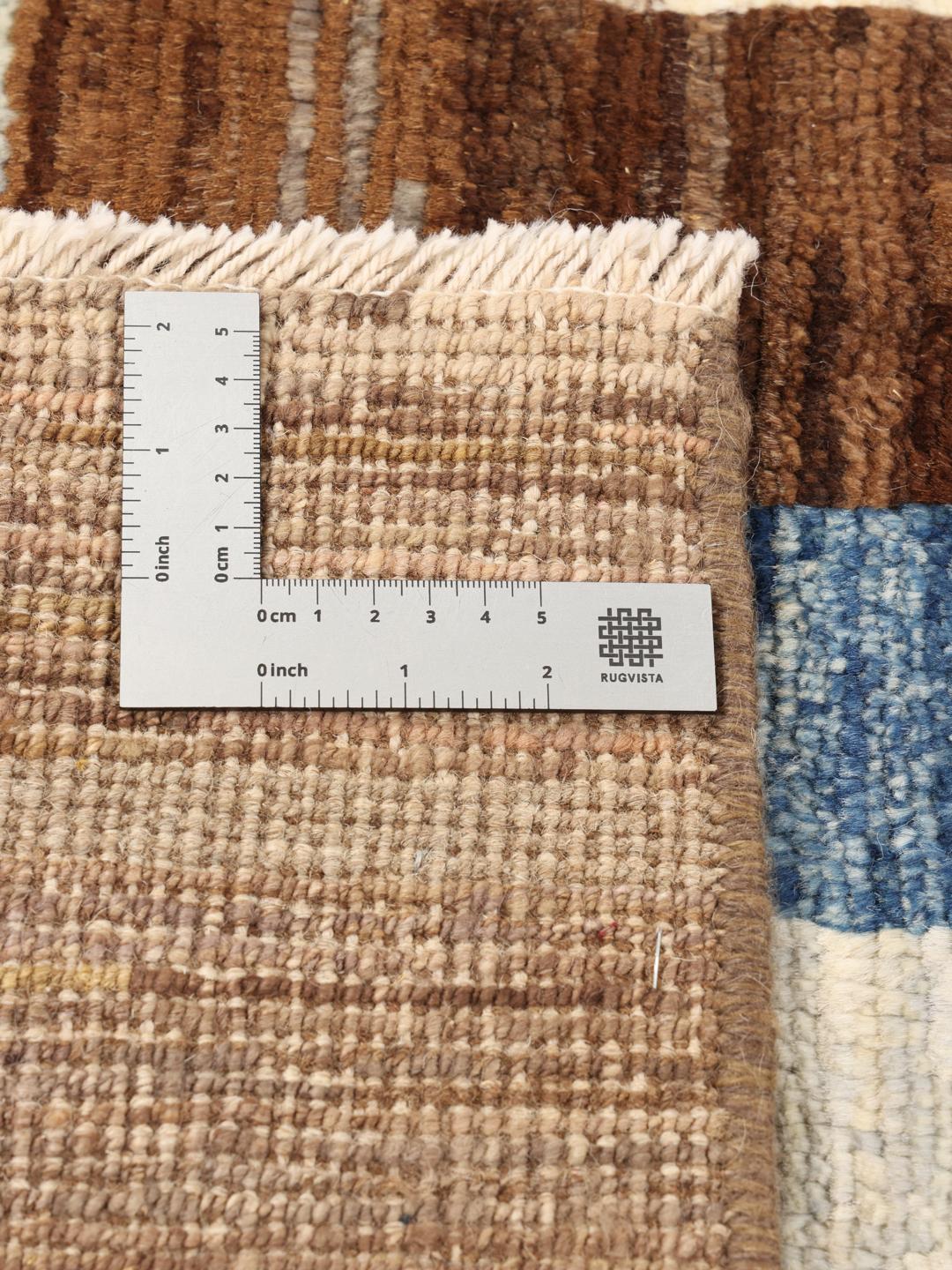
Technical terms such as hand-knotted refer to the specific method where each strand of wool is looped around the foundation threads. This is distinct from tufted or machine-made rugs, as it creates a permanent, secure bond that gives the rug its characteristic longevity. This method allows for a dense pile that is resistant to shedding and ideal for high-traffic areas in the home.
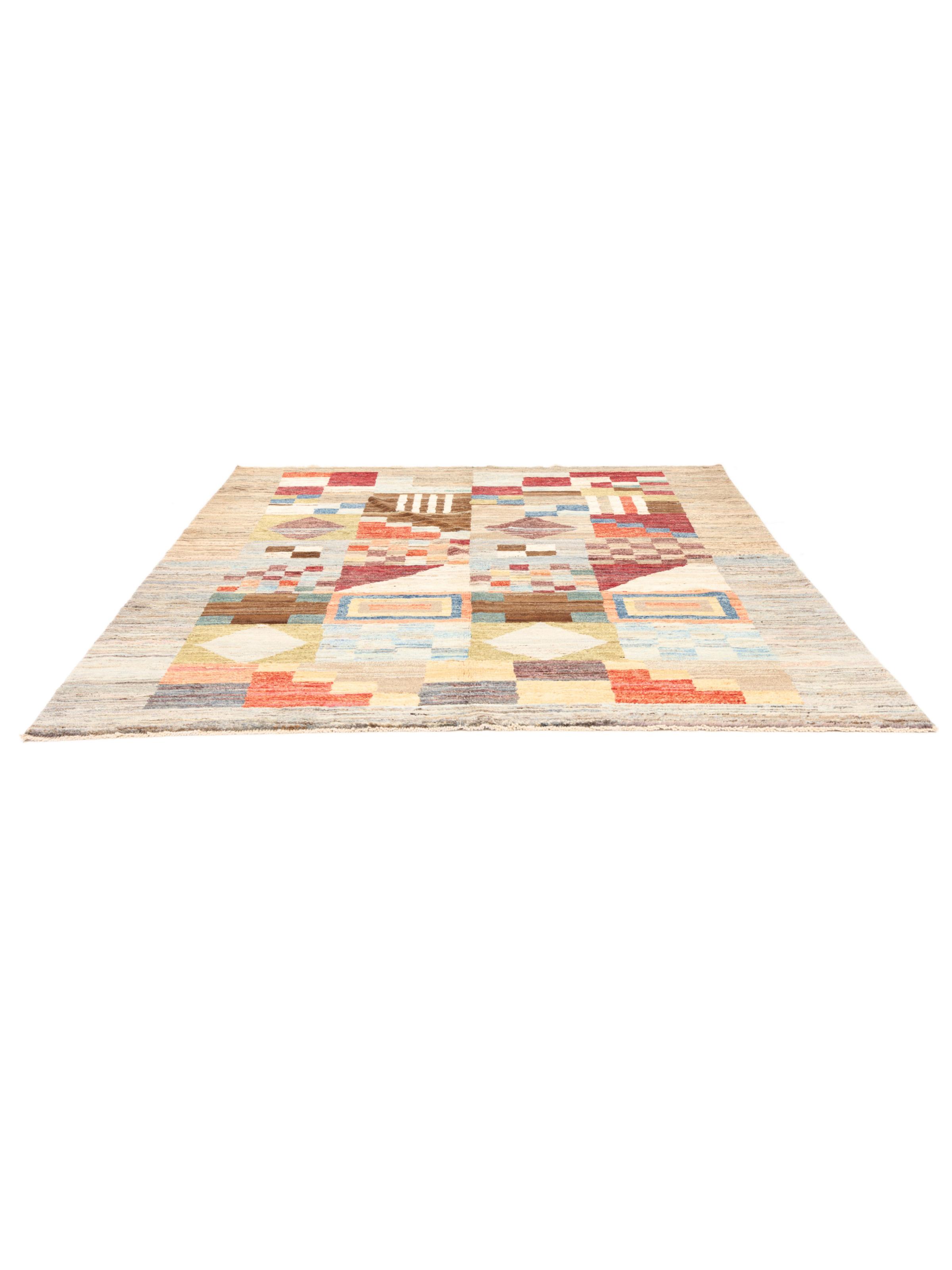
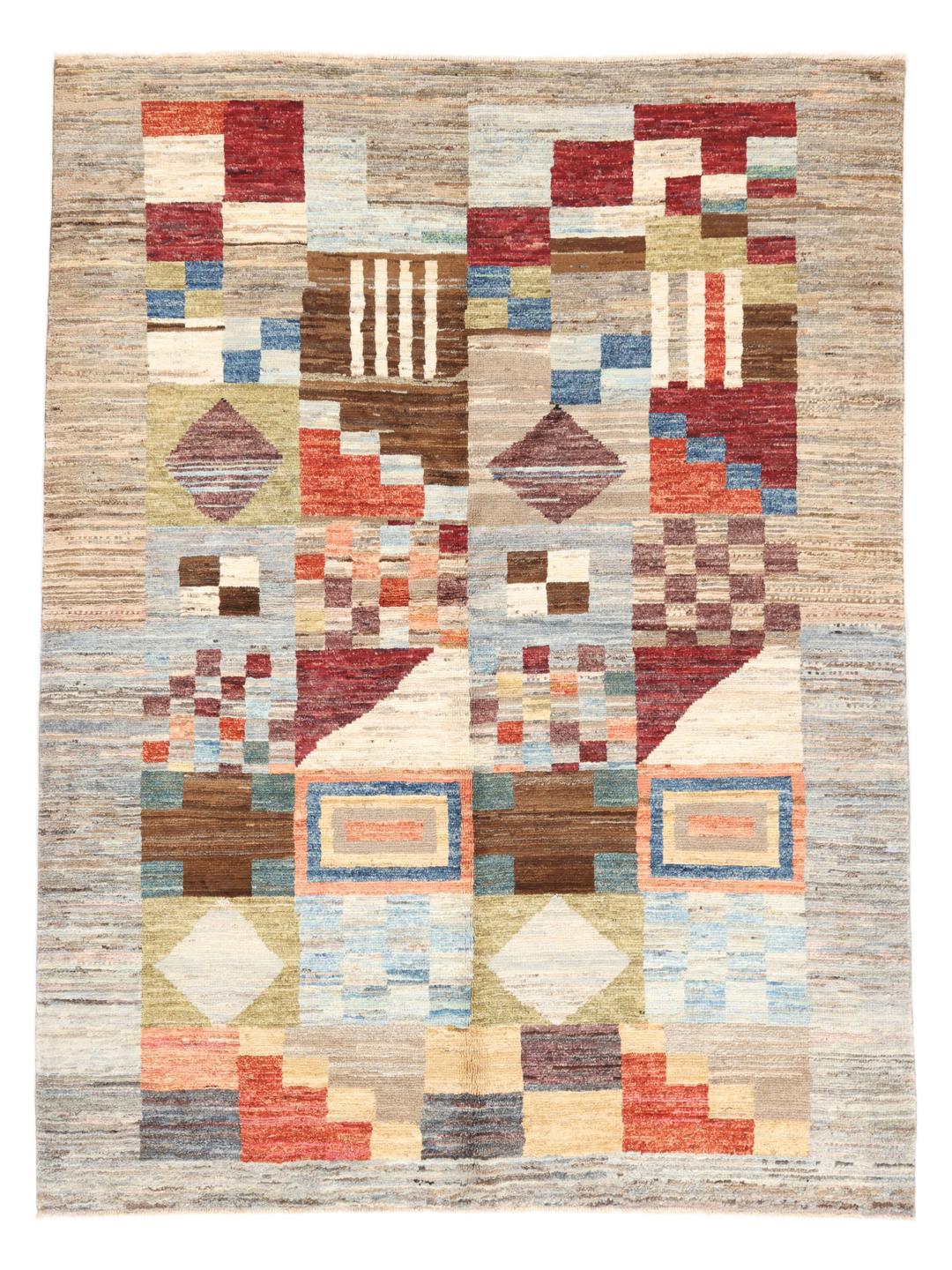
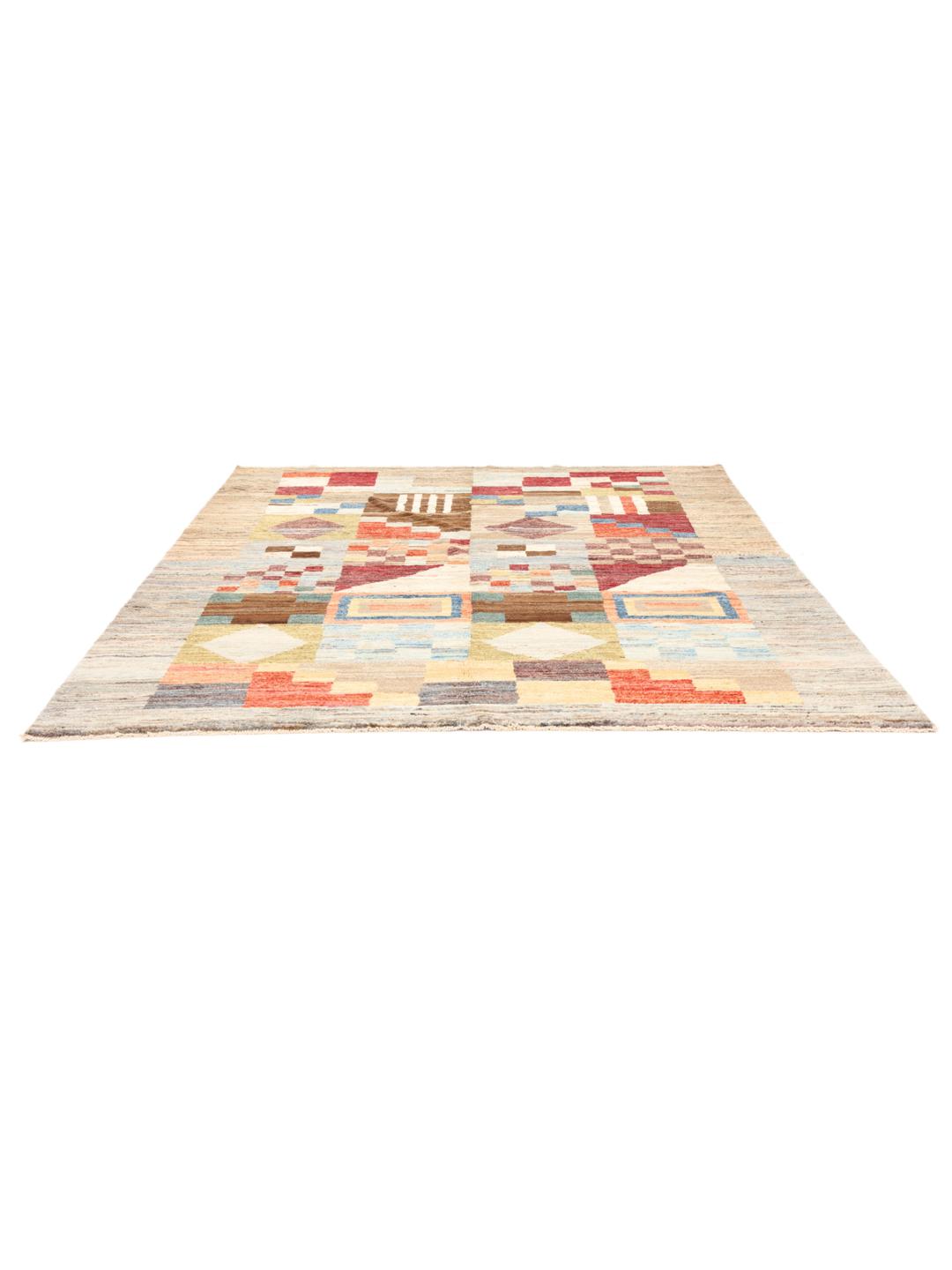
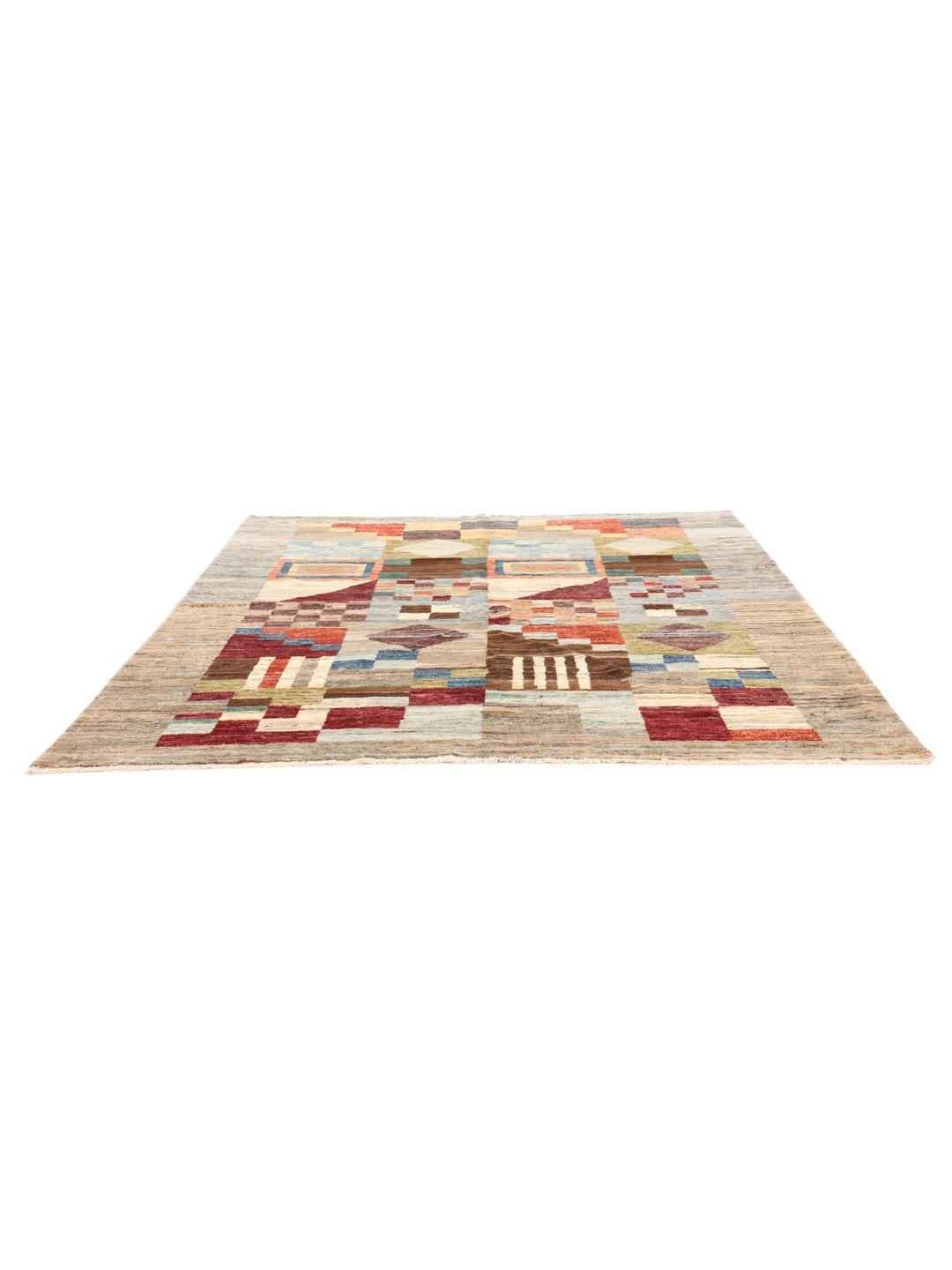
The design of this rug draws from the Berber tradition, which is historically associated with tribal, geometric simplicity and symbolic motifs. Unlike more formal, curved floral patterns, these rugs favour strong lines, blocks of colour, and rhythmic shapes. This specific rug uses a modern, abstract approach to these traditional elements, resulting in a piece that feels both grounded in history and fresh for today's homes.
Owning a hand-knotted rug from Afghanistan is an investment in human skill and cultural heritage. These pieces are valued by collectors and homeowners alike for their ability to bring a sense of soul and authenticity to a room. Because they are made without the use of industrial machinery, each rug carries the subtle variations of the human hand, making them highly prized for their unique character and enduring quality.