The Berber weaving tradition has deep roots in North African nomadic cultures, where rugs were originally crafted for warmth and protection in rugged climates. Over time, these traditional weaving techniques and design philosophies have inspired weavers across other historic rug-making regions, including Afghanistan, where local artisans adapt the style using their own regional wools and dye traditions.
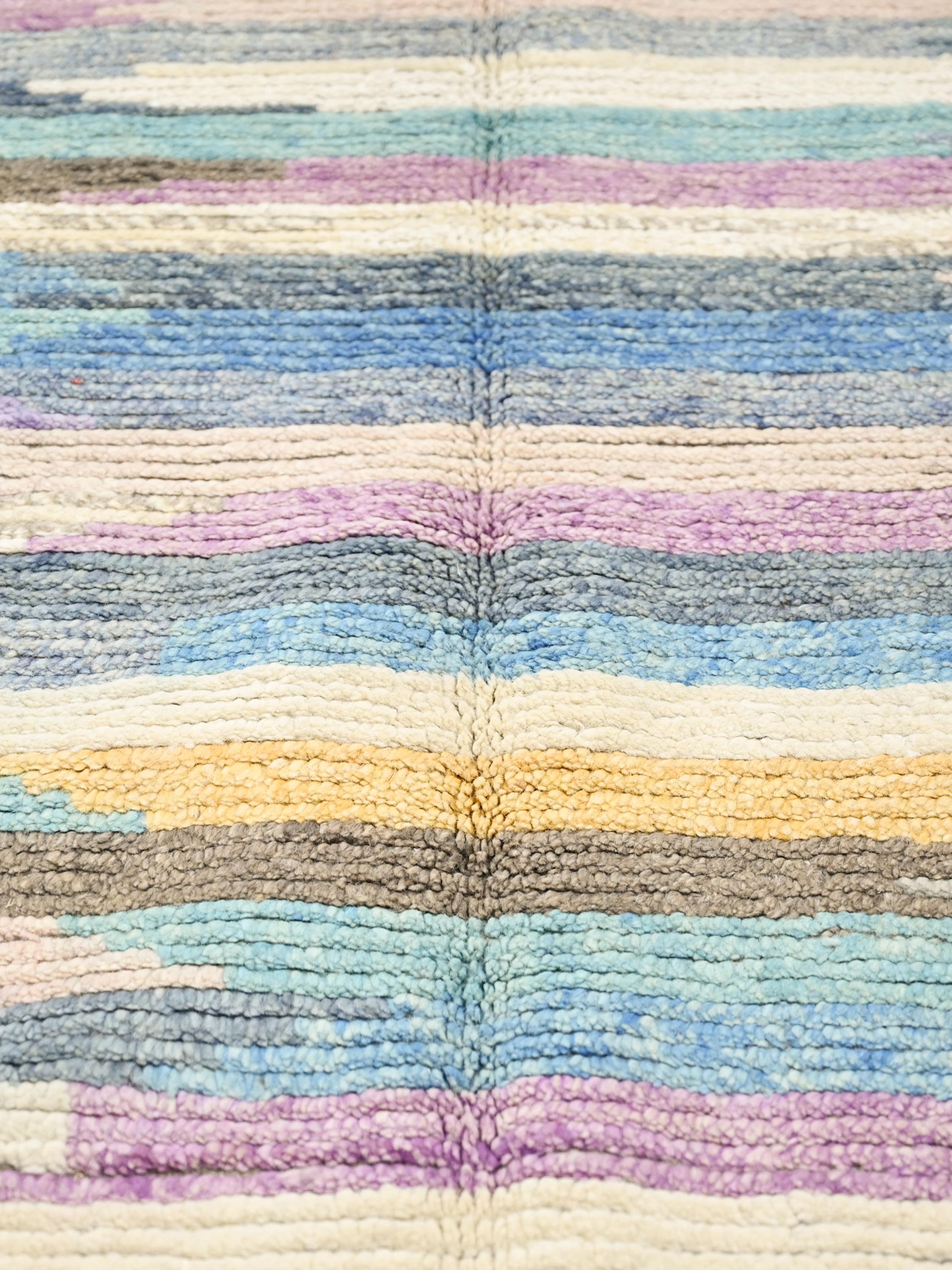
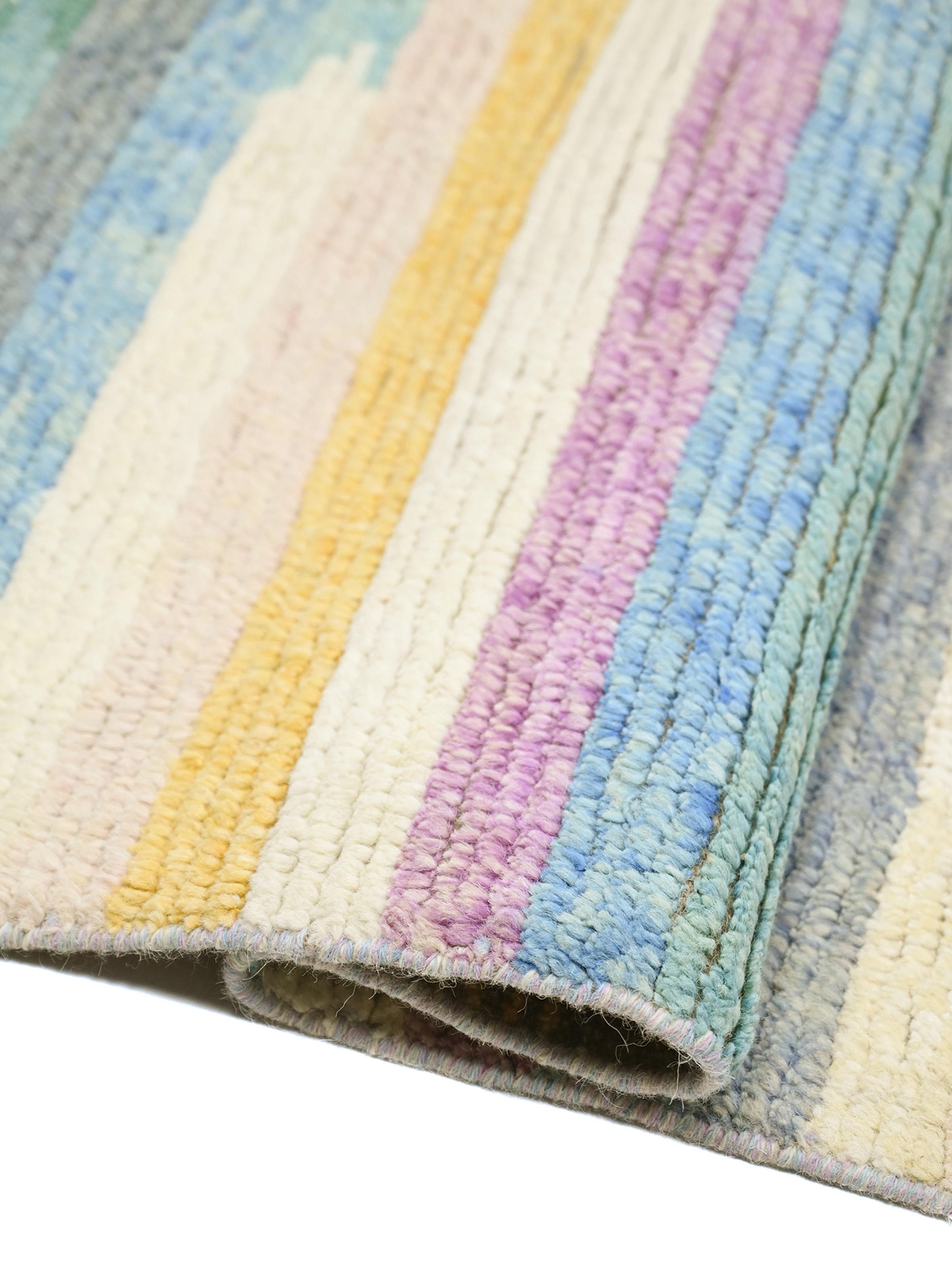
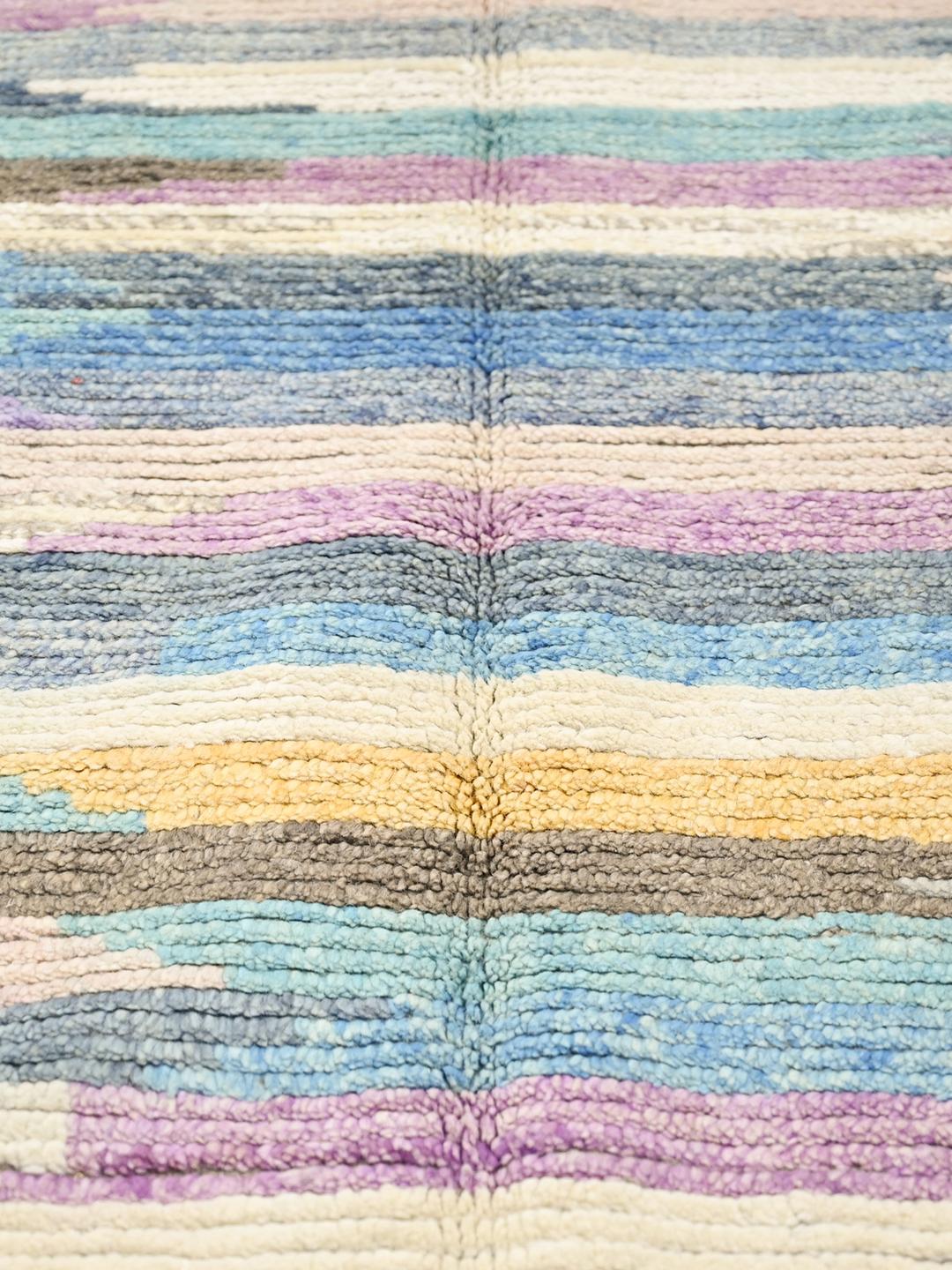
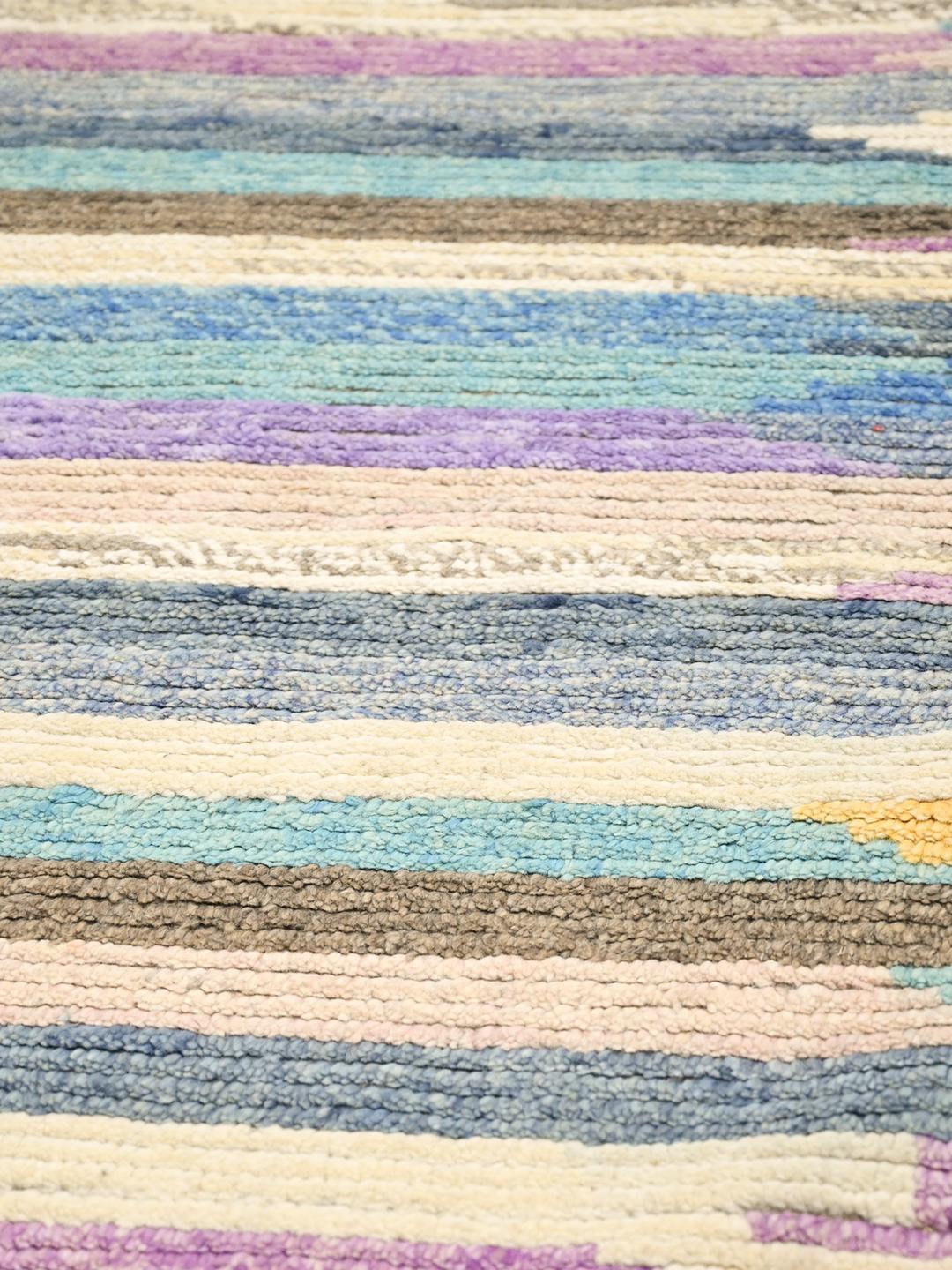
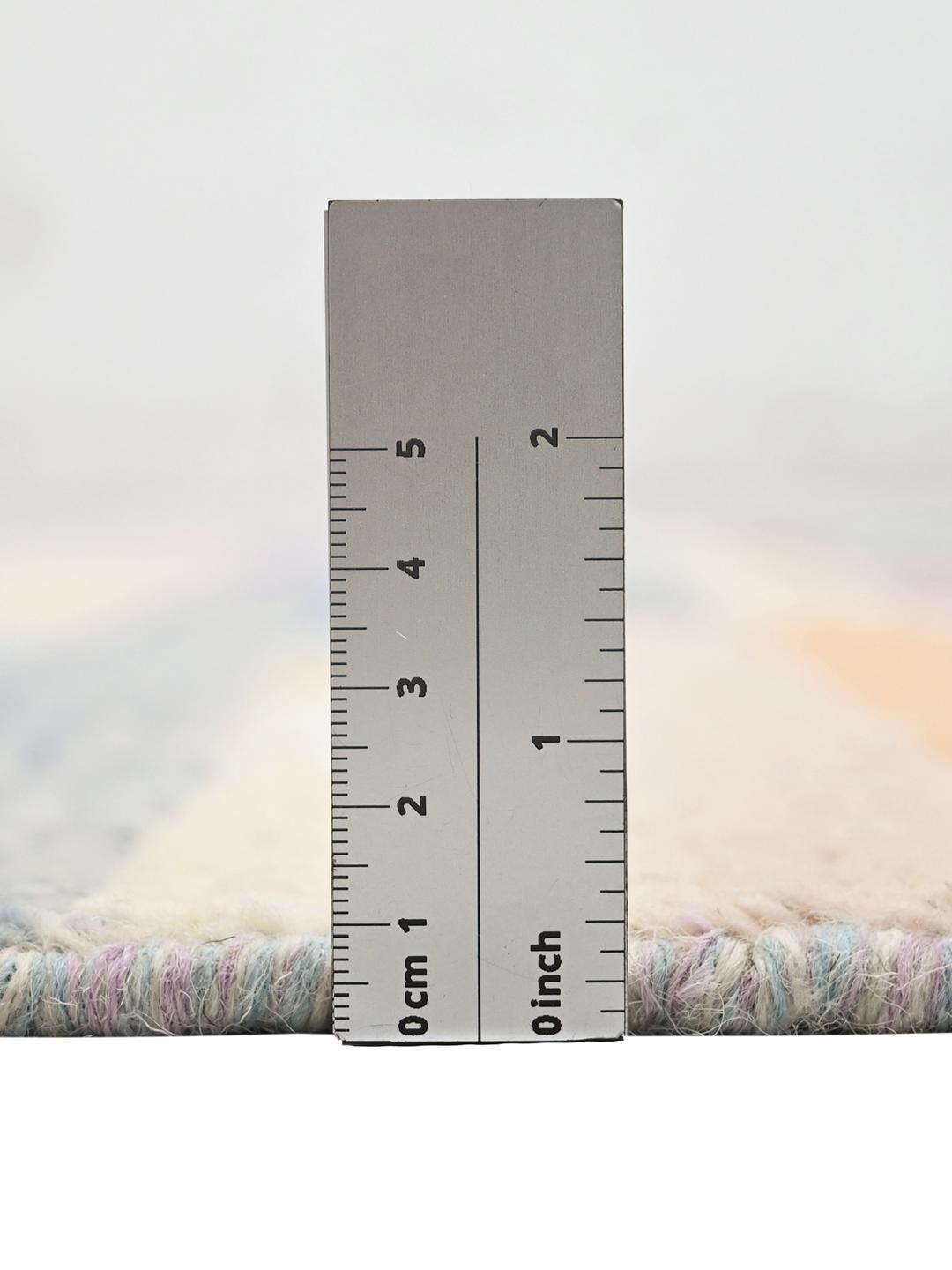
The term Berber in contemporary rug making refers to the characteristic thick, plush pile and expressive, often abstract designs that define this style. By combining traditional Afghan hand-knotting expertise with the relaxed, informal aesthetic of Berber designs, weavers create pieces that offer both exceptional structural integrity and a modern, artistic sensibility.
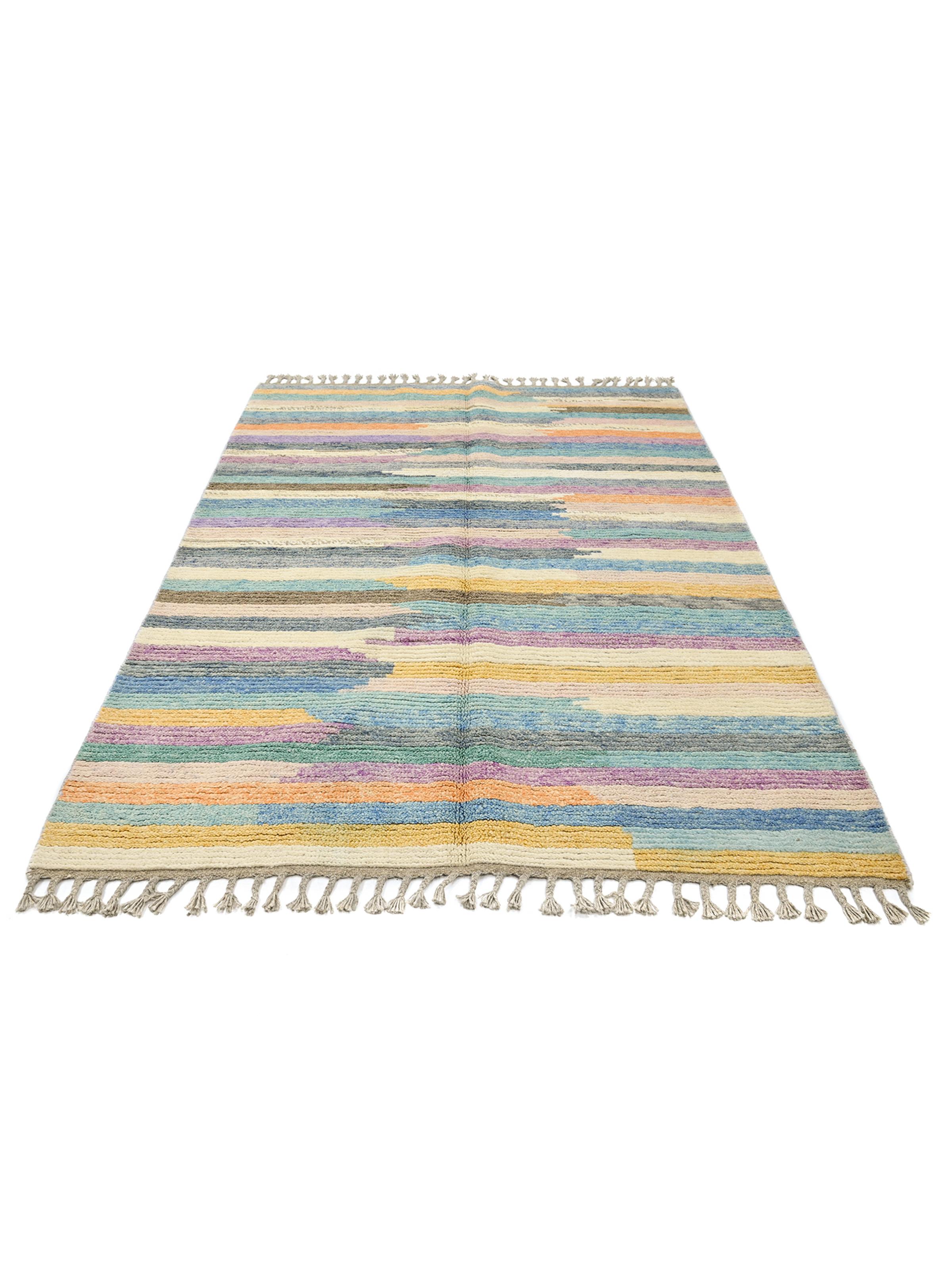
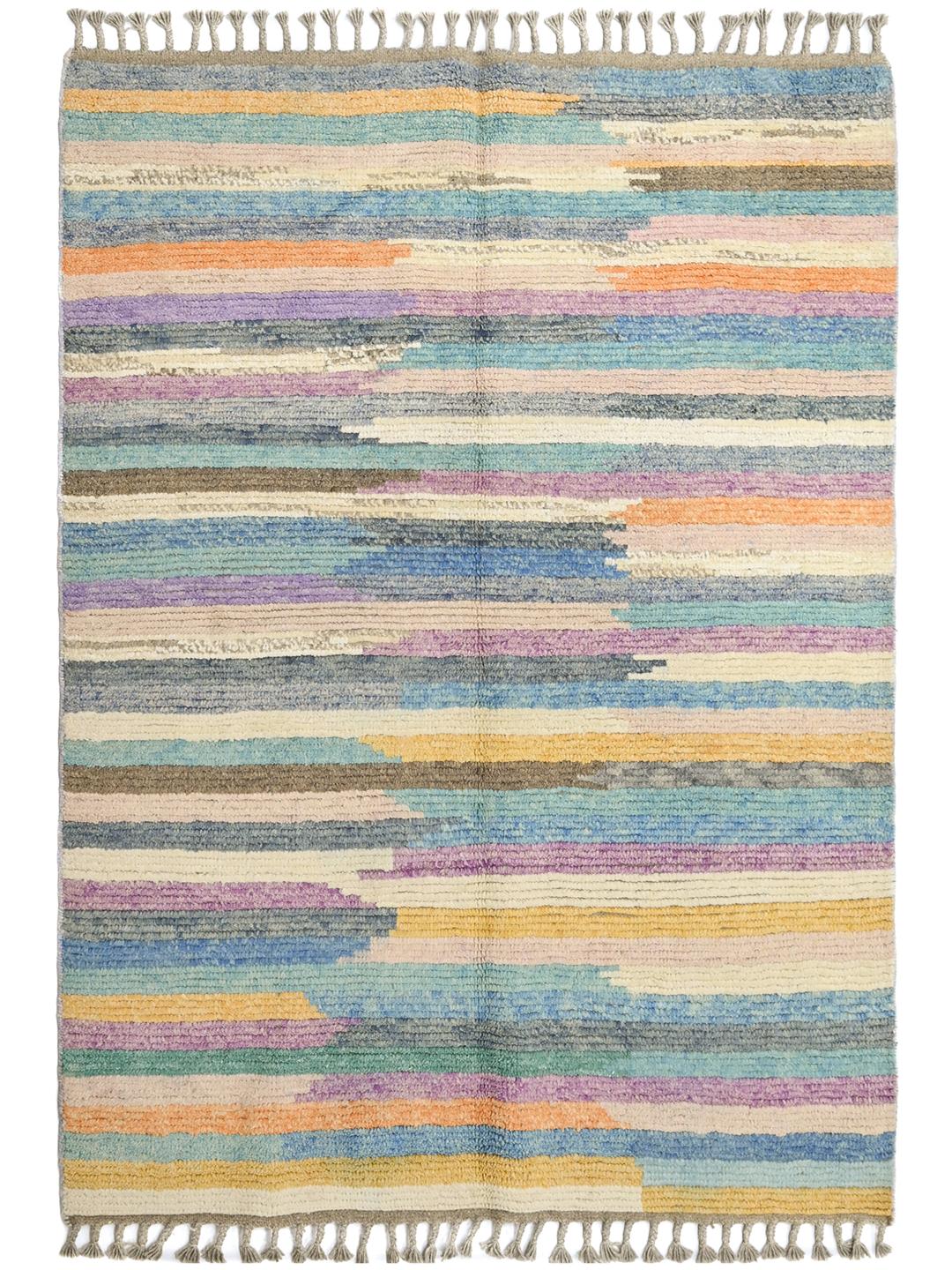
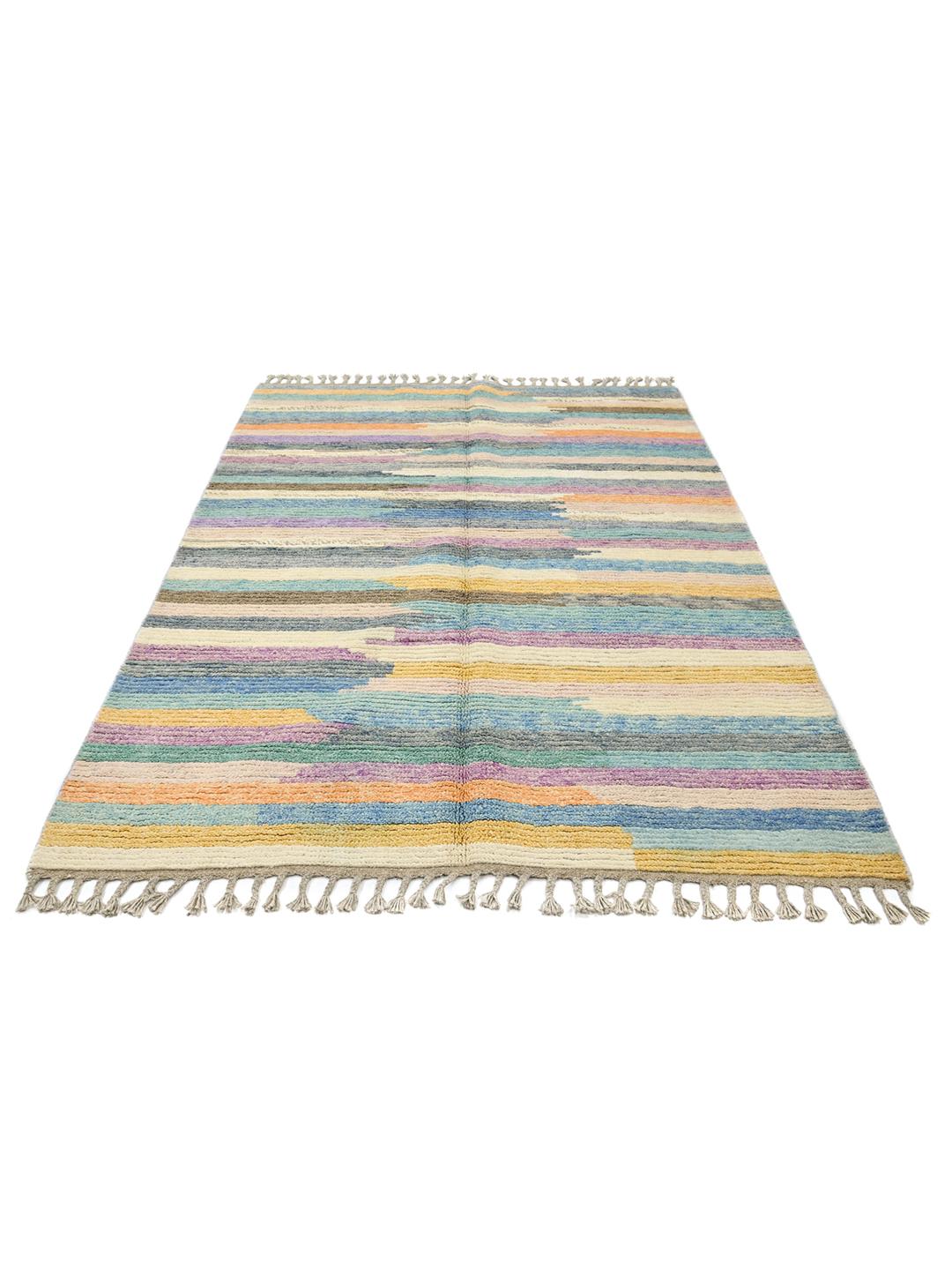
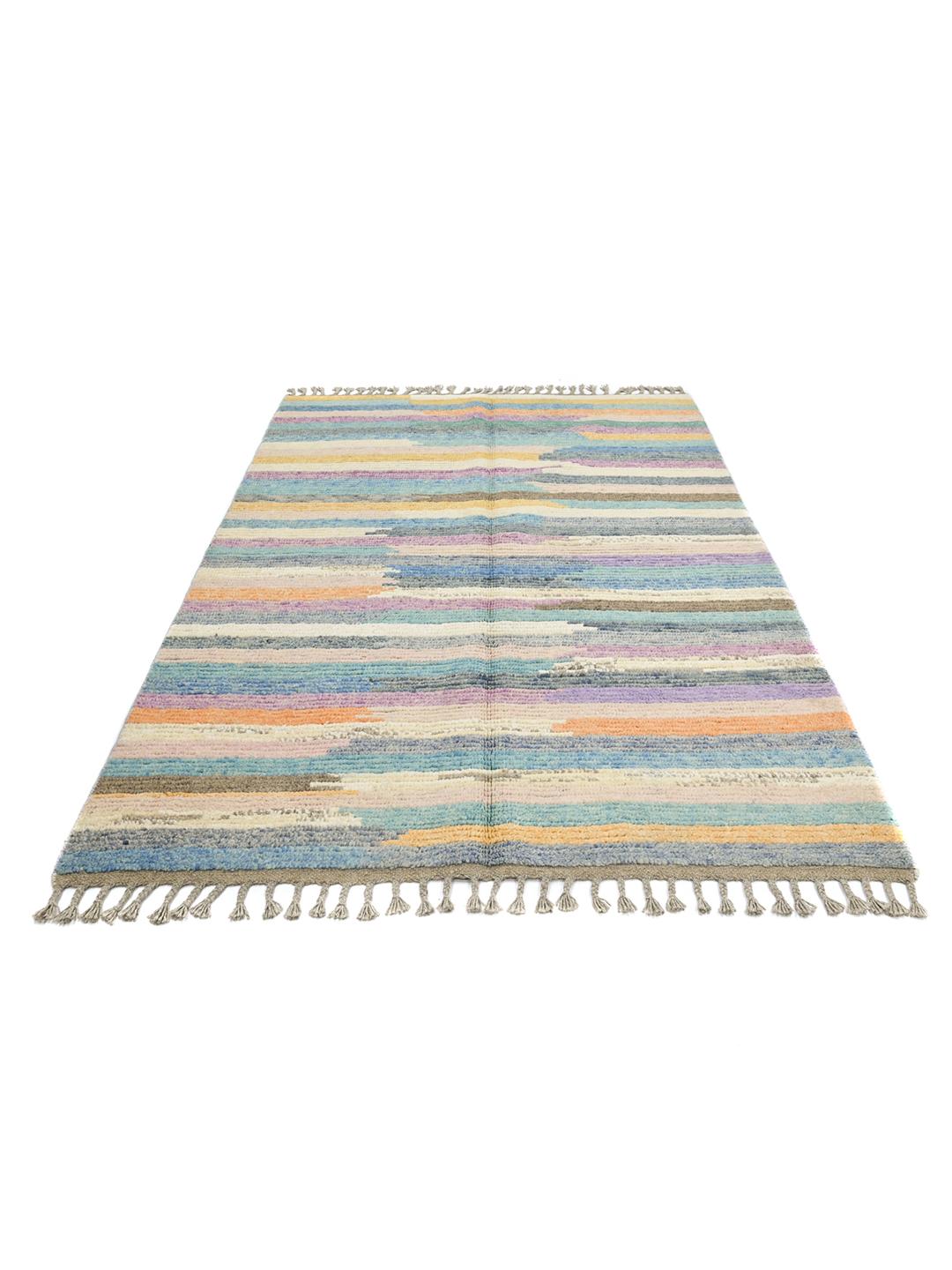
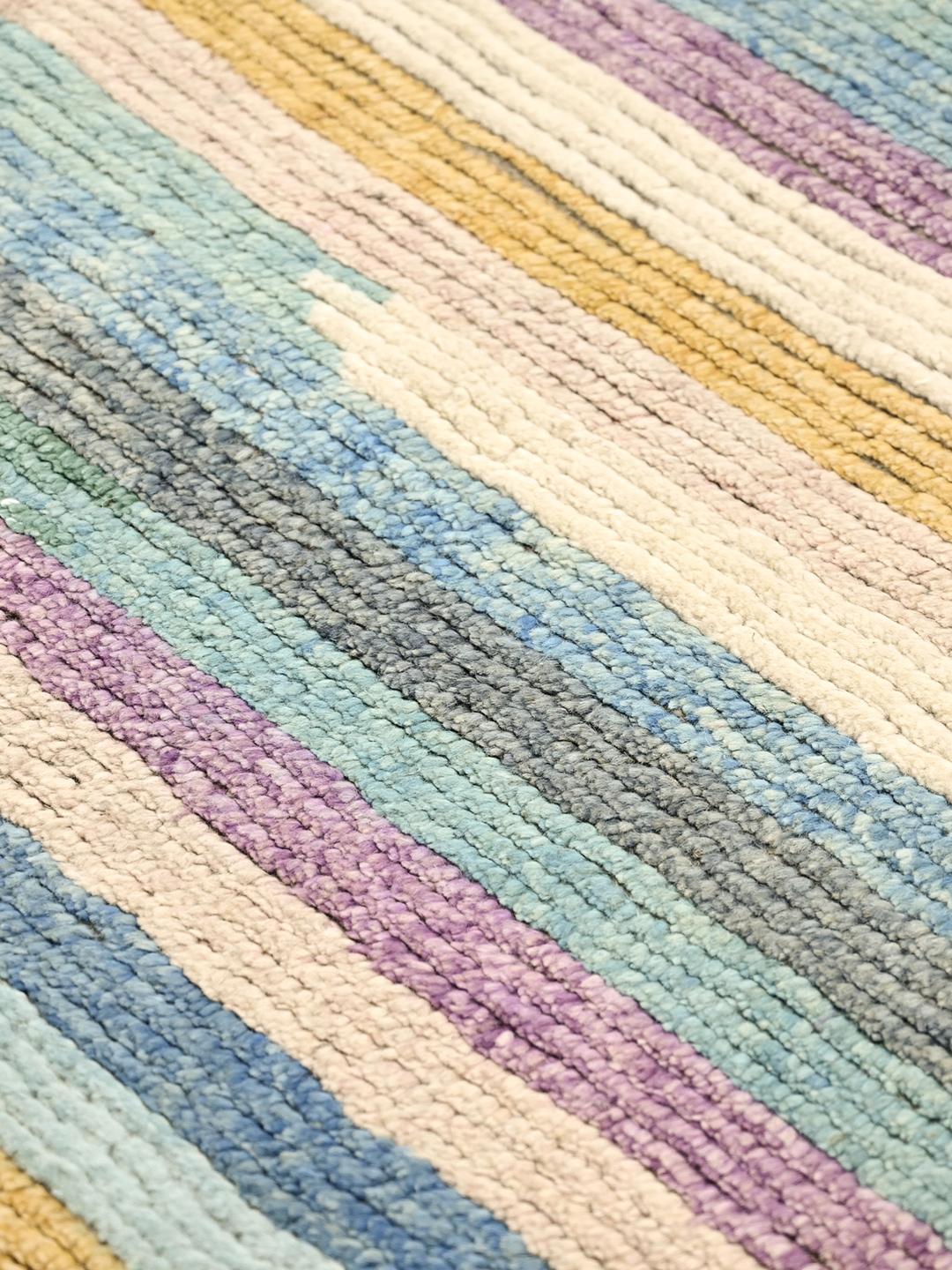
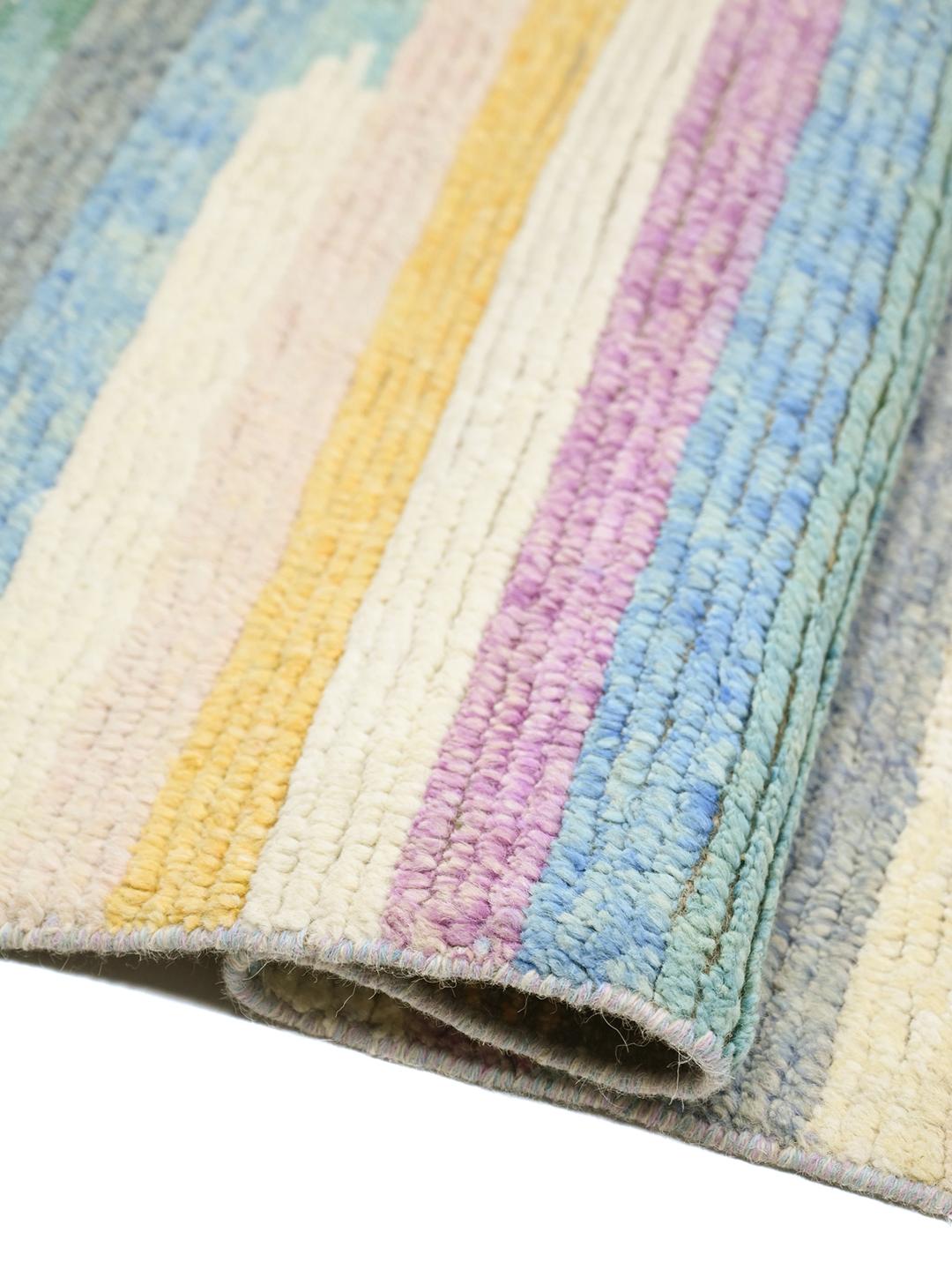
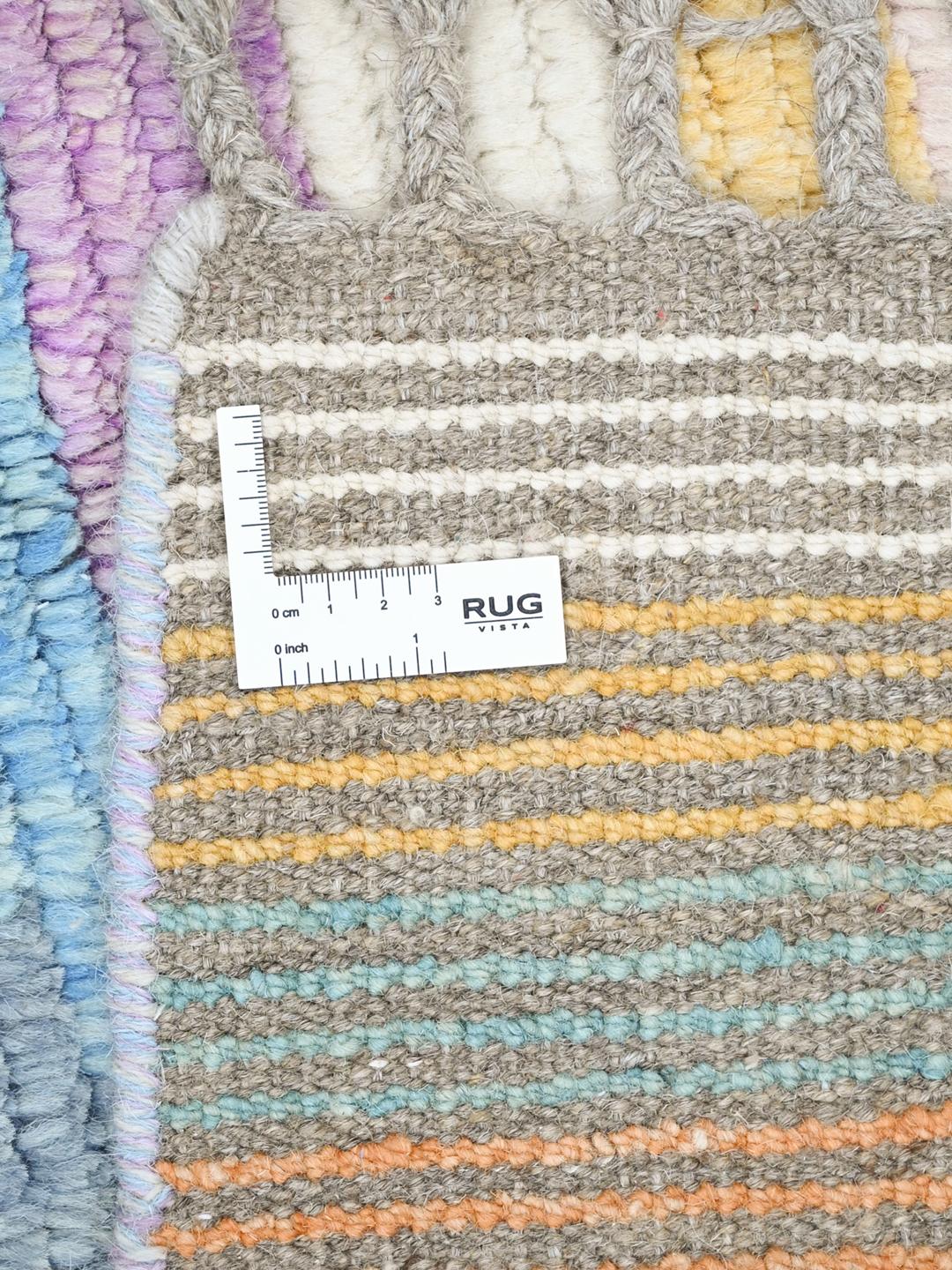
This particular piece showcases a lively play of horizontal stripes in a rich, multicoloured palette. Unlike traditional monochrome Berber rugs, this contemporary interpretation uses a creative mix of warm and cool tones to build a sense of movement and depth, framed by classic braided fringes at the ends.
Today, these contemporary hand-knotted rugs are highly valued by collectors and interior enthusiasts alike for their ability to bridge traditional craft and modern design. Acquiring a unique piece like this supports the continuation of centuries-old weaving communities while bringing a genuine slice of global heritage into a modern home.