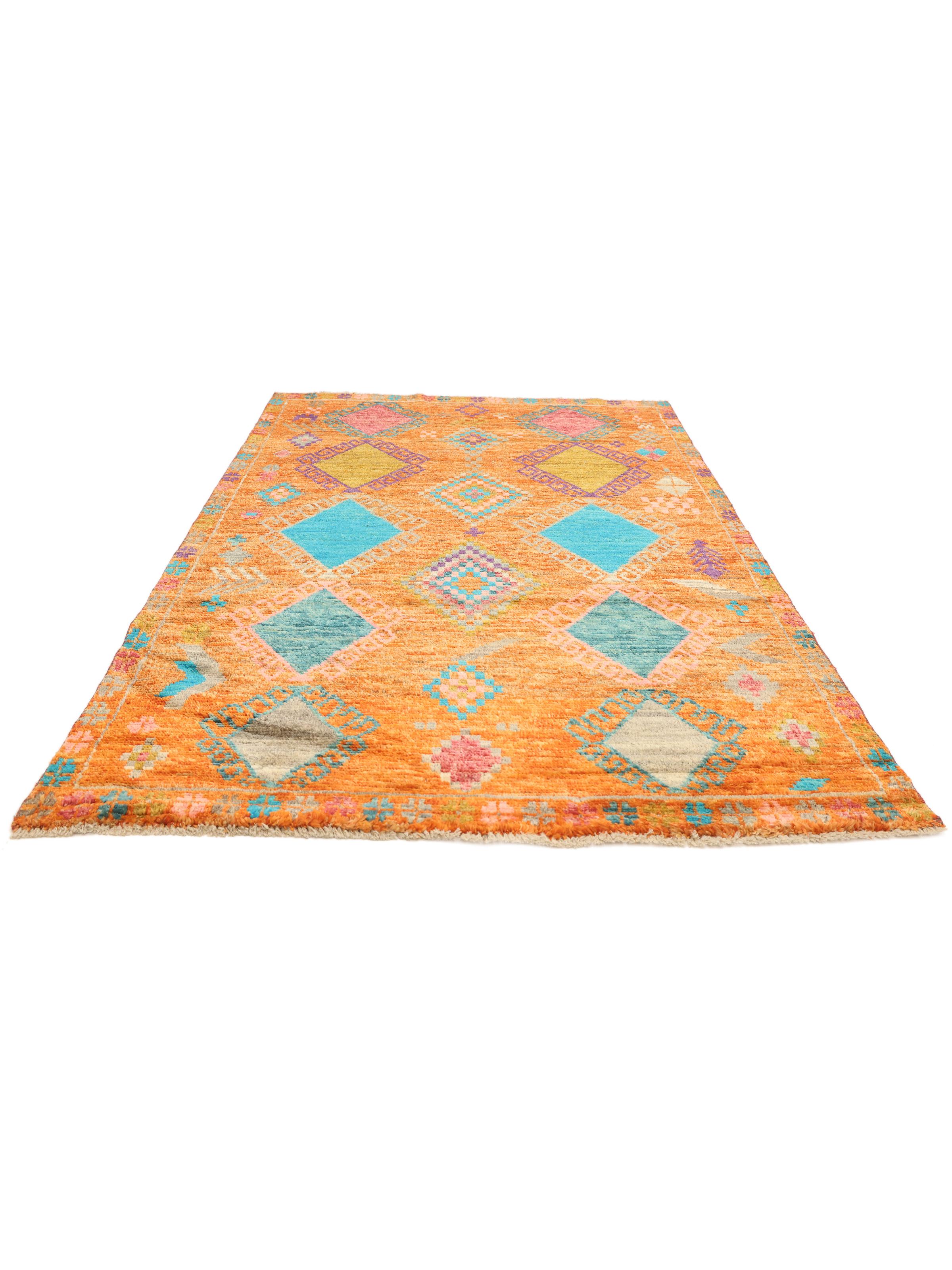
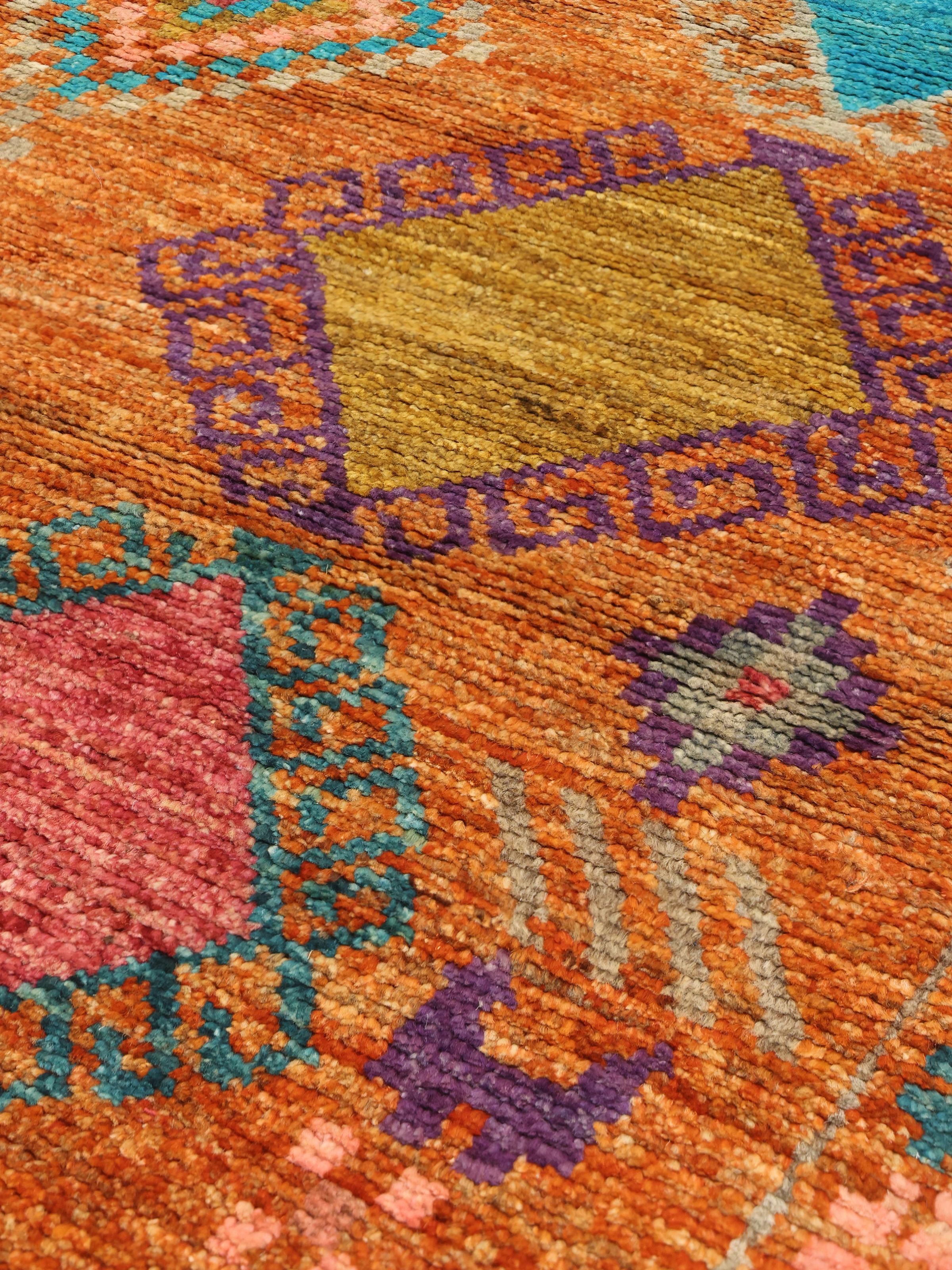
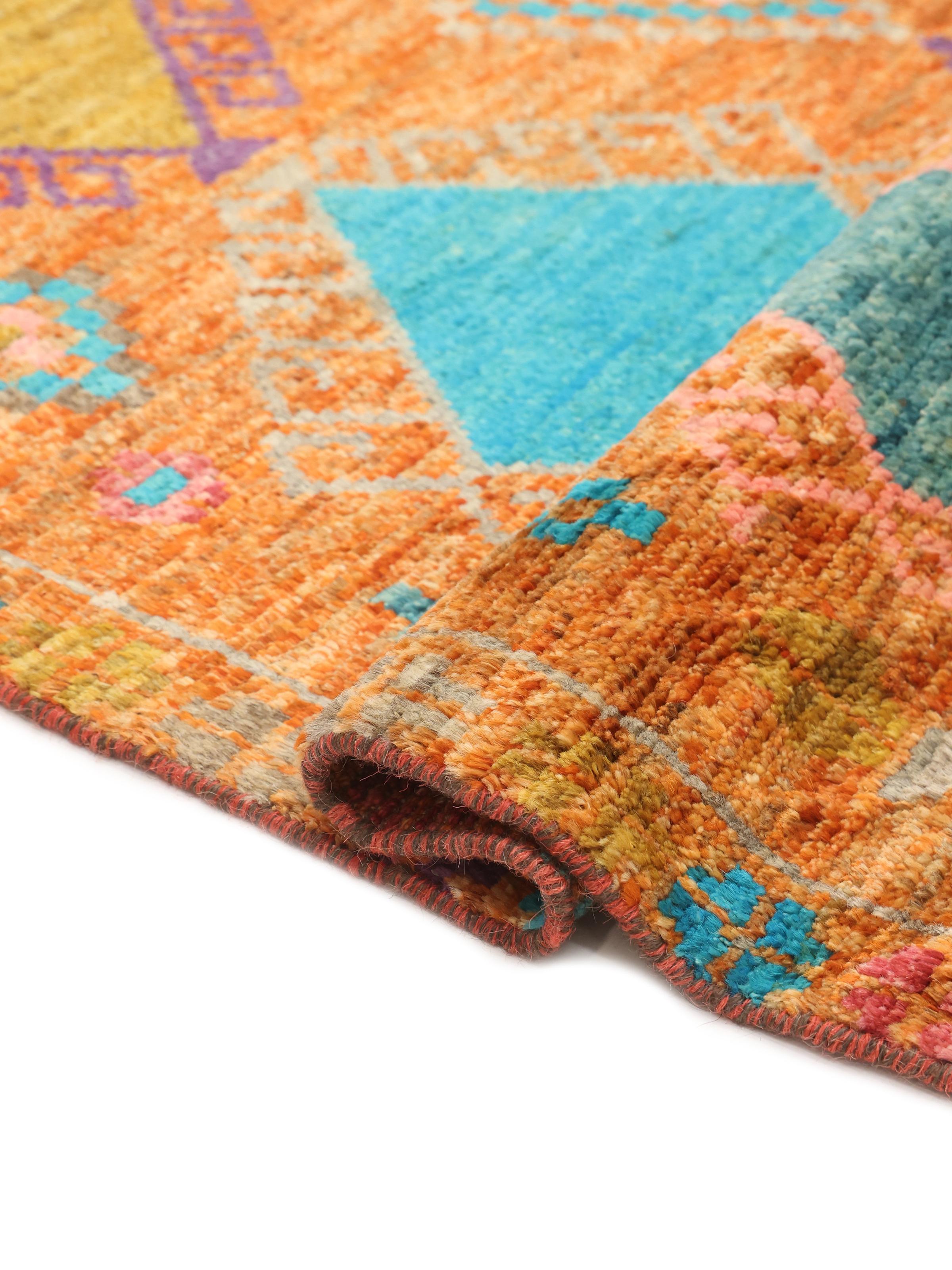
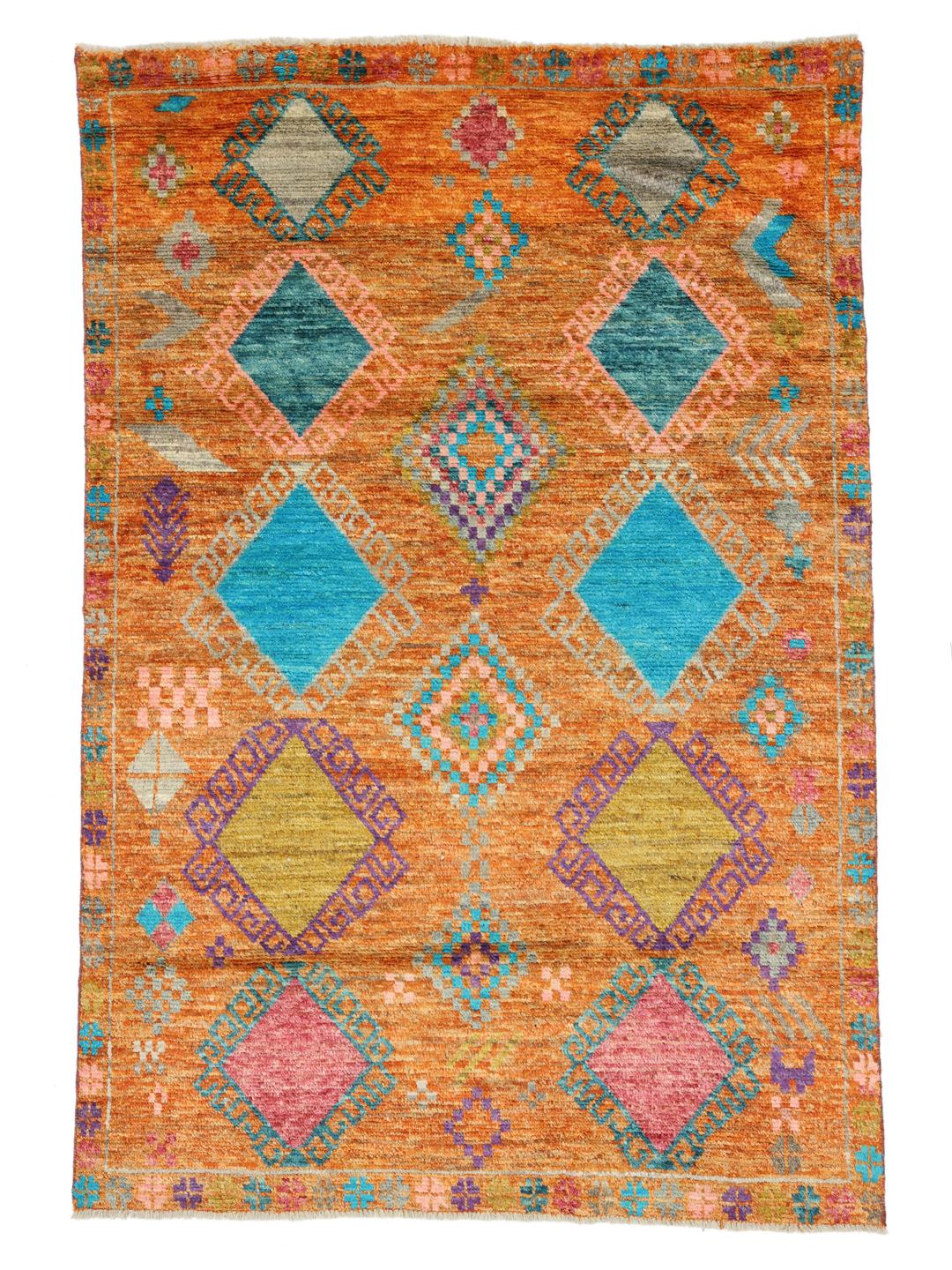
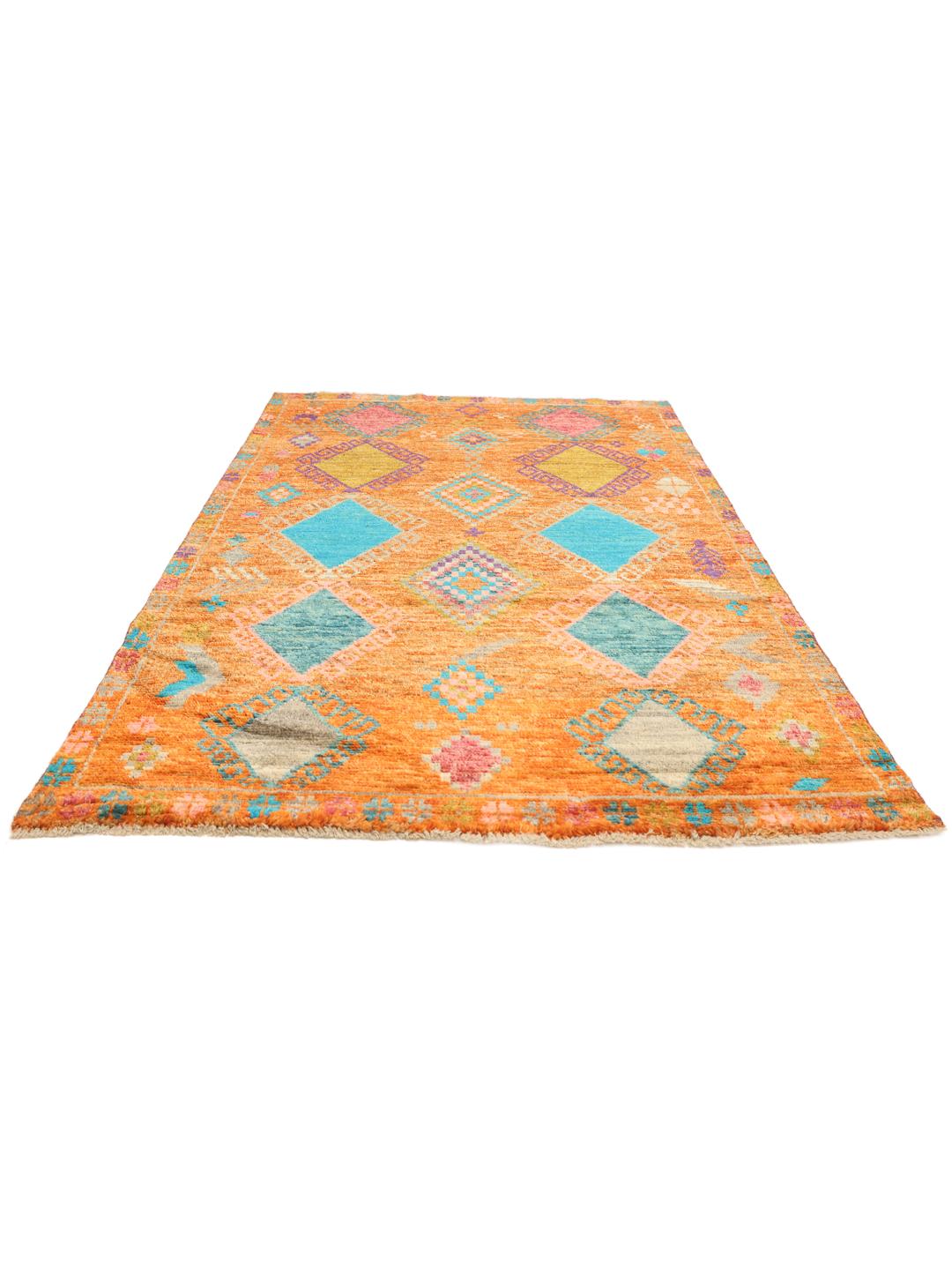
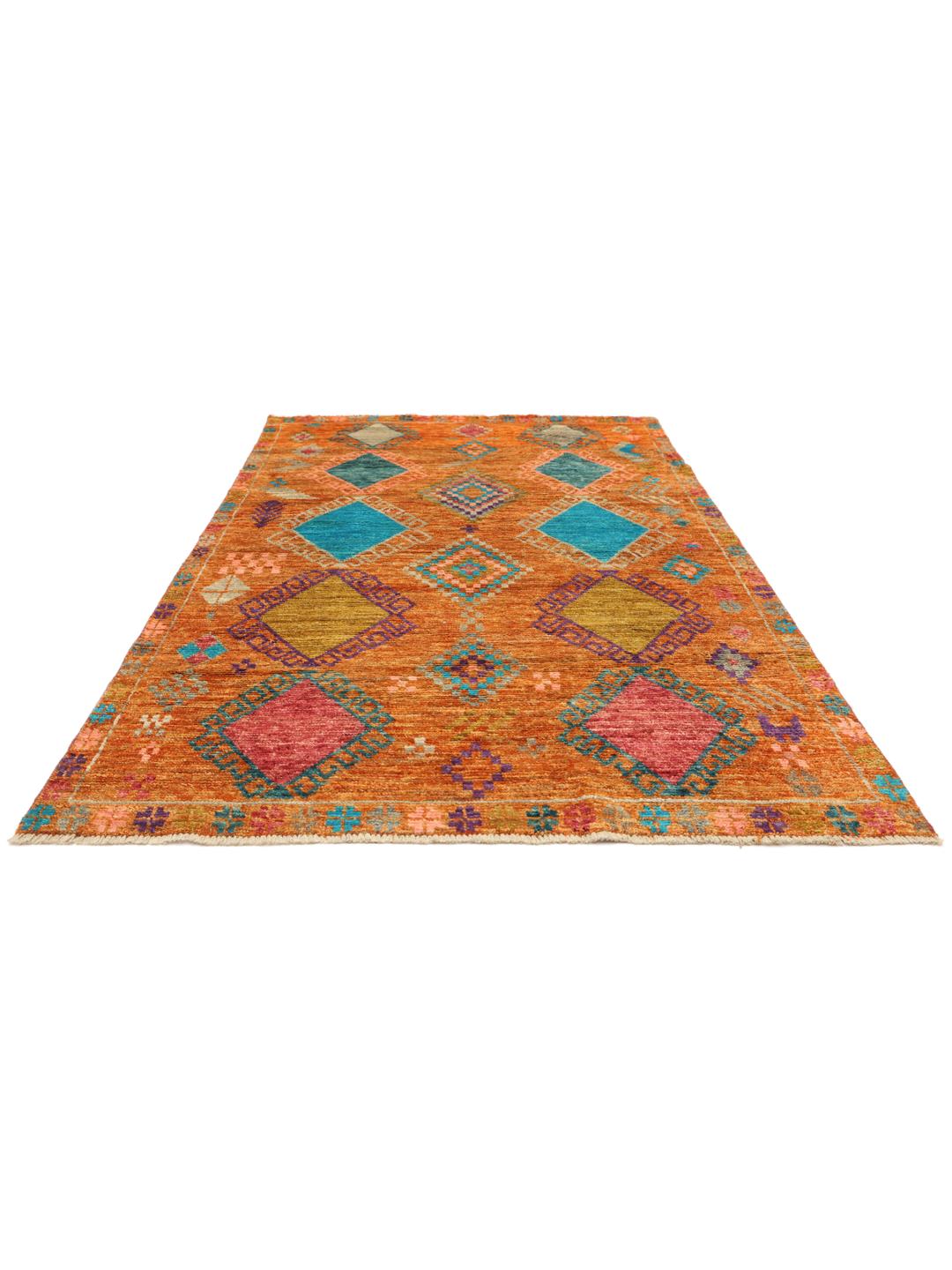
The tradition of rug weaving in Afghanistan is deeply rooted in the cultural identity of the region, drawing on centuries of nomadic and settled craft practices. These rugs are often celebrated for their earthy tones and bold, geometric aesthetics that reflect the rugged landscapes and rich artistic history of the Middle East.
The term Berber in this context refers to a style that has evolved to incorporate the expressive, free-form design language often associated with mountain-dwelling weavers. This style emphasises individuality, allowing the weaver to interpret traditional symbols in a way that feels fresh and modern, while still honouring the foundational techniques passed down through generations.
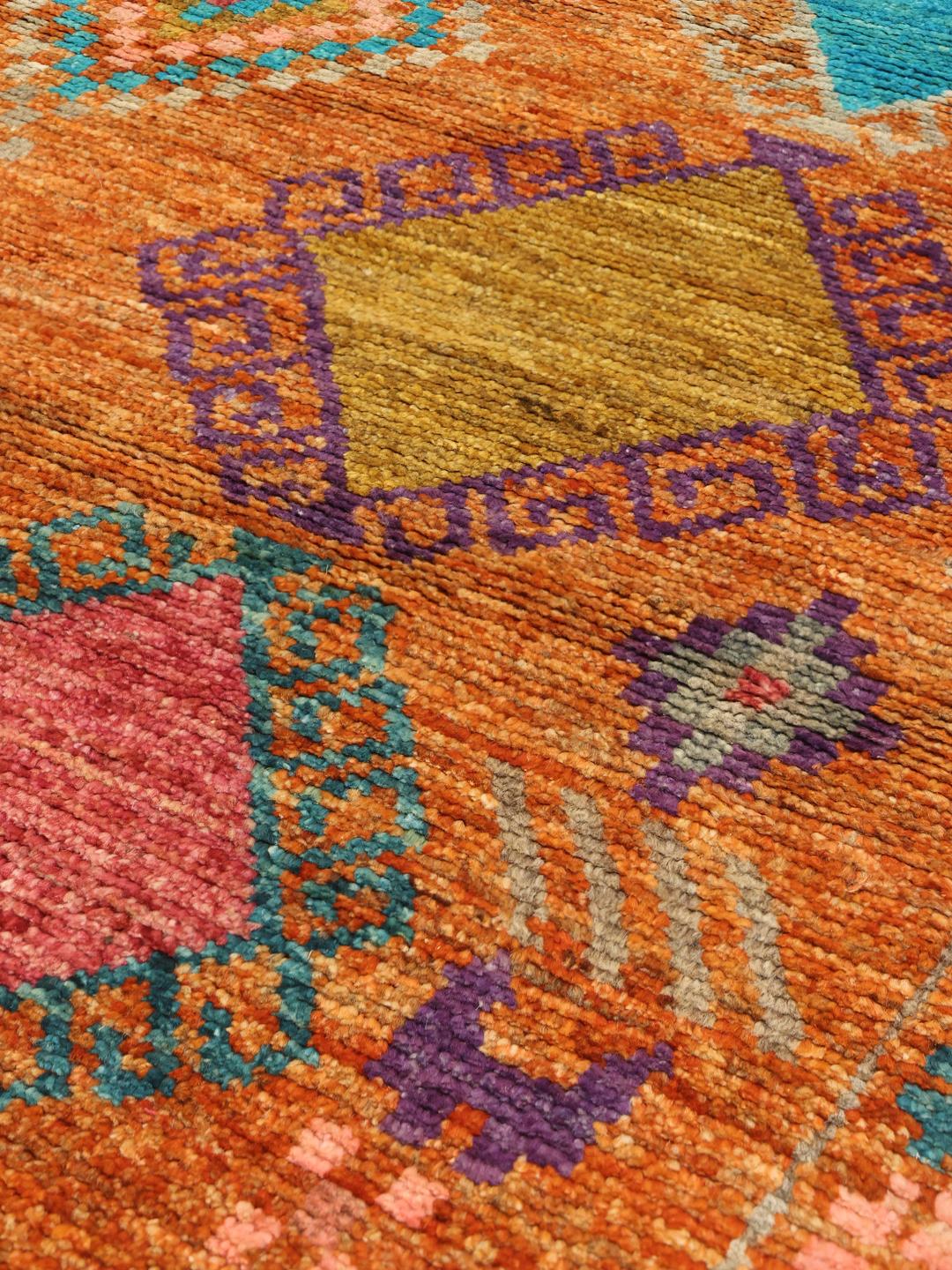
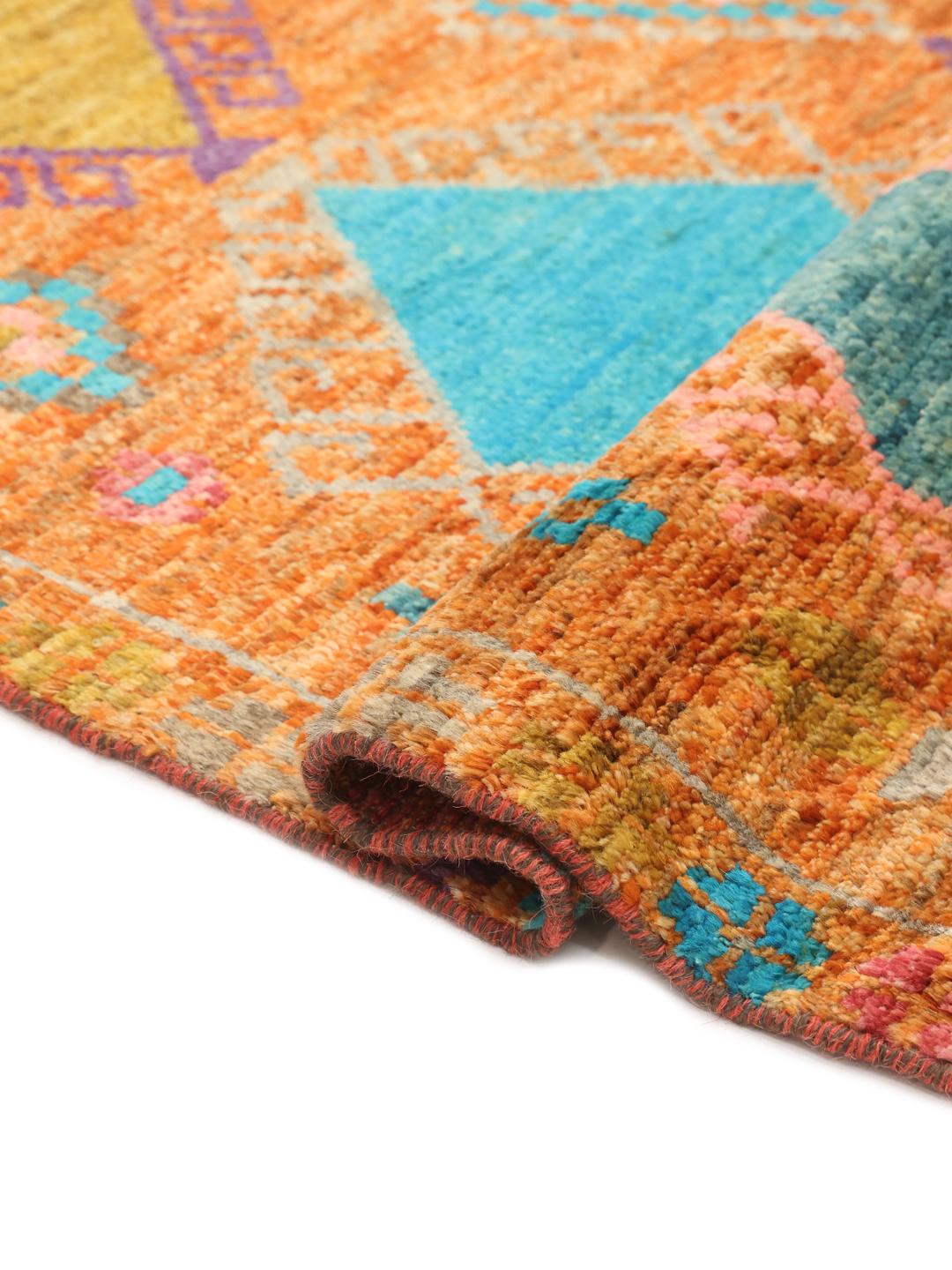
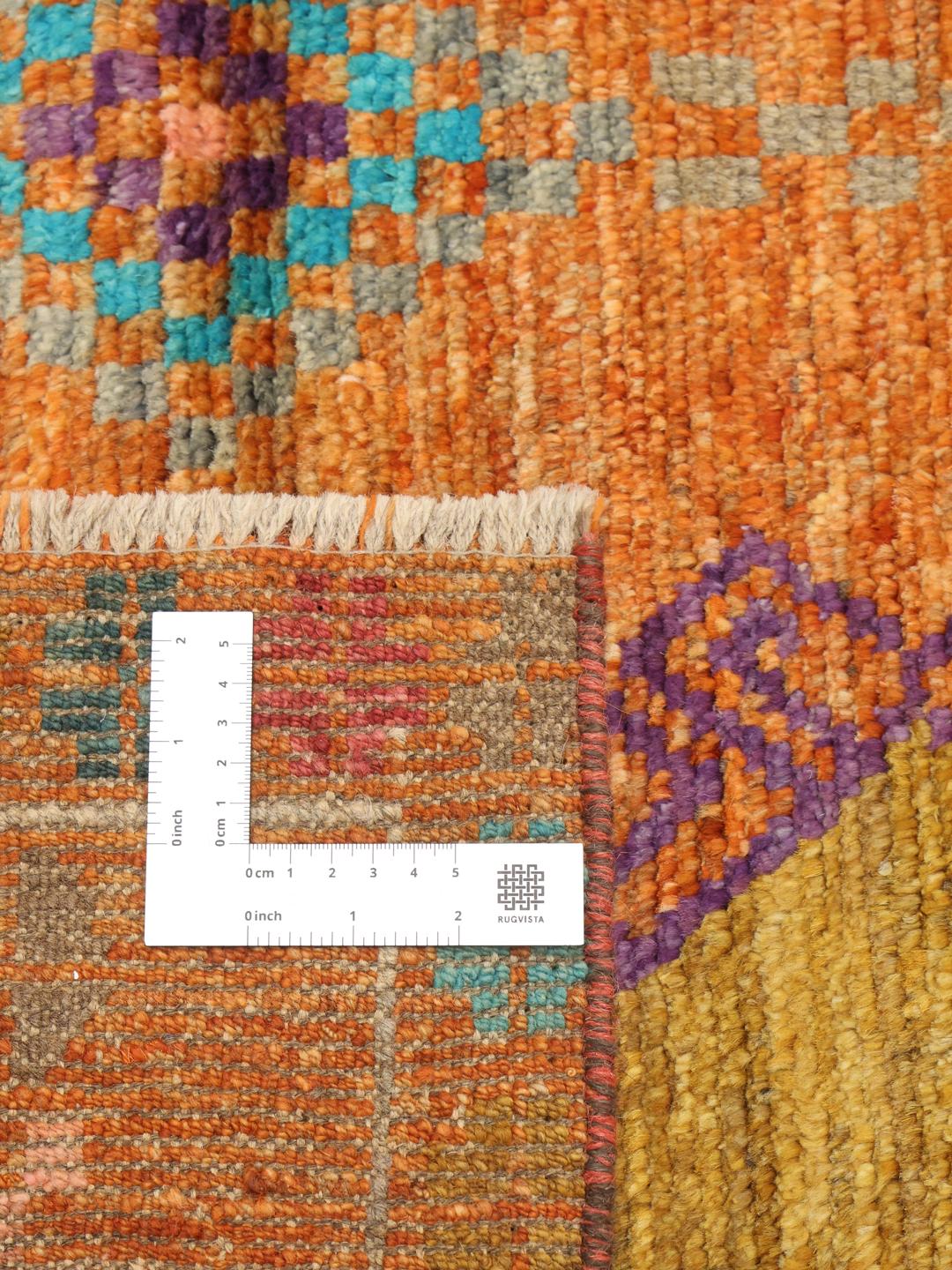
Signature elements of this tradition include the use of repeating geometric shapes, such as diamonds and medallions, which are often arranged to create a rhythmic, balanced field. The use of vibrant, contrasting colours against a grounded, warm base is a hallmark of this style, intended to bring light and energy into the home.
Collecting a rug from this heritage is an investment in human skill and cultural continuity. These pieces are valued for their authenticity and the way they bridge the gap between ancient artistry and modern interior design, offering a lasting connection to the communities and individuals who dedicate their lives to this craft.