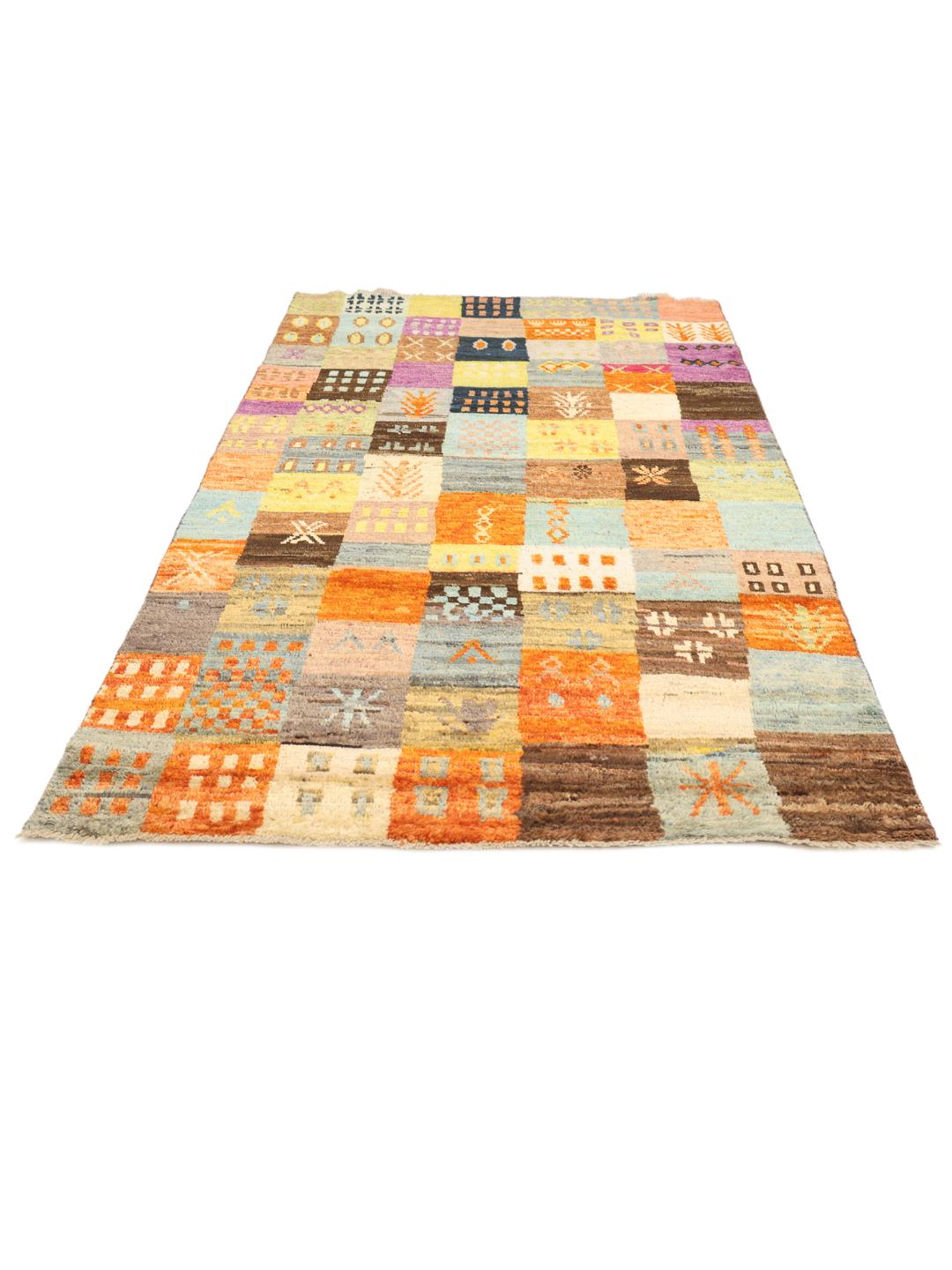
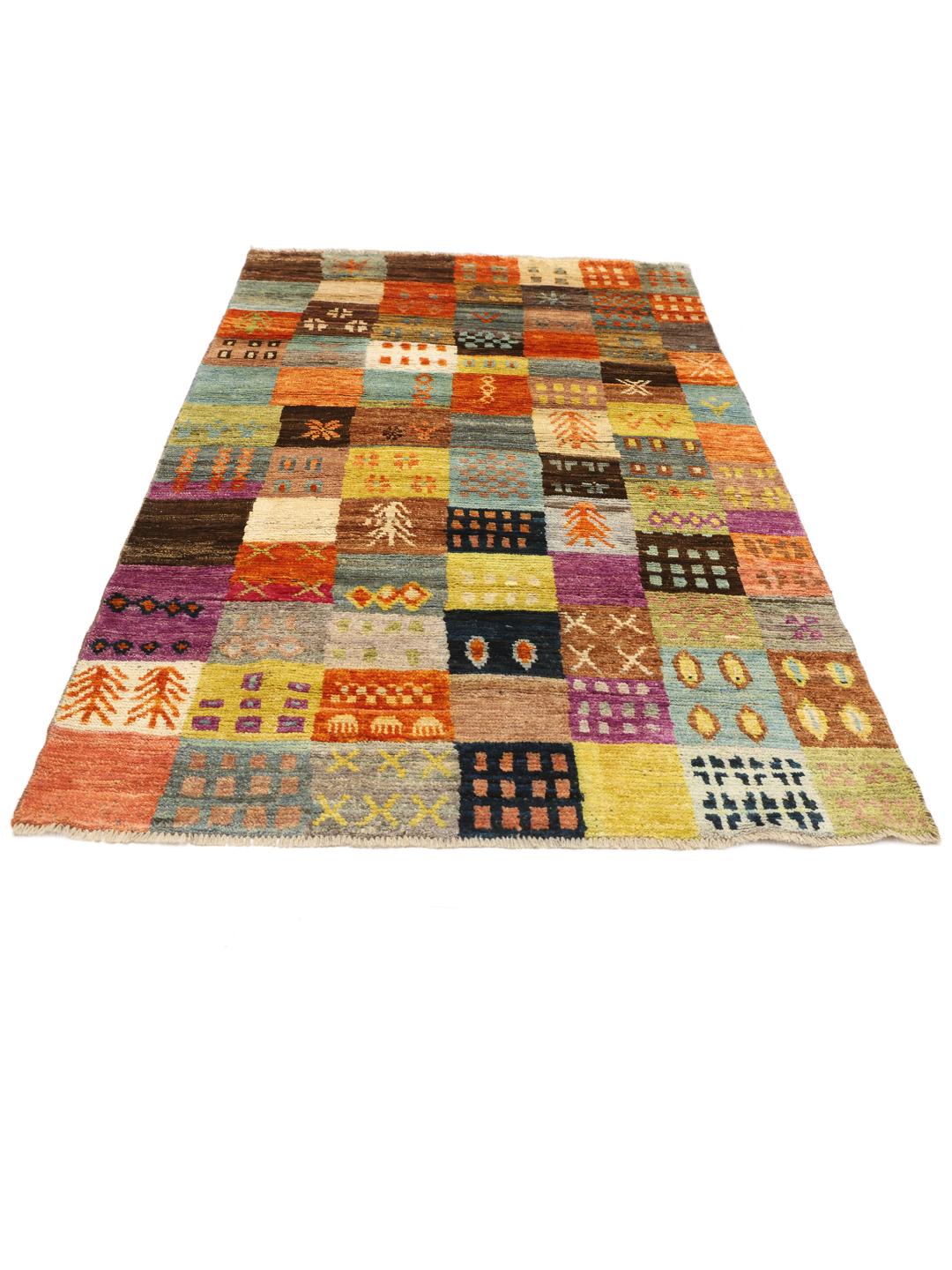
Berber rugs originate from the indigenous traditions of North Africa, yet their influence has travelled far beyond, inspiring weavers in various regions including Afghanistan. These rugs are historically rooted in the daily lives of tribal communities, where the designs were not just decorative but served as a visual language to record personal stories, family history, and local folklore. The migration of these styles reflects a long history of craft exchange along ancient trade routes.
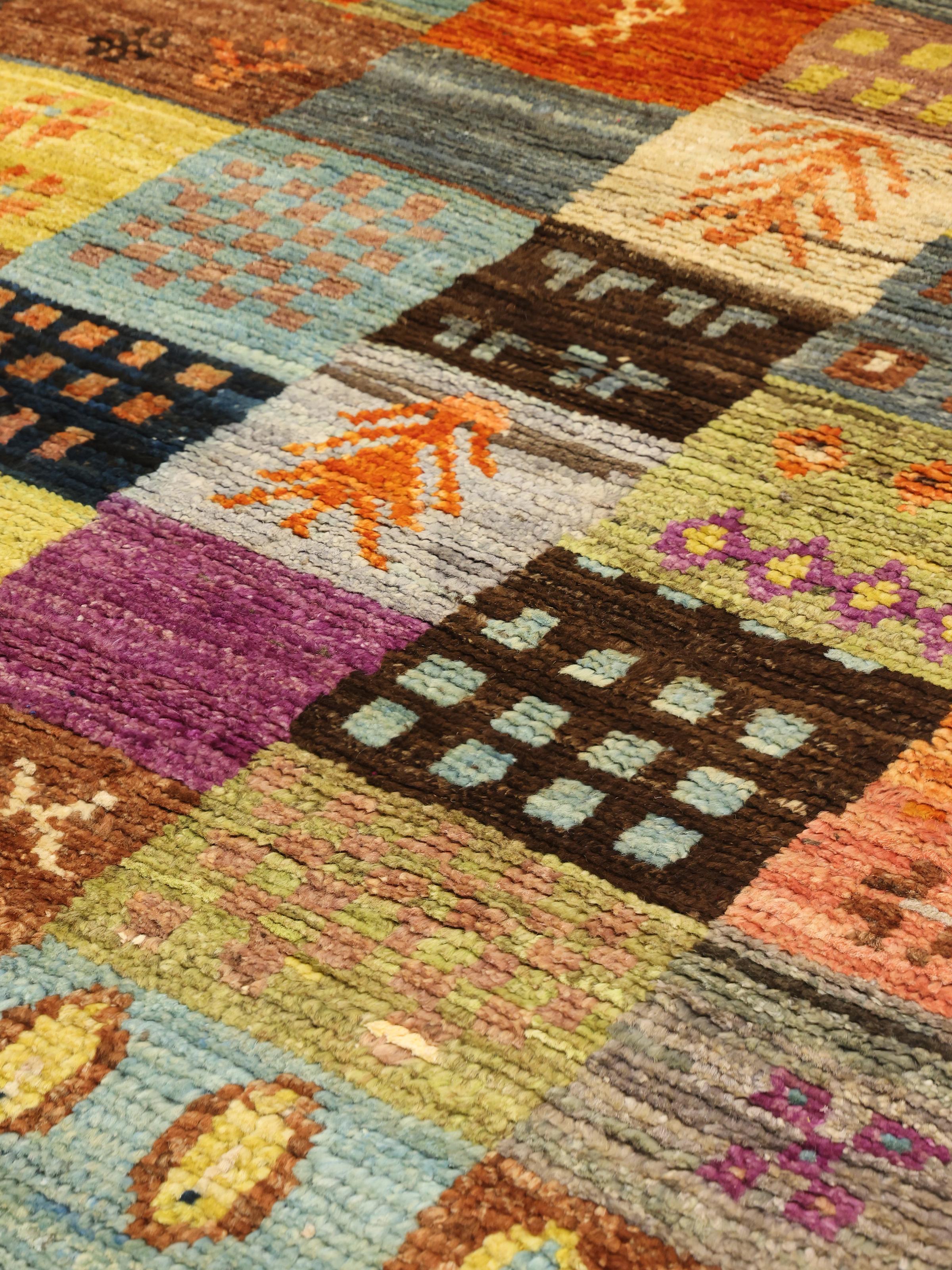
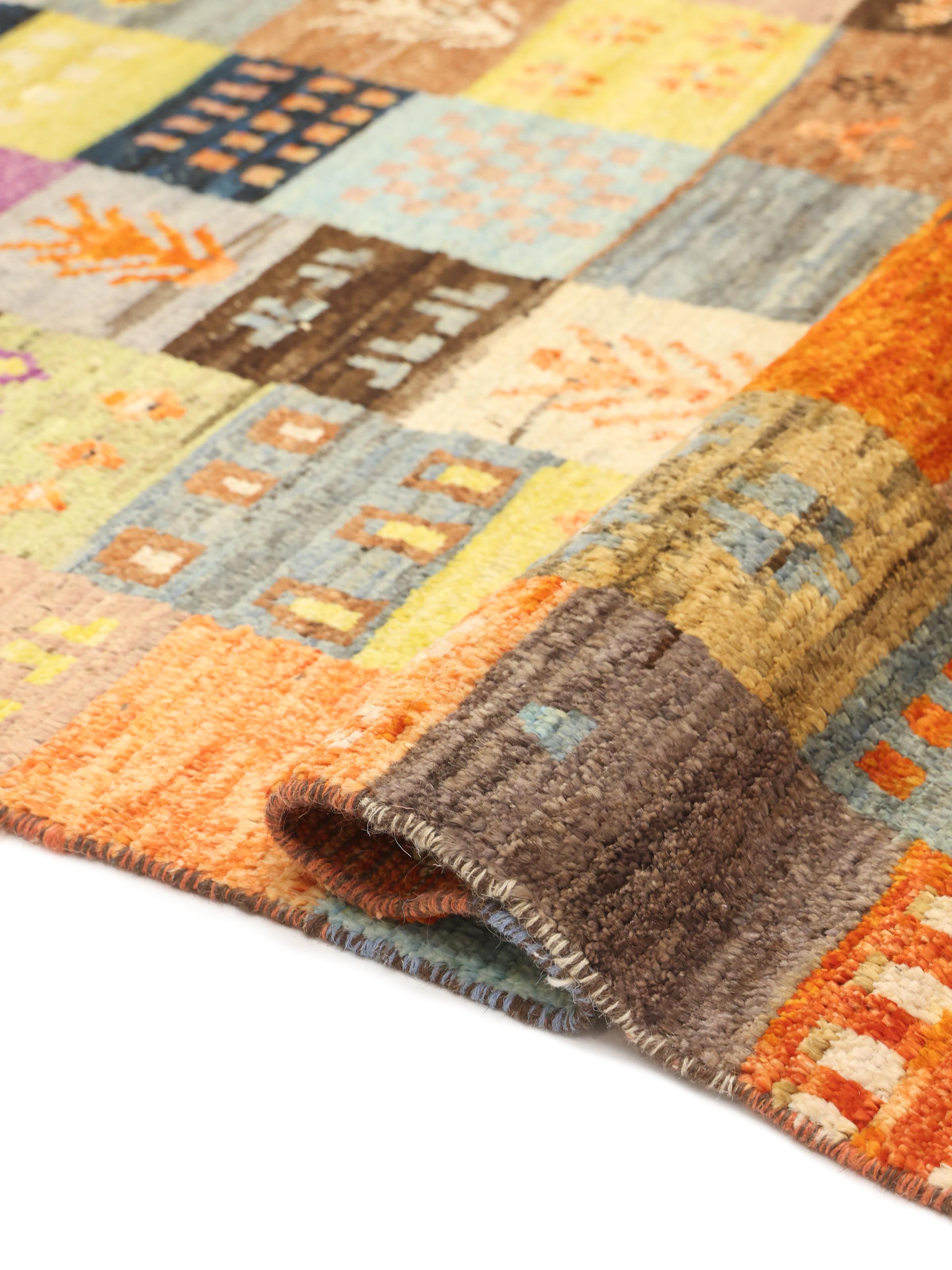
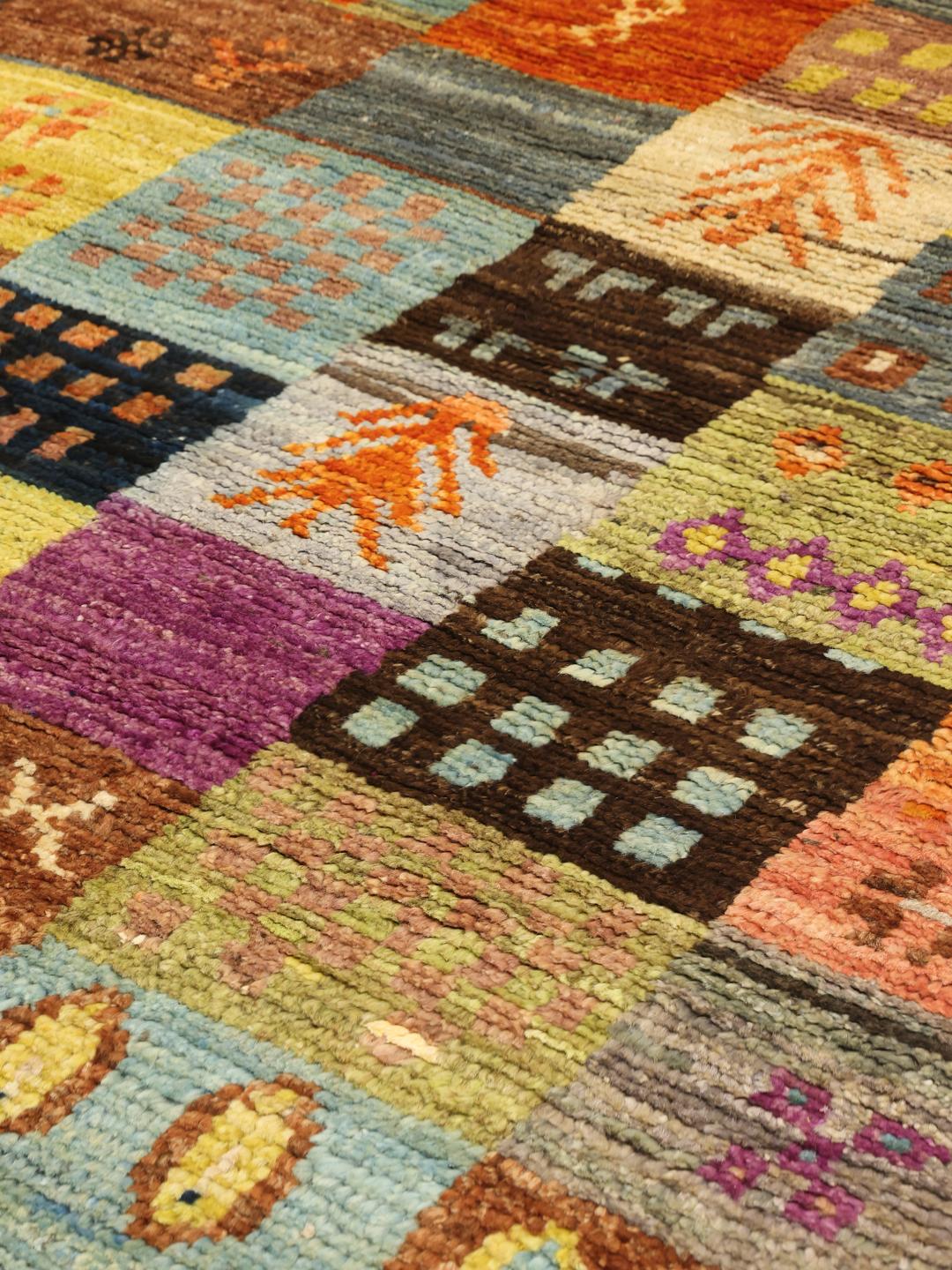
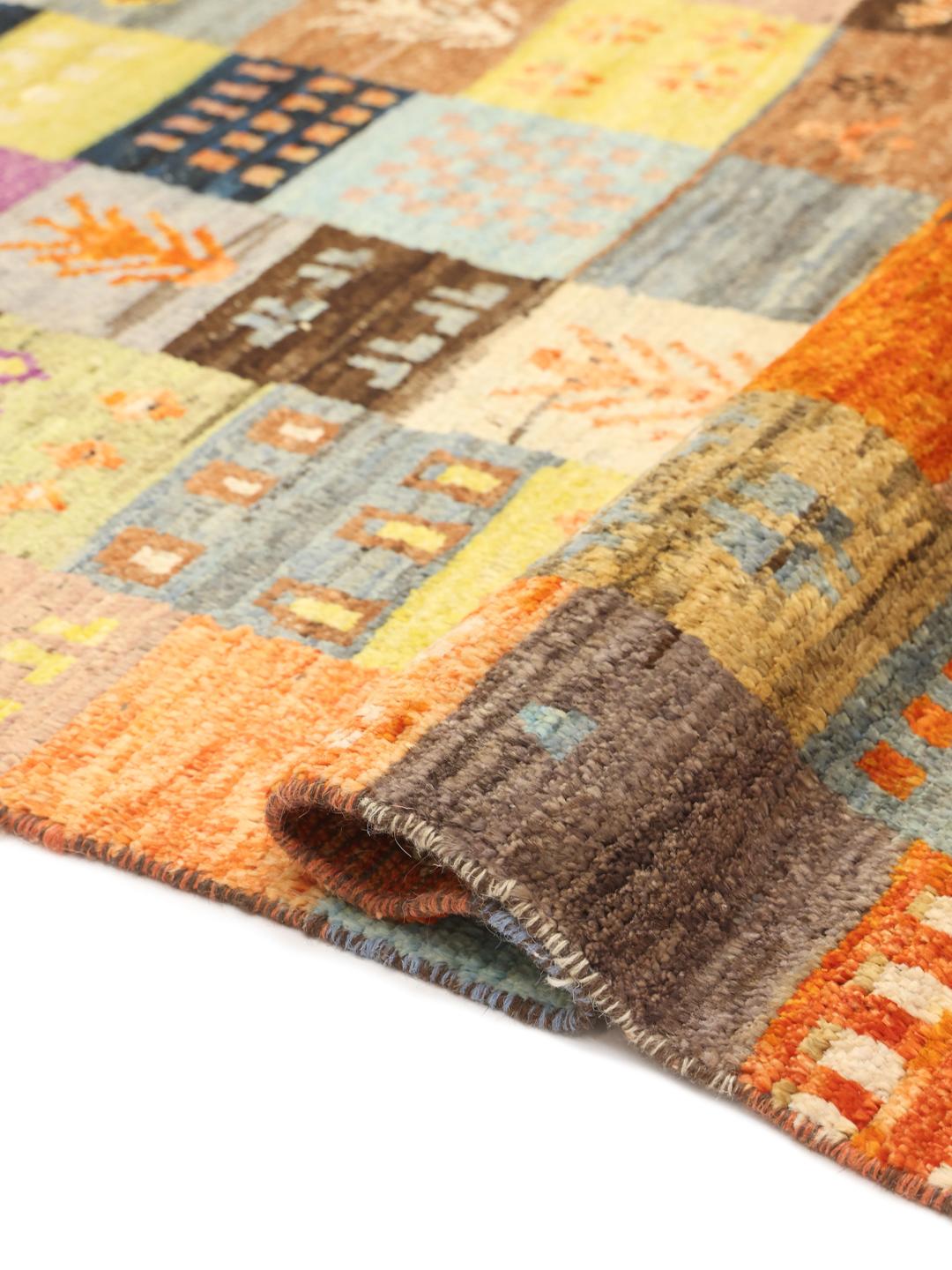
The term Berber historically refers to the weaving styles developed by the nomadic people of the Atlas Mountains. These rugs are defined by their thick, resilient wool pile and a preference for geometric abstraction. The craft relies on a deep understanding of natural materials, where the wool is processed and knotted by hand to create a dense, warm surface designed to withstand the harsh conditions of mountainous climates.
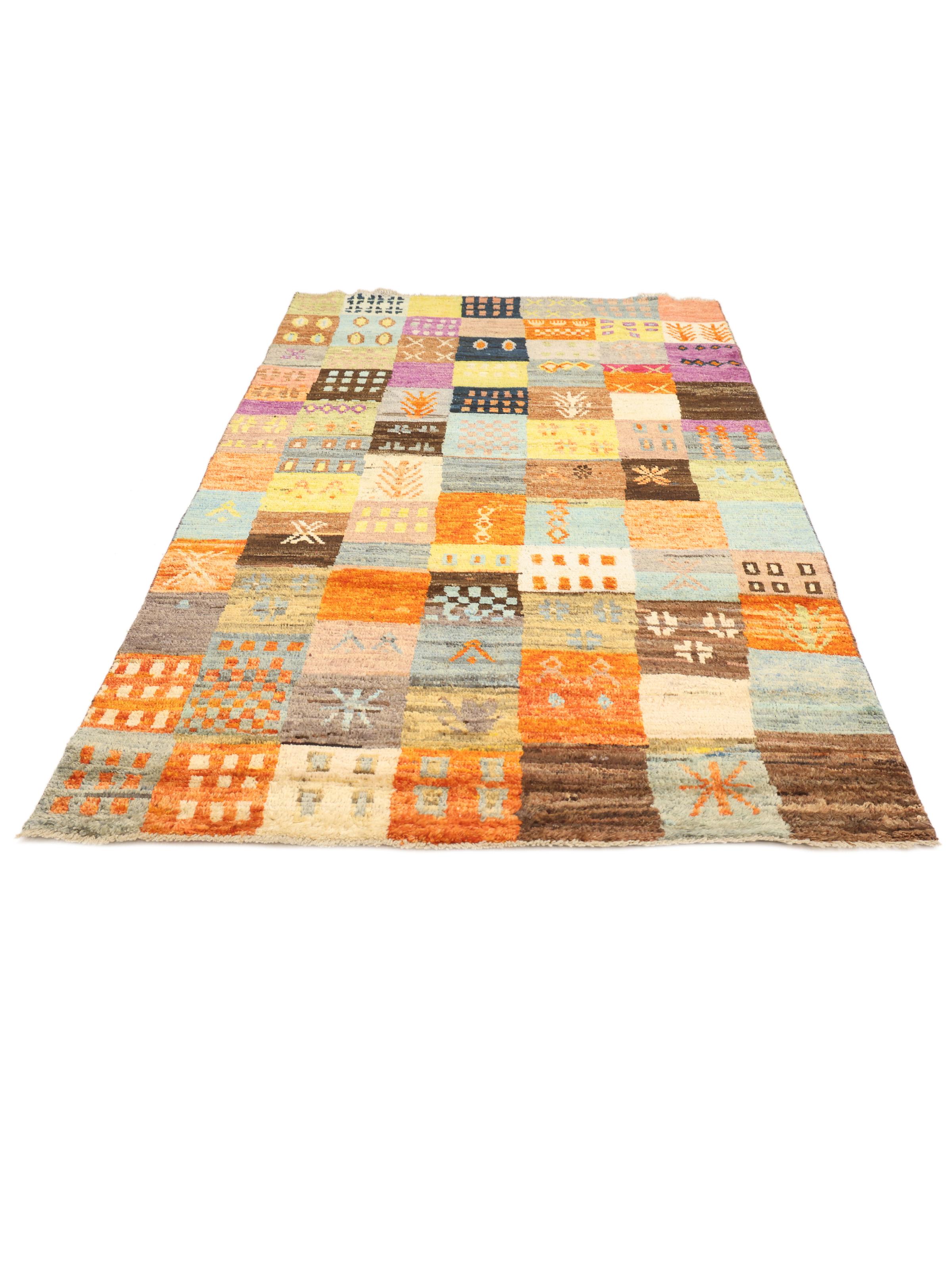
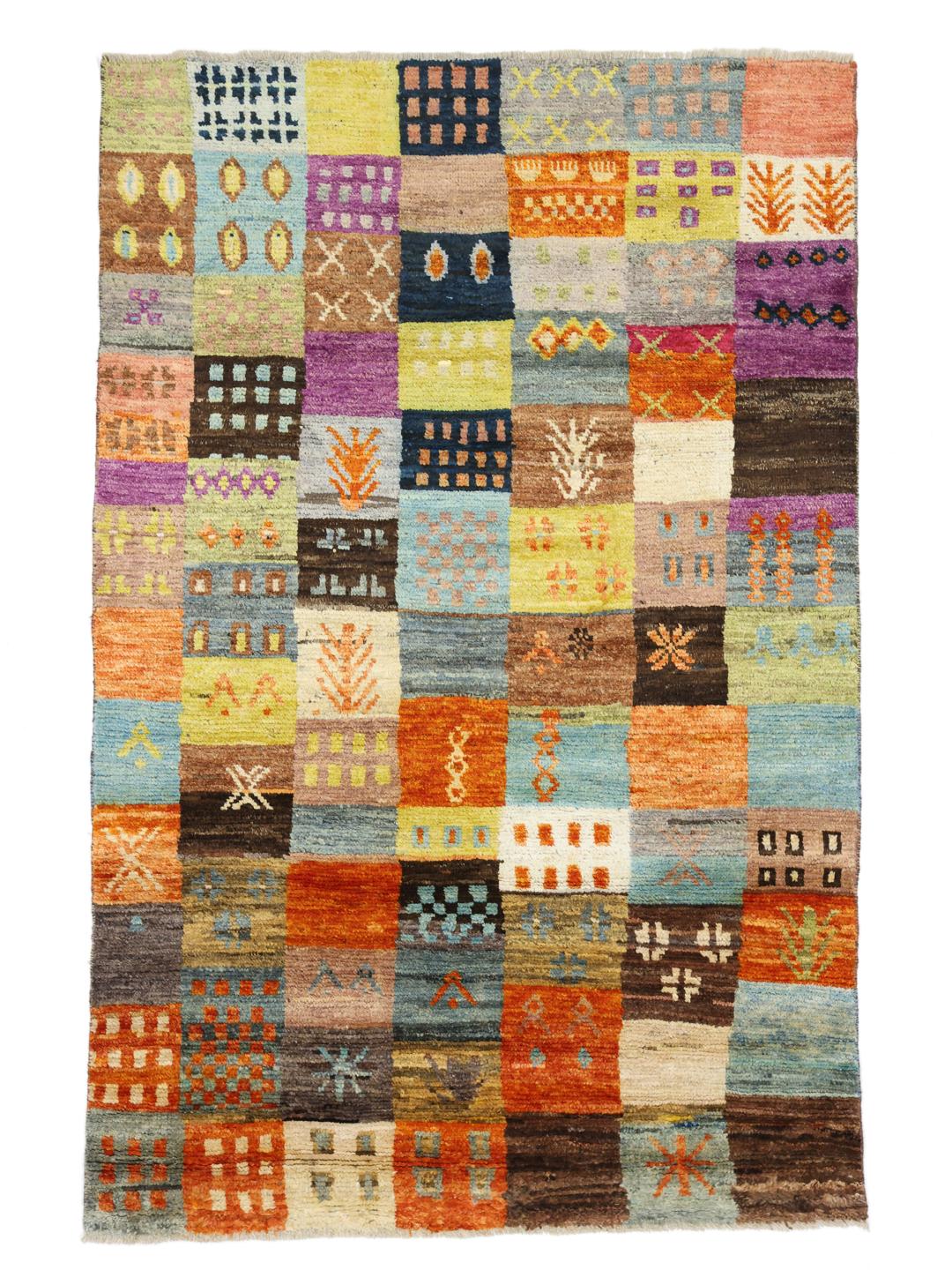
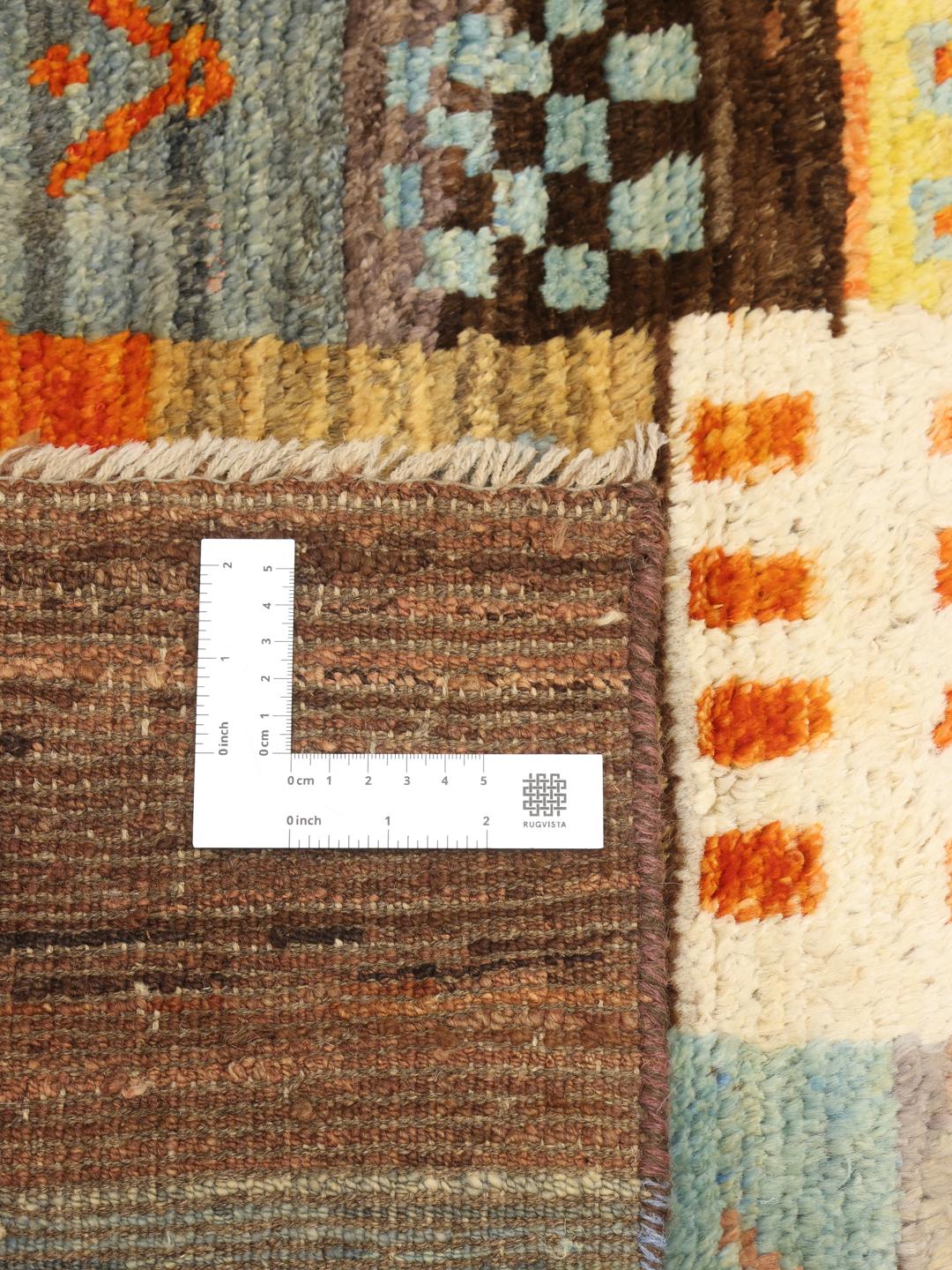
Visually, this tradition is known for its bold, graphic motifs and a sense of spontaneity. Rather than adhering to rigid, formal templates, the designs often feature repeating diamonds, triangles, and abstract lines that represent fertility, protection, or the natural world. This particular rug captures that spirit by using a patchwork layout, which is a playful and modern evolution of the classic tribal aesthetic.
Owning a hand-knotted rug from this tradition is an investment in cultural heritage and human skill. These pieces are valued by collectors for their authenticity and the way they bridge the gap between traditional craft and modern living. By choosing a rug that honours these ancient techniques, you are supporting a legacy of weaving that prizes individual expression and lasting quality over mass production.