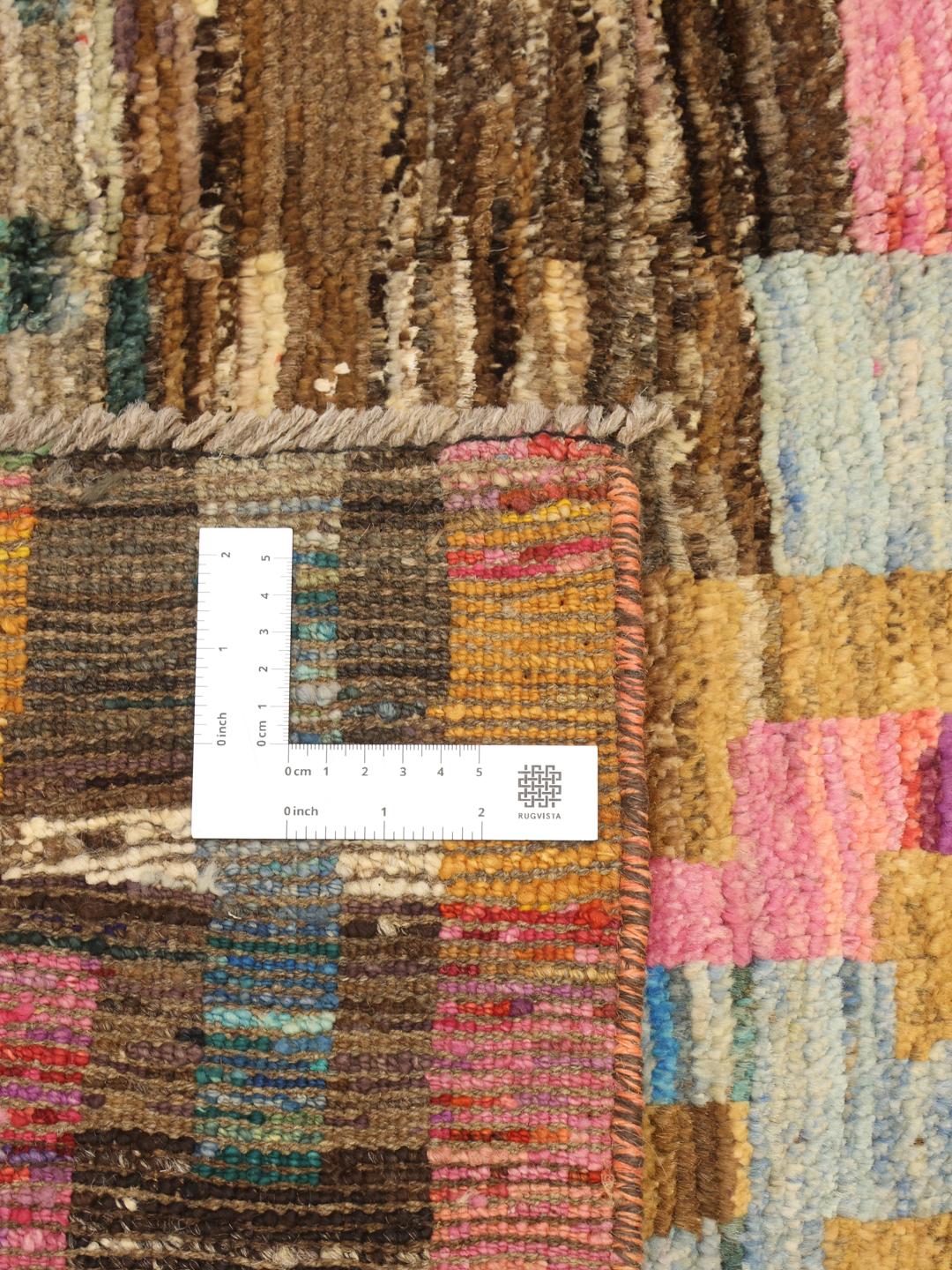
Berber-inspired rugs have a storied history that stretches across nomadic communities, evolving from utilitarian floor coverings into celebrated expressions of artistic identity. While the style takes its name from the indigenous peoples of North Africa, the tradition of hand-knotting expressive, high-pile rugs has been embraced and adapted by artisans across the Middle East and Afghanistan.
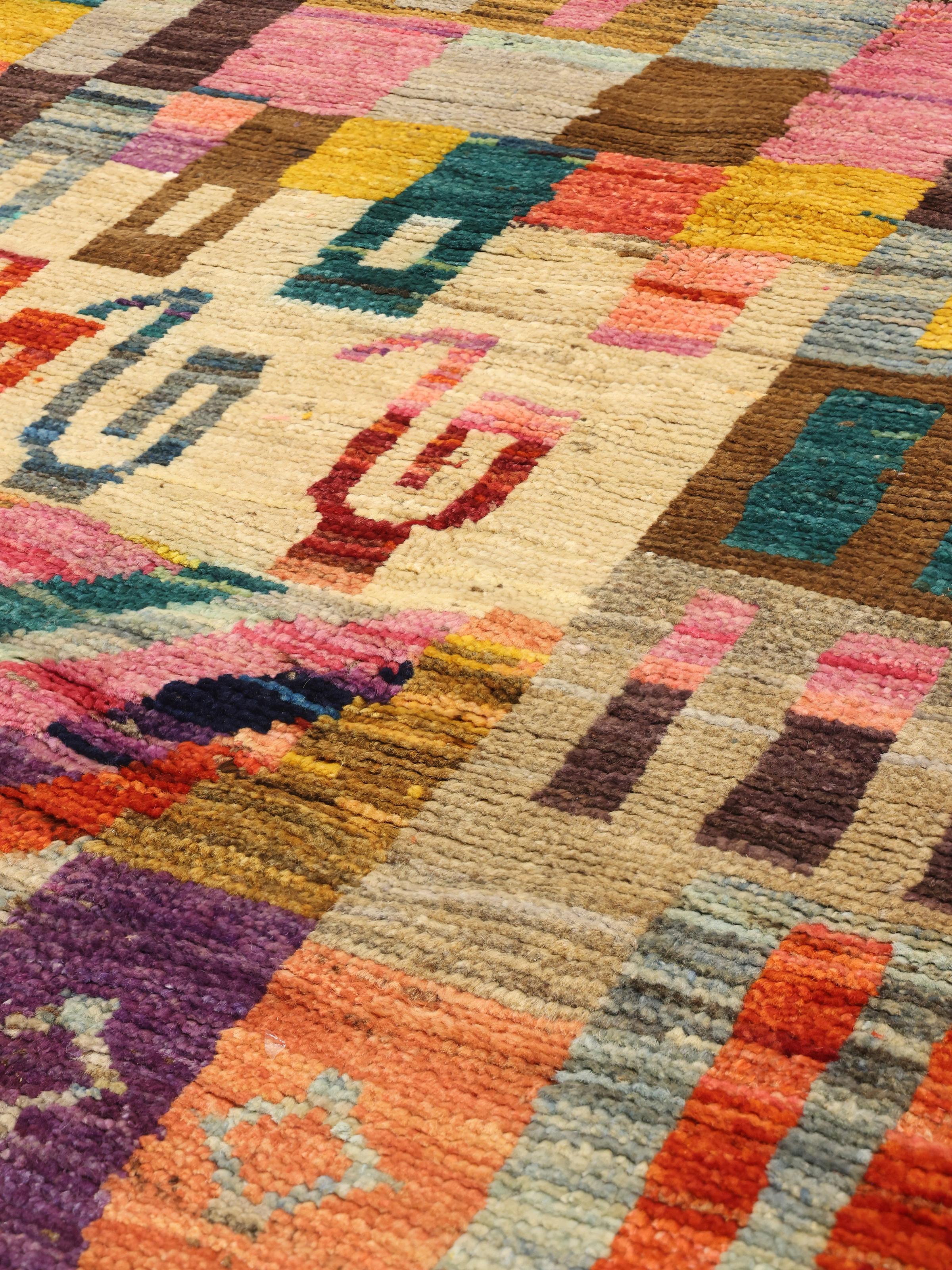
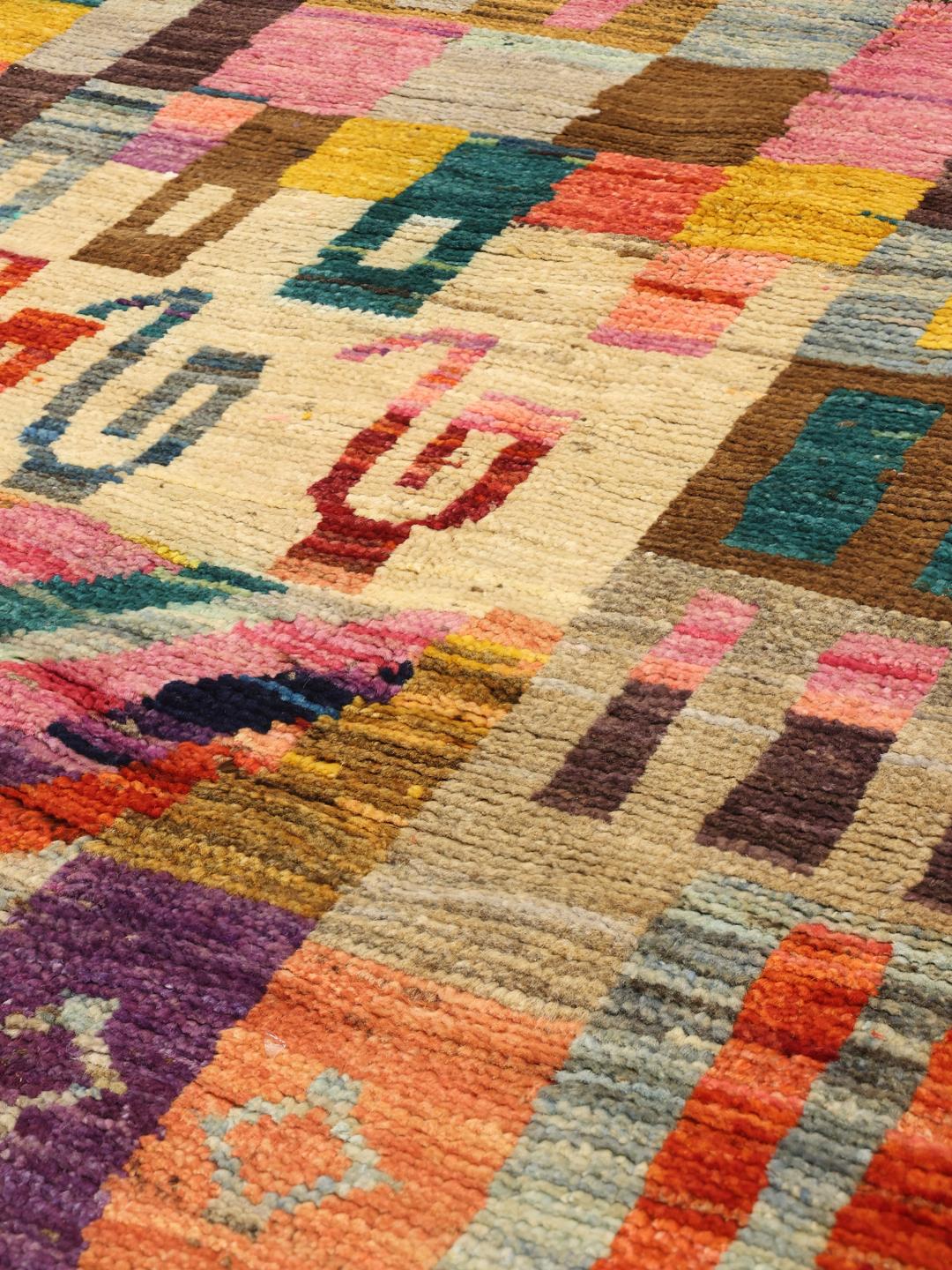
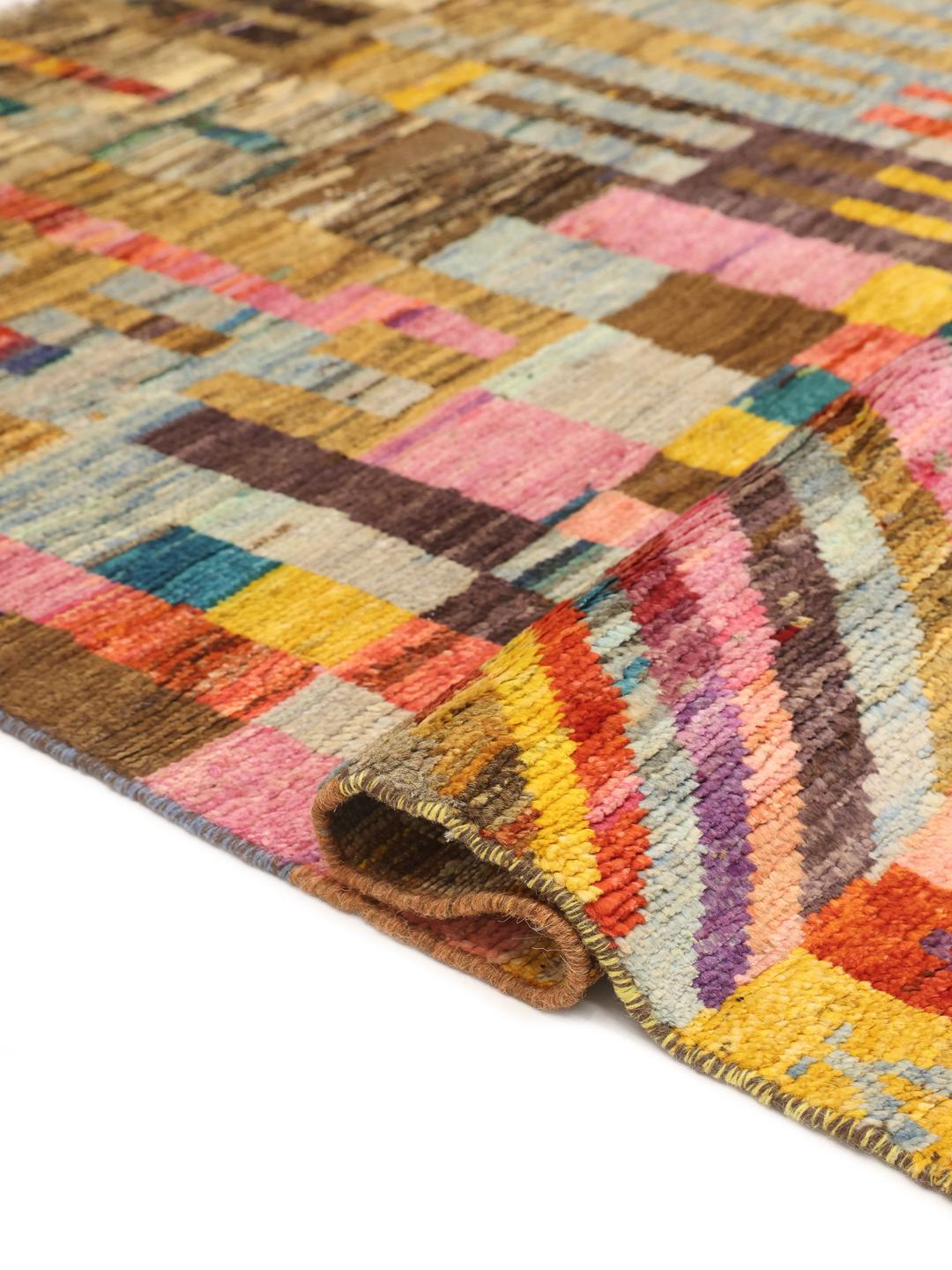
The term hand-knotted refers to the classic technique of tying individual strands of wool onto a foundation. This method is the gold standard for rug production, as it creates a dense, resilient pile that can withstand years of daily use while maintaining its intricate design clarity.
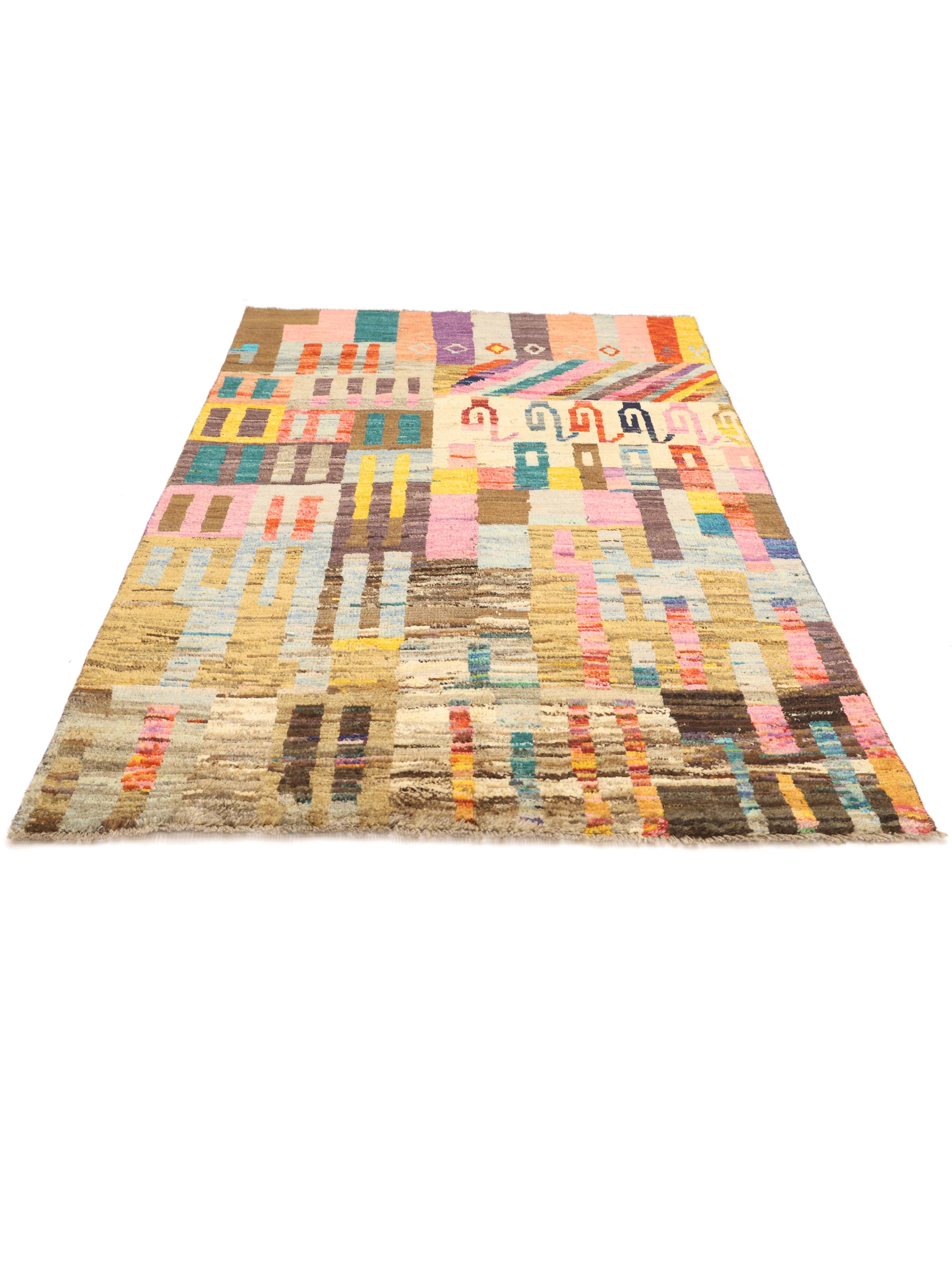
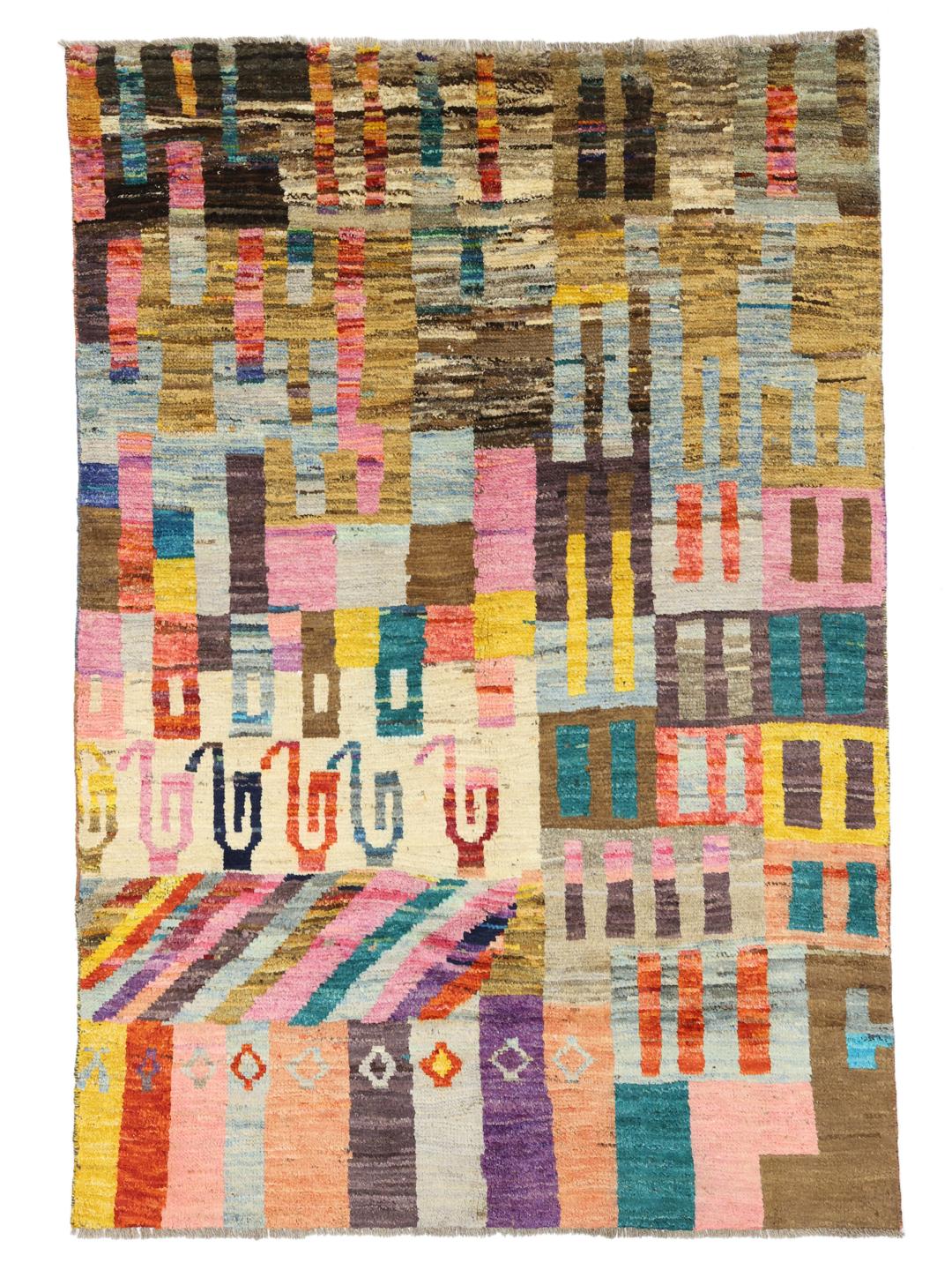
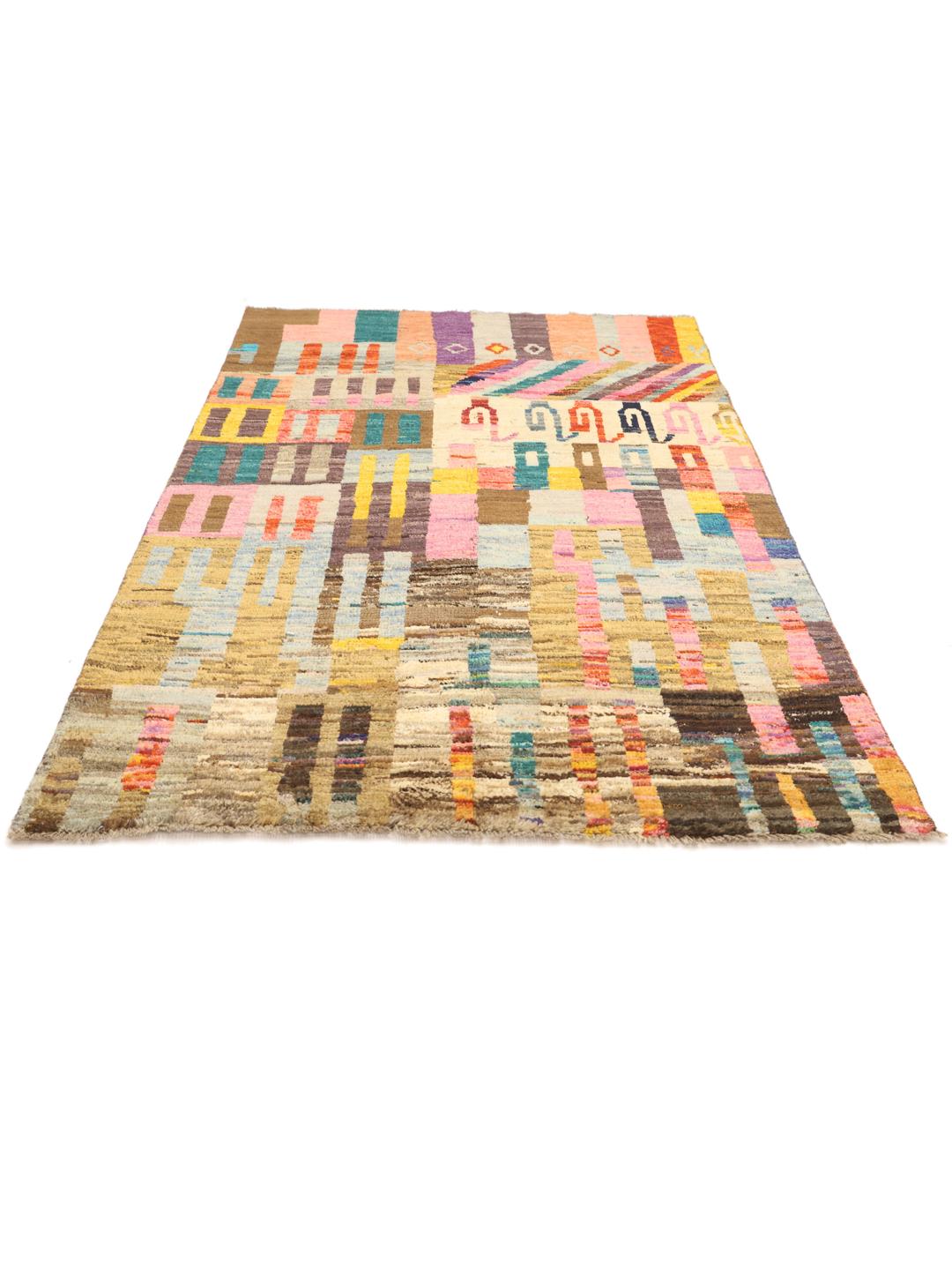
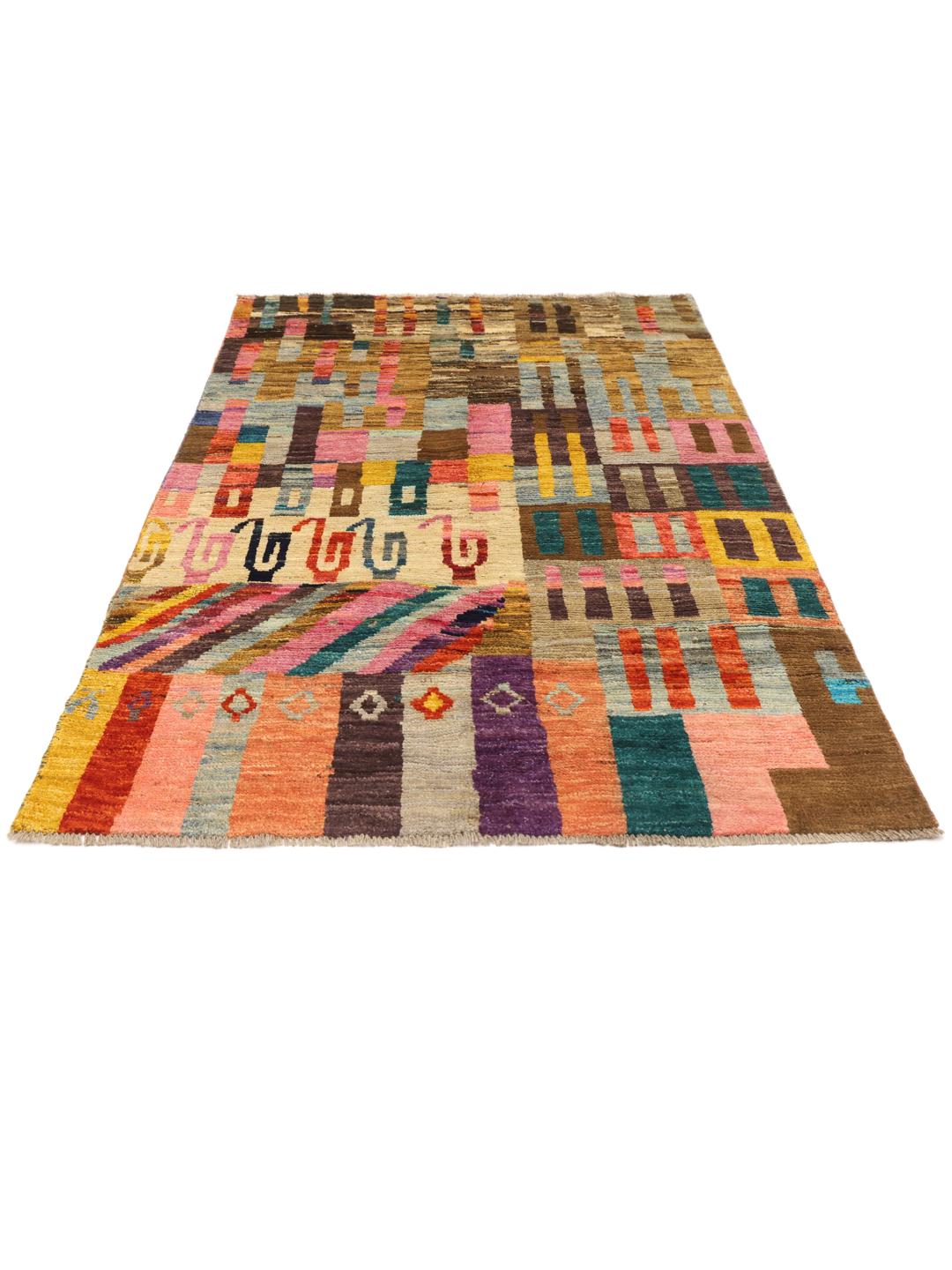
Visually, these rugs are defined by their freedom of expression. Unlike more rigid, formal traditions, the Berber style often incorporates abstract motifs, geometric shapes, and a bold, intuitive use of colour. This specific rug is a testament to that legacy, using vibrant tones that break away from traditional palettes to offer something fresh and contemporary.
Owning a hand-knotted piece from this tradition is about more than just decor; it is about preserving a heritage of manual skill. Collectors value these rugs for their authenticity, the soul injected by the maker, and the fact that they represent a bridge between ancient techniques and modern design sensibilities.