Berber-style rugs find their cultural origins in the mountainous regions of North Africa, where nomadic tribes historically wove these pieces for protection against the elements. Over generations, the tradition of these expressive, Wool-based textiles has spread and evolved, finding a home in the skilled workshops of Afghanistan, where artisans bring their own unique perspective to the craft.
The term Berber refers to a specific aesthetic characterised by its focus on raw materials and symbolic, often geometric, motifs. In the context of modern Afghan weaving, this tradition has been adapted to celebrate a wider, more vibrant colour palette, demonstrating how historical techniques can remain relevant and dynamic while honouring their original cultural roots.
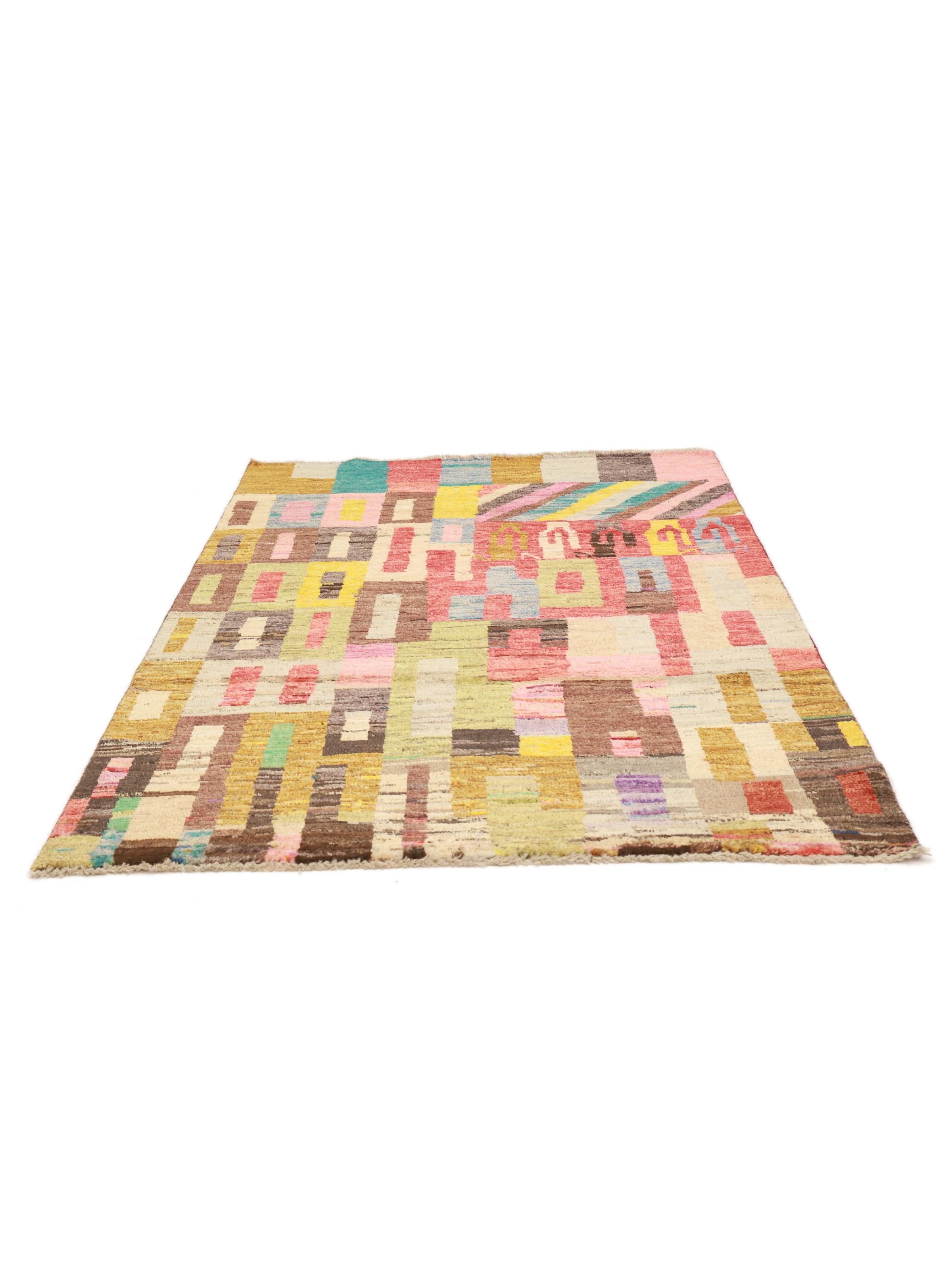
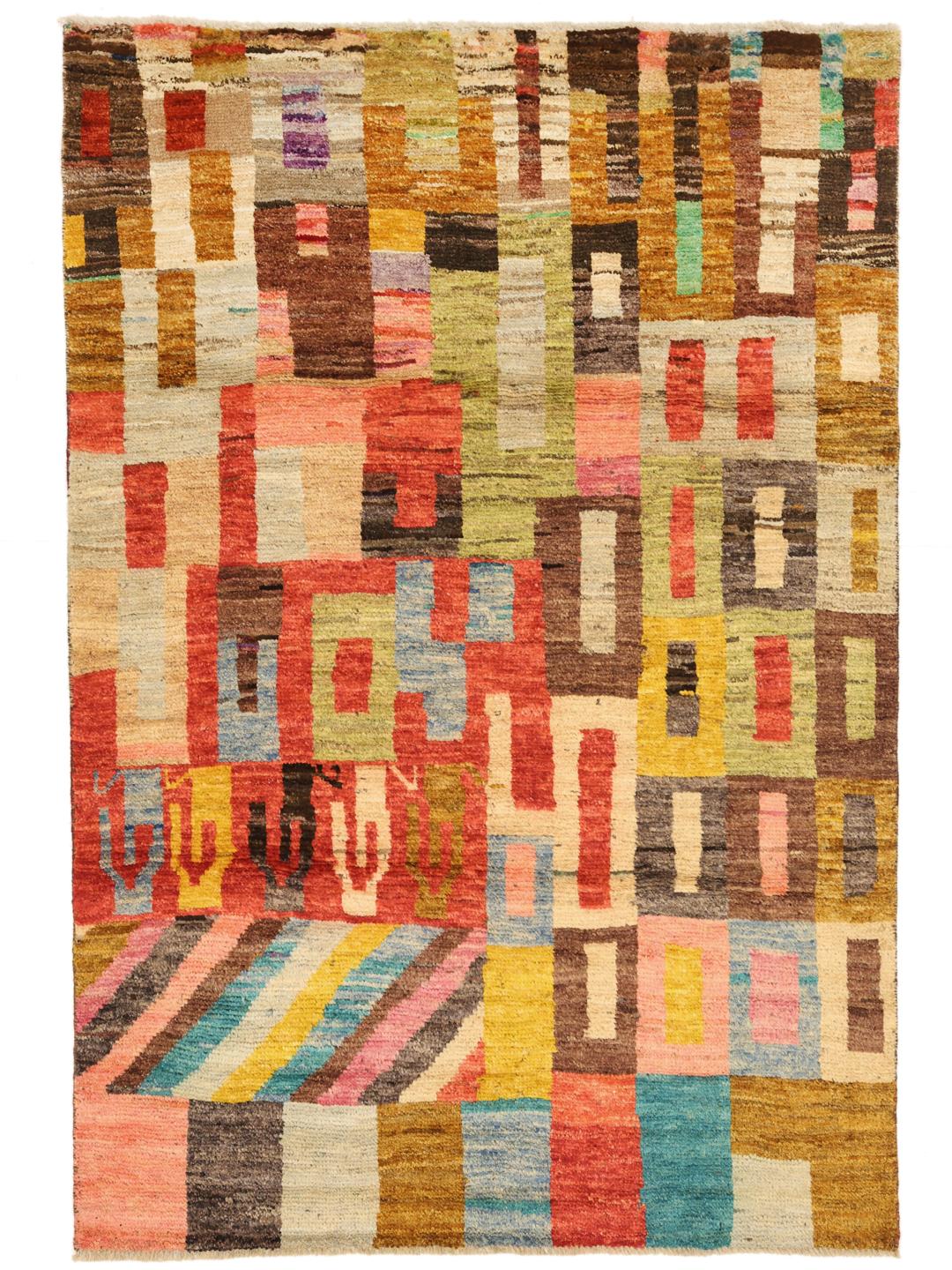
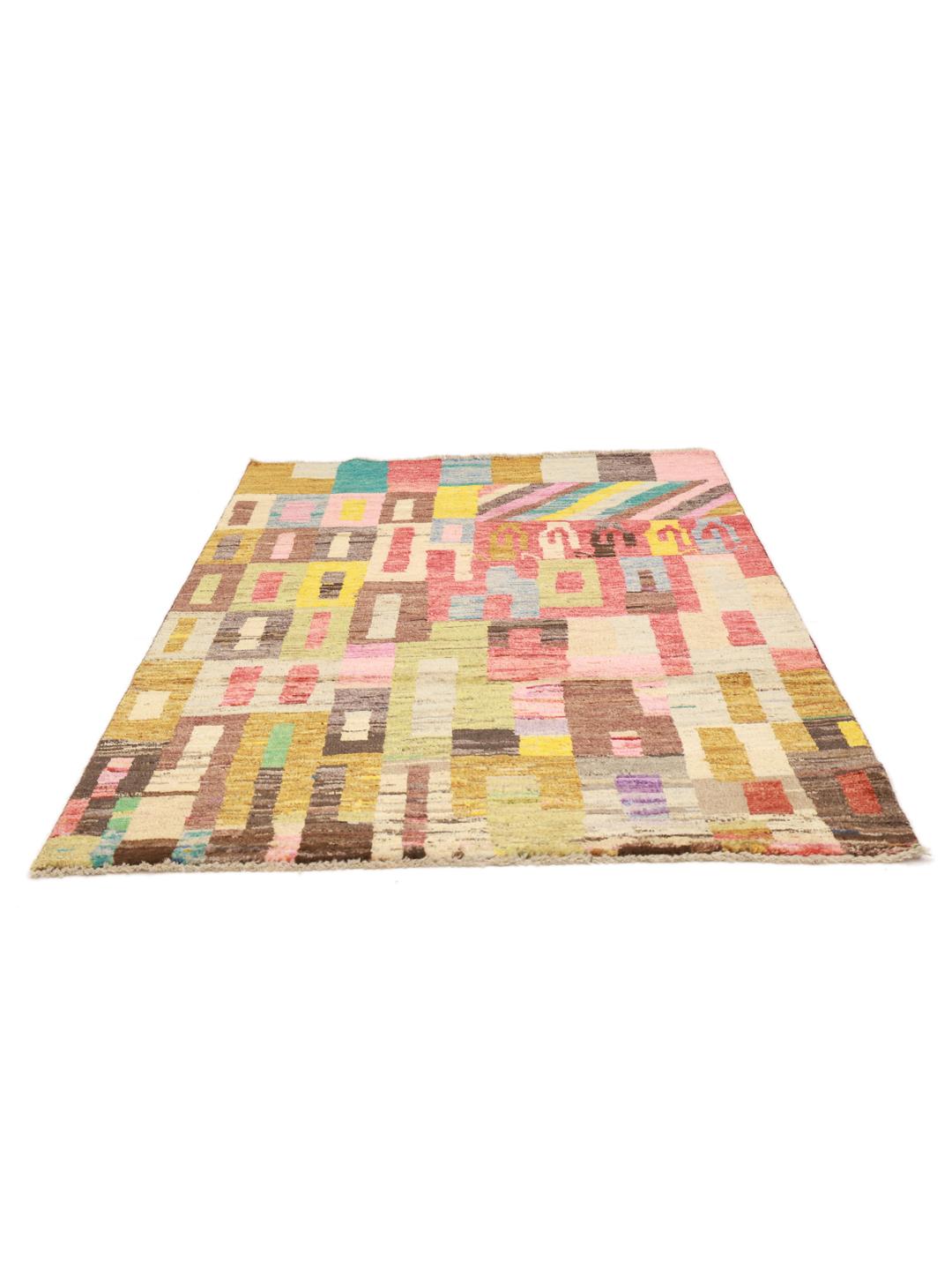
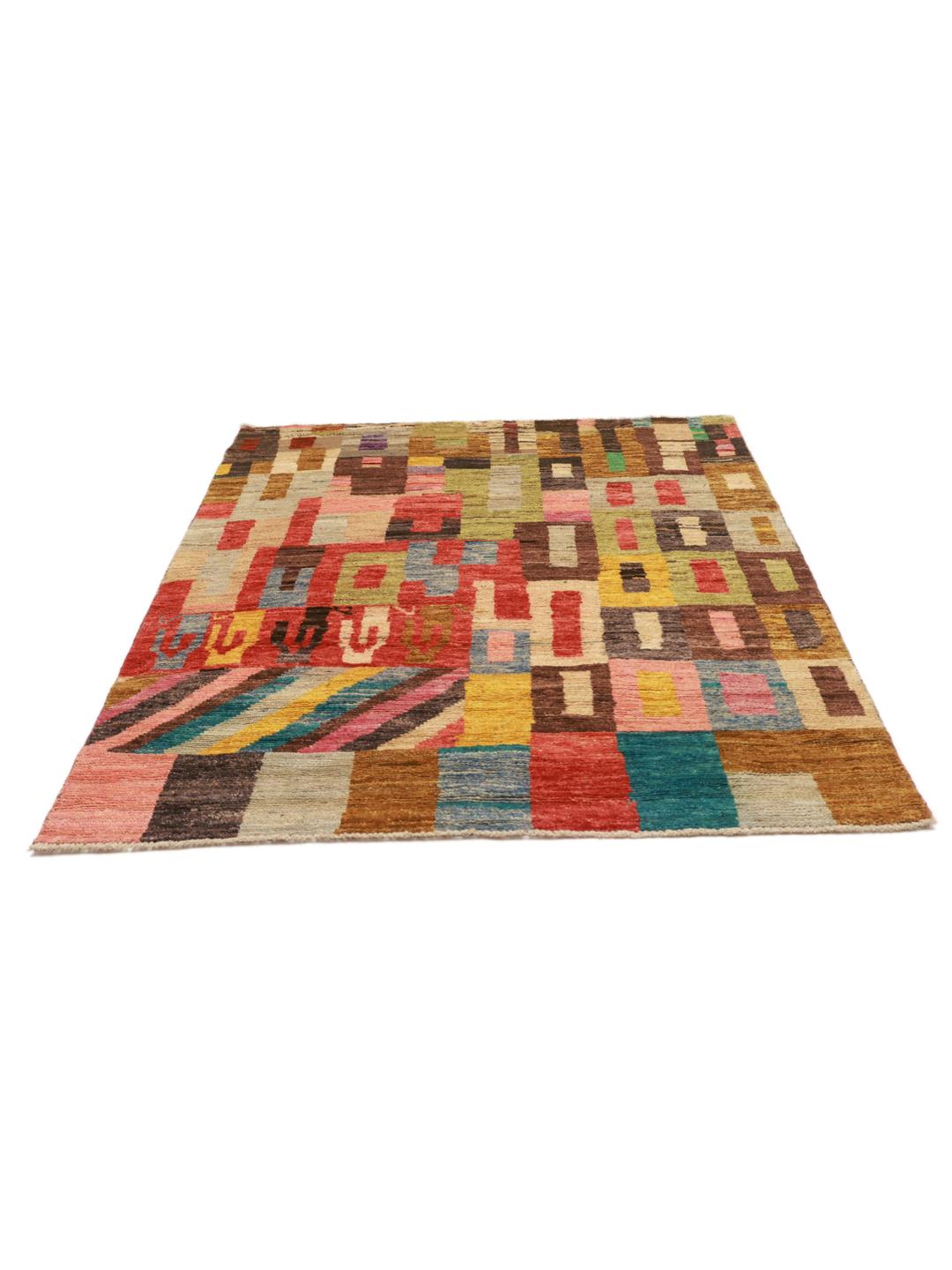
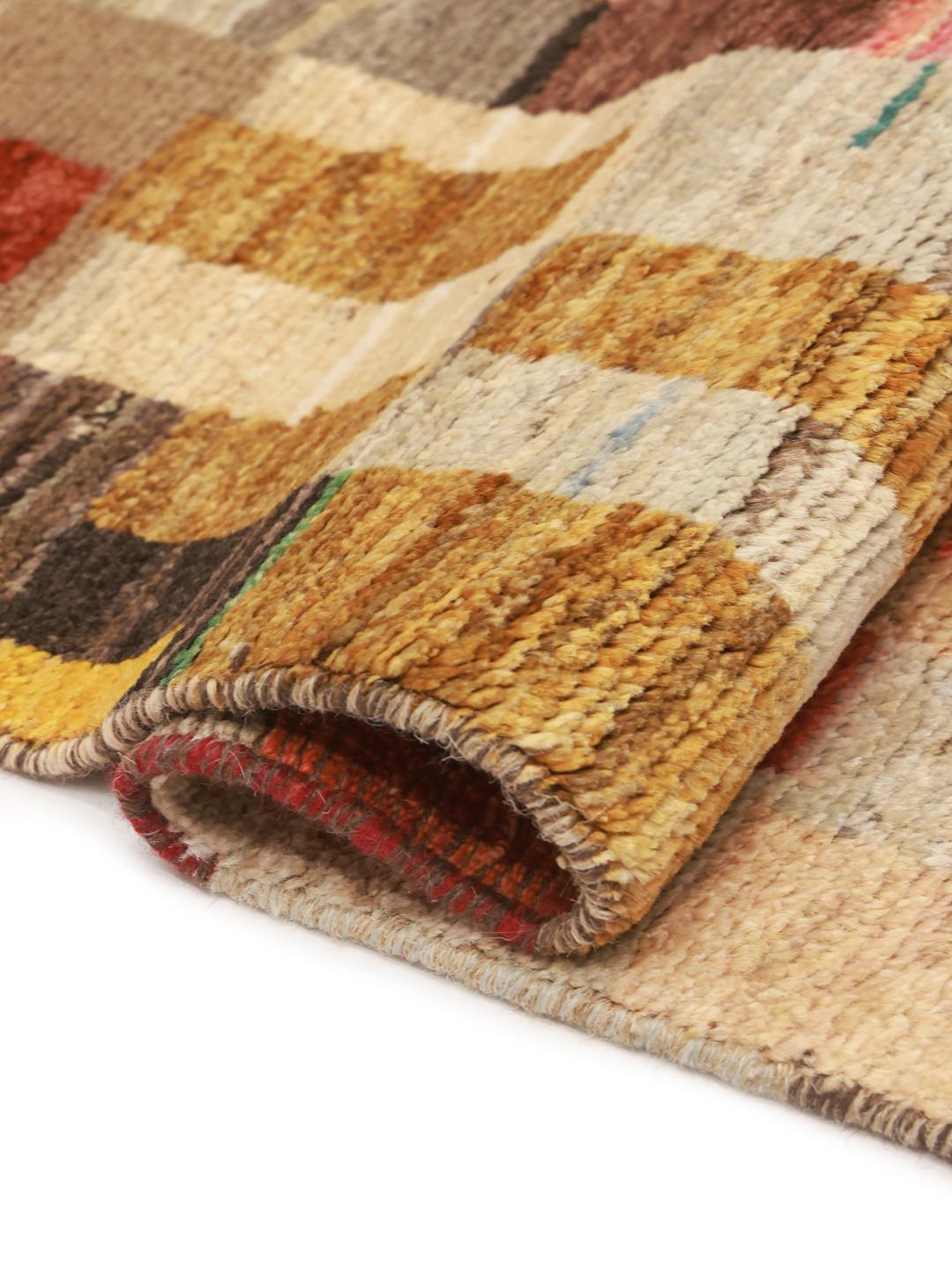
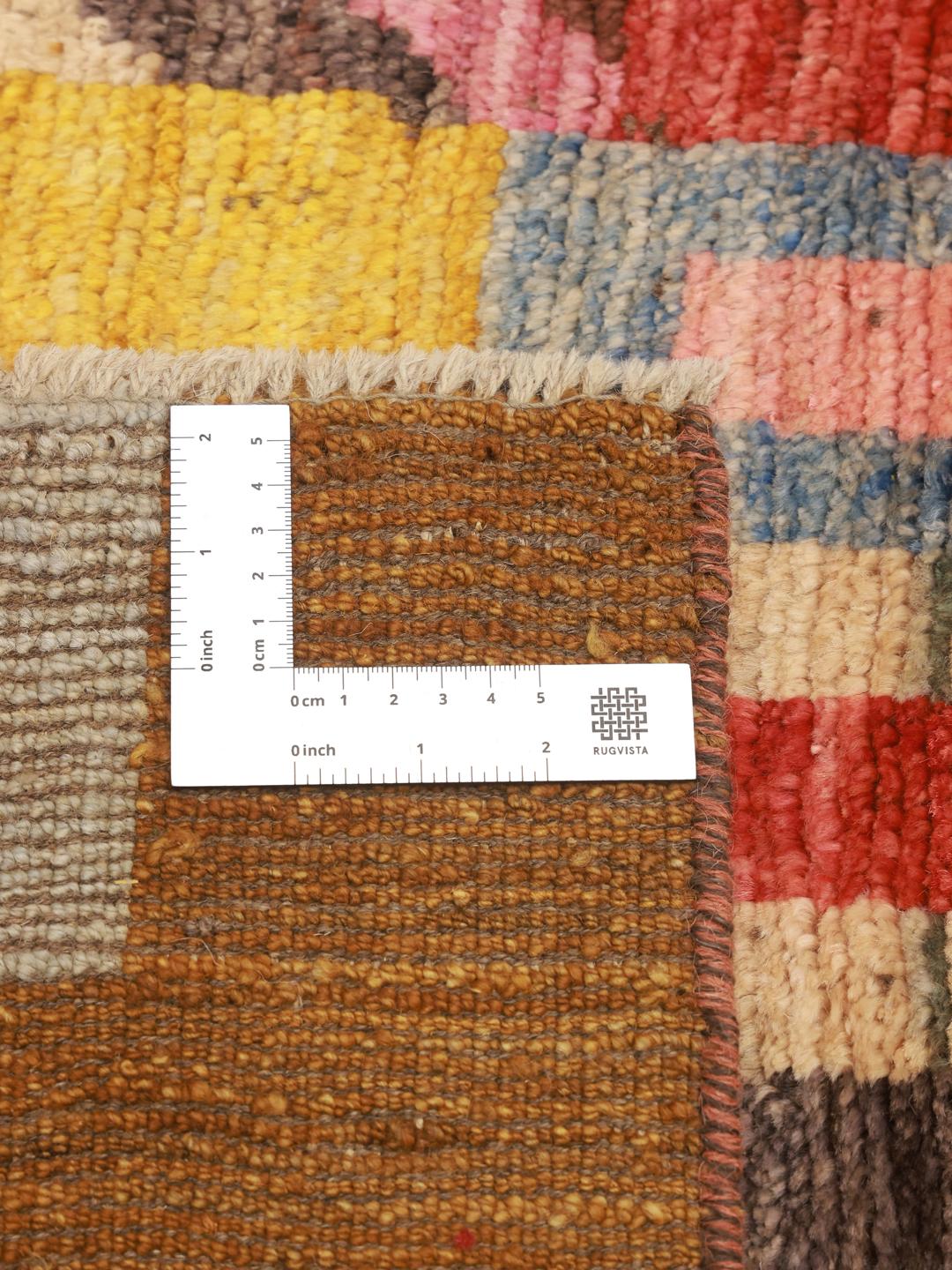
Visually, these rugs are defined by their bold, often playful use of shapes and blocks of colour. Unlike more formal, symmetrical carpets, these pieces favour an intuitive approach to design, resulting in a composition that feels organic and full of life. The borders often feature subtle variations that highlight the human touch behind the work.
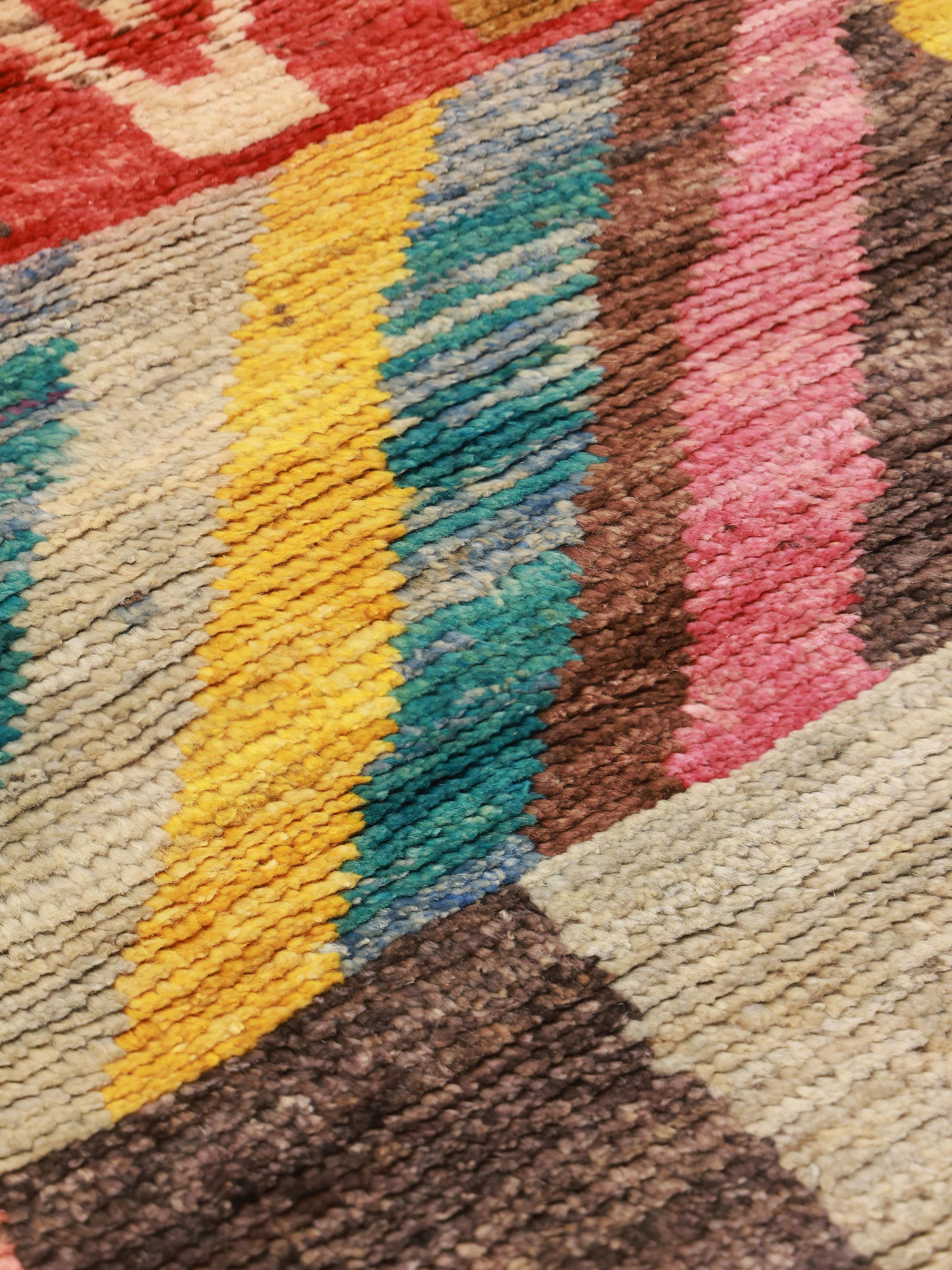
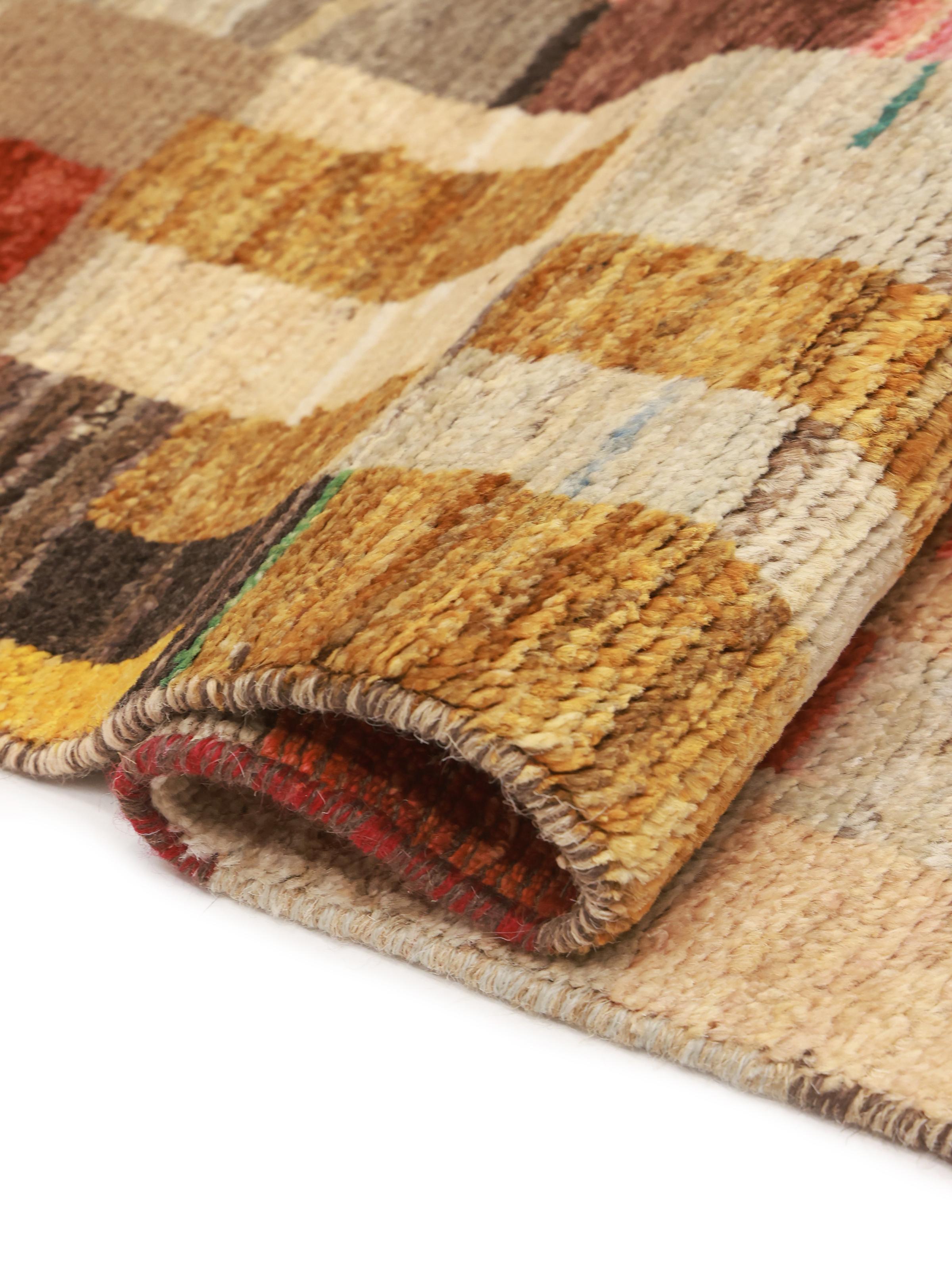
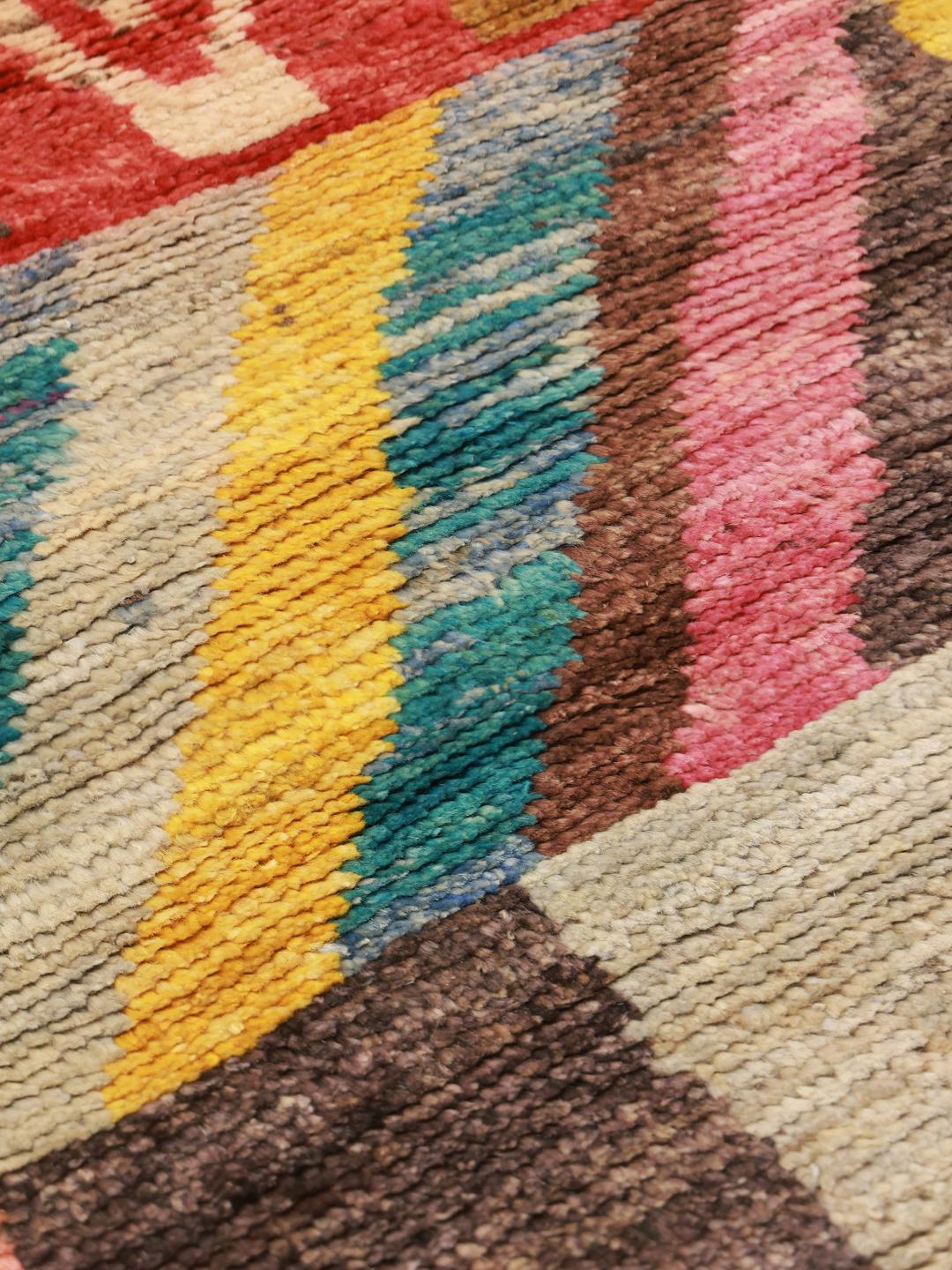
Collecting a rug from this tradition is an investment in human skill and cultural heritage. Because each piece is created by hand without the aid of modern machinery, it carries the unique mark of its weaver. Owning one is a way to celebrate the enduring value of craft and to bring a piece of history into your daily life.