The tradition of Berber-style weaving has evolved far beyond its North African origins, finding a vibrant new home in the craft communities of Afghanistan. While the term Berber is historically associated with the indigenous nomadic tribes of the Atlas Mountains, the style has been adopted and reinterpreted by Afghan weavers who bring their own regional expertise and aesthetic sensibilities to the craft.
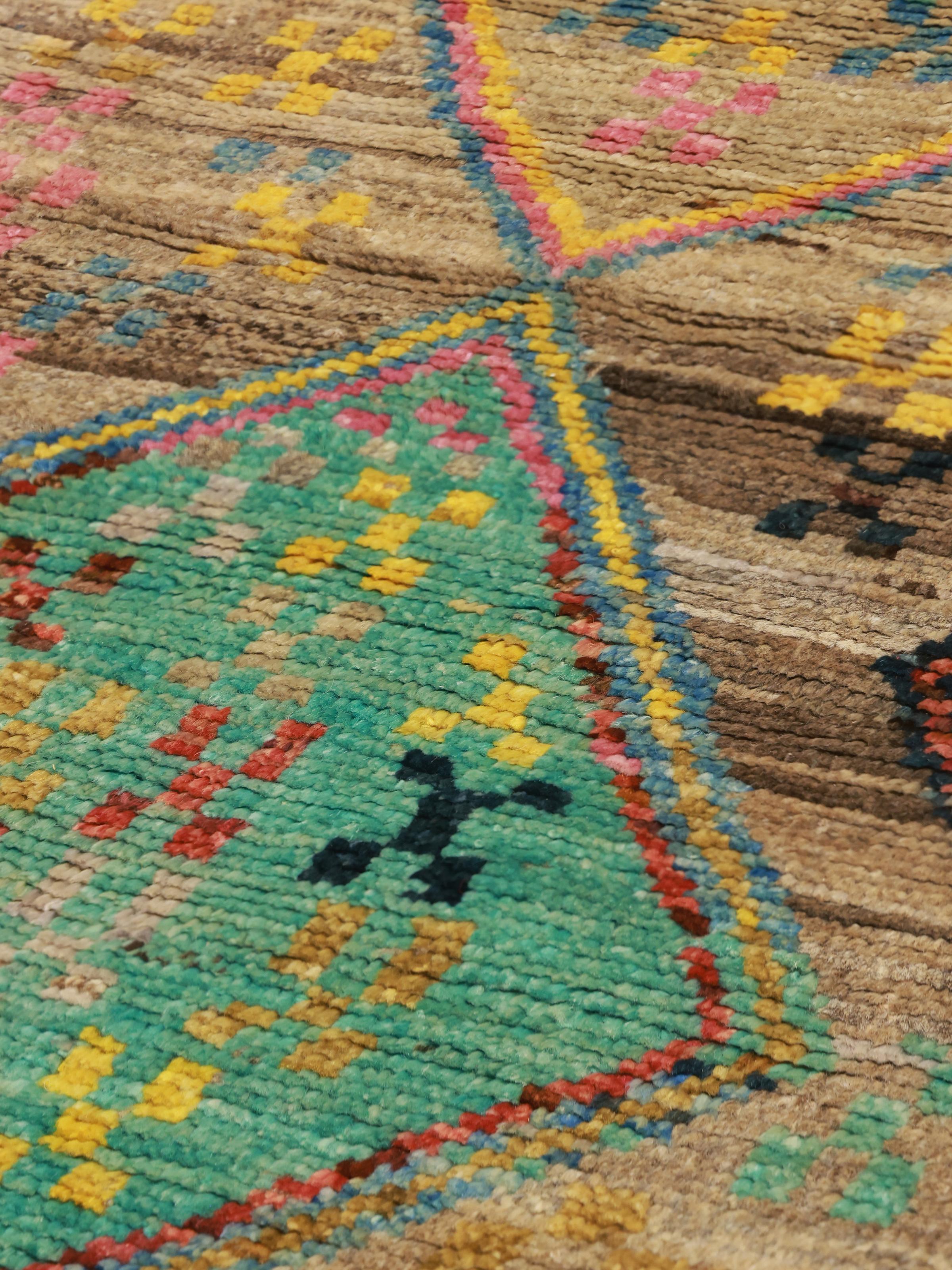
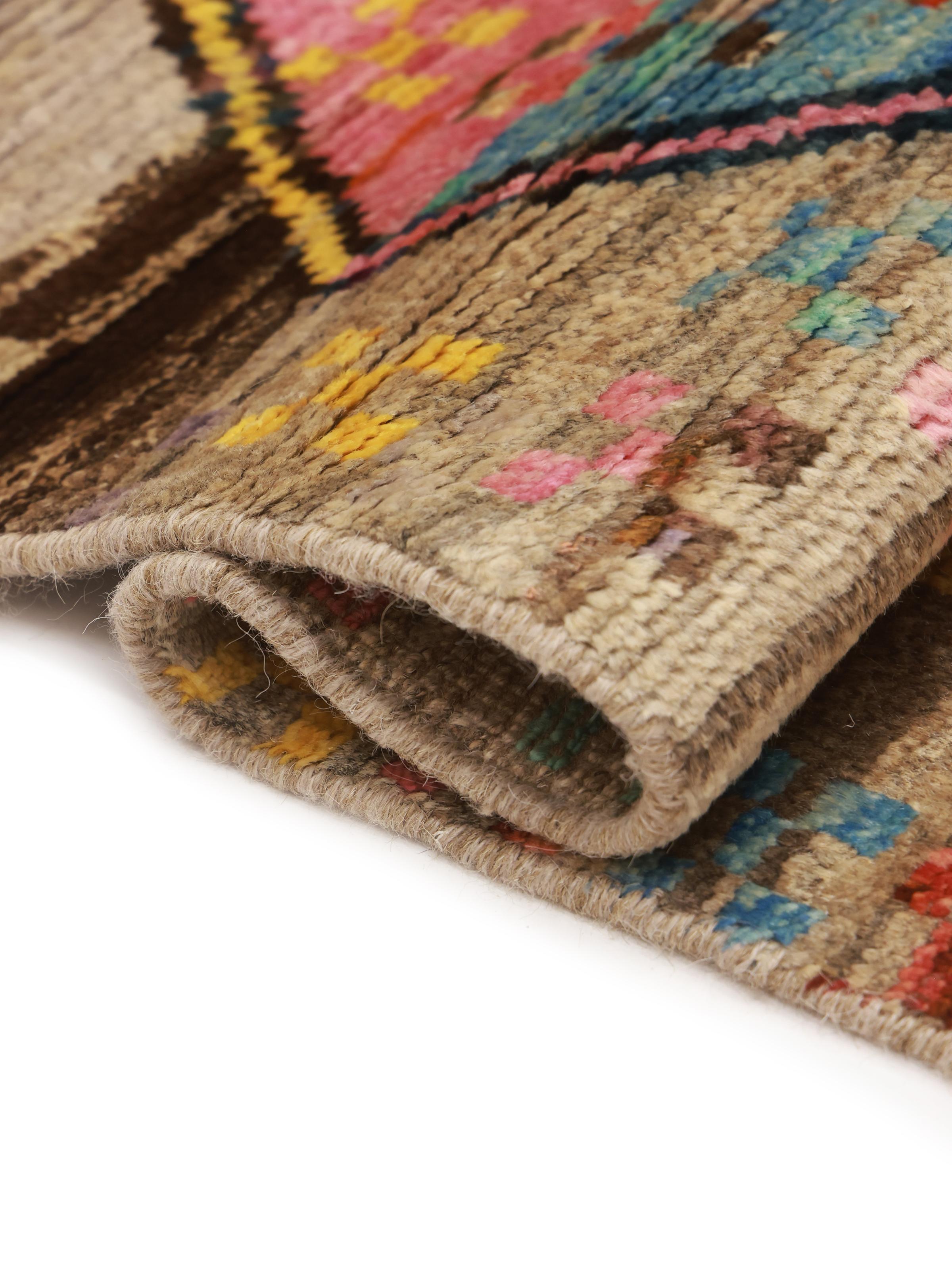
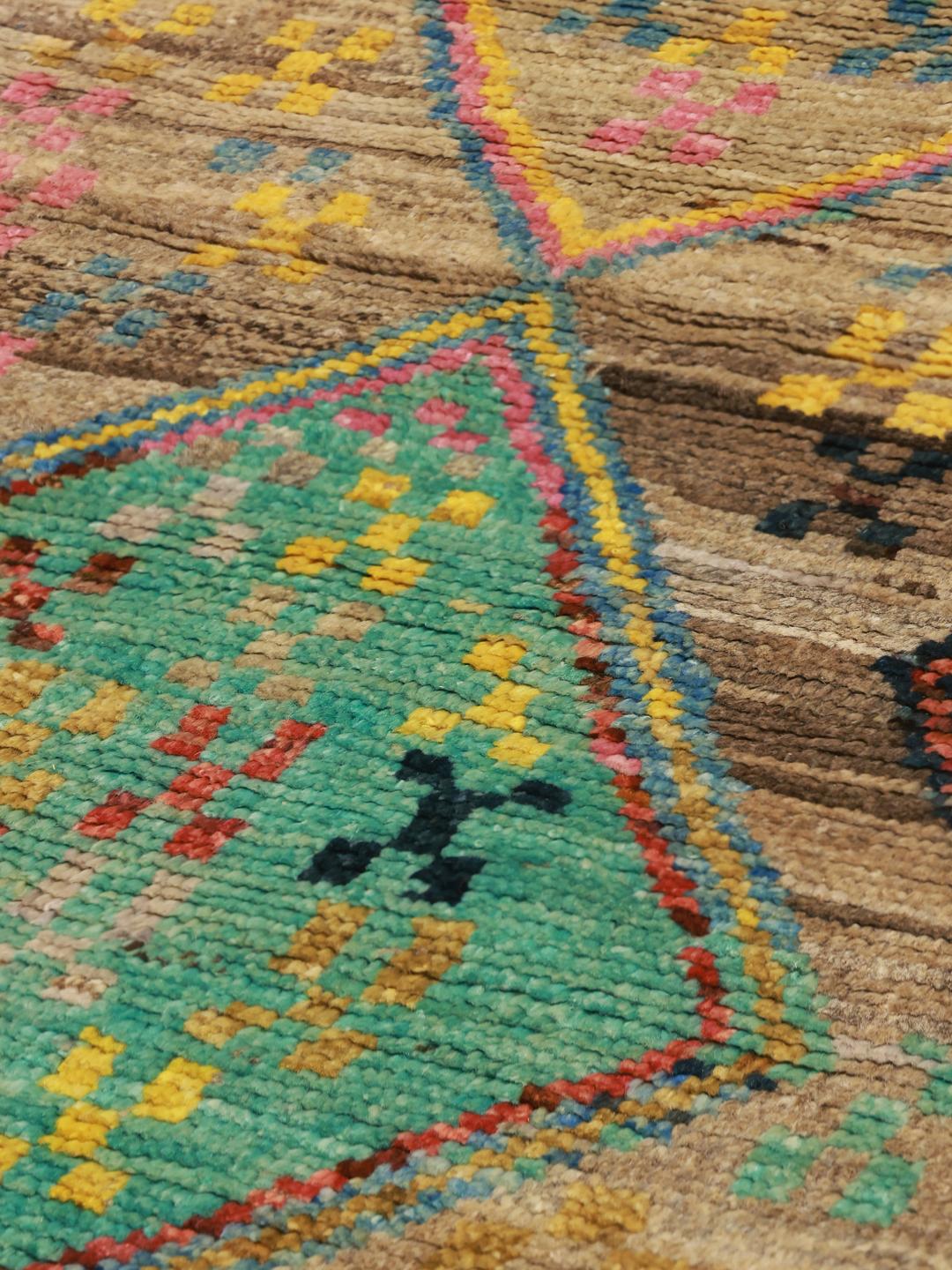
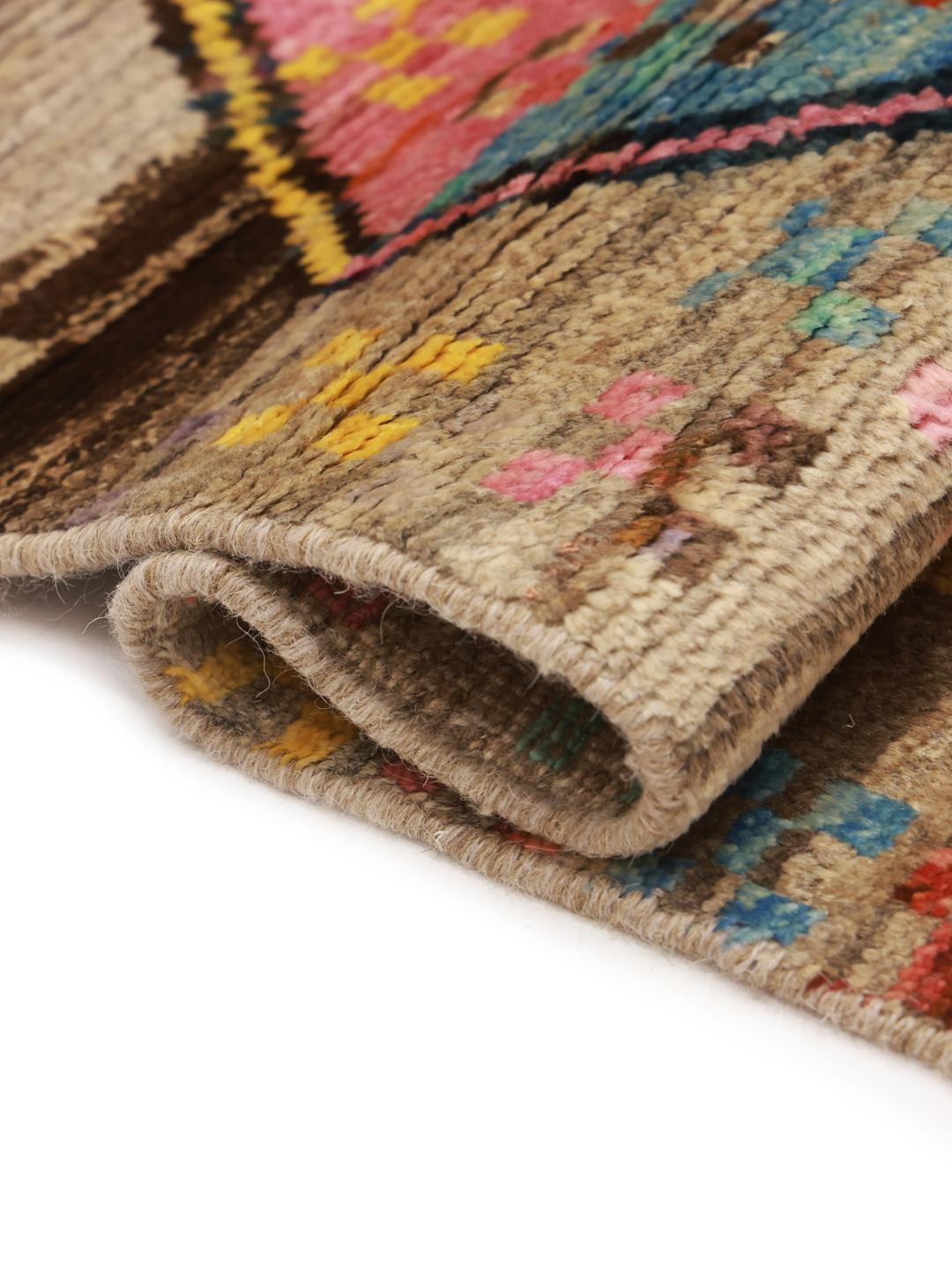
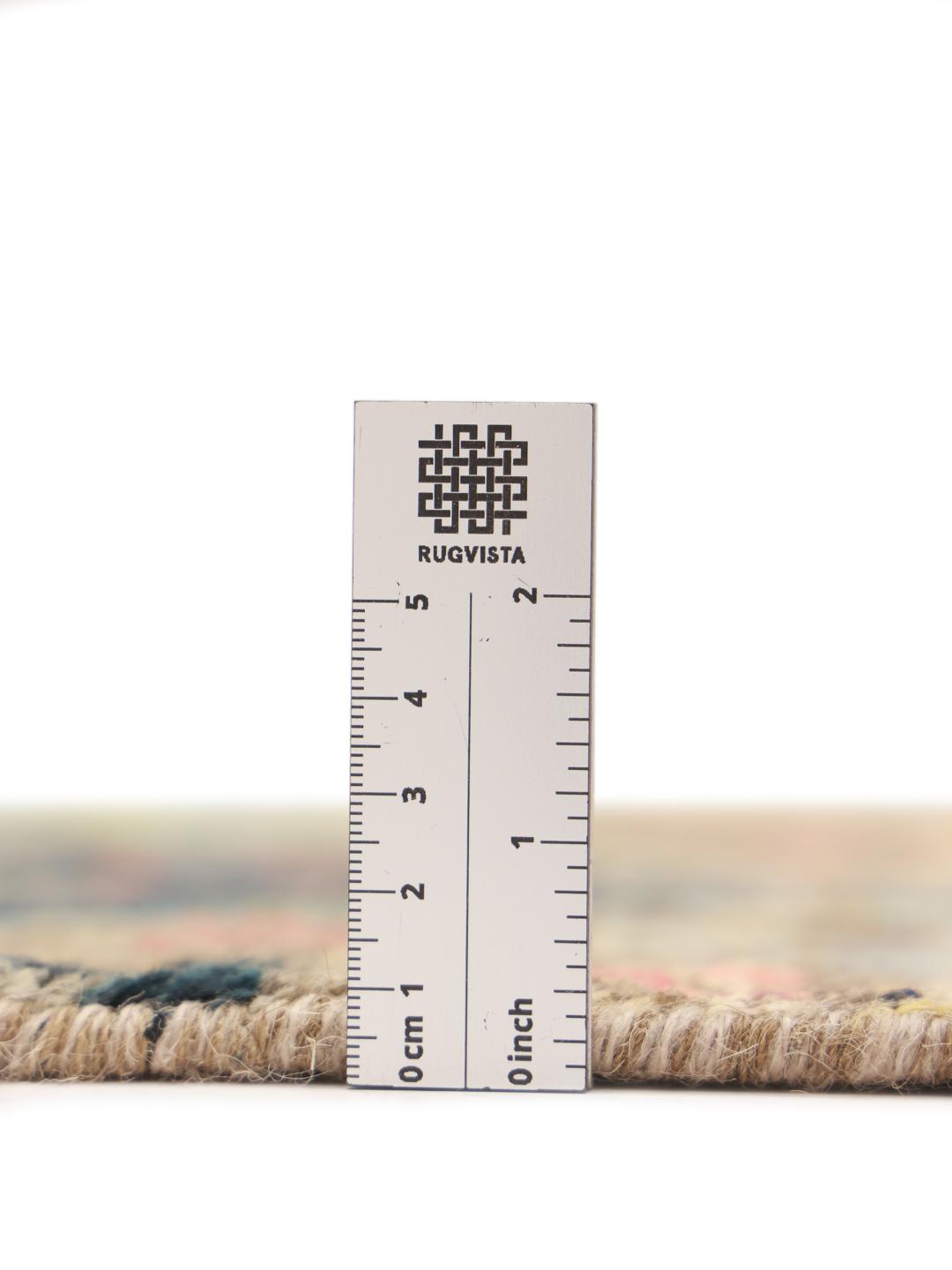
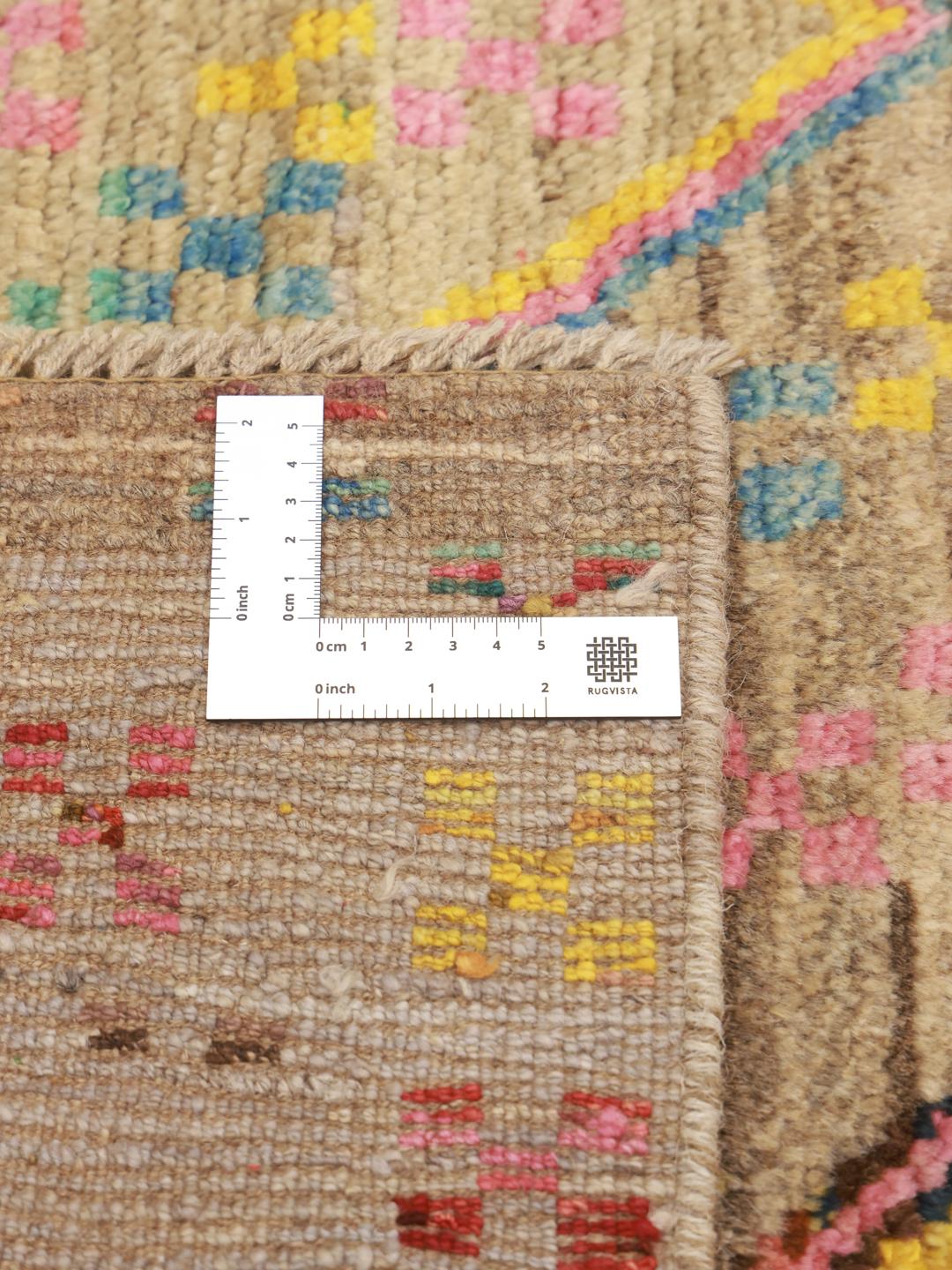
At the heart of this tradition is the use of hand-spun wool, which is valued for its inherent durability and ability to hold rich, natural dyes. When we speak of hand-knotted construction, we are referring to the practice of tying individual tufts of wool onto the foundation yarns. This is a foundational technique that distinguishes true artisanal rugs, providing a dense, luxurious texture that is far more hard-wearing than mass-produced alternatives.
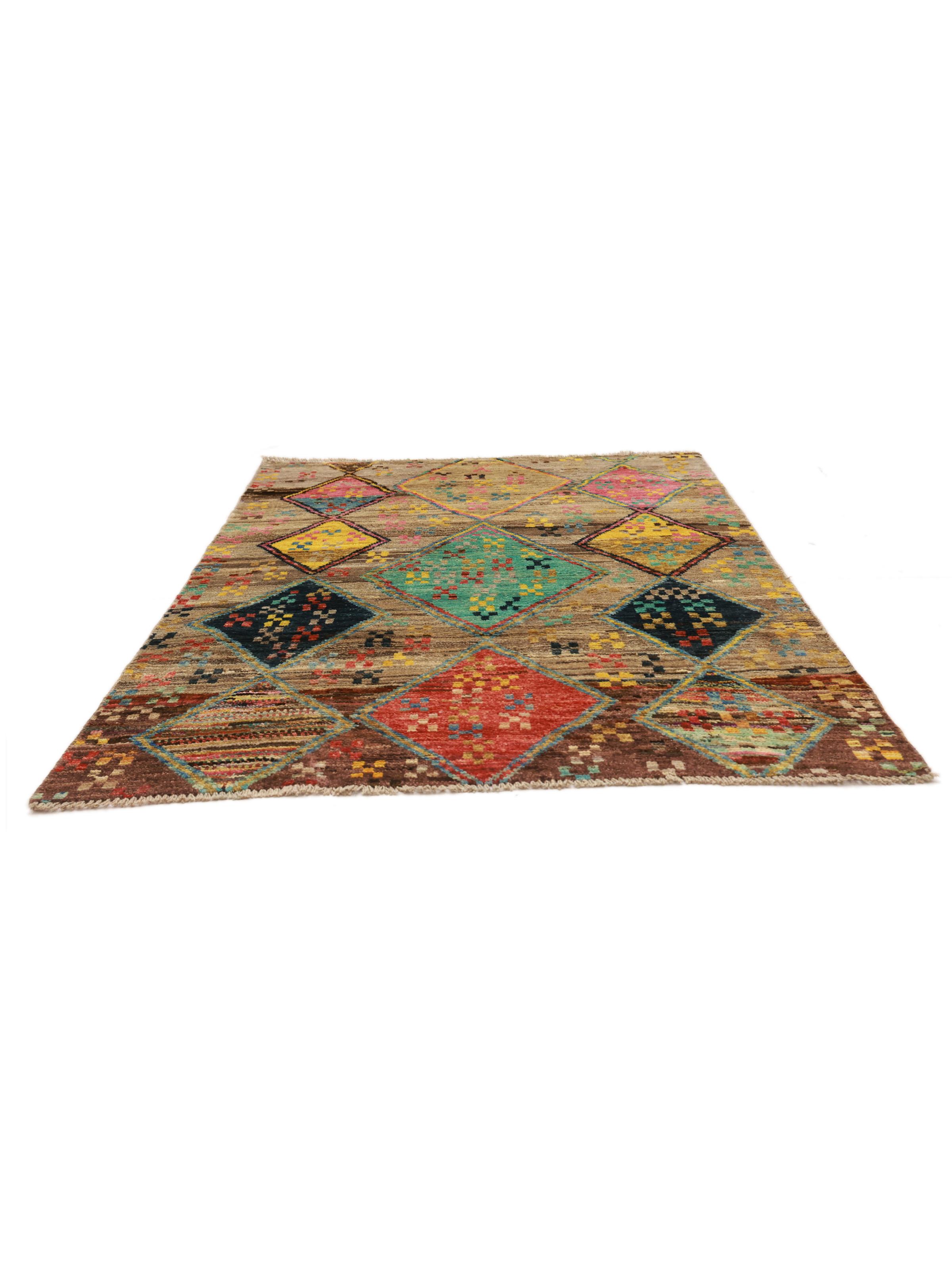
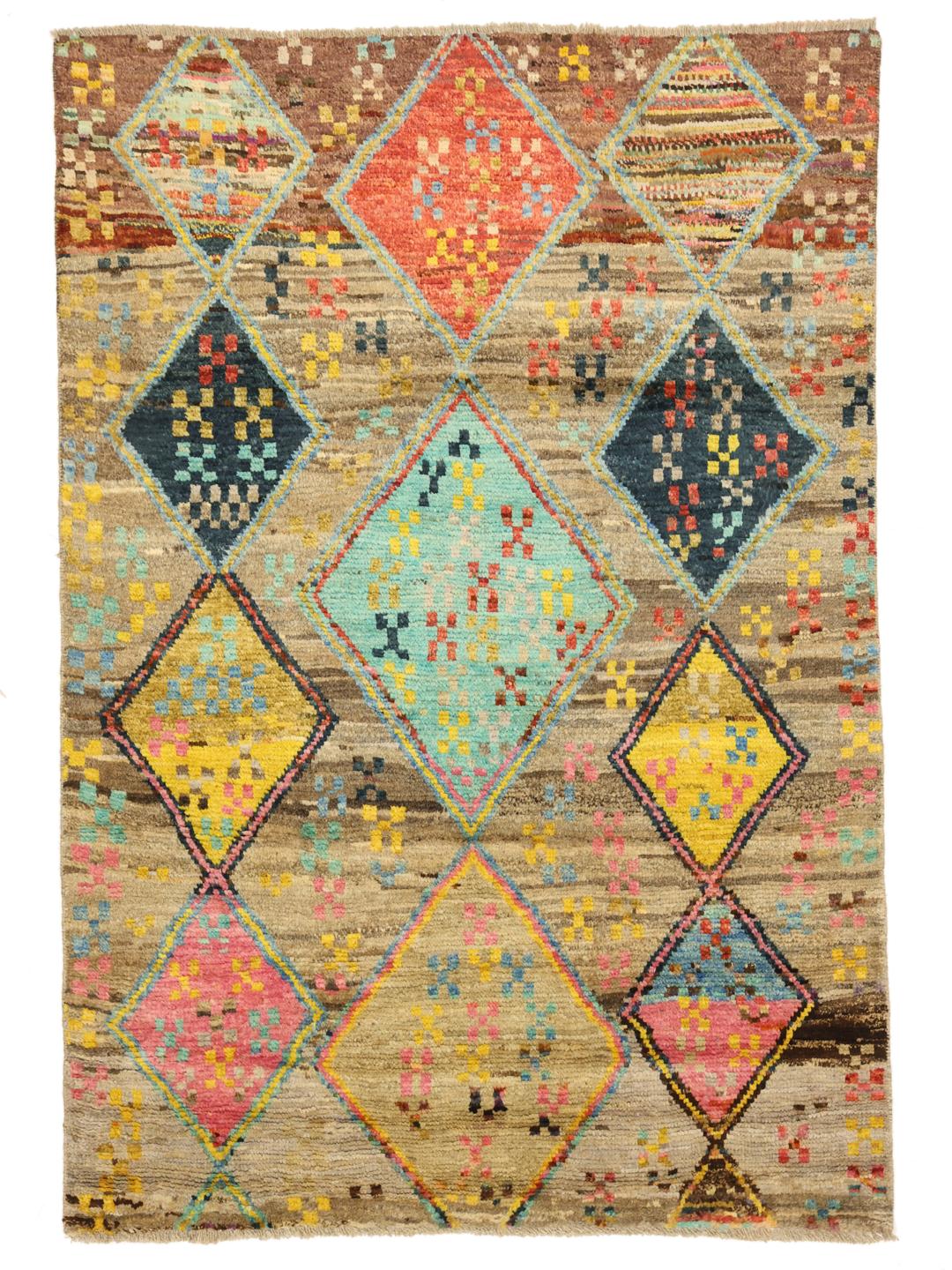
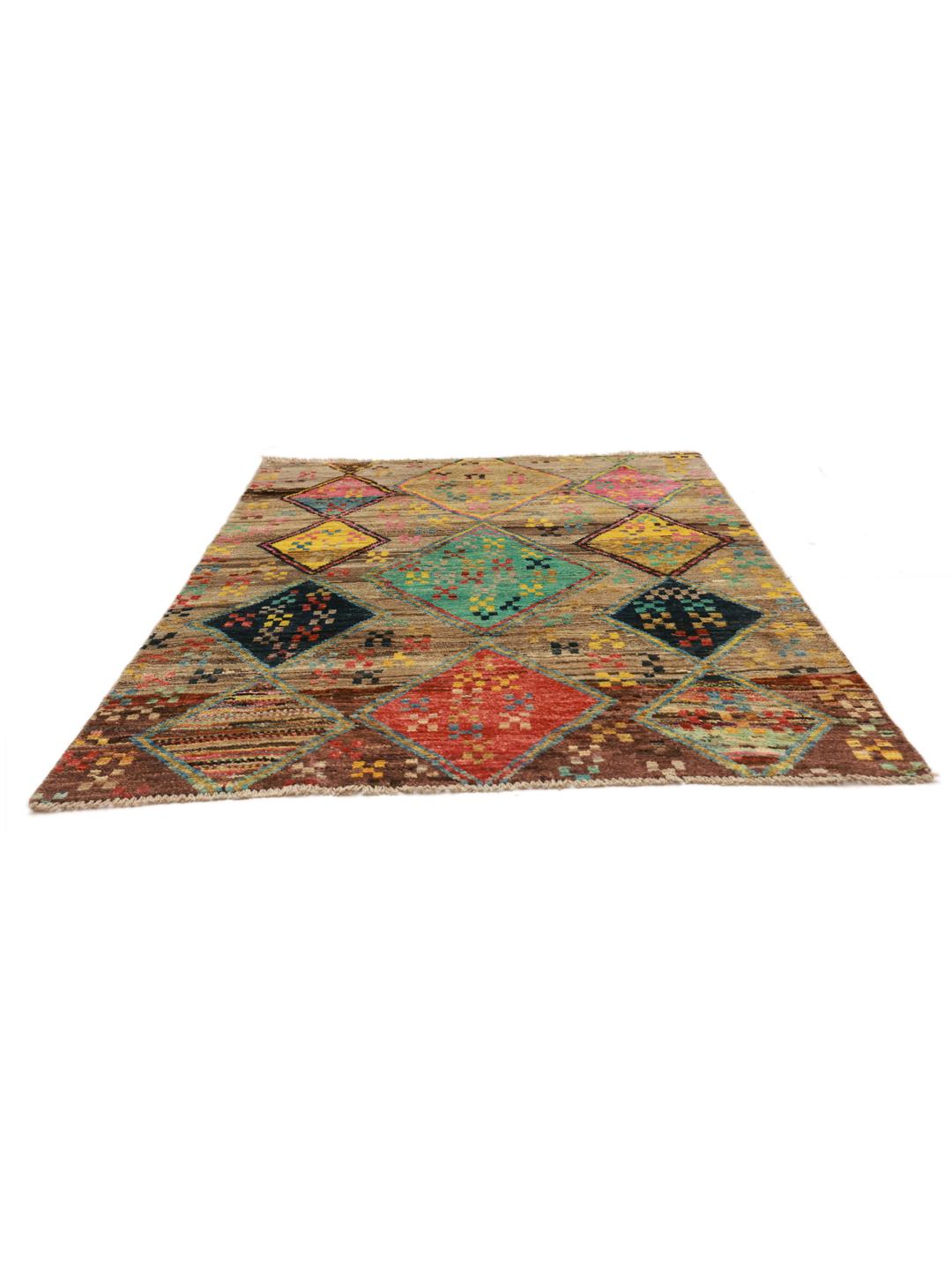
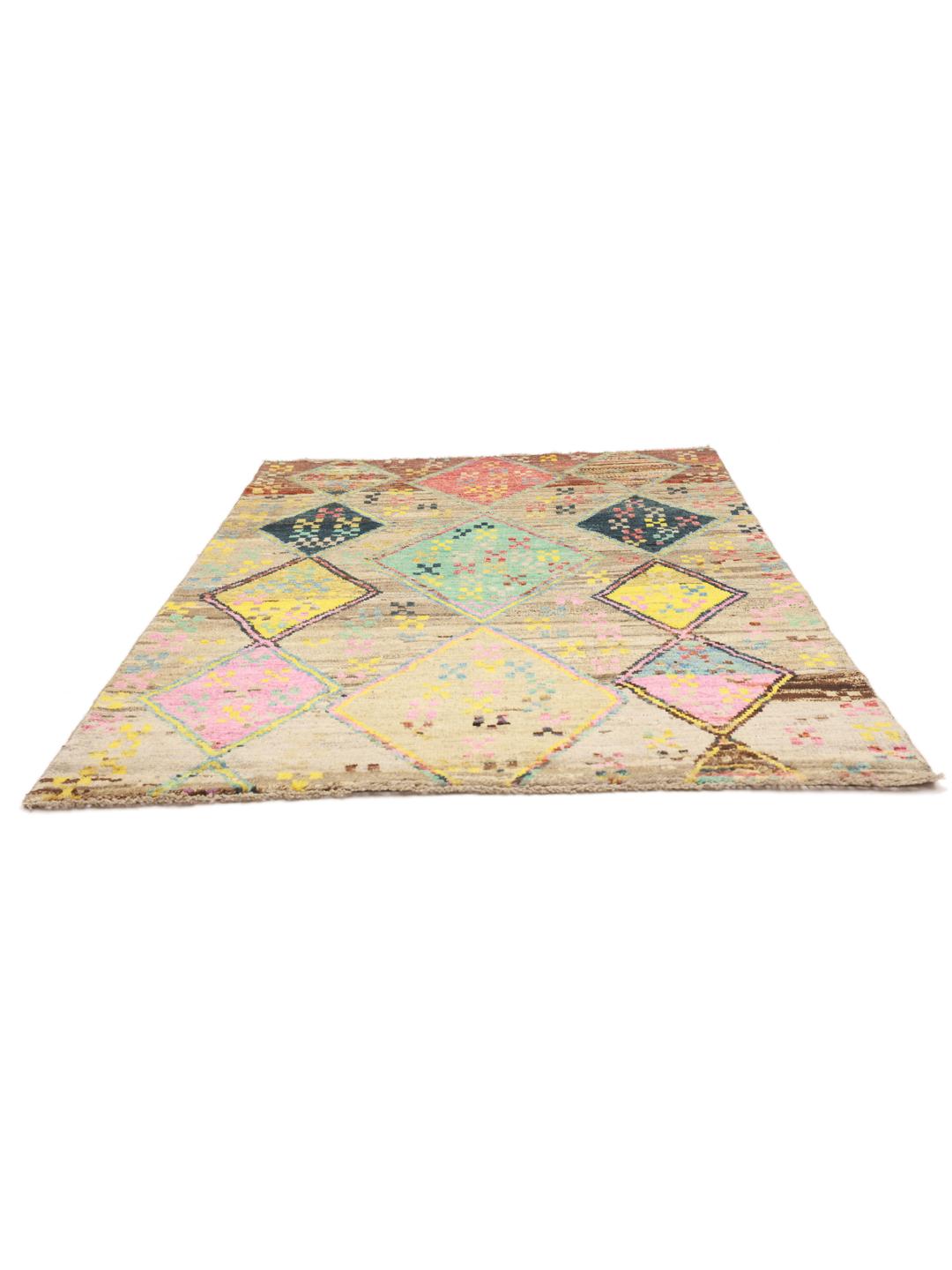
The diamond motif seen here is a classic signature of the Berber aesthetic, often symbolising protection or fertility in traditional iconography. While the patterns are rooted in ancient geometry, the vibrant colour palette featured in this rug highlights a more modern, expressive approach to the design, making it a versatile choice for contemporary homes that crave a touch of warmth.
Collecting a hand-knotted rug from this tradition is an investment in cultural heritage and human skill. Because each rug is created without a pre-printed pattern, the weaver’s own interpretation and mood are woven directly into the fabric. This makes every piece a unique record of a specific time and place, holding a level of cultural weight that elevates it from a simple floor covering to a cherished heirloom.