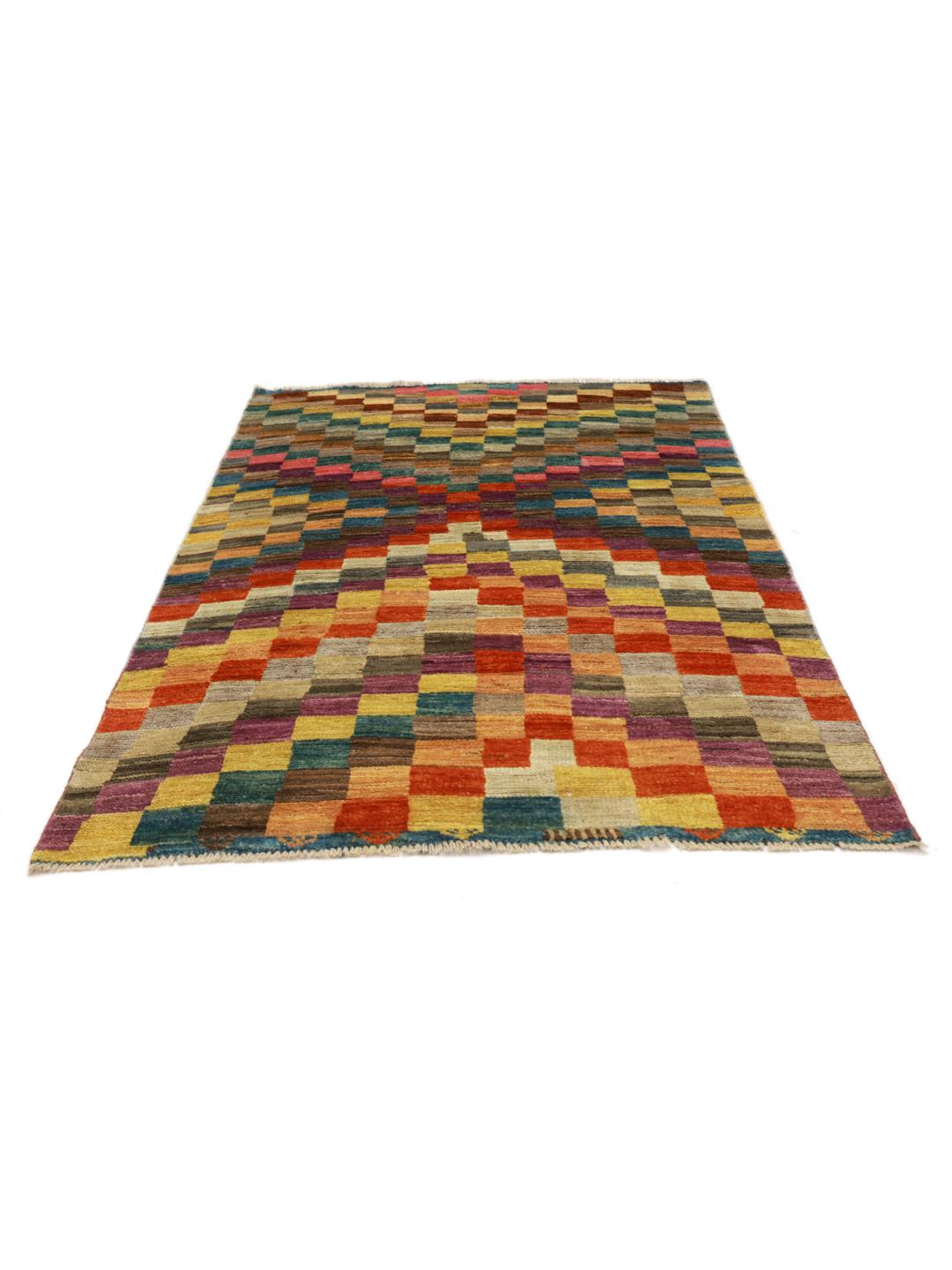
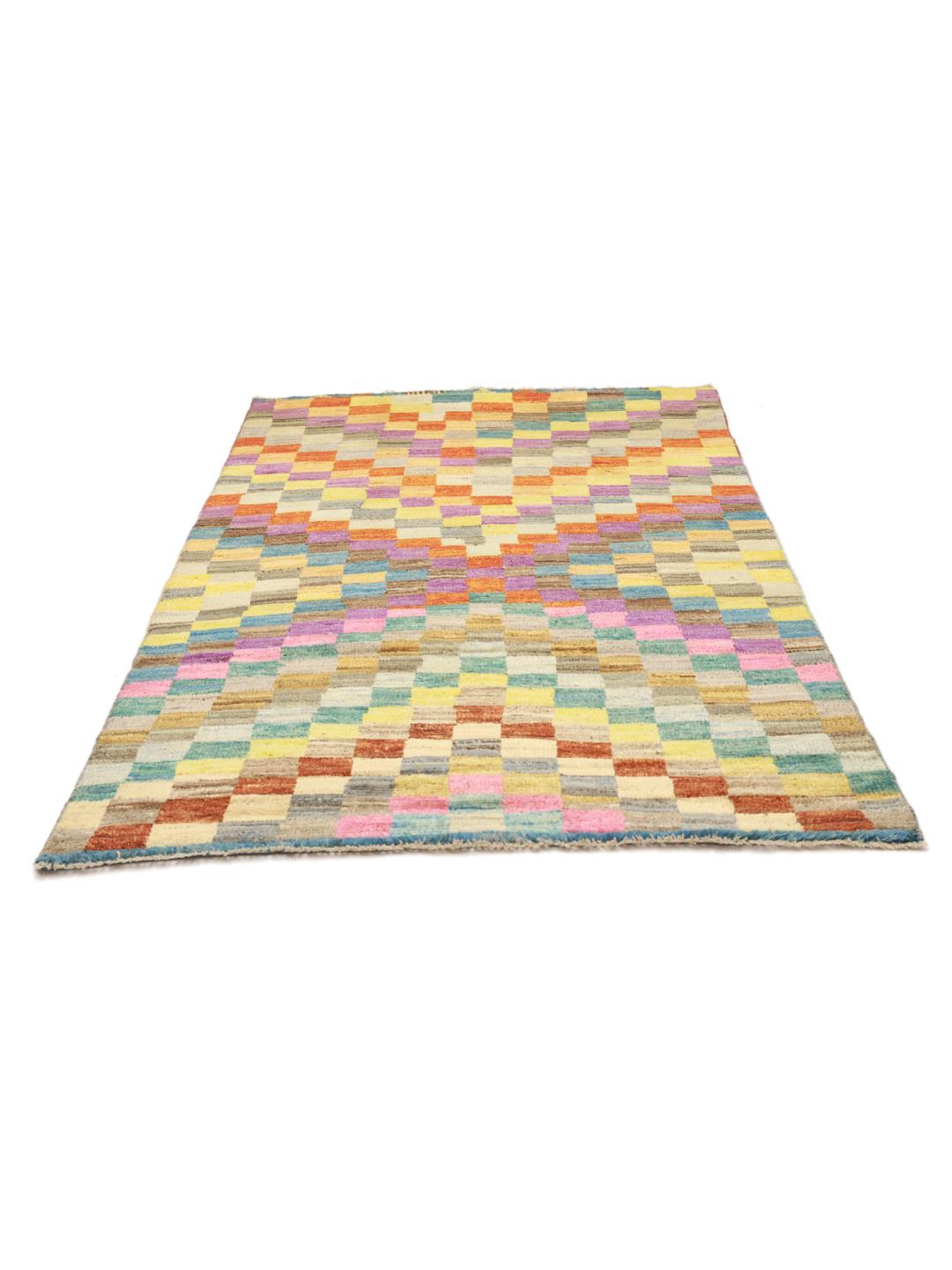
Berber rugs are deeply rooted in the traditions of North African and Central Asian weaving, known for their honest, geometric expressions and connection to the nomadic lifestyle. While the Berber style is historically associated with the Atlas Mountains, the influence of these designs has travelled across the globe, finding a vibrant new home in the workshops of Afghanistan. This migration of style has allowed artisans to interpret classic motifs through a new lens, blending heritage techniques with contemporary design needs.
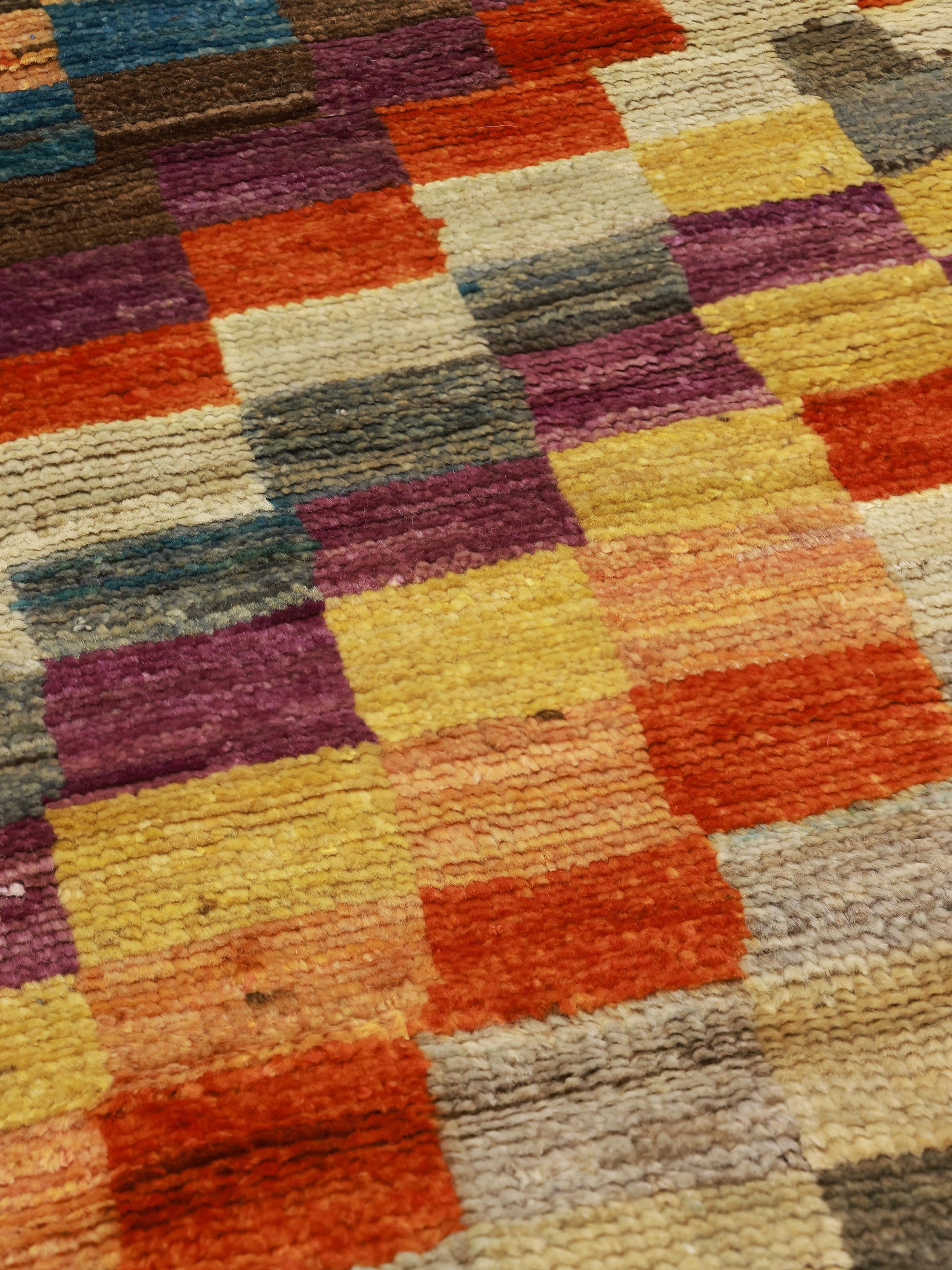
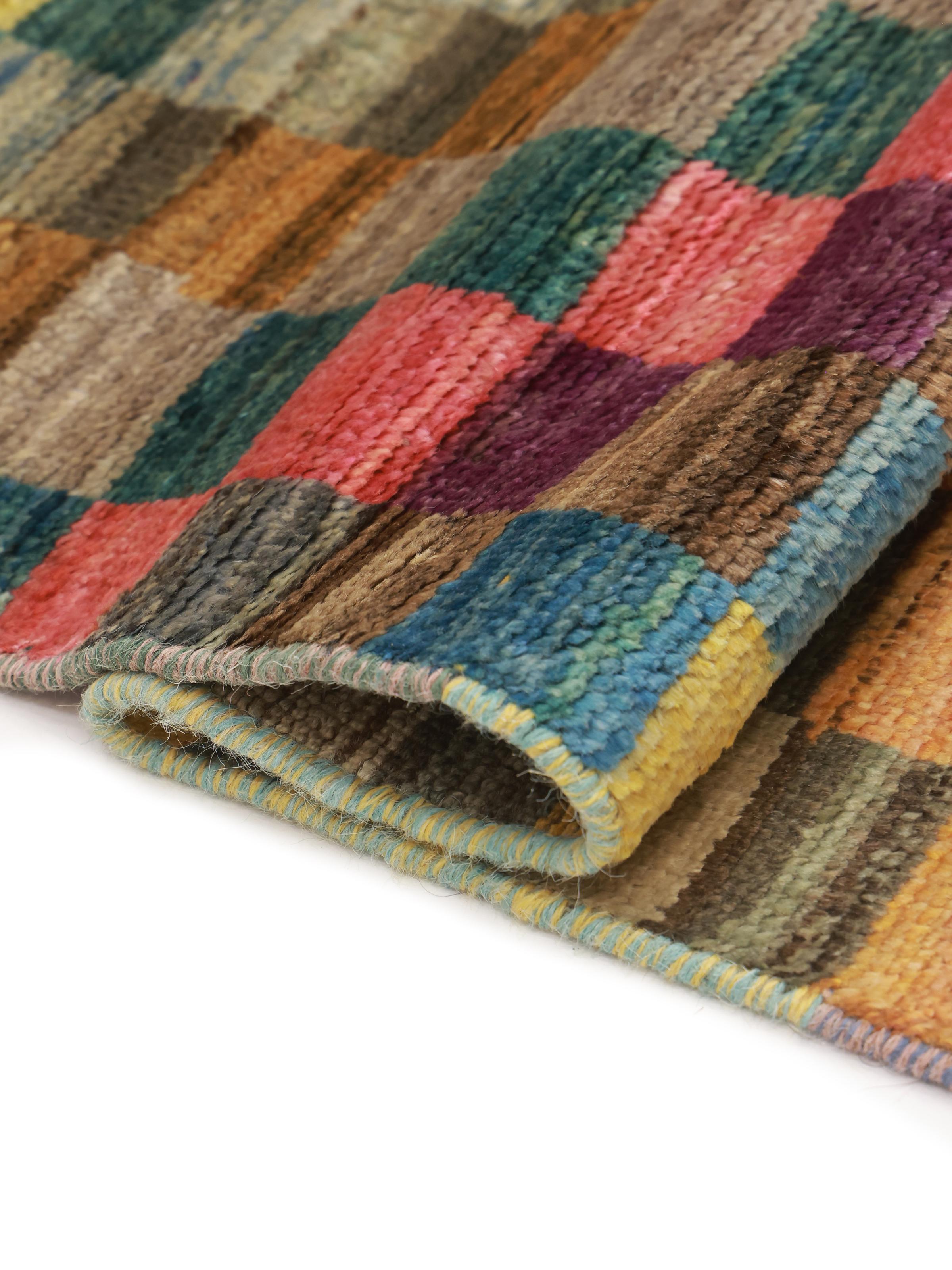
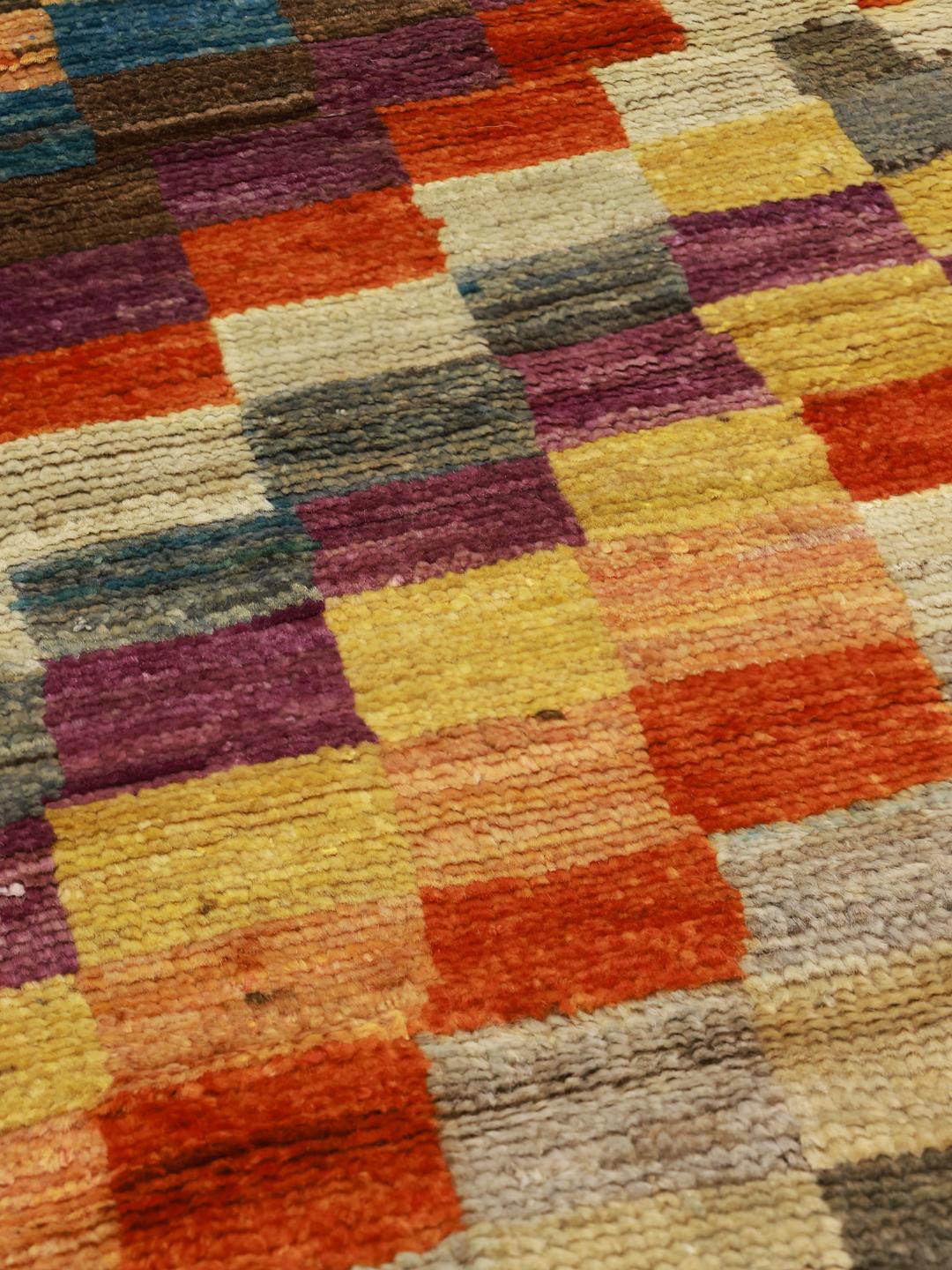
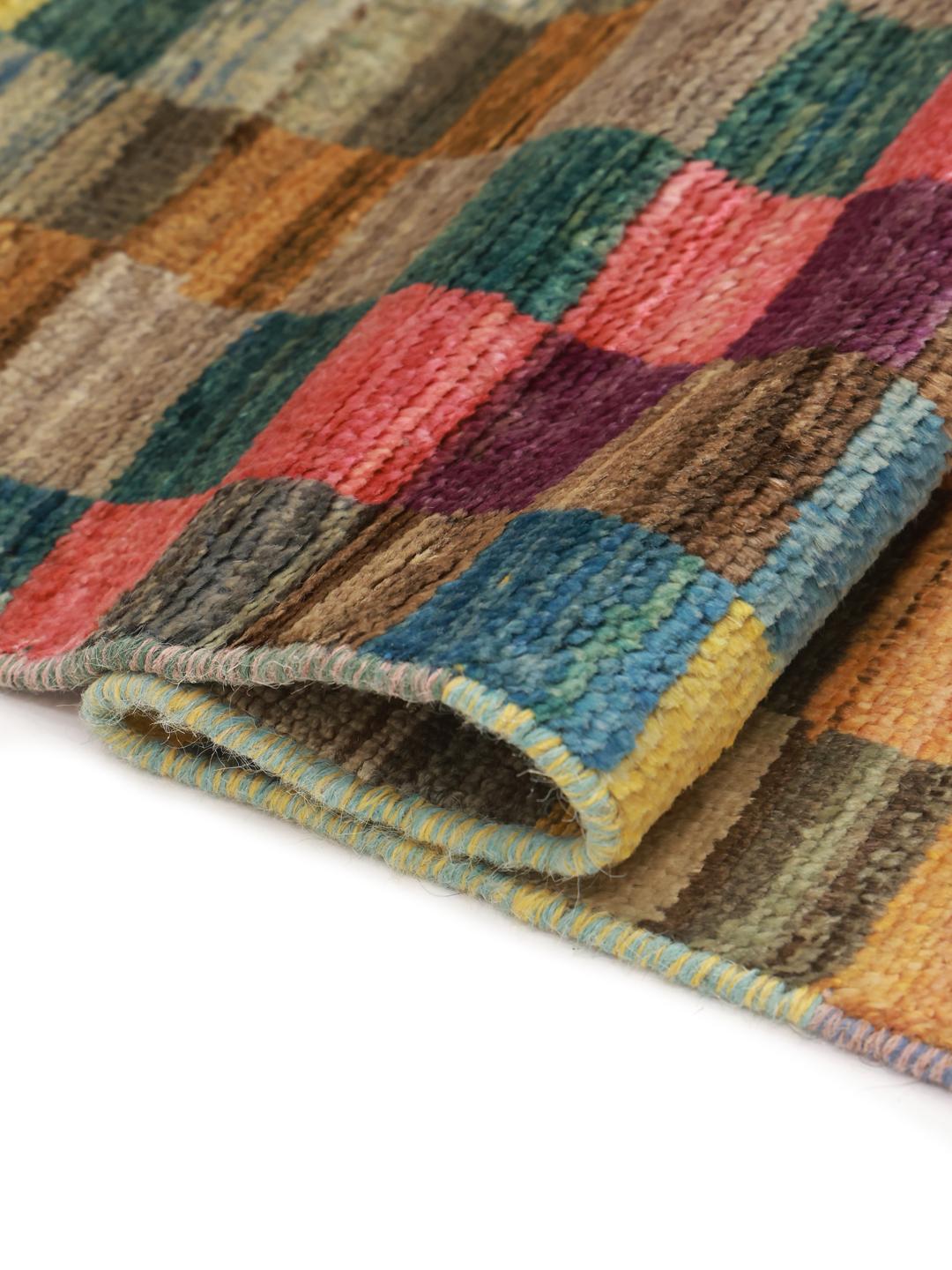
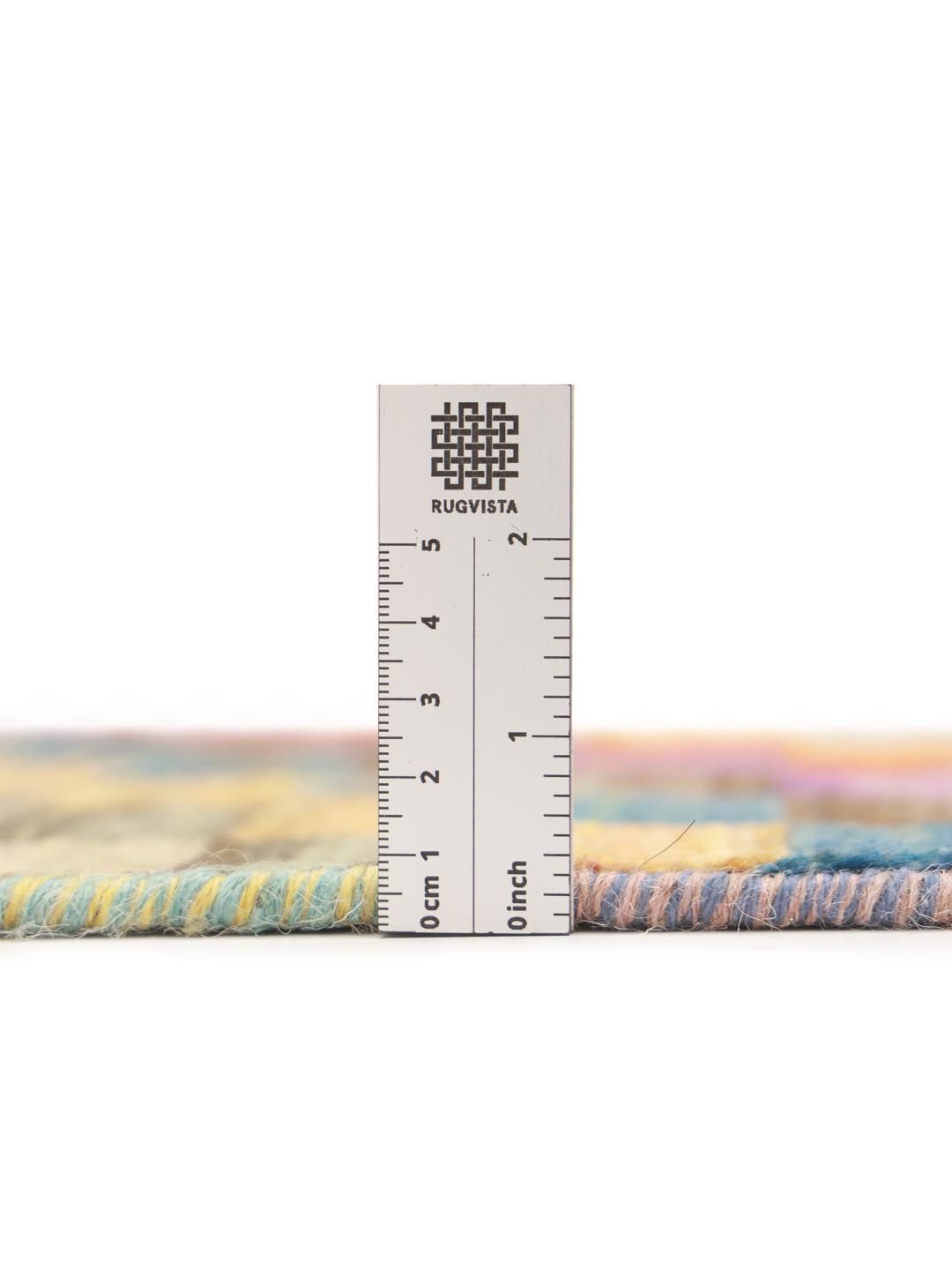
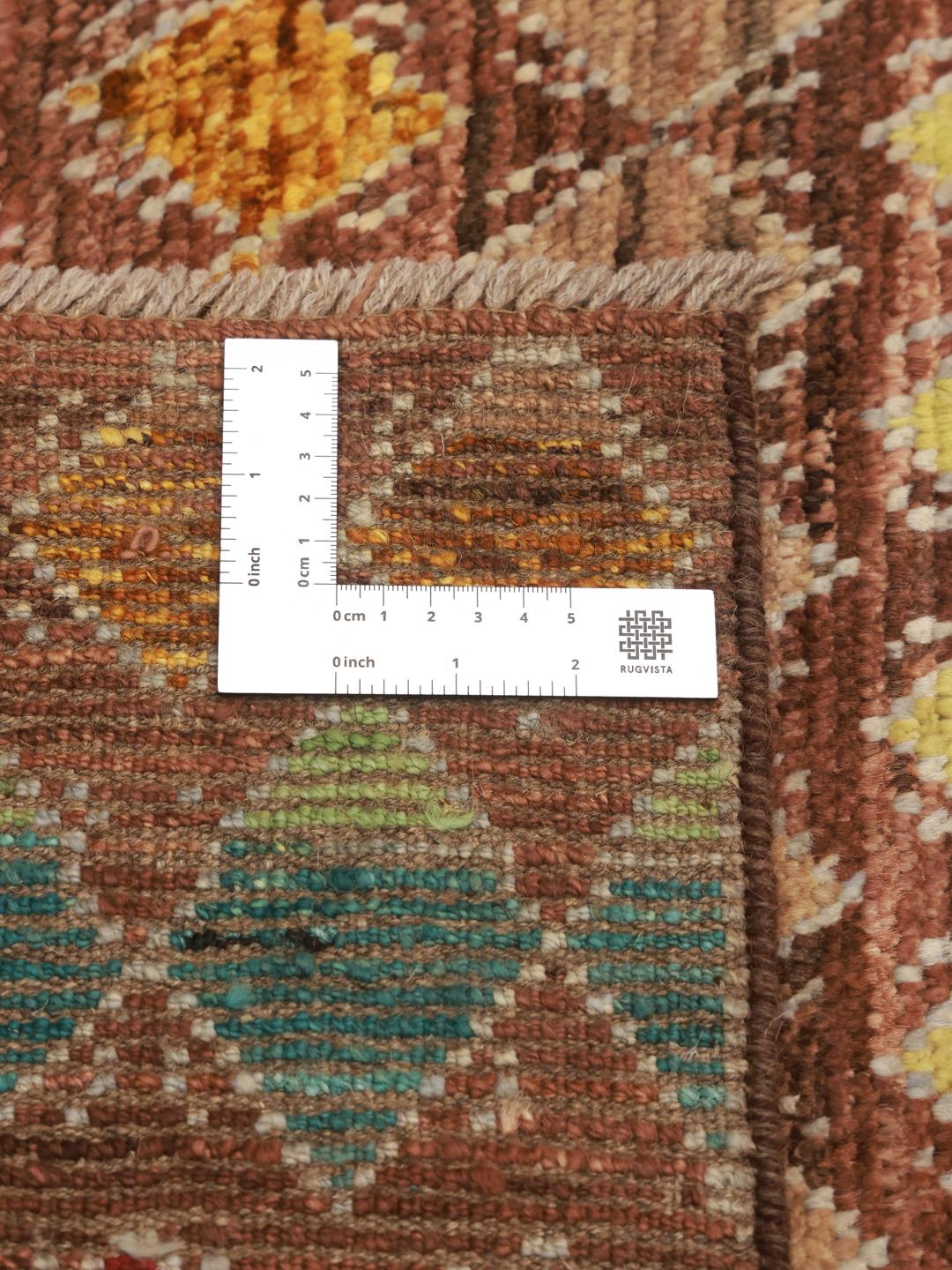
The term 'hand-knotted' refers to the most traditional and labour-intensive method of rug making, where every single strand of wool is tied by hand around the warp threads. This technique is the hallmark of quality, as it allows for intricate detailing and a durable, long-lasting pile that is far superior to mass-produced alternatives. For the owner, this means a rug that is not only beautiful but structurally designed to withstand the test of time.
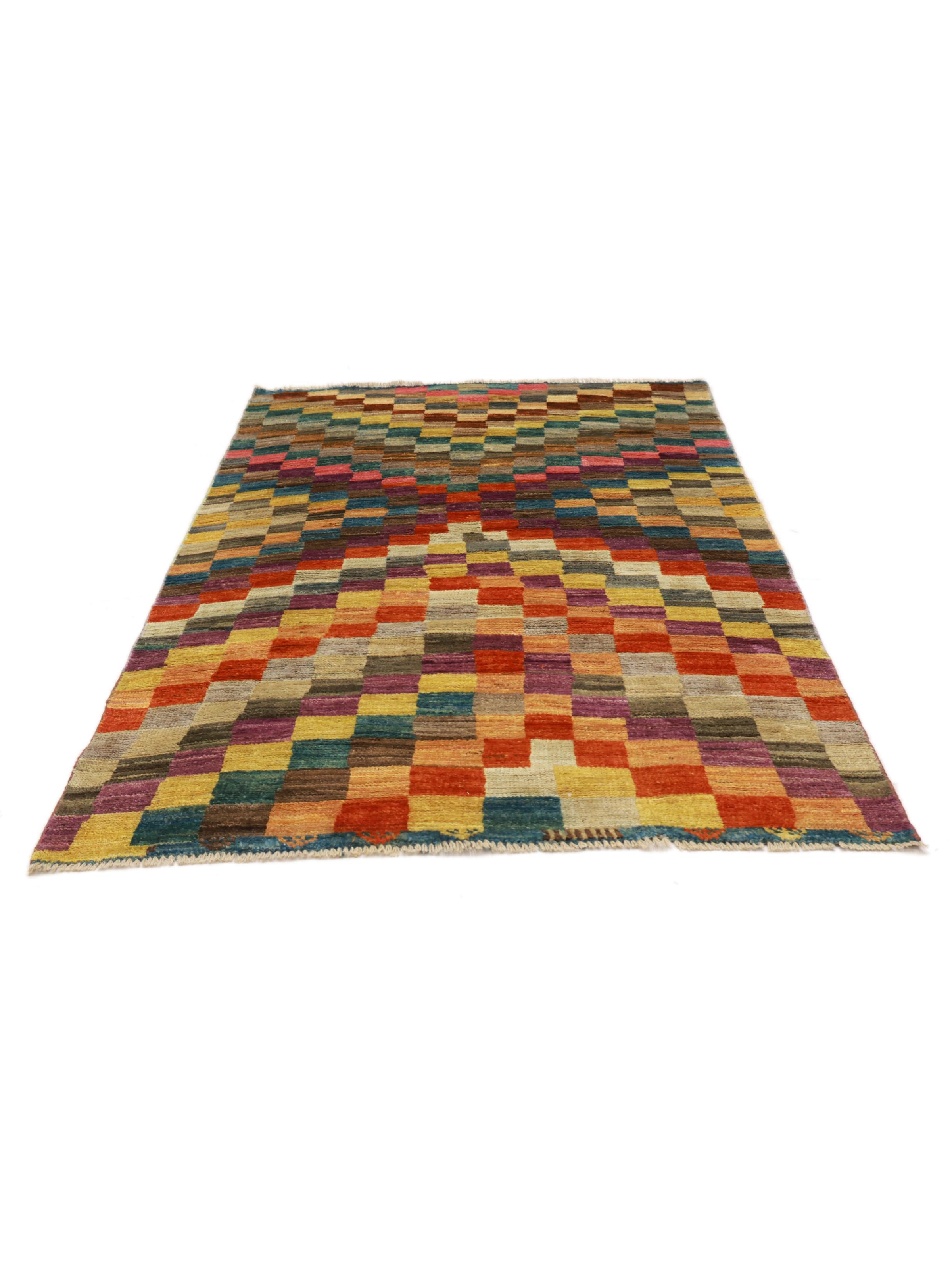
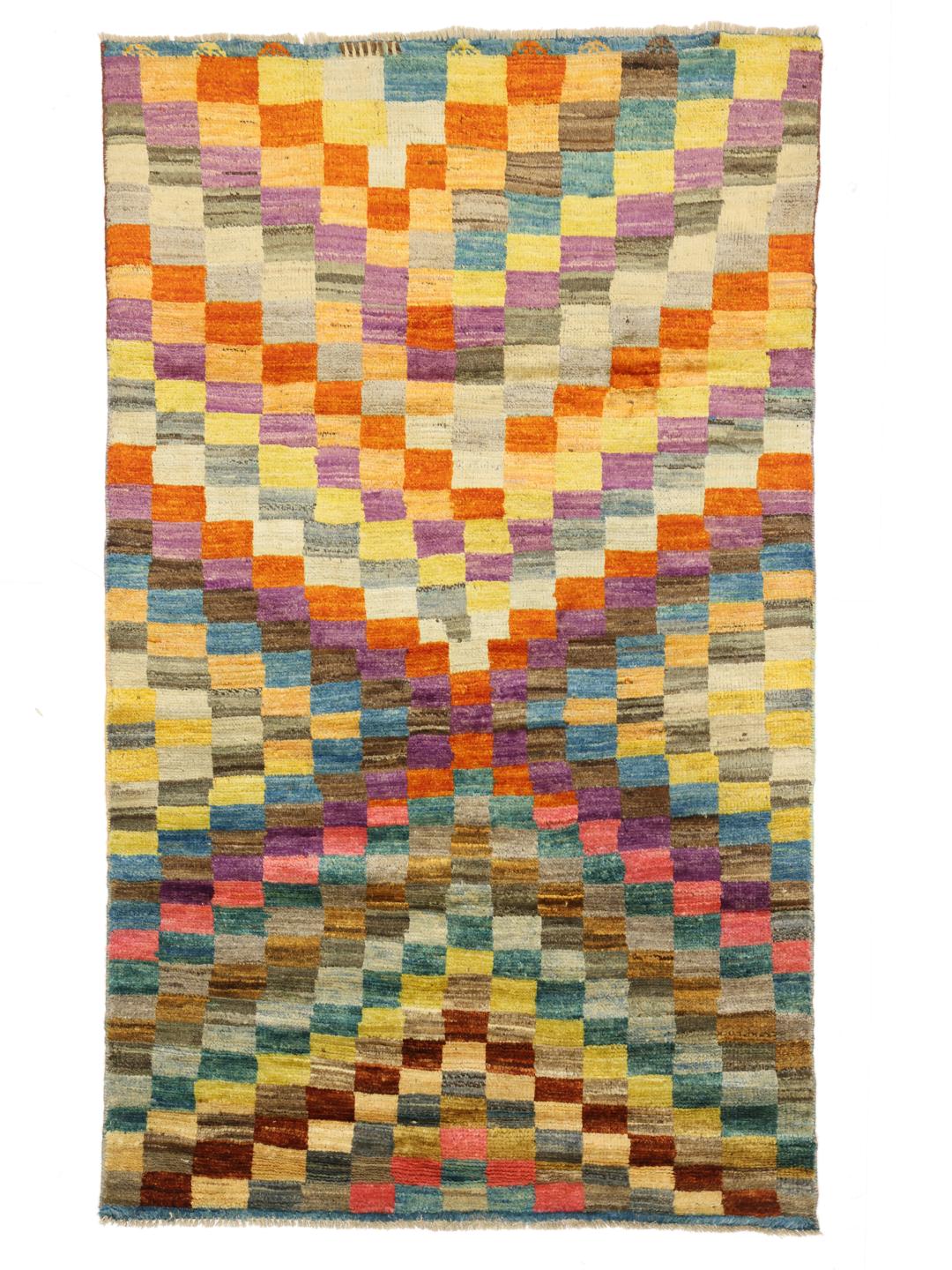
Signature design elements of these rugs often include bold, repeating geometric patterns and a rich, saturated use of colour. The checkered motif seen here is a classic, yet its execution in this specific, multicoloured arrangement makes it a standout piece. Unlike industrial rugs that rely on digital precision, the slight variations in the hand-knotted pattern add a human touch, making each rug feel alive and perfectly imperfect.
These rugs are highly valued by collectors and design enthusiasts for their cultural weight and the skill required to produce them. Owning a piece like this is more than just a decor choice; it is an appreciation of a craft that values human hands over mechanical speed. It represents a bridge between history and modern living, offering a sense of heritage that brings warmth and depth to any contemporary home.