The tradition of rug weaving in Afghanistan is deeply rooted in the cultural history of the Middle East. Over centuries, these techniques have been refined, blending nomadic influences with settled craft traditions. Today, Afghanistan is recognised for producing some of the most characterful rugs in the world, often utilising locally sourced Wool and traditional methods that have remained largely unchanged for generations.
The term 'Berber' in this context refers to the artistic style that draws inspiration from indigenous, tribal, and abstract aesthetics. These rugs are celebrated for their expressive, often spontaneous designs that prioritise personal and cultural storytelling over rigid, symmetrical patterns. This approach results in pieces that feel fresh, modern, and inherently human, reflecting the creative spirit of the artisan.
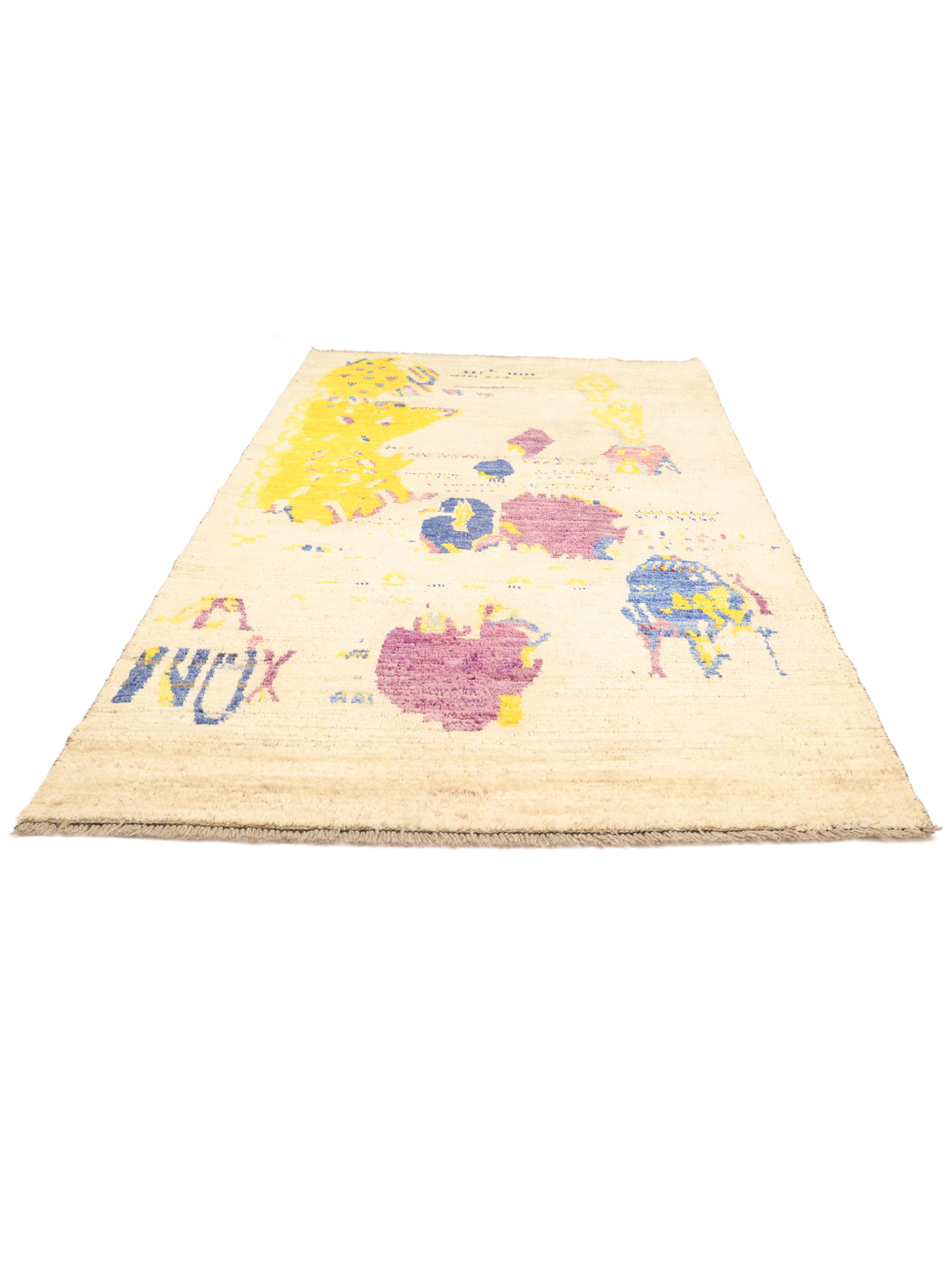
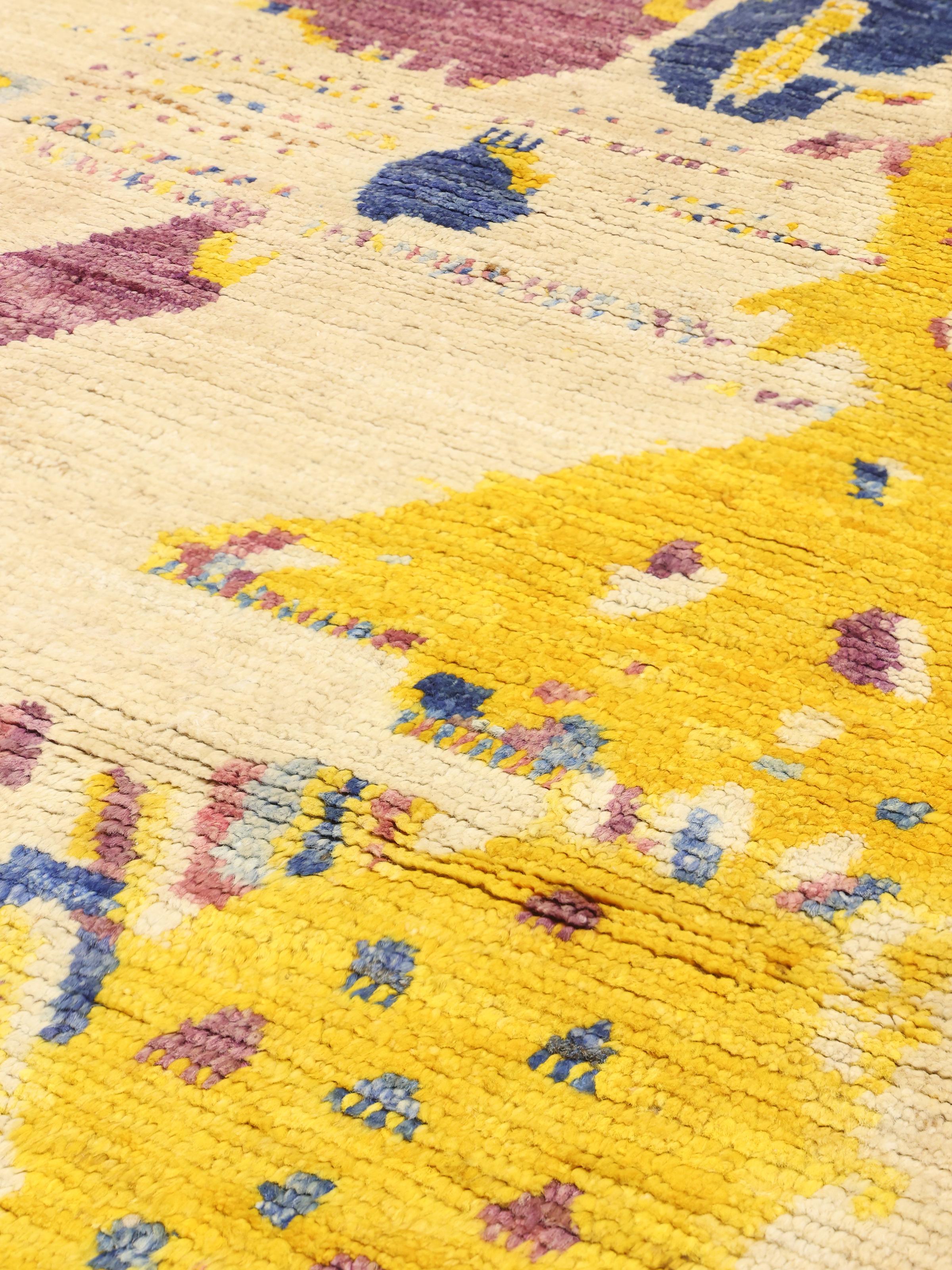
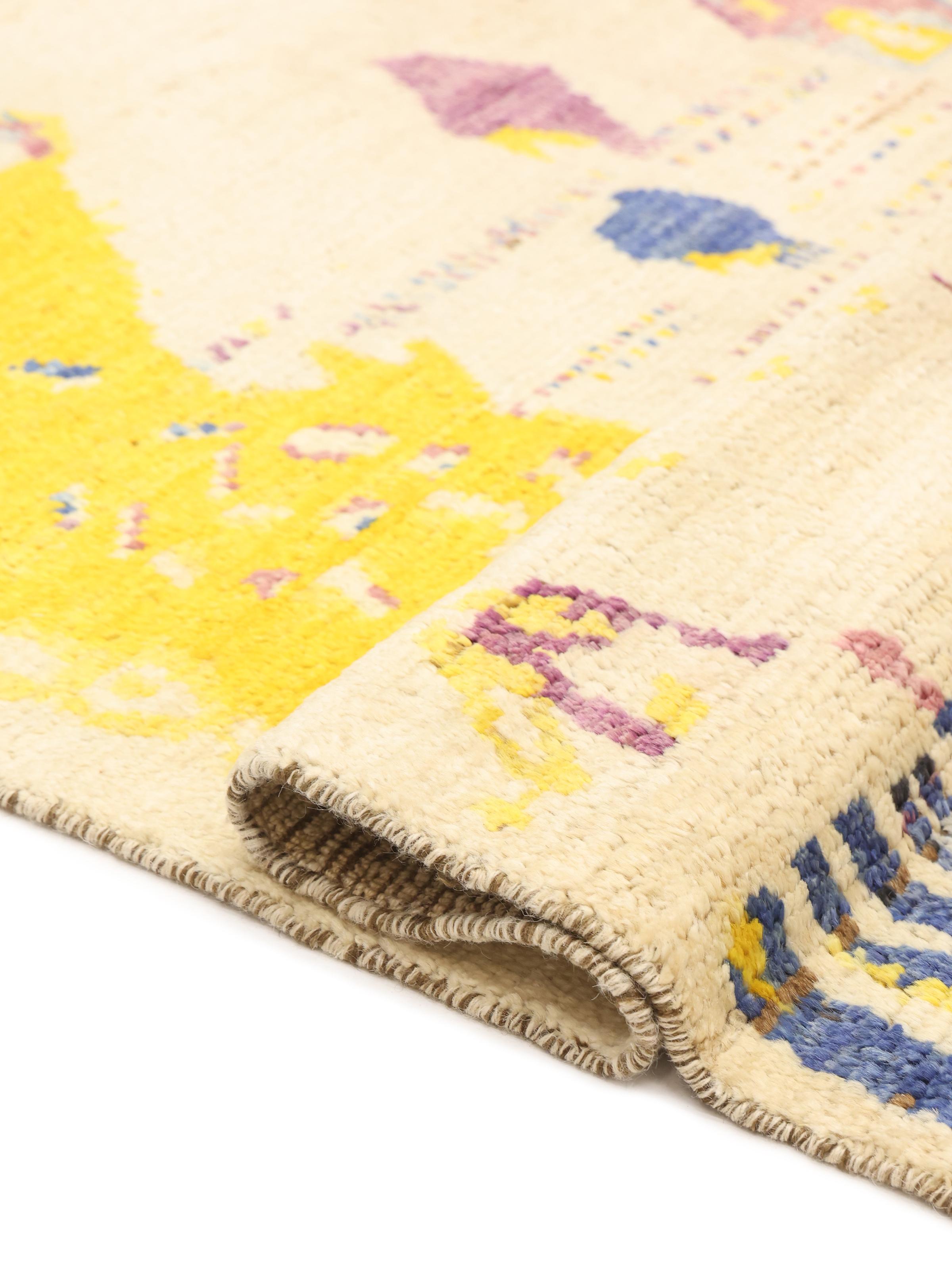
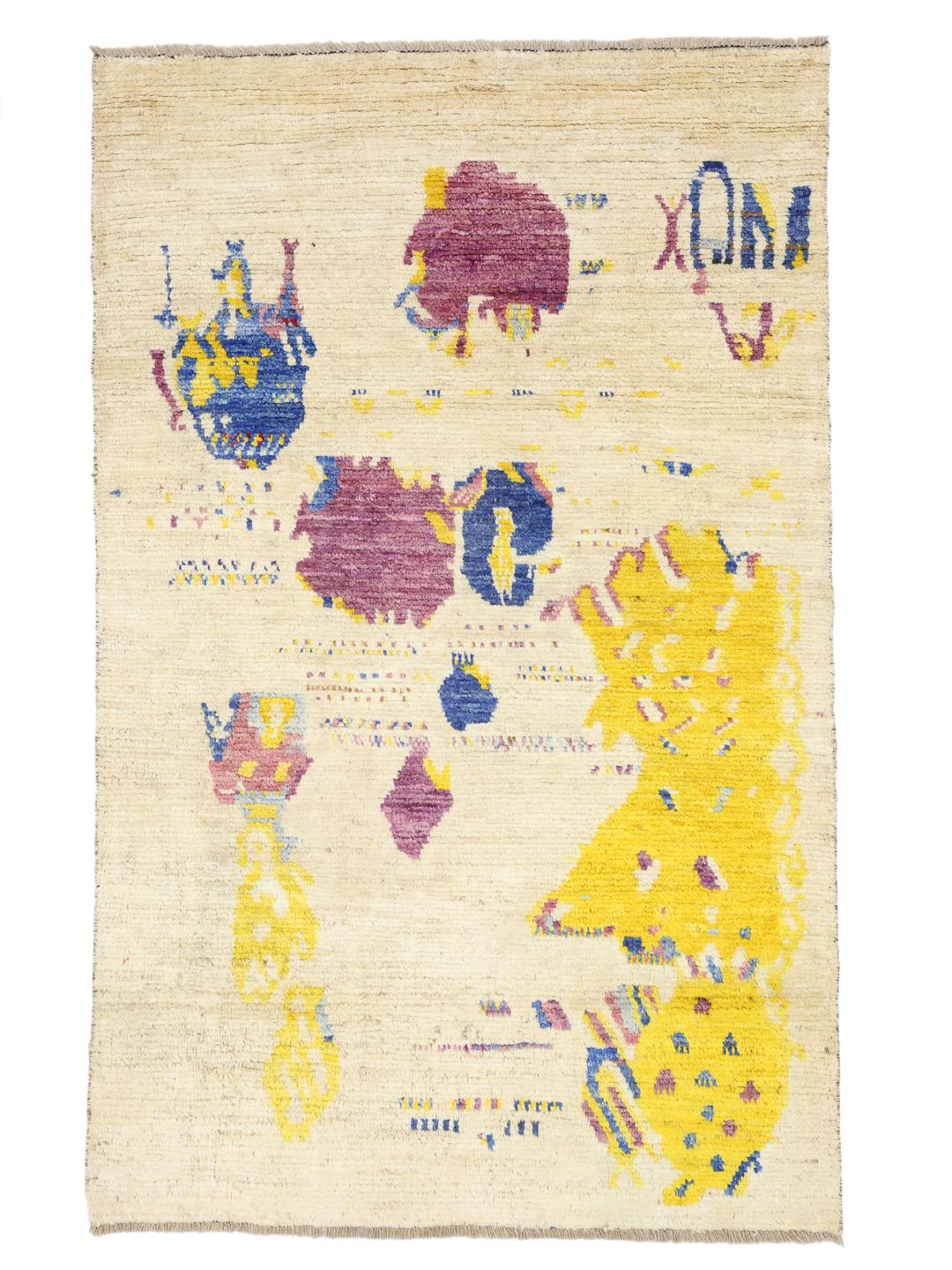
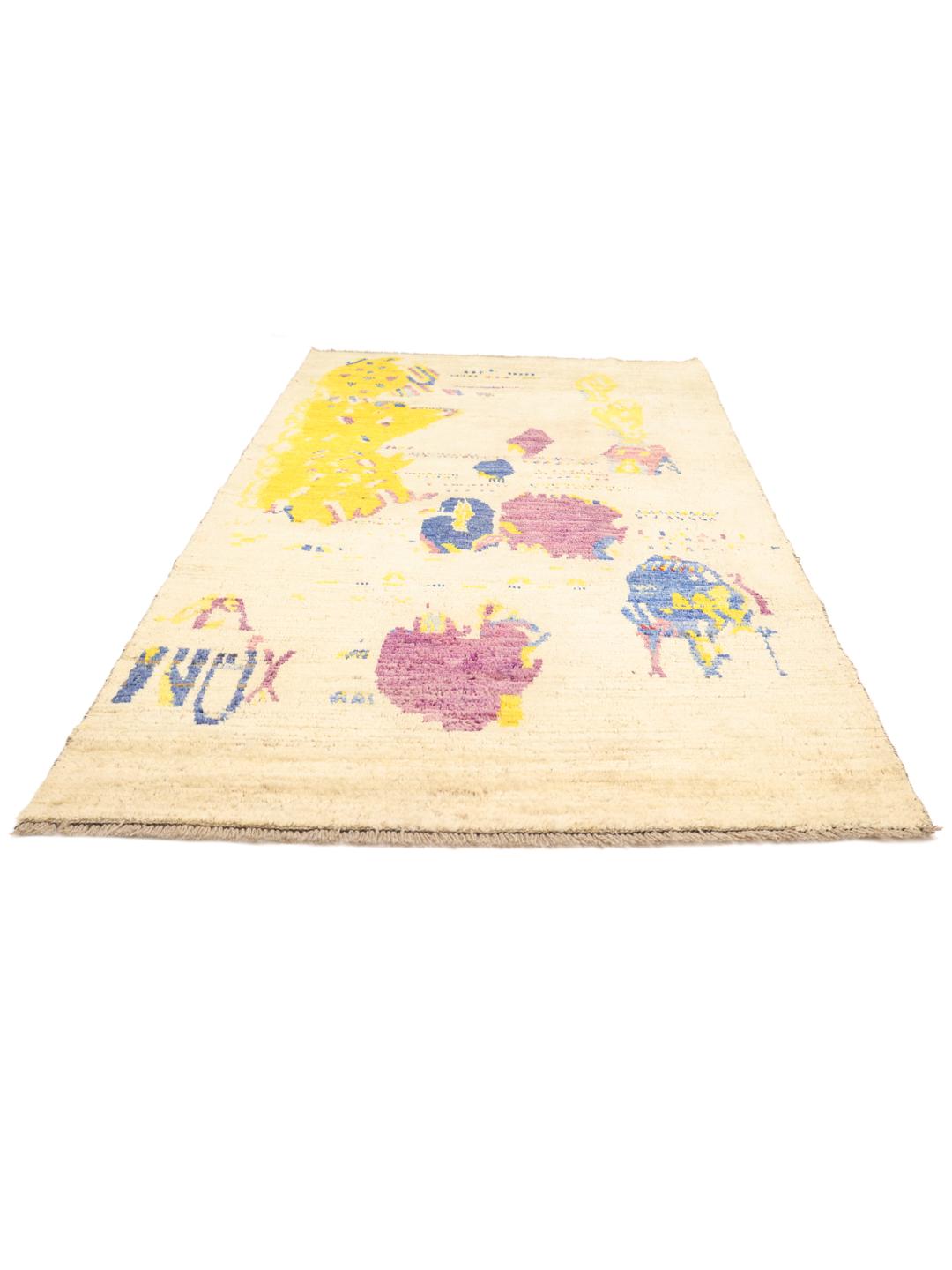
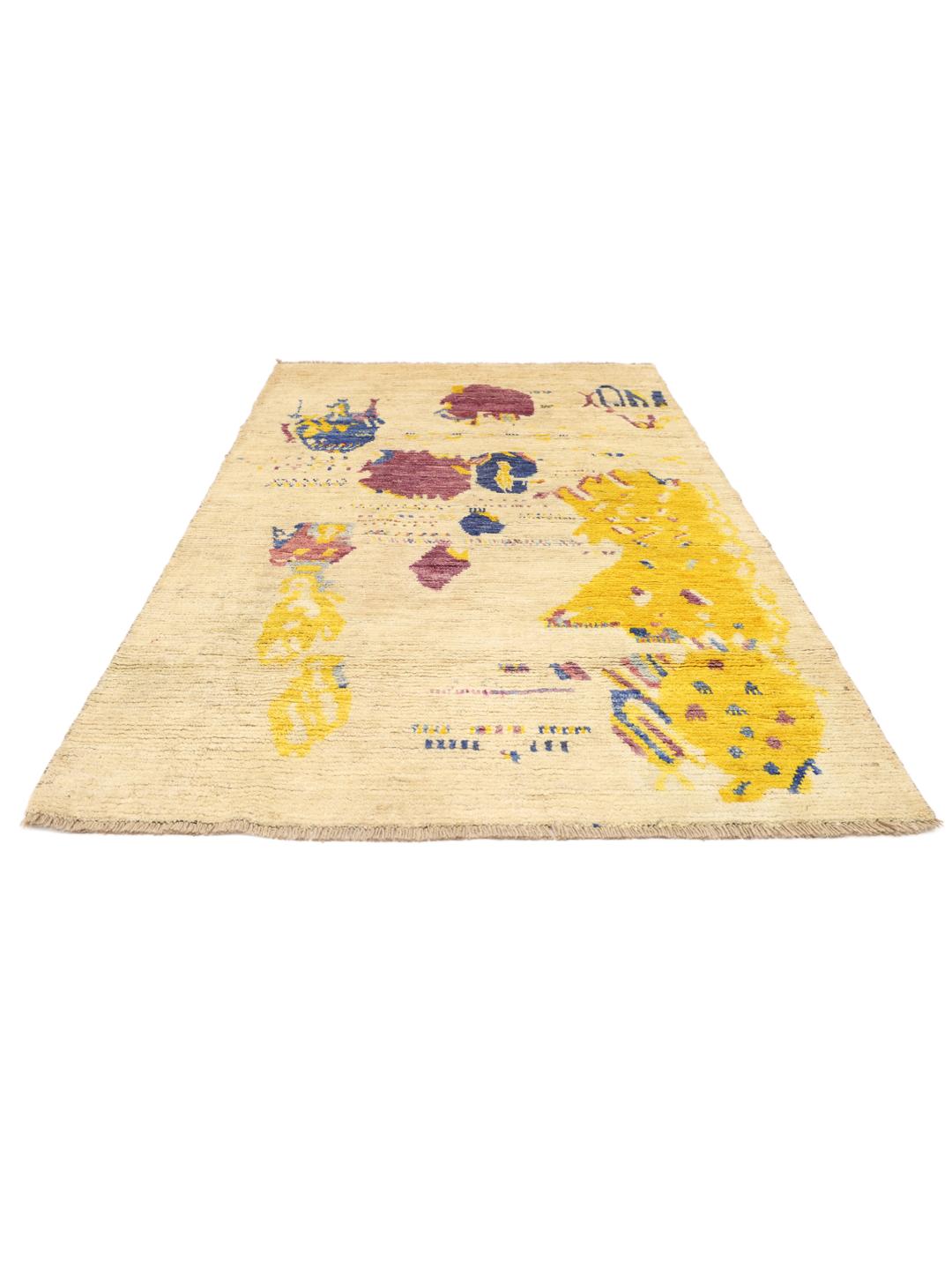
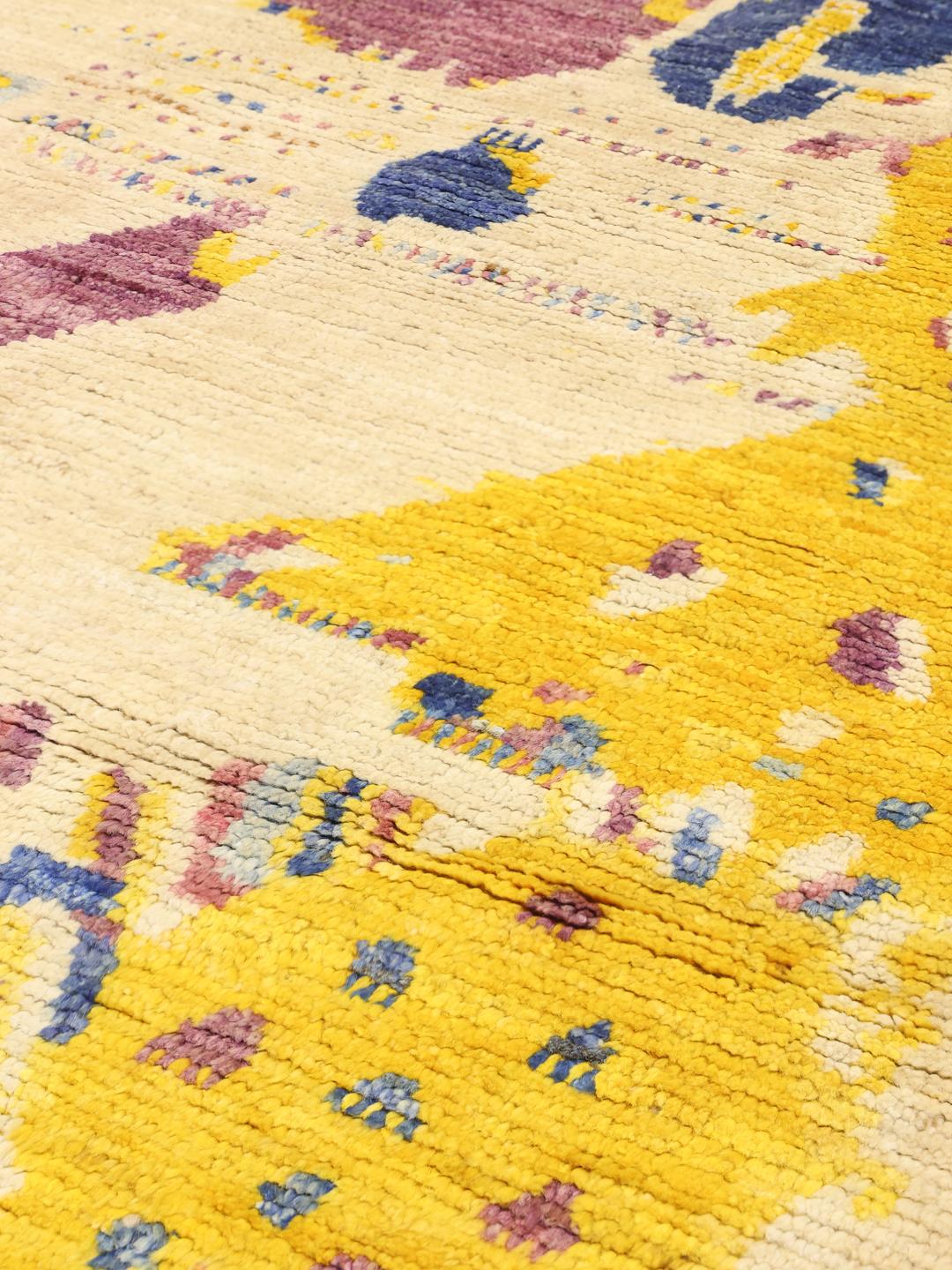
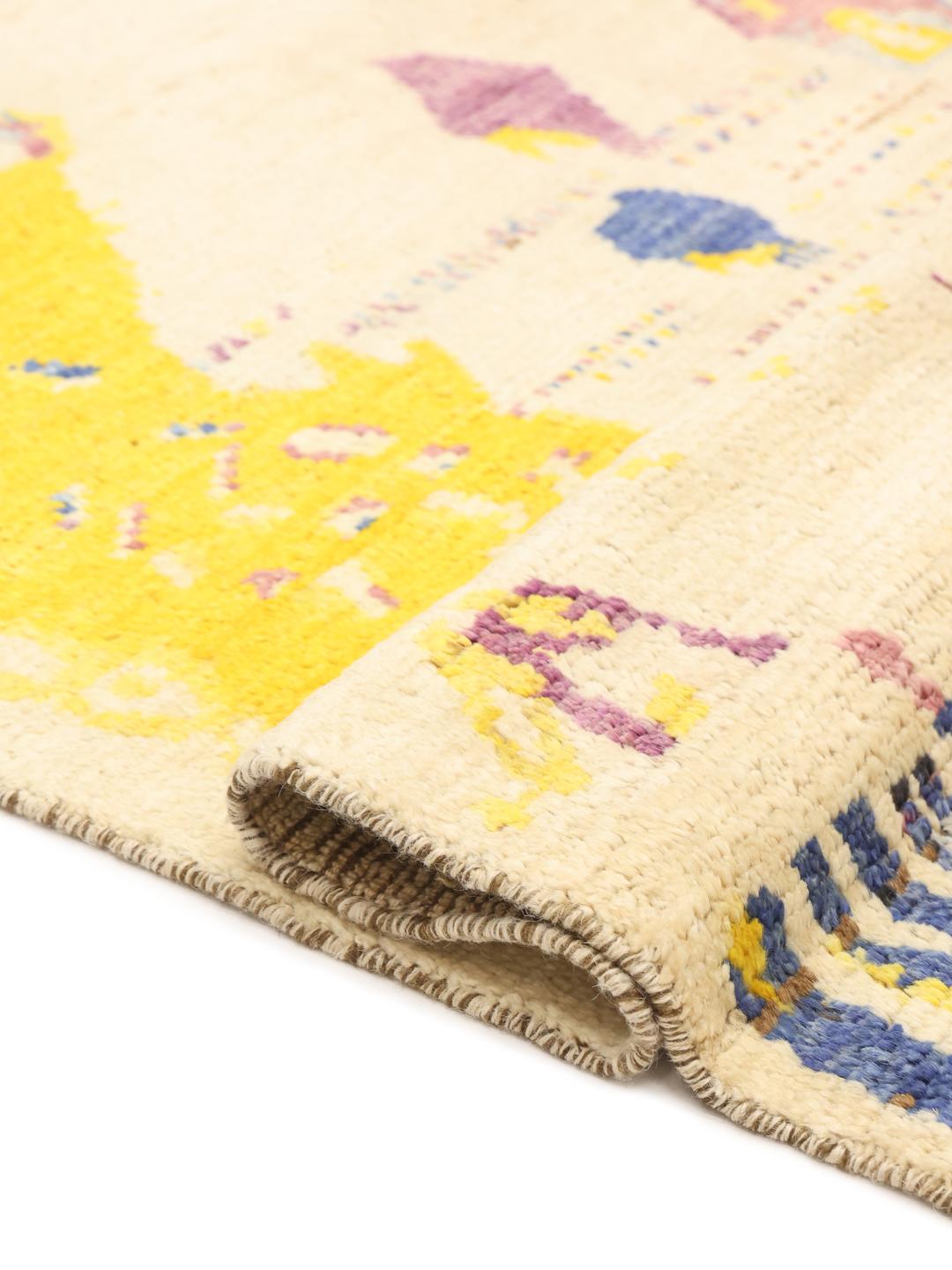
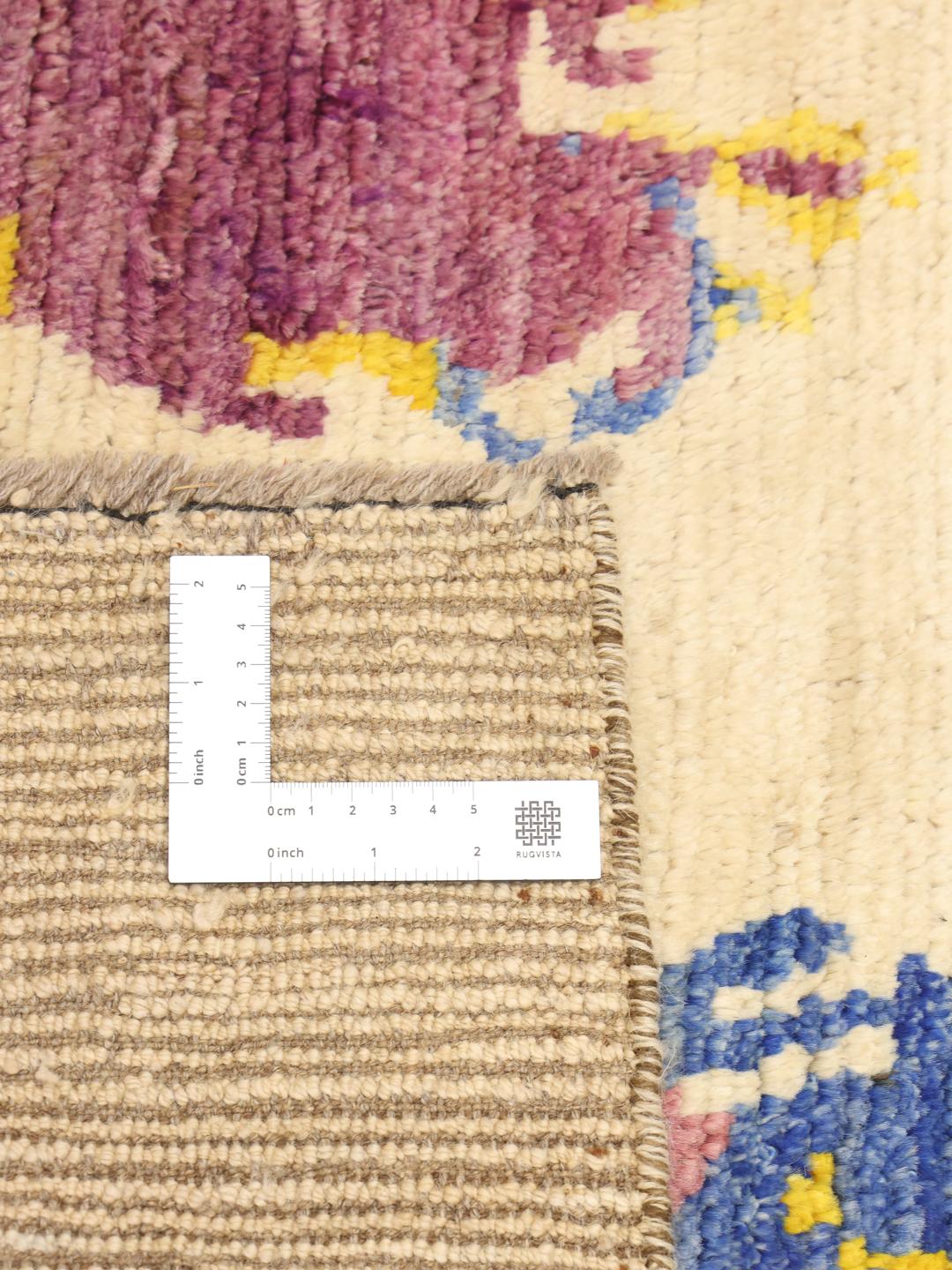
Visually, these rugs are defined by their bold use of colour and abstract, often playful motifs. Unlike more formal, medallion-centric designs found in other regions, this tradition embraces asymmetry and a more organic flow. The use of vibrant hues against a natural Wool backdrop is a signature look that highlights the richness of the dyes and the texture of the hand-spun fibres.
Collecting a rug from this tradition is an act of preserving a tangible piece of cultural heritage. Because each rug is an individual creation, it carries the unique 'handwriting' of the person who knotted it. Owning such a piece is not just about home decor; it is about valuing the skill, patience, and artistic vision that goes into every single knot, ensuring that the legacy of this craft continues to thrive in modern homes.