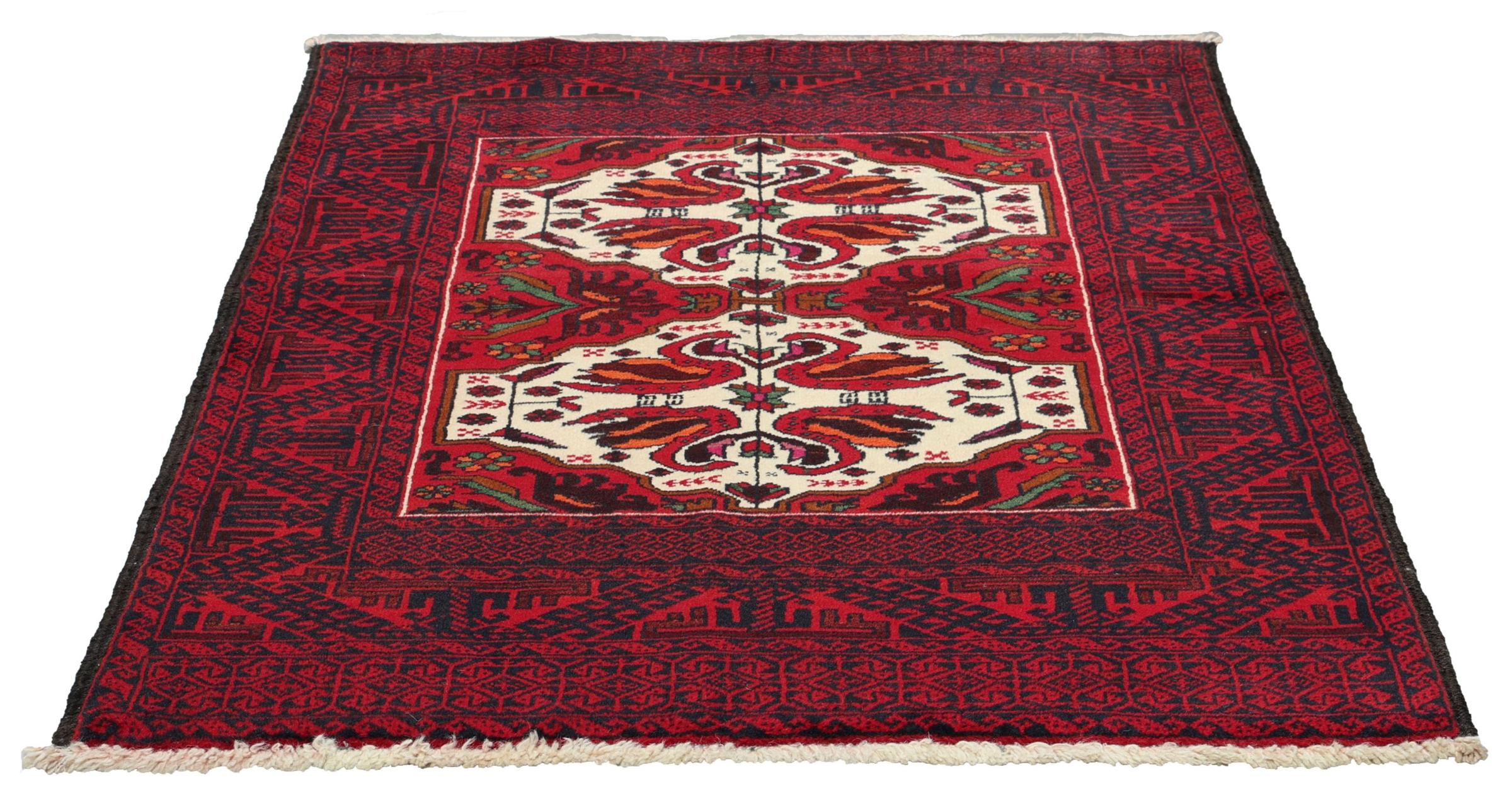
The Baluch rug tradition originates from the nomadic and semi-nomadic tribes residing in the border regions of the Middle East. These tribes have a long history of weaving, creating textiles that were historically essential for nomadic life, serving as floor coverings, tent decorations, and transport bags.
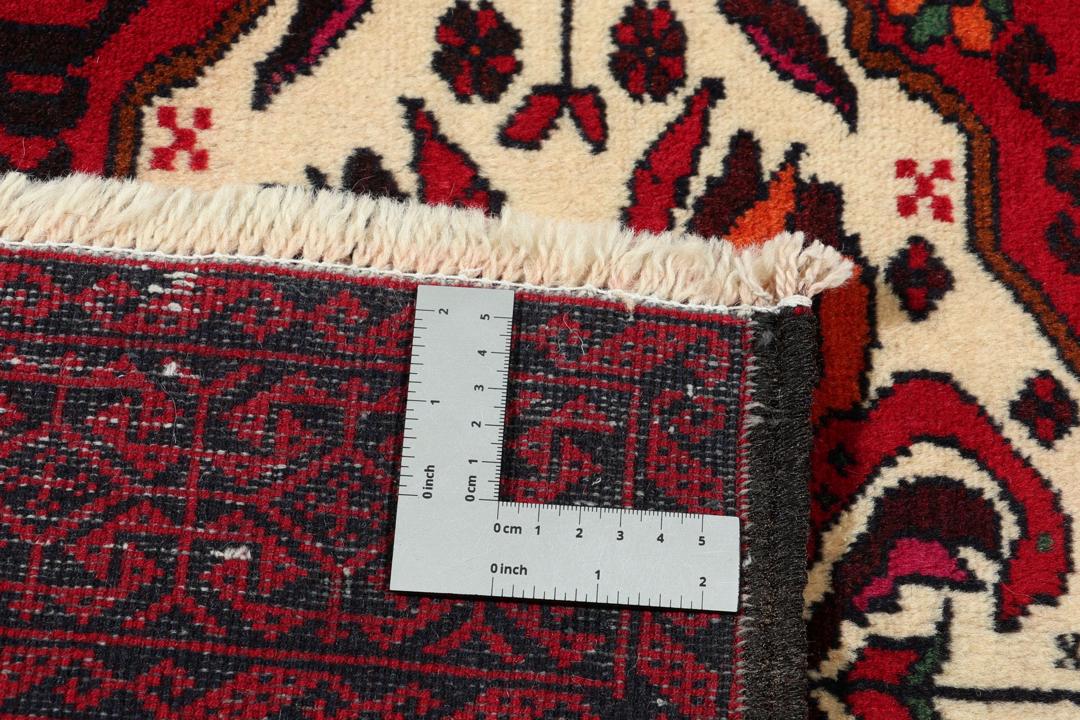
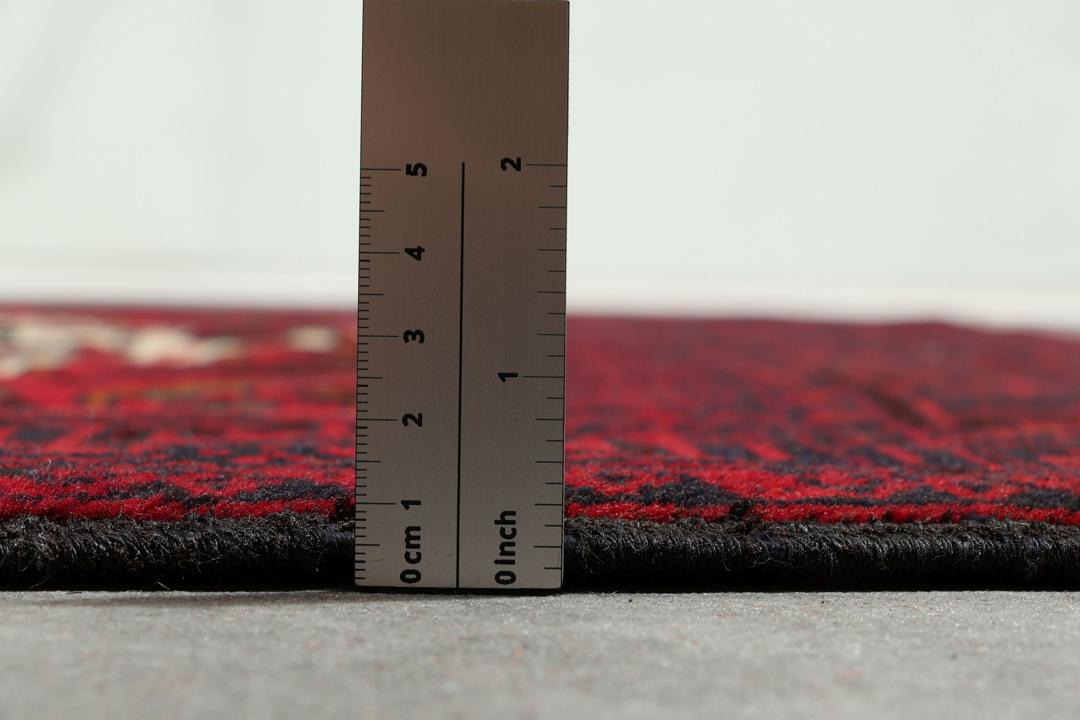
Baluch rugs are characterised by their focus on durability and symbolic design. The weaving process often involves a foundation of cotton, which provides a stable base for the Wool pile, ensuring the rug remains flexible yet strong. This construction is a hallmark of the regional craft, prioritising longevity for everyday use.
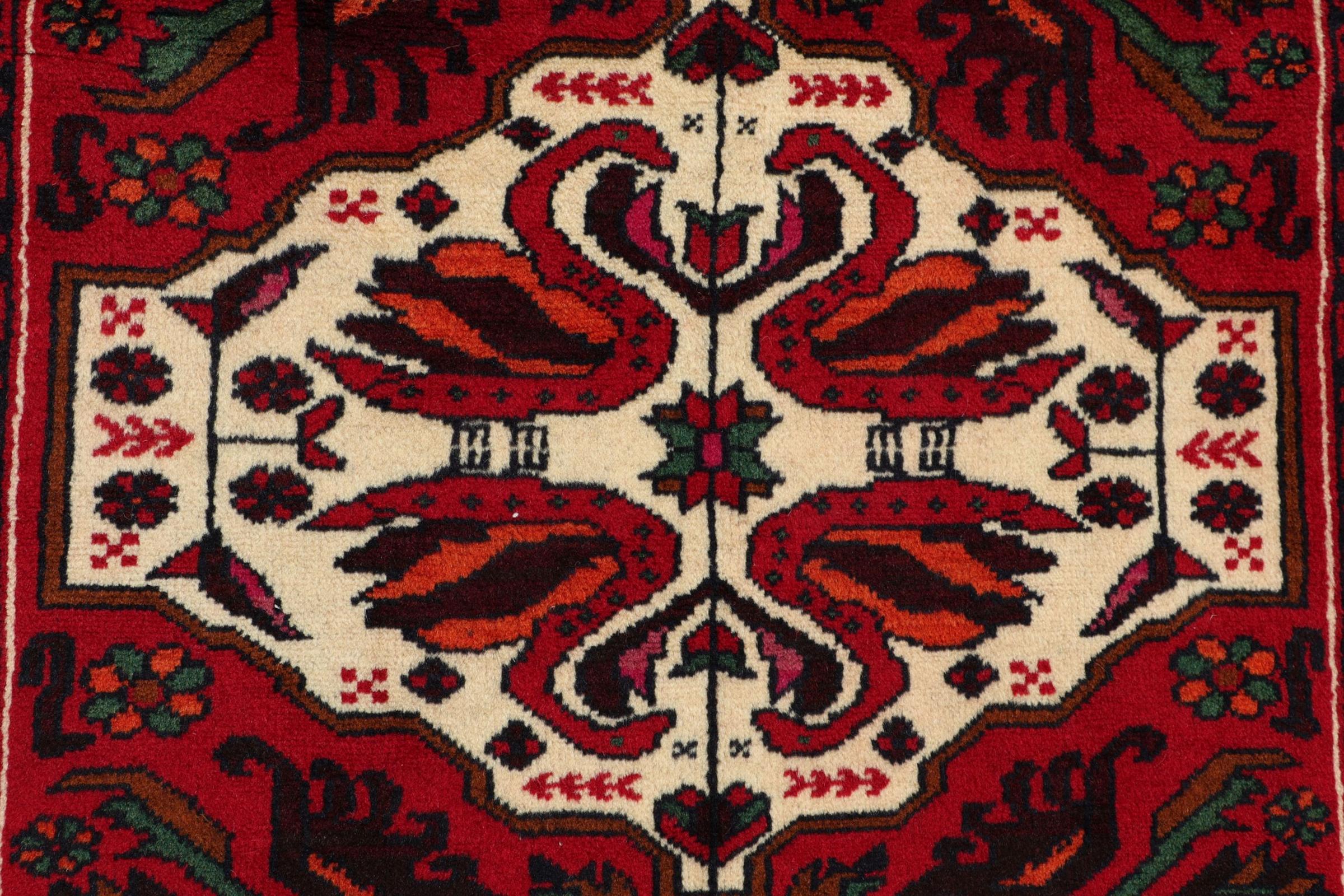
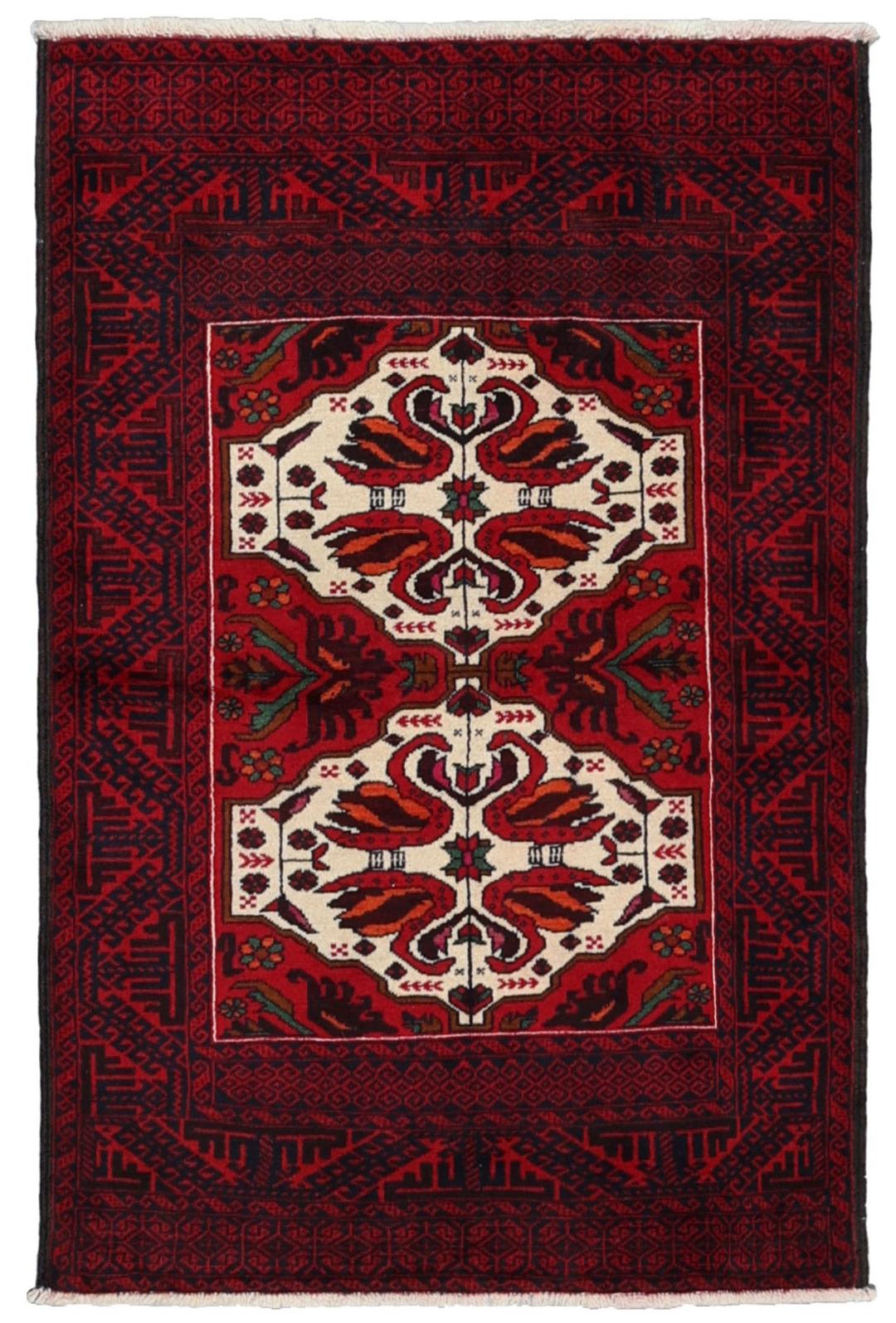
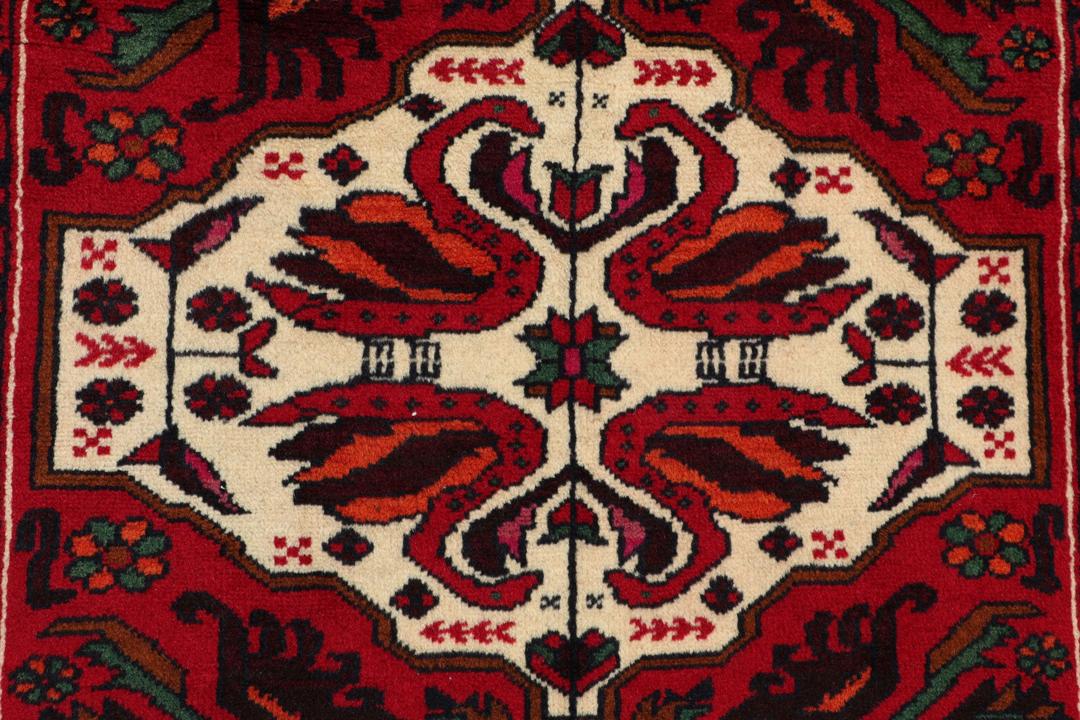
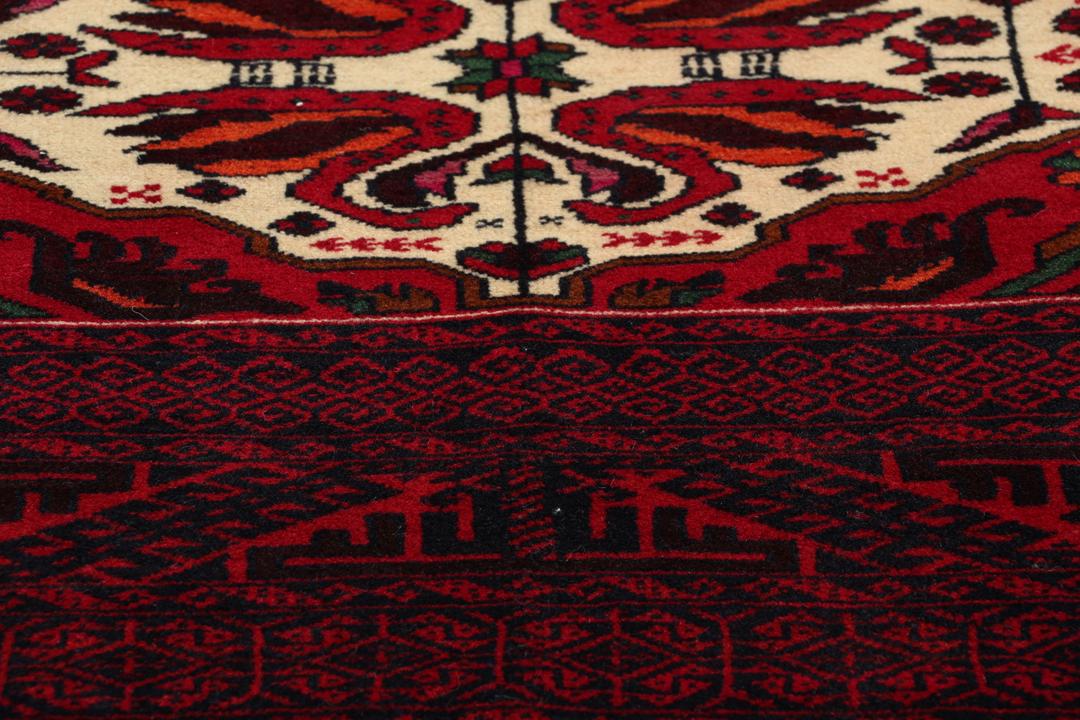
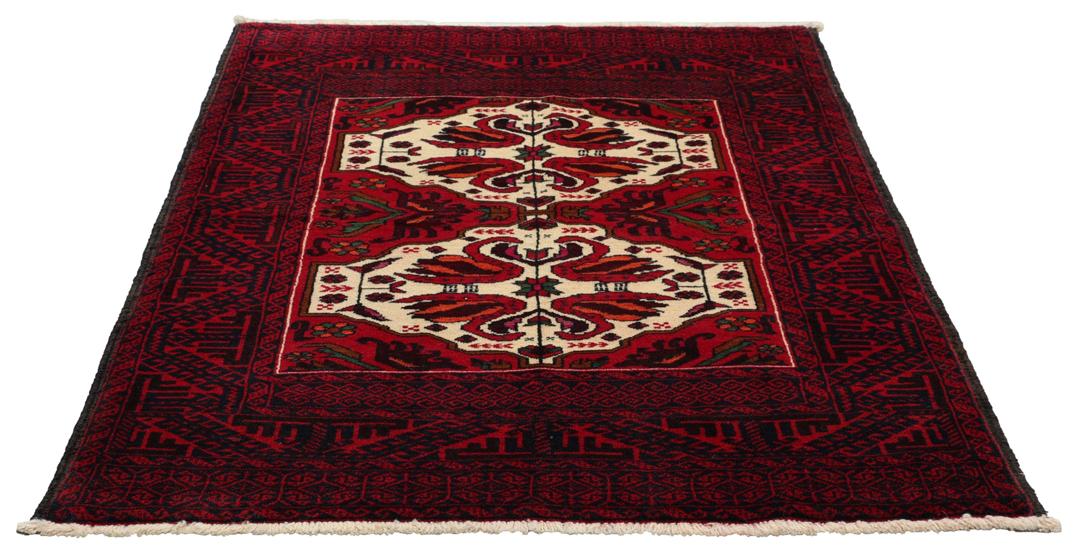
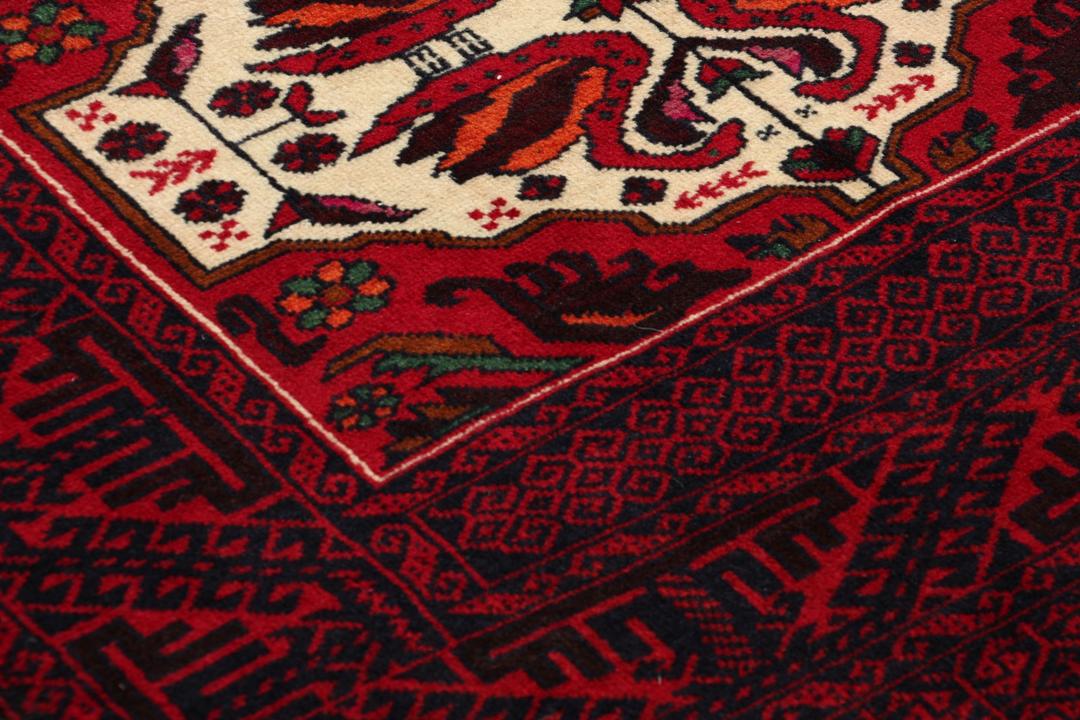
Design-wise, these rugs are famous for their deep, earthy colour palettes and geometric tribal motifs. The use of medallions and repeating patterns is common, often framed by decorative borders that tell stories of the weaver's environment and heritage. The specific motifs seen here reflect an ancient visual language passed down through generations of tribal weavers.
Today, these rugs are highly prized by collectors for their cultural significance and the tangible skill required to produce them. Owning a Baluch rug is an opportunity to connect with a rich, nomadic history and to appreciate the dedication of artisans who continue to honour these traditional methods in a modern world.