The Baluch rug tradition originates from the nomadic and semi-nomadic tribes residing in the border regions of the Middle East. Historically, these weavers were inspired by the landscapes they traversed, creating rugs that served as portable homes, blankets, and storage bags, reflecting a deep connection to their environment and heritage.
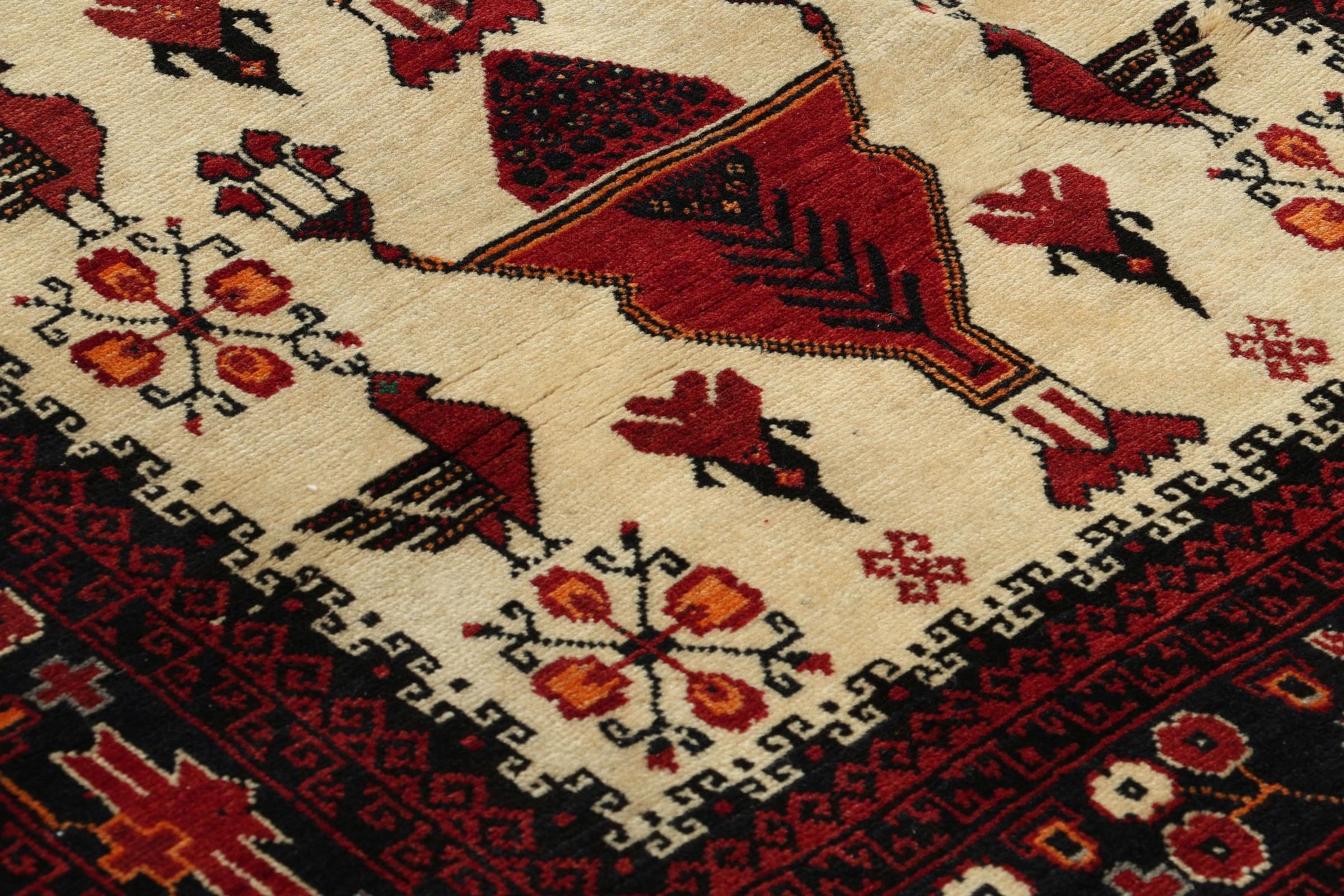
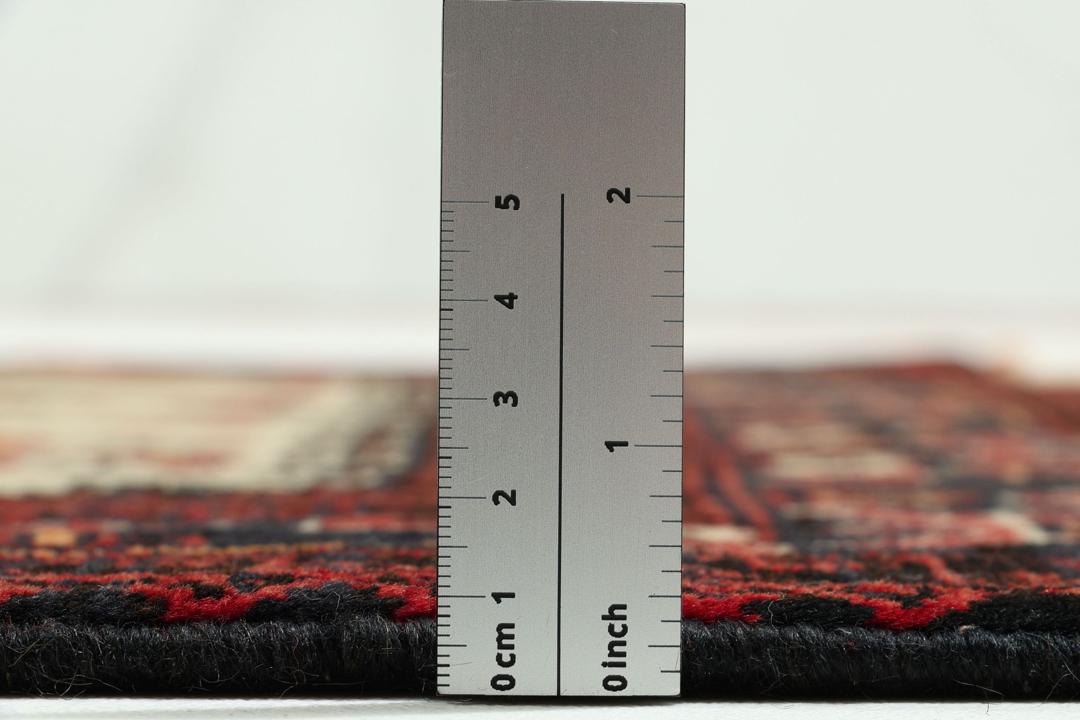
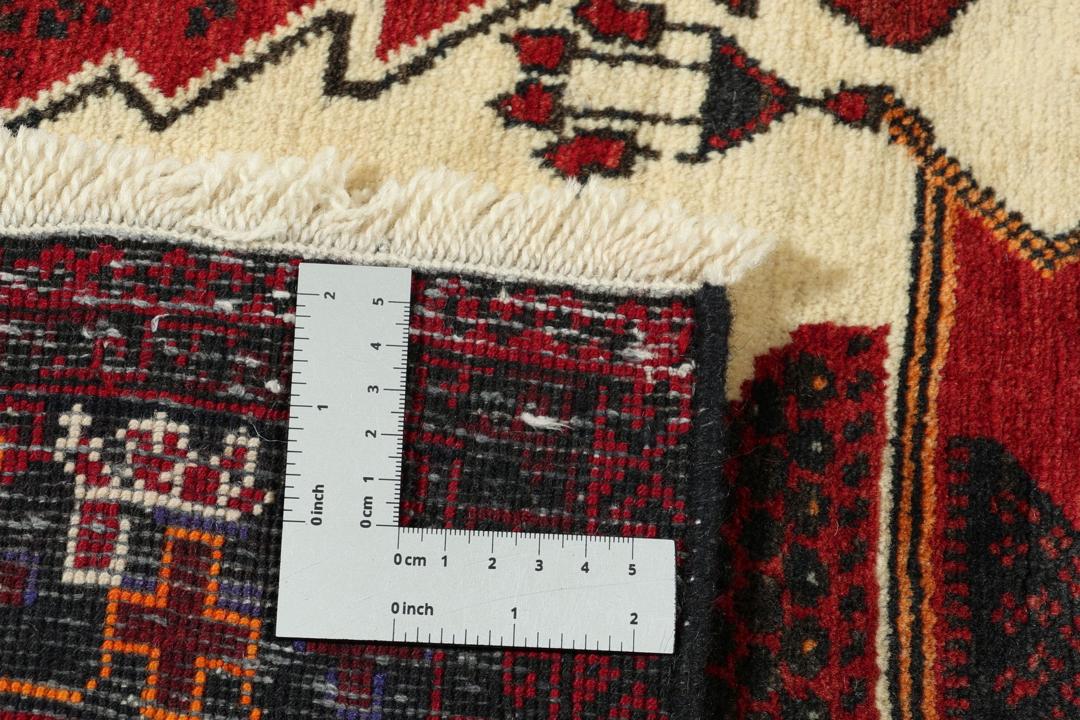
Crafting a Baluch rug involves specific technical traditions that distinguish these pieces from others. The use of high-quality wool, often sourced from the tribes' own flocks, is central to the process. The wool is spun and dyed using traditional methods, resulting in a pile that is known for its durability and its ability to develop a beautiful patina over time.
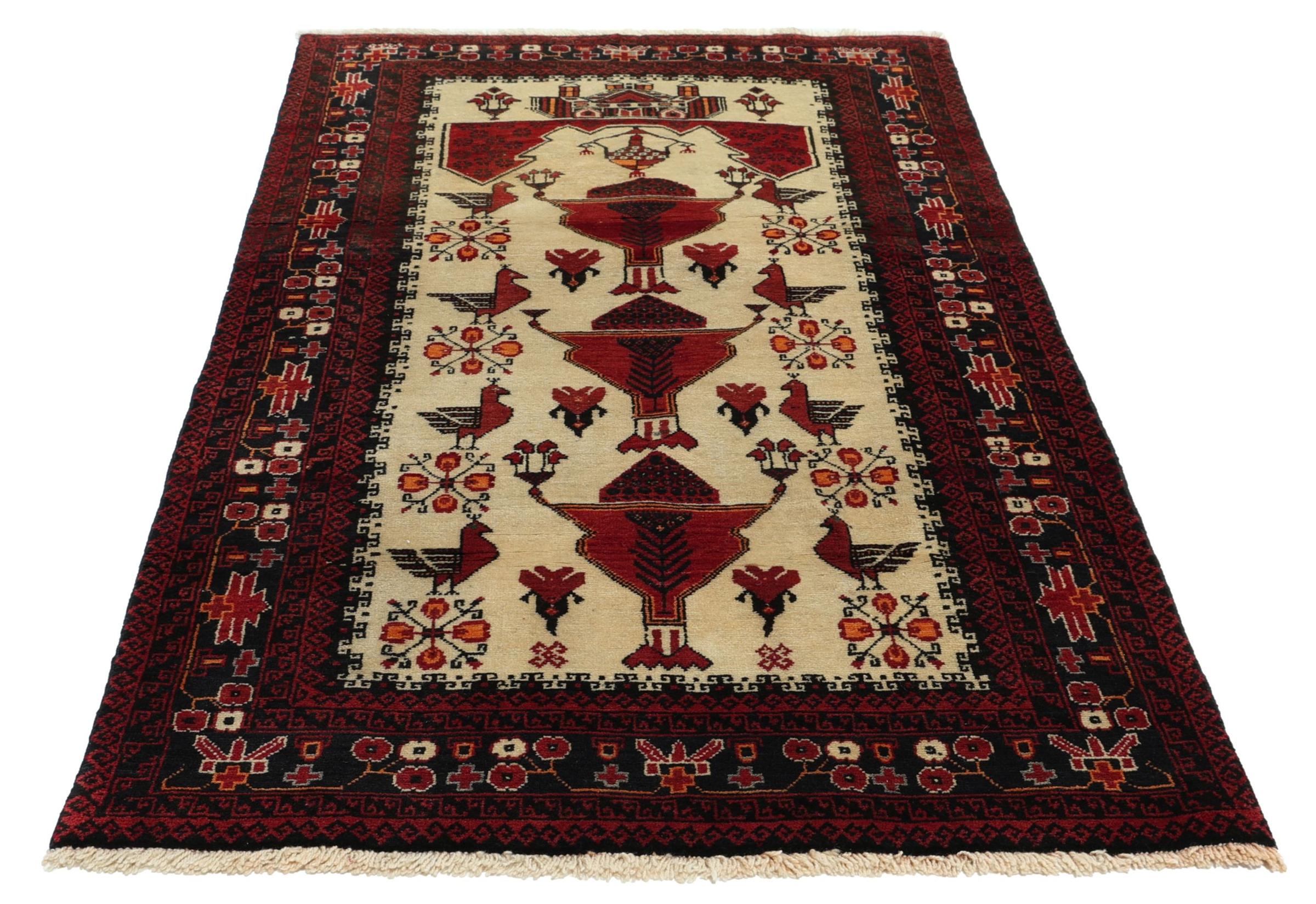
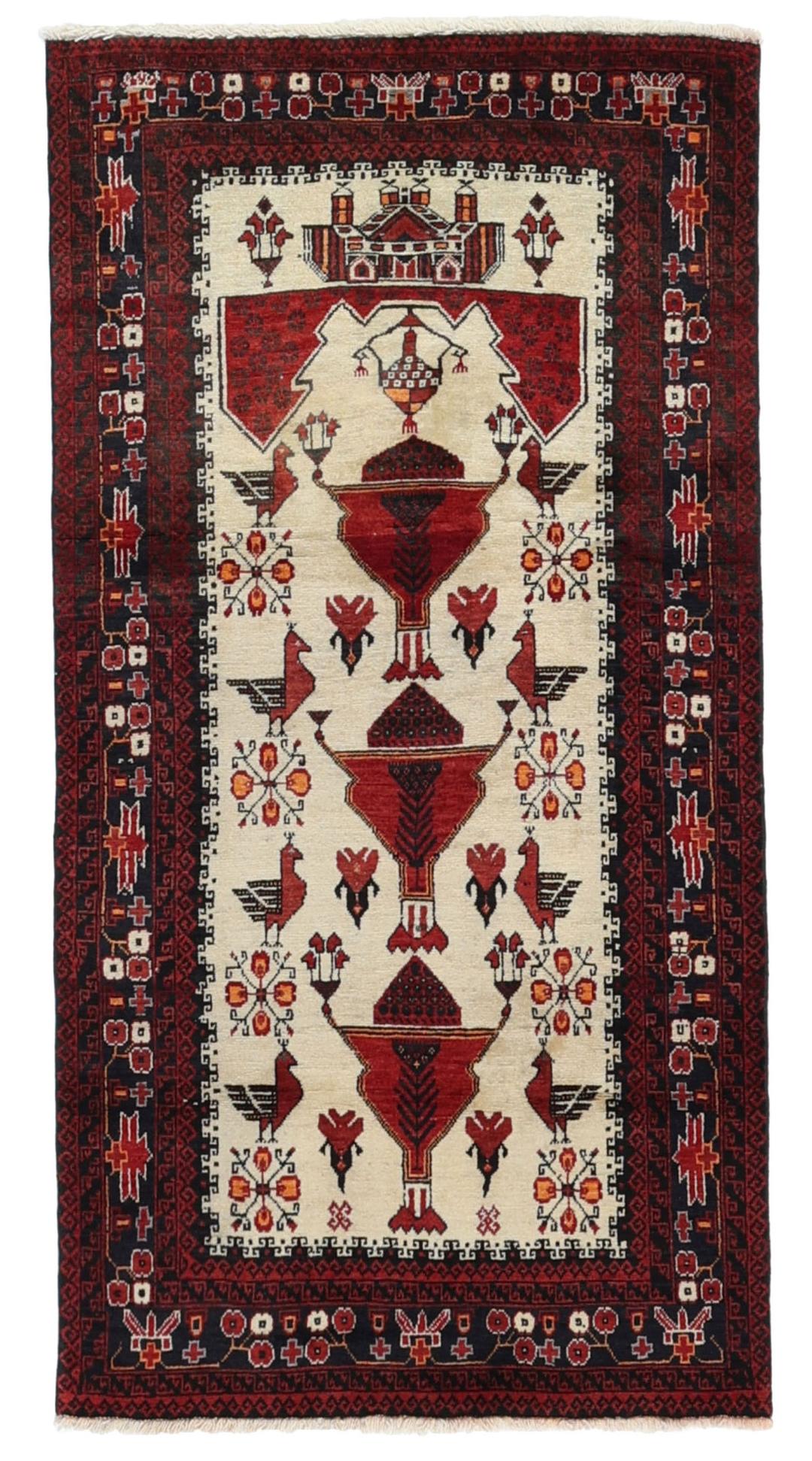
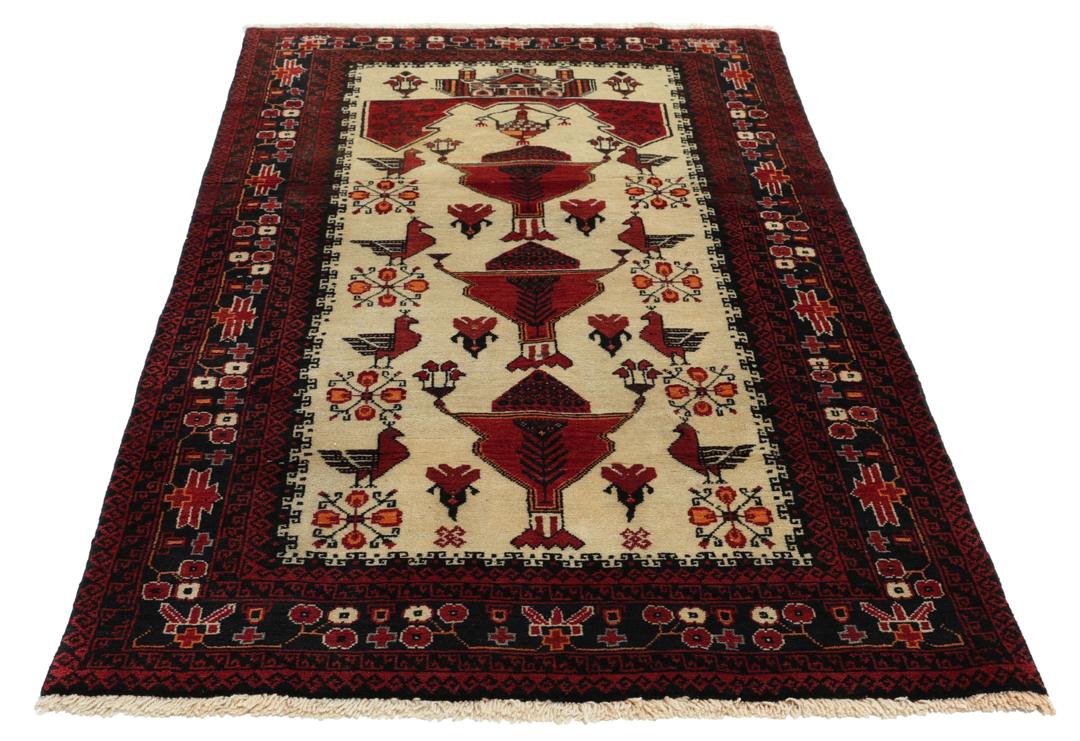
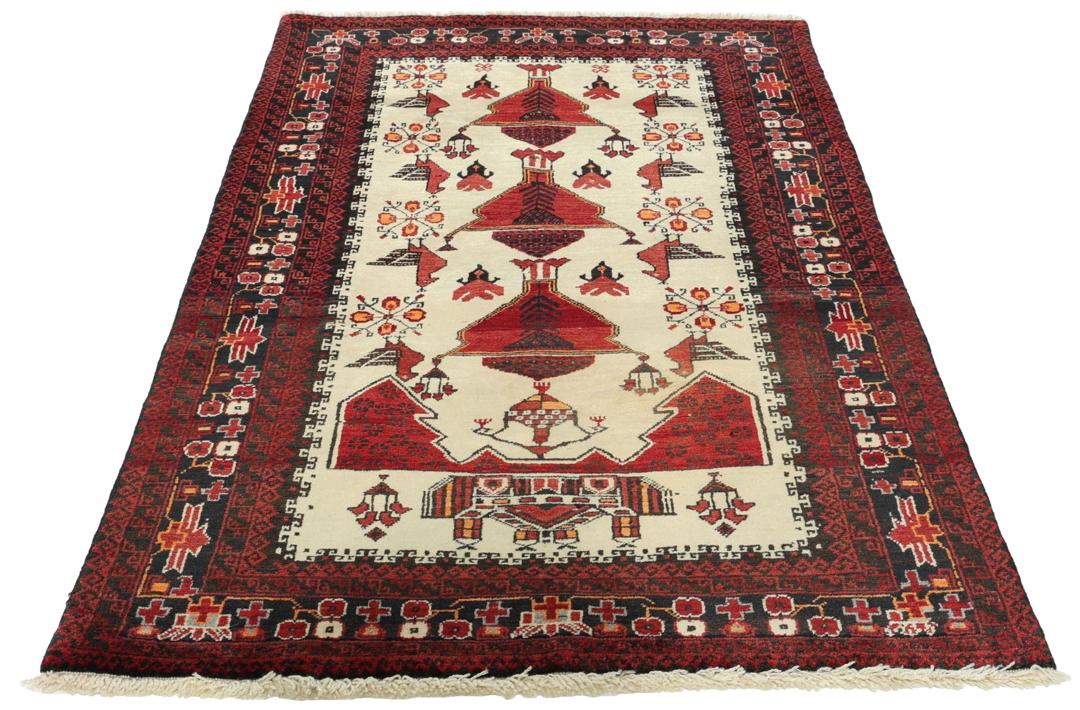
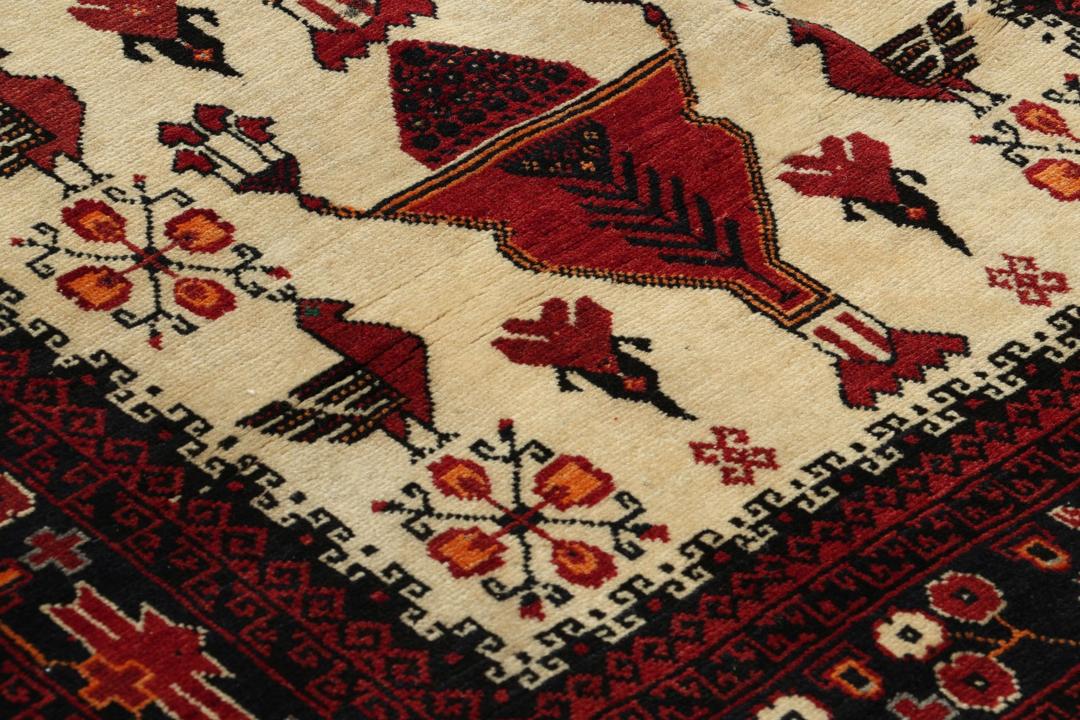
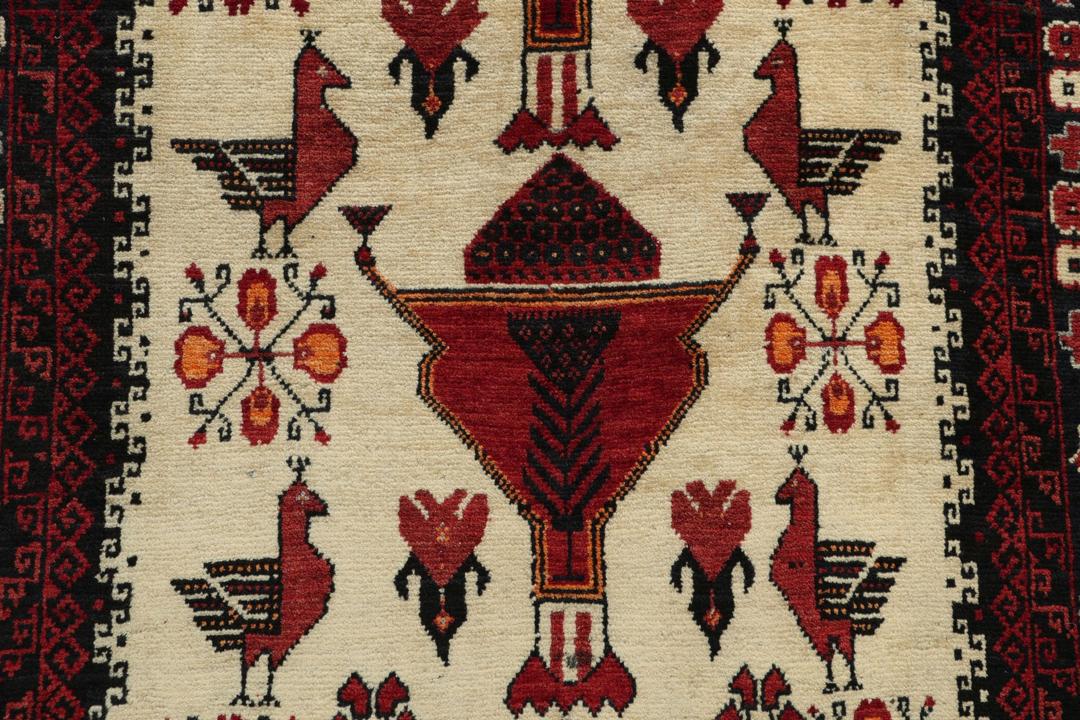
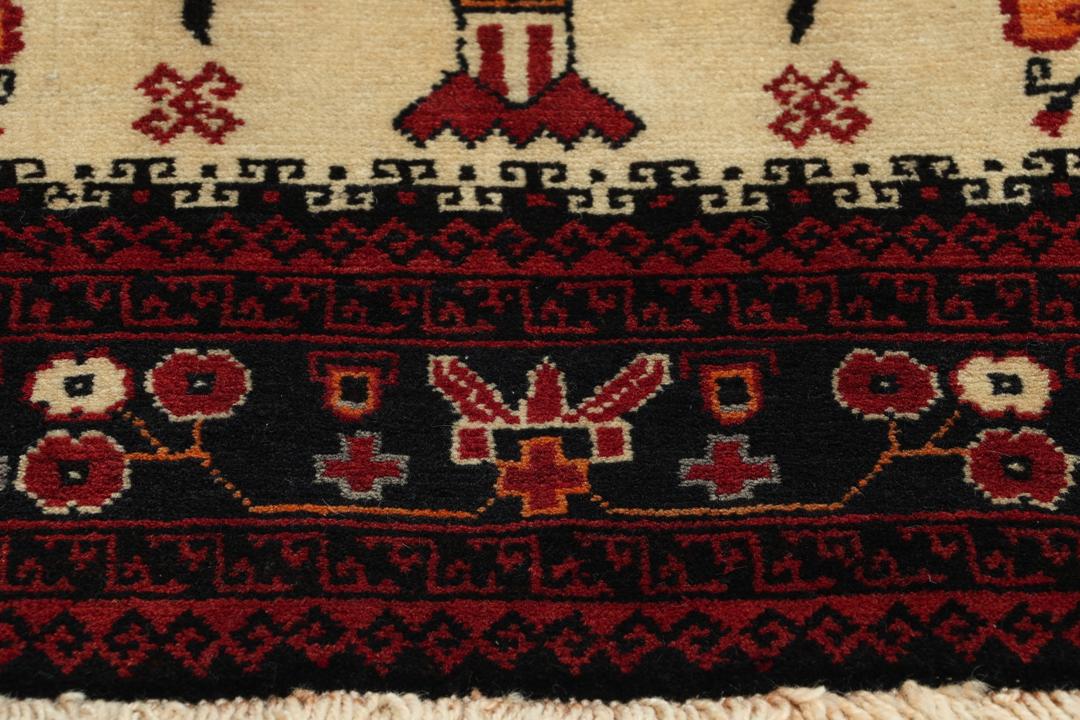
The visual language of these rugs is defined by highly stylized geometric motifs, often featuring tribal symbols, diamond shapes, and complex borders. The pattern on this specific piece is an excellent example of this tradition, showcasing a balanced and symbolic layout that is characteristic of the region's artistic output, often incorporating deep reds and warm neutrals.
Collecting a Baluch rug is an investment in cultural history and artisanal skill. These pieces are highly valued not only for their aesthetic beauty but for the stories they carry from the nomadic traditions of the Middle East. By bringing one into your home, you are preserving a craft that has been passed down through centuries, celebrating the human element in every thread.