Baluch rugs are named after the Baluchi people, a nomadic and semi-nomadic group whose traditional territories span across regions of the Middle East. Historically, these rugs were woven by tribal artisans who moved across vast, often harsh landscapes, leading to a tradition of highly portable, durable, and deeply symbolic textiles. The designs often reflect the natural surroundings and cultural narratives of these tribes, passed down through generations.
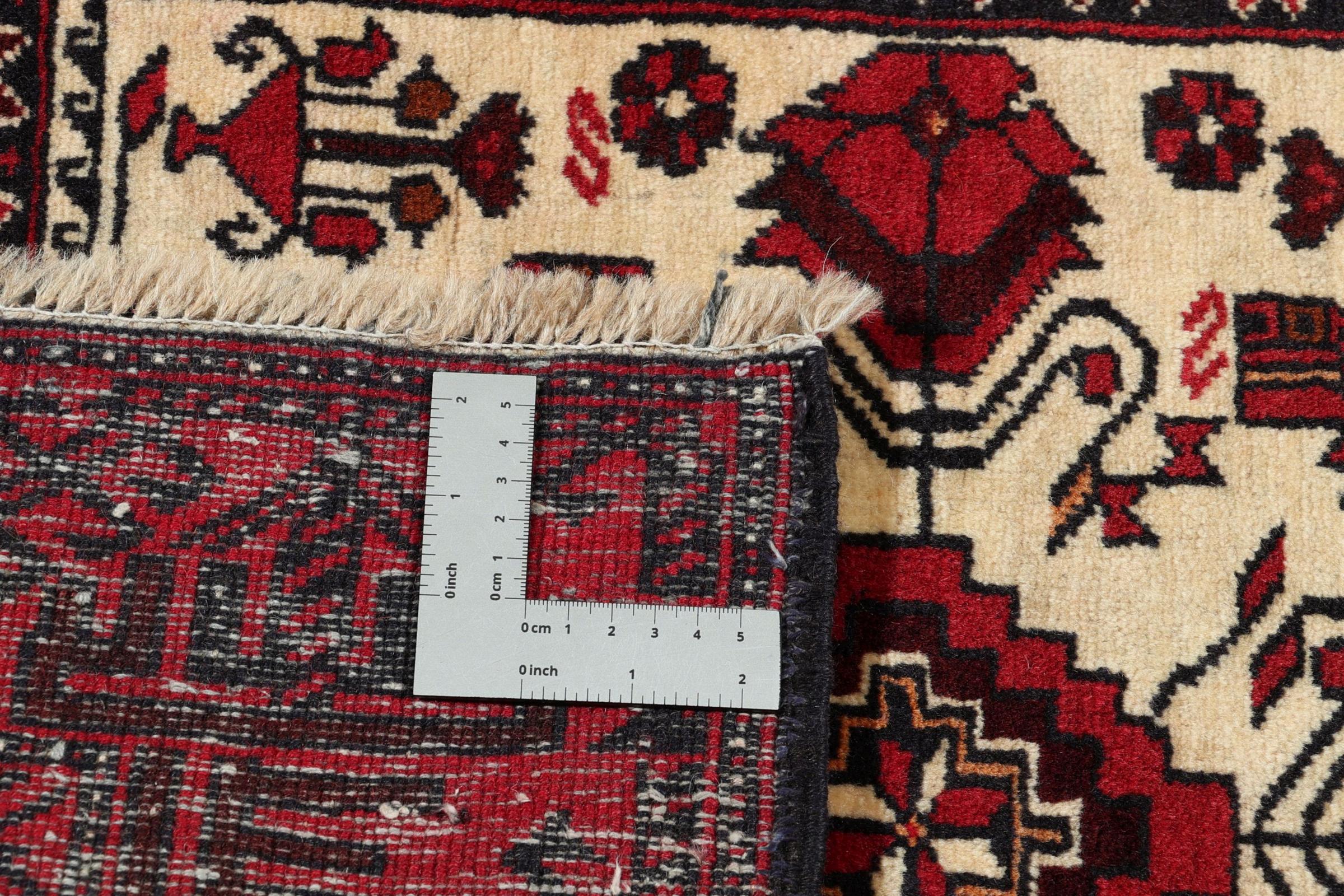
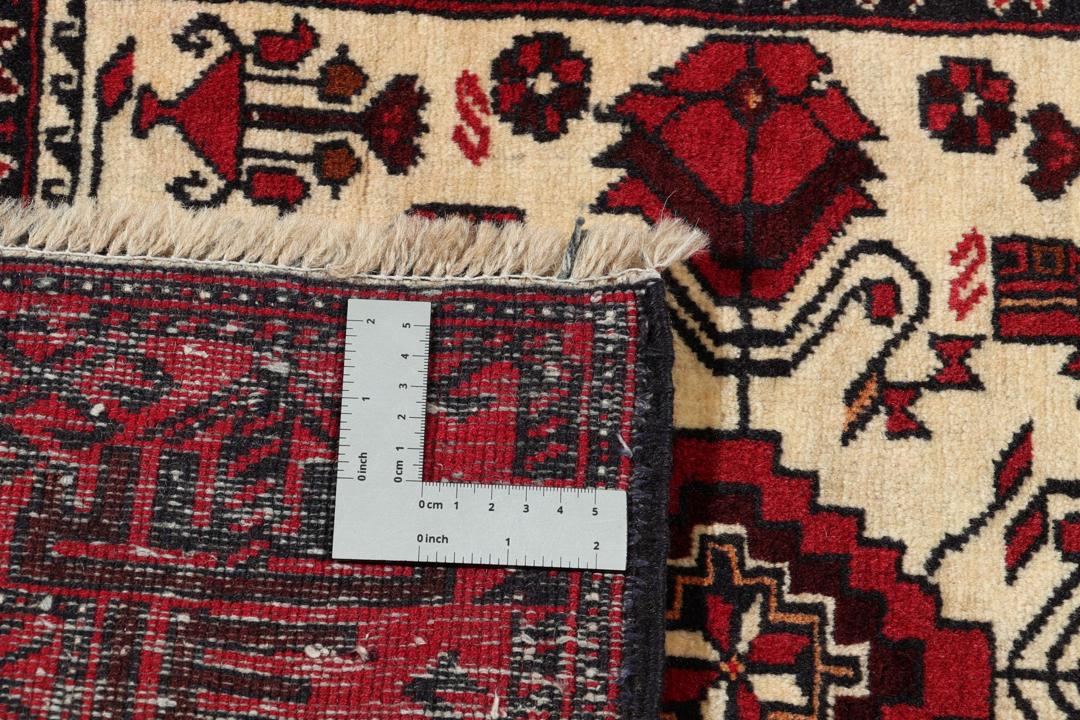
The craft of these rugs is defined by the use of high-quality Wool, which is often sourced locally from sheep raised by the tribes themselves. The Wool is known for its natural lanolin content, which gives the pile a soft, lustrous sheen and makes it naturally resistant to dirt and wear. This material choice is fundamental to the rug's longevity, ensuring that it remains a functional part of the home for decades.
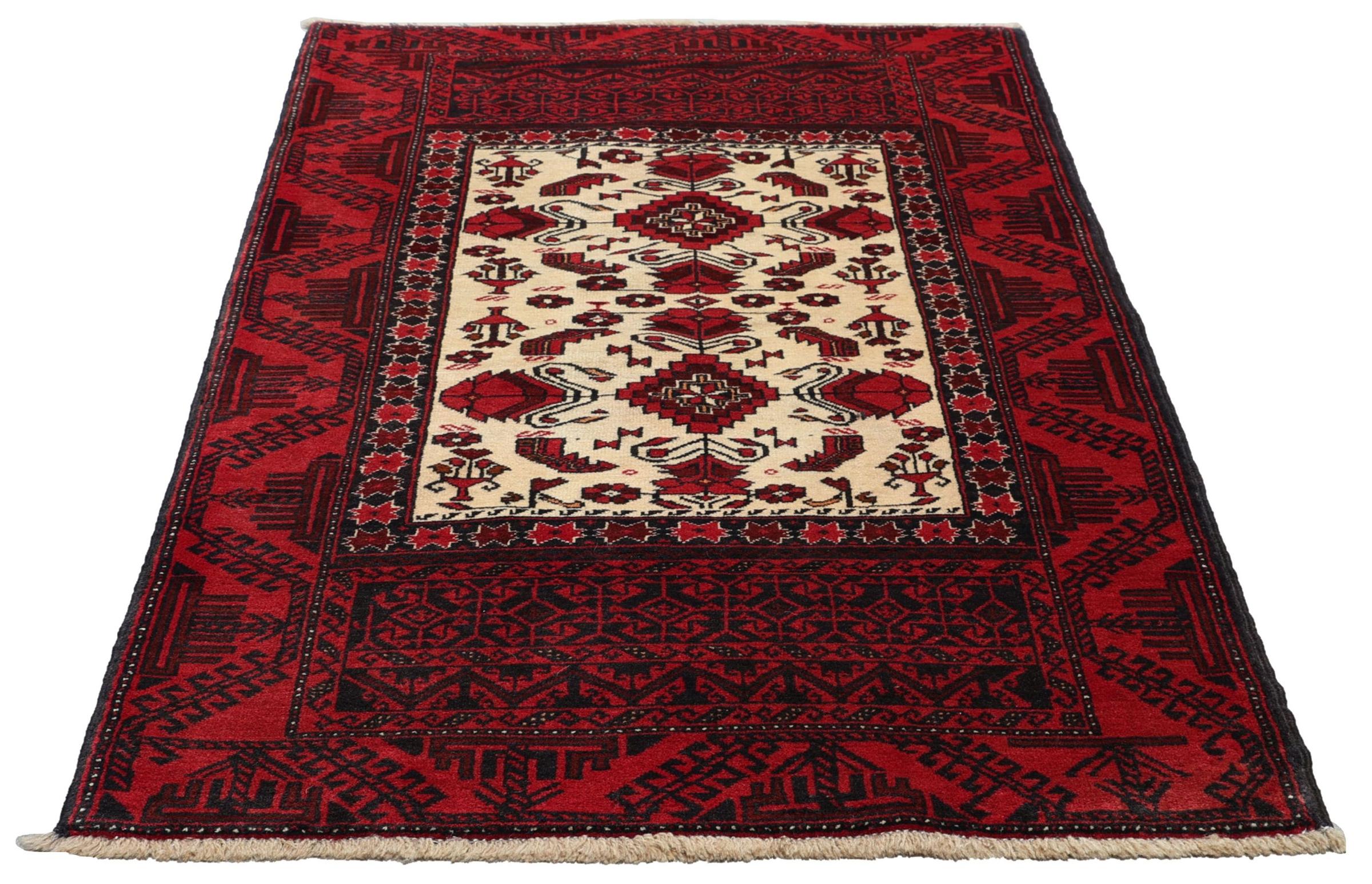
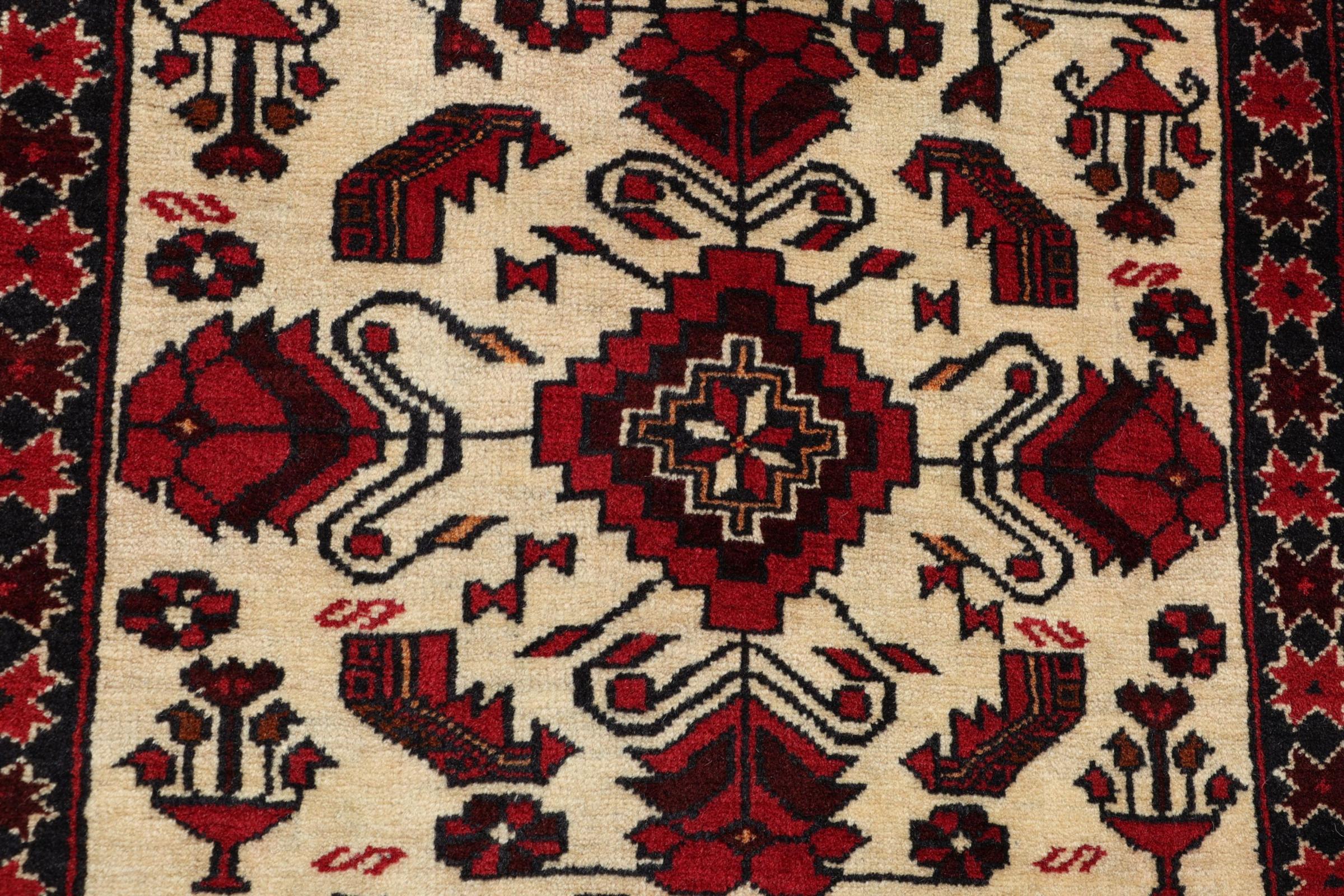
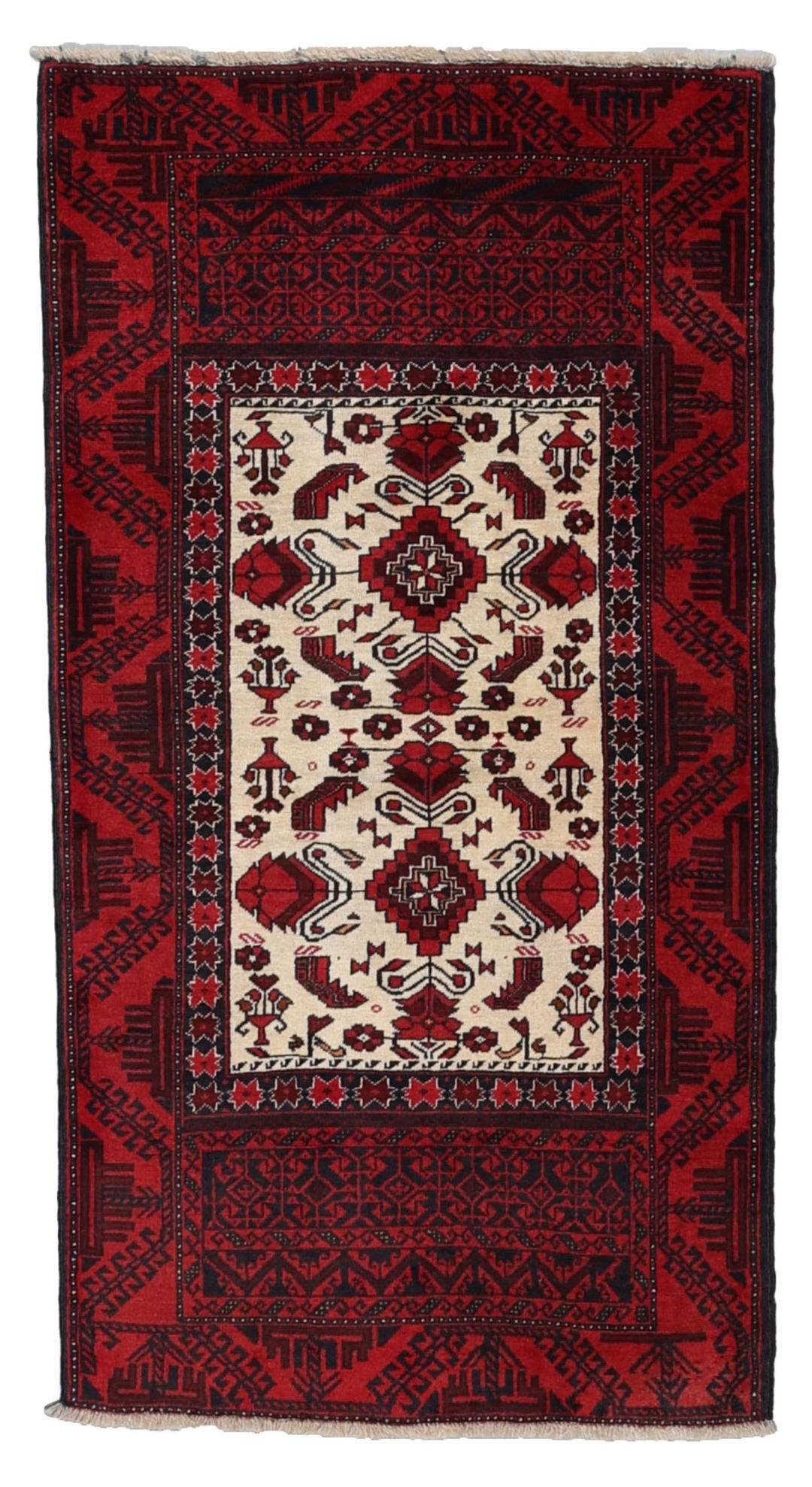
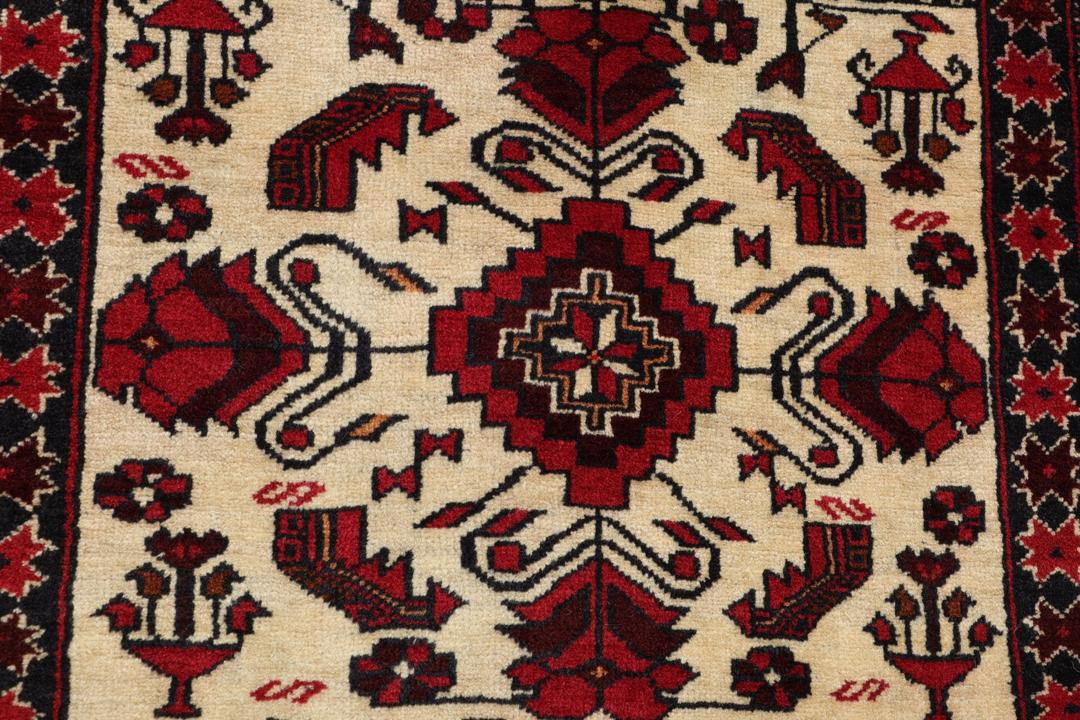
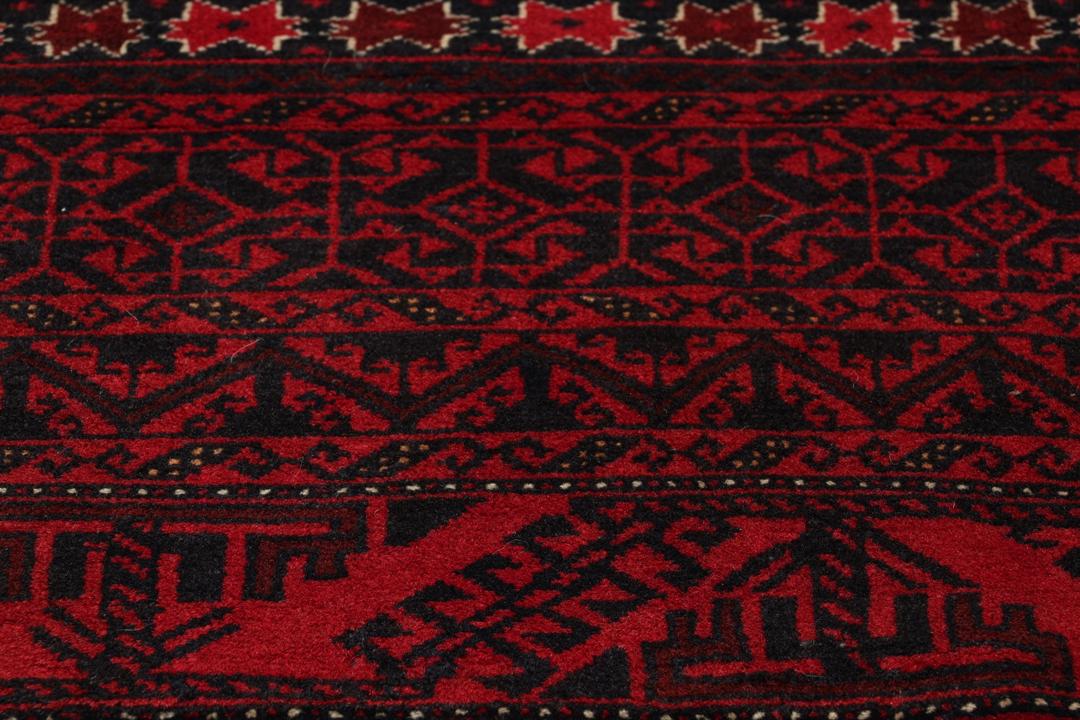
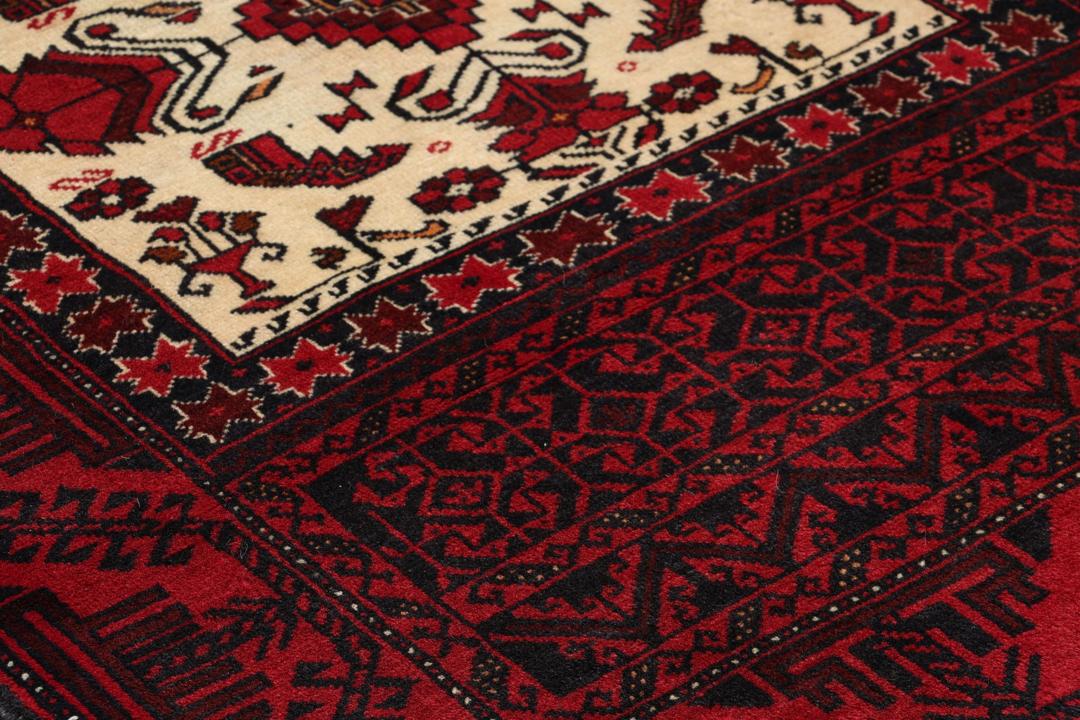
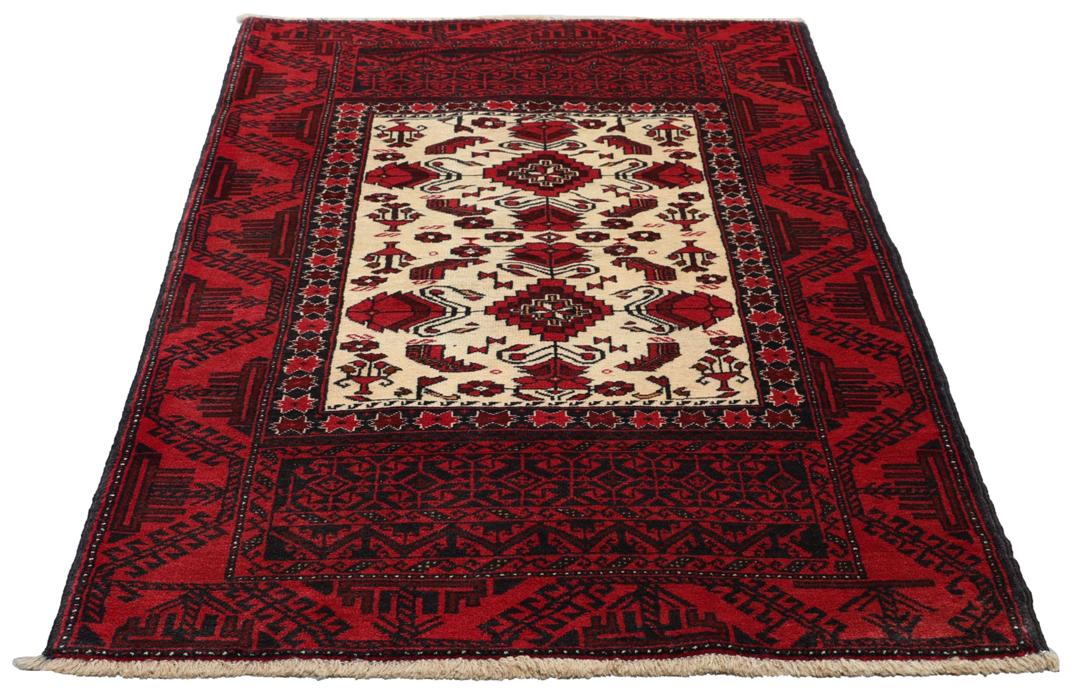
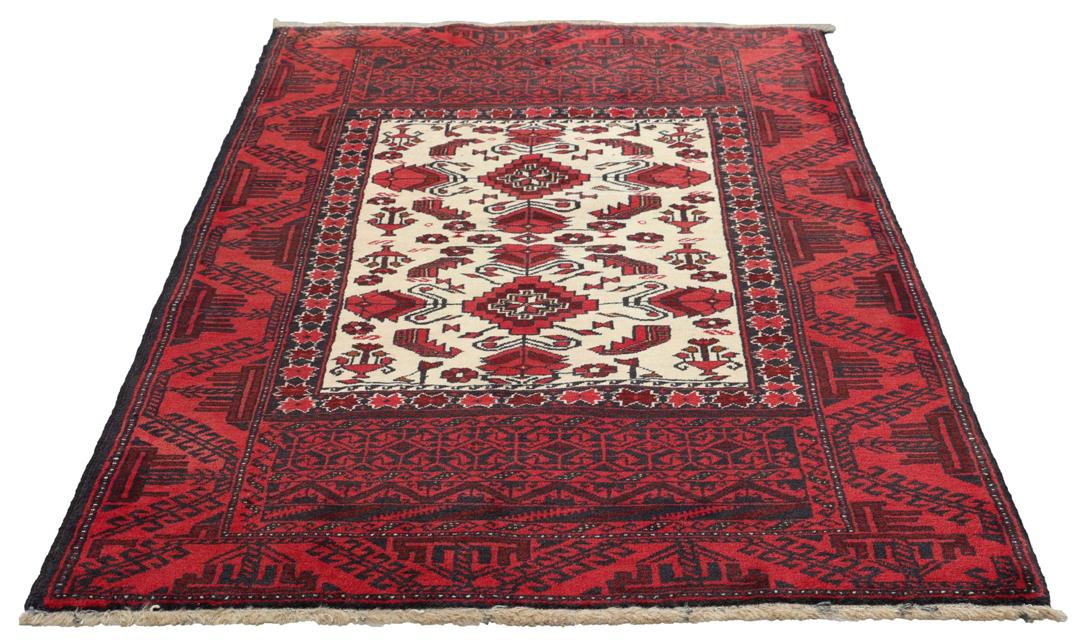
Signature design elements in Baluch rugs typically include geometric motifs, stylised floral patterns, and octagonal or diamond-shaped medallions. These designs are frequently framed by intricate, decorative borders that showcase the weaver's technical proficiency. The use of deep, earthy colours, particularly rich reds and dark browns, is a hallmark of the style, often contrasted with off-white or beige highlights to make the patterns pop.
Collectors value these rugs for their authentic tribal character and the unique, individualistic nature of each piece. Because they were traditionally woven for personal use or local trade rather than for a mass market, each rug carries the personal touch and artistic expression of its maker. Owning a Baluch rug is an opportunity to preserve a piece of nomadic heritage and appreciate the skill involved in such a time-honoured craft.