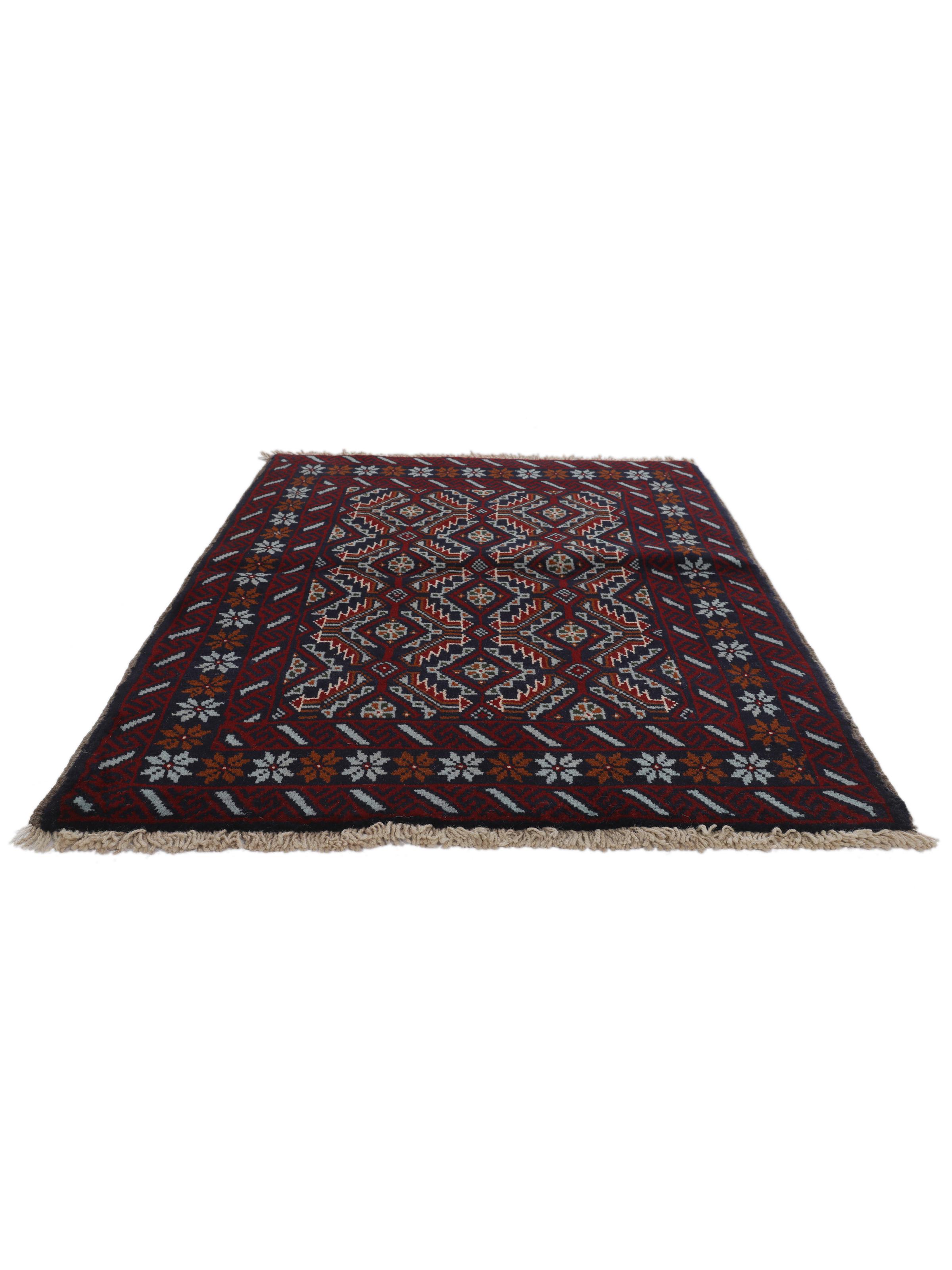
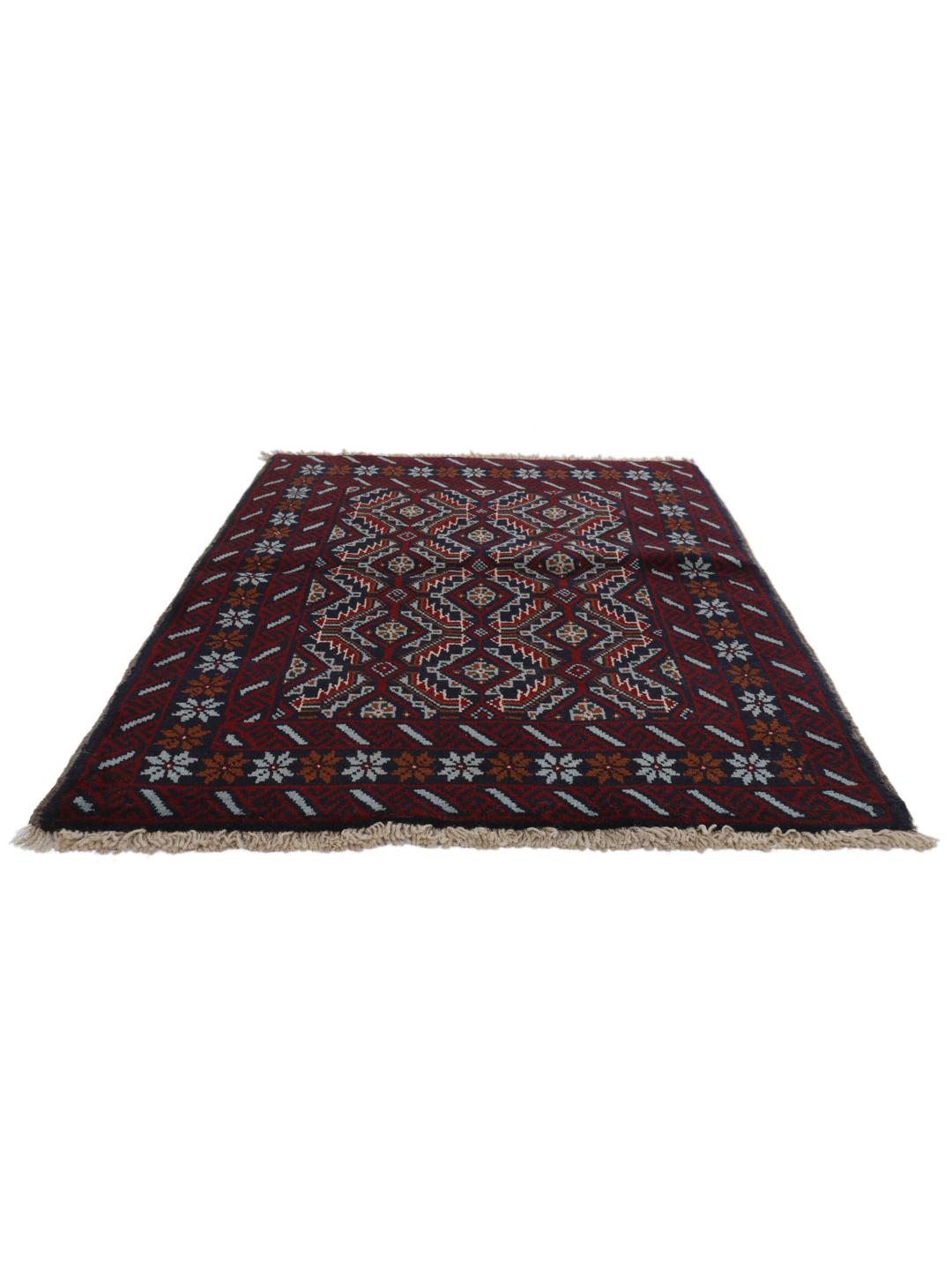
The Baluch rugs are crafted by nomadic and semi-nomadic tribes residing in the border regions of the Middle East. These rugs are deeply connected to the cultural identity of the Baluch people, who have historically travelled across vast, rugged landscapes, carrying their weaving traditions with them as a way to preserve their heritage.
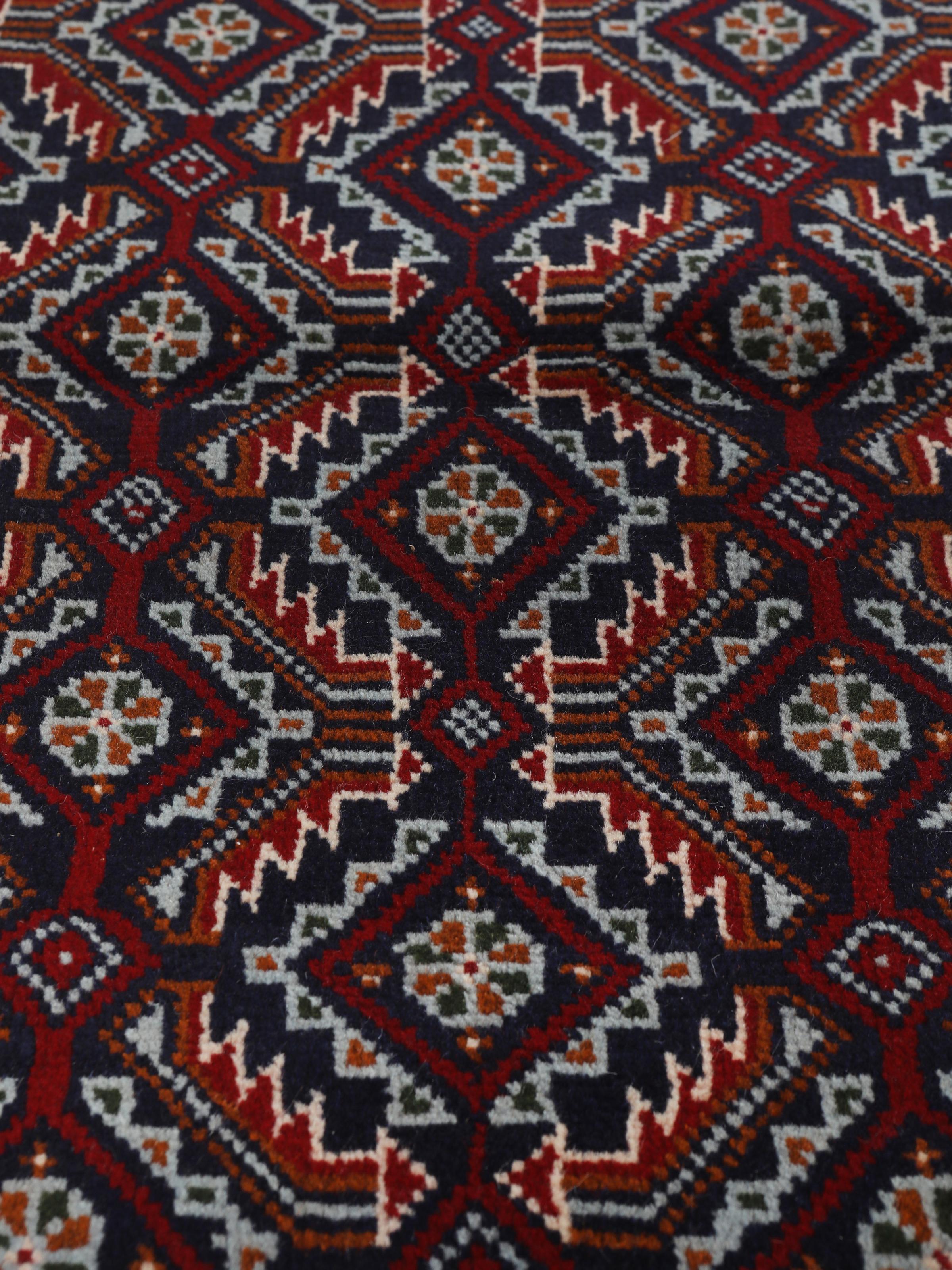
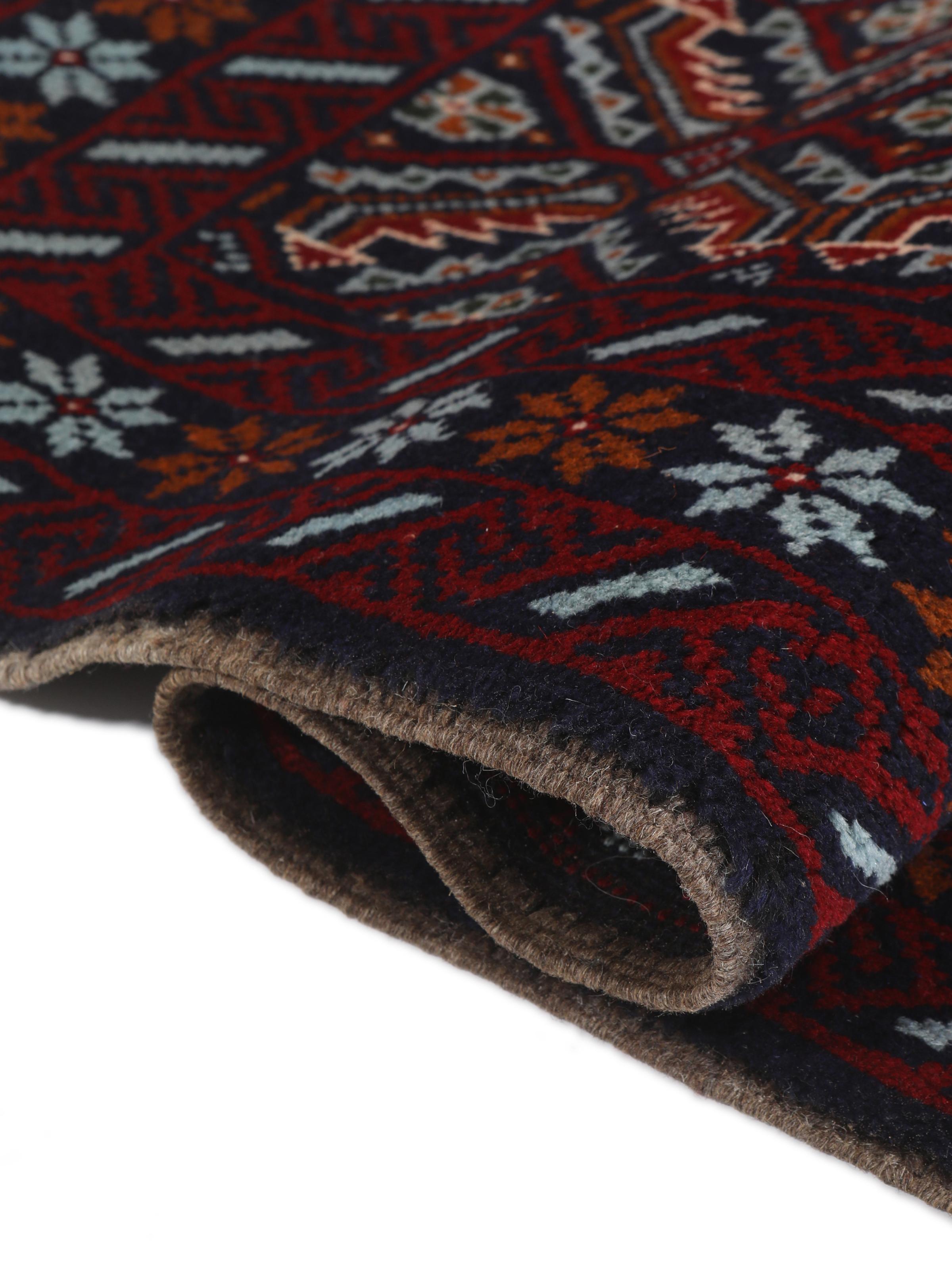
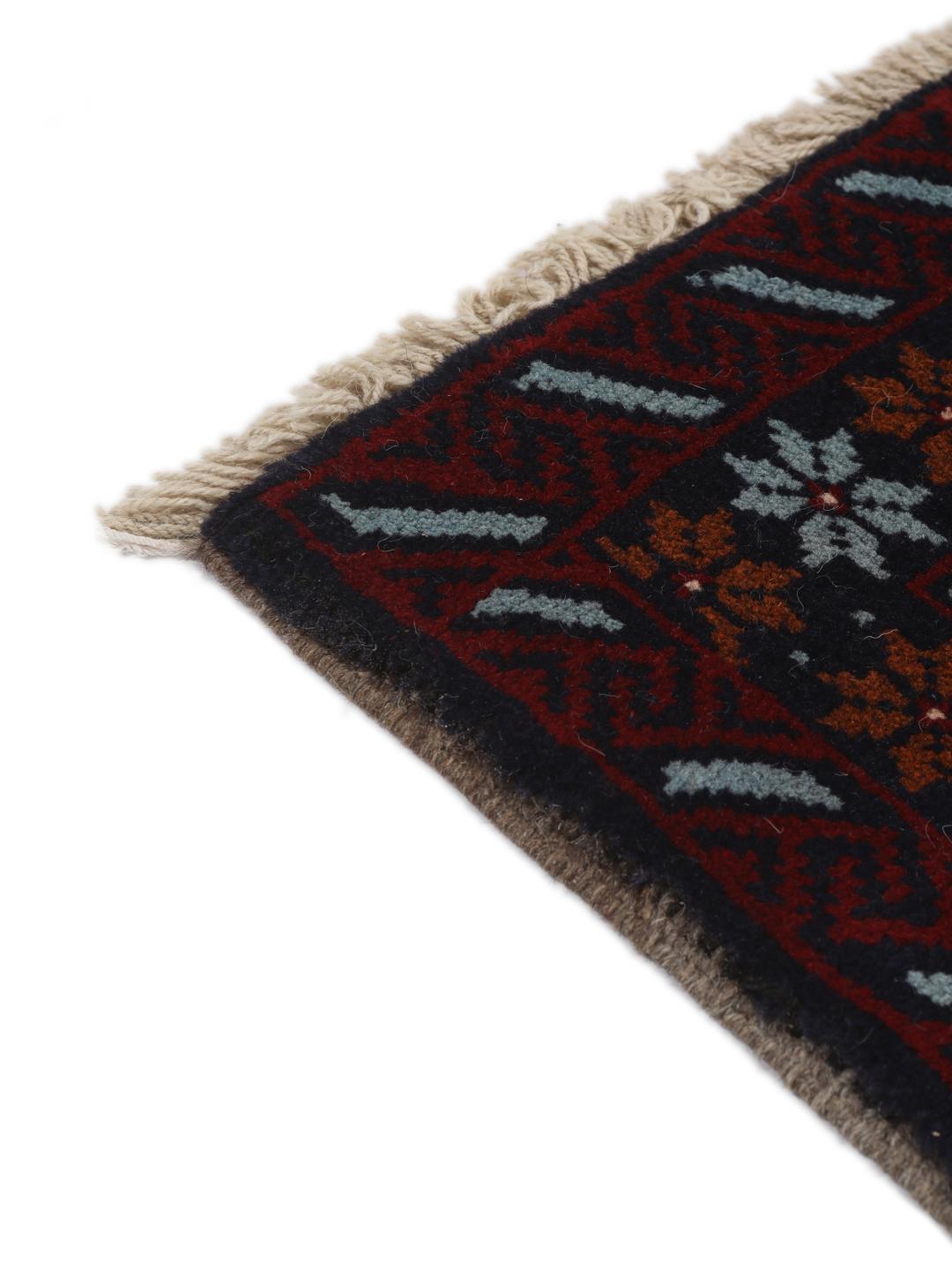
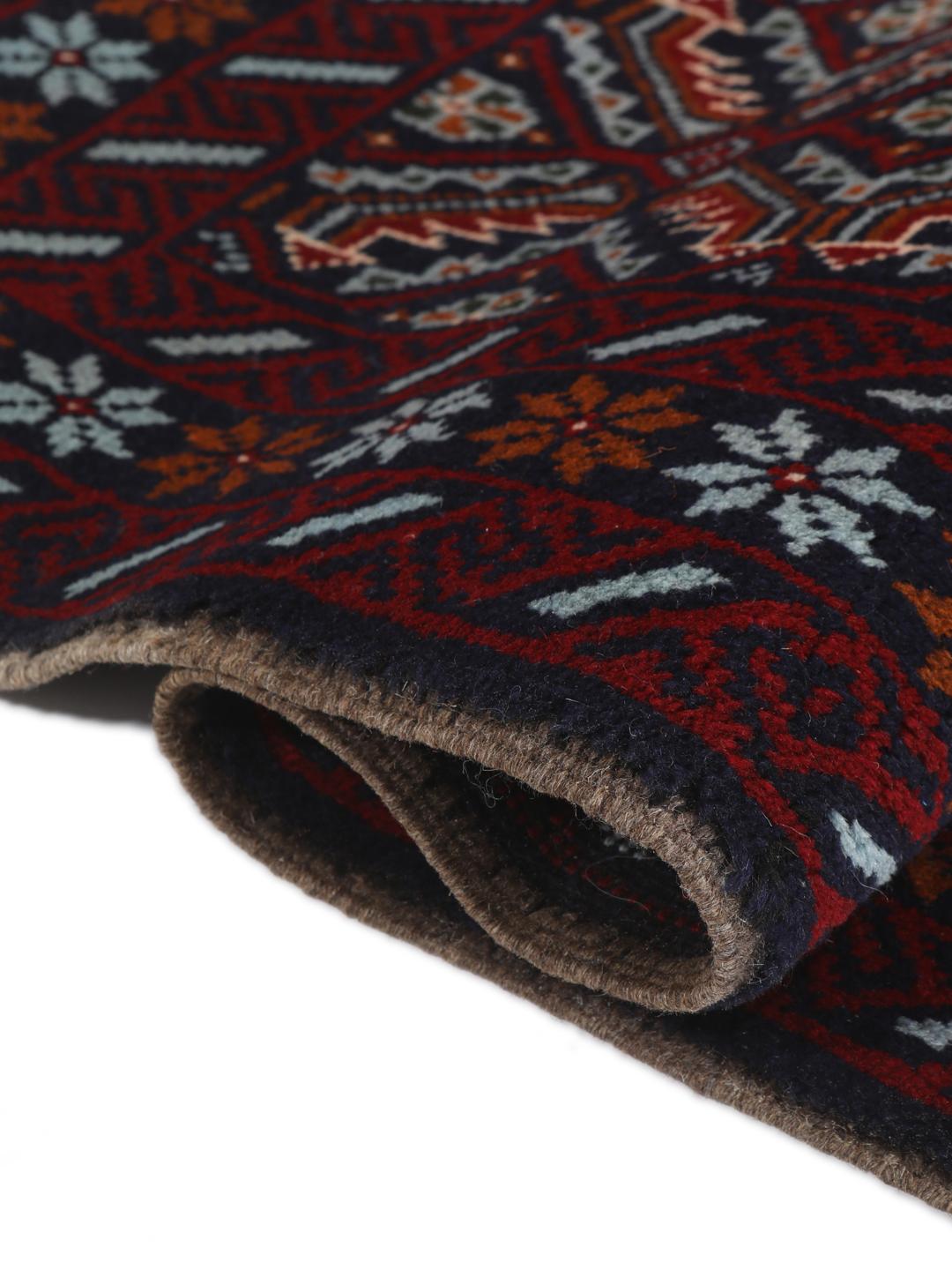
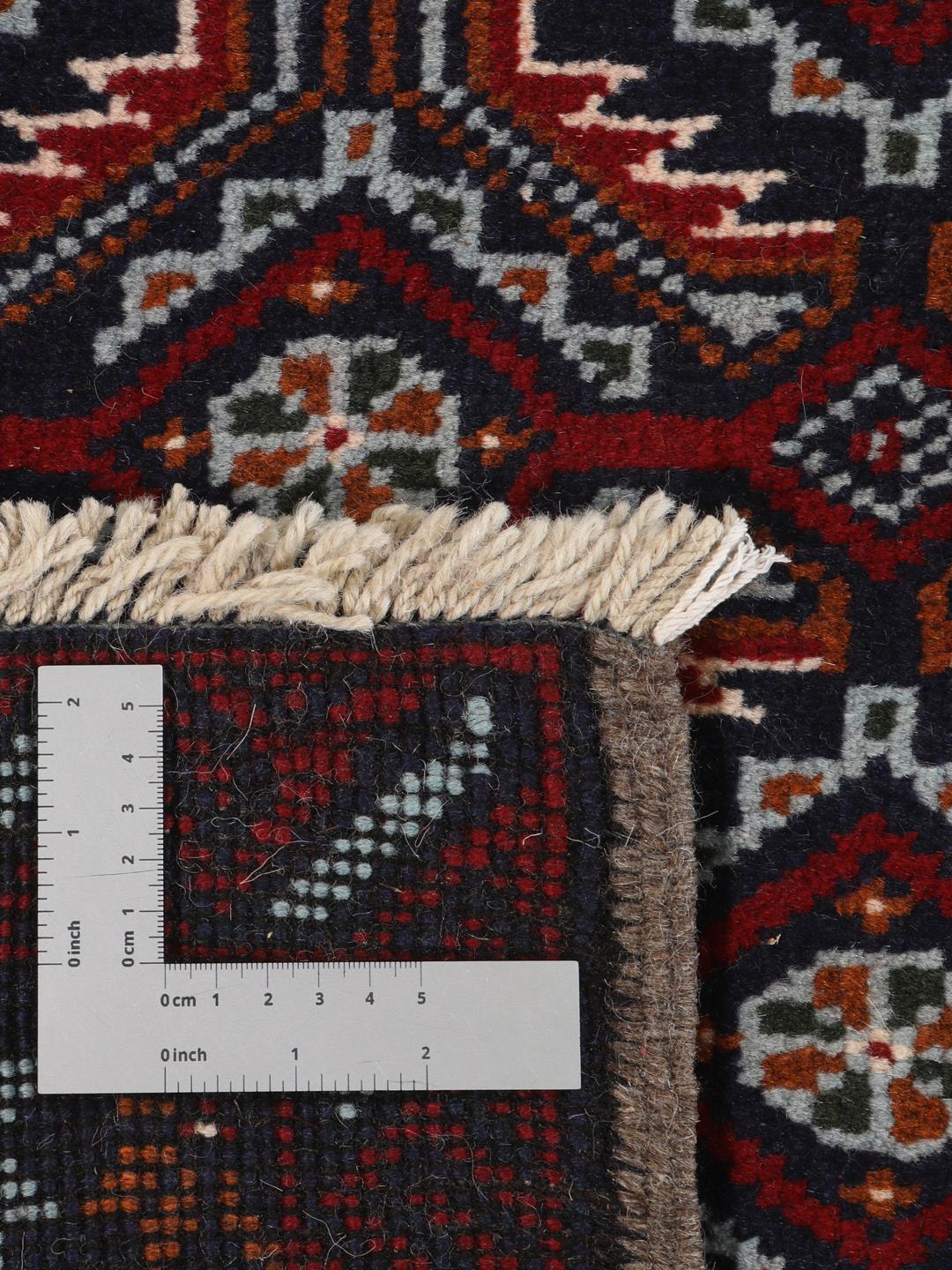
The technical term 'hand-knotted' refers to the traditional method of creating the rug pile by tying individual knots of Wool onto a foundation of warp and weft threads. This is a time-intensive process that results in a highly durable, flexible, and lustrous rug. The quality of the Wool used is central to the rug's longevity, as it is prized for its natural resilience and ability to develop a beautiful patina over time.
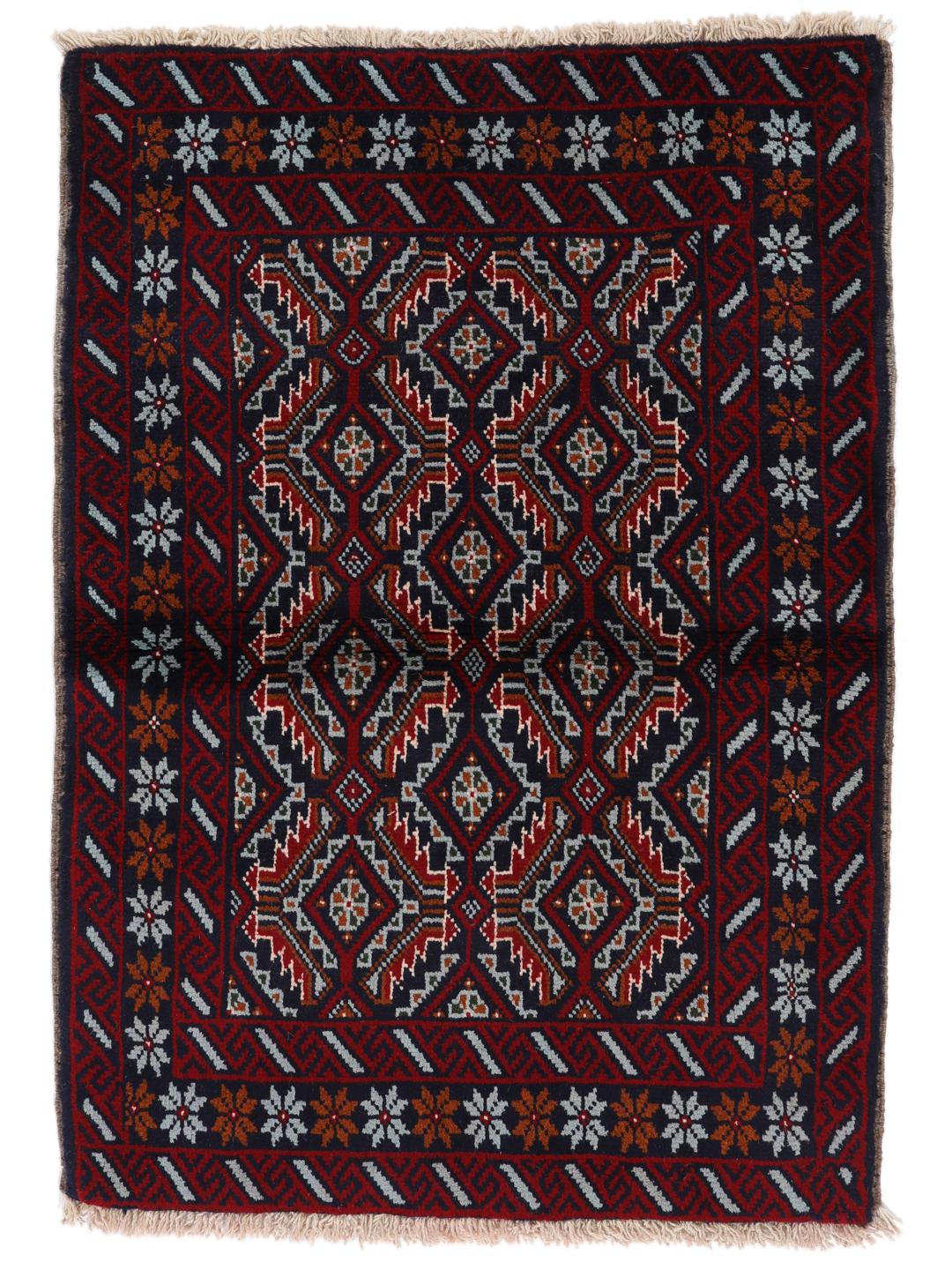
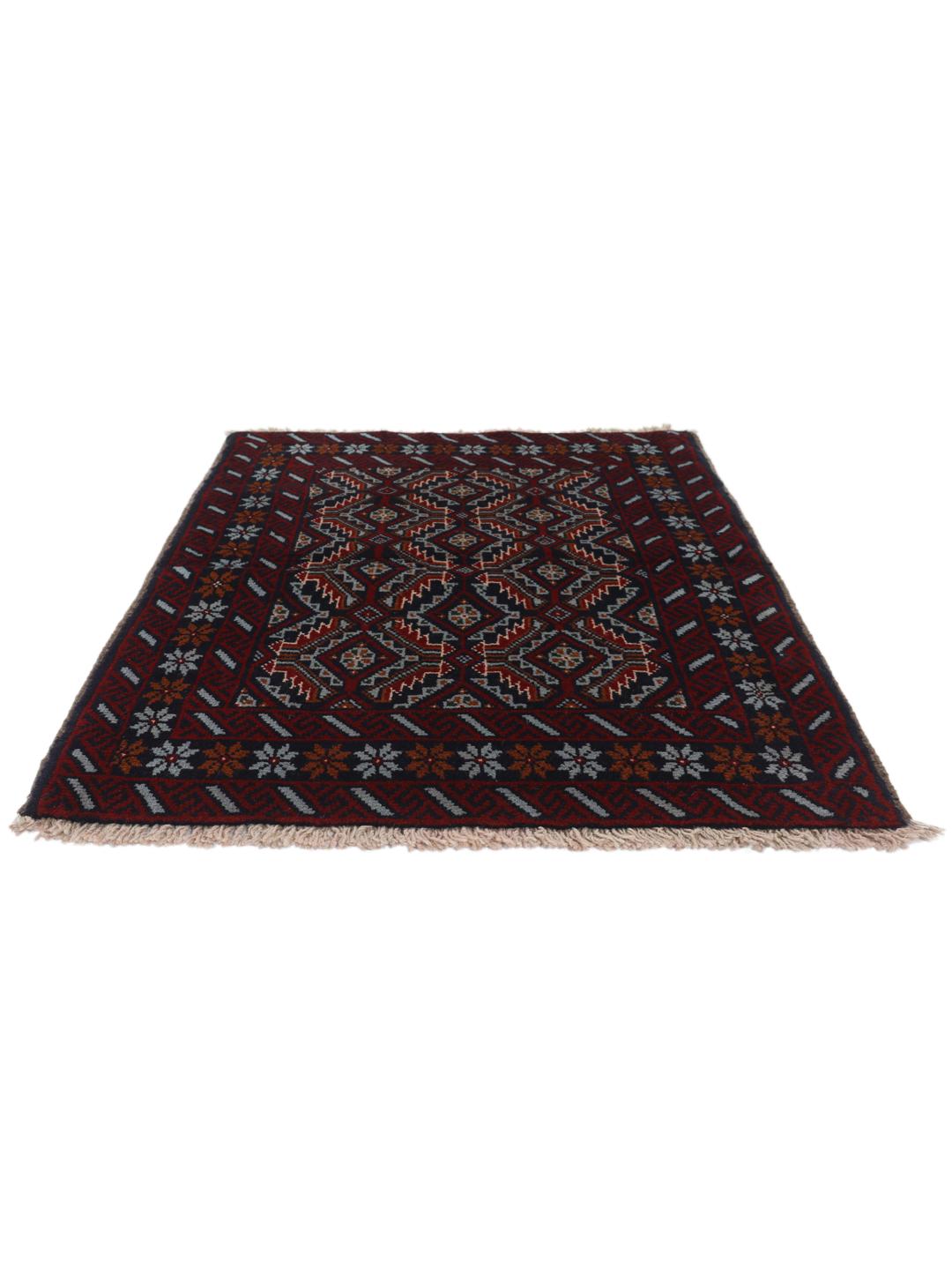
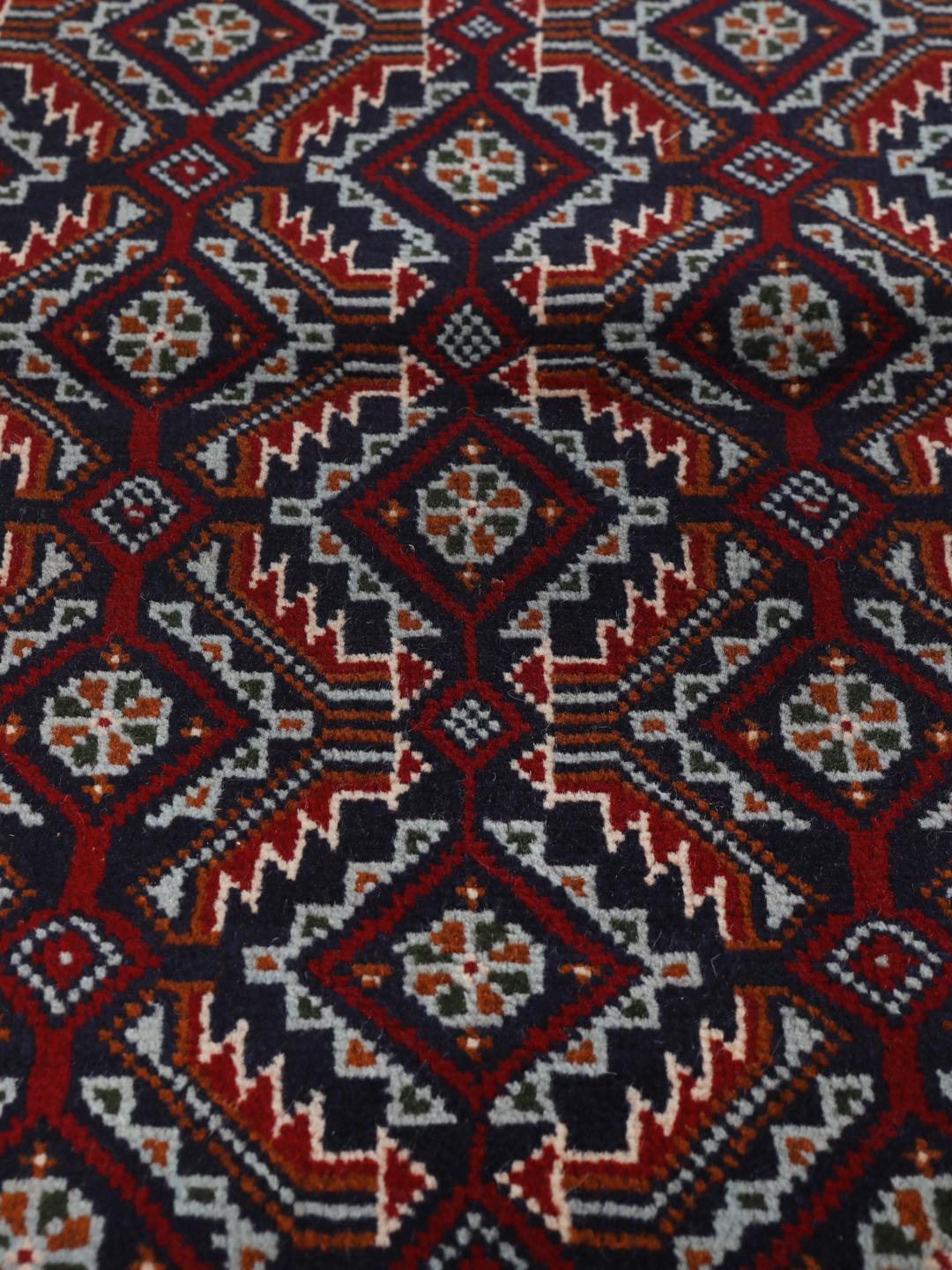
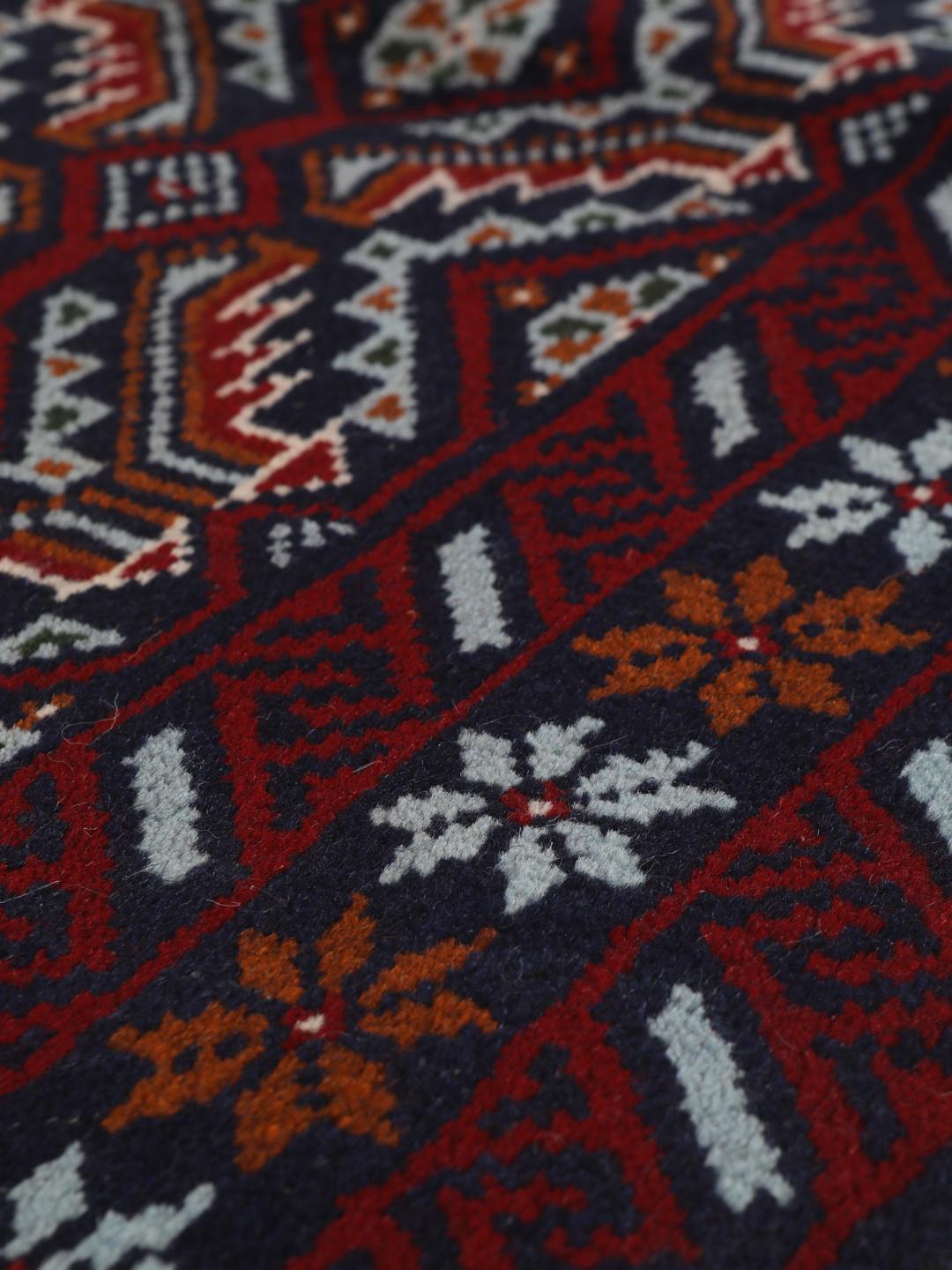
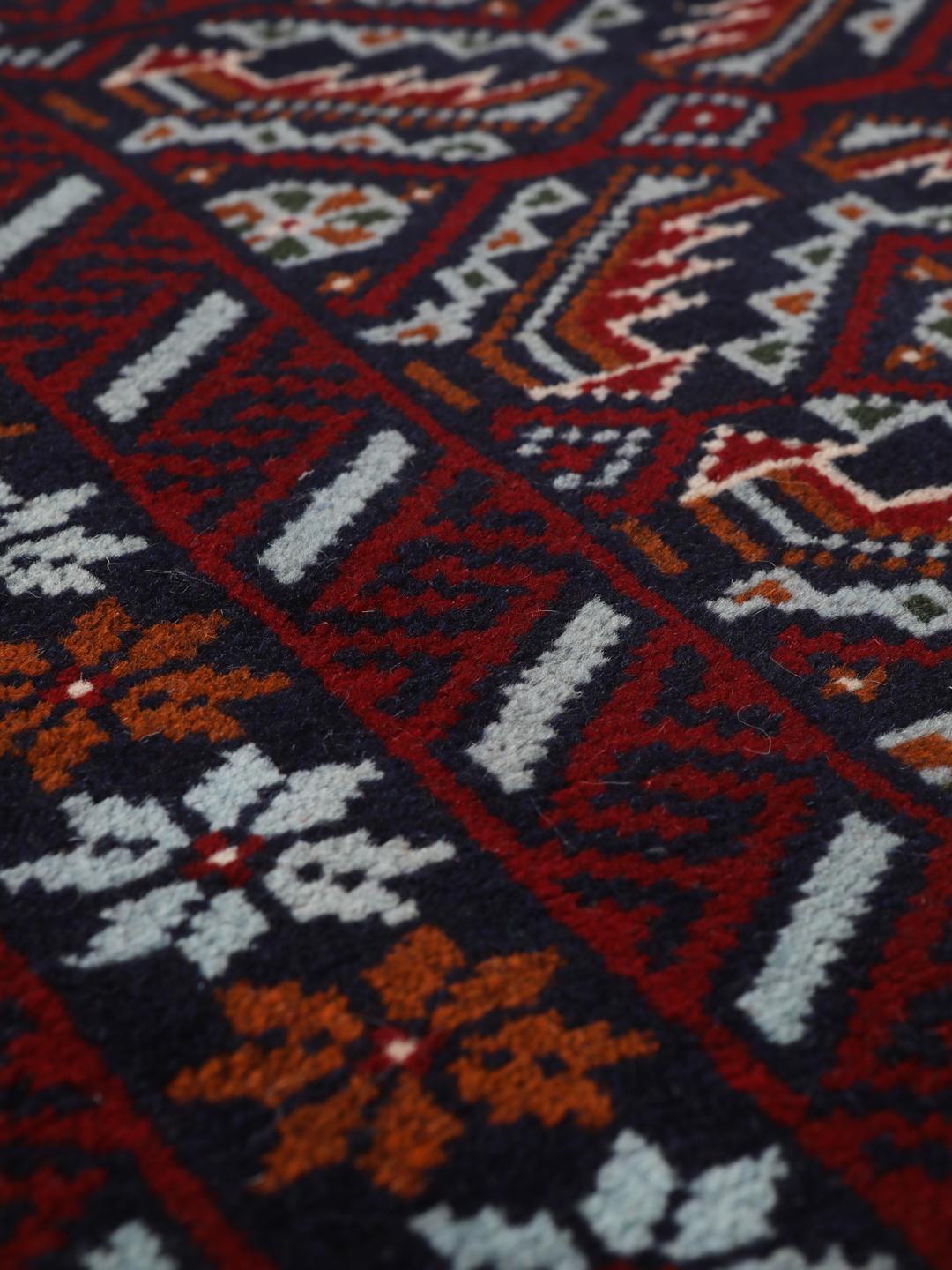
The visual language of these rugs is defined by a distinct geometric vocabulary. You will often see repeating diamond motifs, stylised floral elements, and intricate, decorative borders that frame the composition. The colours are typically drawn from natural dyes that lean towards deep reds, browns, and dark blues, creating a moody, evocative aesthetic that is instantly recognisable to collectors.
Owning a piece from this tradition is an act of preserving a tangible piece of history. These rugs are highly valued for their nomadic spirit, the skill involved in their creation, and the personal touch of the weaver. Each rug serves as a document of the weaver's environment and cultural influences, making them a meaningful addition to any collection of fine textiles.