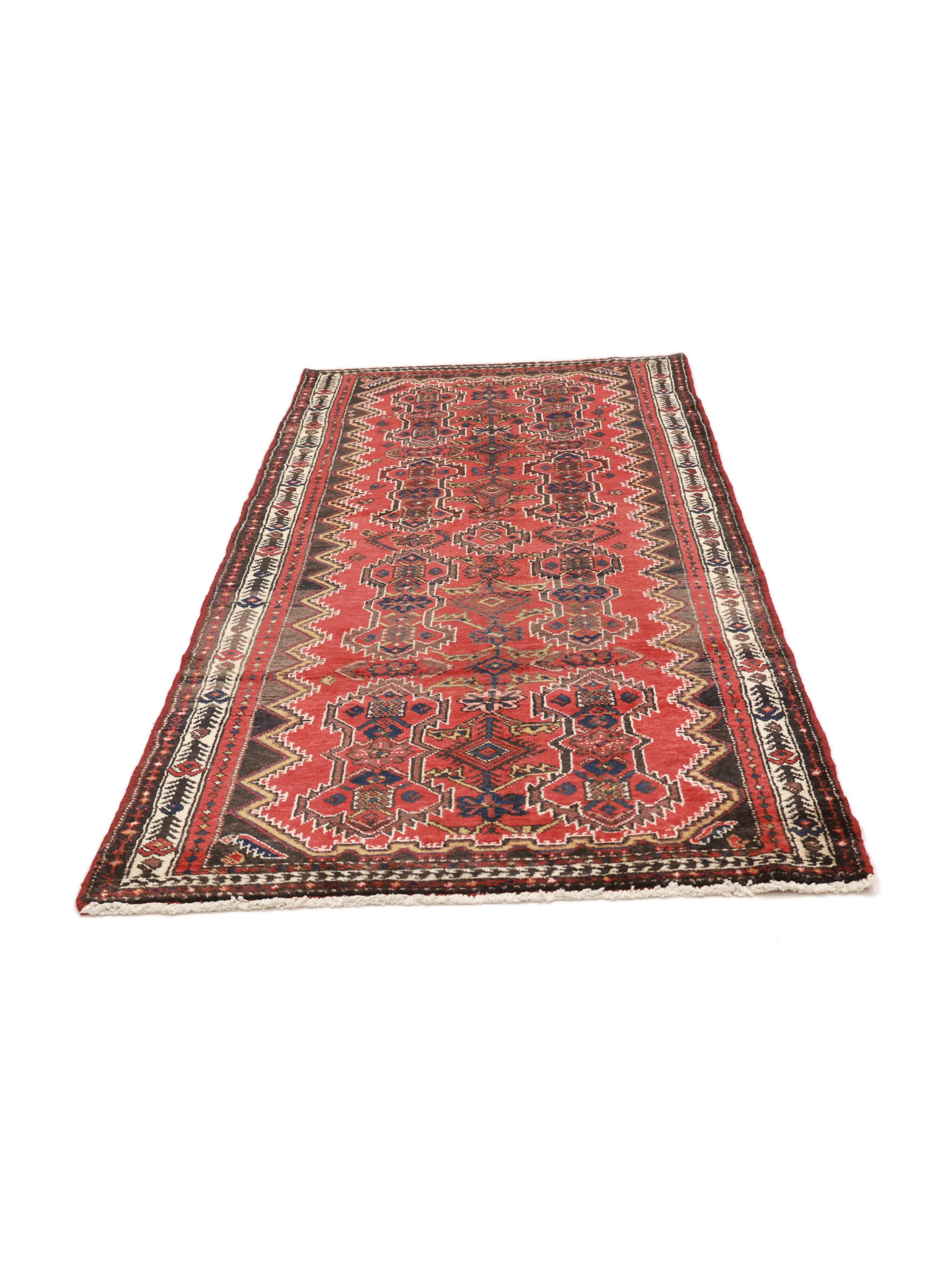
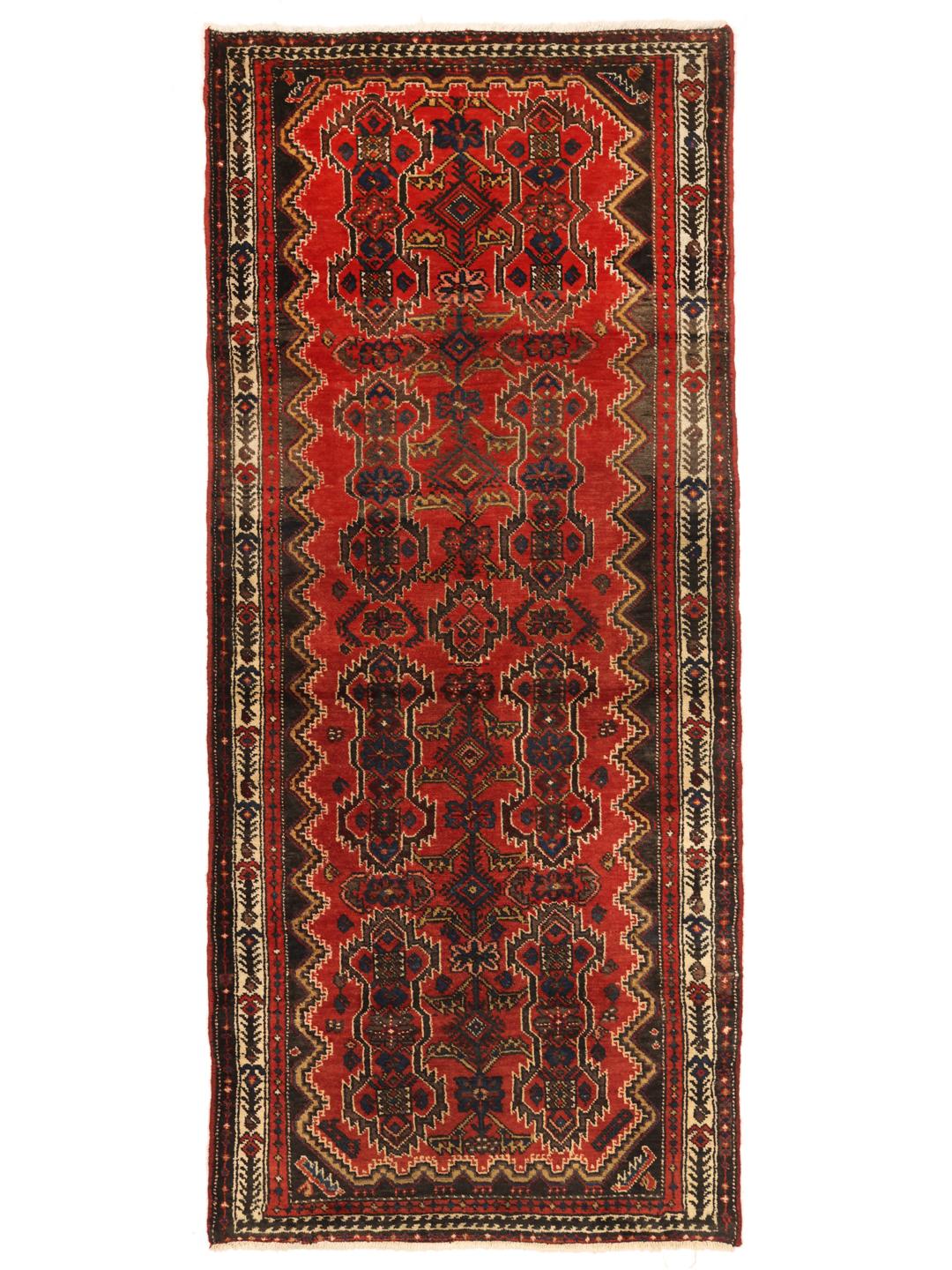
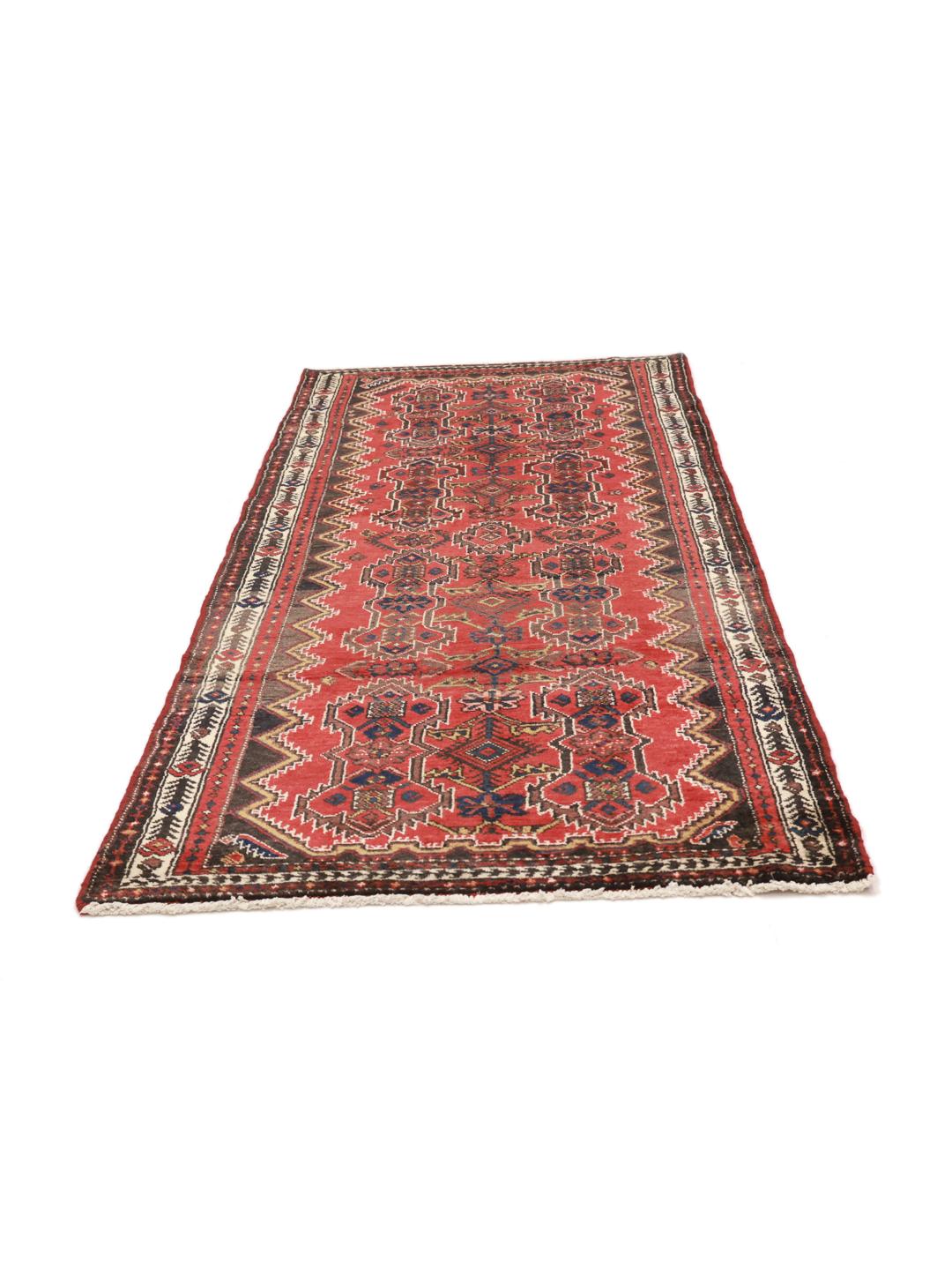
Beluch rugs take their name from the nomadic and semi-nomadic tribes of the Baluchistan region, which spans parts of the Middle East. Historically, these weavers were master storytellers, translating their environment, beliefs, and ancestral memories into intricate textile designs. These rugs were traditionally woven on portable, horizontal looms that could be easily packed and moved during seasonal migrations, a testament to the resilience and adaptability of the culture.
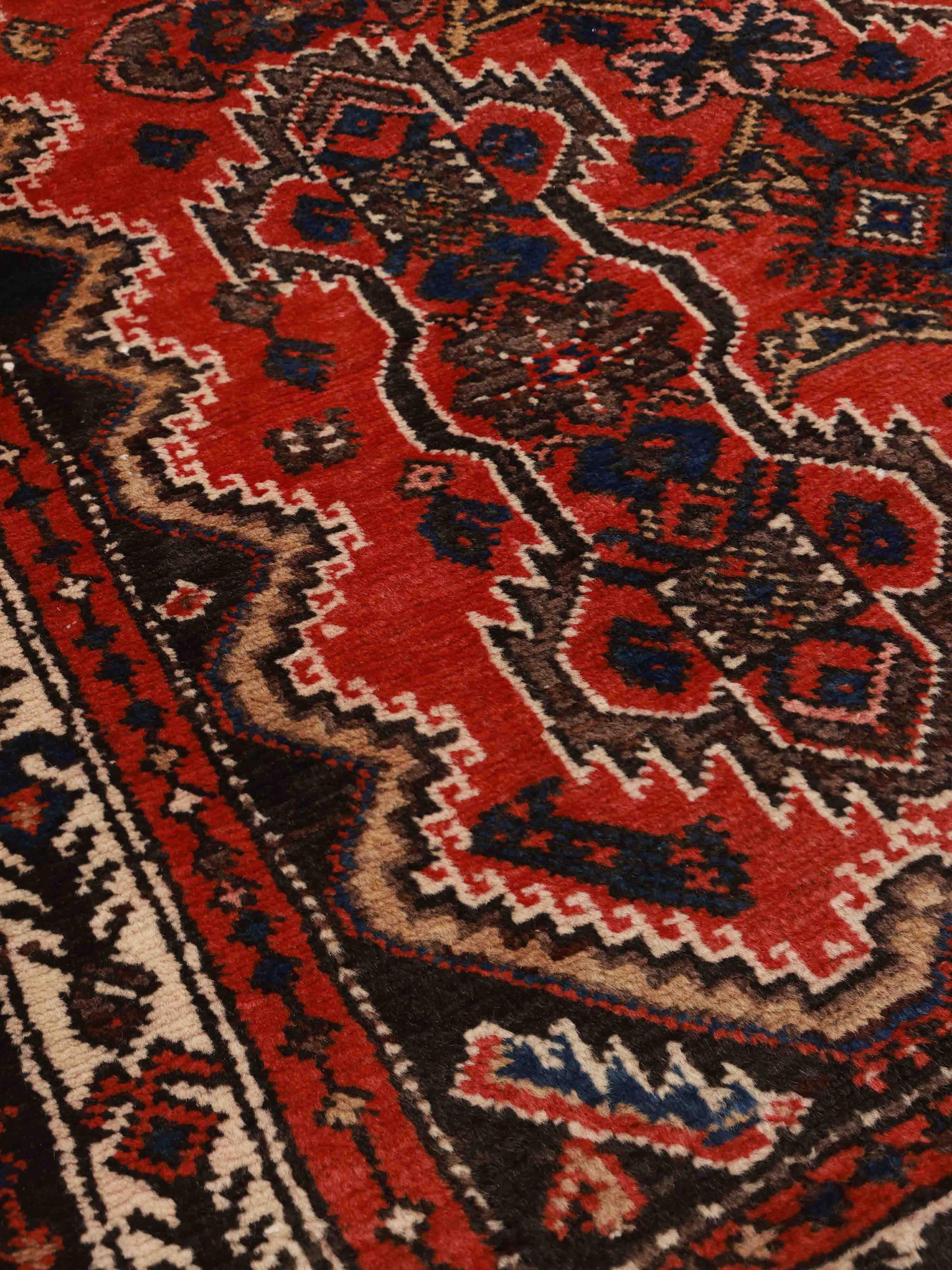
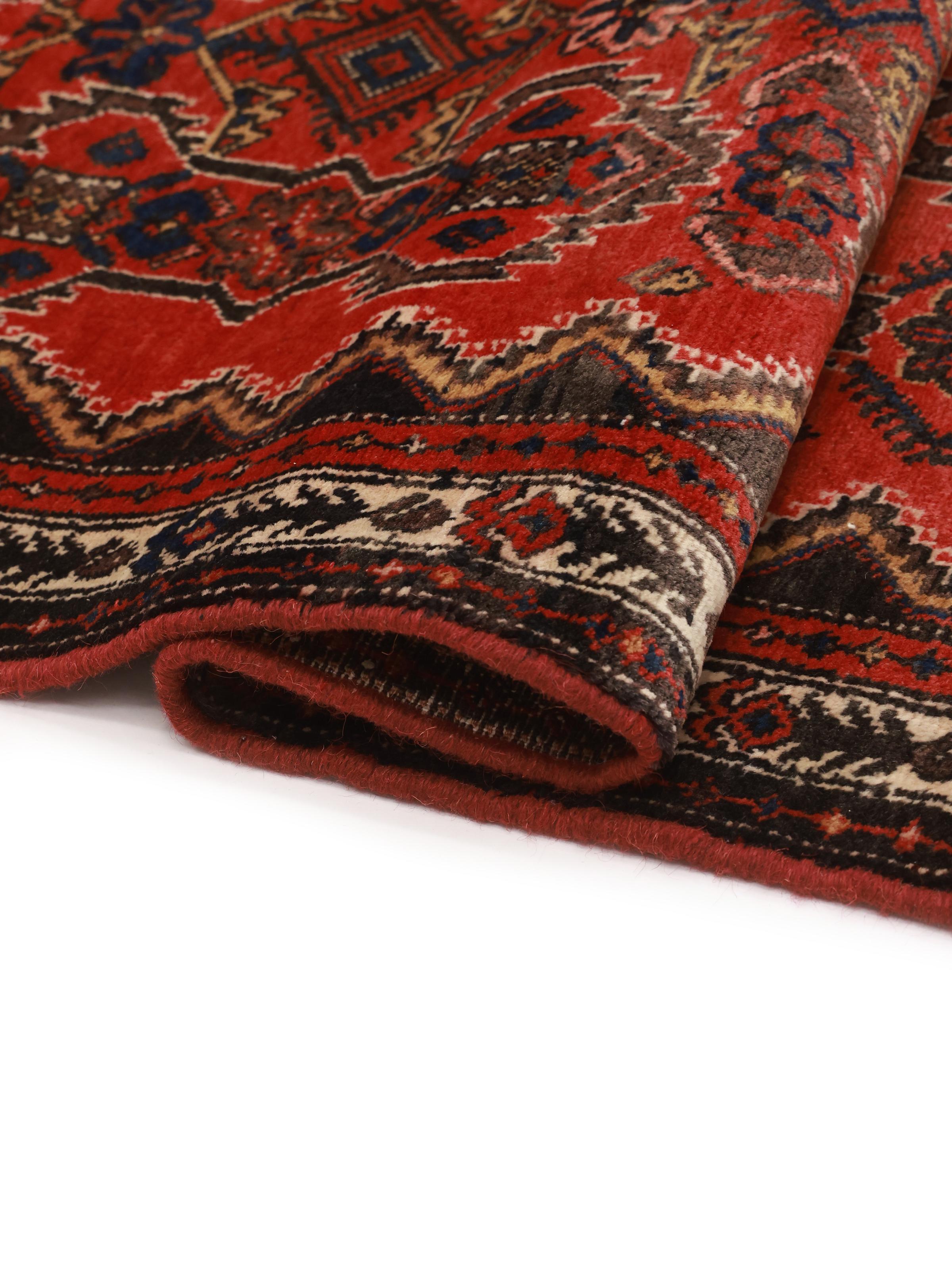
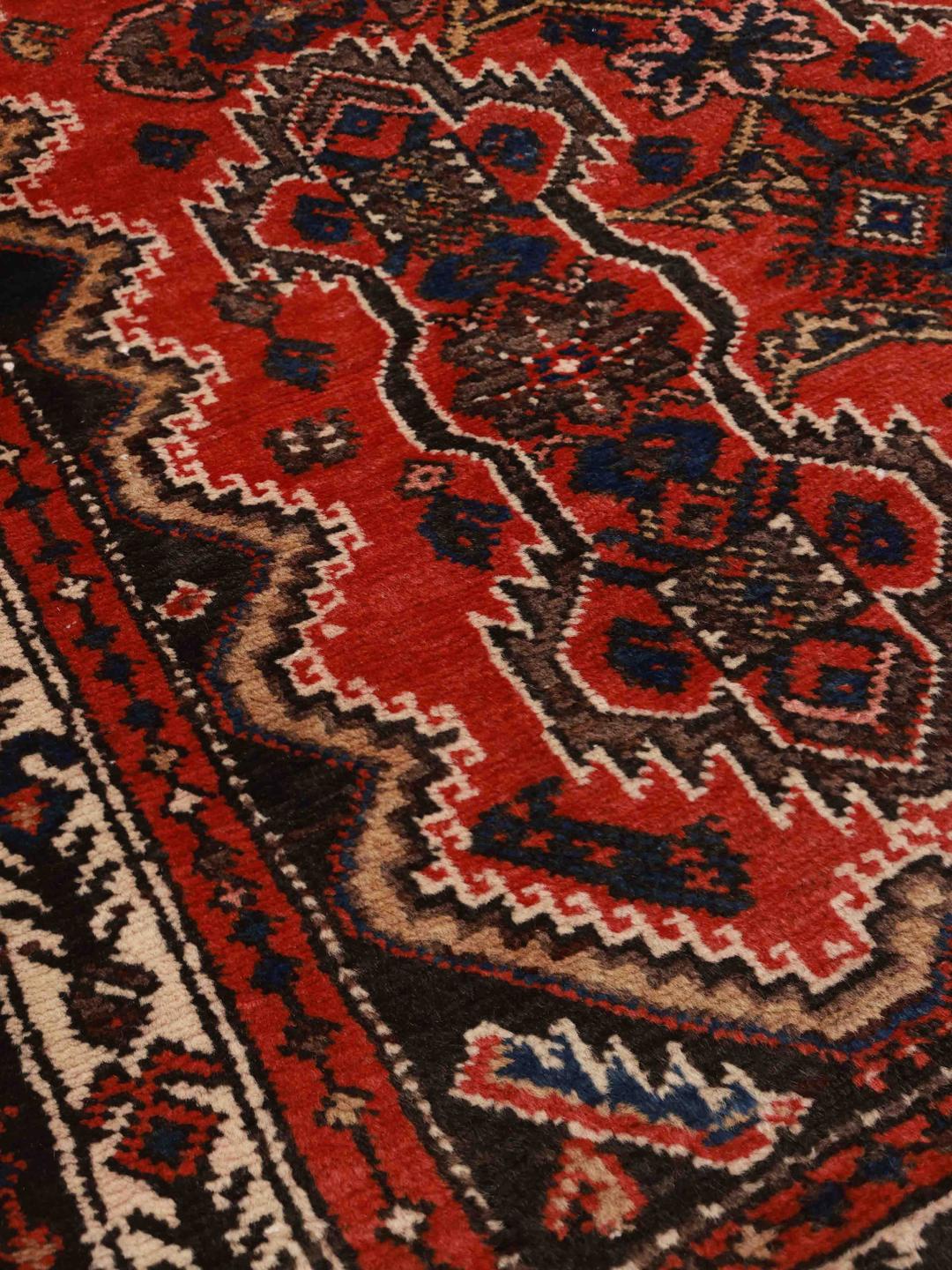
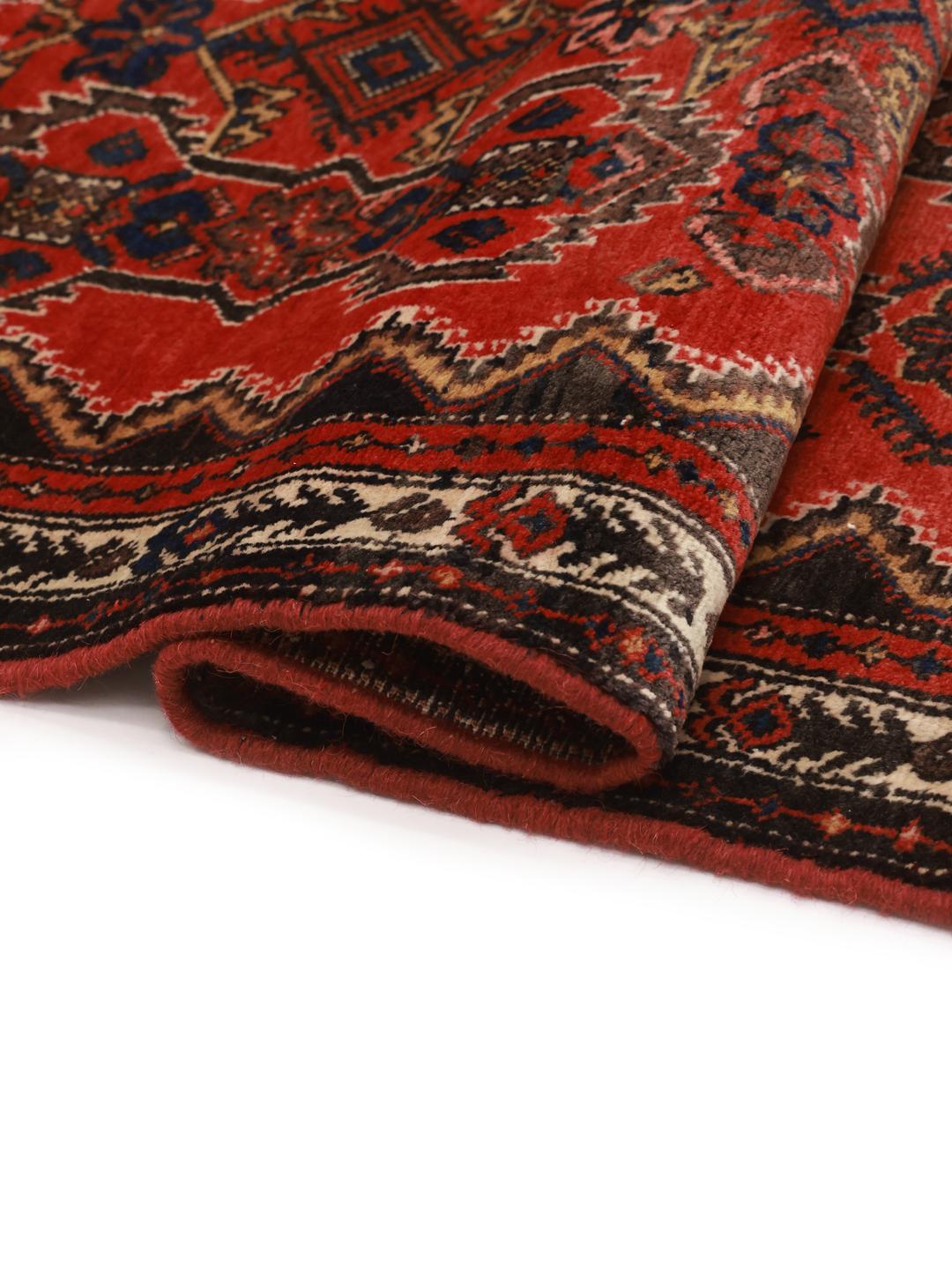
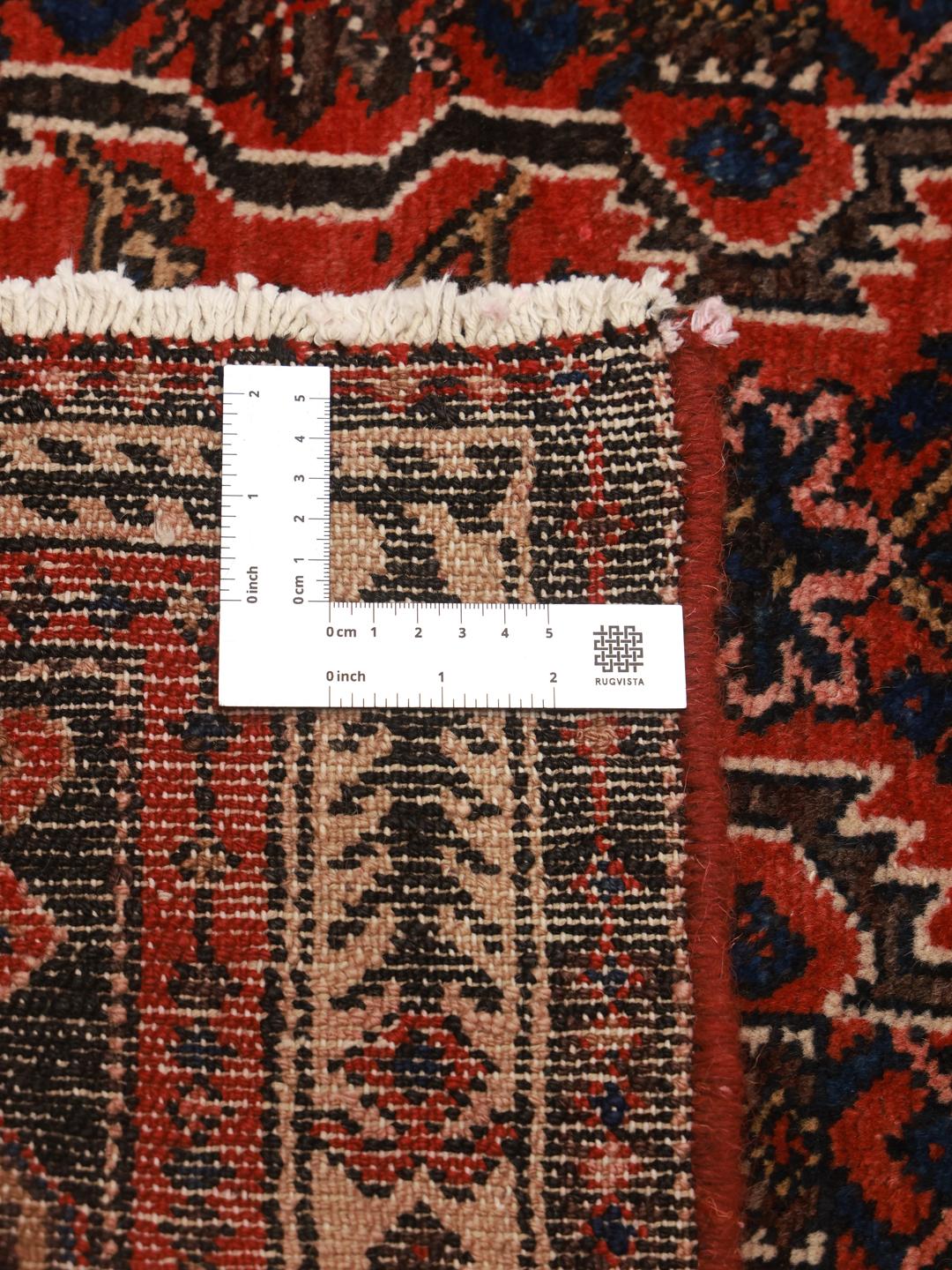
The term 'hand-knotted' refers to the traditional method where each pile thread is individually tied onto the foundation. This creates a durable, high-quality structure that differs significantly from modern, automated weaving. The precision required for this technique is immense, as the weaver must maintain consistent tension and knotting throughout the entire process to ensure the rug remains perfectly rectangular and smooth.
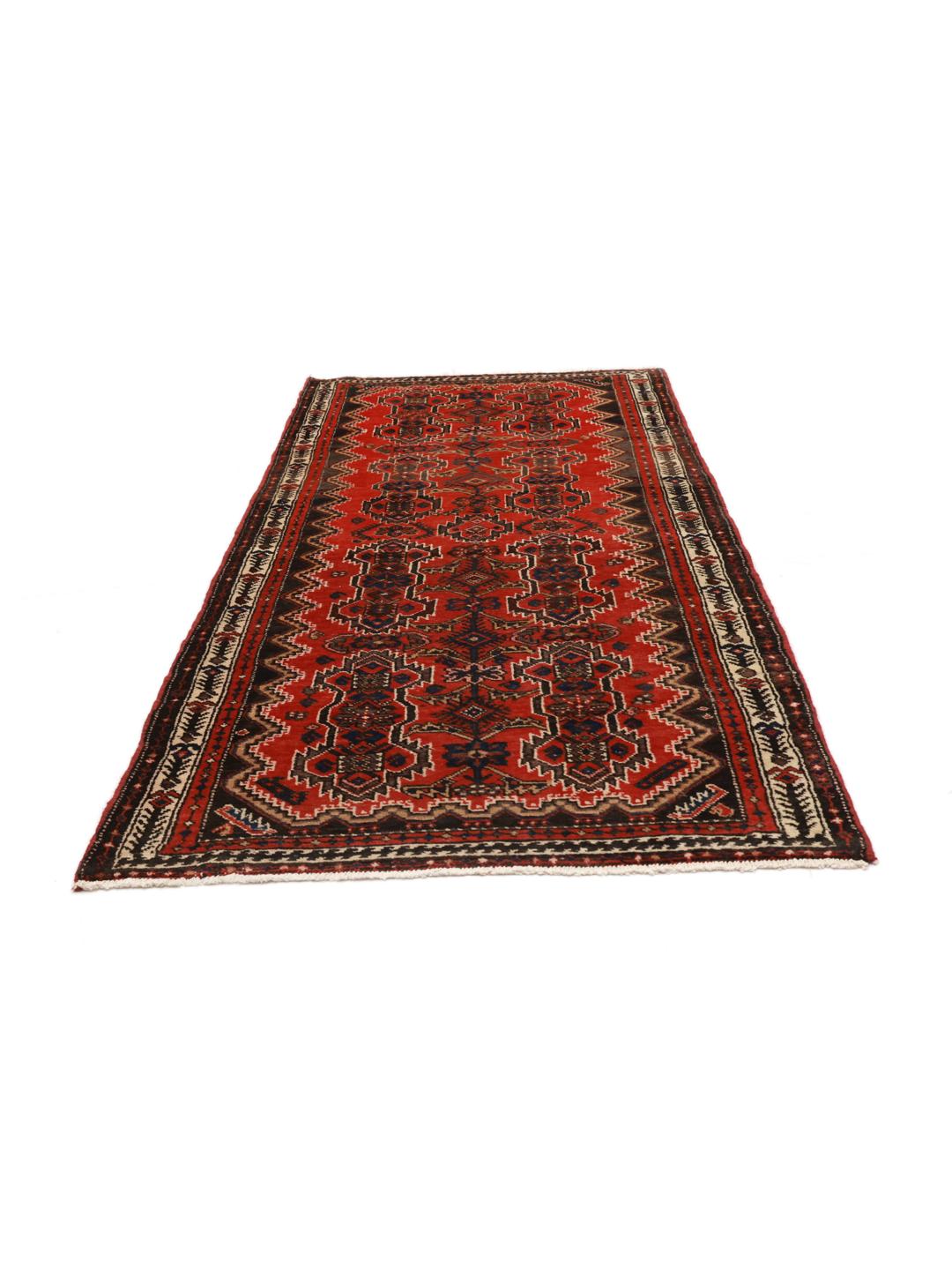
Signature design elements of the Beluch tradition include a focus on geometric motifs, often featuring stylized botanical forms or tribal symbols arranged in repeating, rhythmic patterns. The borders are typically complex, framing the central field with precise, angular lines. While traditional palettes often favour deep, earthy tones like red, brown, and midnight black, each weaver brings their own variation, making every rug a distinct expression of their personal and regional style.
Owning a piece from this tradition means connecting with a craft that has survived for centuries. These rugs are highly valued by collectors not just for their aesthetic beauty, but for the skill, patience, and cultural history embedded in every knot. They represent a bridge between ancient nomadic traditions and the modern home, offering a sense of history and permanence that mass-produced items cannot replicate.