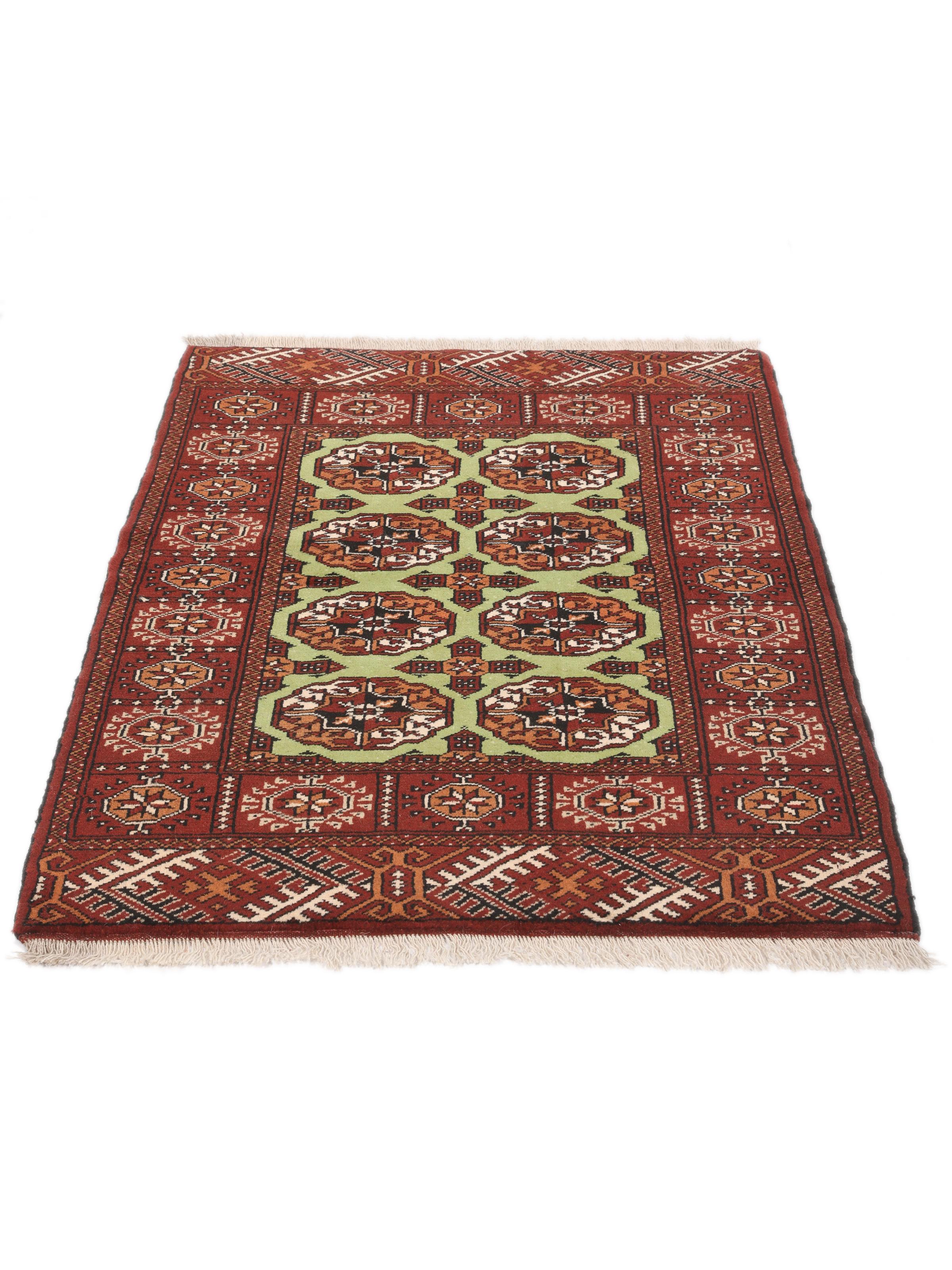
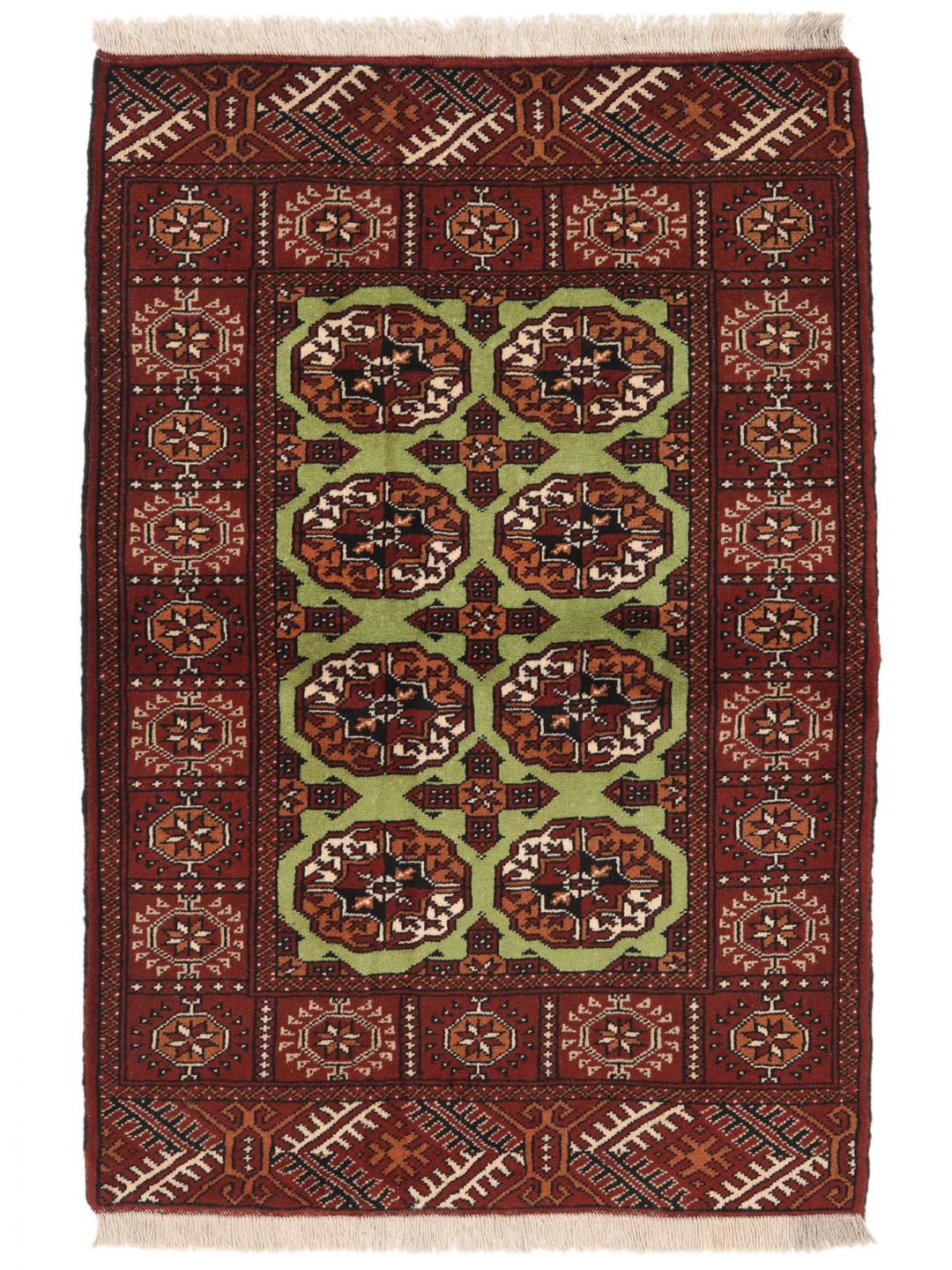
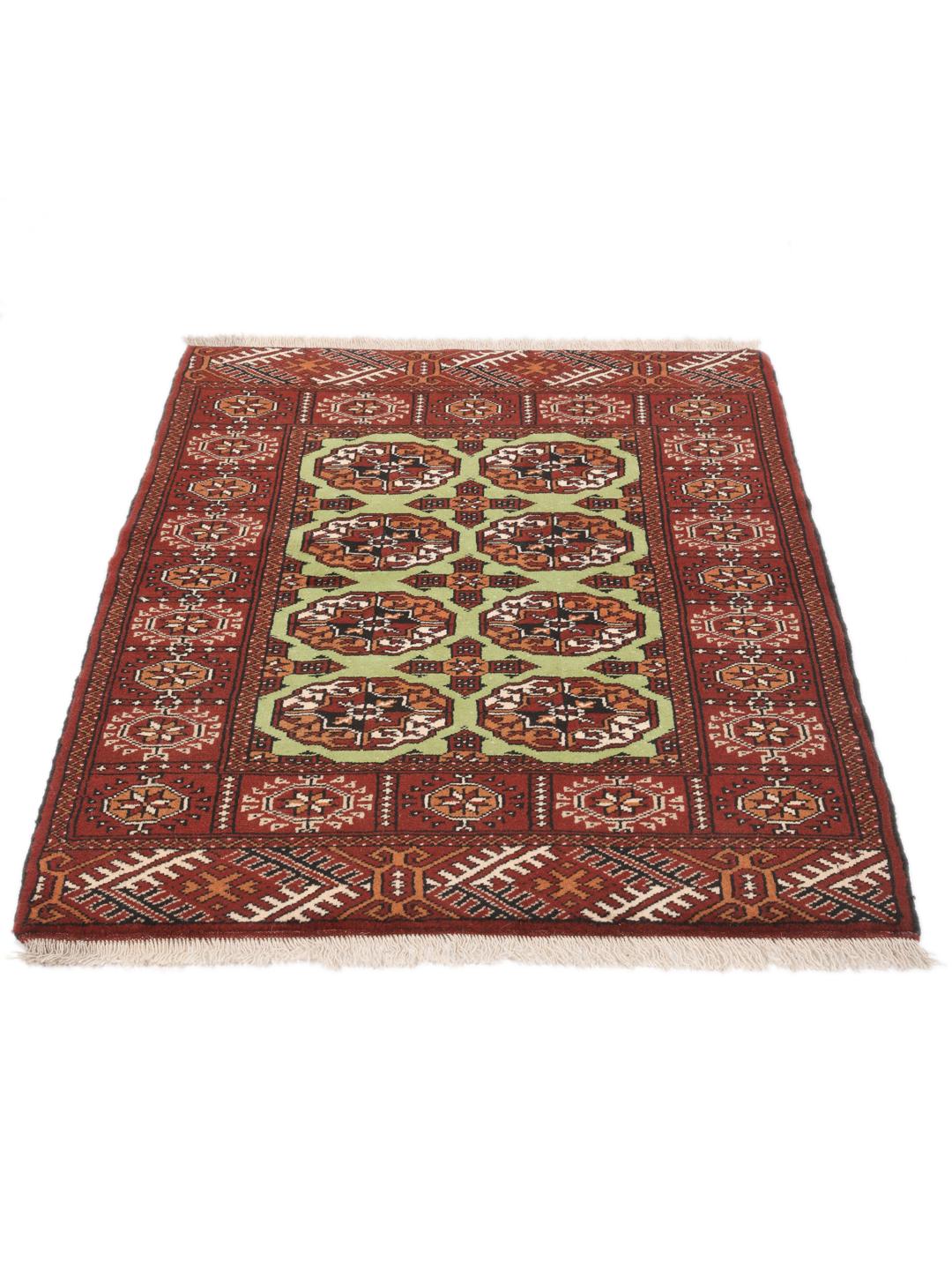
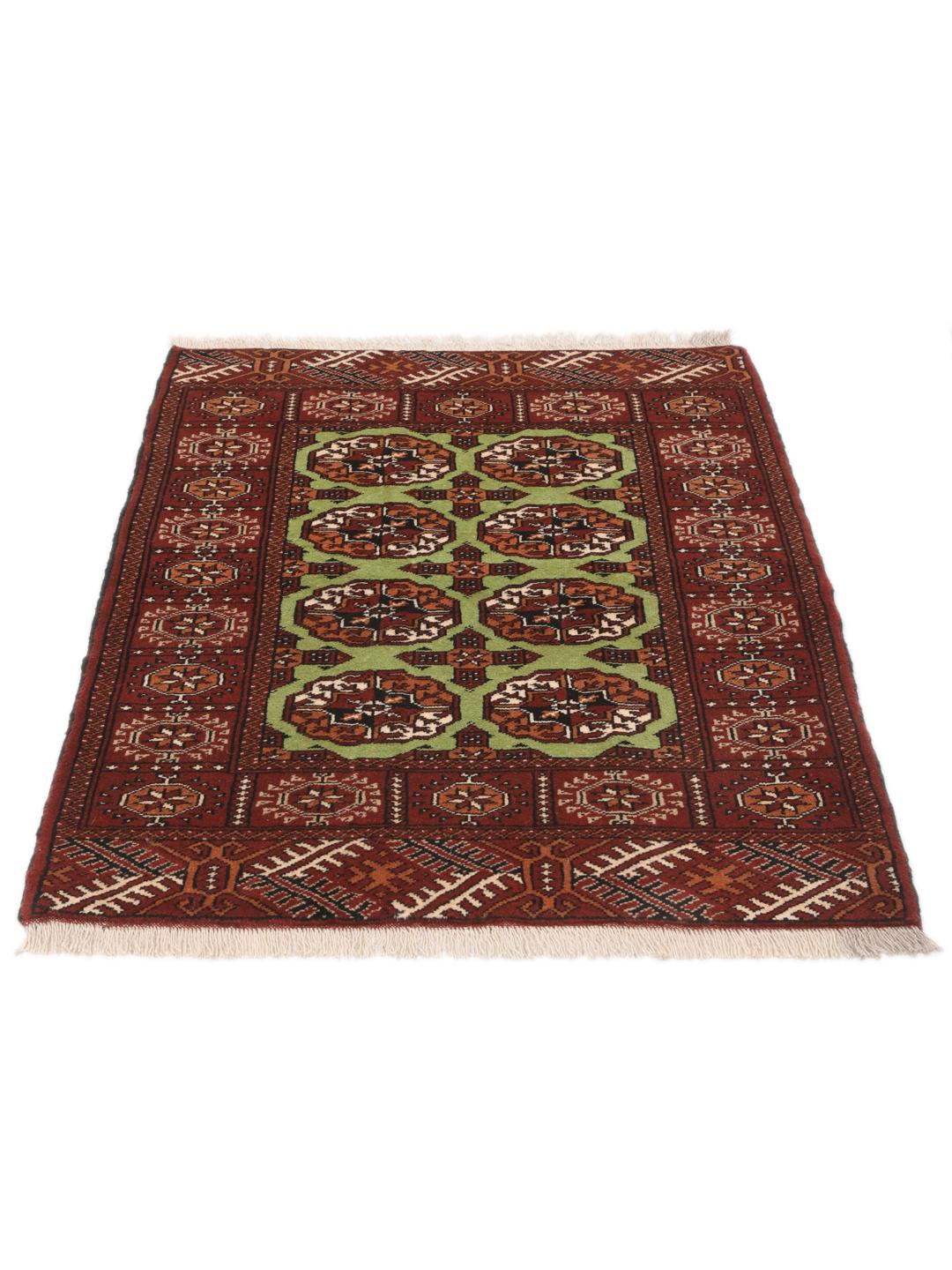
Beluch rugs are deeply rooted in the nomadic traditions of the Middle East, specifically associated with the Baluchi people who have travelled across the borders of the region for centuries. These rugs are traditionally woven on portable looms, allowing the weavers to carry their craft with them as they move, which has historically resulted in smaller, highly portable, yet exquisitely detailed pieces.
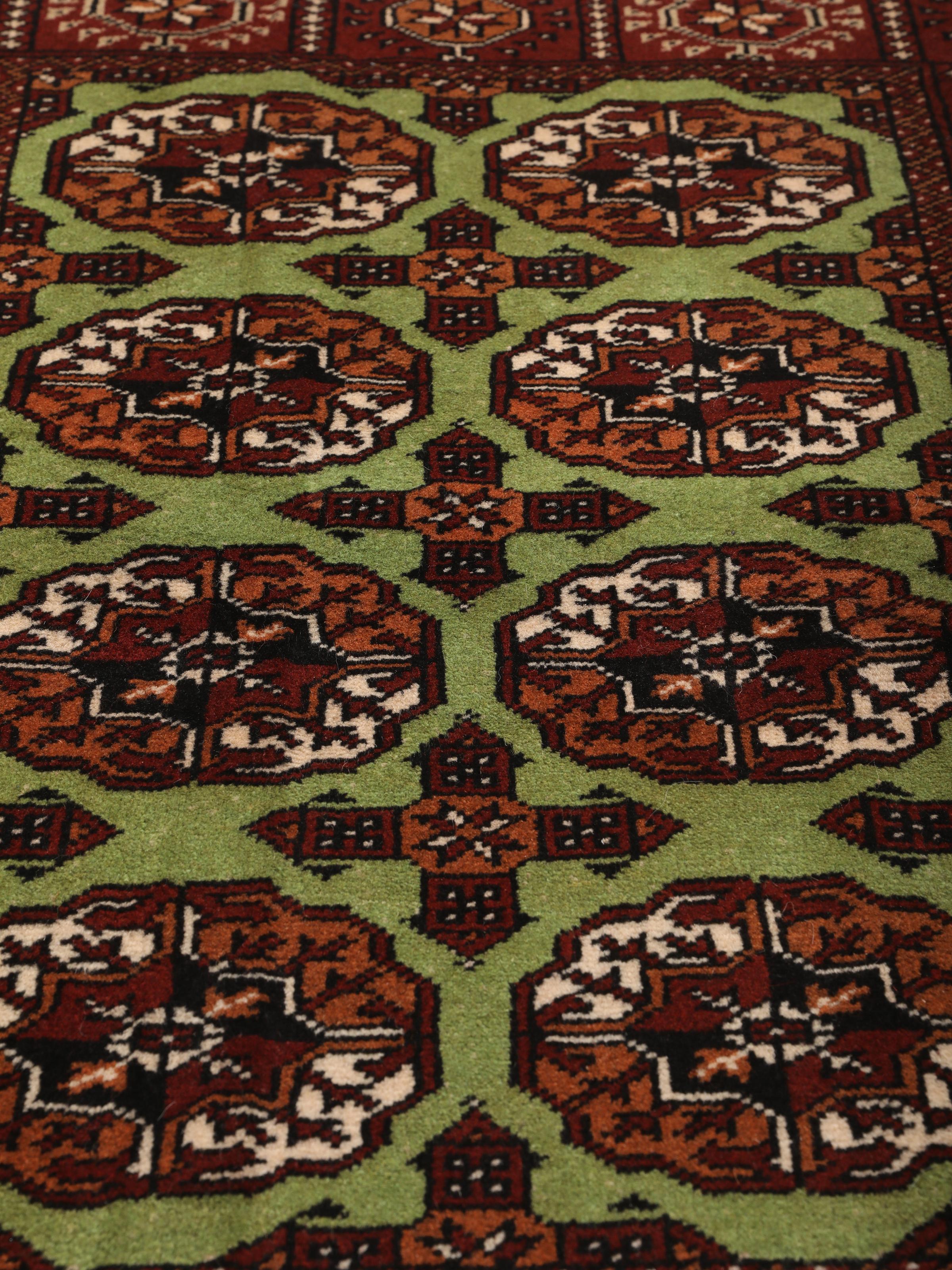
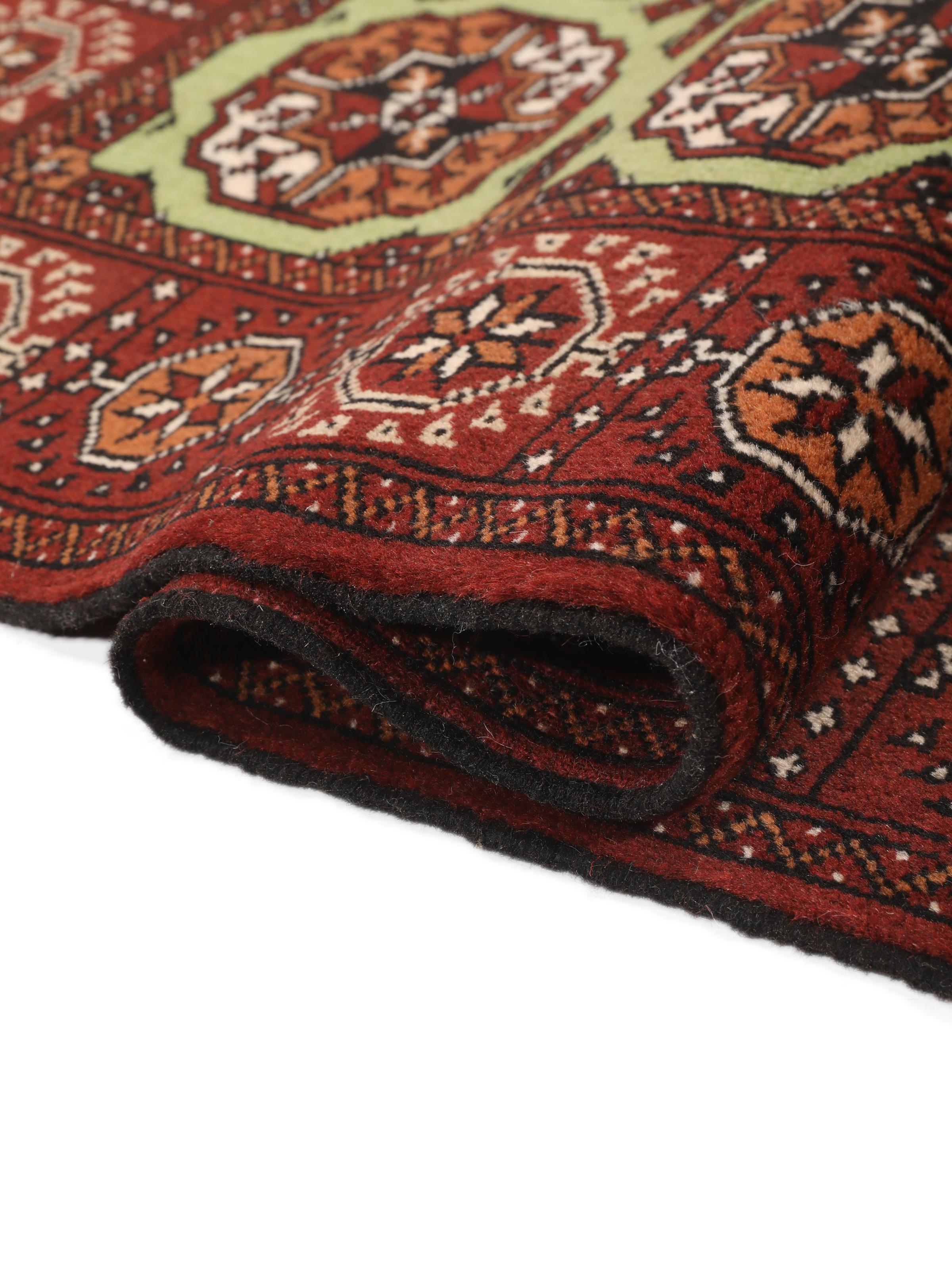
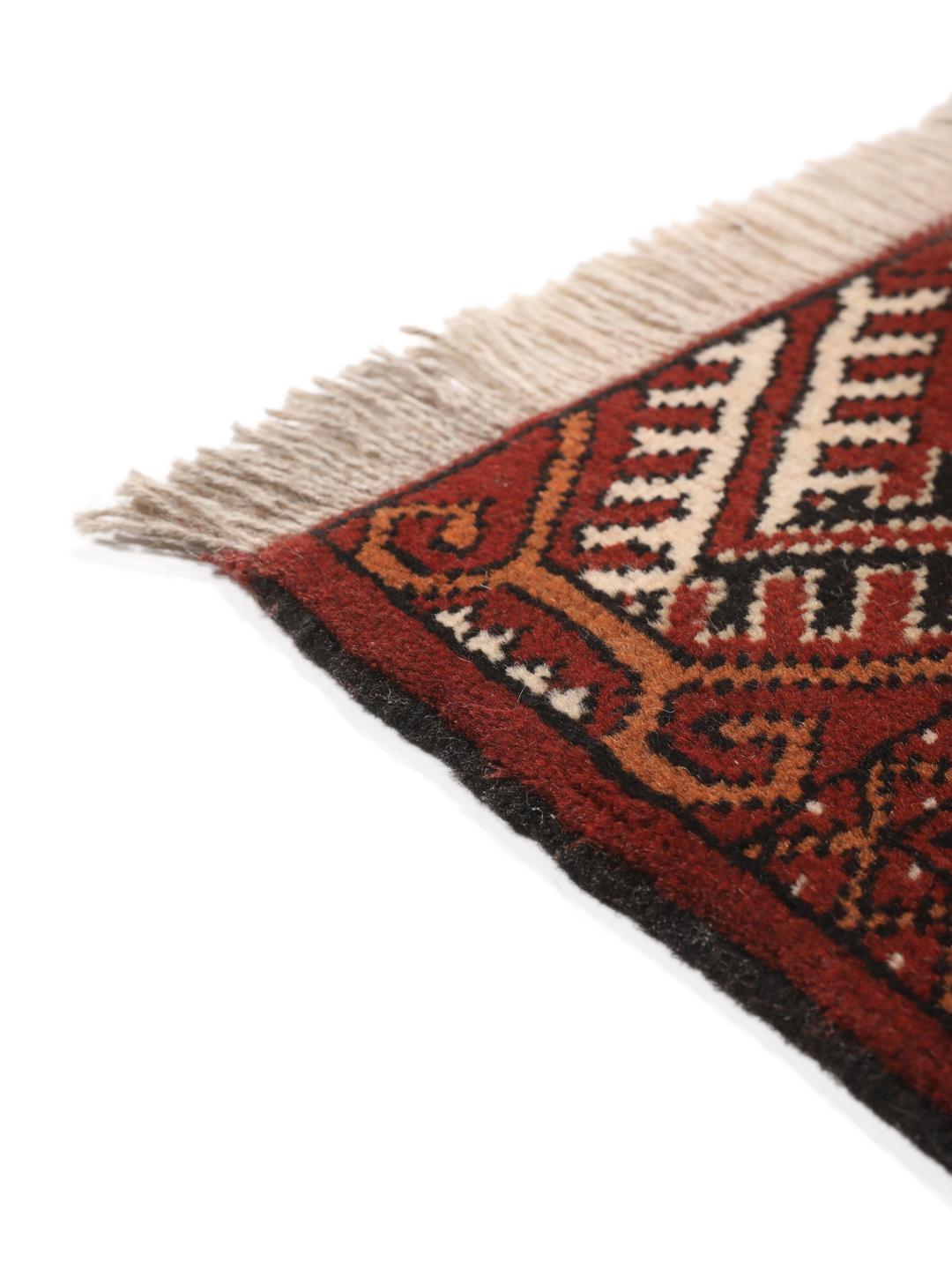
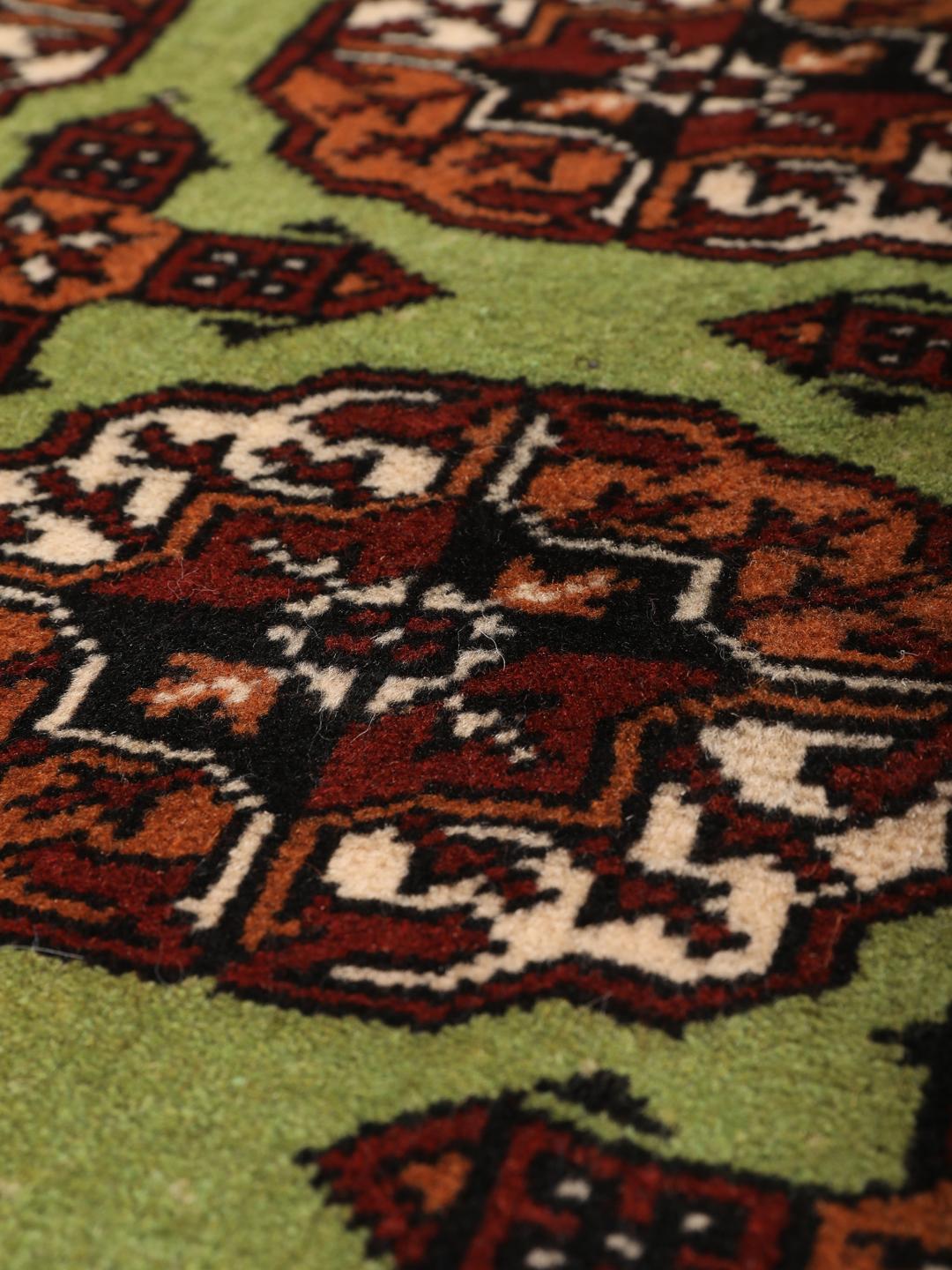
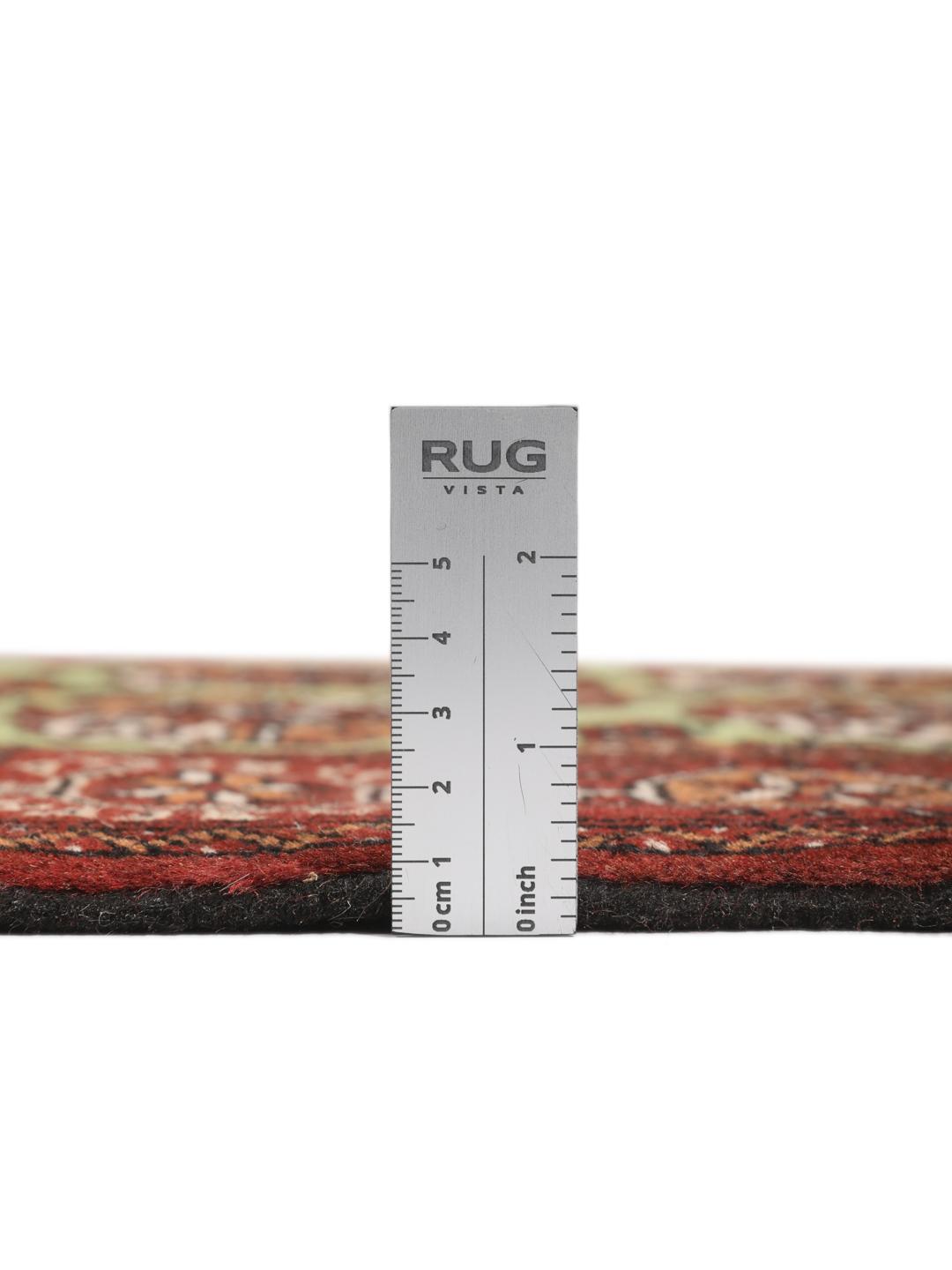
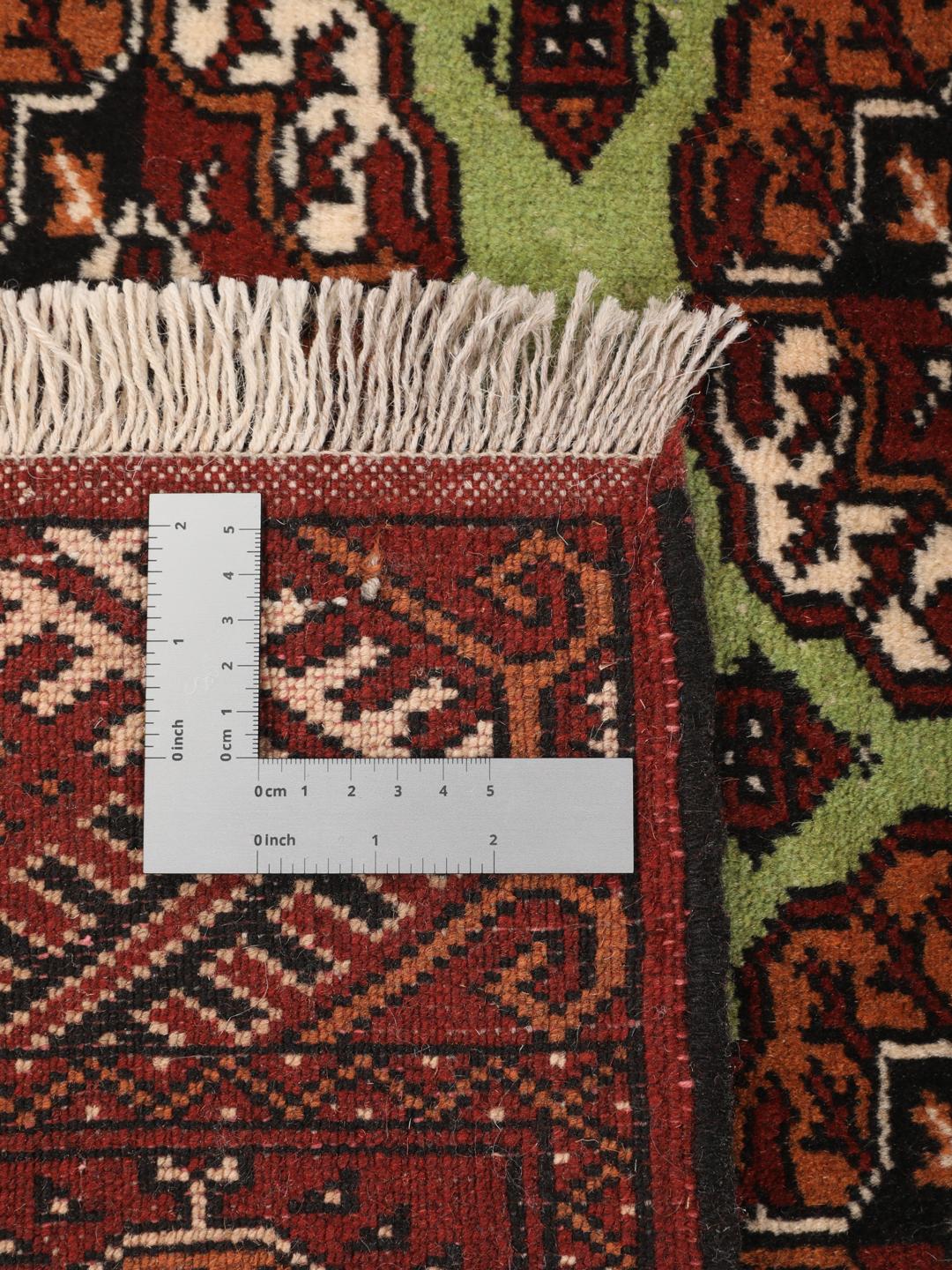
The term Beluch refers to this specific nomadic heritage, characterised by a focus on durability and symbolic design. The weaving process is a labour-intensive tradition passed down through generations, where the mastery of the knot is considered a vital life skill. This creates a dense, lustrous pile that is designed to endure the rigours of nomadic life, making these rugs exceptionally long-lasting for modern home use.
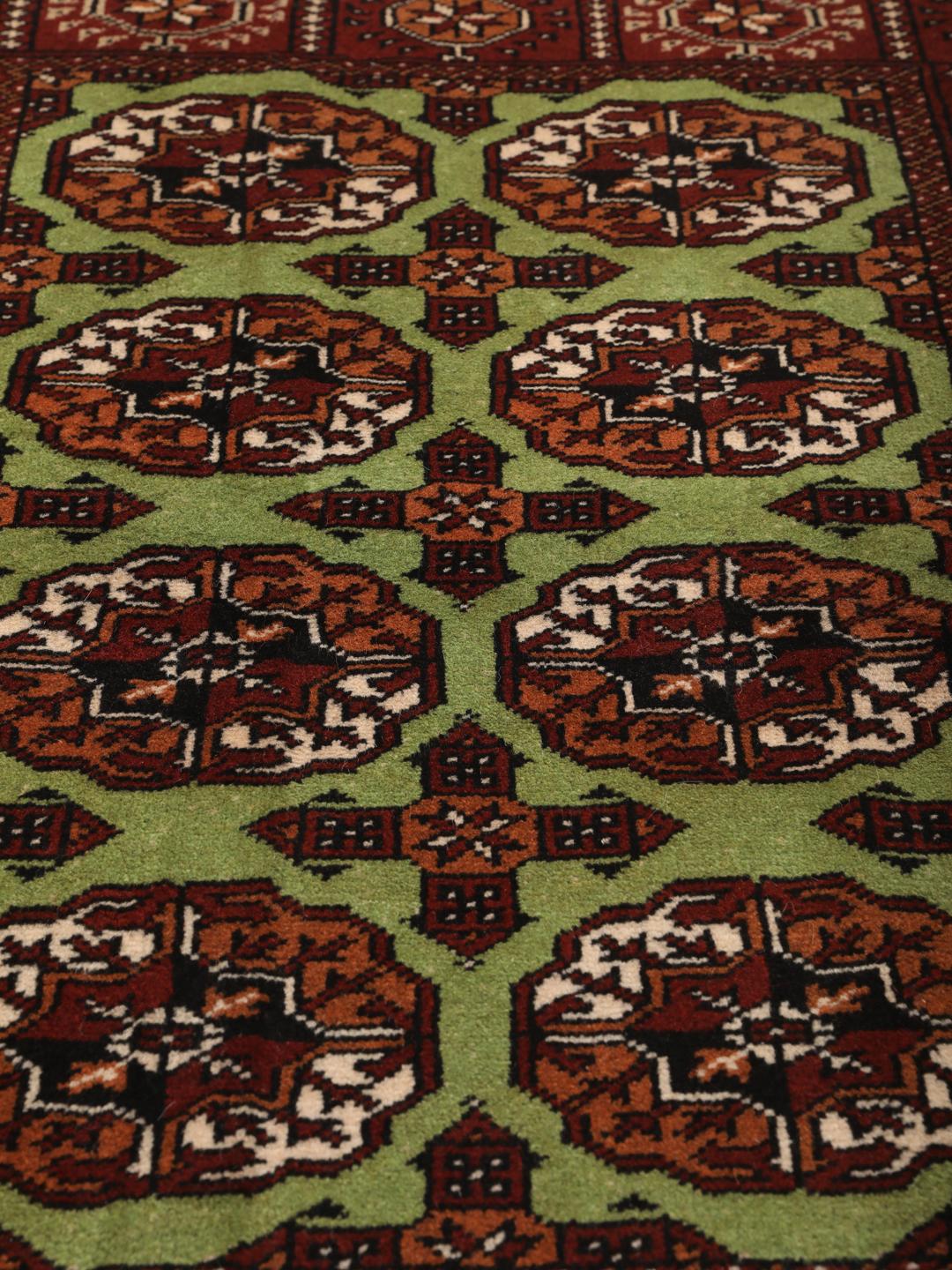
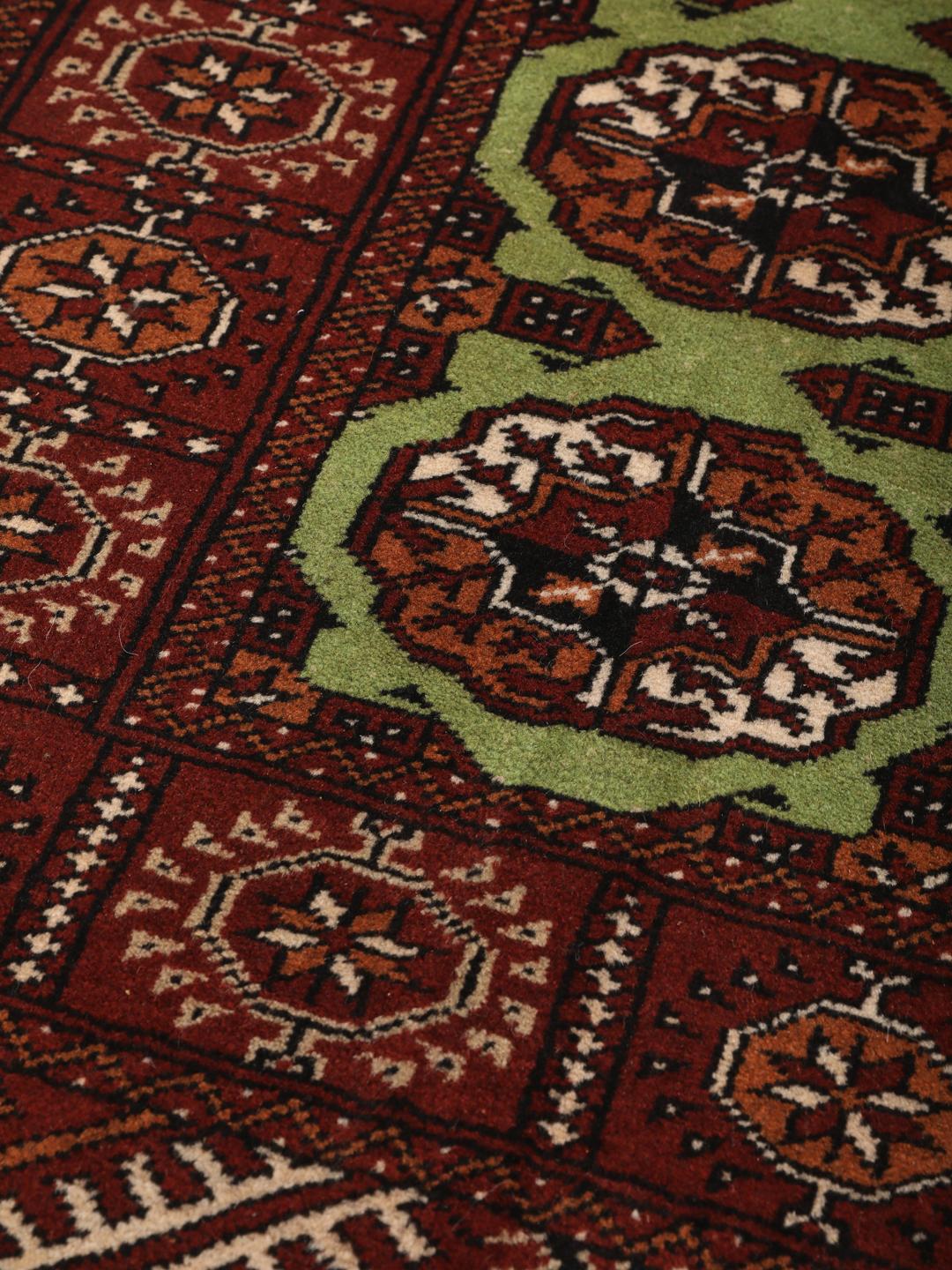
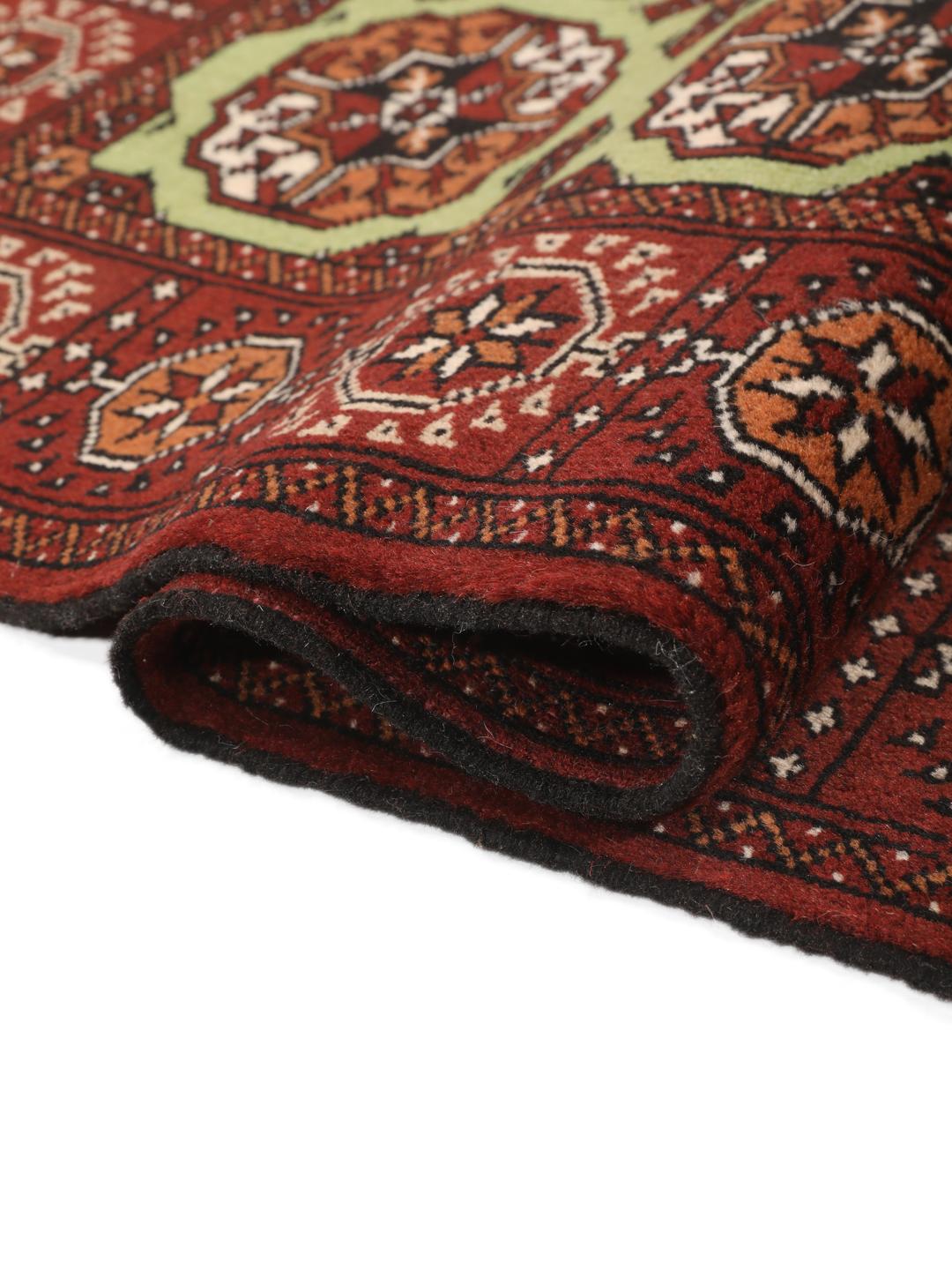
Signature design elements for these rugs often include geometric medallions, known as guls, and intricate, tribal-inspired borders. The colour palette is typically drawn from natural dyes, favouring deep, earthy tones such as dark reds, browns, and dark greens. These patterns are not merely decorative but often carry tribal meanings and protective symbols that have been preserved through hundreds of years of weaving history.
Owning a Beluch rug is an investment in cultural preservation. These pieces are highly valued by collectors for their authenticity and the raw, human skill required to produce them. By bringing one into your home, you are not just adding a floor covering, but a piece of living history that represents the skill, memory, and enduring spirit of Middle Eastern nomadic culture.