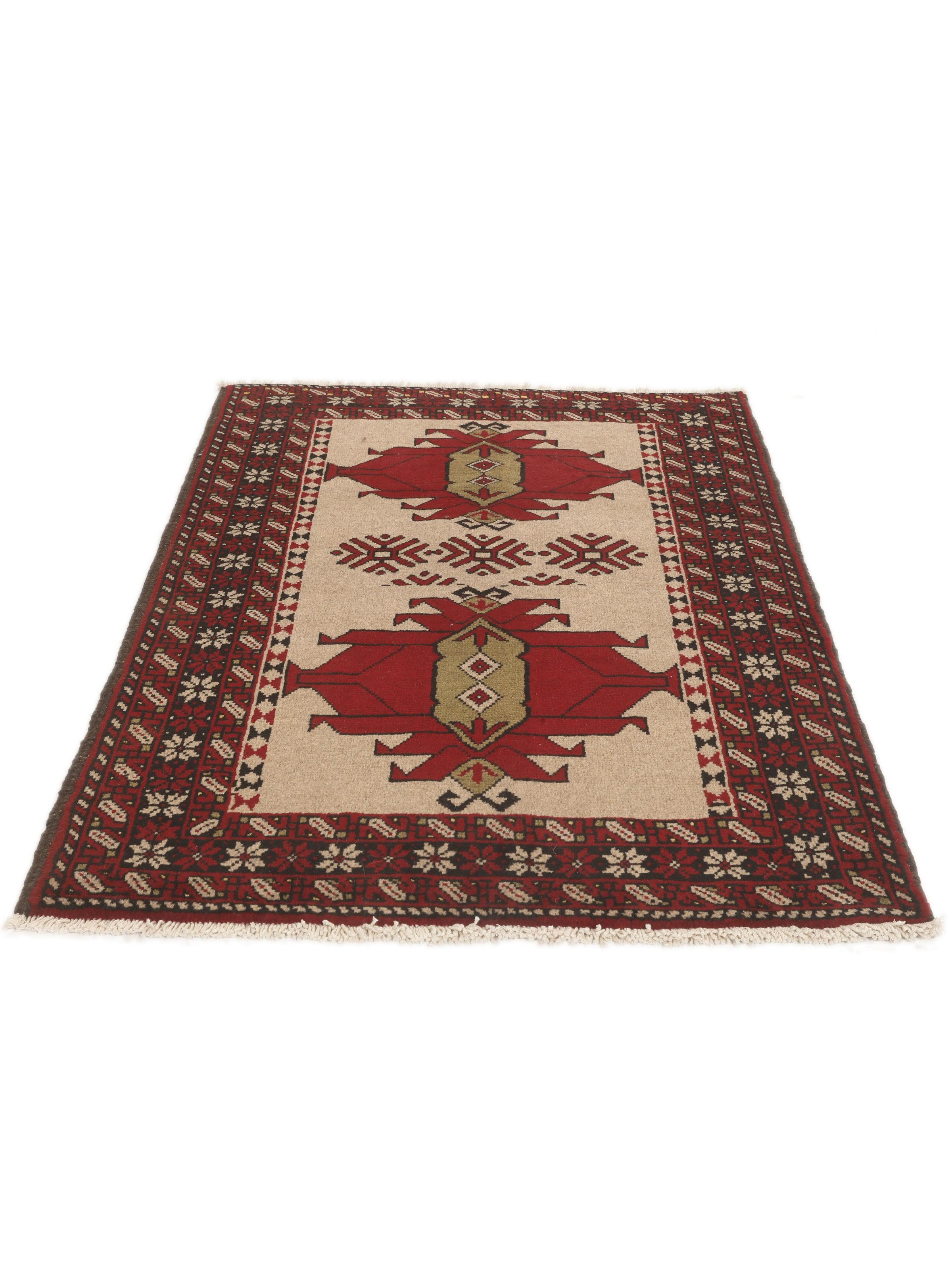
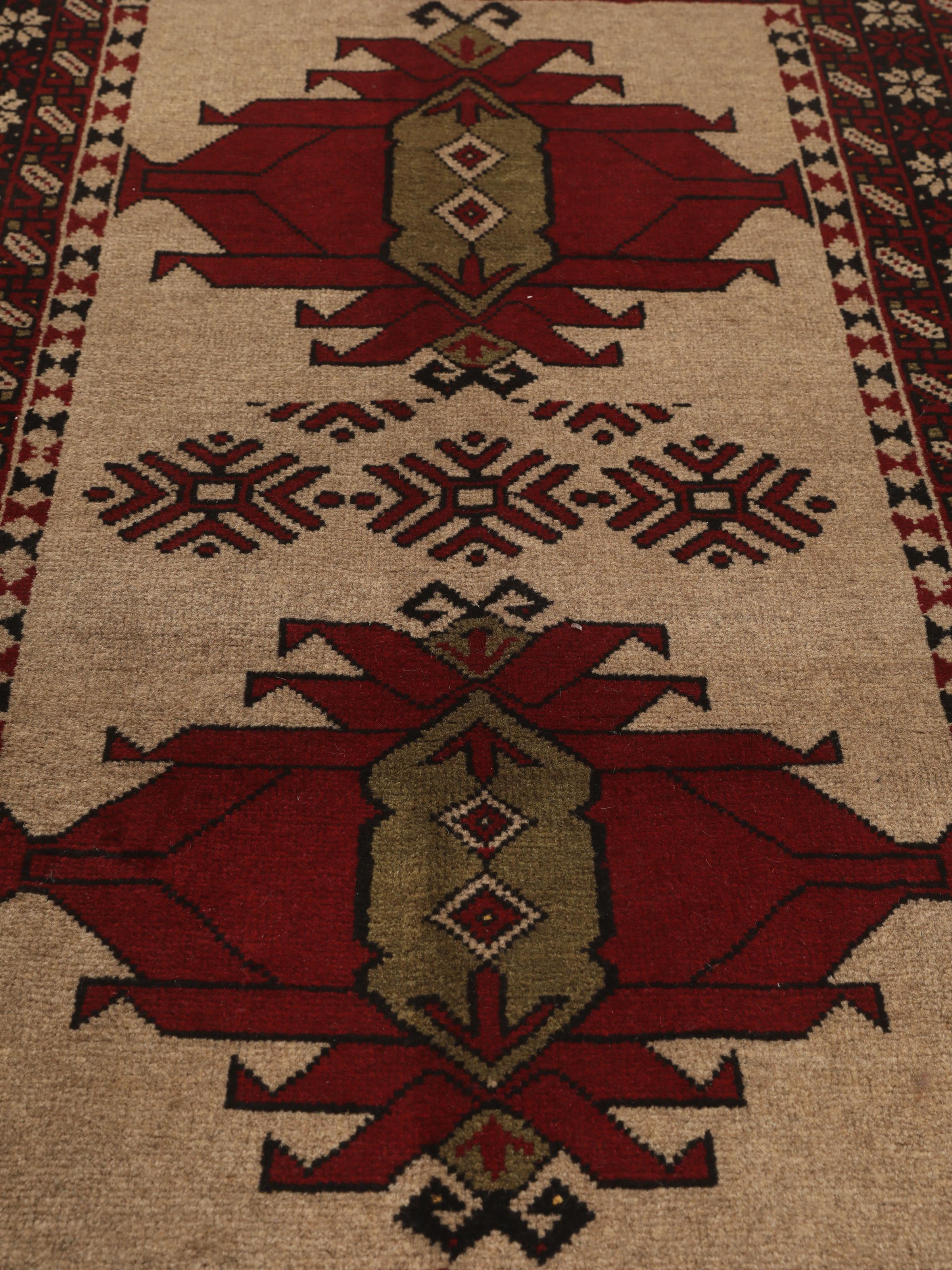
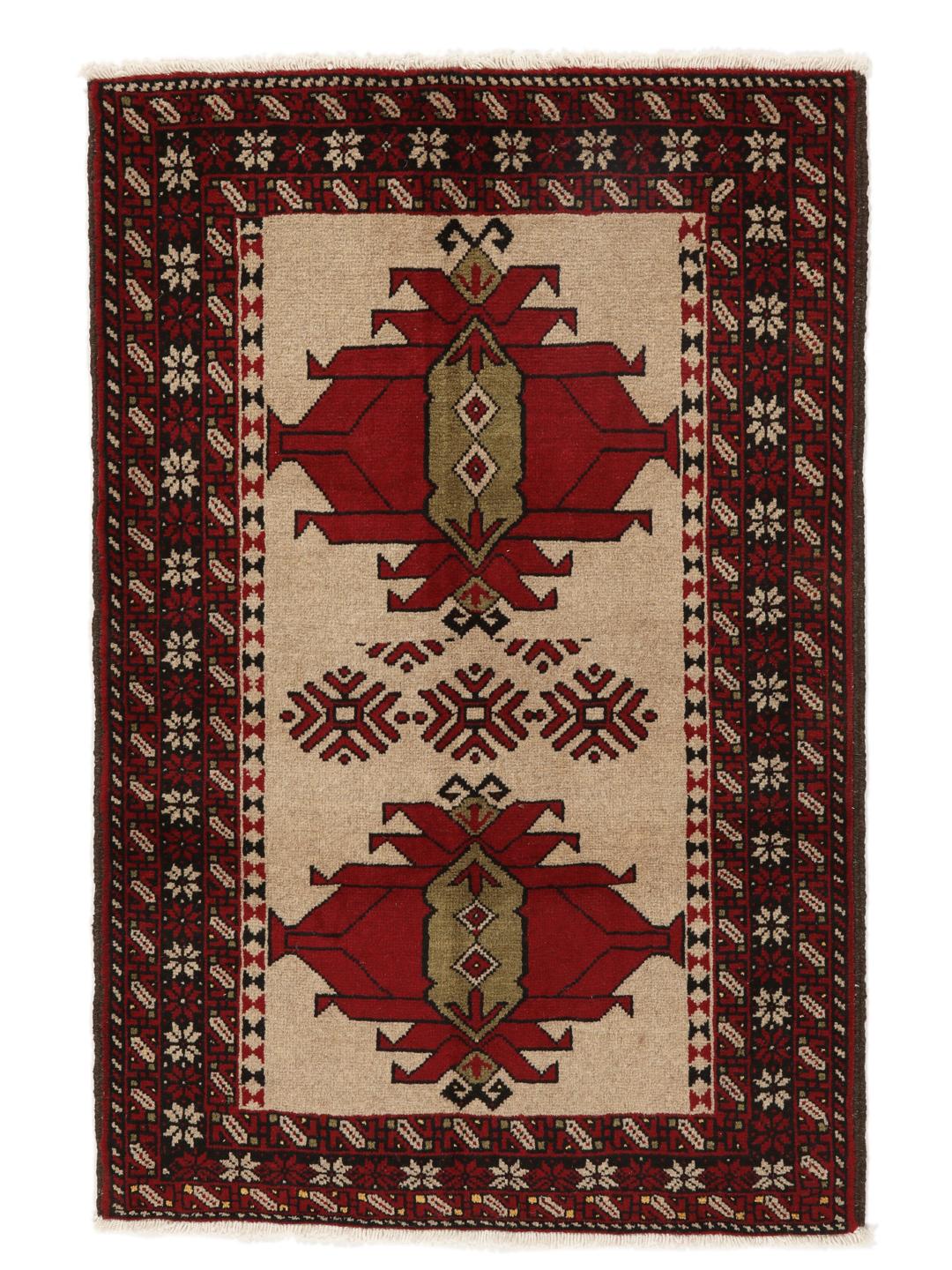
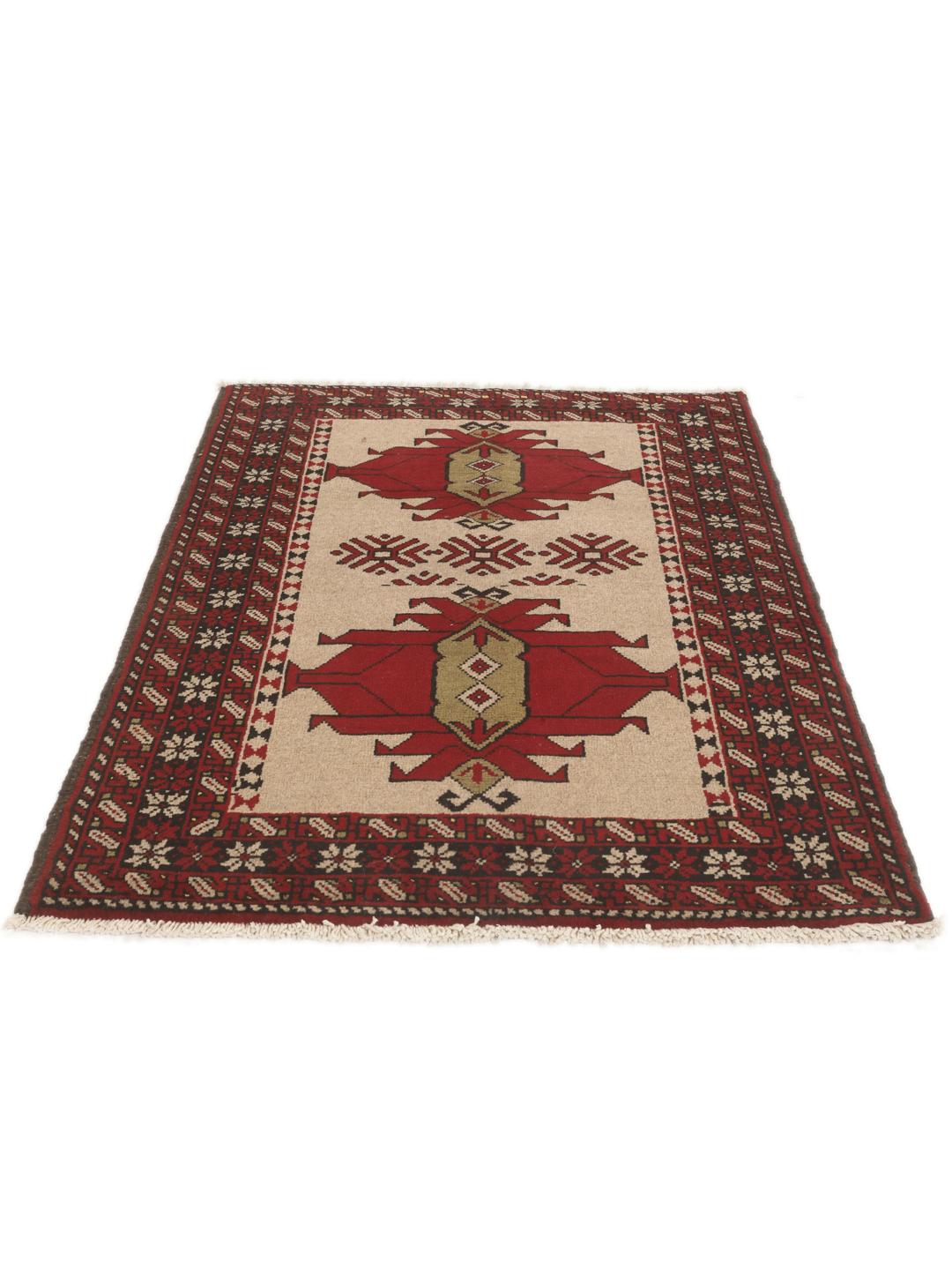
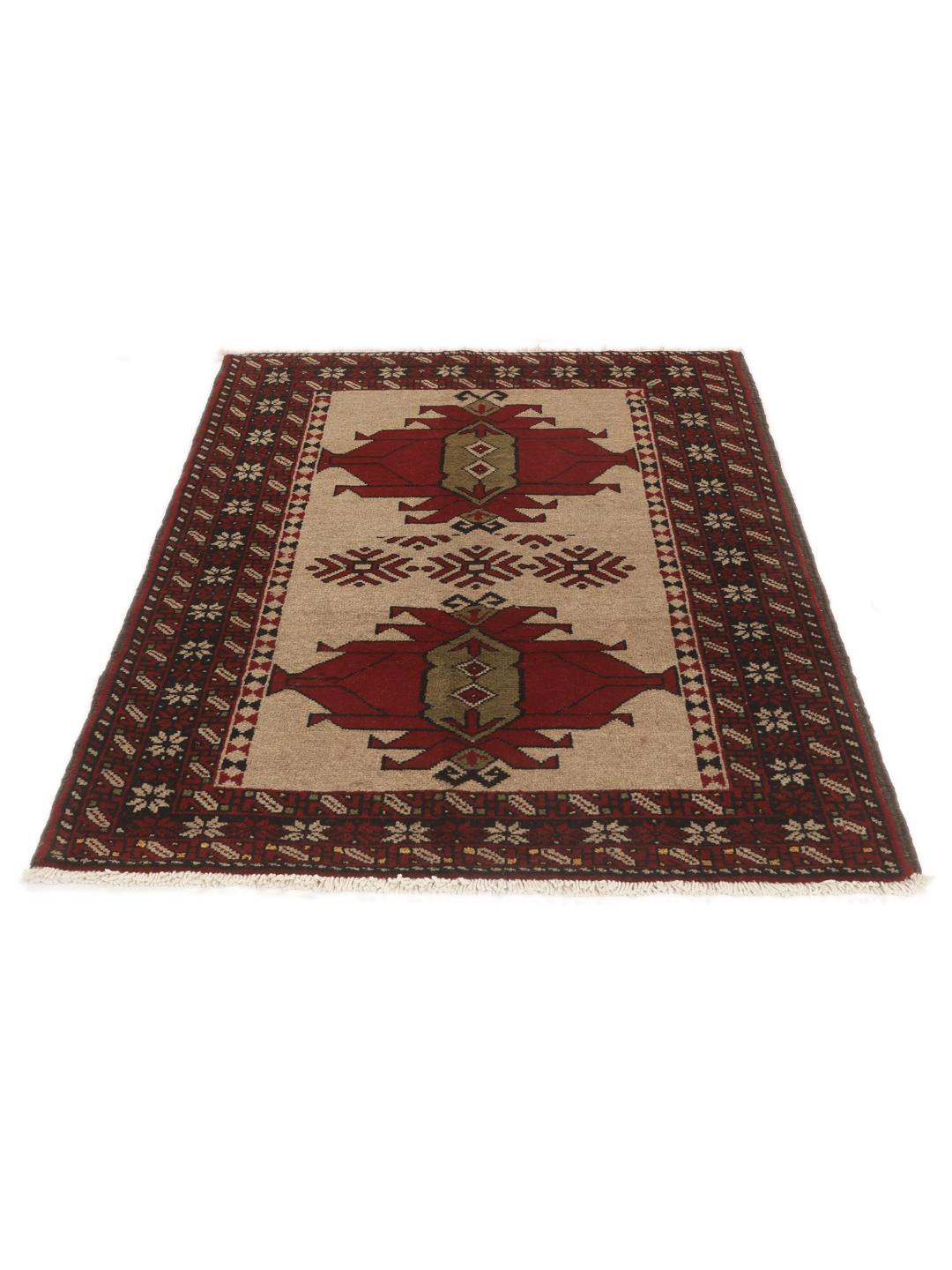
Beluch rugs take their name from the Baluchi people, a nomadic and semi-nomadic group traditionally living in the border regions between the Middle East and Central Asia. These rugs are deeply rooted in a desert heritage, where weaving has long been a vital way for families to create functional, portable art that reflects their environment and cultural identity.
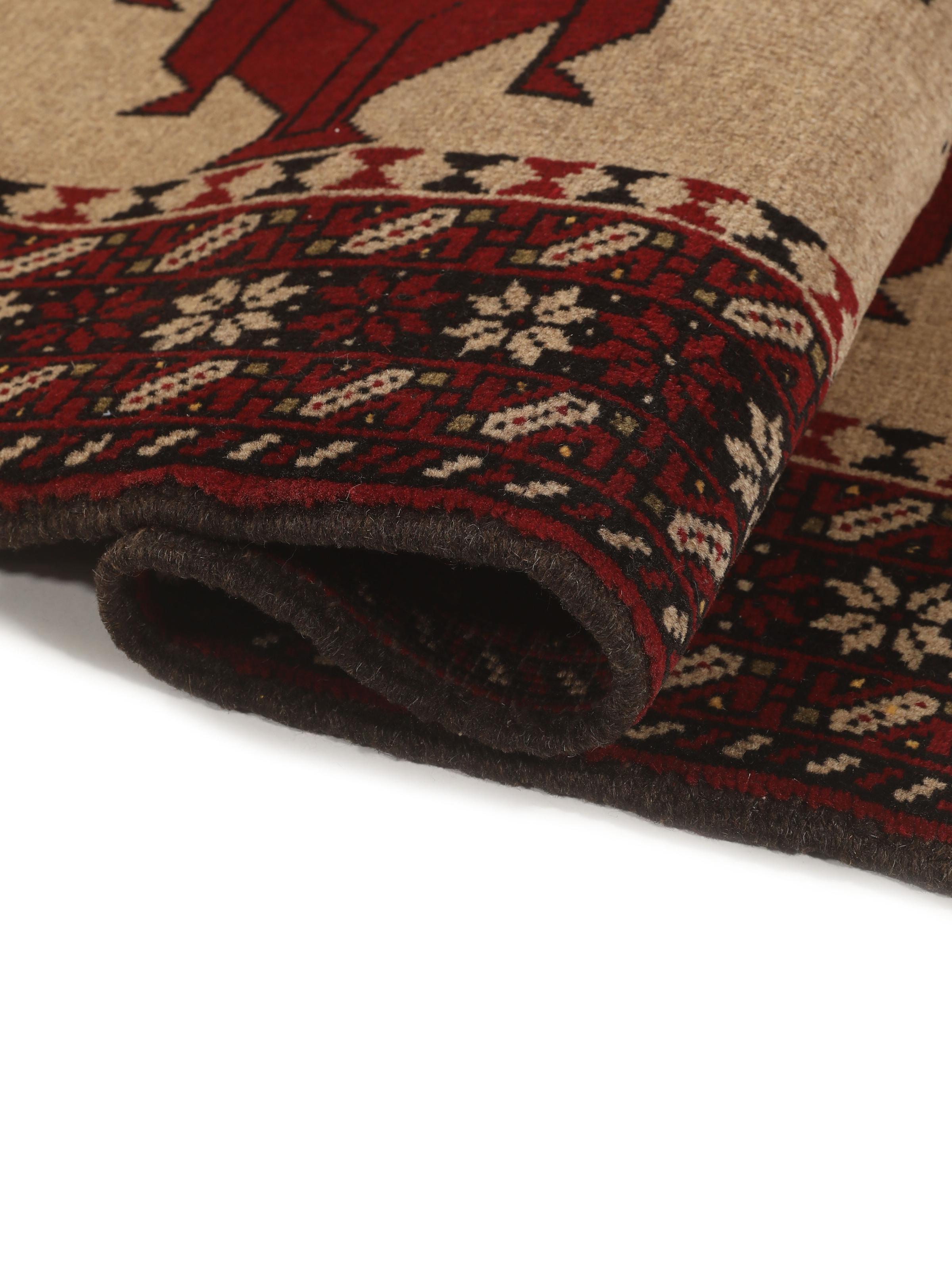
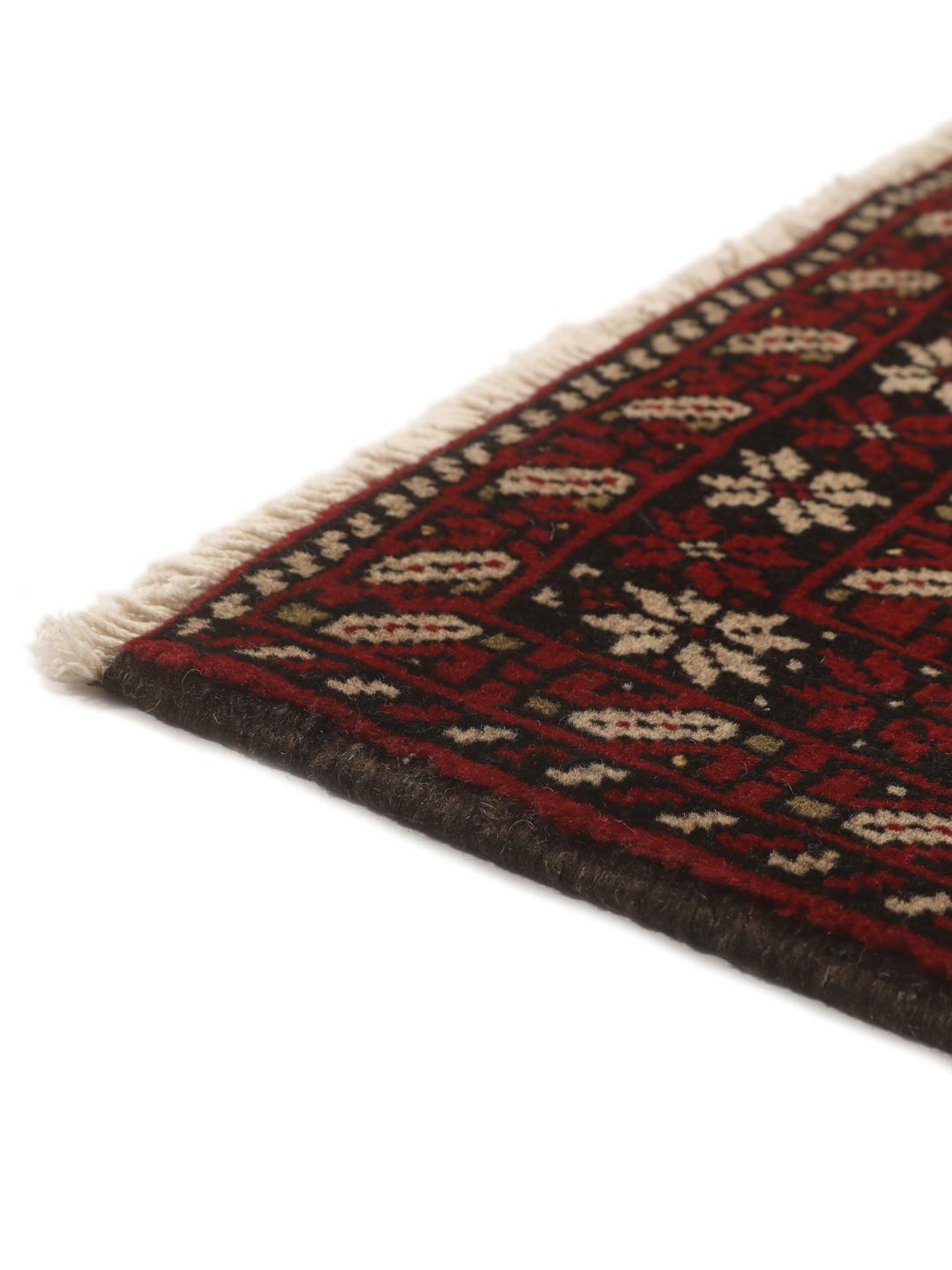
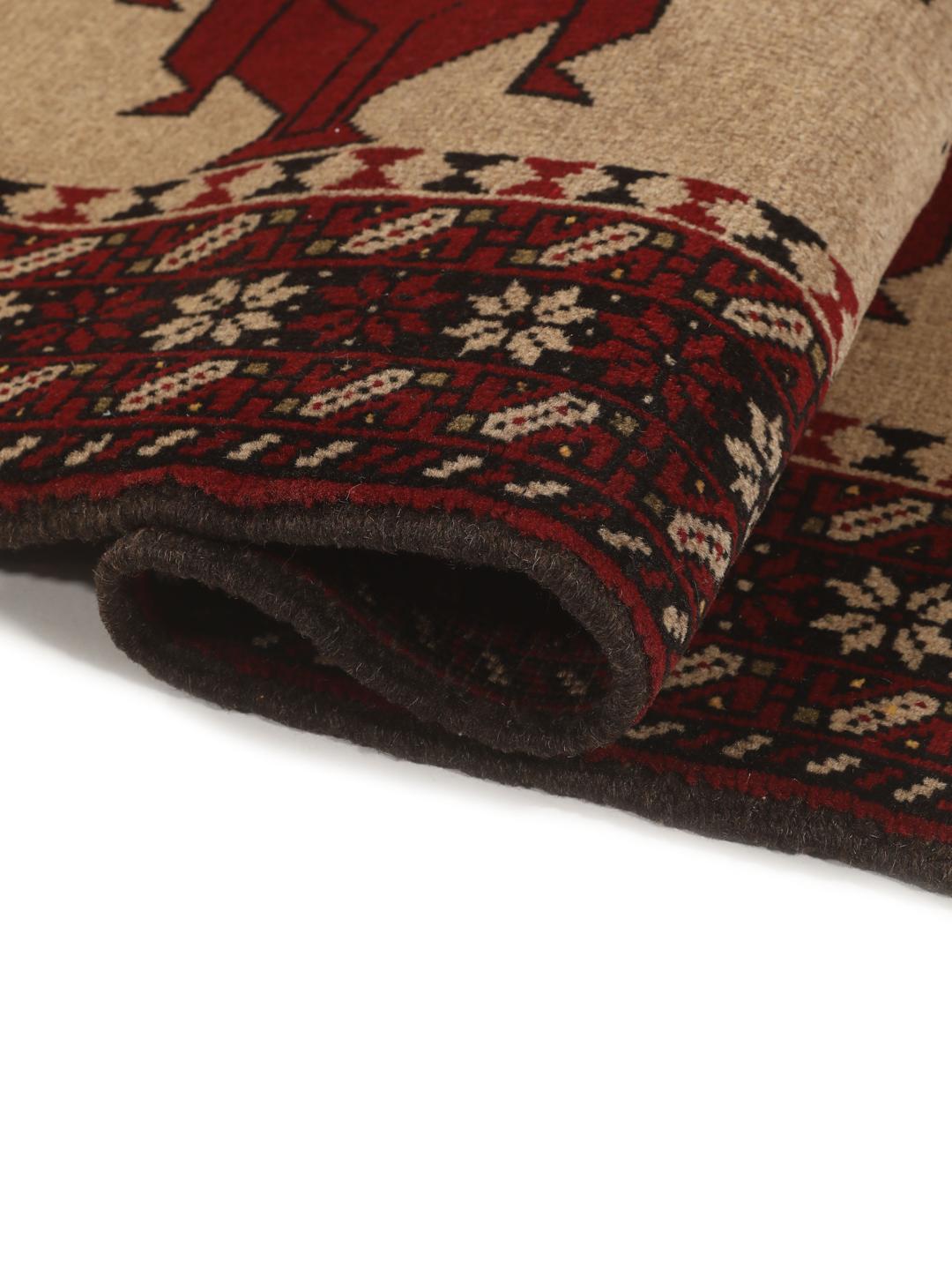
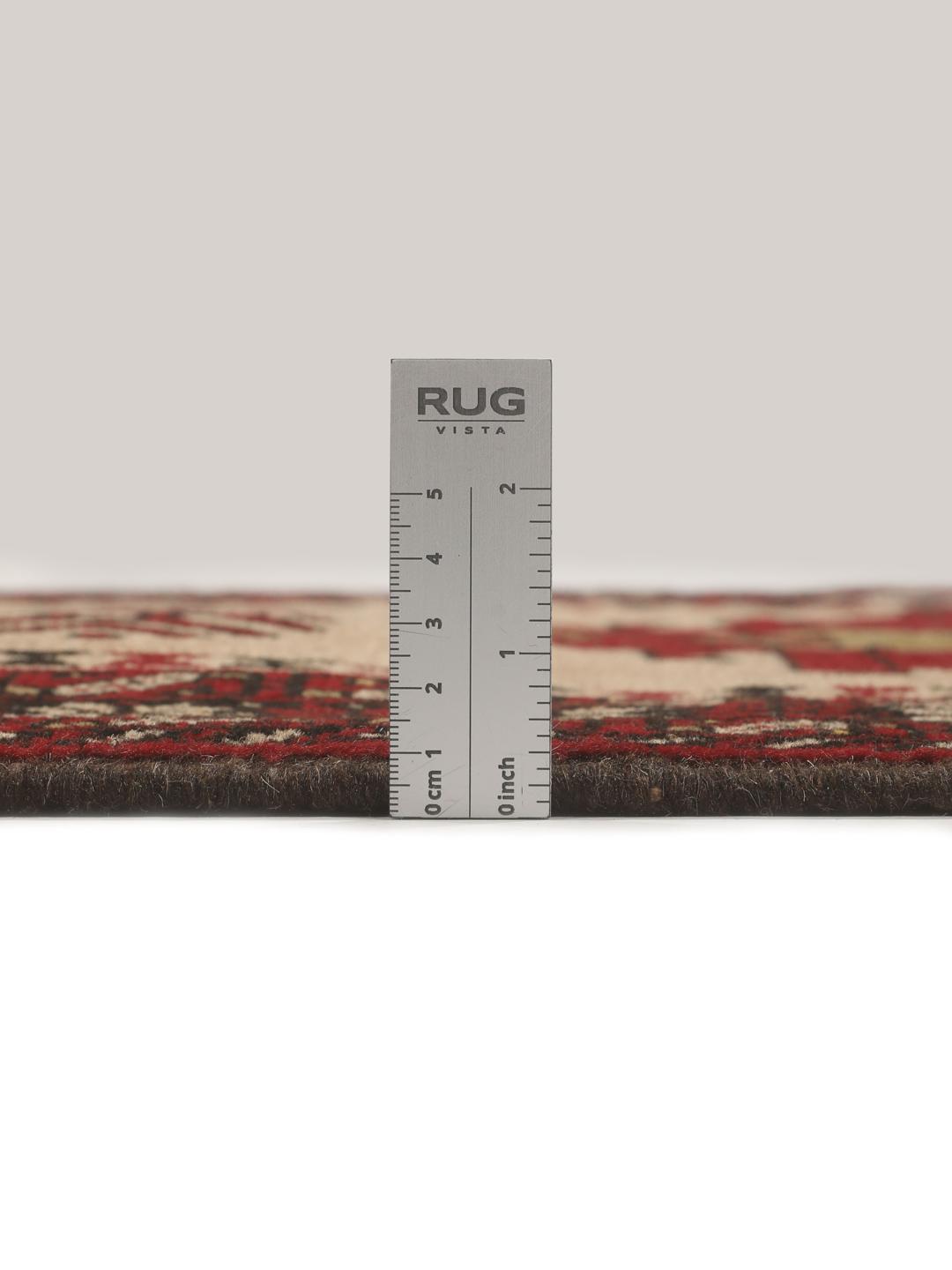
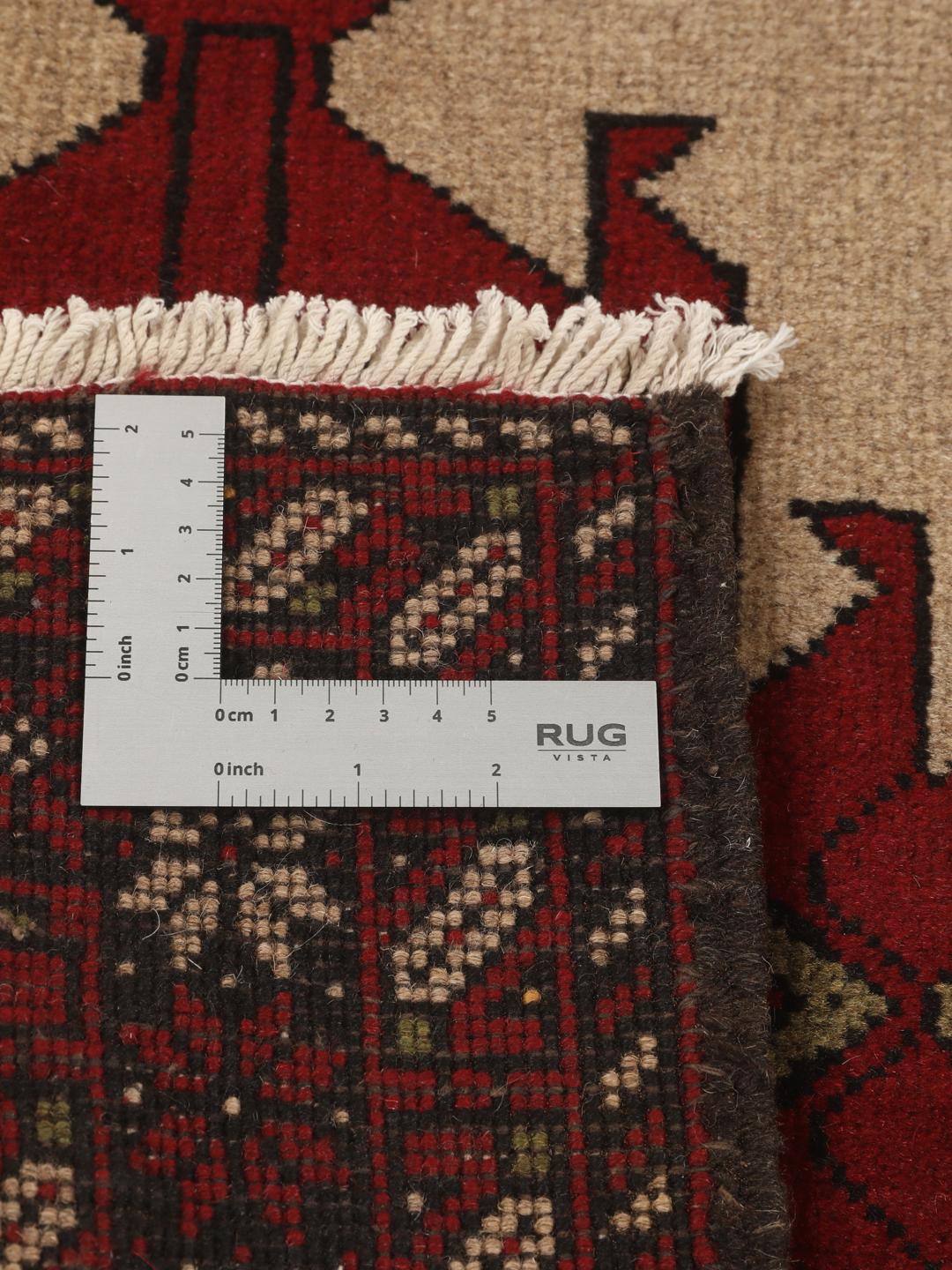
The term Beluch refers to a distinct tradition of weaving that often utilises a fine wool pile on a sturdy foundation. This construction is highly valued because it results in a rug that is both flexible and remarkably hard-wearing. The ability to produce such durable, detailed work in challenging nomadic conditions is a hallmark of the craft, reflecting a deep understanding of materials and a commitment to quality that has been passed down through generations.
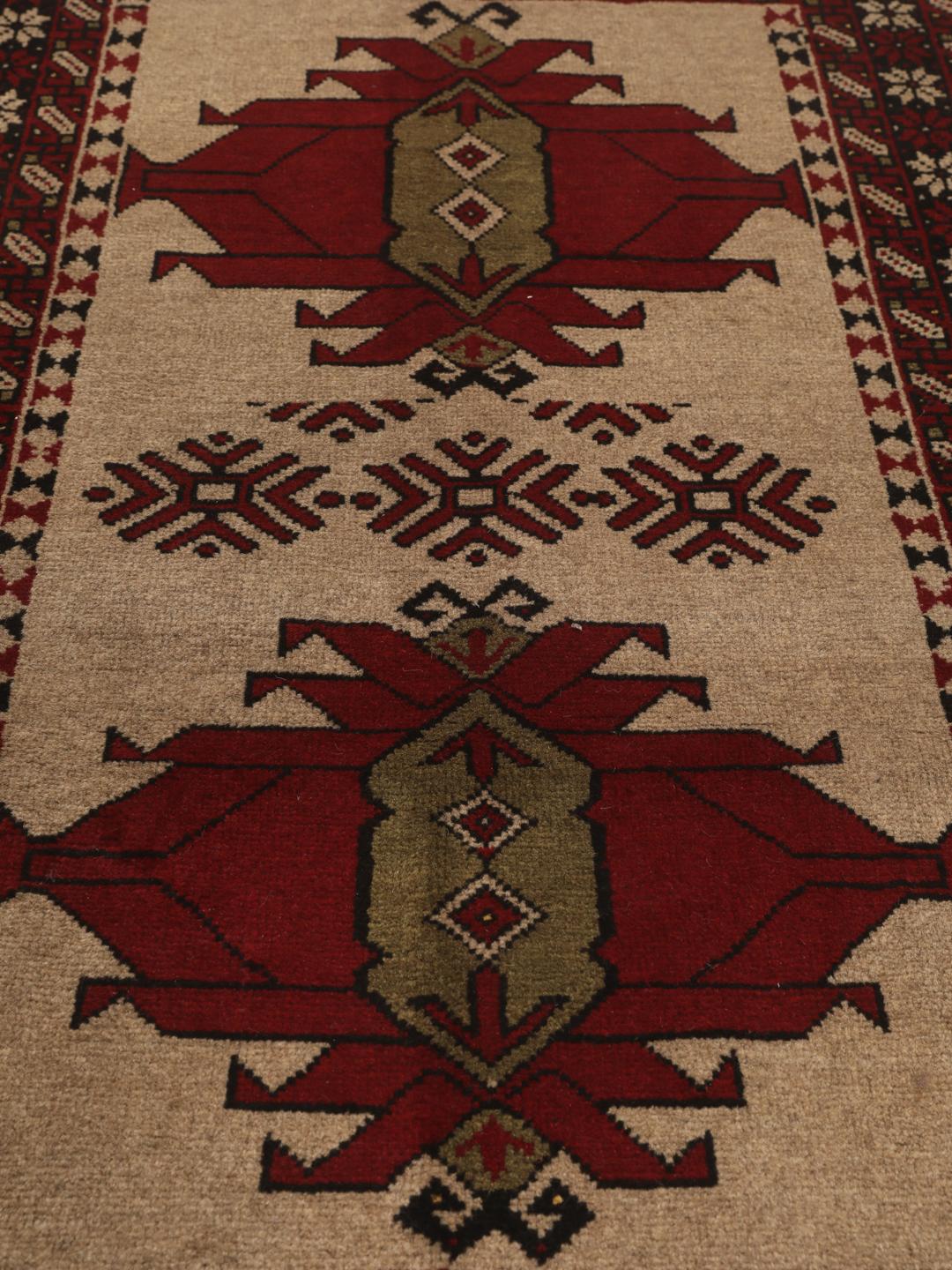
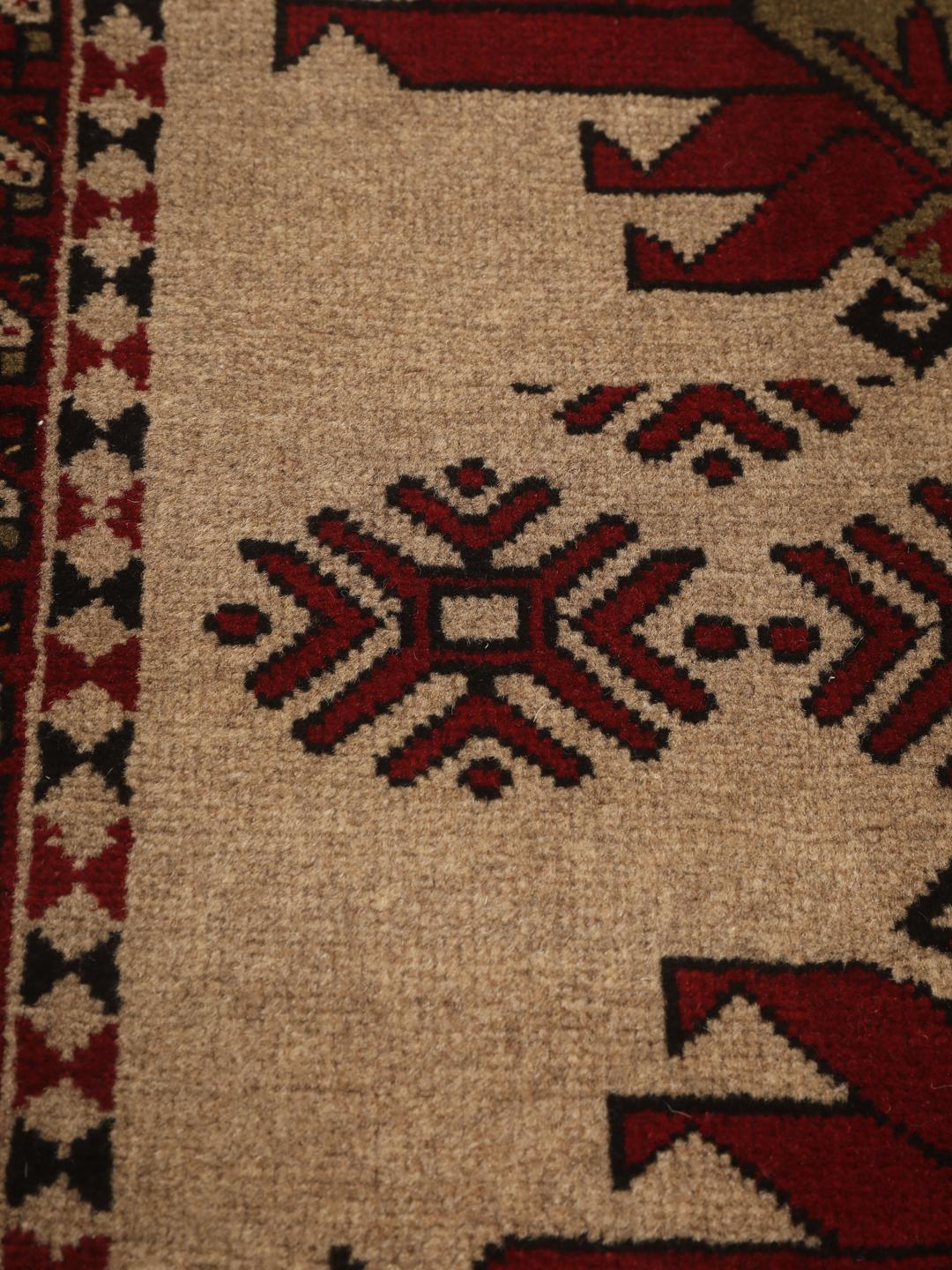
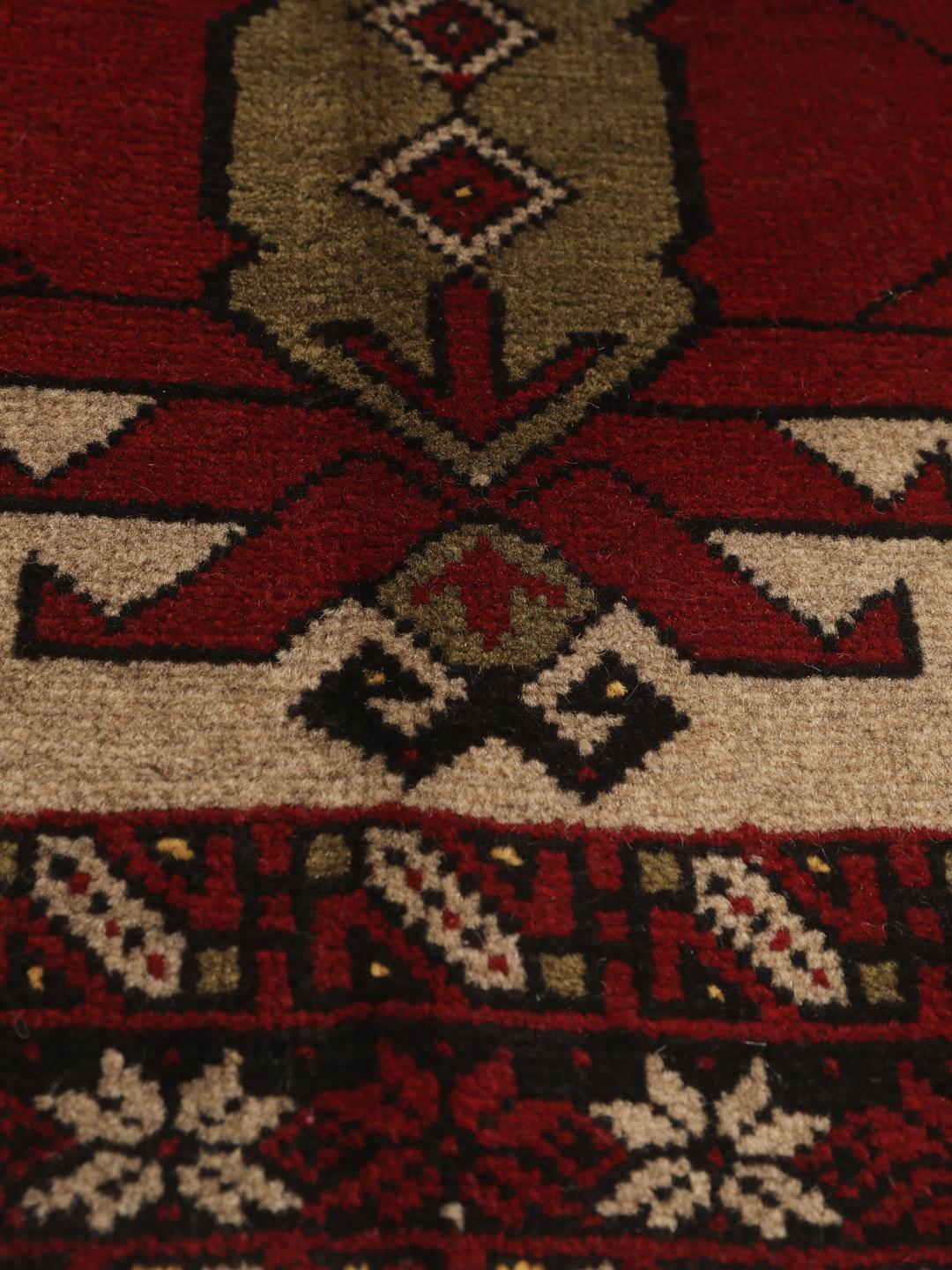
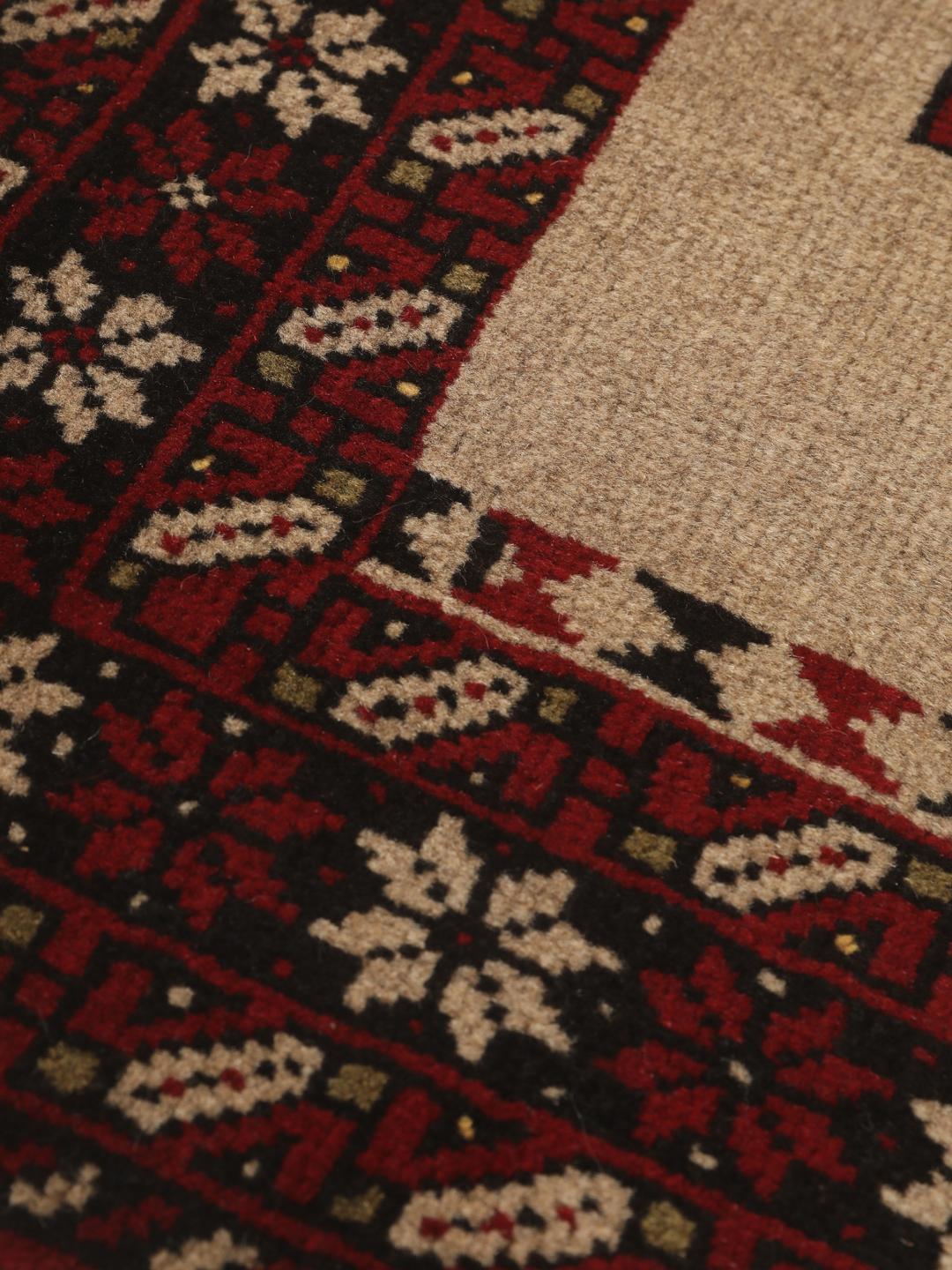
Signature design elements of this tradition often include geometric motifs, stylised floral patterns, and deep, saturated colour palettes dominated by reds, browns, and dark blues. These patterns are not merely decorative but often carry symbolic meanings related to tribal life and protection. The inclusion of decorative borders and intricate medallions is common, providing a formal frame for the more expressive and spontaneous elements found in the centre of the rug.
Today, these rugs are highly prized by collectors for their authenticity and the human story woven into every thread. Owning a piece from this tradition means connecting with a long history of nomadic art and skill. Because each rug is made by hand without the use of modern machines, every piece remains a unique document of the weaver's personal touch and the enduring legacy of their culture.