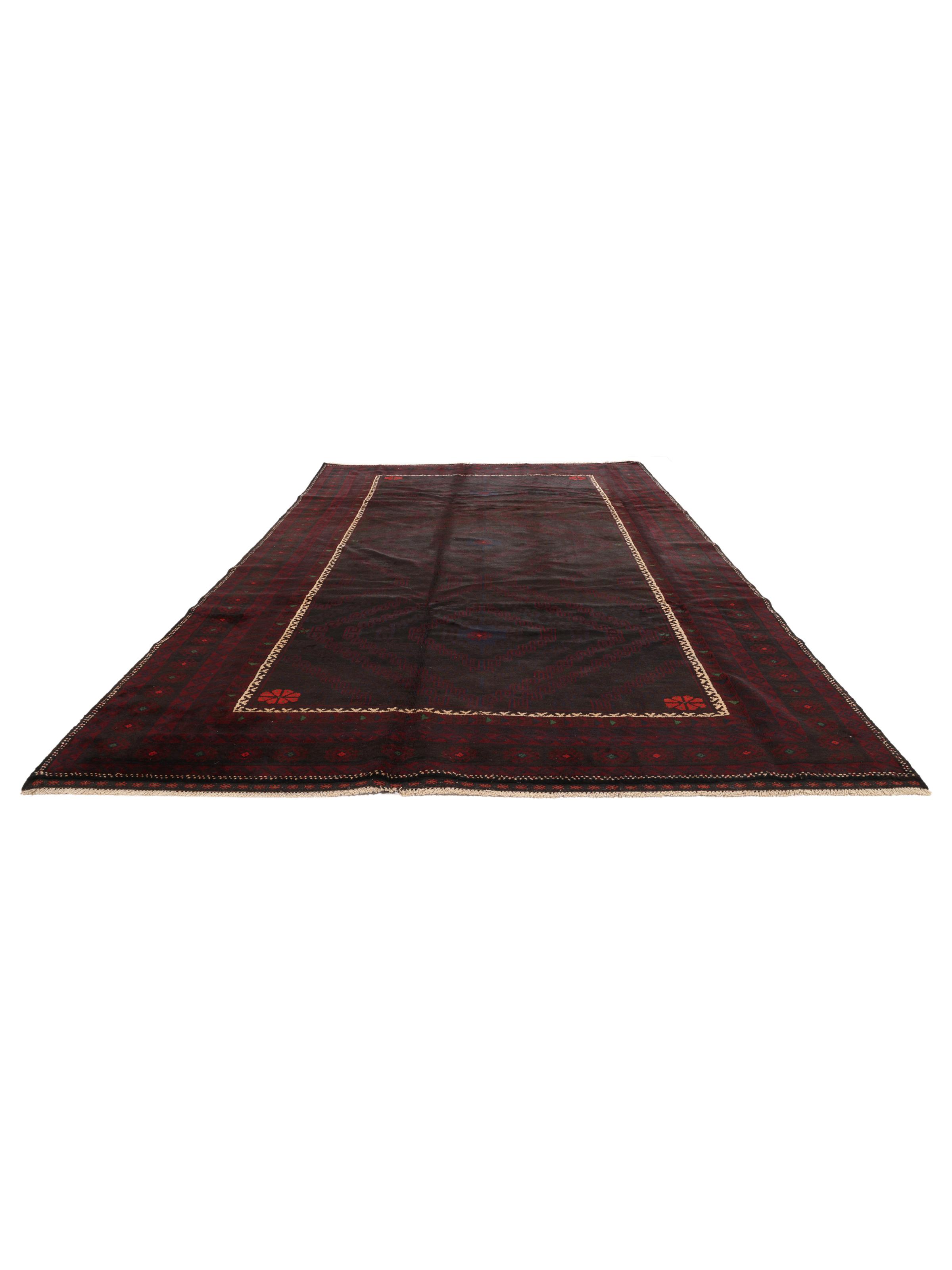
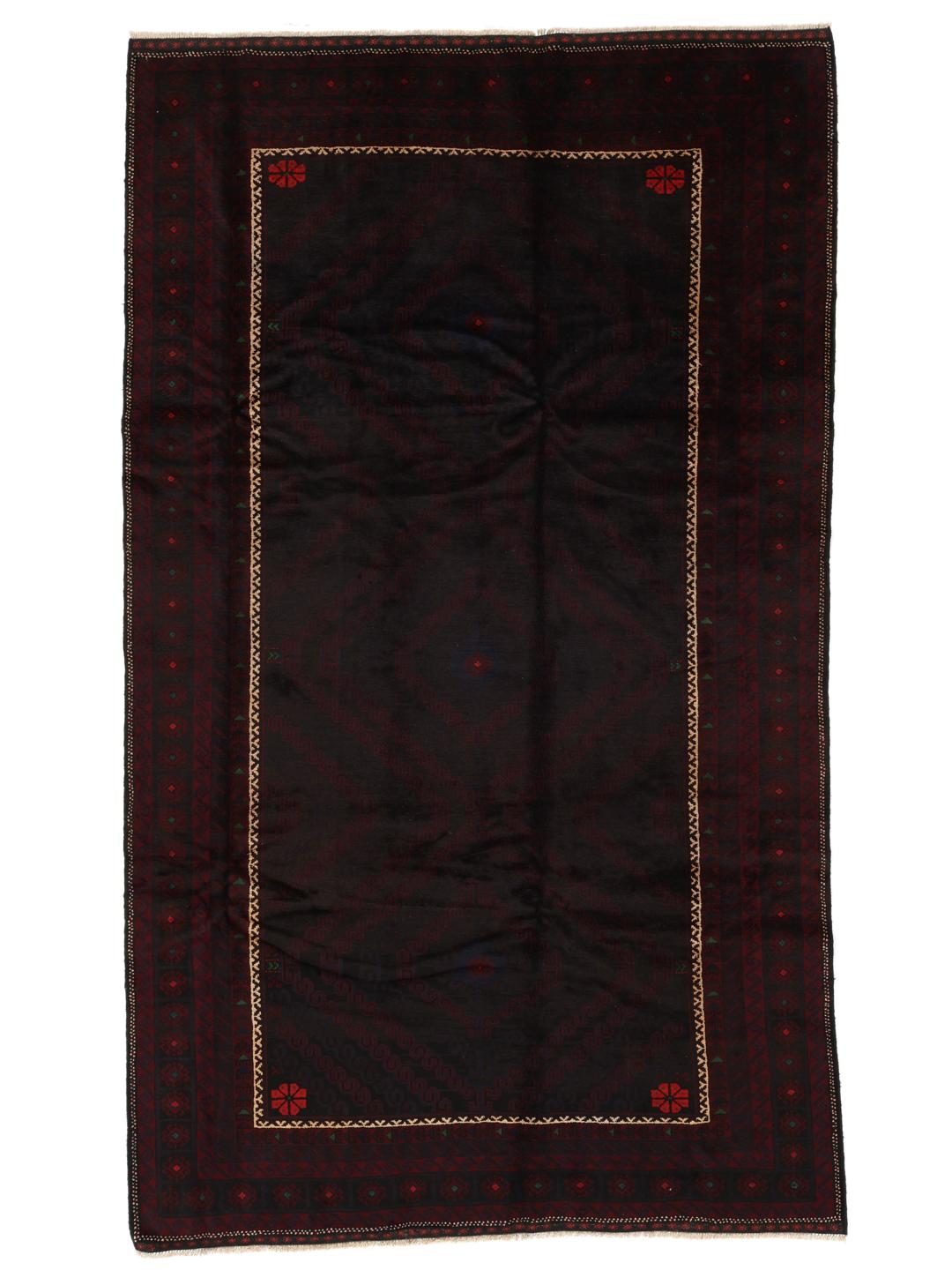
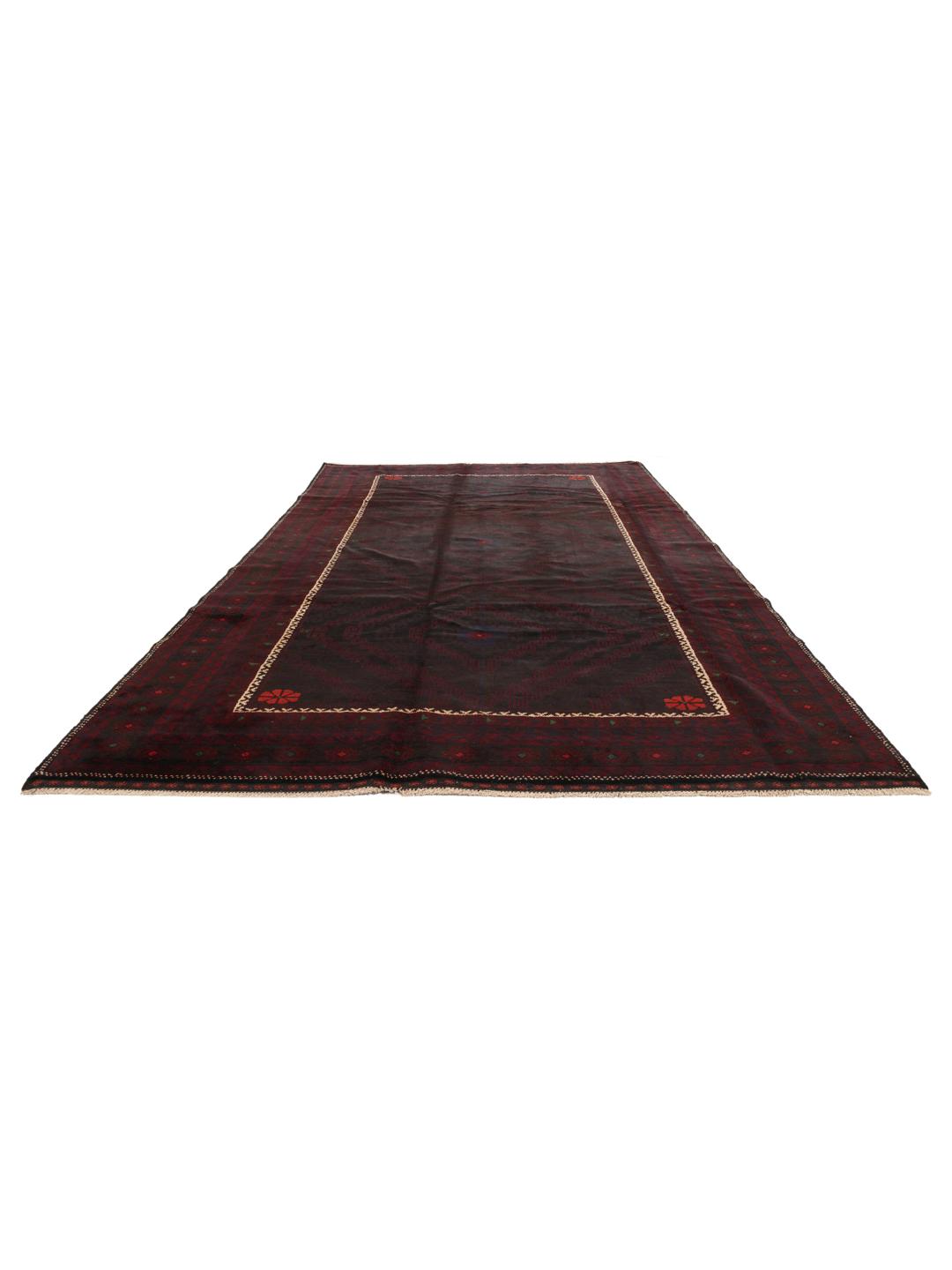
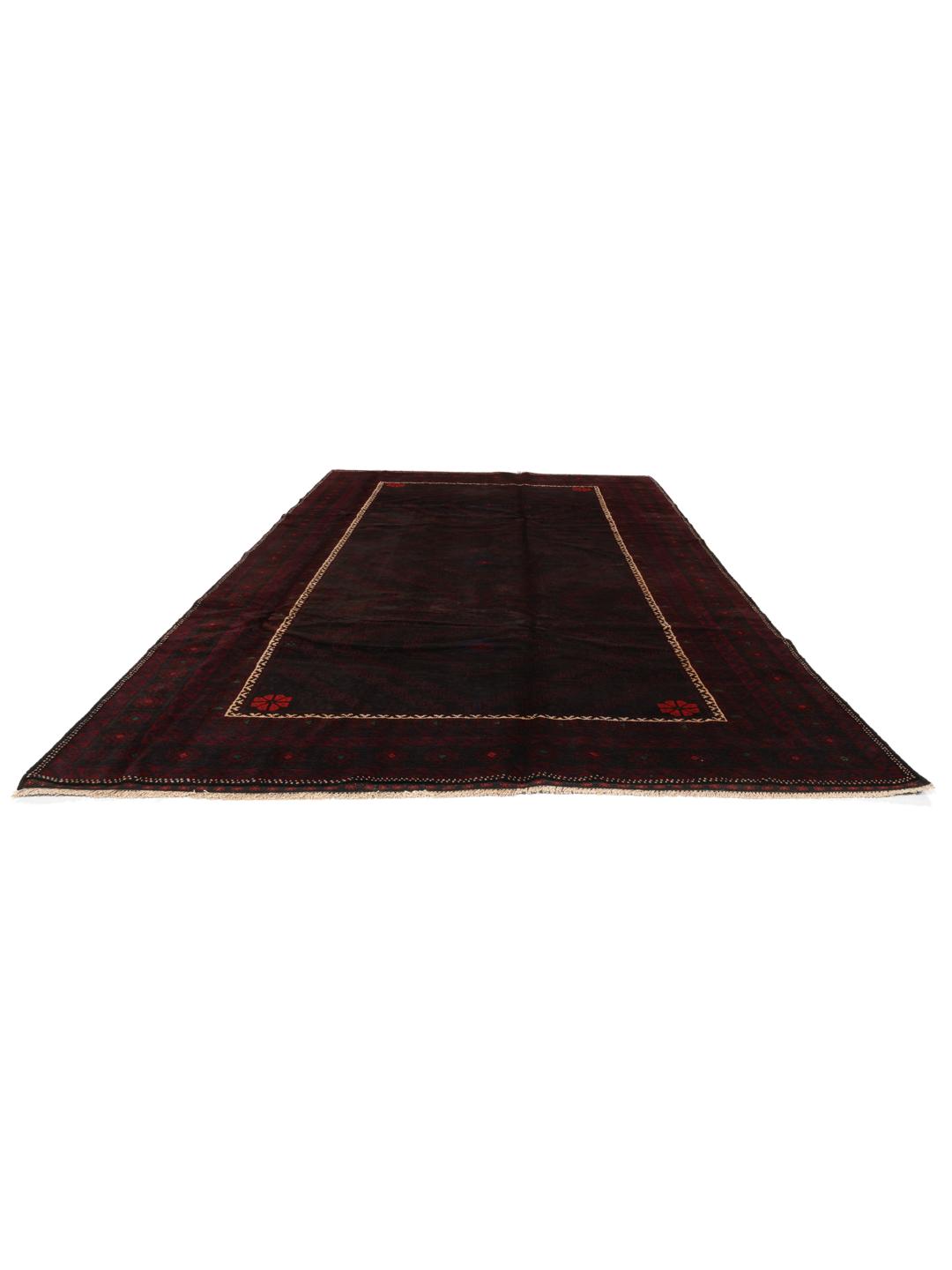
Beluch rugs take their name from the nomadic and semi-nomadic tribes of the Baluchistan region, which spans parts of Afghanistan and Pakistan. For centuries, these weavers have moved across the rugged landscapes of the Middle East, carrying their looms with them. This migratory tradition has infused their weaving with a unique blend of cultural motifs and local ingenuity, resulting in a style that is both distinct and deeply reflective of the environments from which they emerge.
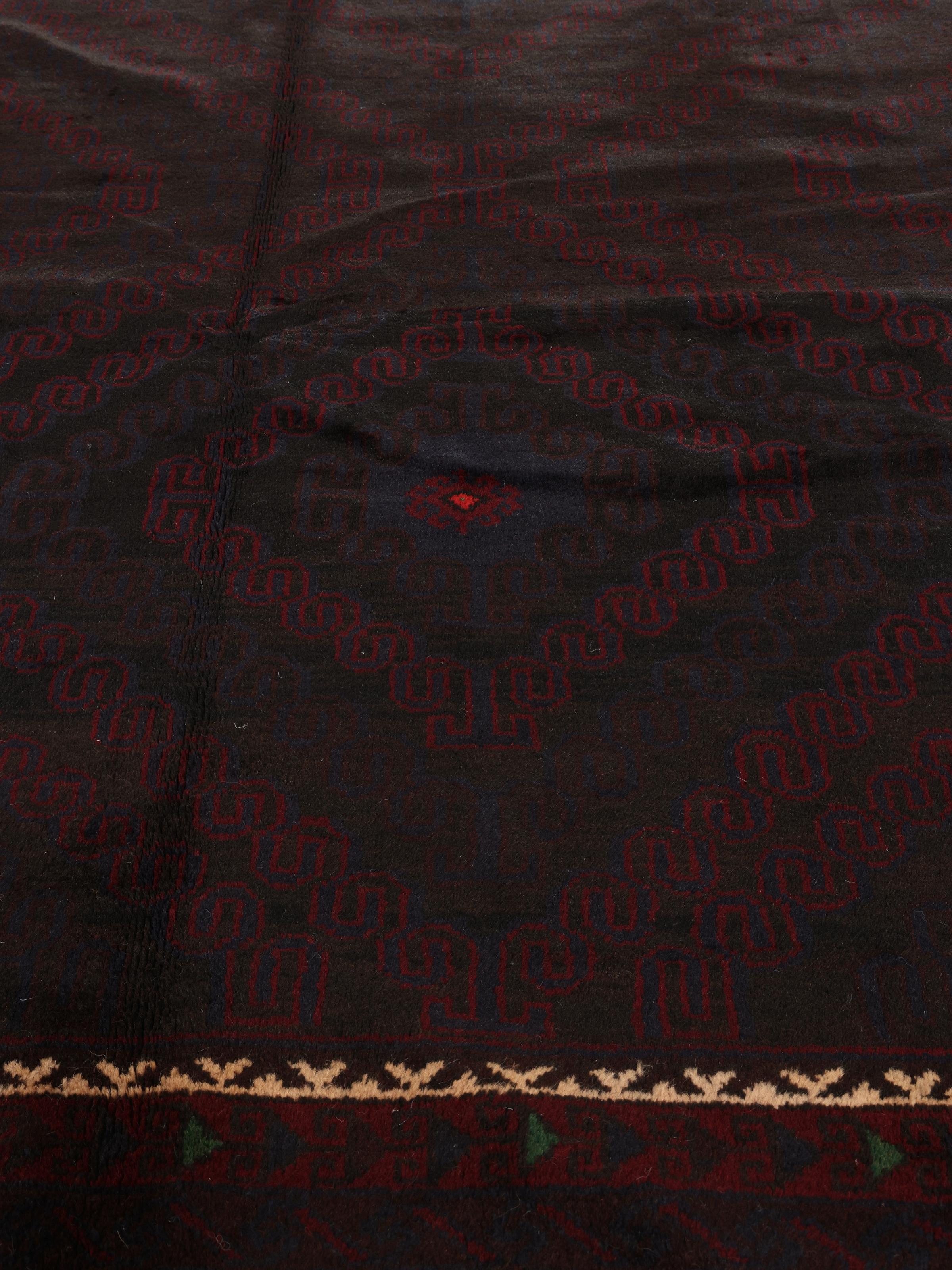
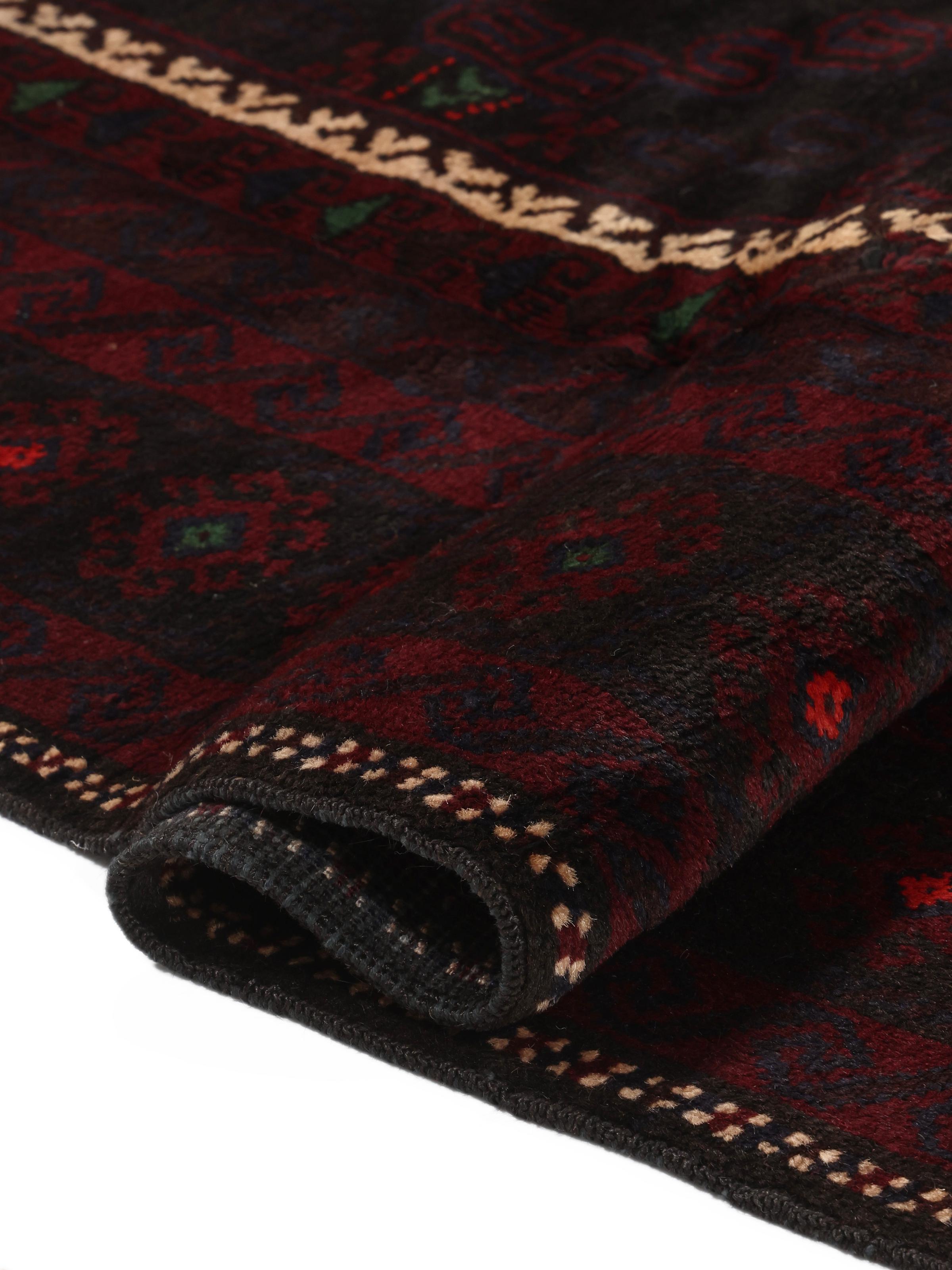
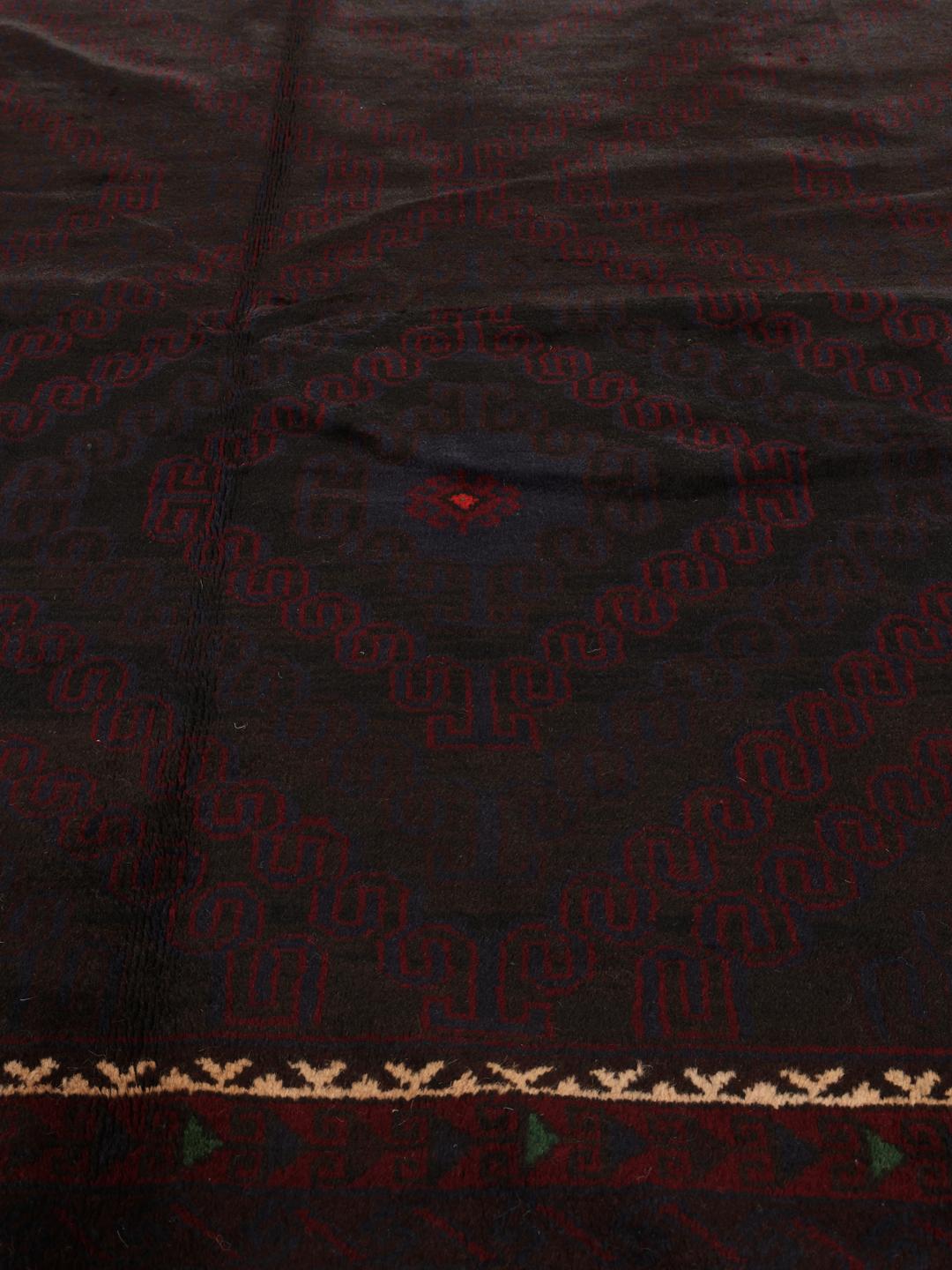
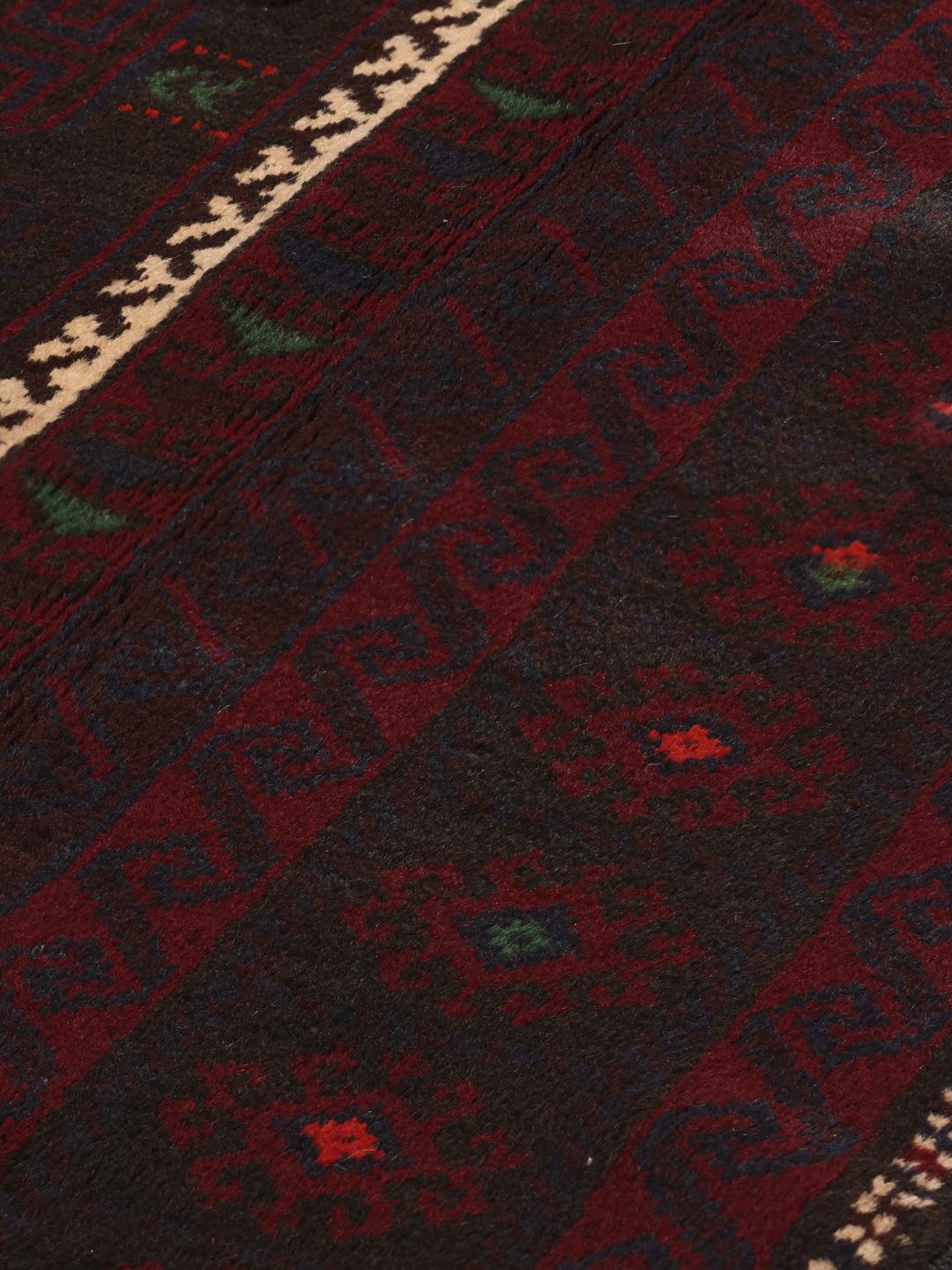
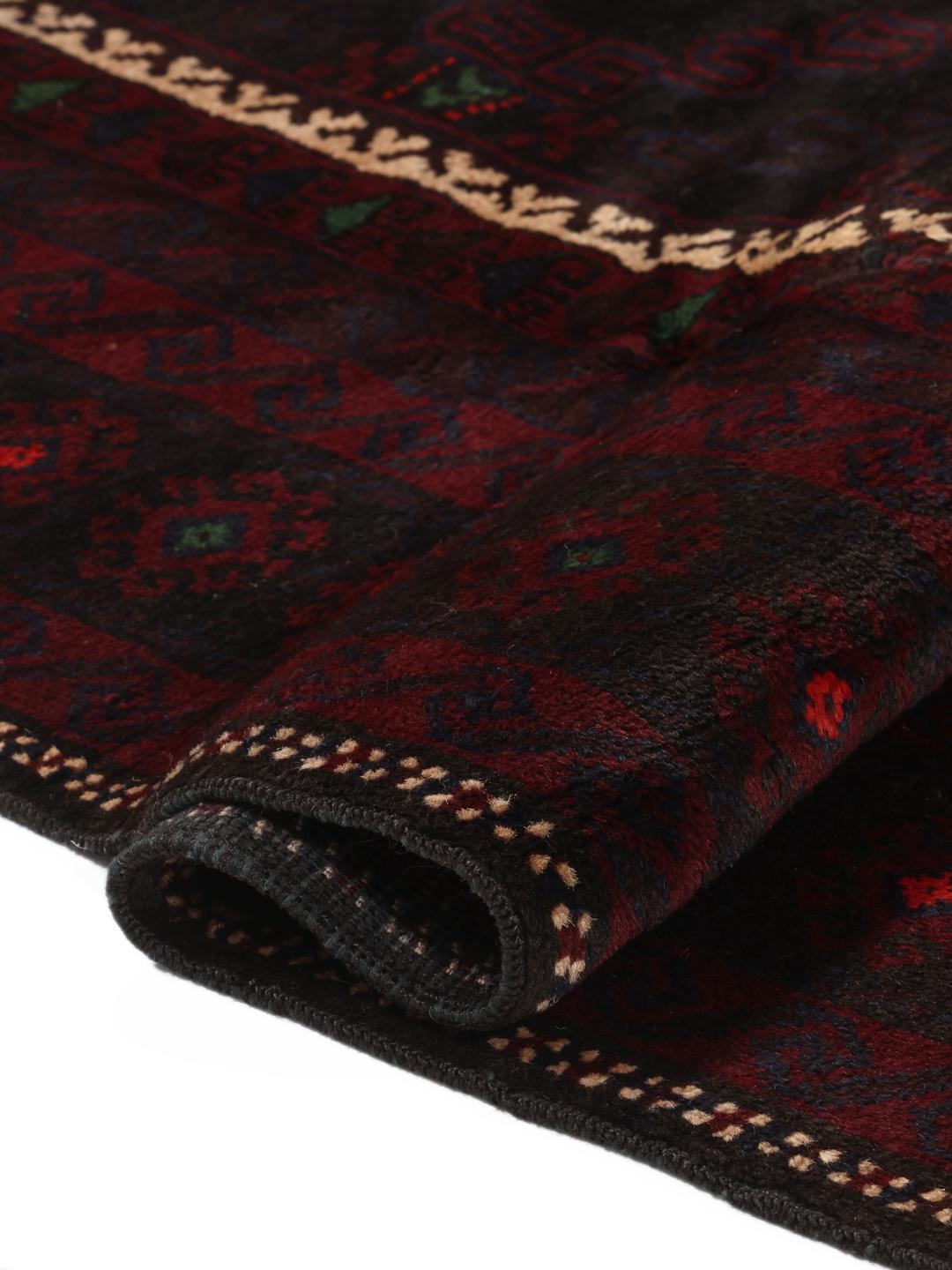
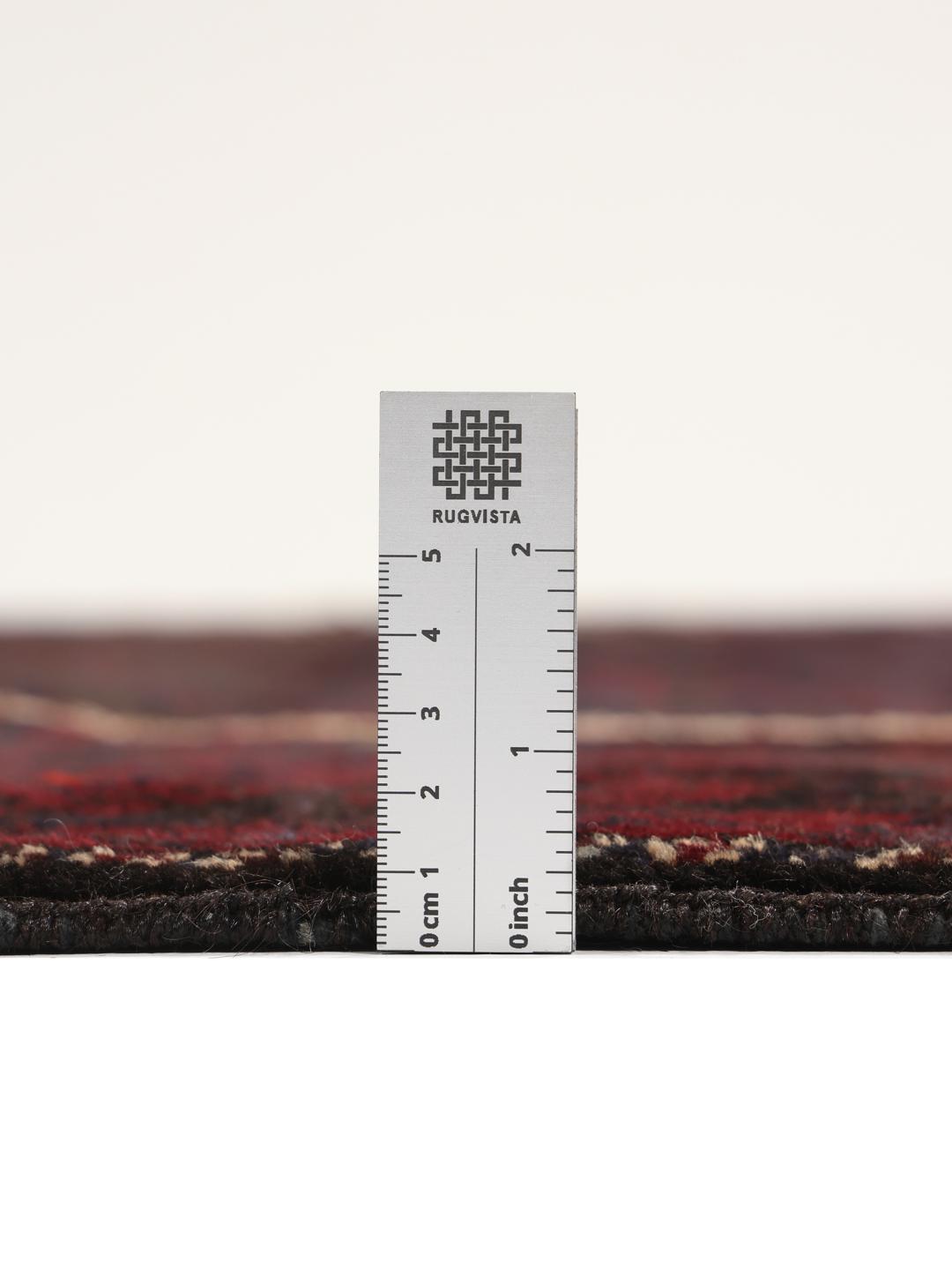
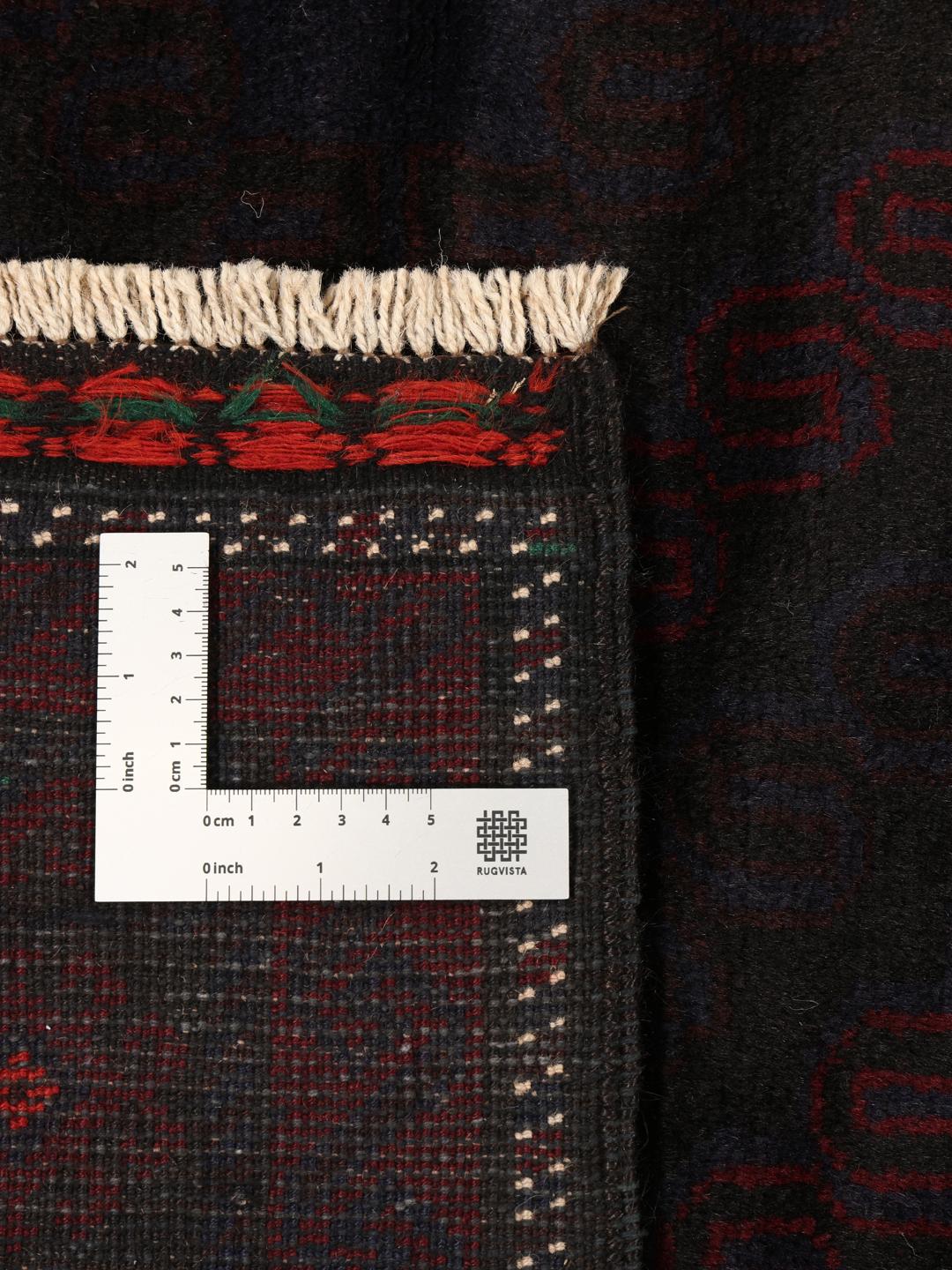
The craftsmanship found in these rugs is characterised by the use of high-quality wool, often sourced from the tribes' own flocks. The weaving process is a deeply ingrained social and cultural activity. By using traditional hand-knotting techniques, these artisans produce a pile that is not only rich in colour but also incredibly durable. The resulting density and lustre of the wool are hallmarks of a craft that prioritises both aesthetic beauty and practical, long-term utility in the harsh climates of the region.
Visually, Beluch rugs are known for their sophisticated use of dark, moody palettes—often featuring deep reds, blacks, and browns. These colours are frequently accented by geometric patterns and stylised floral or tribal motifs that carry symbolic meaning passed down through generations. The borders are often complex and frame the central field, which may contain repeating medallions or intricate, angular designs that showcase the weaver's artistic vision and technical precision.
Owning a Beluch rug is an investment in a living tradition. These pieces are highly valued by collectors not just for their visual appeal, but for the human story they represent. Each rug is a testament to the skill, patience, and cultural identity of the weaver. By bringing such a piece into your home, you are preserving a craft that has survived for centuries and adding a layer of historical significance to your living space.