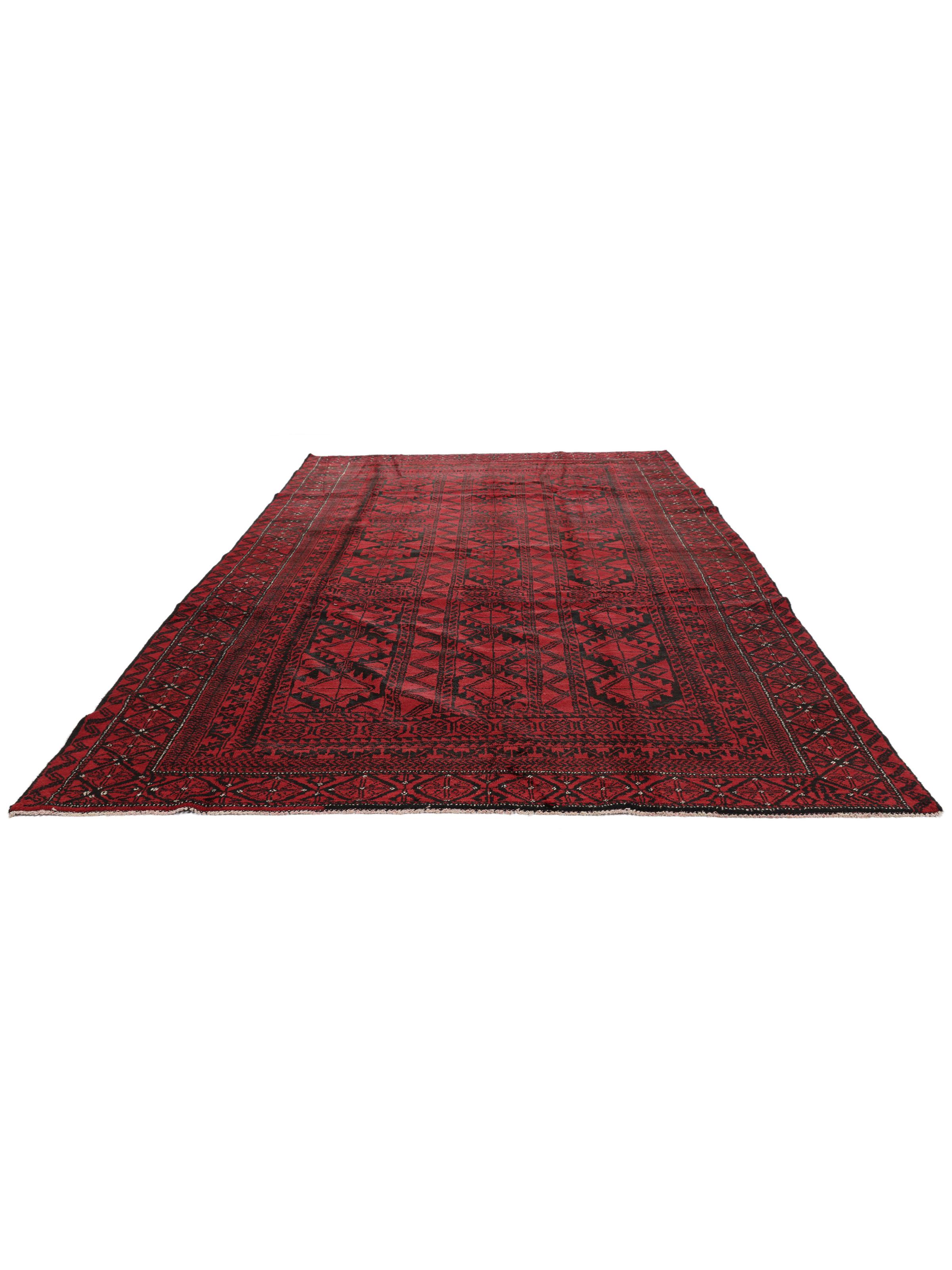
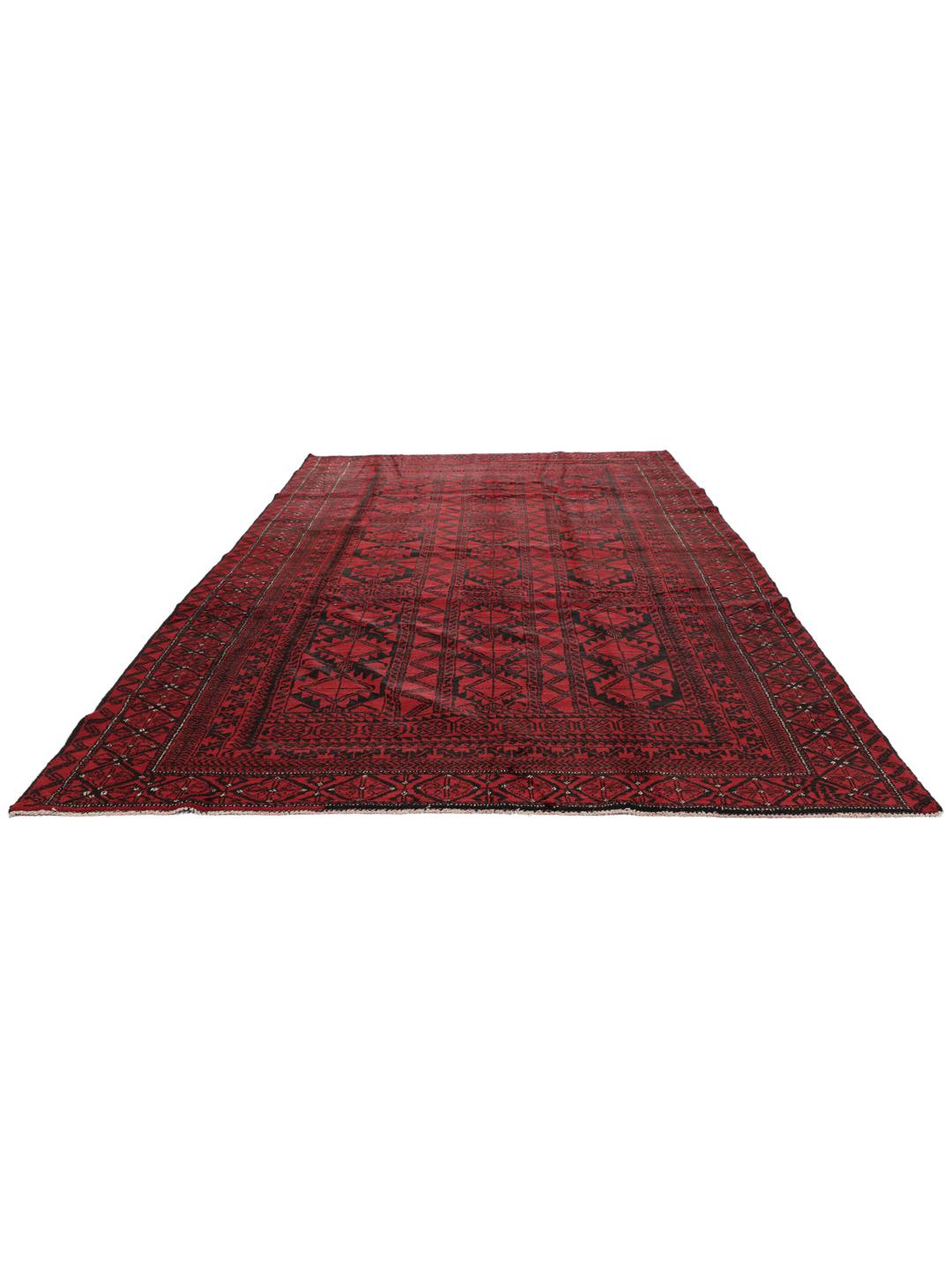
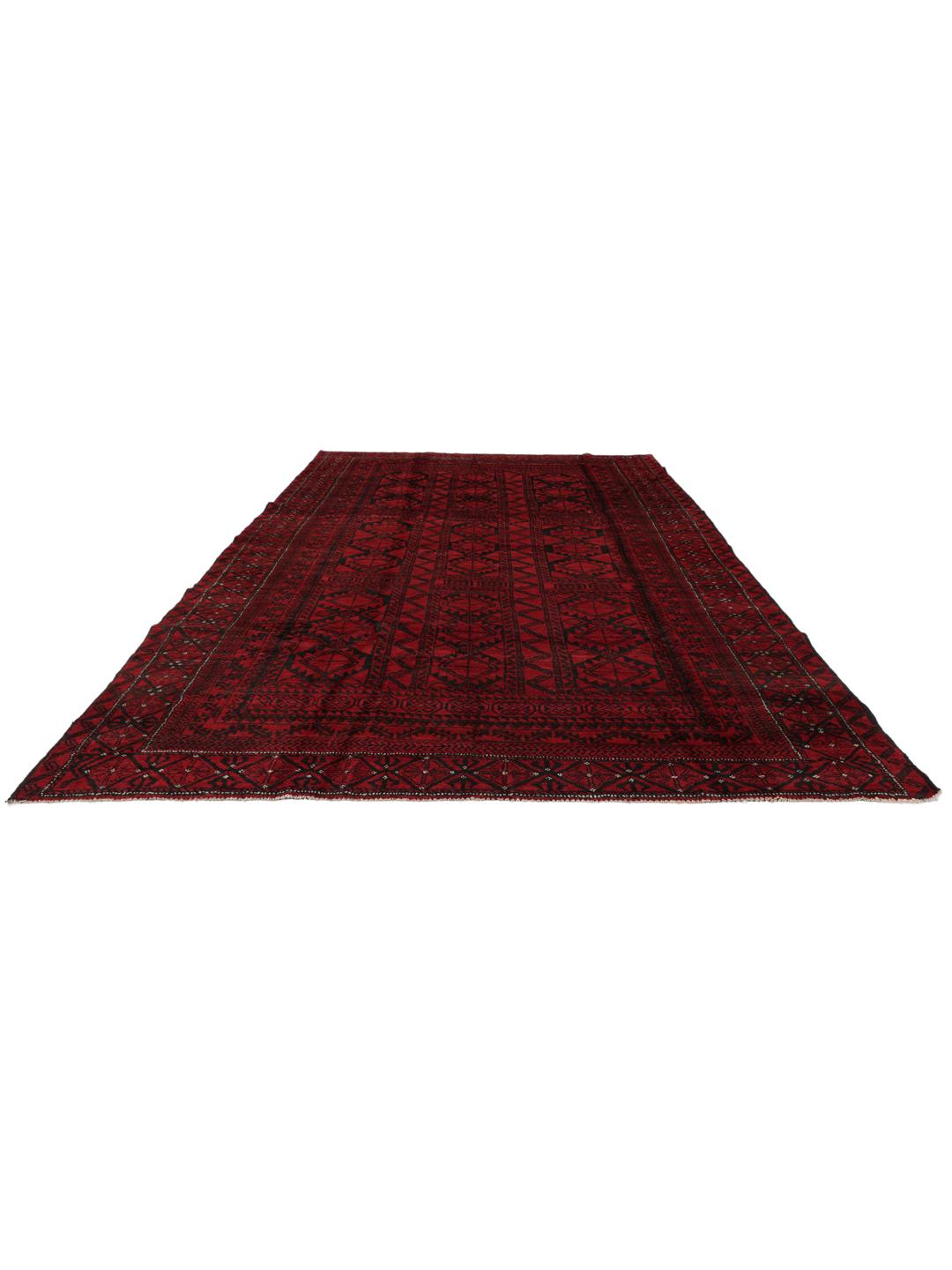
The Beluch rug tradition originates from the nomadic and semi-nomadic tribes residing in the border regions of Afghanistan and the Middle East. These rugs are deeply tied to the cultural identity of the Baluchi people, whose history is marked by migration across the harsh, rugged landscapes of the Middle East. Their weaving traditions have evolved over generations, reflecting a life lived close to the land.
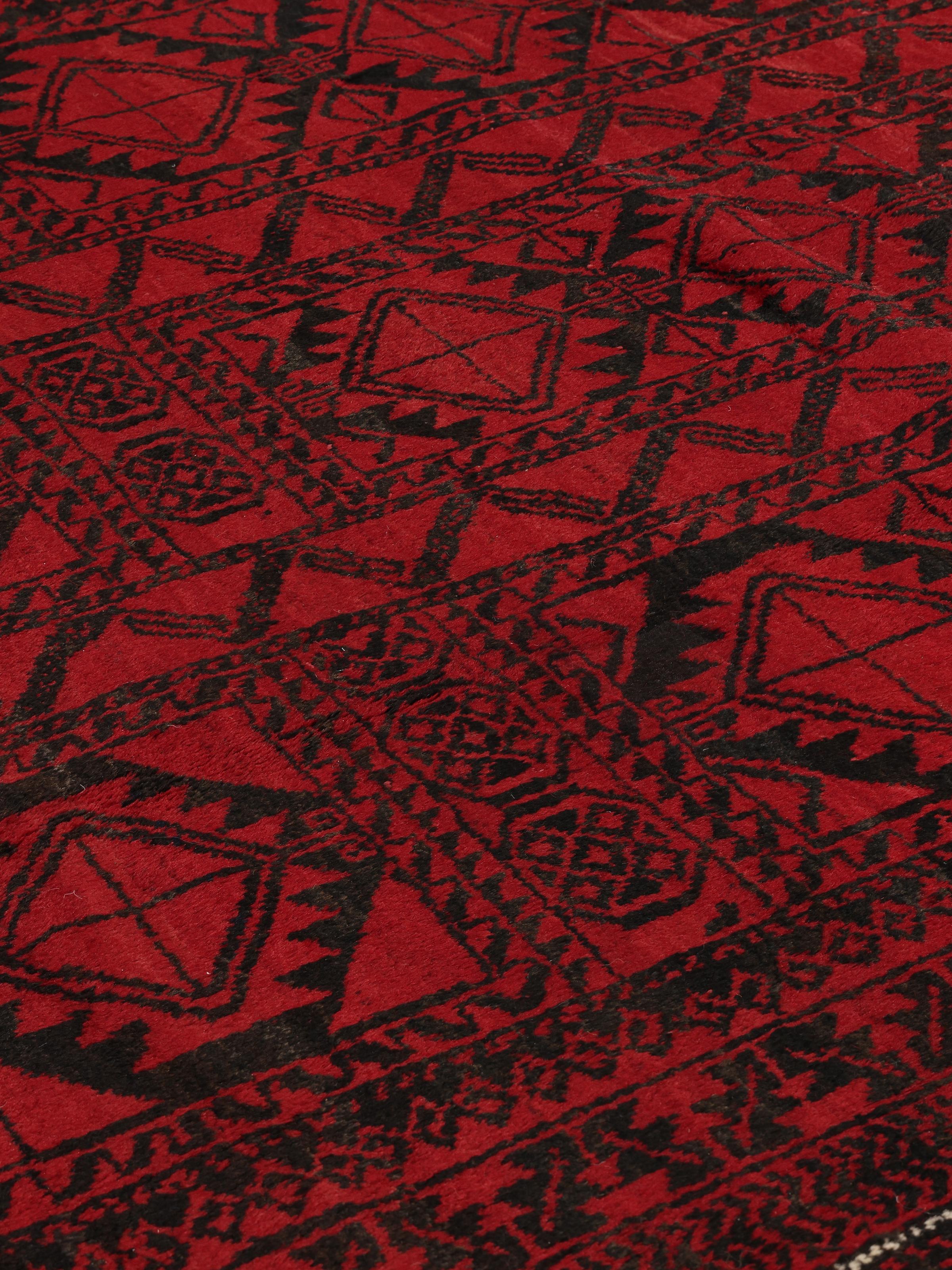
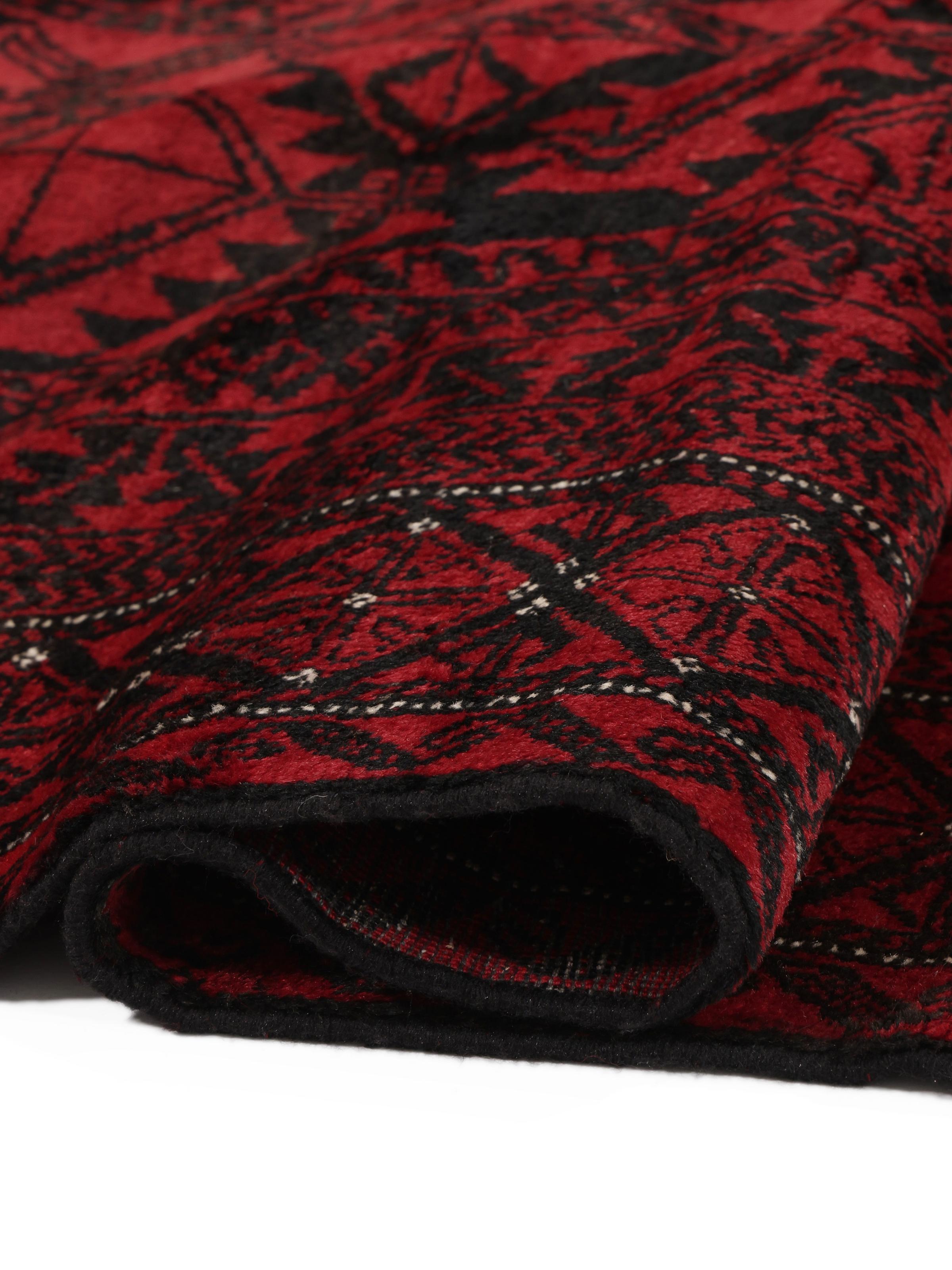
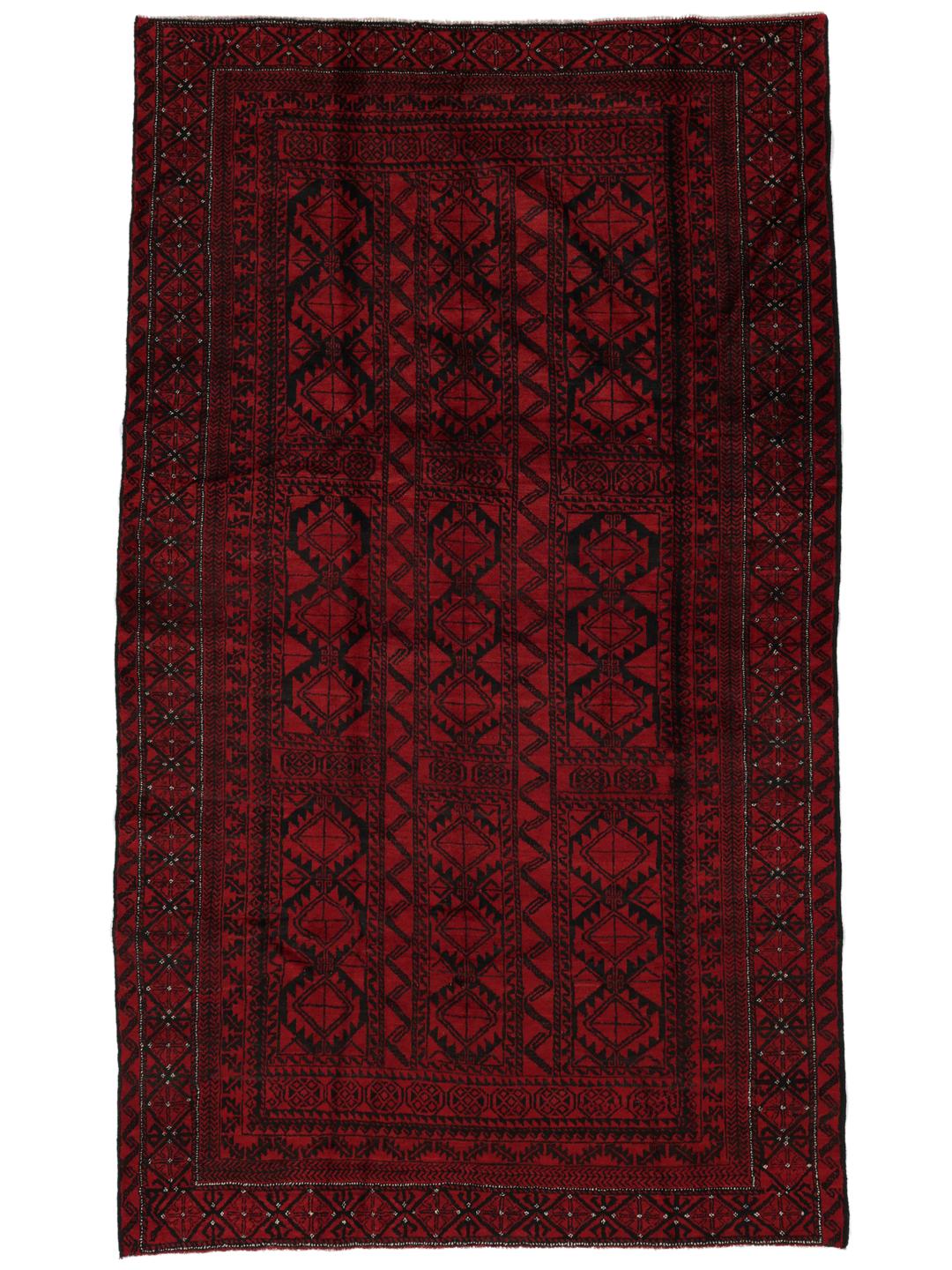
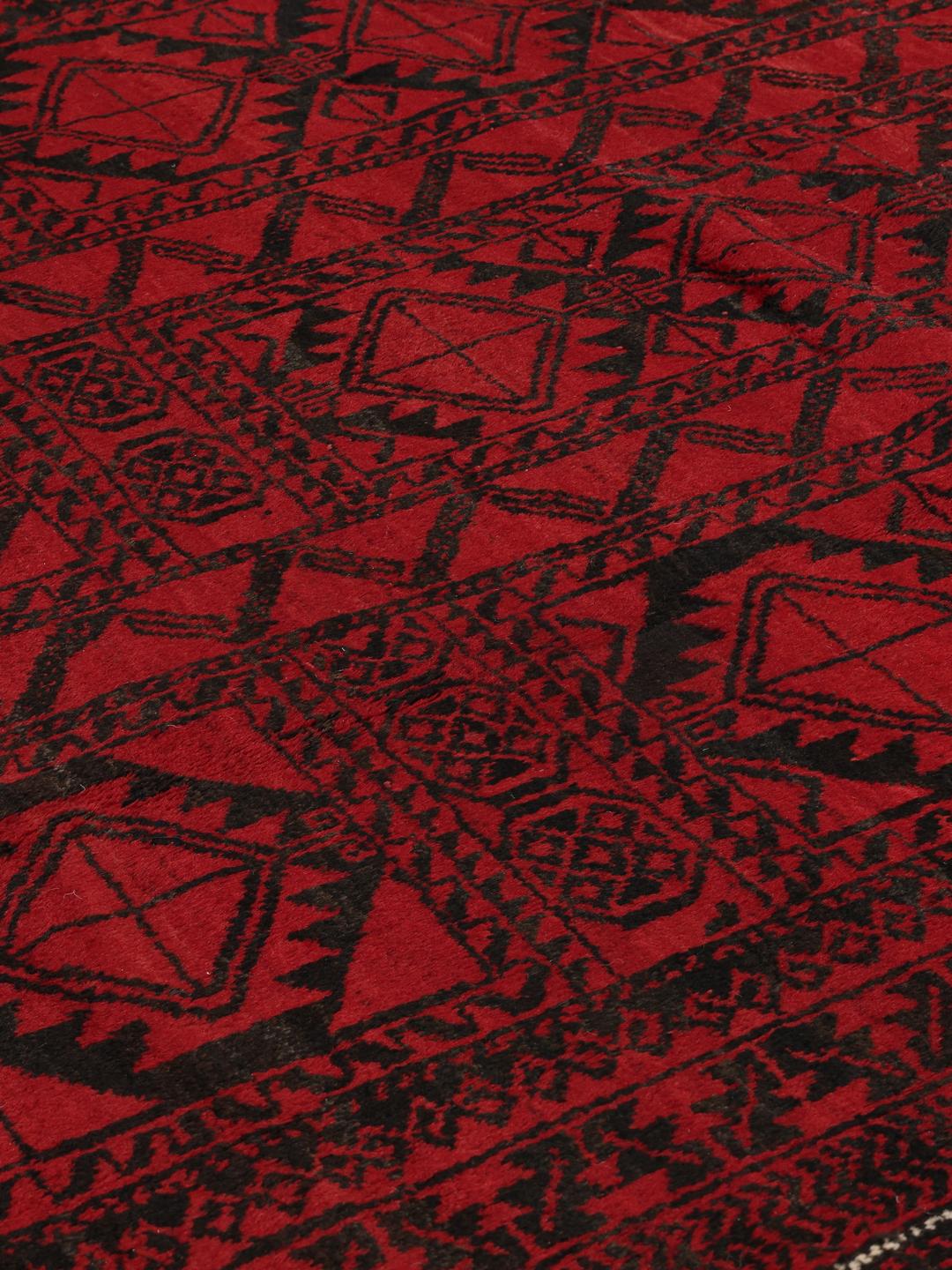
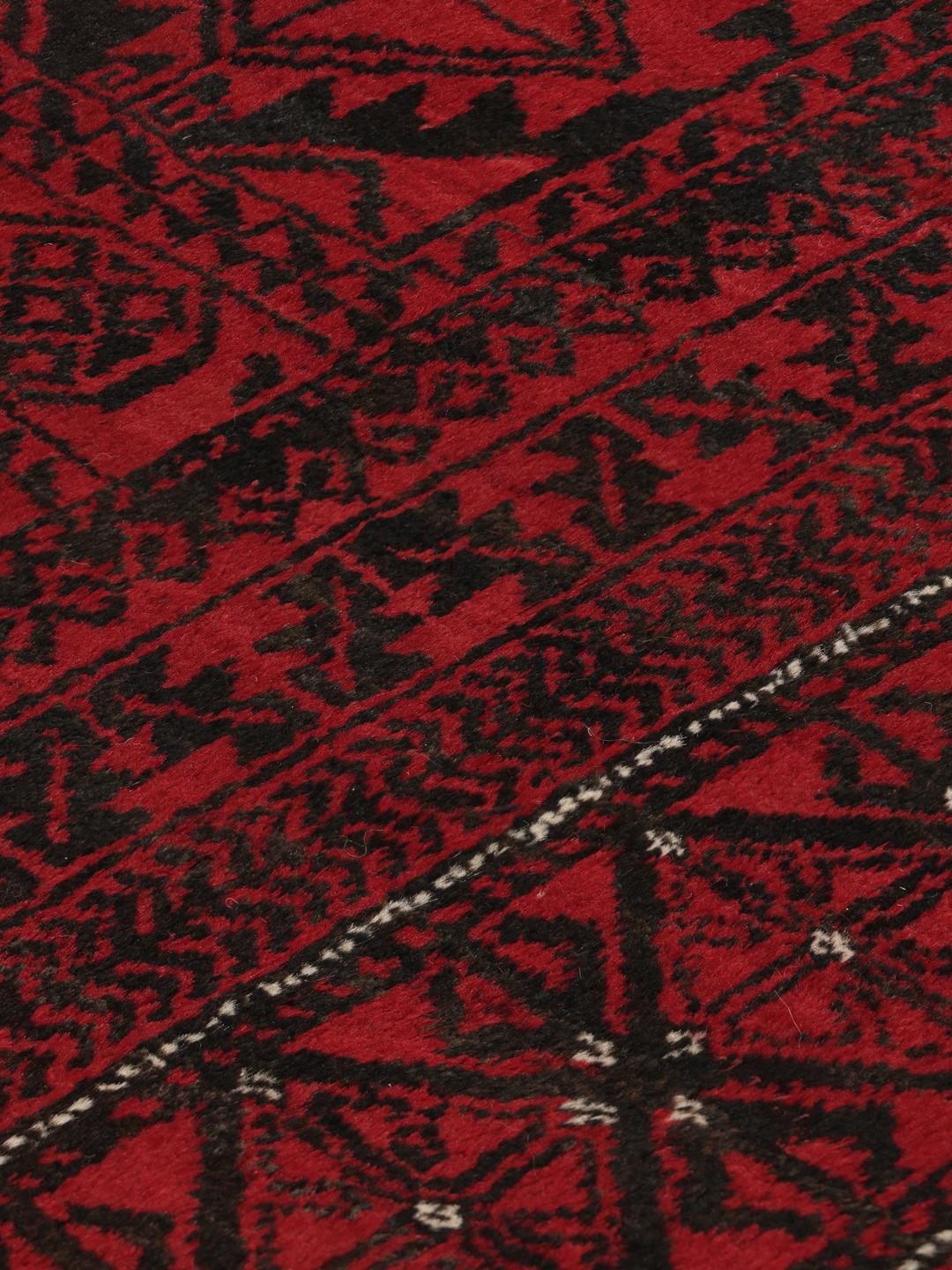
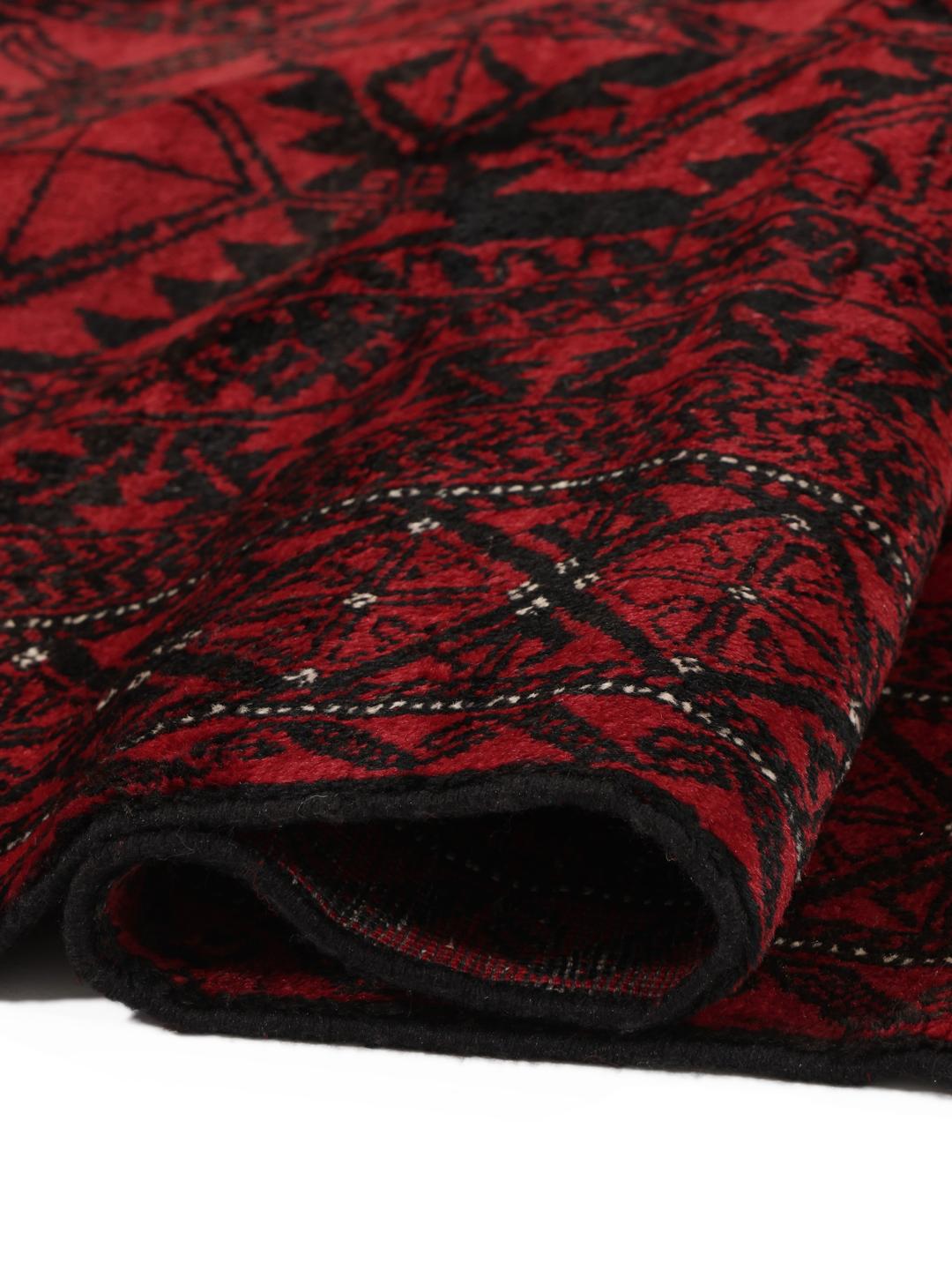
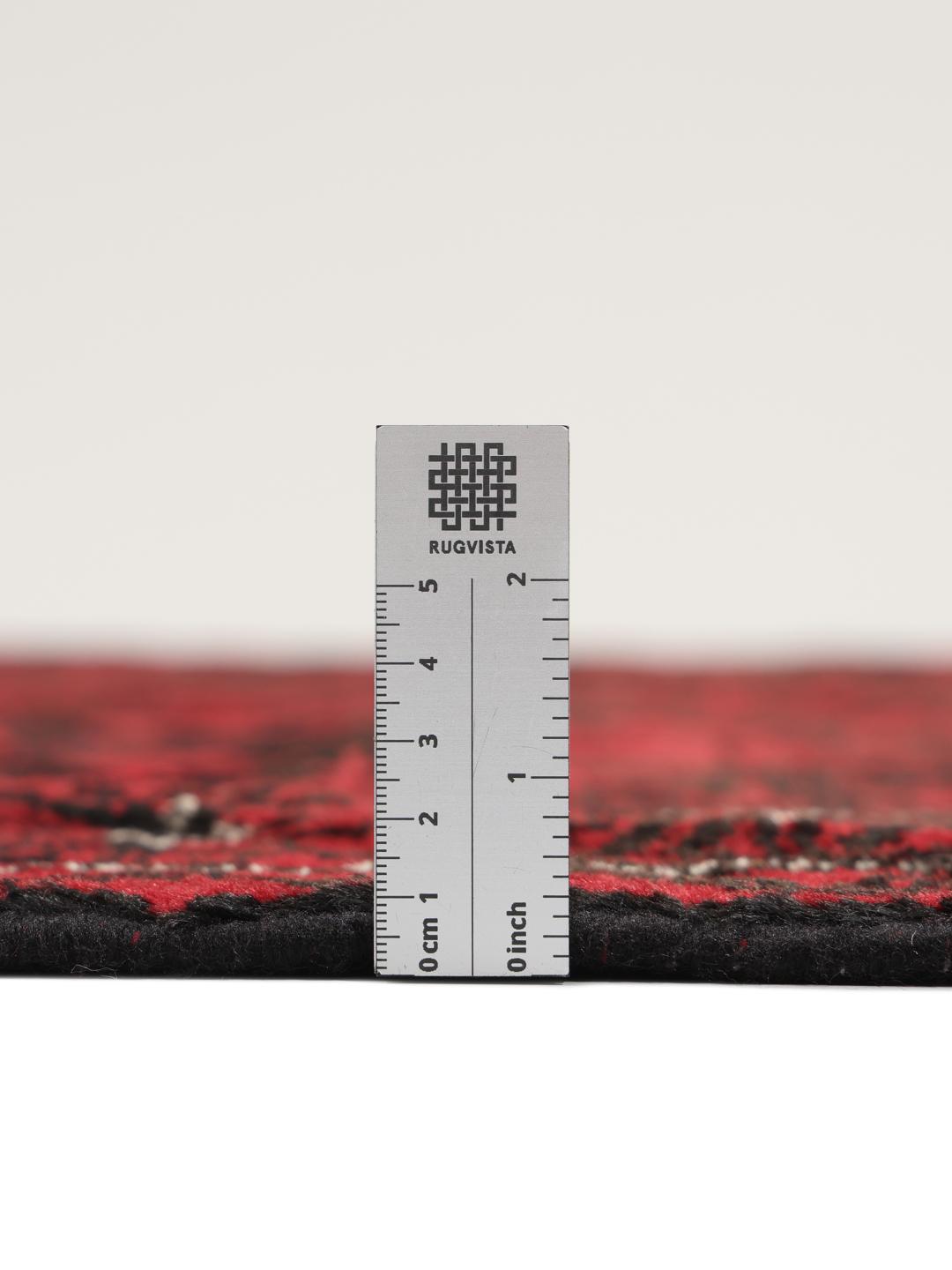
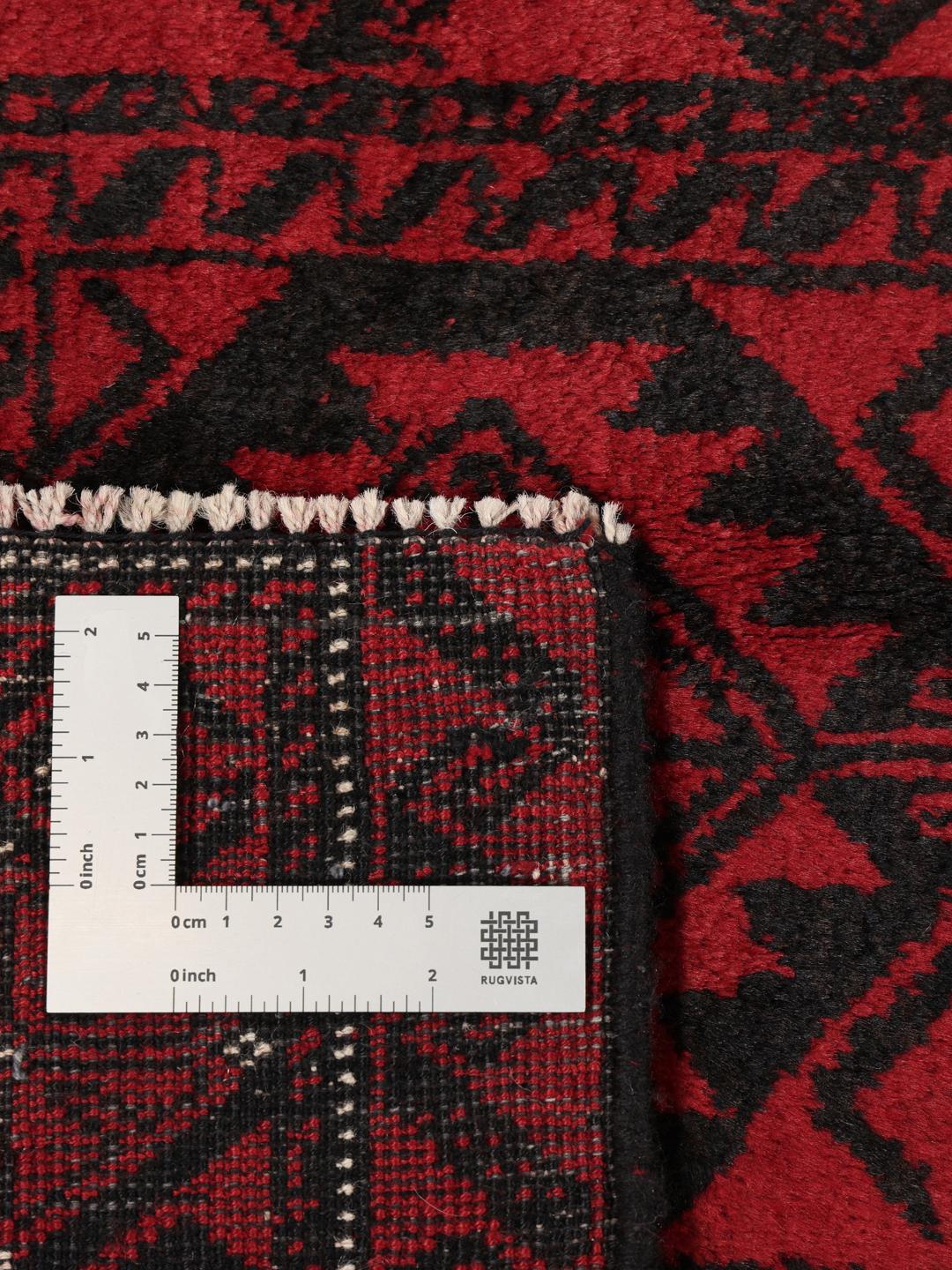
Beluch rugs are renowned for their dark, rich colour palettes, typically featuring deep reds, browns, and blacks derived from natural dyes. The construction often involves a wool pile on a sturdy foundation, resulting in a rug that is both flexible and remarkably hard-wearing. The weave is typically balanced, providing a supple handle that distinguishes these pieces from thicker, more rigid styles.
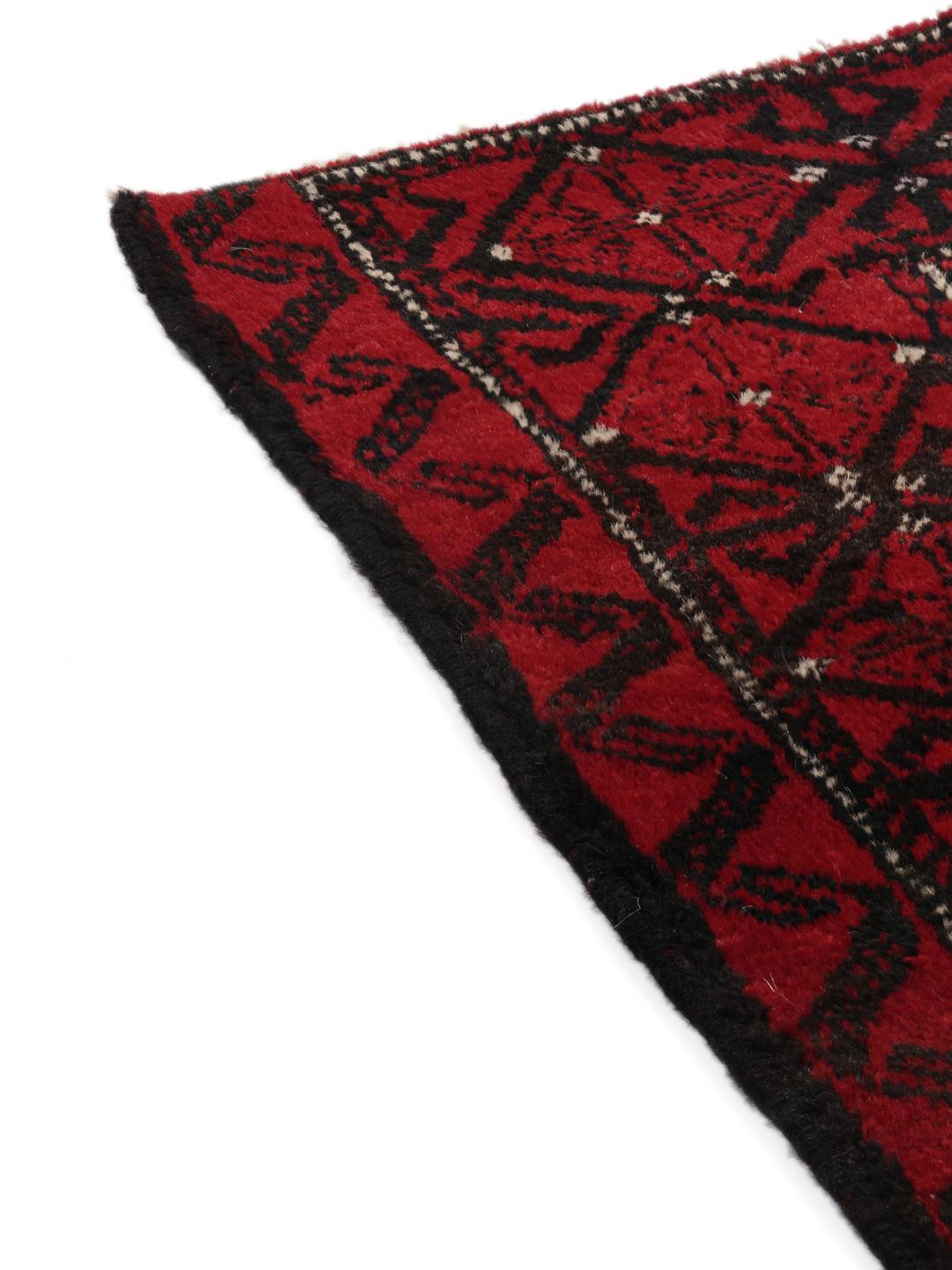
The design language of a Beluch rug is fundamentally geometric and tribal. You will often see repeating patterns such as the 'tree of life', stylized floral motifs, or complex geometric medallions known as guls. These patterns are not merely decorative but serve as a visual language, often holding symbolic meaning related to protection, prosperity, or tribal lineage.
Collectors value Beluch rugs for their authenticity and the sheer skill required to produce such intricate work without the aid of modern technology. Owning a piece from this tradition is an invitation into a long-standing heritage of craft. It represents a connection to the nomadic spirit and a dedication to quality that transcends changing interior trends.