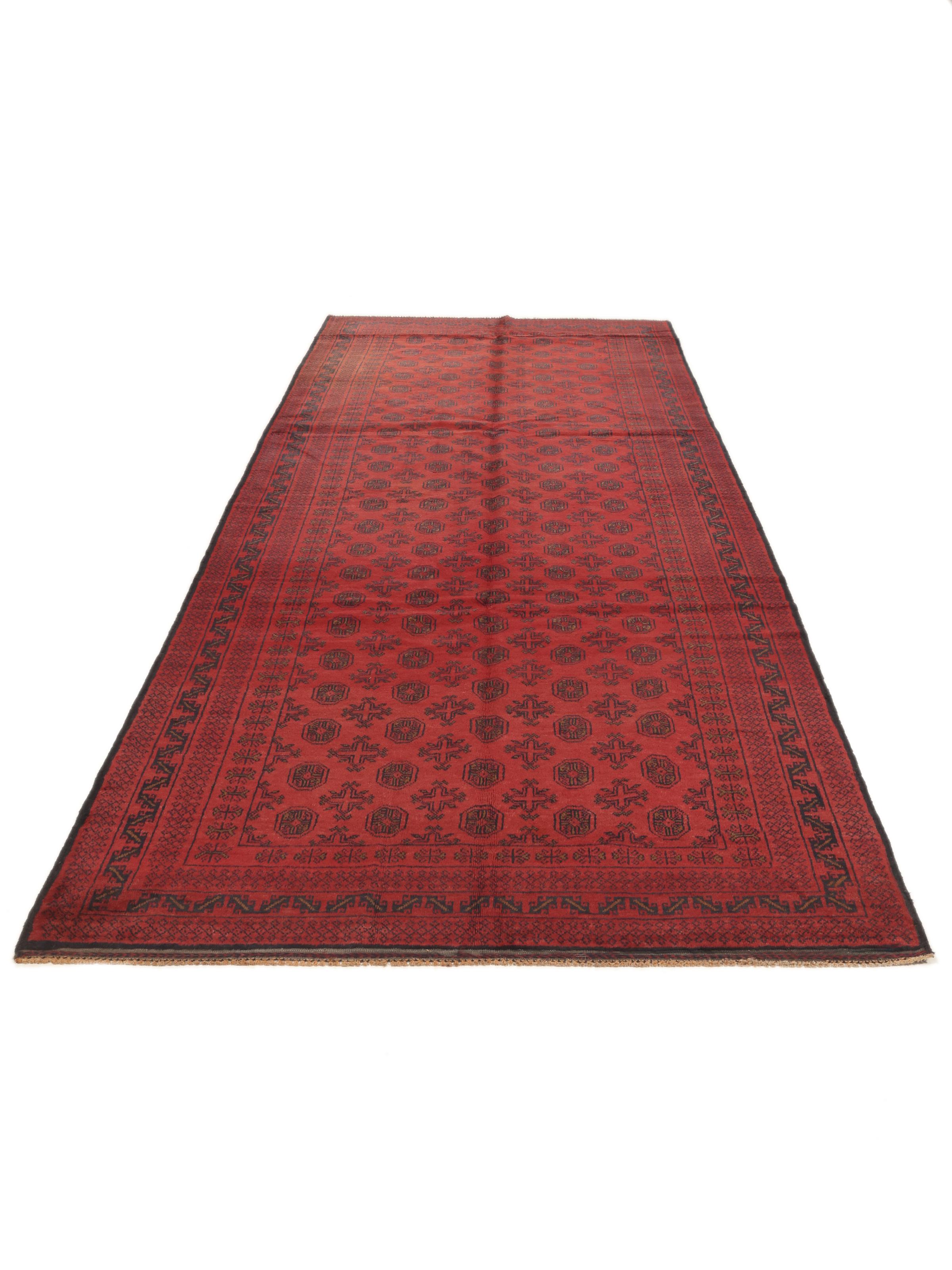
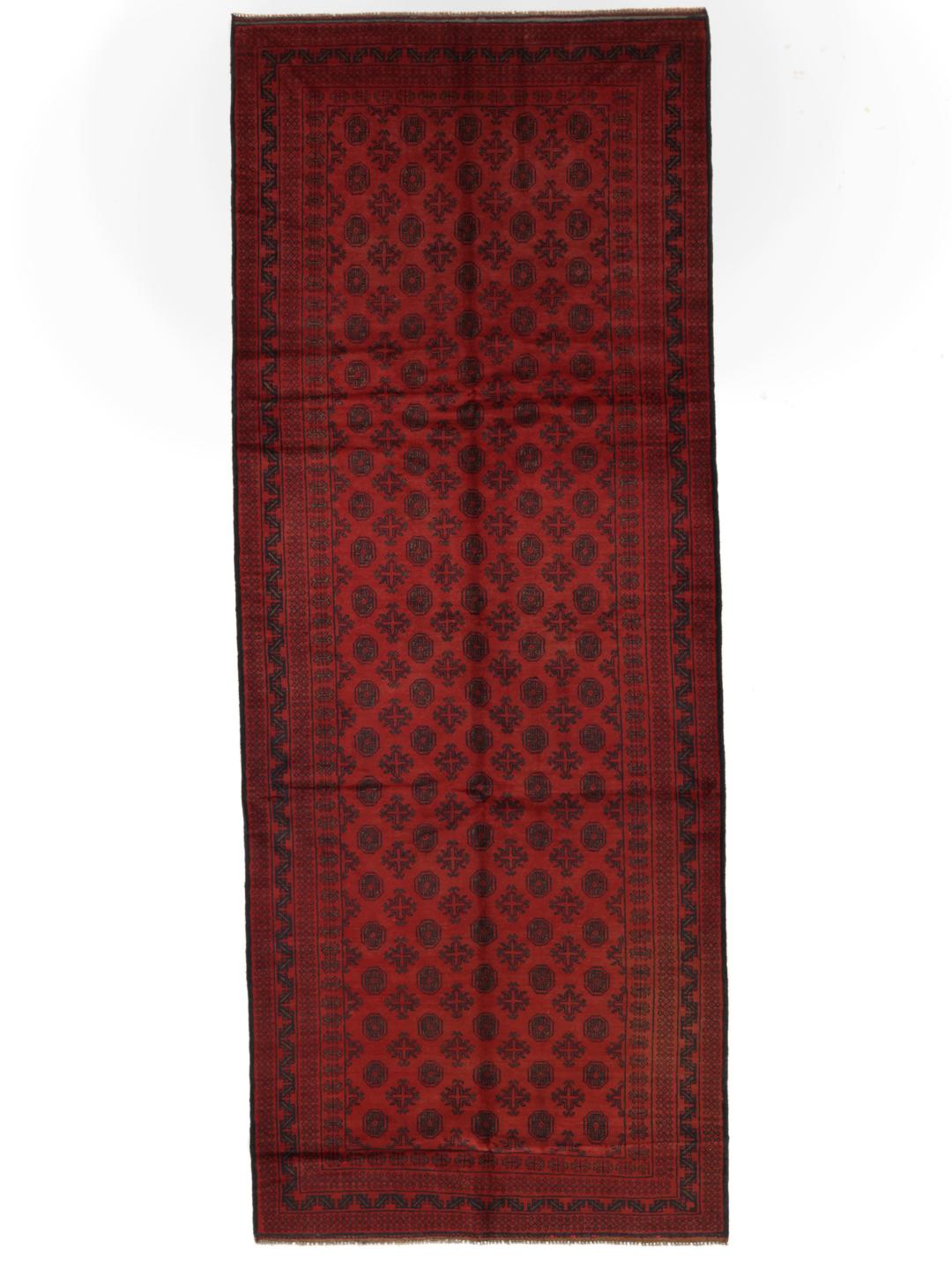
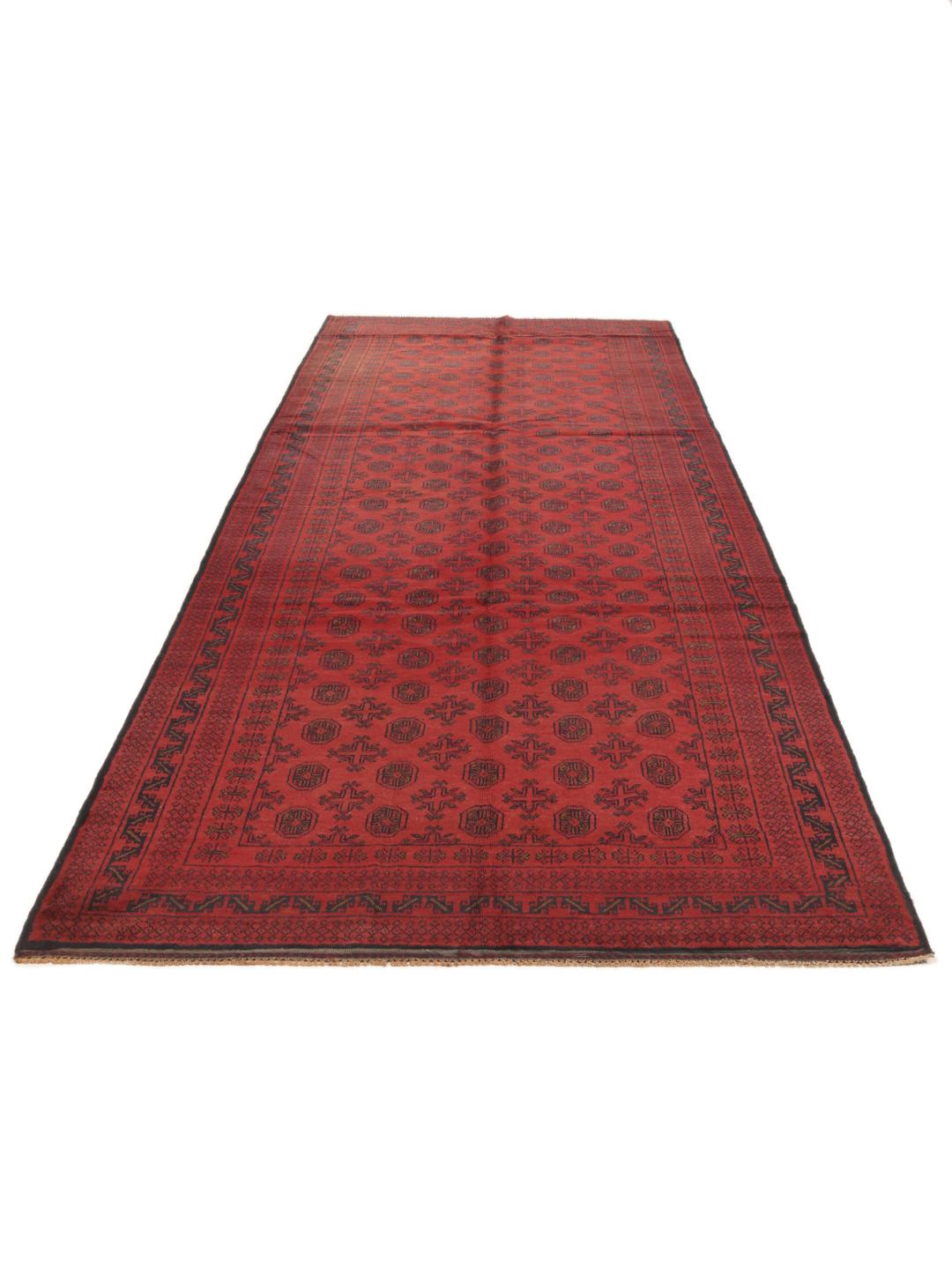
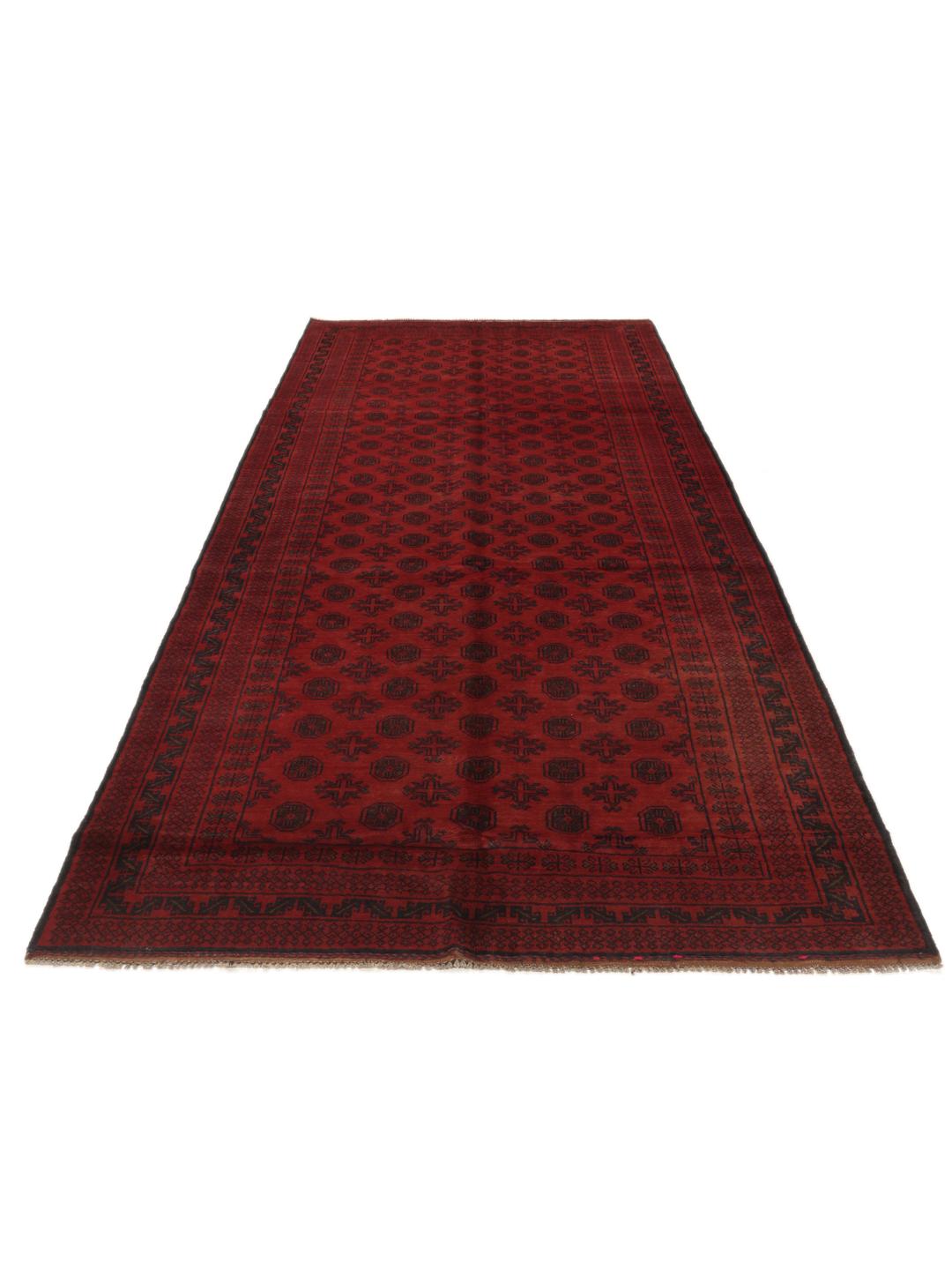
The rugs in this style originate from the nomadic and semi-nomadic tribes residing in the border regions of the Middle East. These weavers have historically relied on their environment for materials and inspiration, creating rugs that are as practical for tent life as they are beautiful. Over generations, these designs have evolved into a distinct style characterised by deep, saturated colours and complex, repeating patterns.
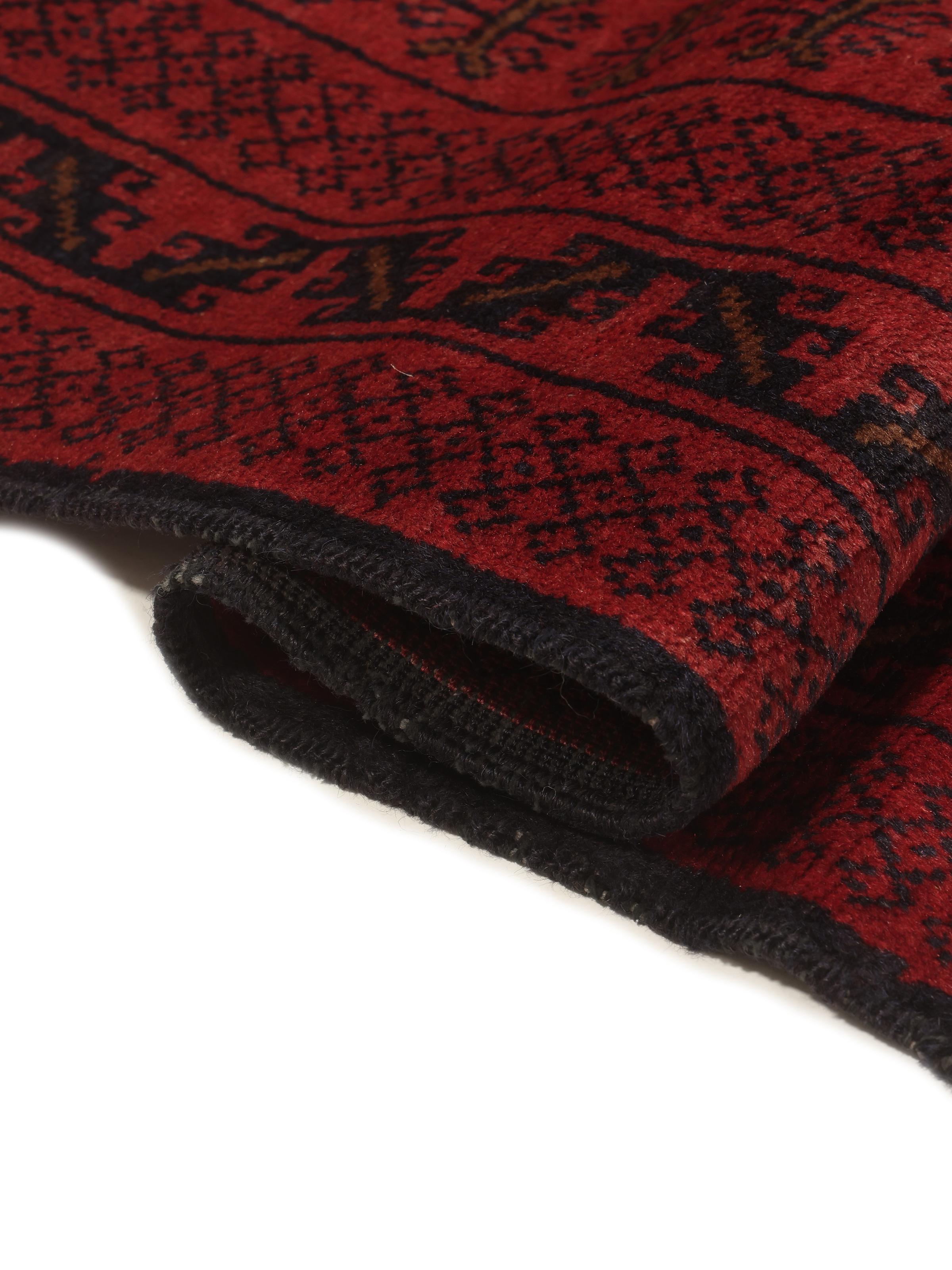
The term refers to both the tribal origin and the specific weaving tradition of these people. The craftsmanship involved in these rugs is highly regarded for its focus on material quality and structural integrity. Using traditional methods, the artisans ensure that the pile is dense and the foundation is balanced, which is essential for a rug that needs to be durable enough for nomadic life yet fine enough to serve as a centrepiece.
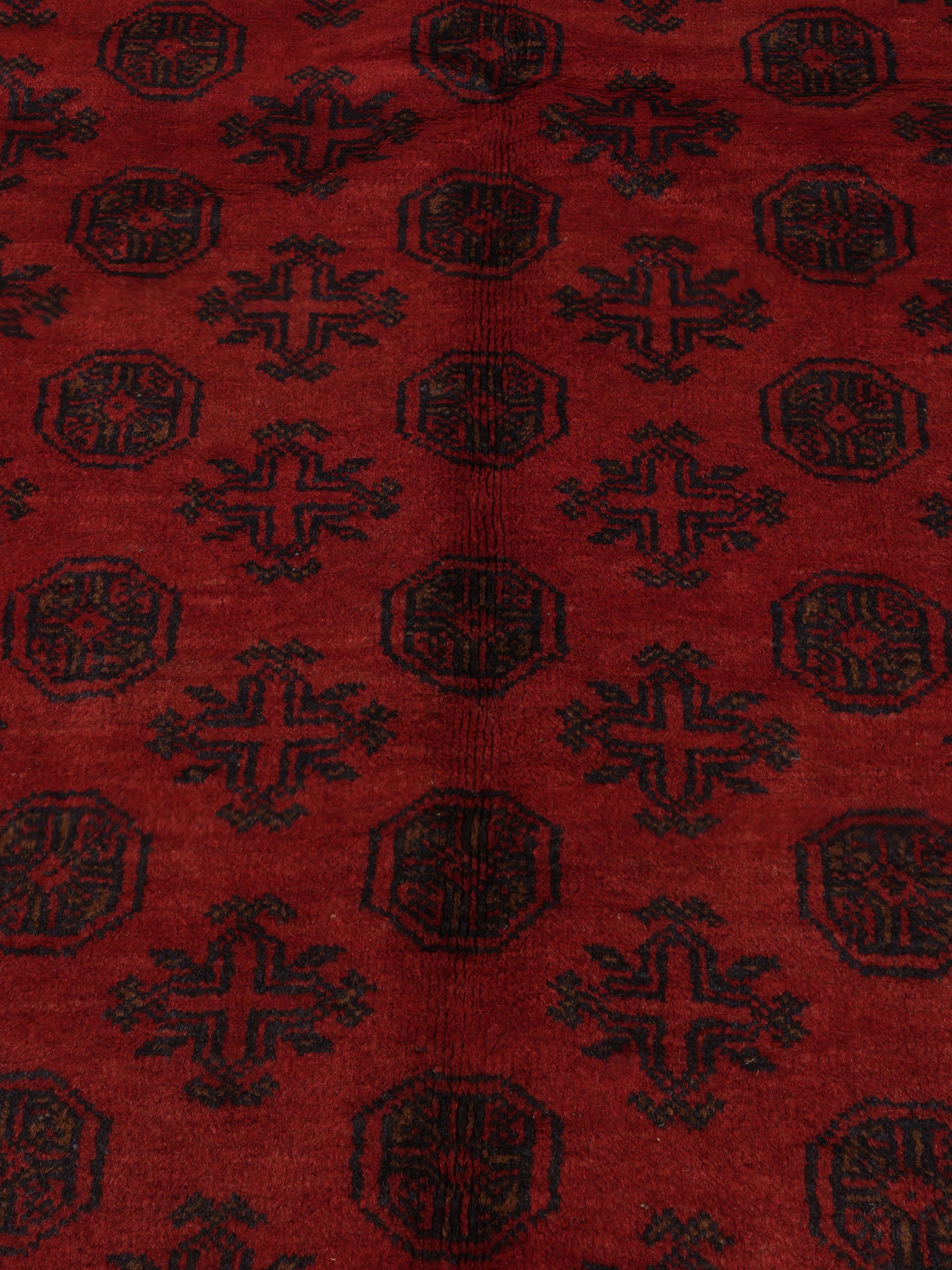
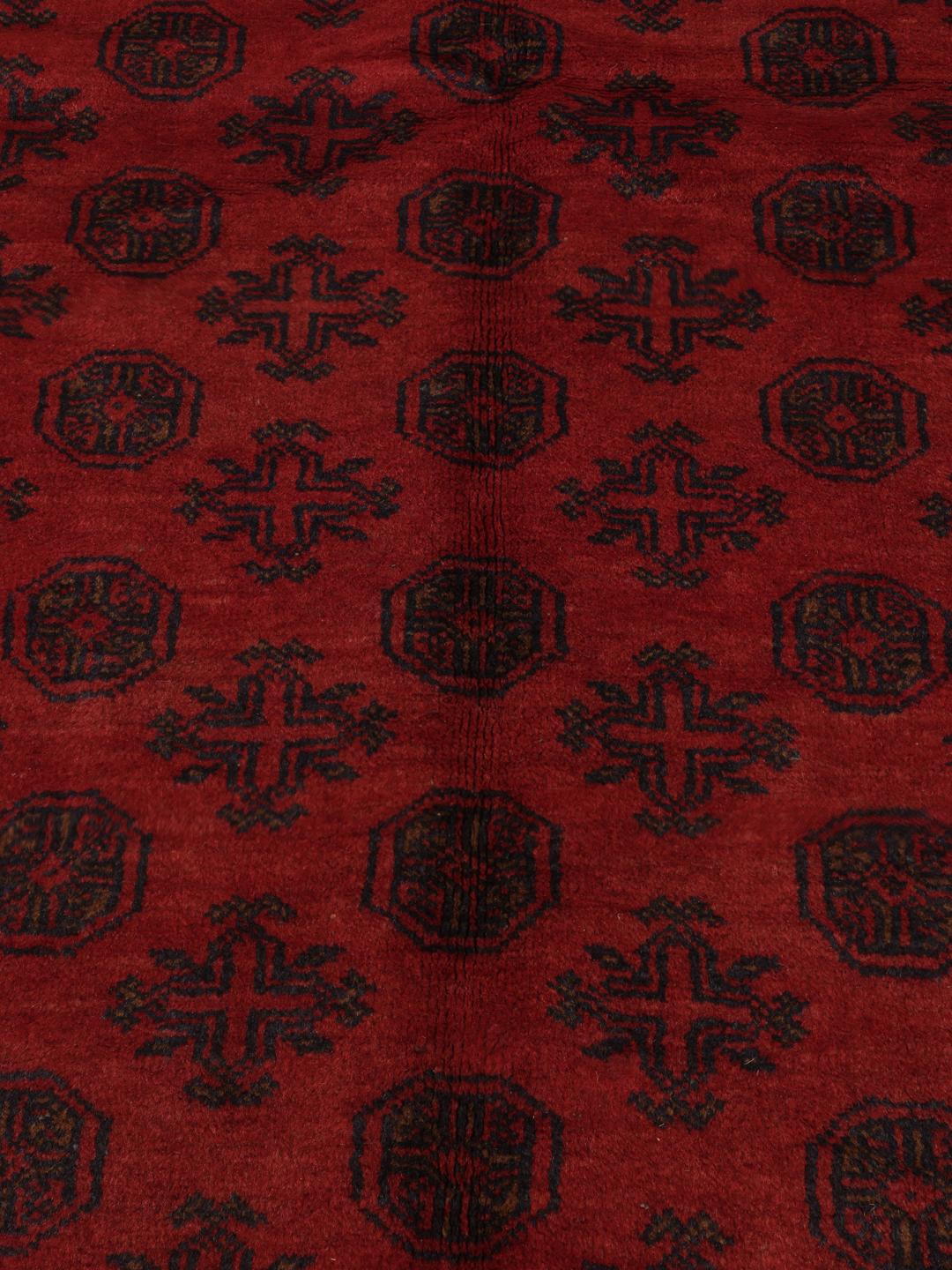
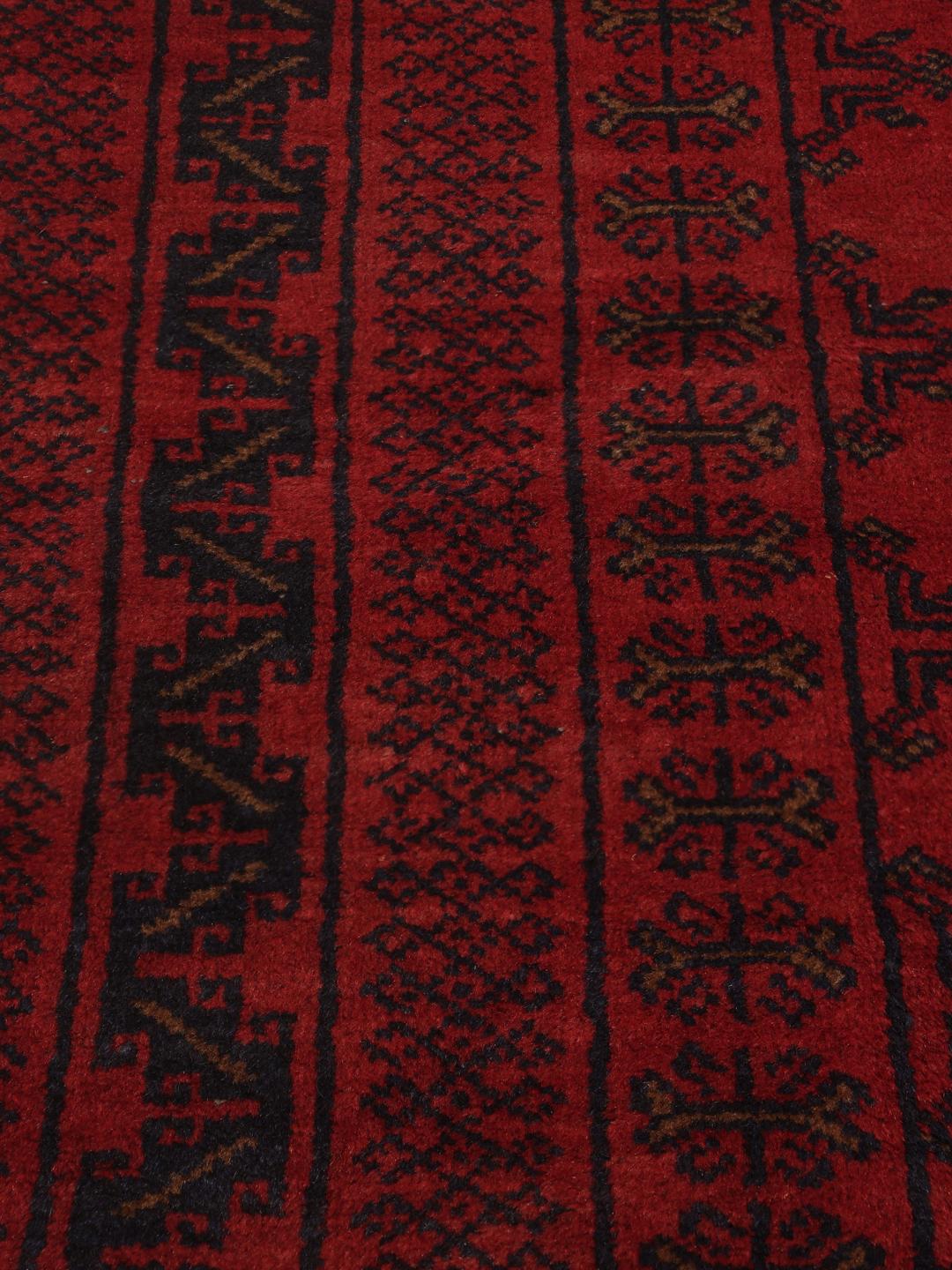
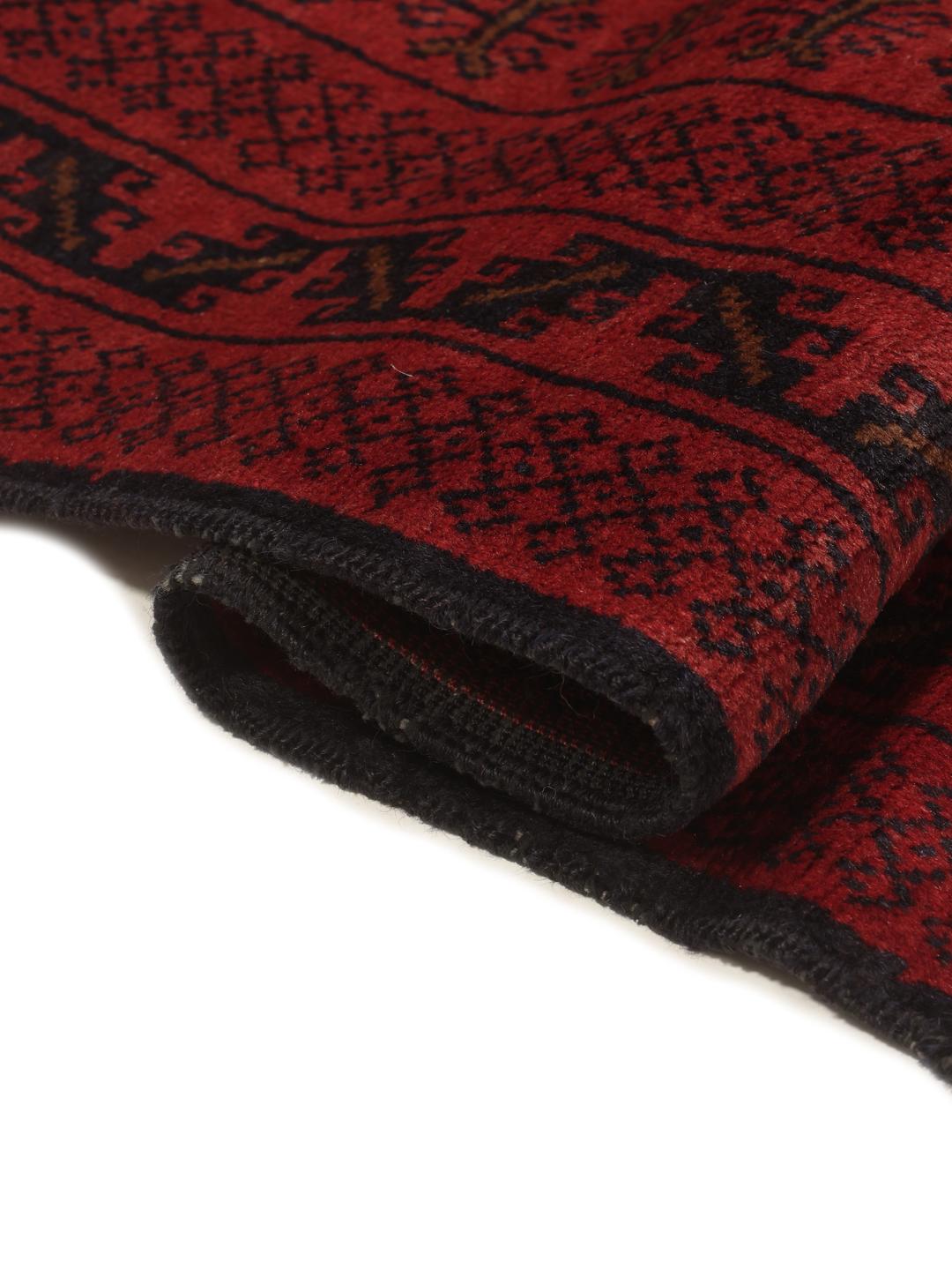
Visually, these rugs are defined by their sophisticated use of space and colour. Typically, they feature a field filled with repeating geometric motifs, such as the gul, which are often arranged in rows or offset patterns. The borders are usually intricate, acting as a frame that contains the energy of the central design. The use of dark, rich reds and deep blacks is a hallmark of this tradition, providing a timeless look that fits well in many different home environments.
Collecting such a rug is an investment in heritage and human skill. Because these pieces are made by hand without the use of modern machines, they possess a unique character that reflects the individual weaver's interpretation of traditional motifs. Owning one means holding a piece of history that connects you to the ancient craft traditions of the Middle East, ensuring that your home is enriched by a genuine, culturally significant object.