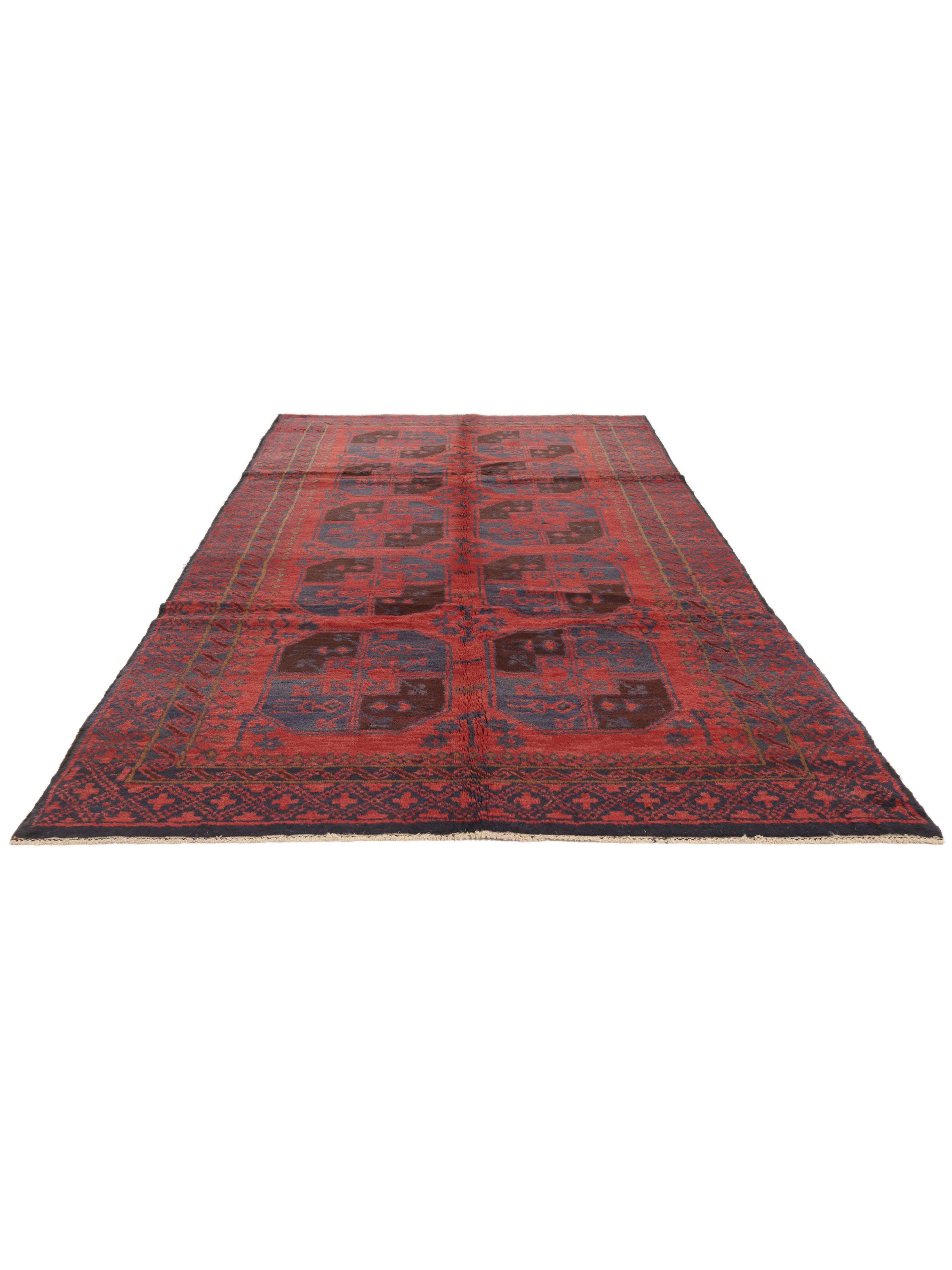
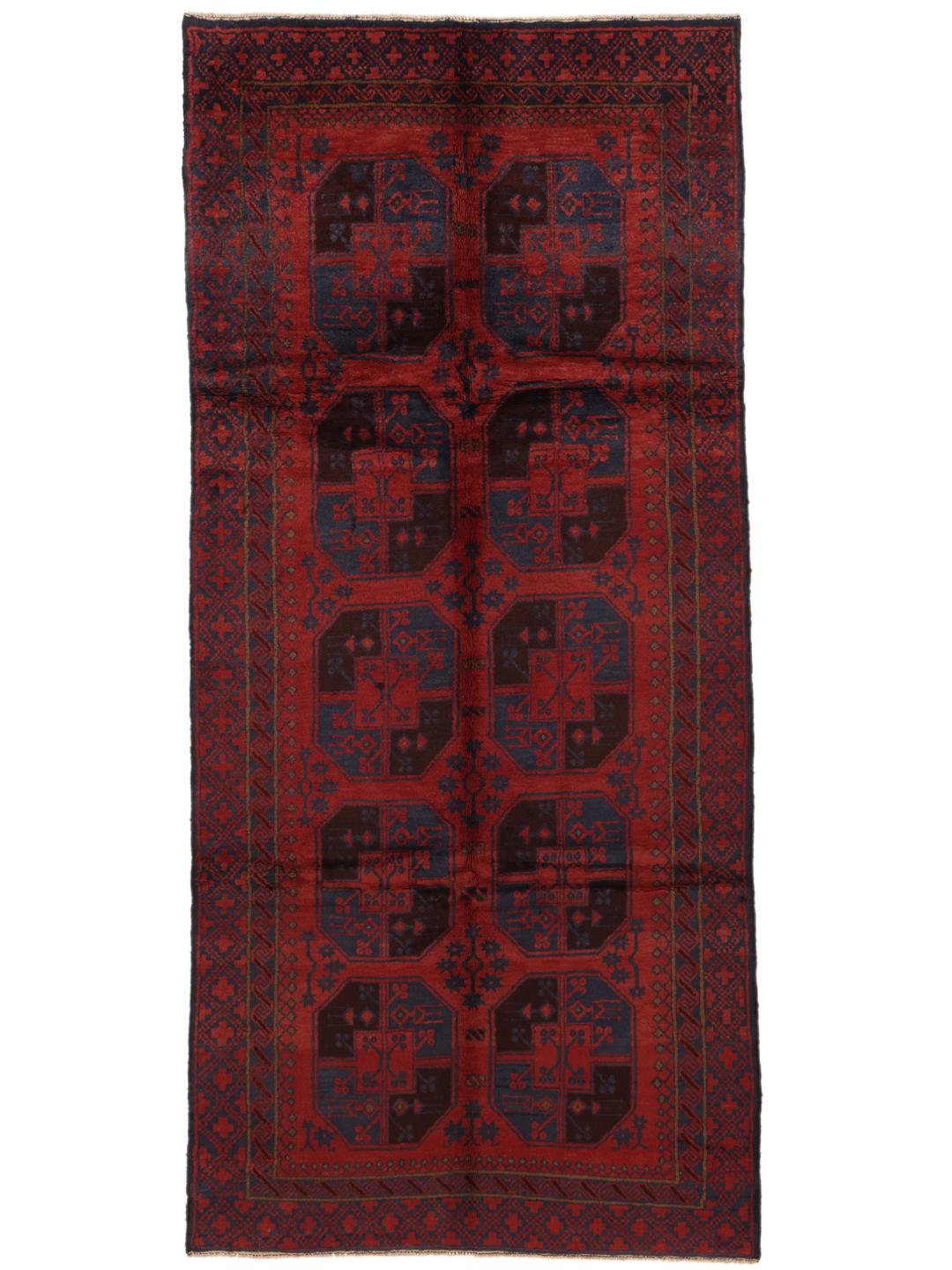
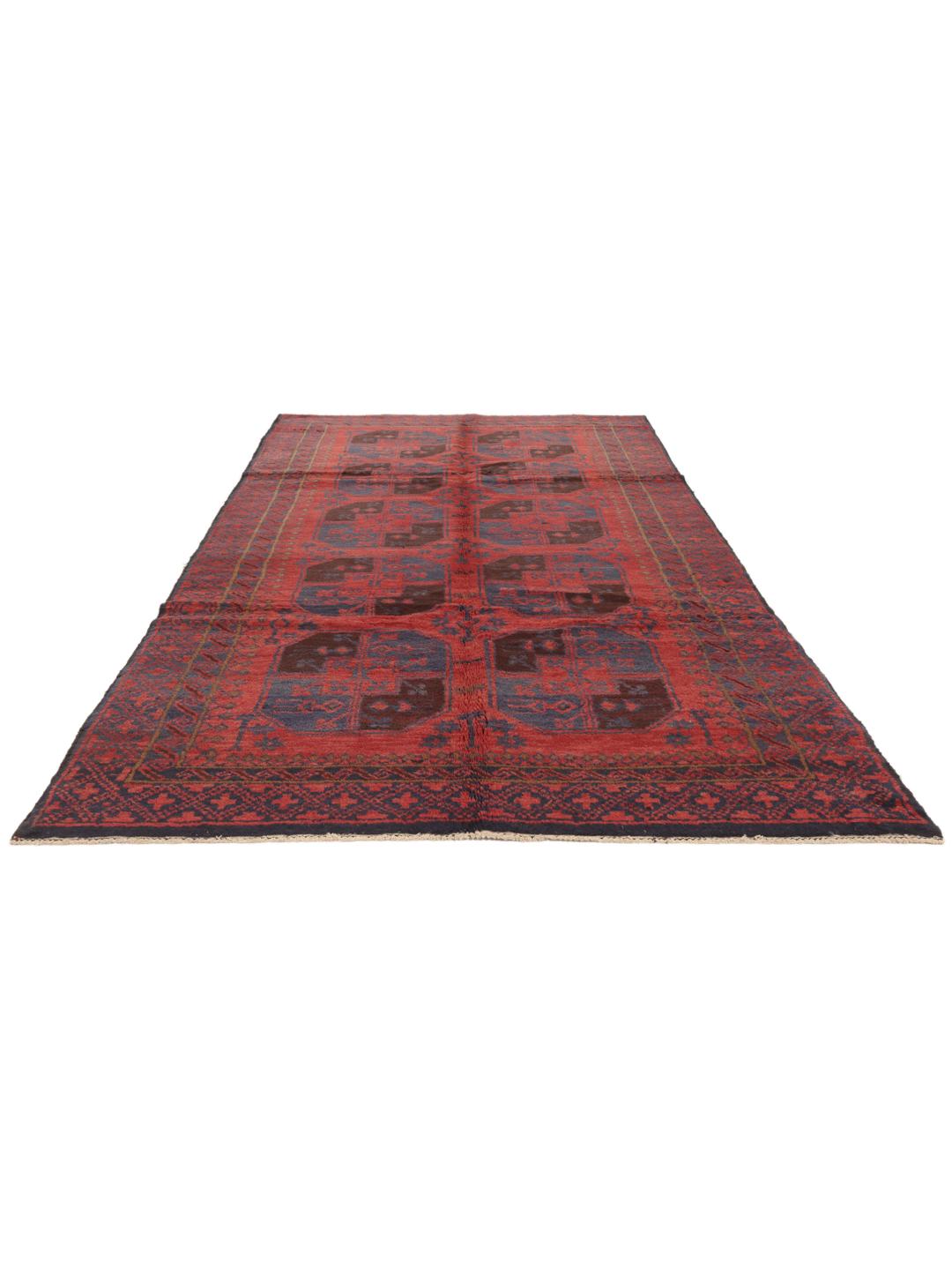
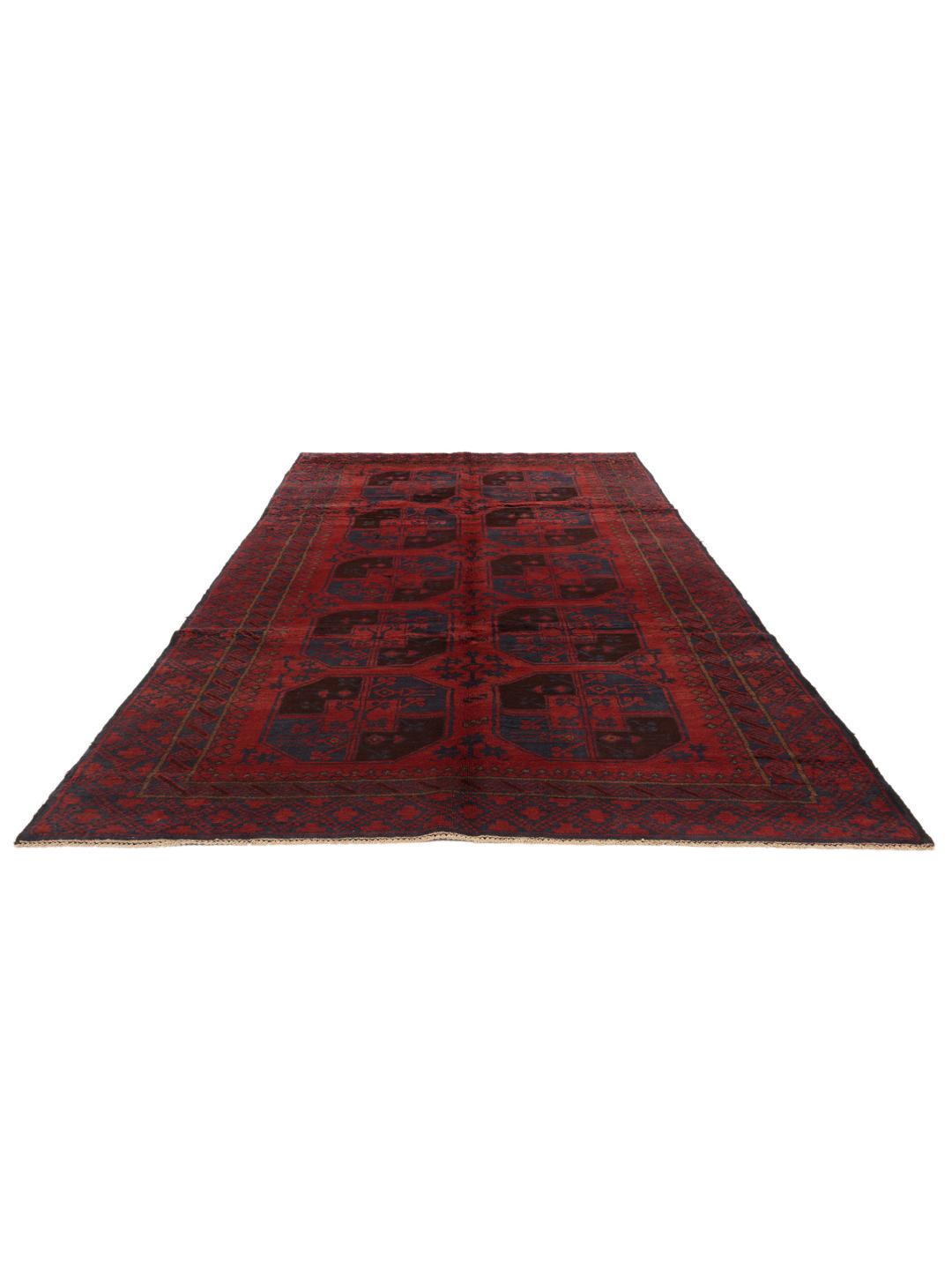
Baluch rugs are deeply rooted in the nomadic traditions of the Middle East, specifically associated with the Baluchi people who reside across the border regions of Afghanistan and Pakistan. These rugs have historically been woven by nomadic and semi-nomadic tribes, serving as essential, portable elements of their daily lives, used as floor coverings, tent decorations, and transport bags.
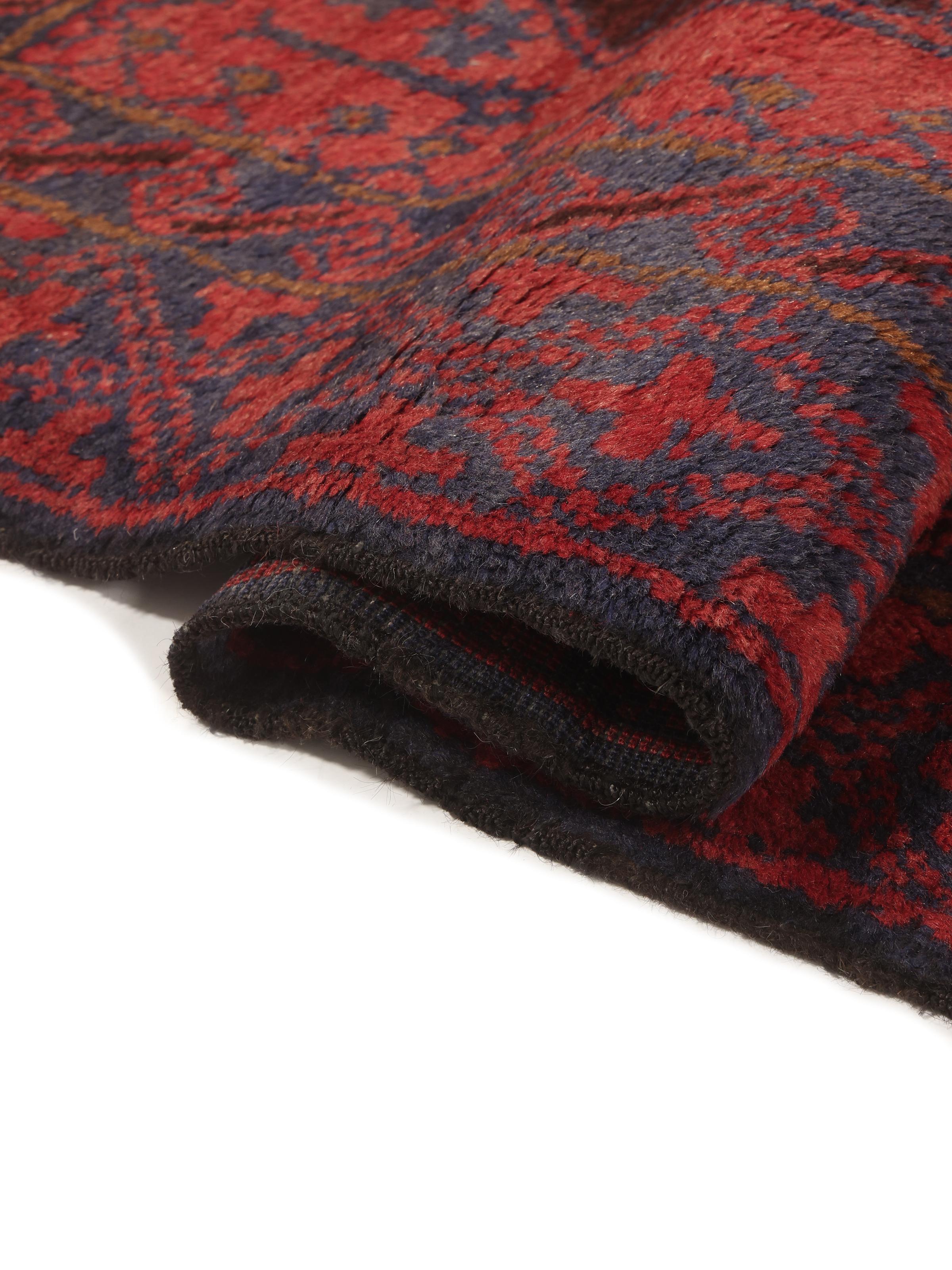
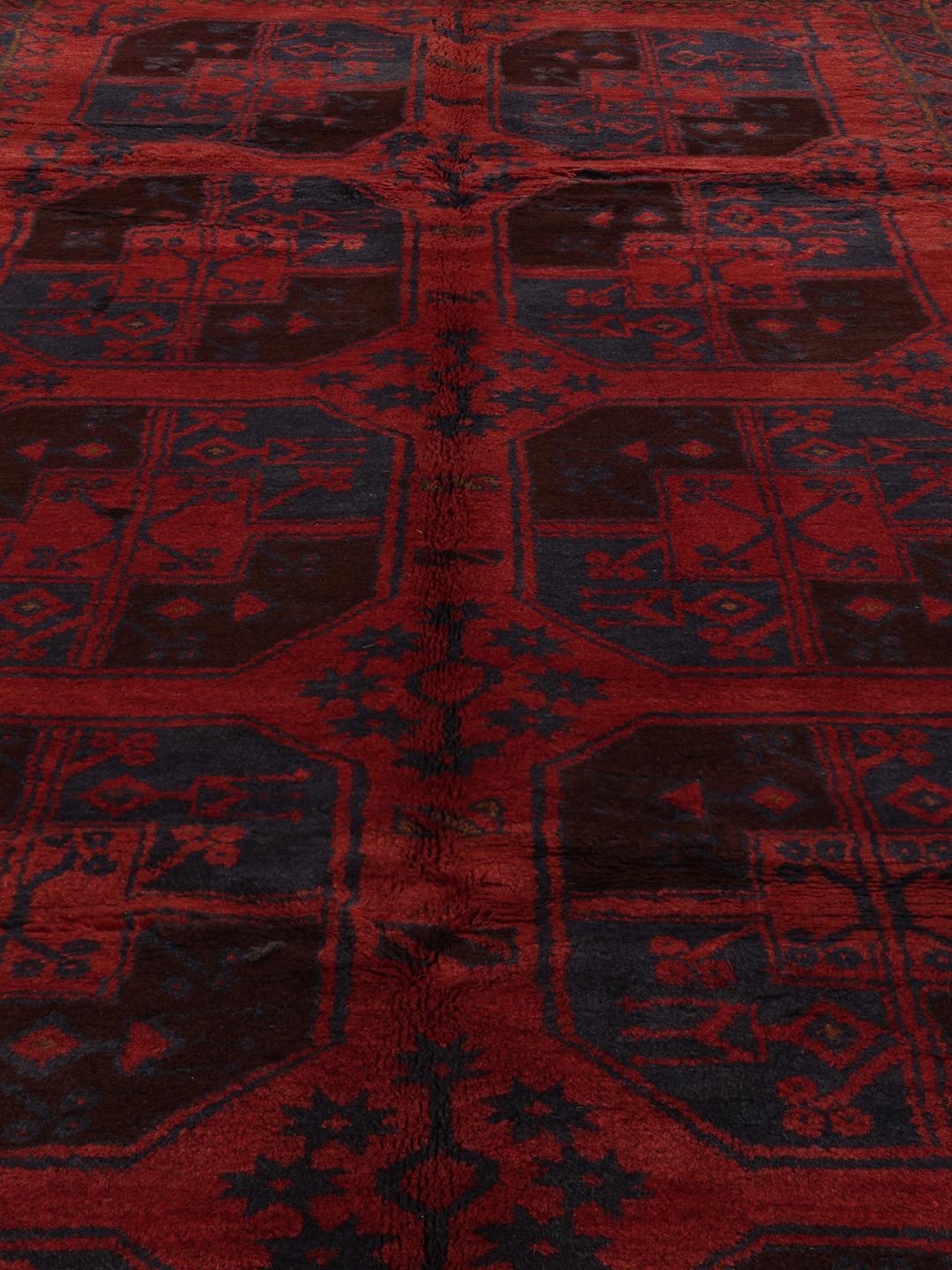
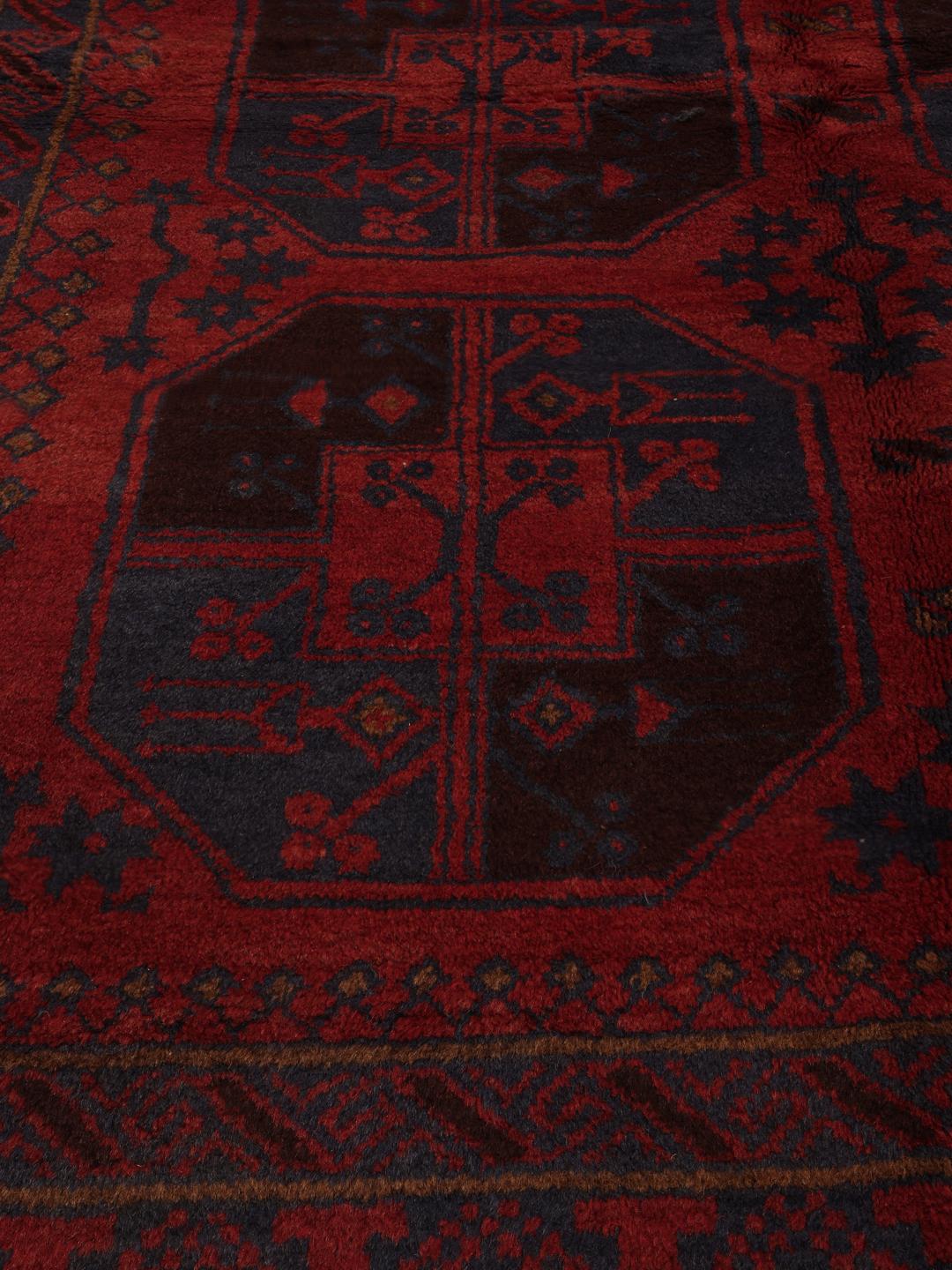
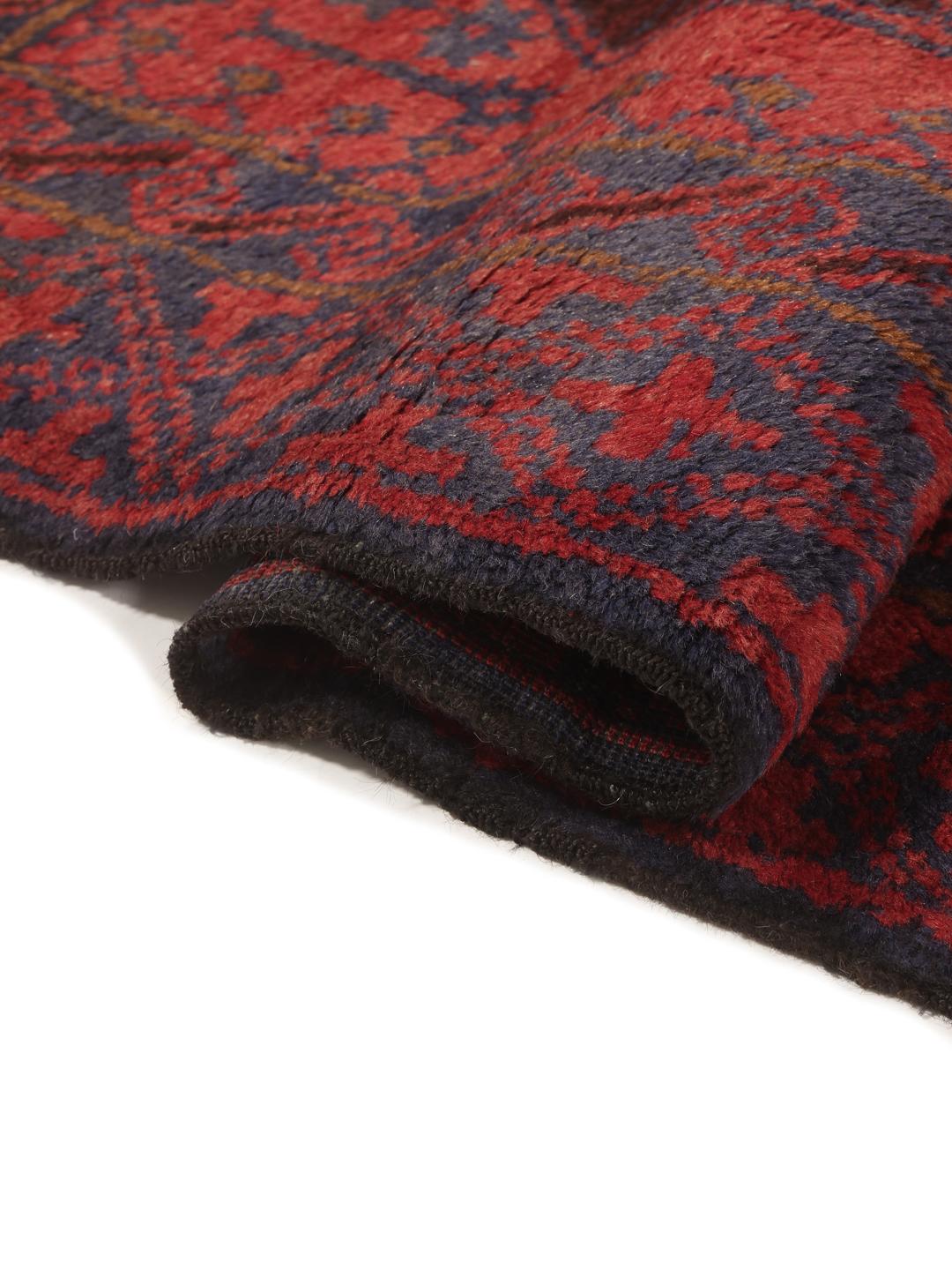
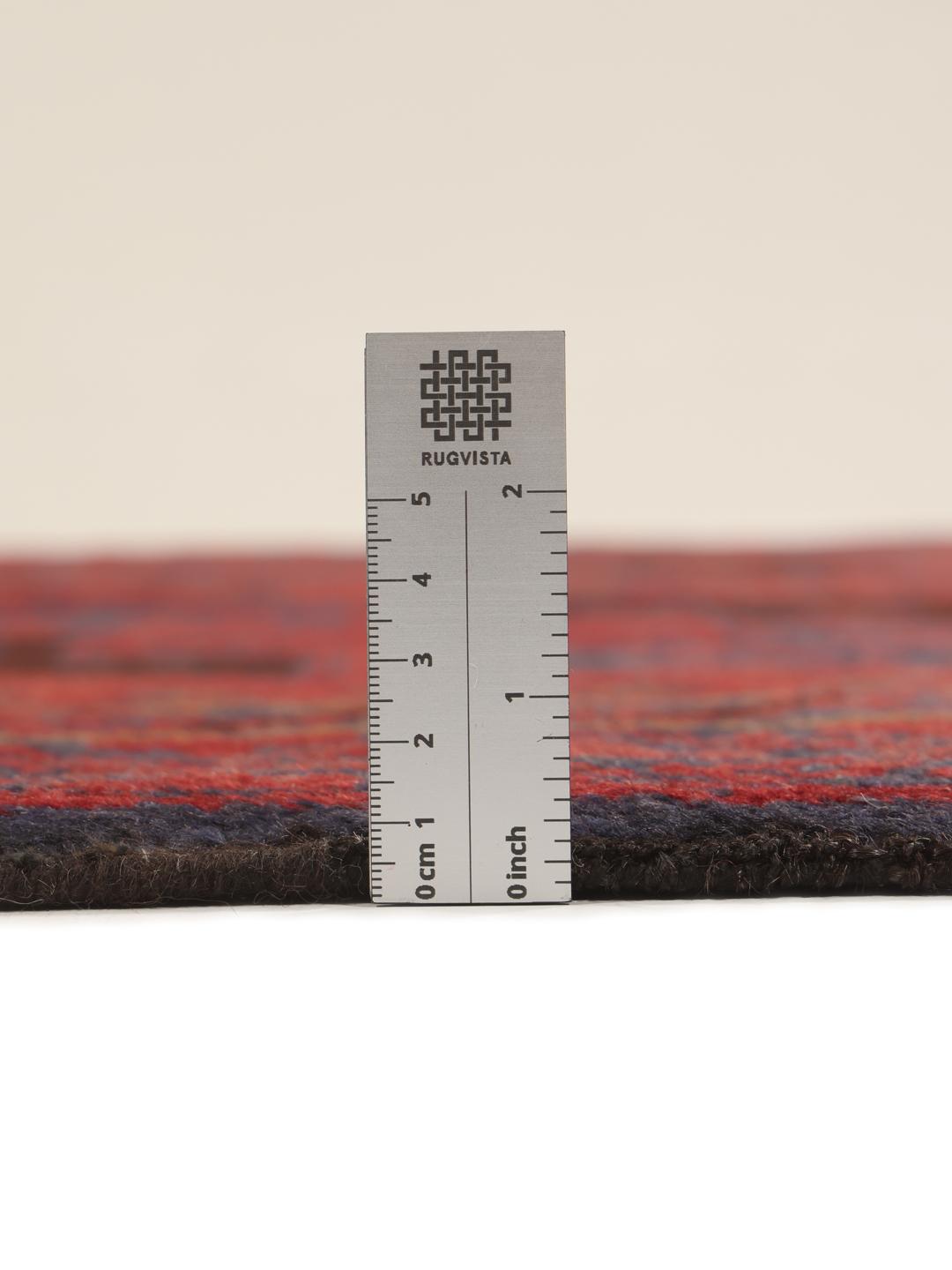
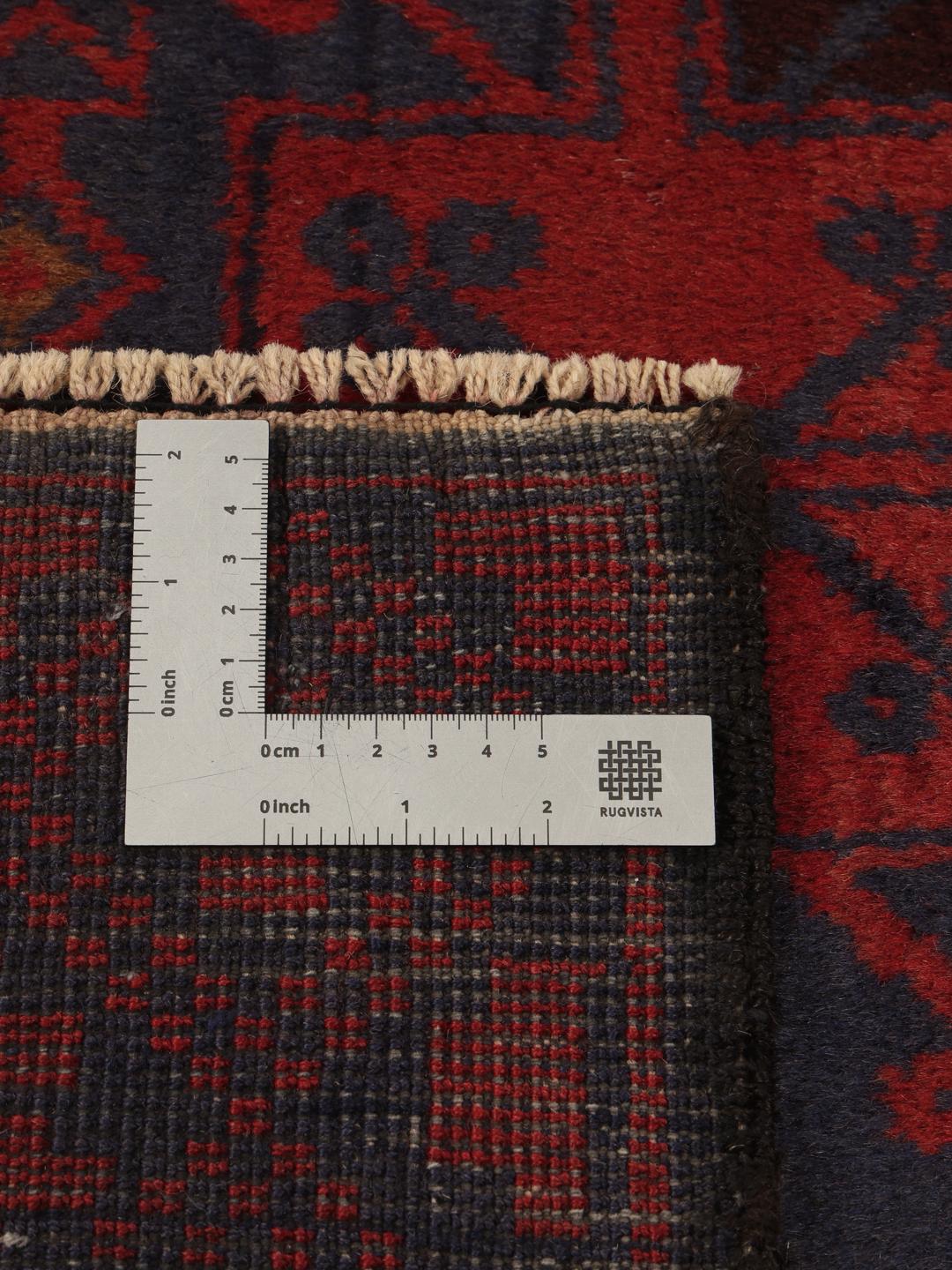
The term Baluch refers to both the tribal origin and the distinct aesthetic of these rugs. They are known for their relatively fine knotting, which allows for intricate geometric designs and a durable, lustrous surface. This density is achieved through a traditional hand-knotting technique that requires the weaver to maintain consistent tension, a skill acquired over a lifetime of practice that defines the quality and longevity of the final piece.
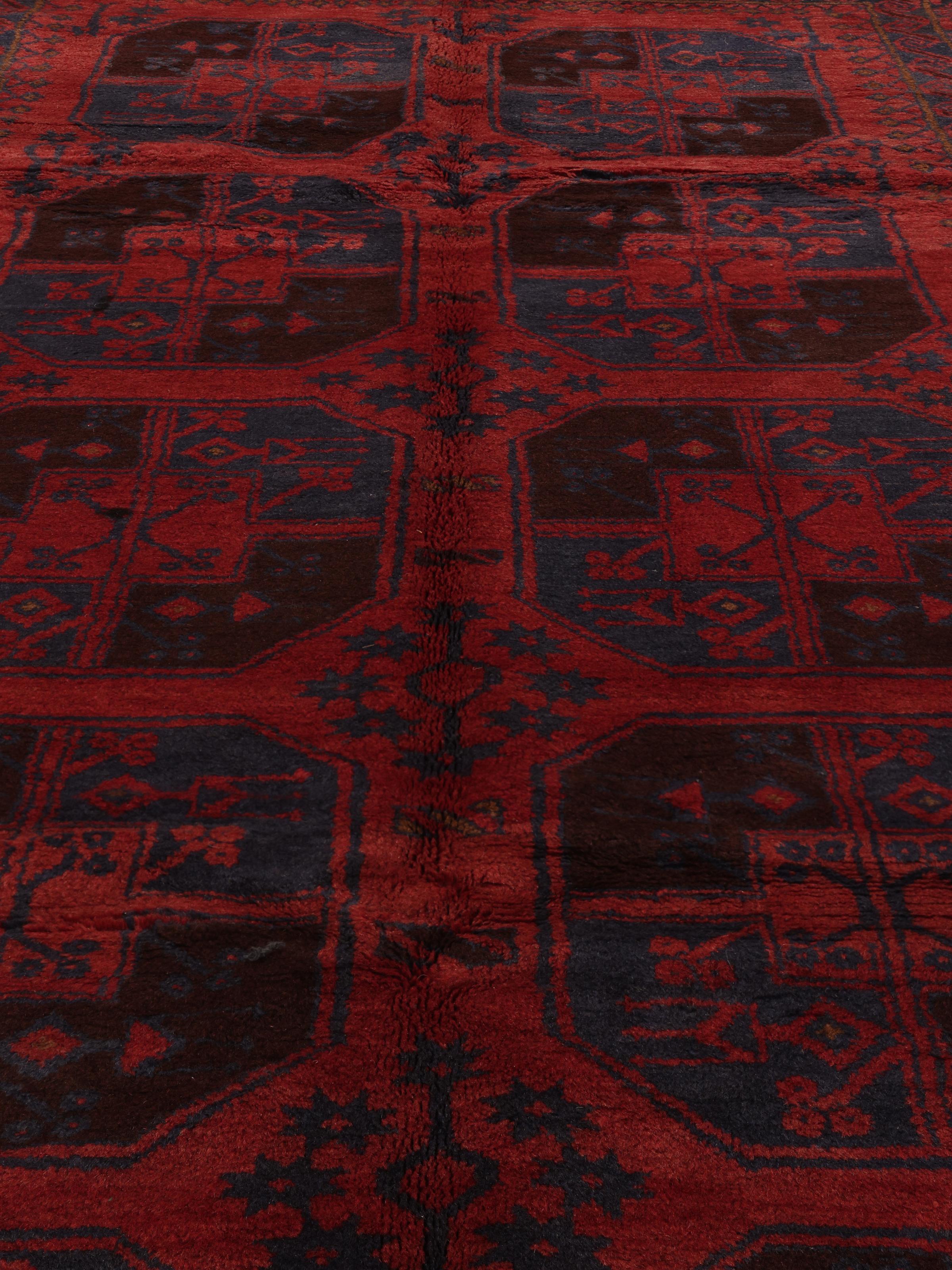
Visually, these rugs are celebrated for their sophisticated use of deep, earthy colours and repeating geometric patterns. You will often find motifs such as octagonal medallions, tribal symbols, and elaborate borders that reflect the weaver's environment and cultural heritage. The use of dark, moody reds and blues is a hallmark of this tradition, creating a sense of depth and warmth that characterises the Baluch style.
Today, these rugs are highly valued by collectors and enthusiasts who appreciate the human story behind every piece. Owning a Baluch rug is more than just a decor choice; it is an investment in cultural heritage and a testament to the skill of the artisans who preserve these ancient techniques. They bring a grounded, historical weight to a space that mass-produced items simply cannot match.