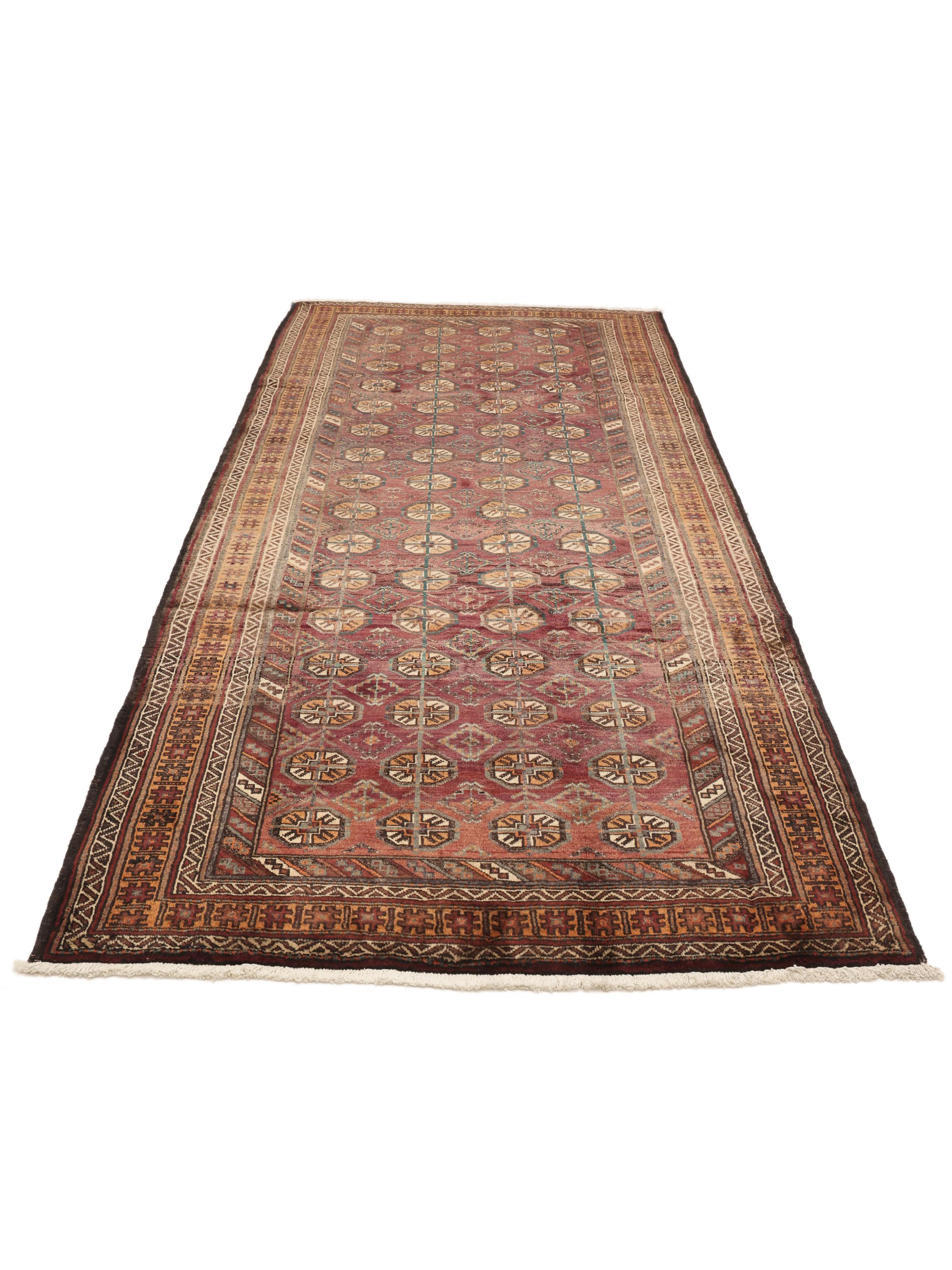
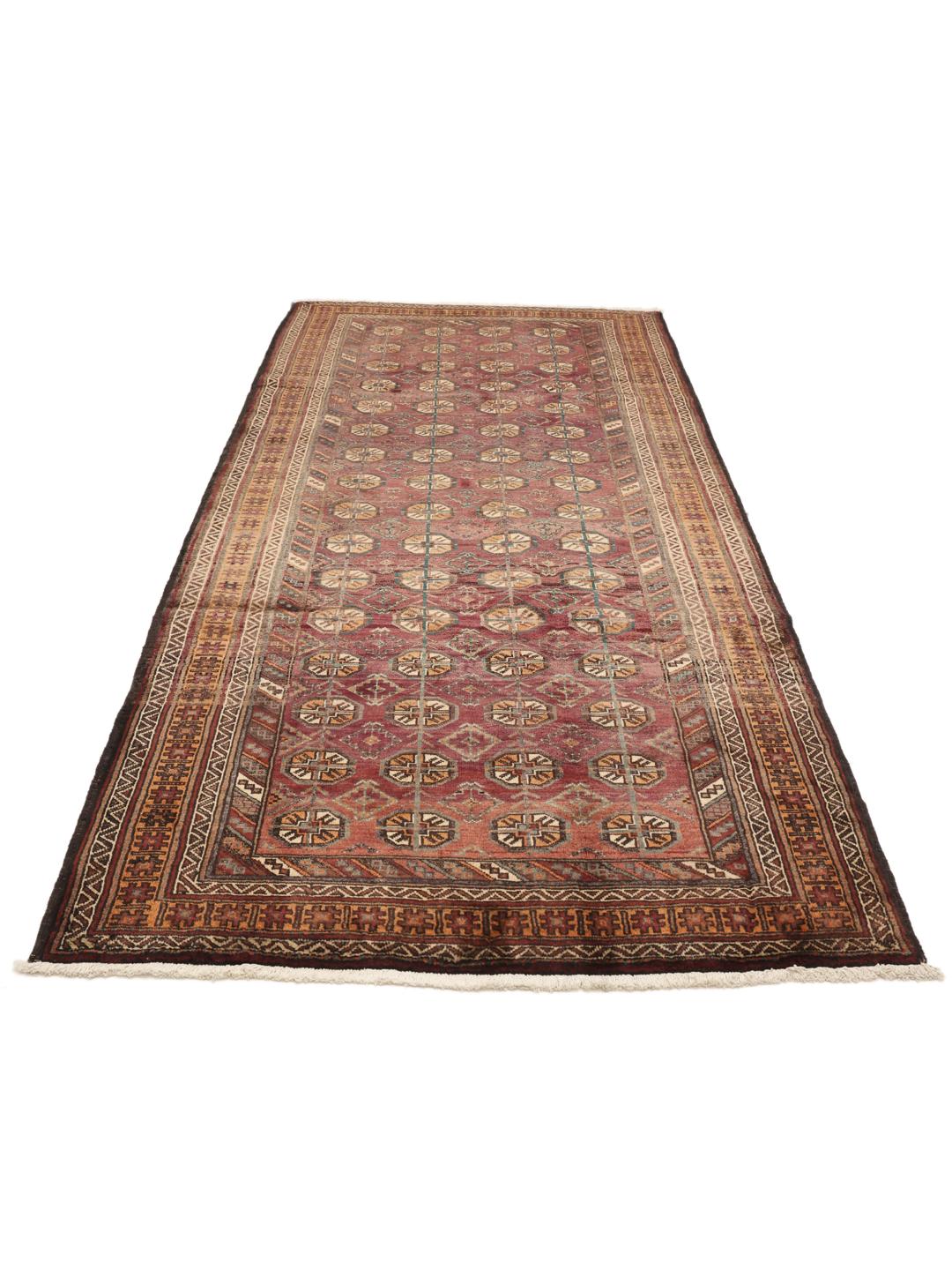
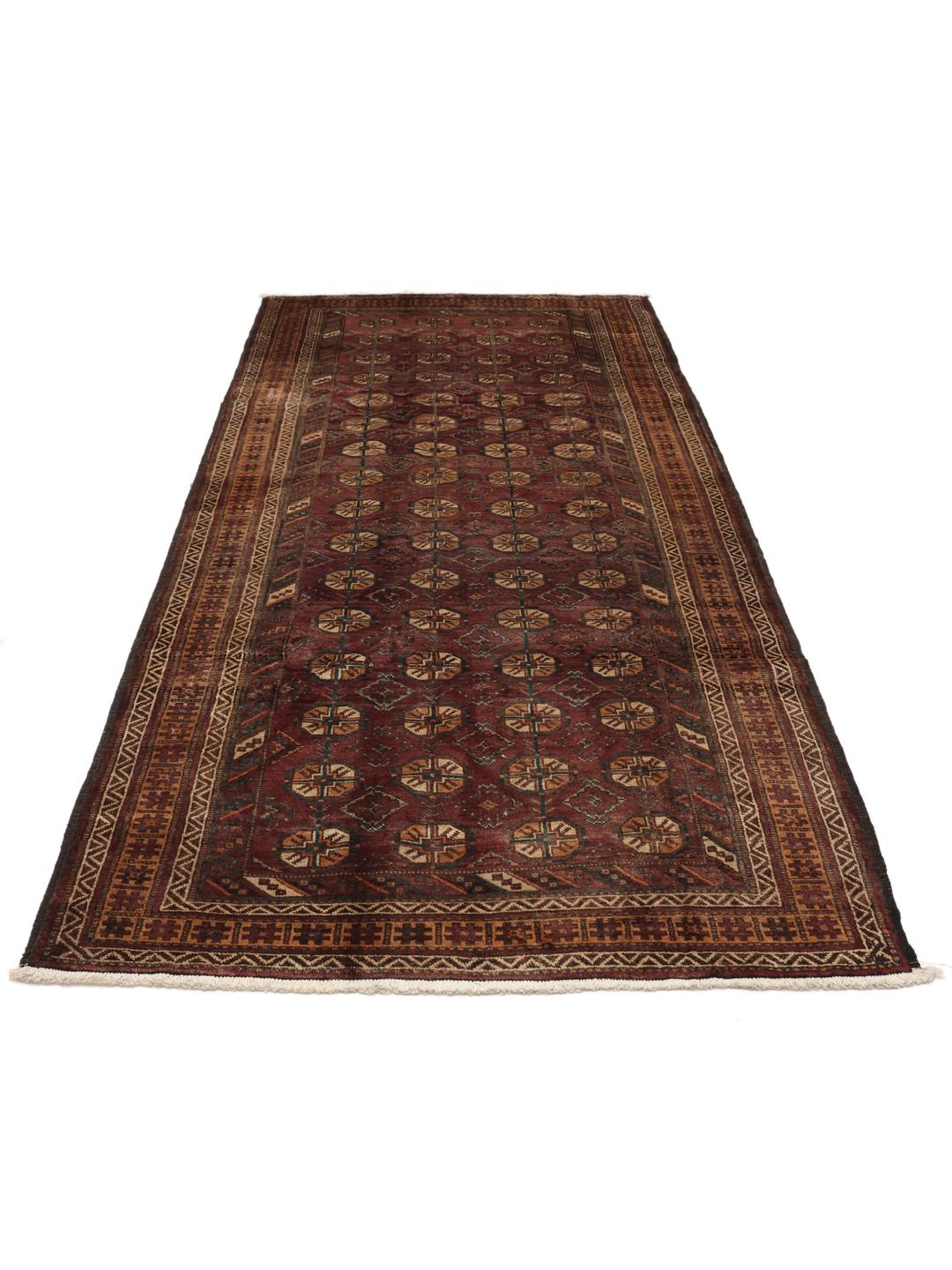
Baluch rugs, or Beluch, are deeply rooted in the nomadic traditions of the Middle Eastern tribes residing near the borders of the region. Historically, these rugs were woven by tribal women on portable horizontal looms, allowing them to carry their craft with them as they moved across the landscape. This nomadic lifestyle profoundly influenced their designs, leading to the creation of durable, functional pieces that also served as a canvas for cultural expression.
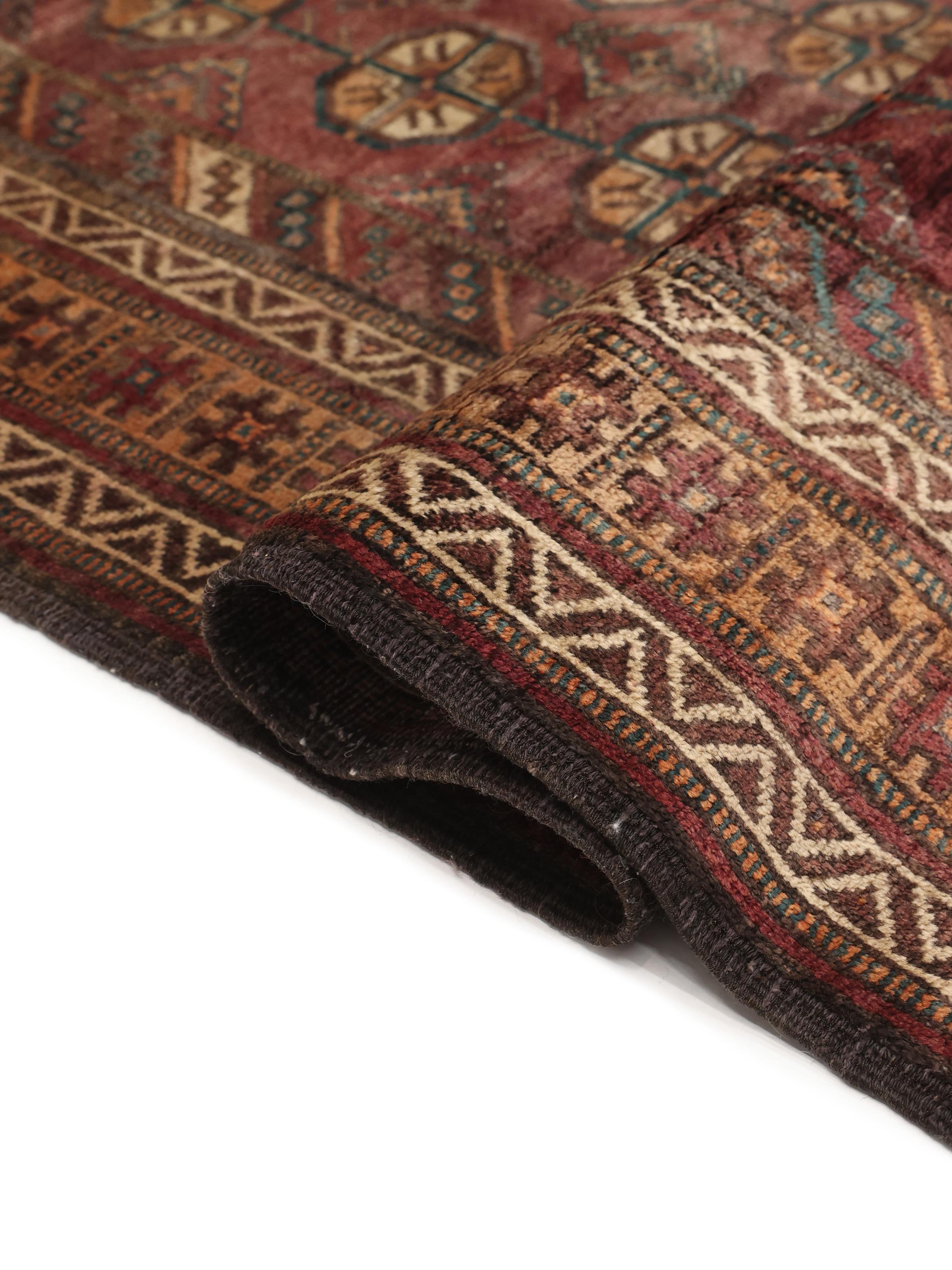
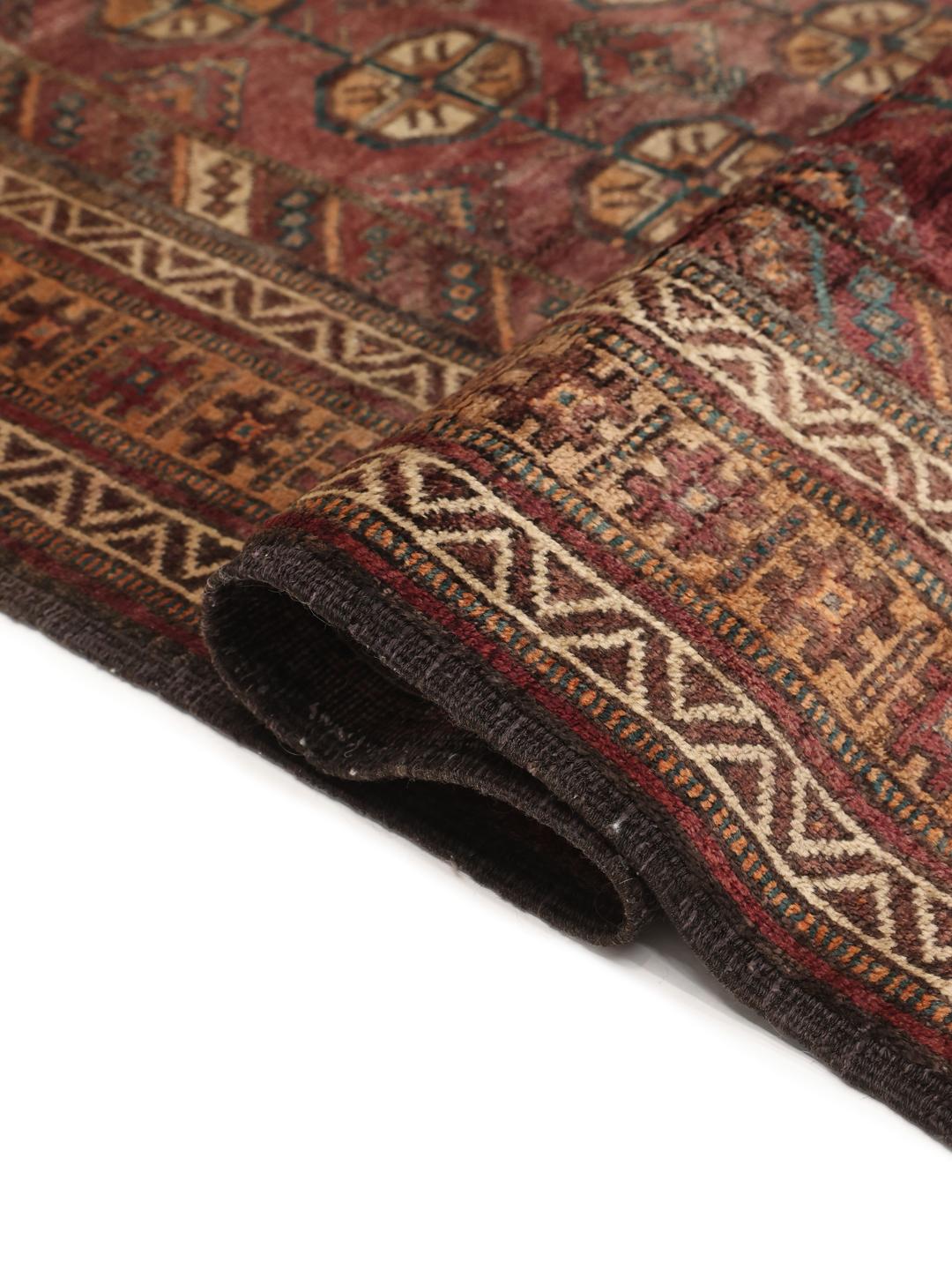
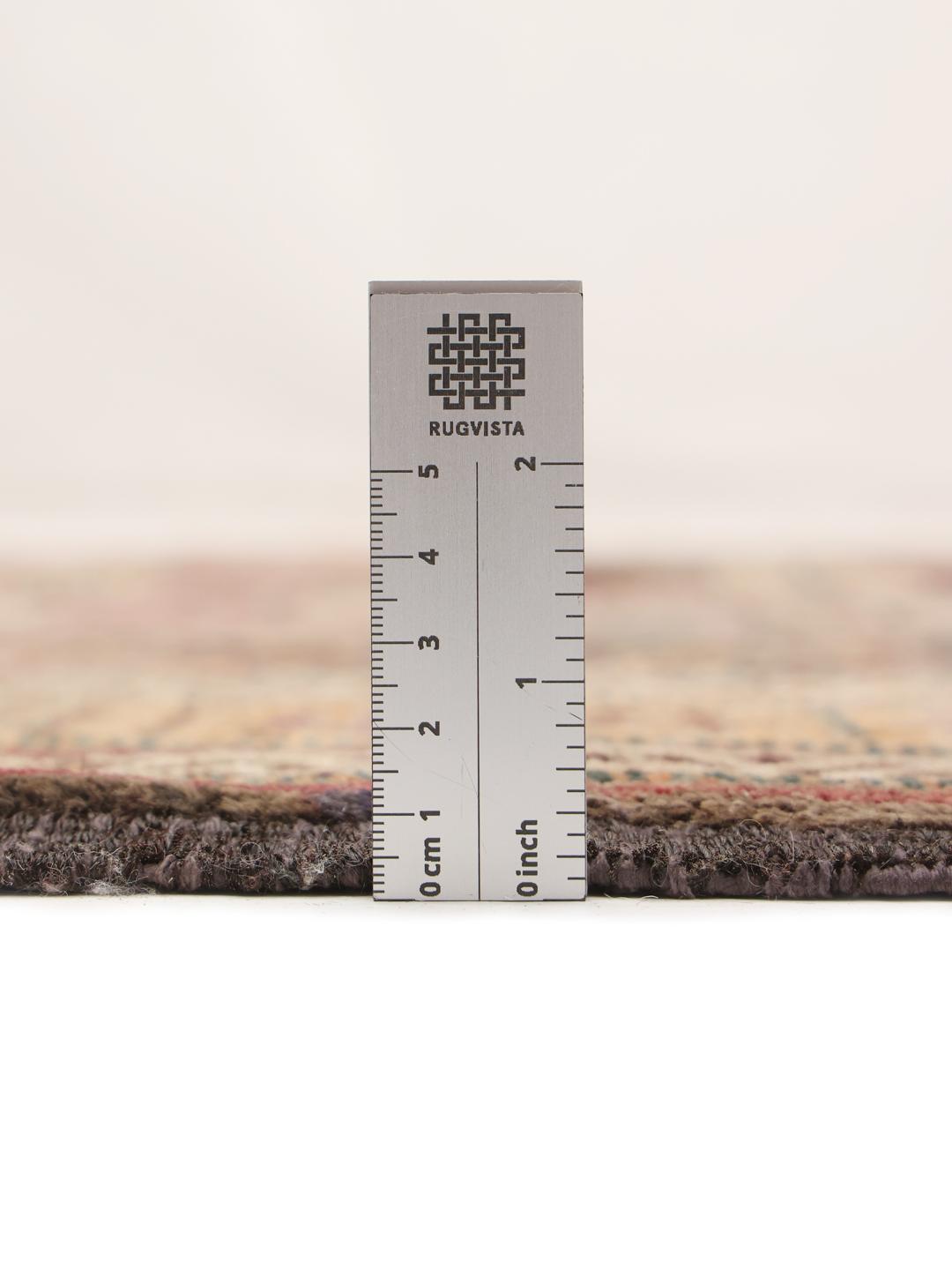
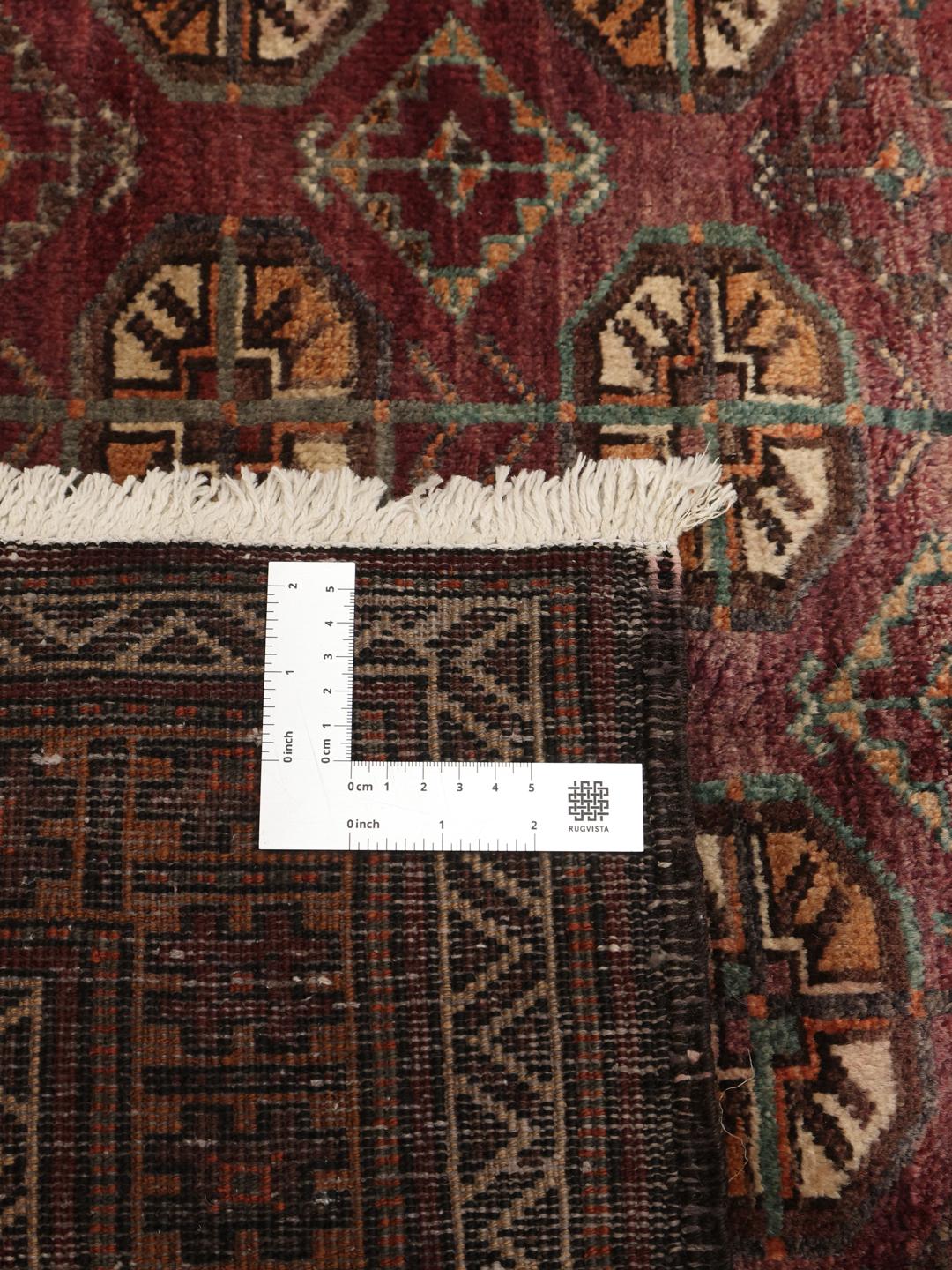
The construction of a Baluch rug typically involves a blend of Wool and cotton, utilising a knotting technique that creates a robust and flexible pile. This construction is highly valued for its resilience. The Wool used is often sourced from the tribe’s own flocks, and the spinning and dyeing processes are carried out with traditional methods, often utilising natural dyes that develop a beautiful patina over time.
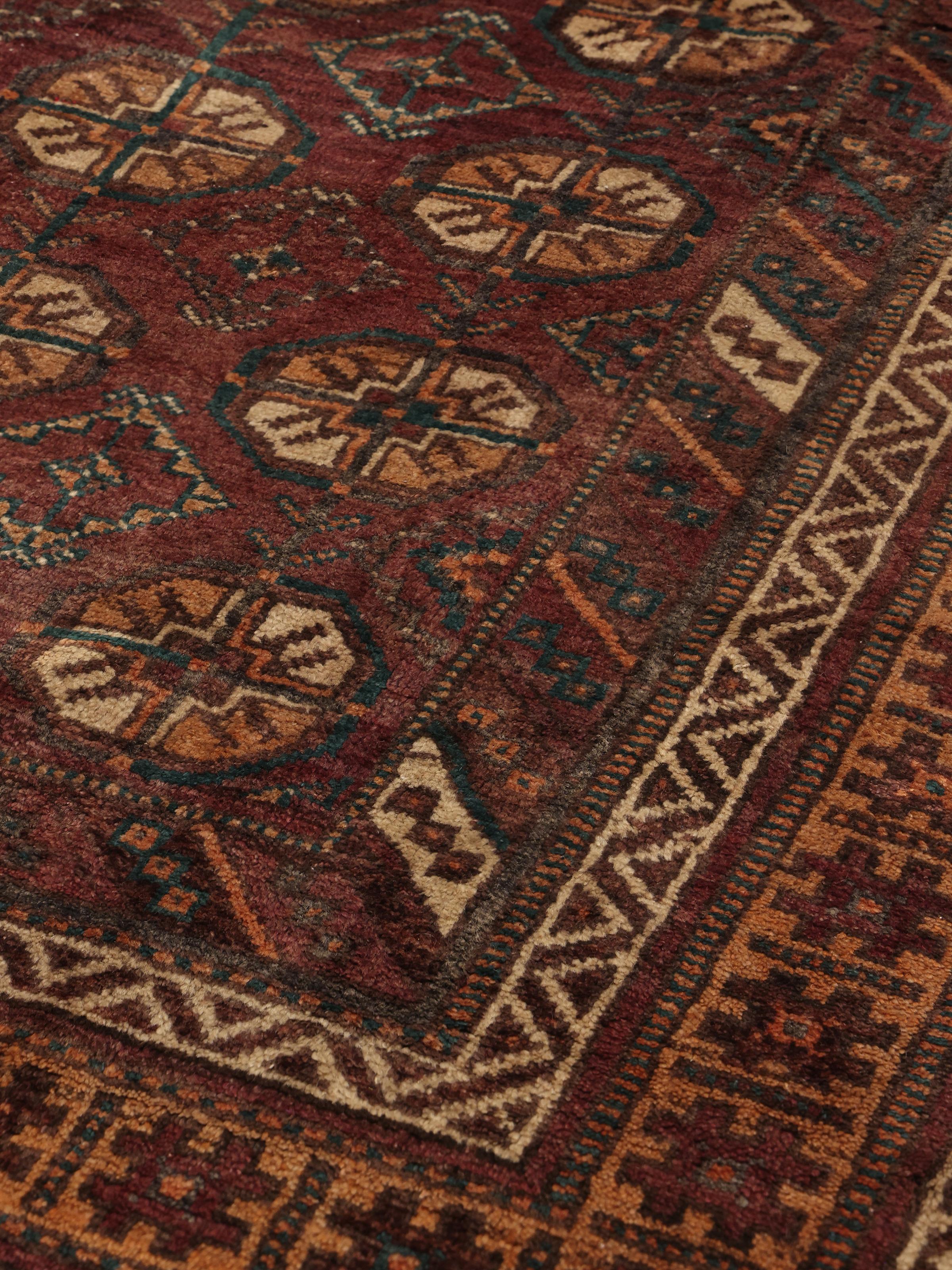
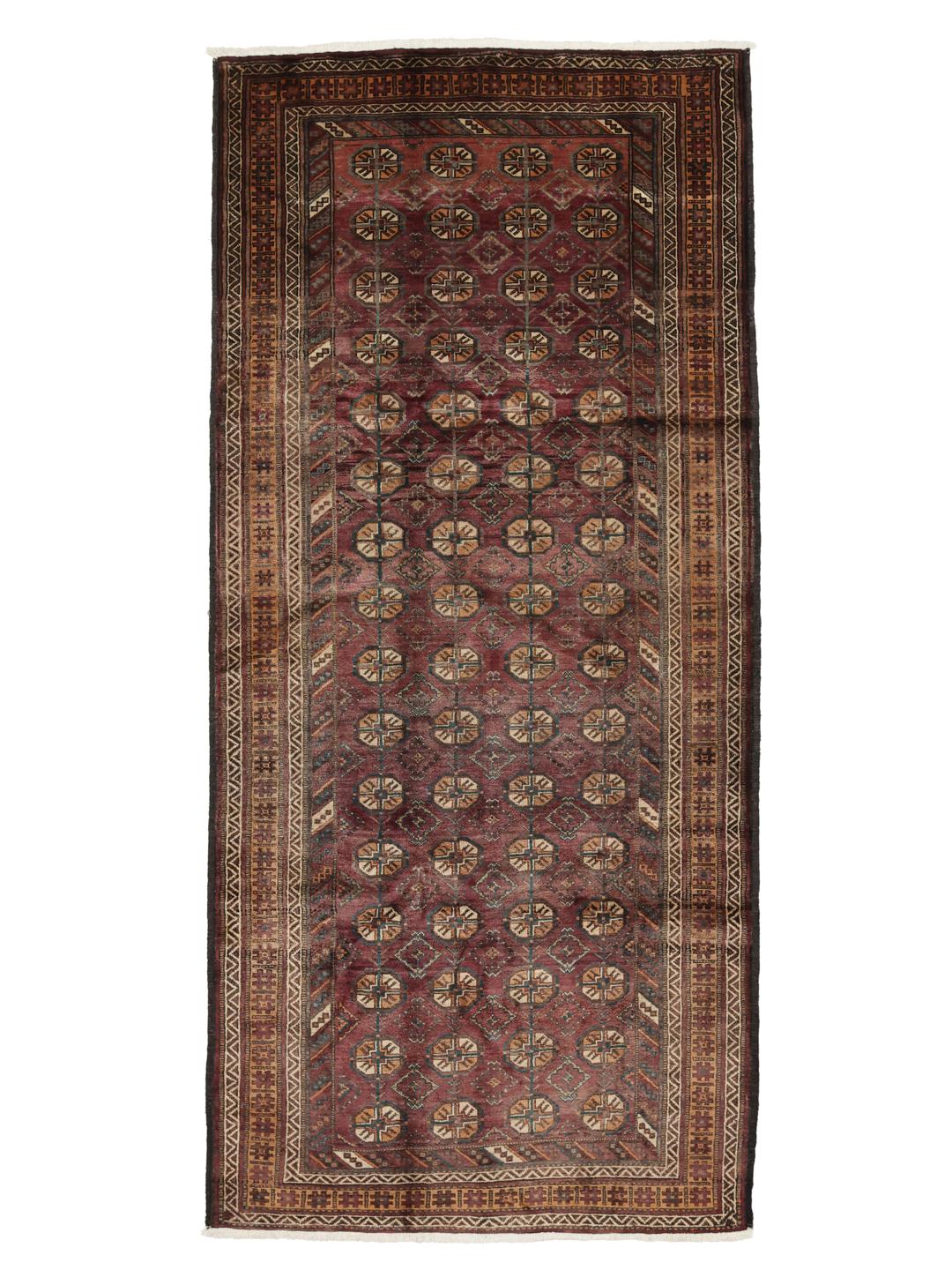
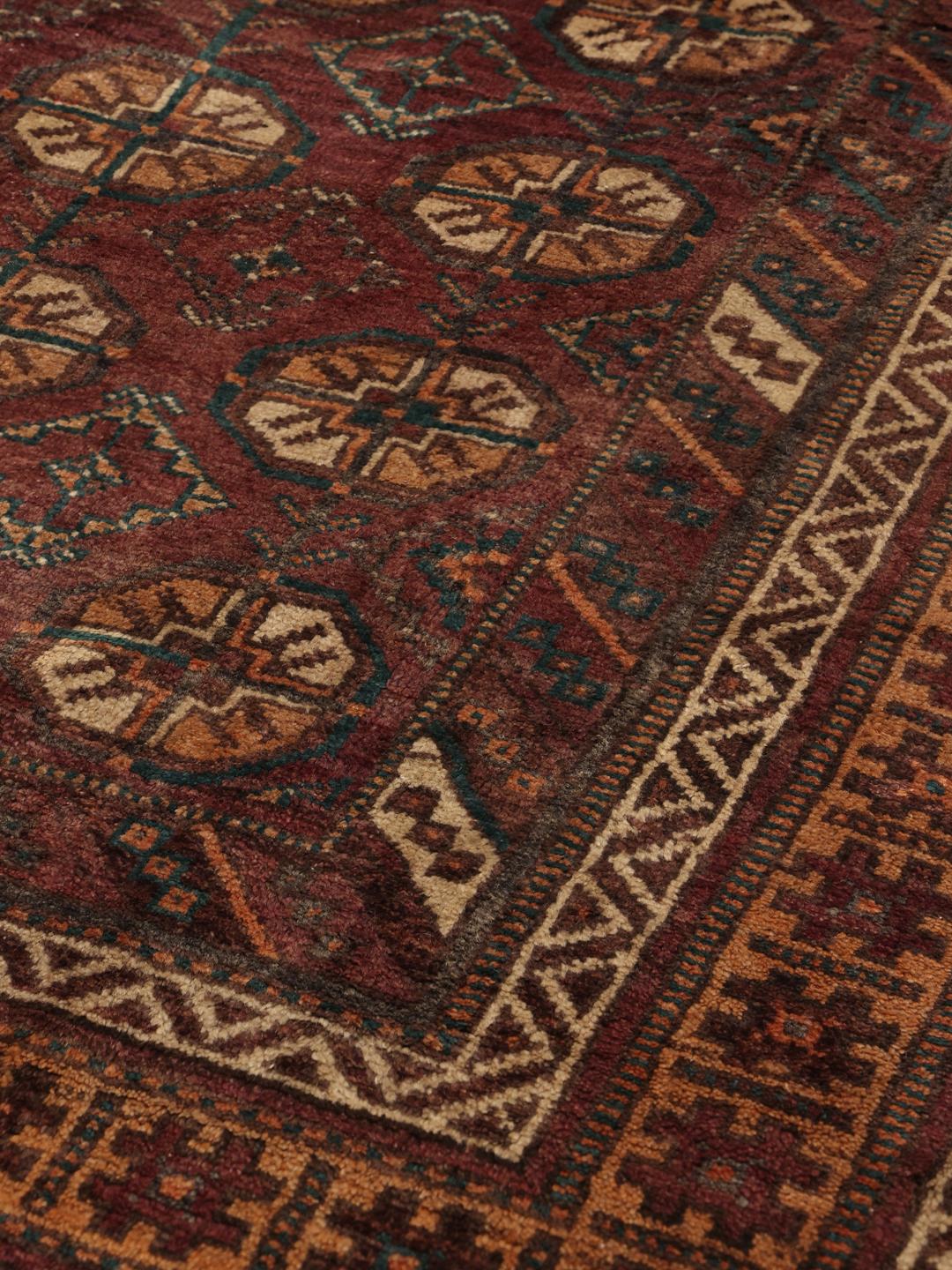
Visually, Baluch rugs are defined by their sophisticated use of deep, earthy colour palettes—frequently dominated by dark-red, brown, and dark-blue tones—and a distinctive geometric design language. Common motifs include repeating guls, diamonds, and stylized floral elements, often framed by intricate, multi-layered borders. These patterns are not merely decorative but often hold symbolic meanings, reflecting the weaver's environment and tribal identity.
These rugs are highly sought after by collectors for their authentic tribal character and the high degree of individuality present in each piece. Owning a Baluch rug is more than just purchasing a floor covering; it is an investment in a living tradition. The skill required to produce such detailed work without the aid of modern technology is a testament to the enduring human spirit and the importance of preserving craft heritage in the modern home.