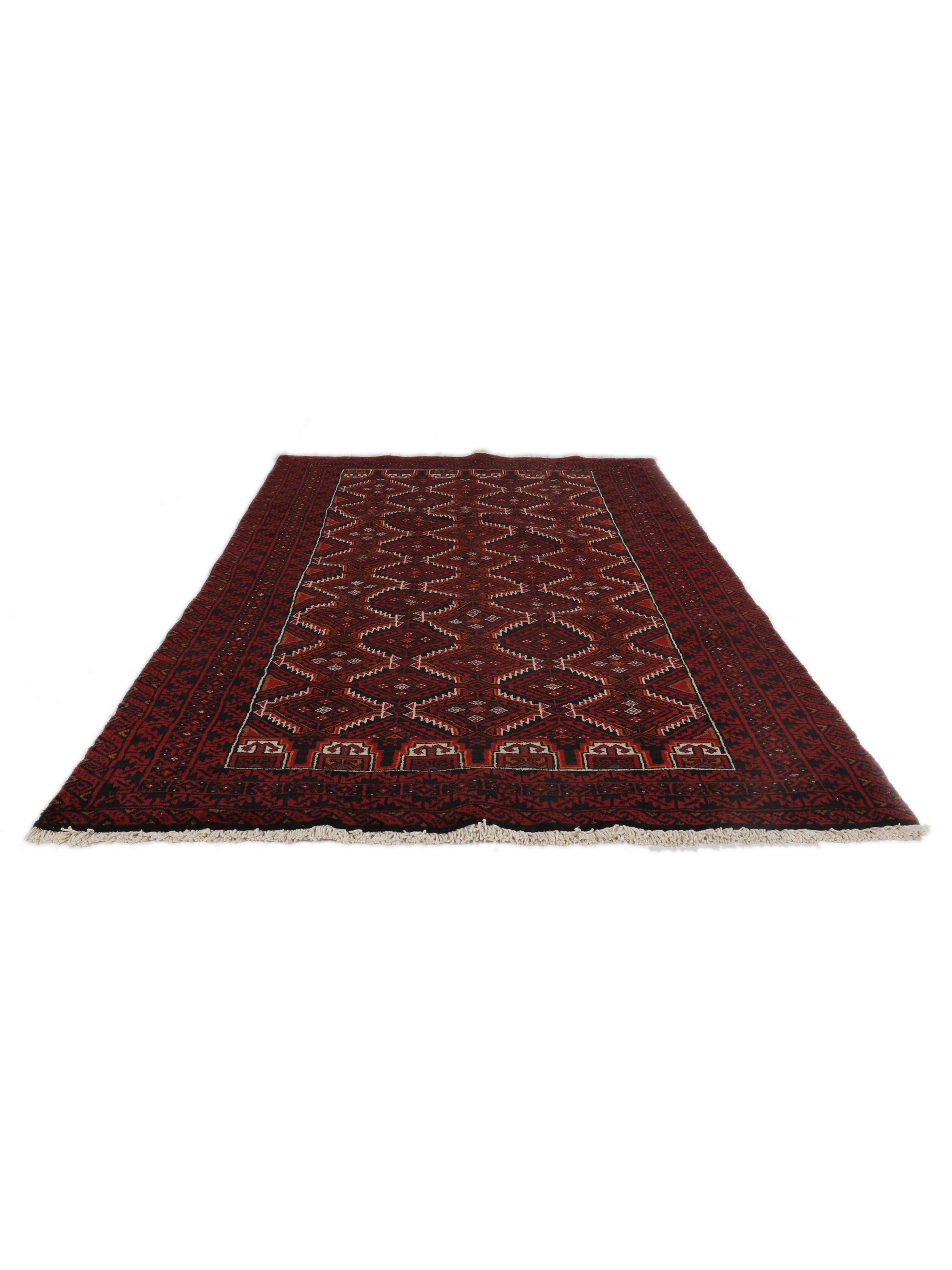
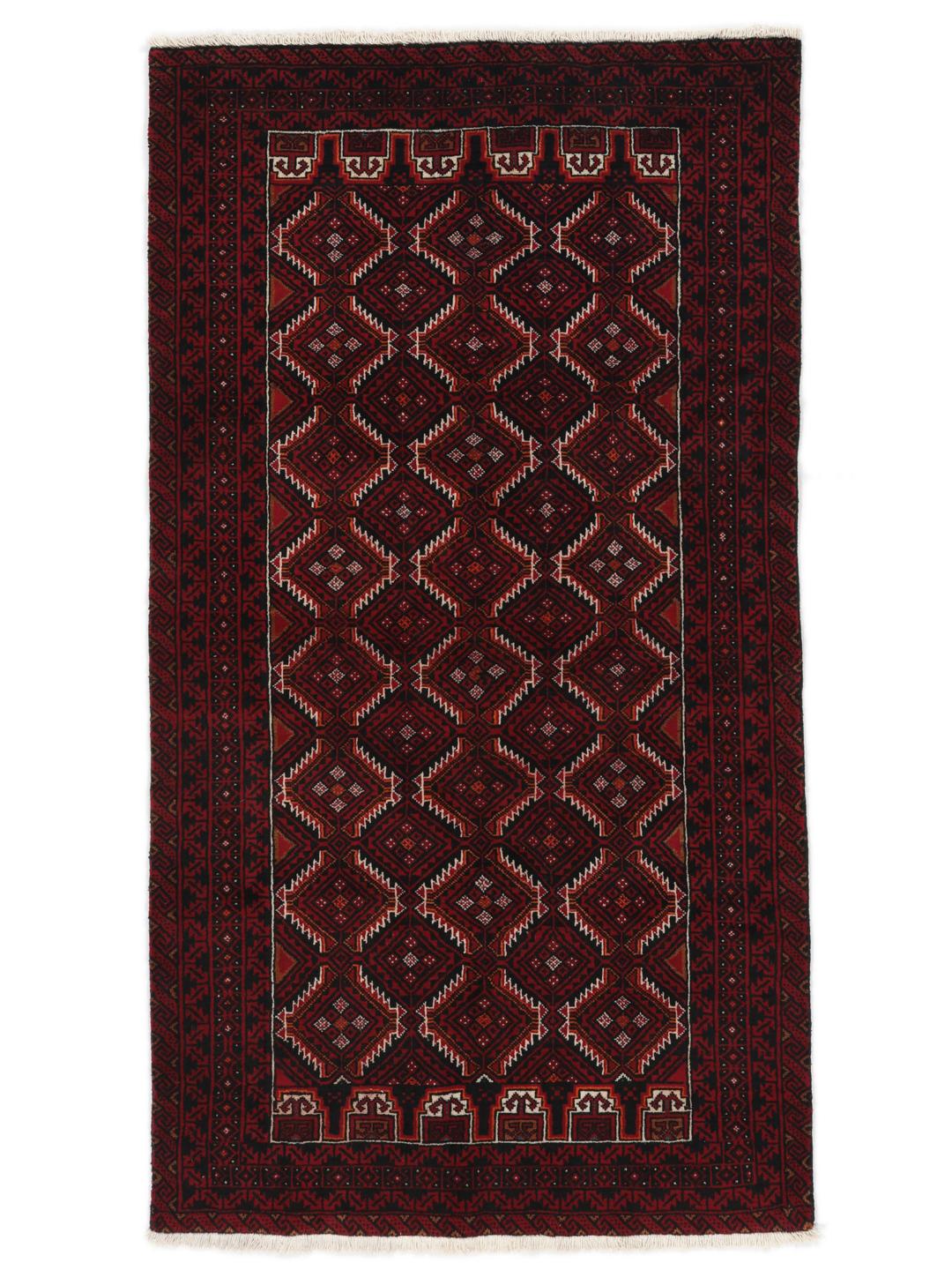
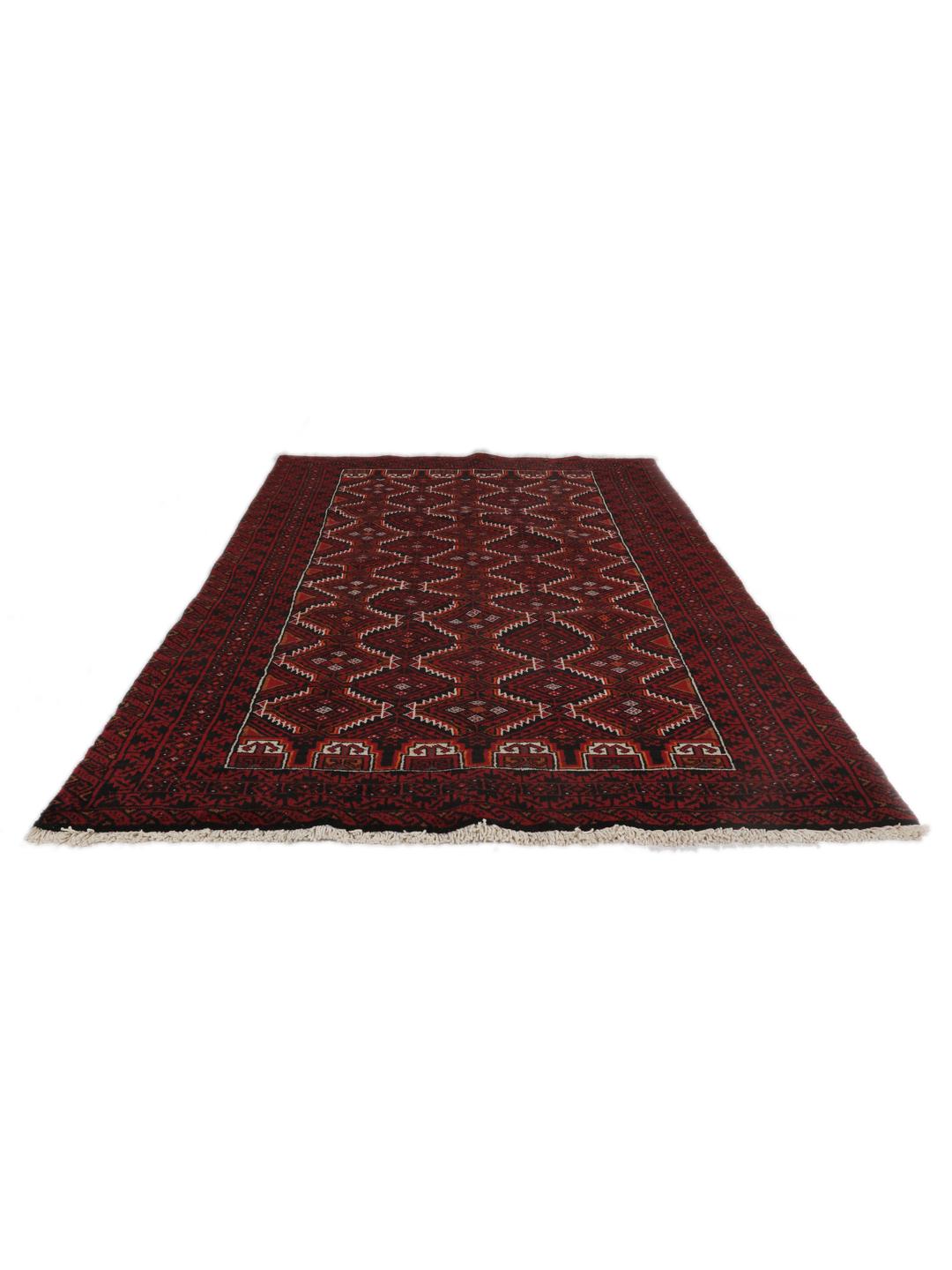
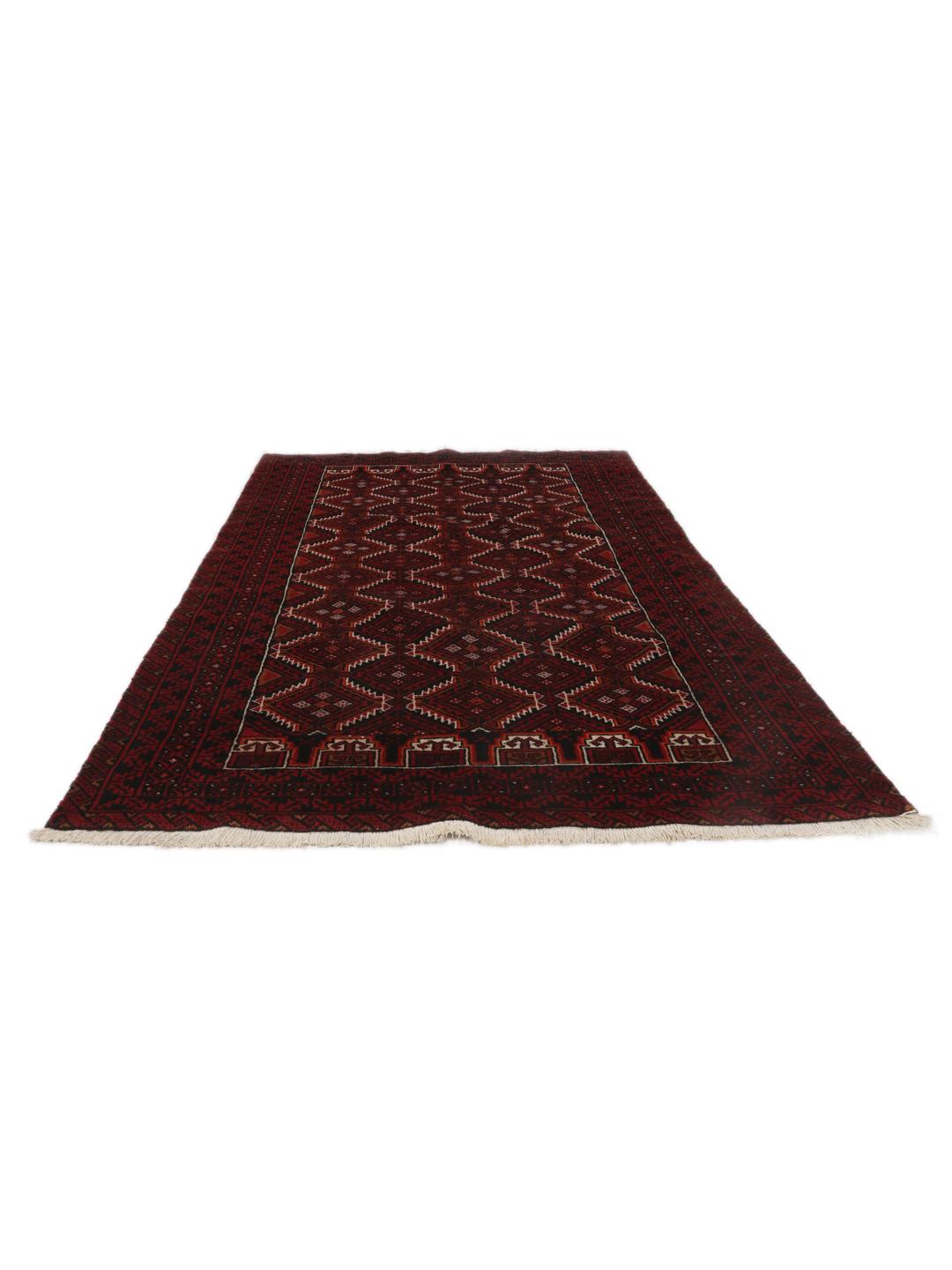
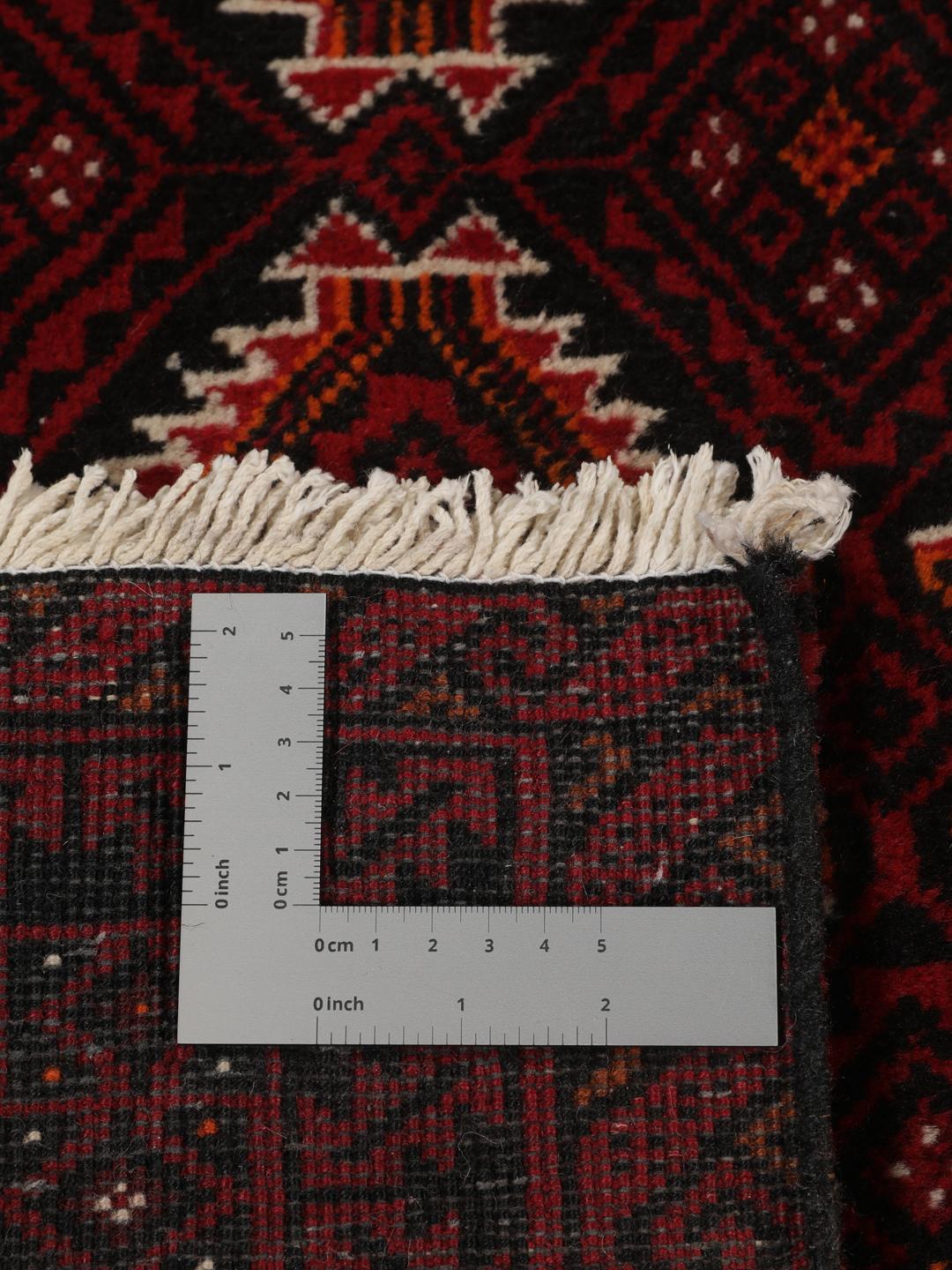
The Beluch rugs originate from the nomadic and semi-nomadic tribes of the border regions between the Middle East and neighbouring areas. Traditionally woven by tribal groups who moved across vast landscapes, these rugs were often made as functional items for portable living, such as tent bags, floor coverings, and saddlebags, which explains their enduring portability and durability.
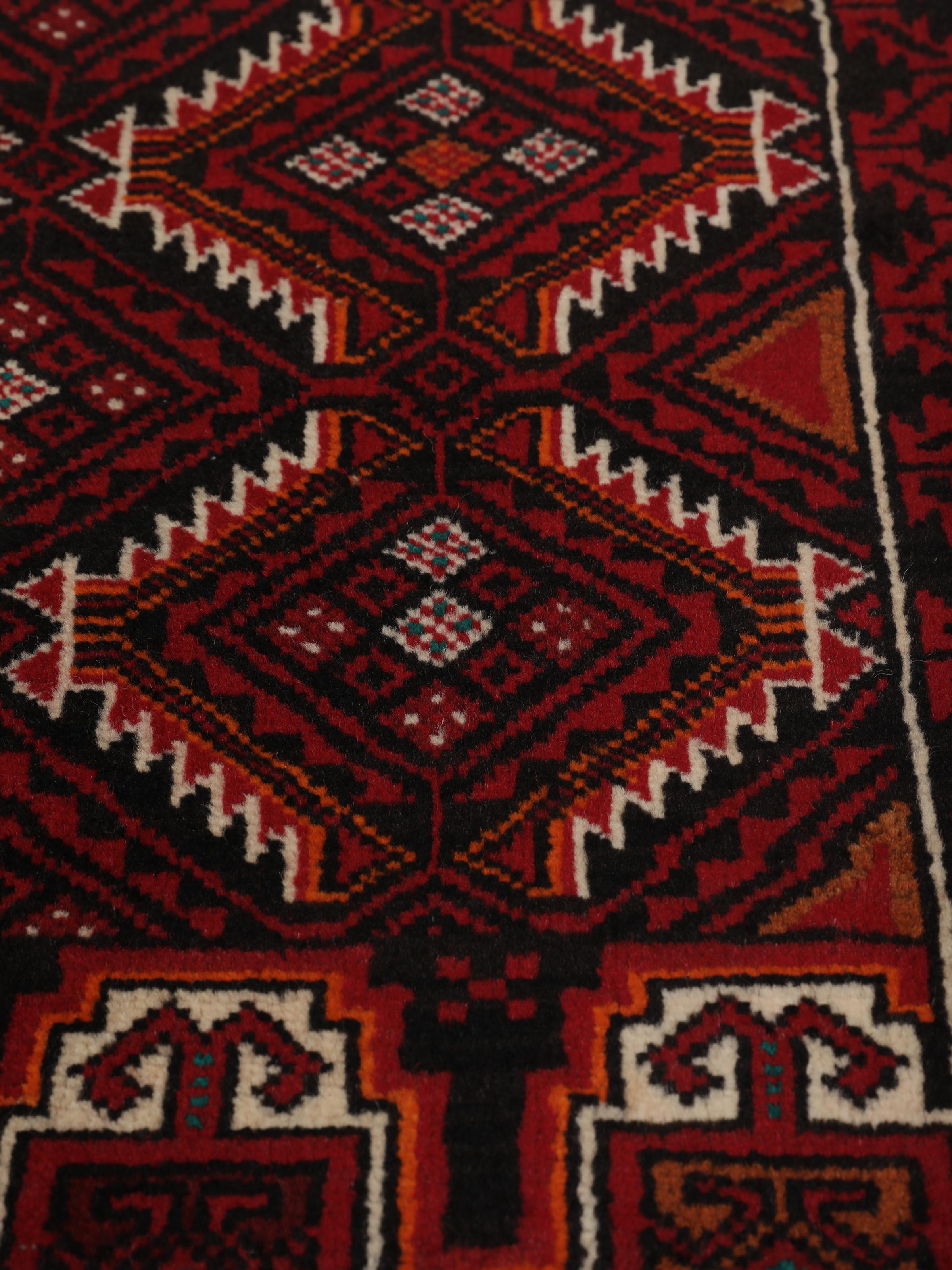
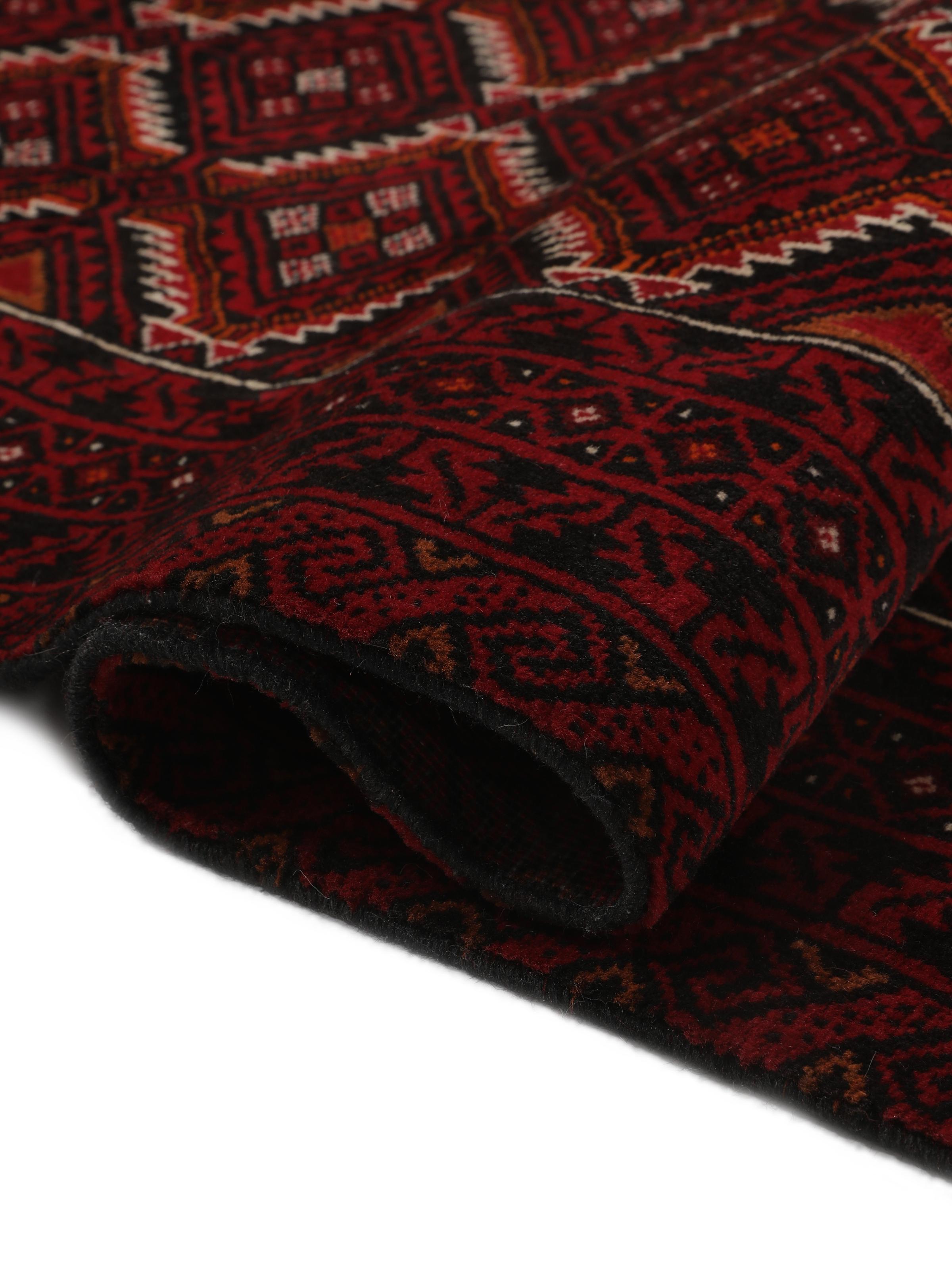
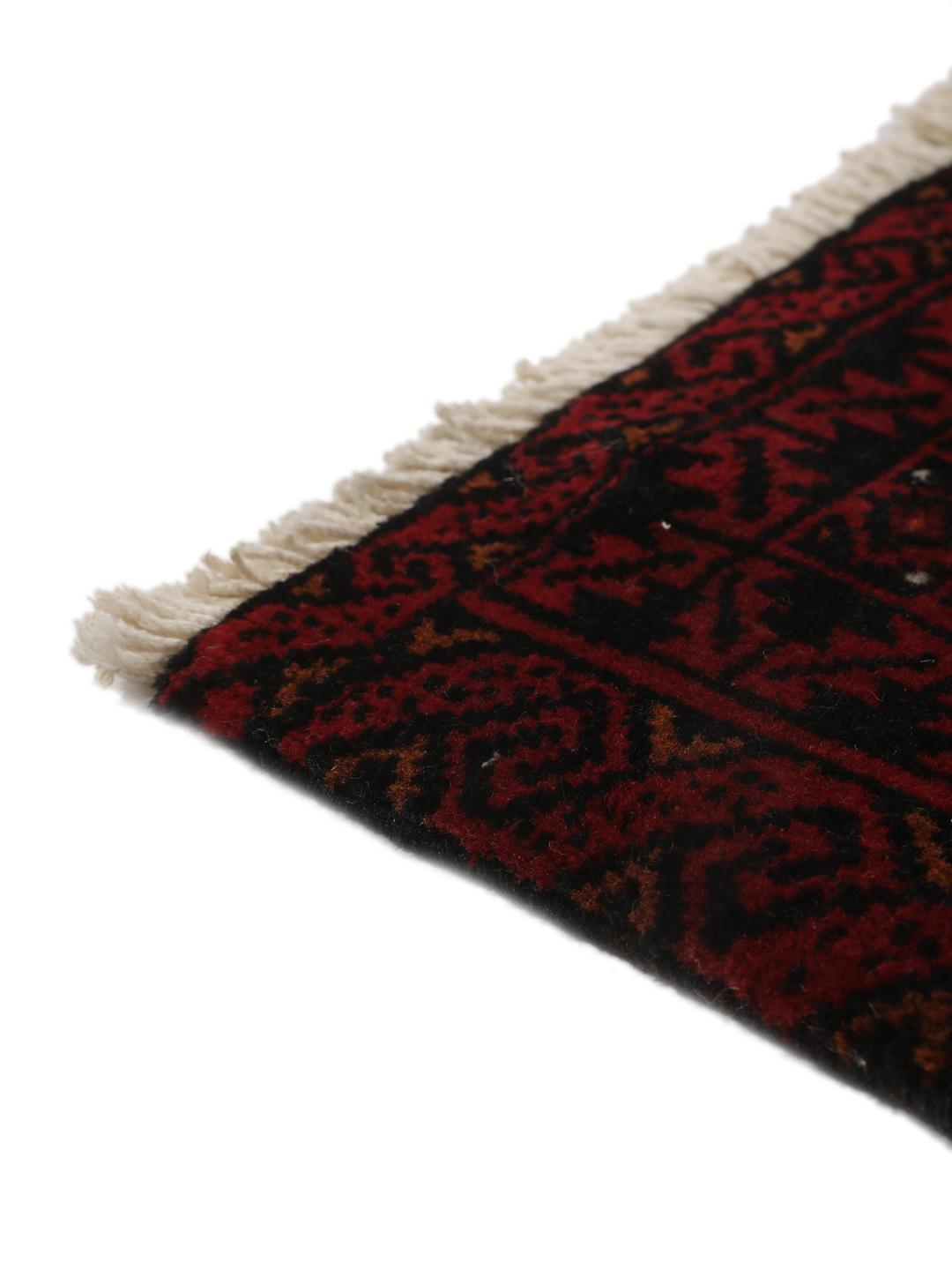
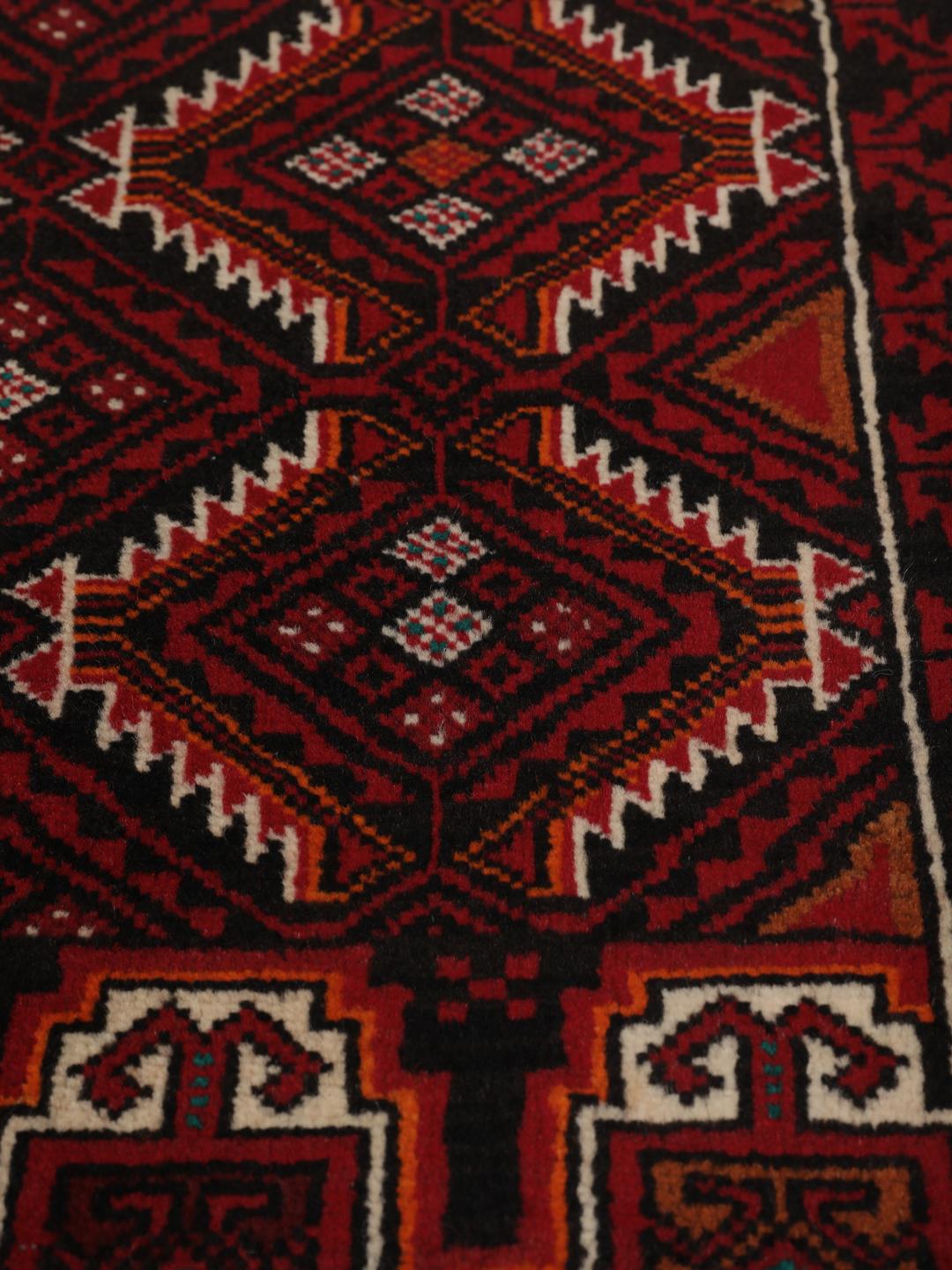
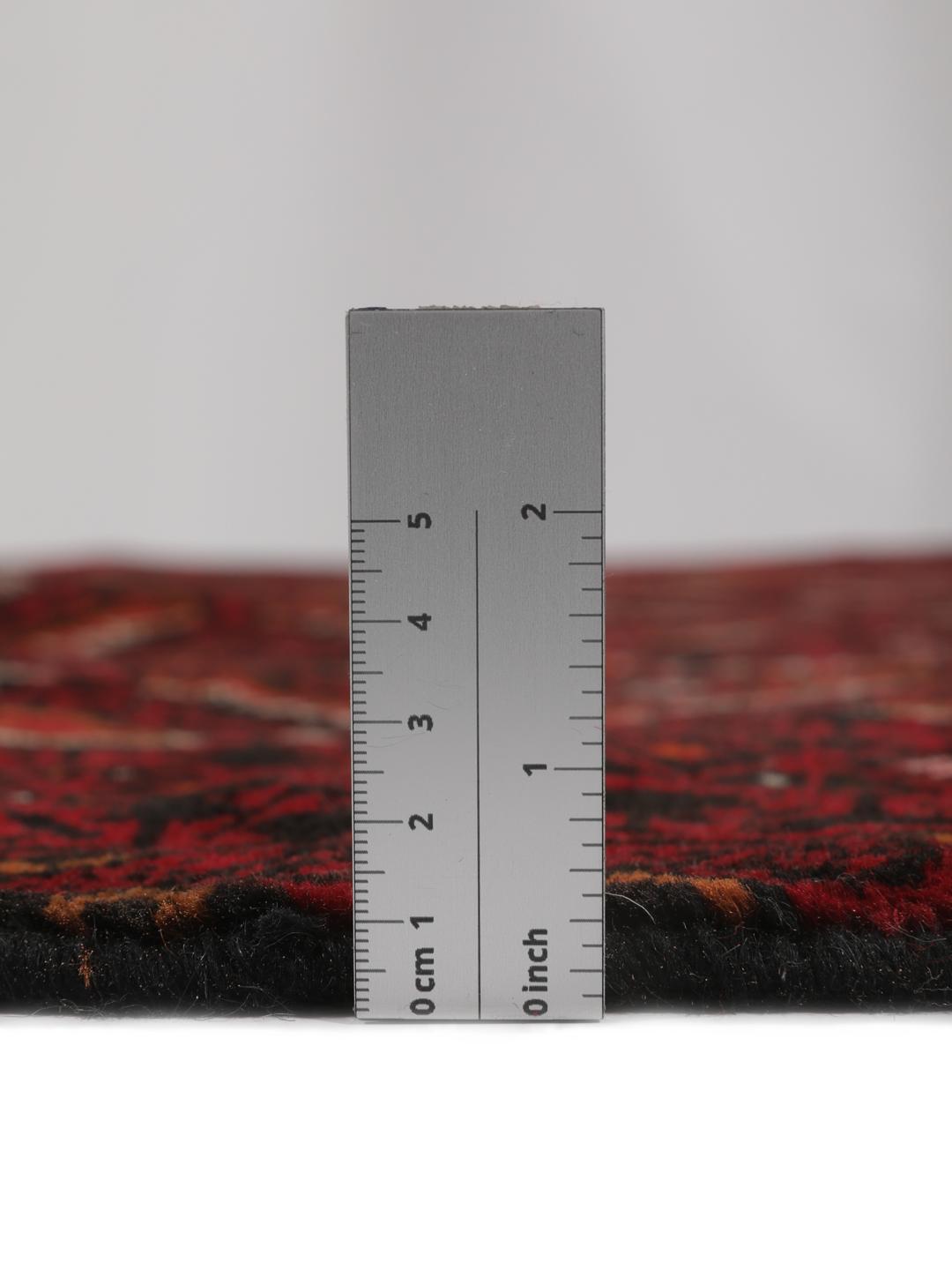
Technically, the Beluch weaving style is defined by a deep, earthy palette and a specific approach to knotting that creates a surprisingly soft yet sturdy pile. The artisans typically use a symmetric knot, which allows for intricate, angular geometric designs. This technical foundation is what gives the rugs their legendary reputation for longevity, as they are built to withstand the rigours of nomadic life.
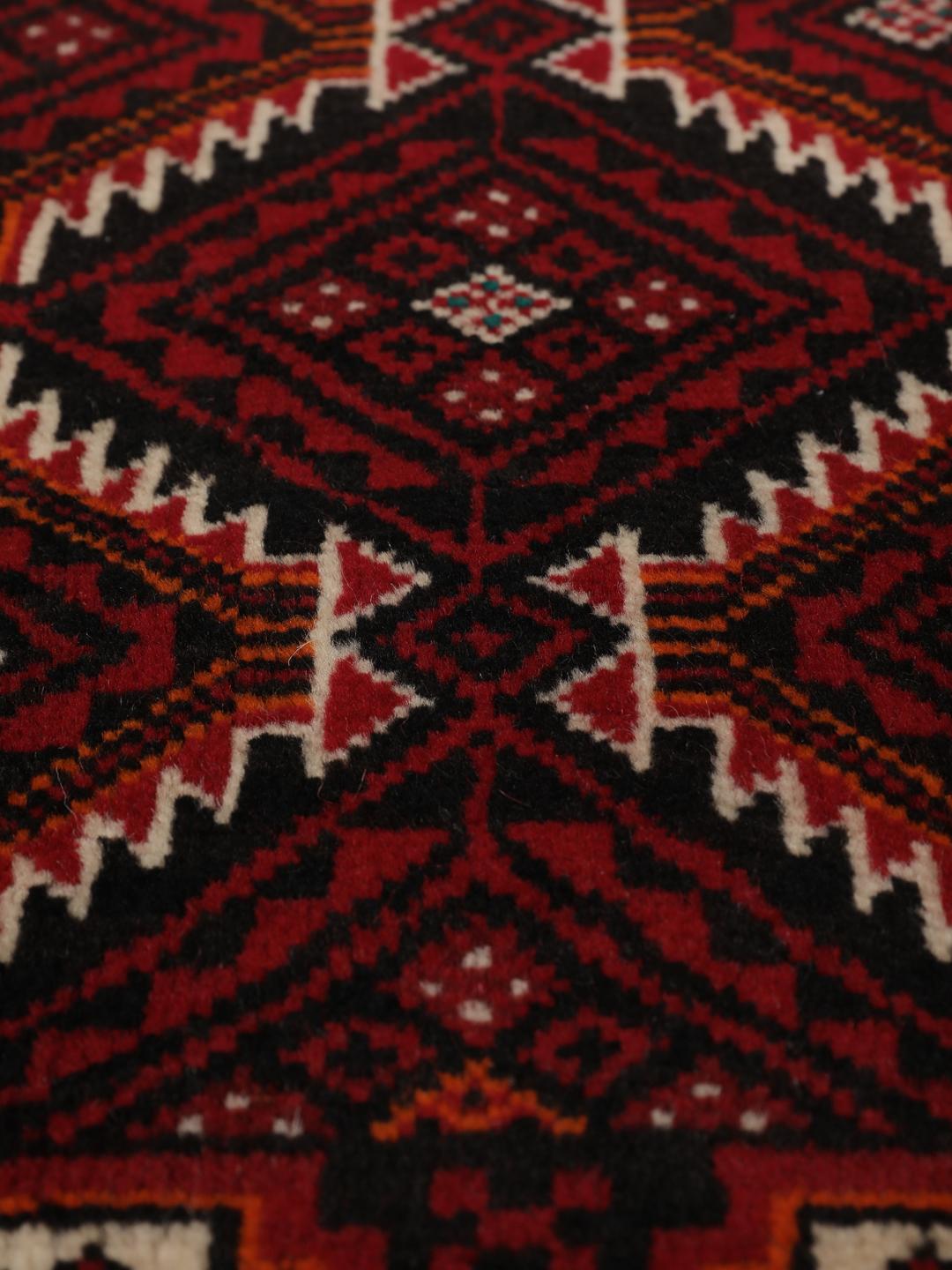
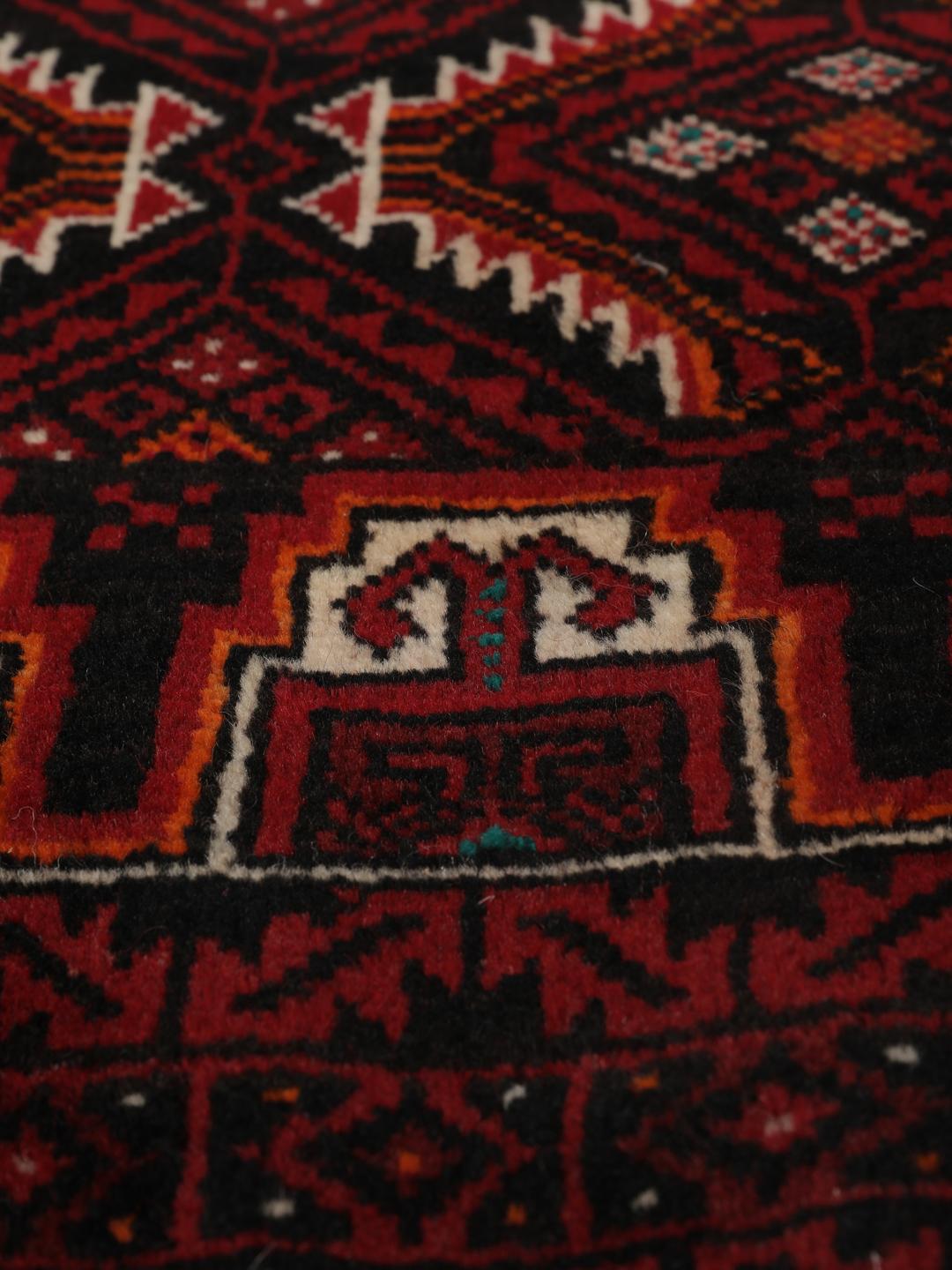
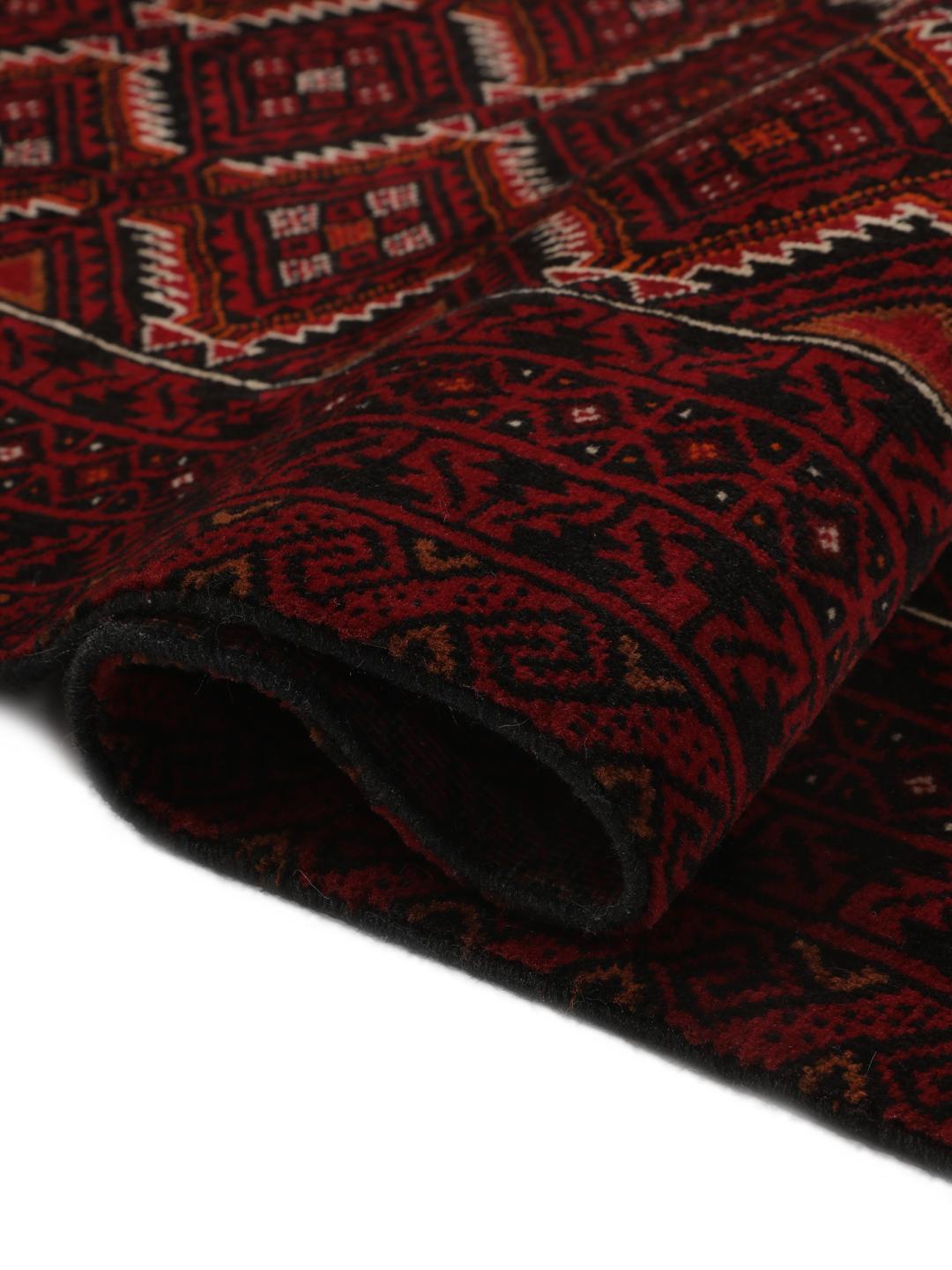
The design language of these rugs is deeply symbolic, often featuring geometric medallions and stylized floral or tribal motifs. The borders are frequently characterised by repetitive, rhythmic patterns that frame the field, reflecting the weavers' connection to their environment and local folklore. While red and black are iconic, you will often find subtle variations in shade that indicate the use of natural dyes.
Owning a Beluch rug is an opportunity to connect with a storied tradition of craftsmanship. These pieces are highly valued by collectors not just for their aesthetic beauty, but for the cultural history embedded in every thread. They represent a bridge between the ancient traditions of the region and the modern home, offering a sense of heritage that is increasingly rare in today's world.