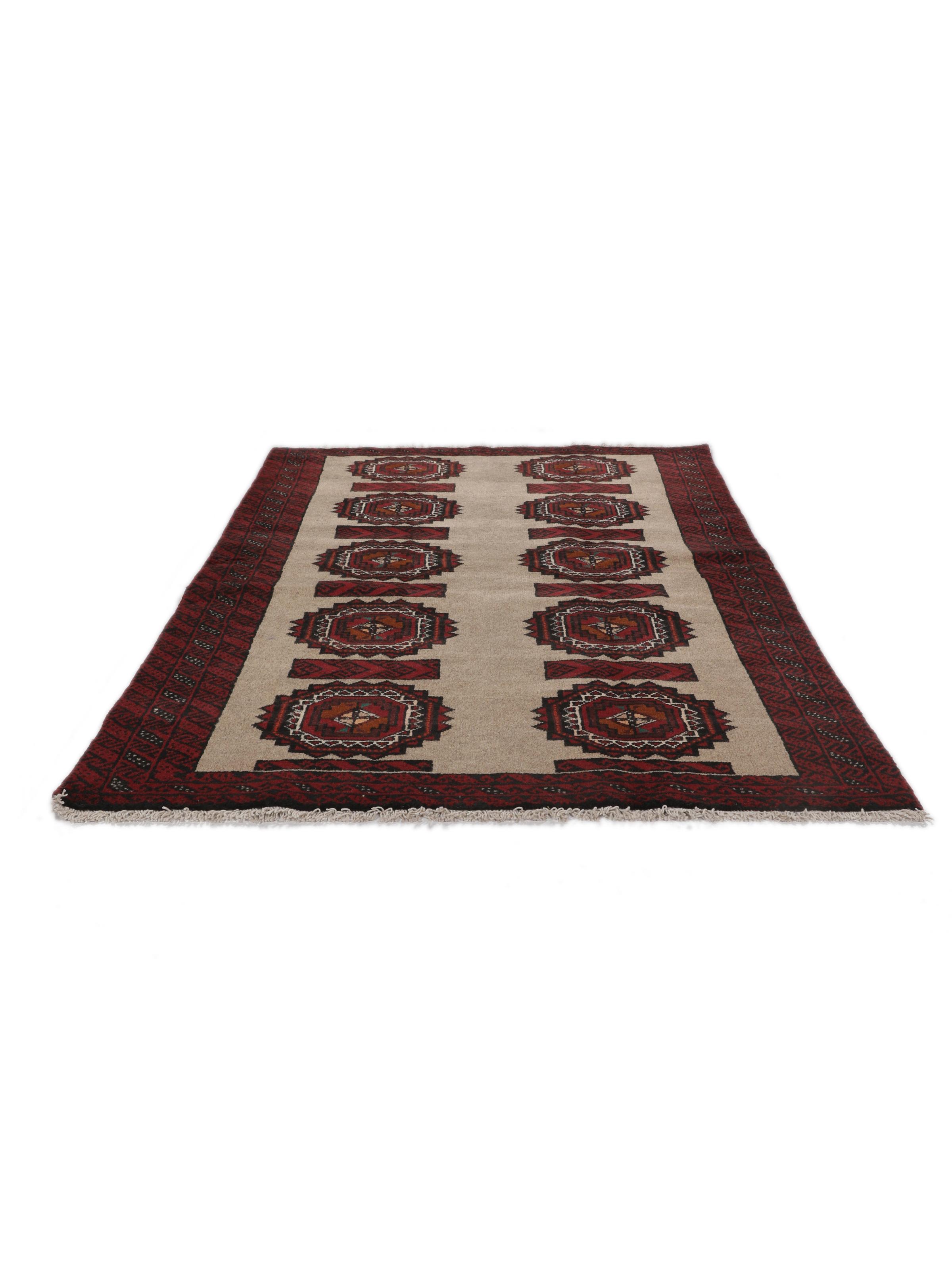
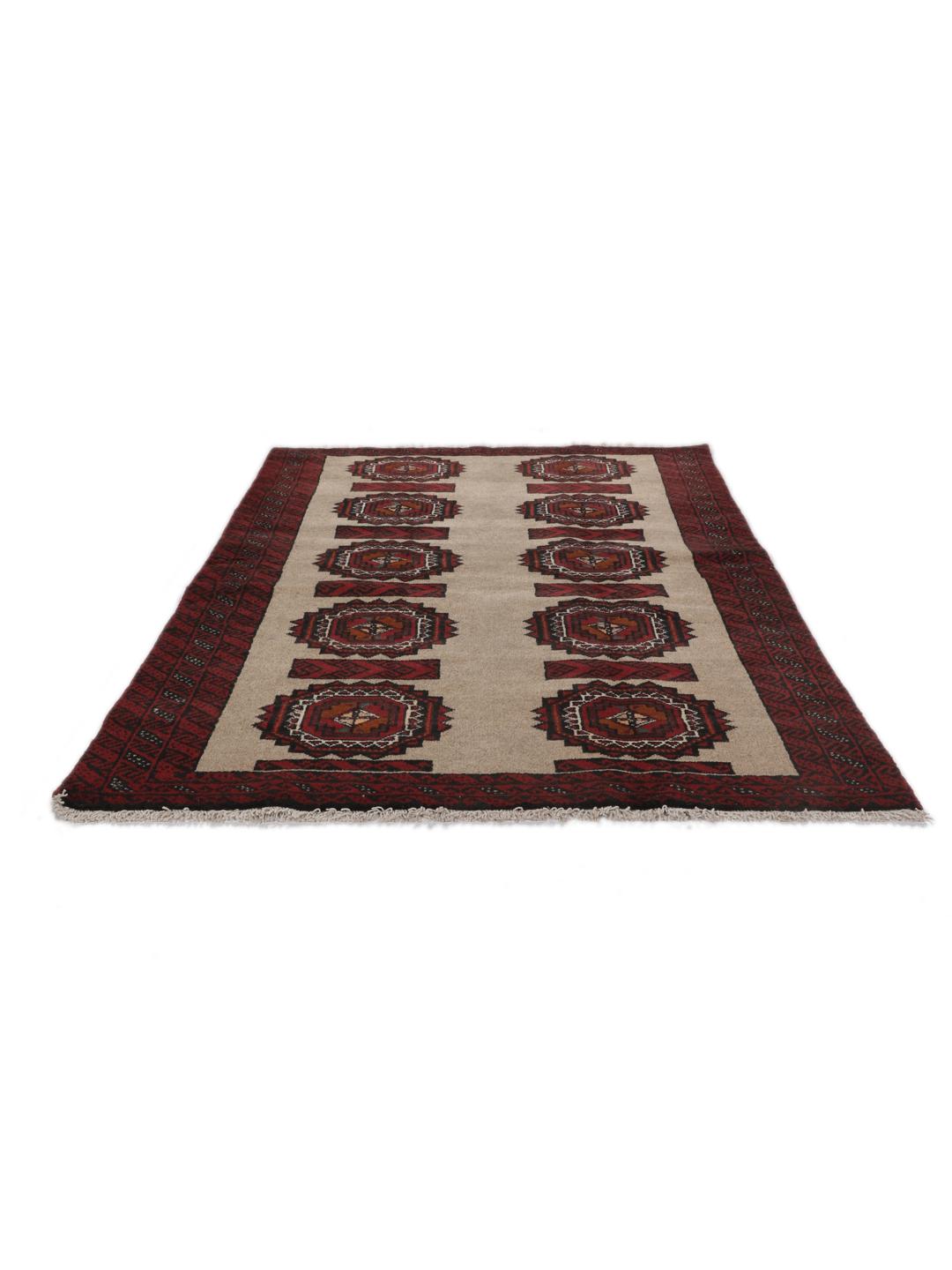
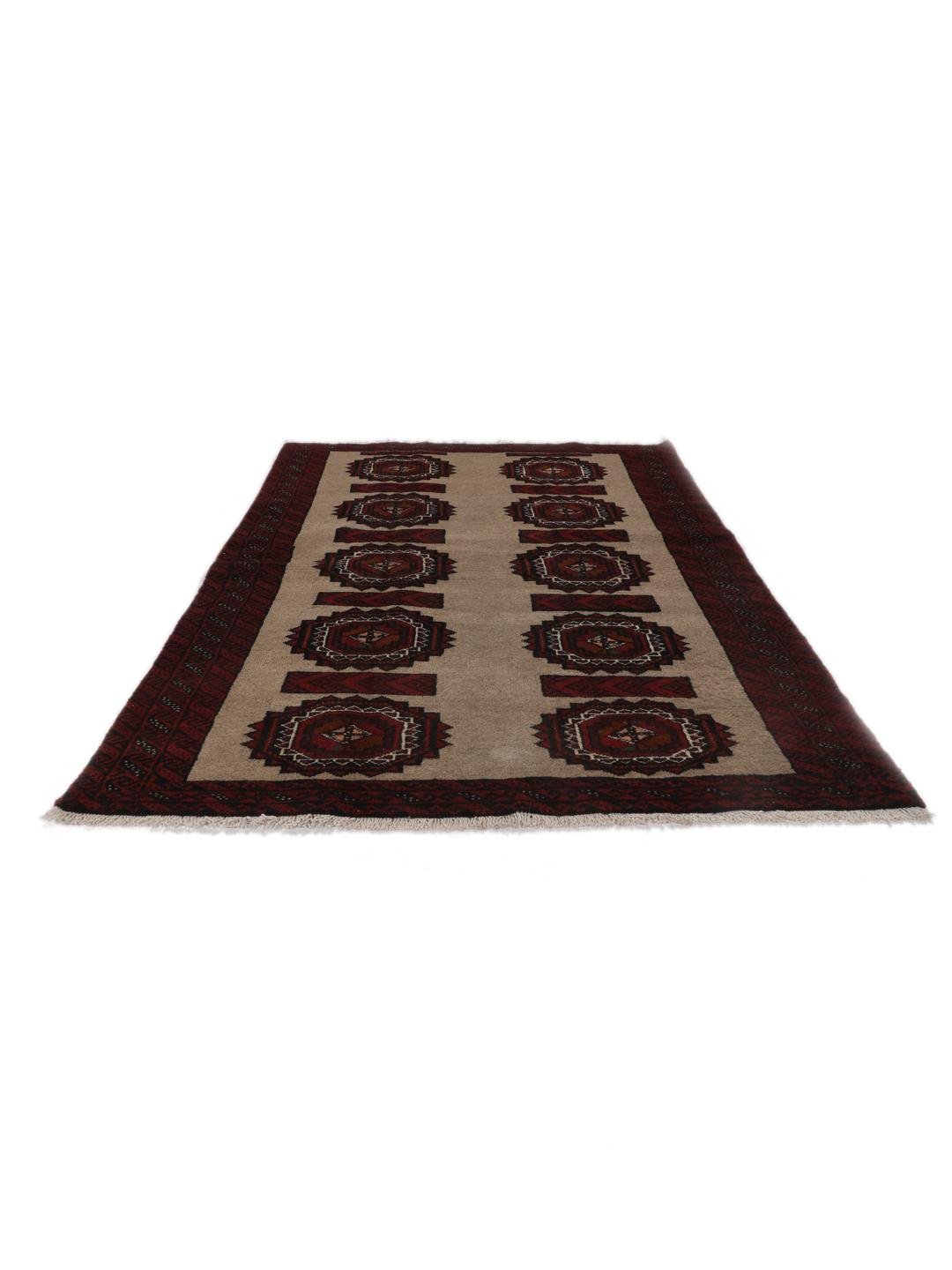
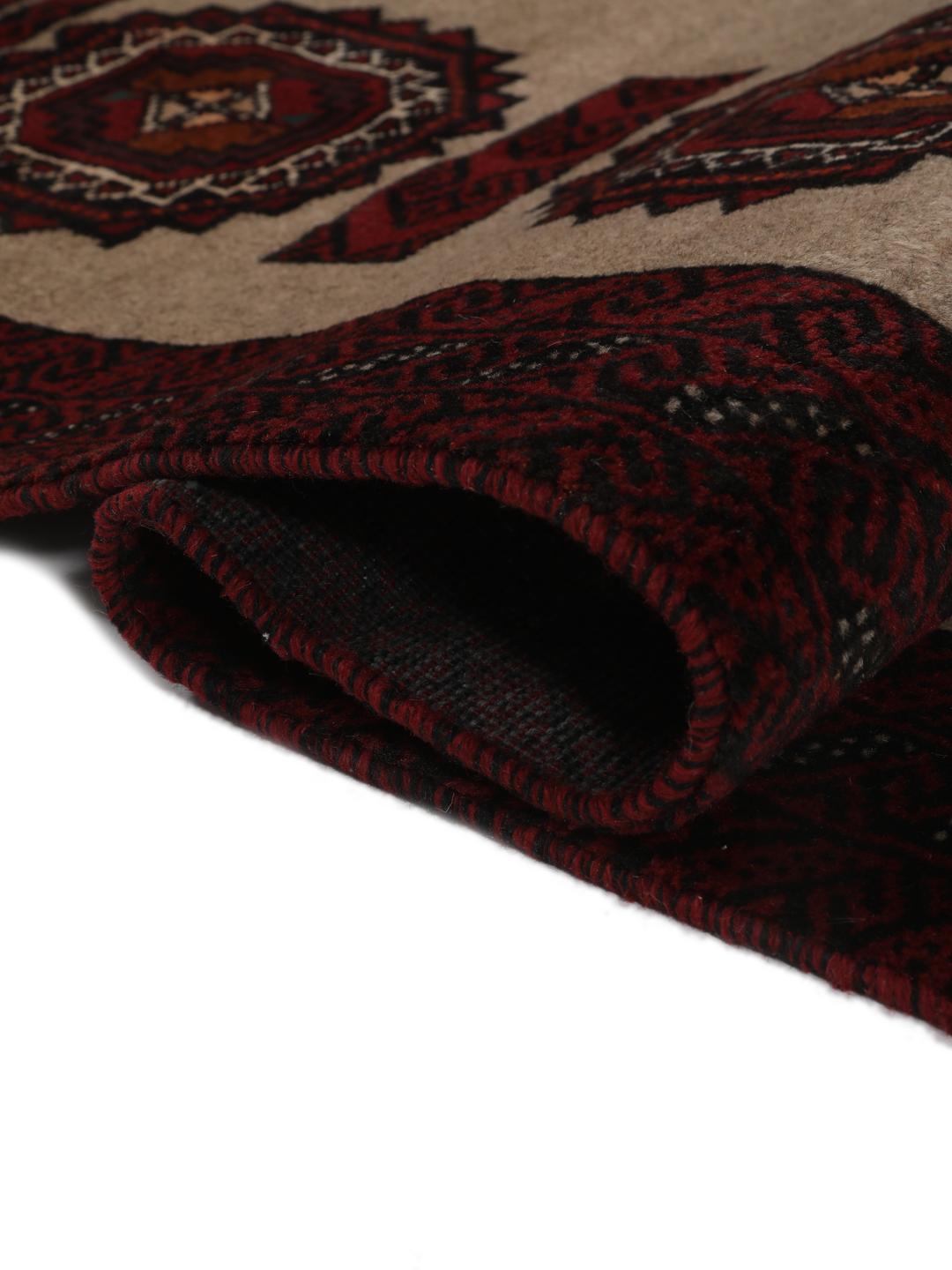
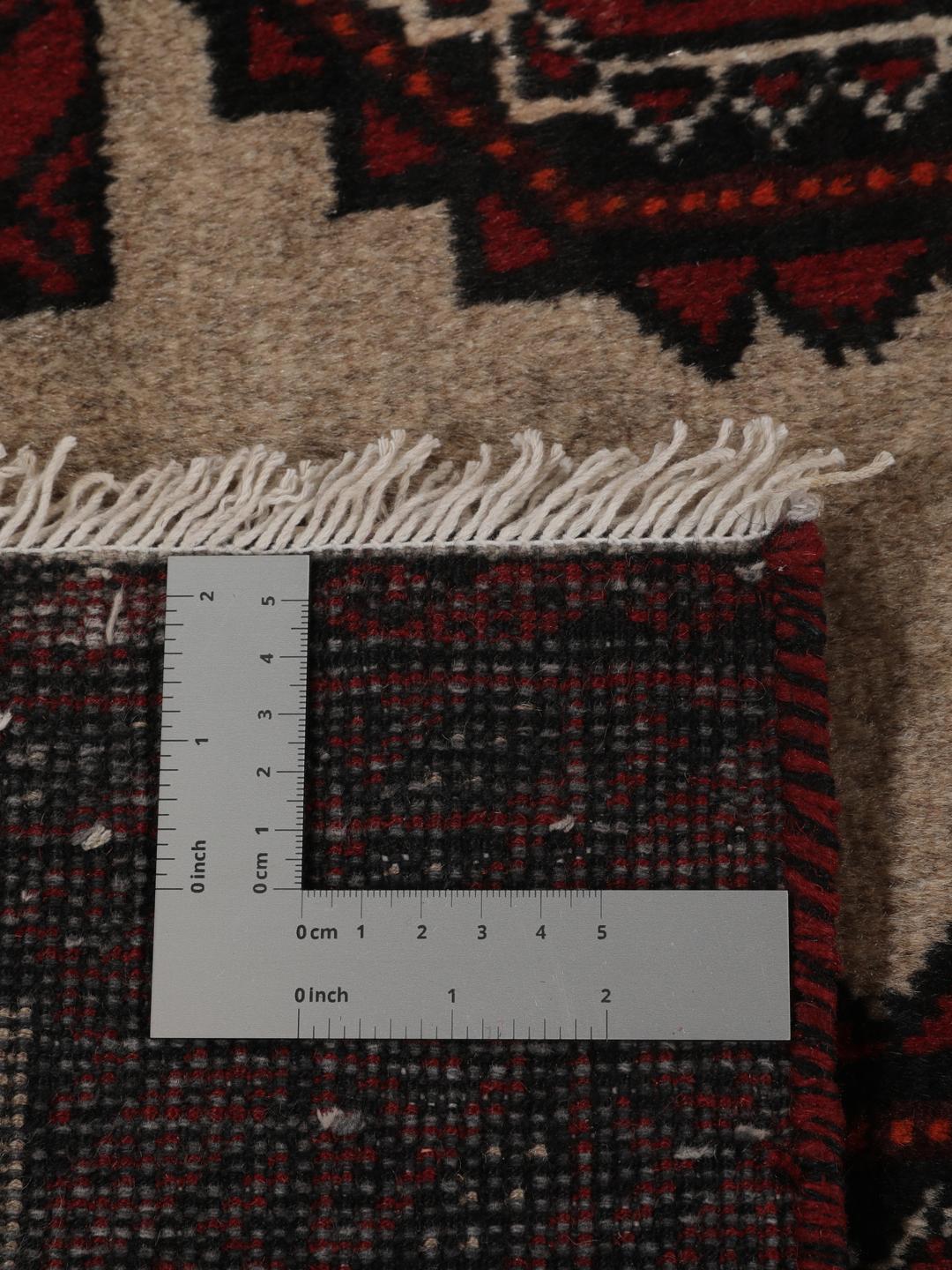
The Baluch rugs originate from the nomadic and semi-nomadic tribes living in the border regions of the Middle East. These tribes have a long history of weaving rugs that serve both functional and aesthetic purposes in their daily lives. Traditionally, these rugs were created for use within tents, serving as floor coverings, sleeping mats, and decorative wall hangings, which necessitated a construction that was both portable and highly durable.
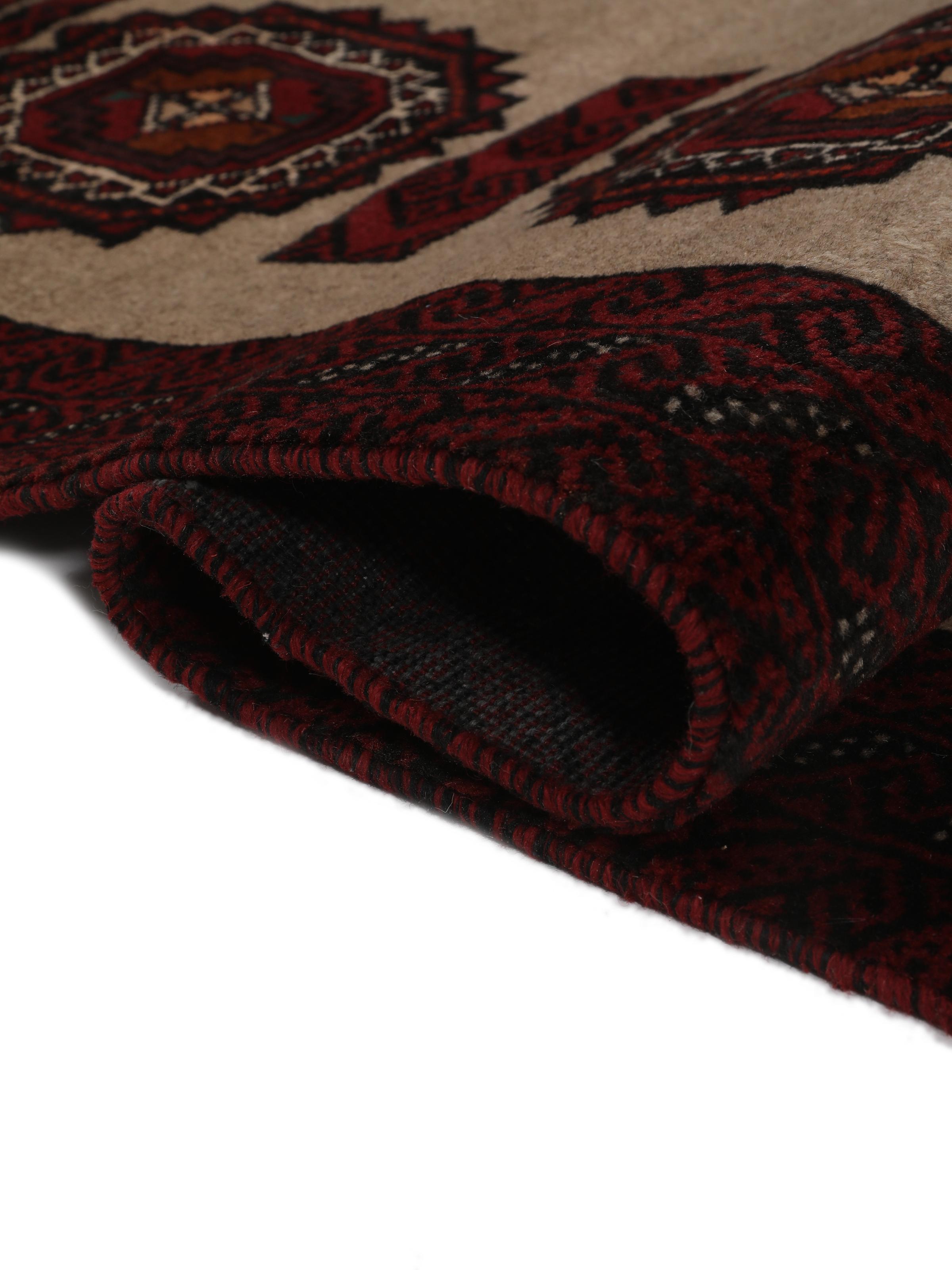
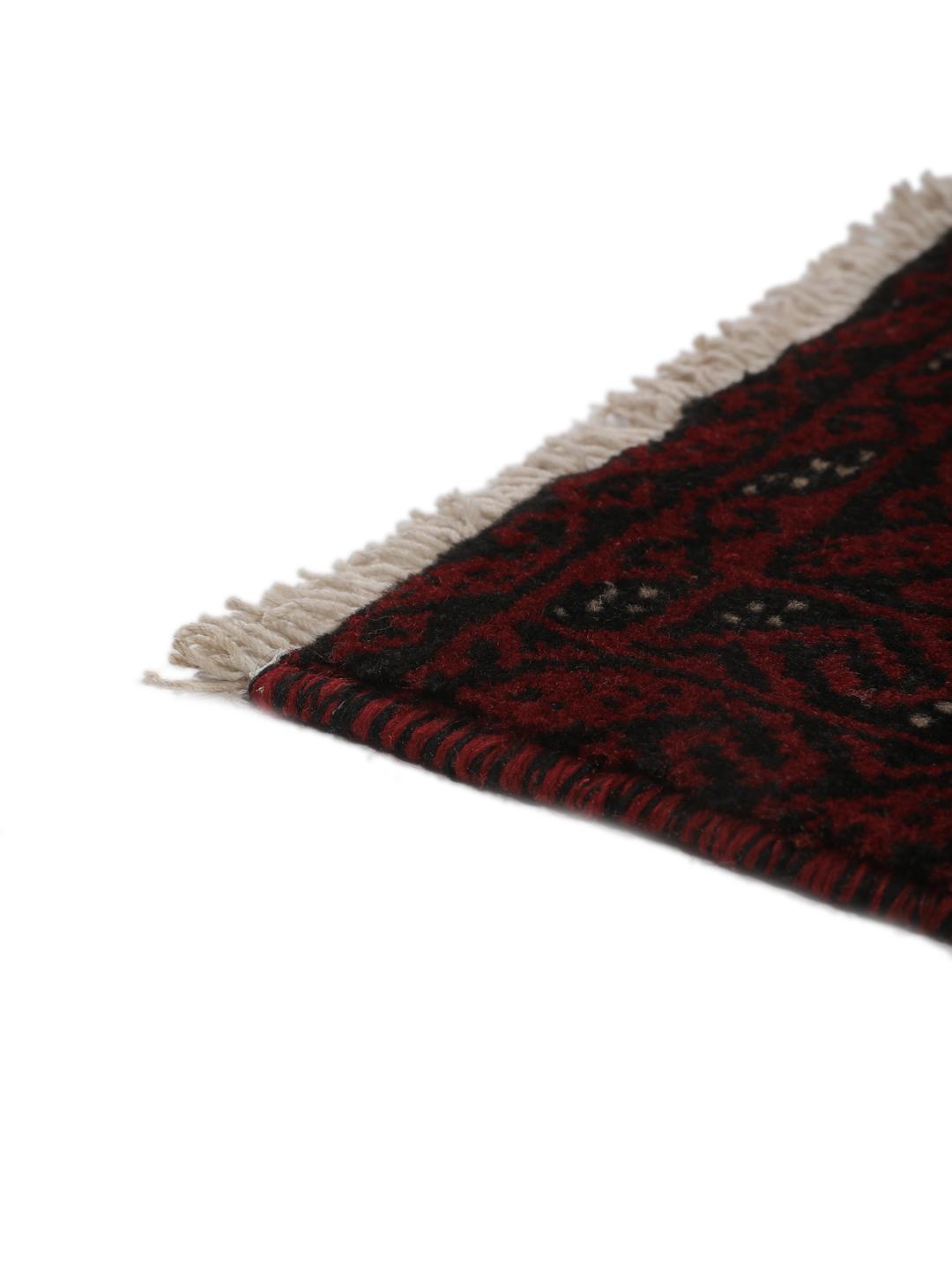
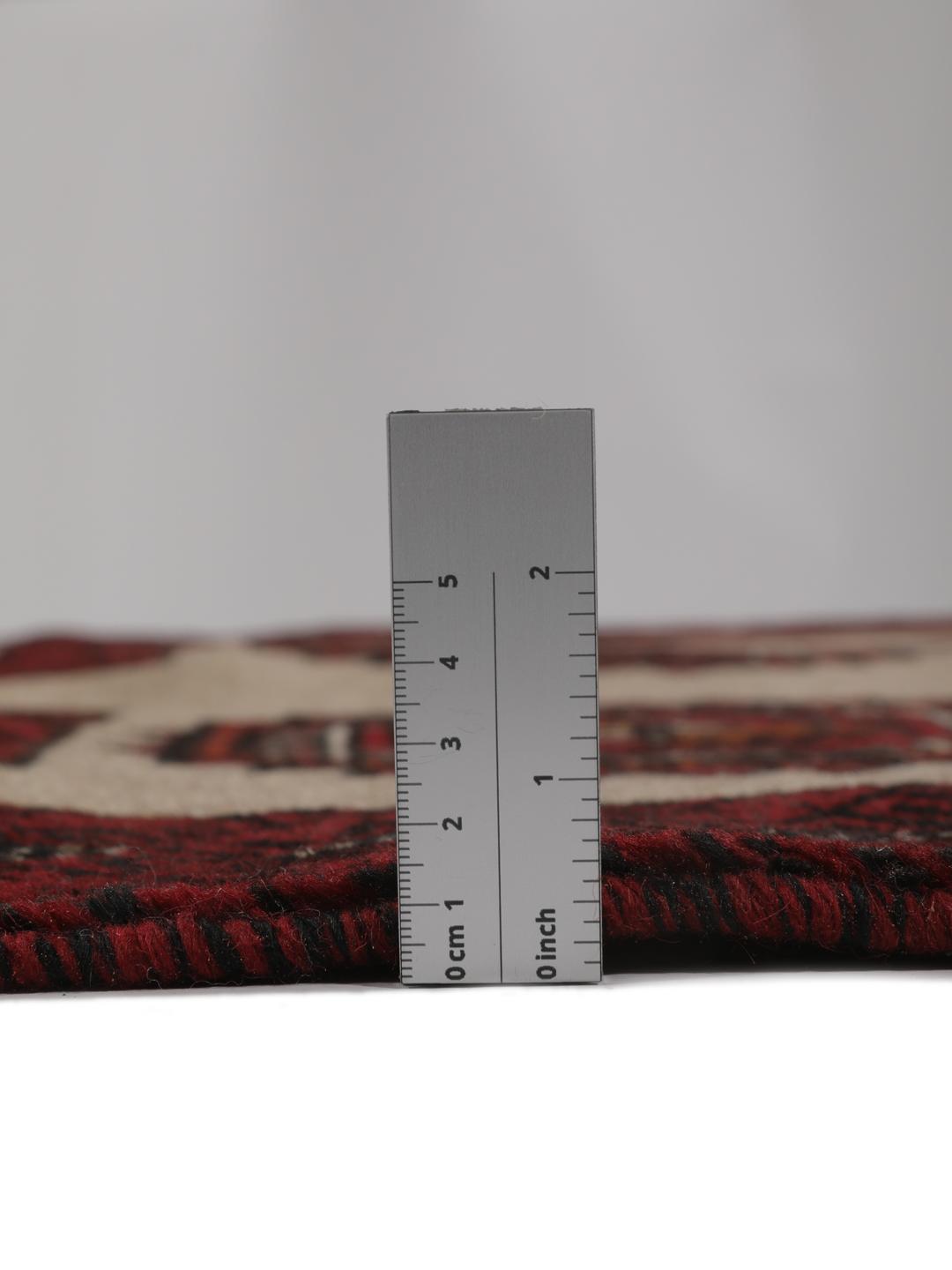
The term Baluch refers to the tribal identity of the weavers, who are renowned for their expertise in working with wool. The traditional weaving technique involves a careful selection and preparation of the wool, which is often hand-spun to retain its natural oils. This process is vital for the longevity of the rug, as it creates a pile that is resistant to wear and maintains a natural lustre that improves with time.
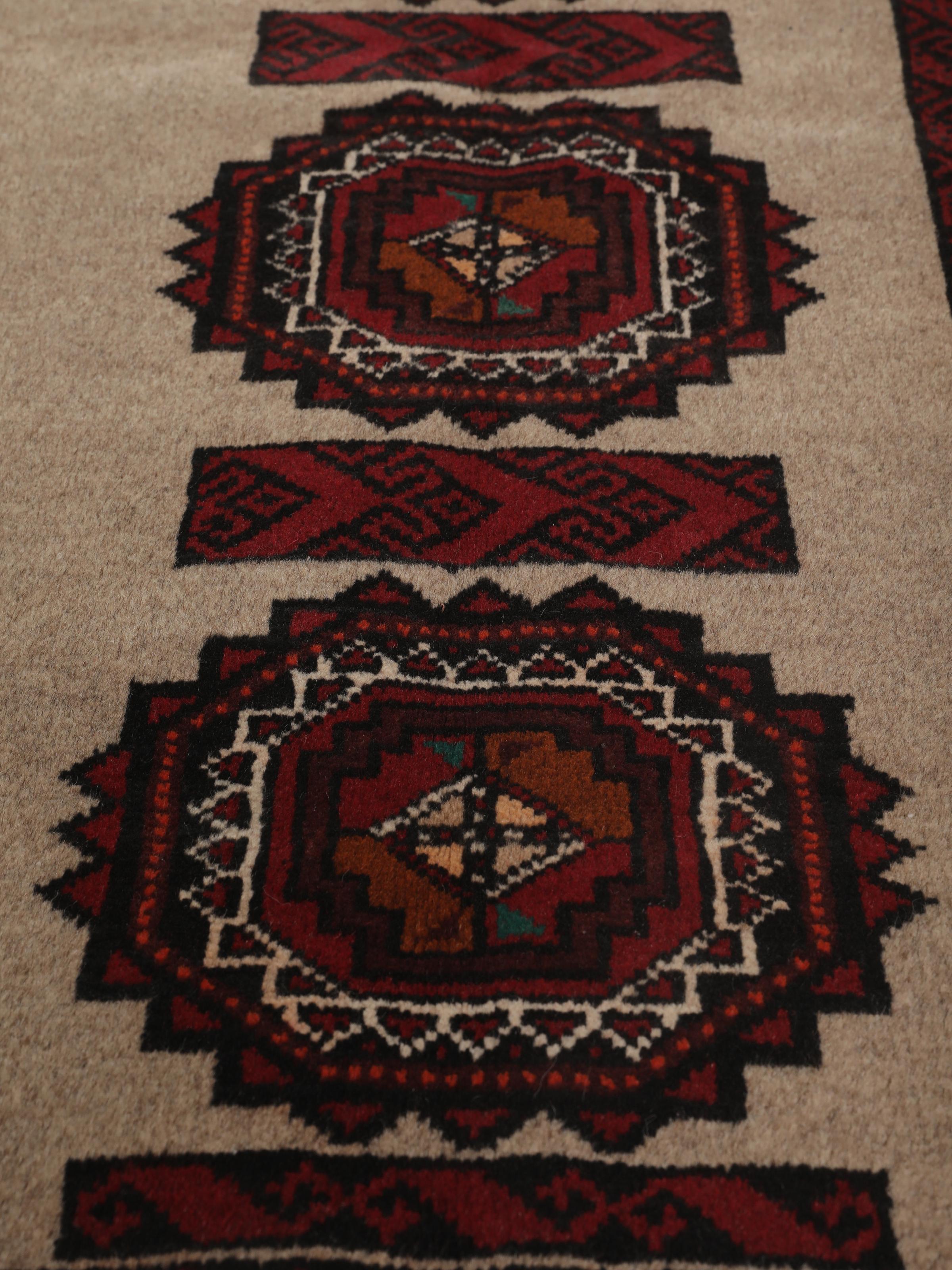
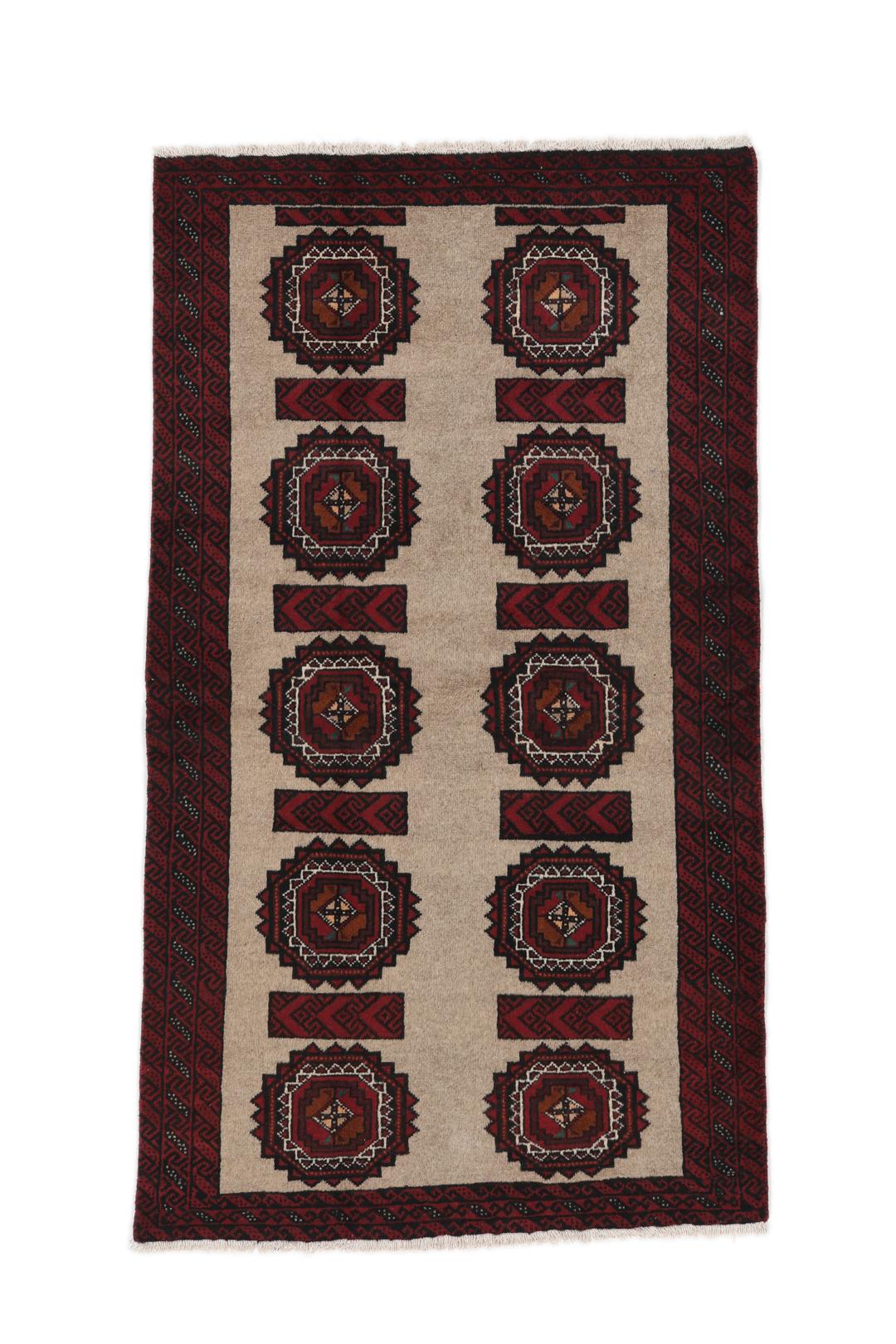
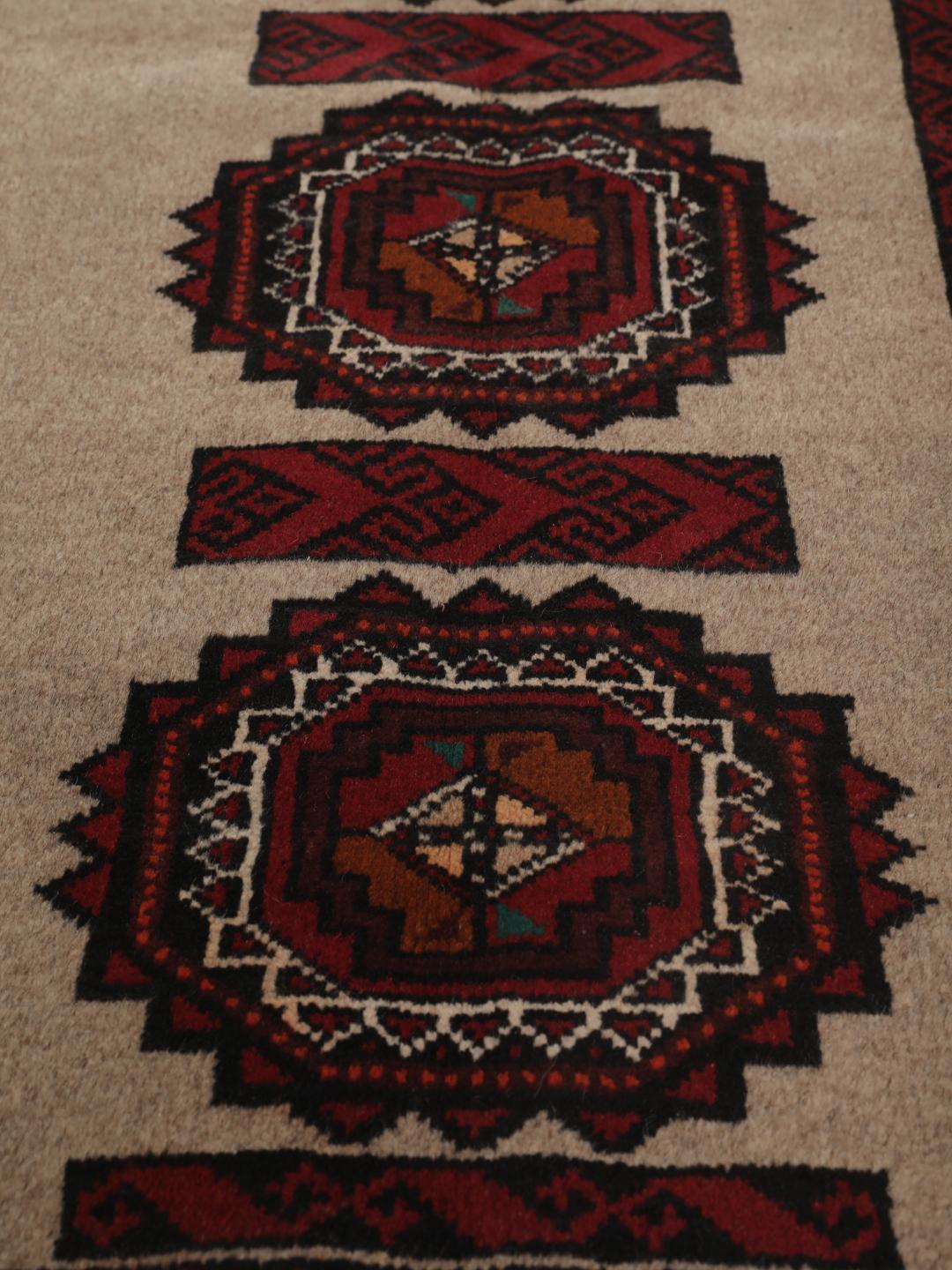
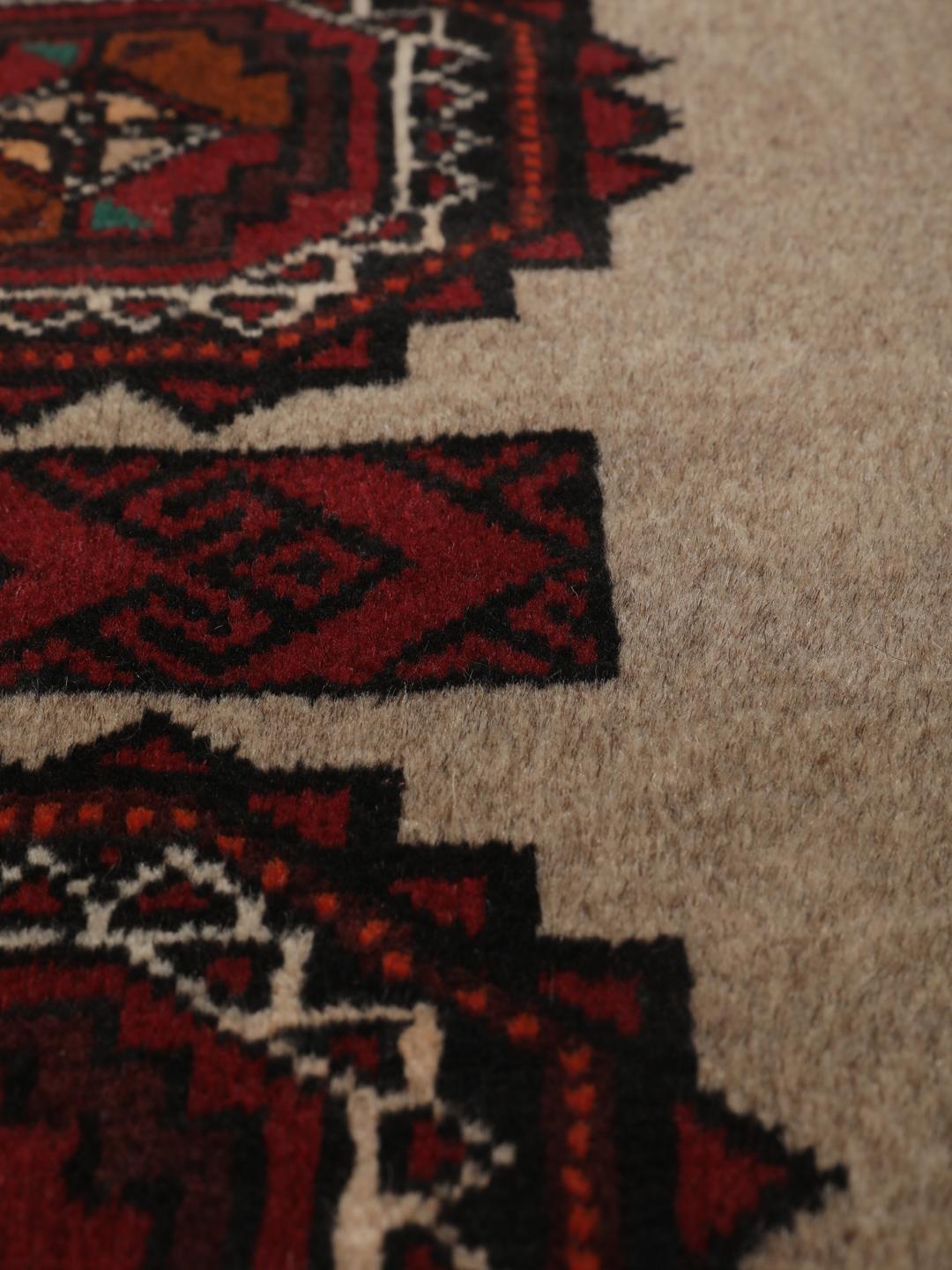
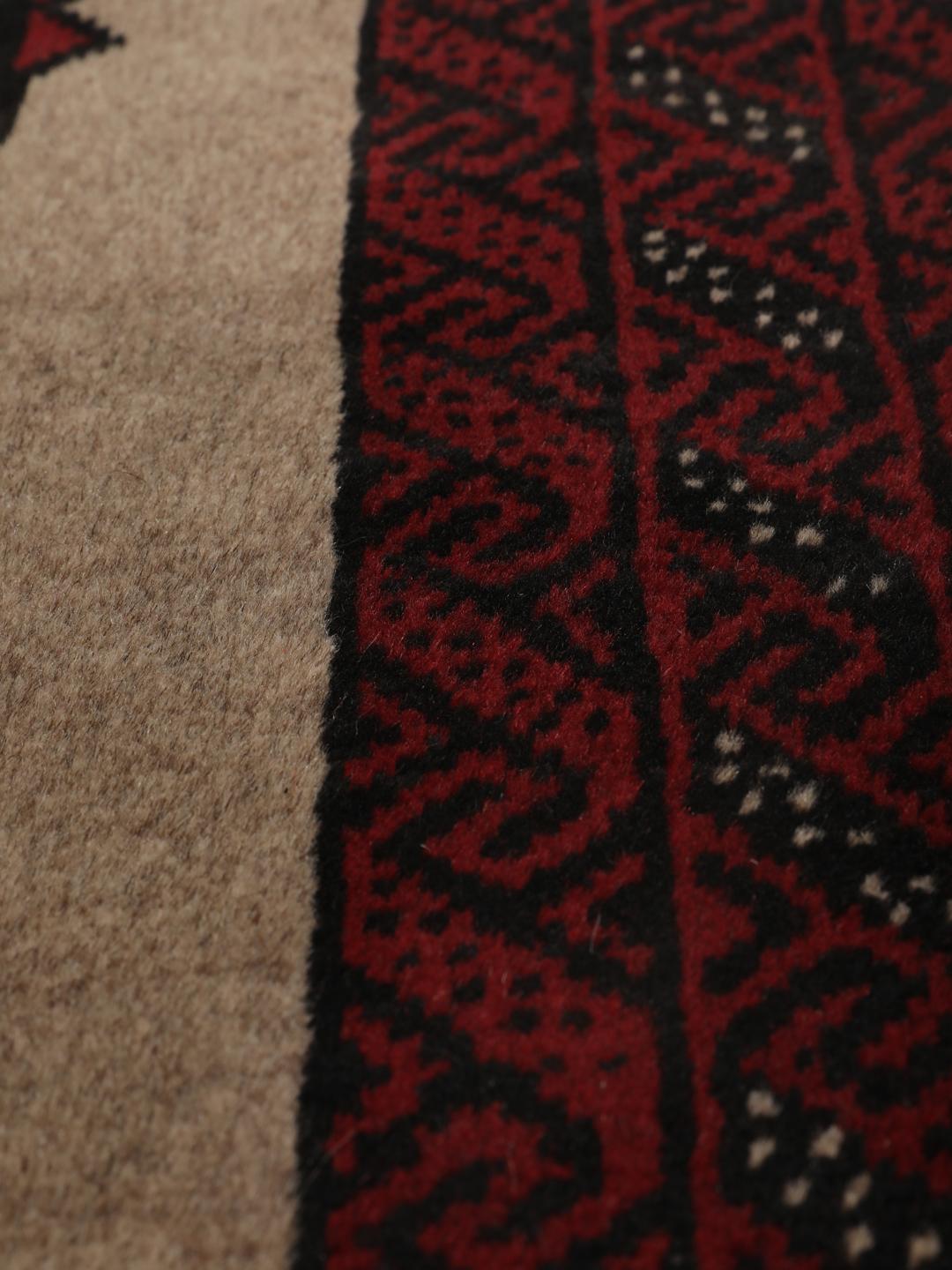
Signature design elements of Baluch rugs typically include bold, geometric patterns and stylised motifs, often arranged in repeating rows or central medallions. Common symbols include the gul, which is a stylised floral or tribal emblem, and elaborate borders that frame the field. The colour palette is almost always derived from natural dyes, leading to the deep, resonant reds, browns, and dark tones that are characteristic of this weaving tradition.
Collecting Baluch rugs is highly valued by enthusiasts who appreciate the authenticity and cultural narrative embedded in each piece. These rugs are not just floor coverings but are considered significant examples of tribal folk art. By owning a Baluch rug, one participates in a legacy of skill and tradition that has been passed down through generations, making it a piece of heritage that brings depth and soul to any contemporary home.